
Introduction
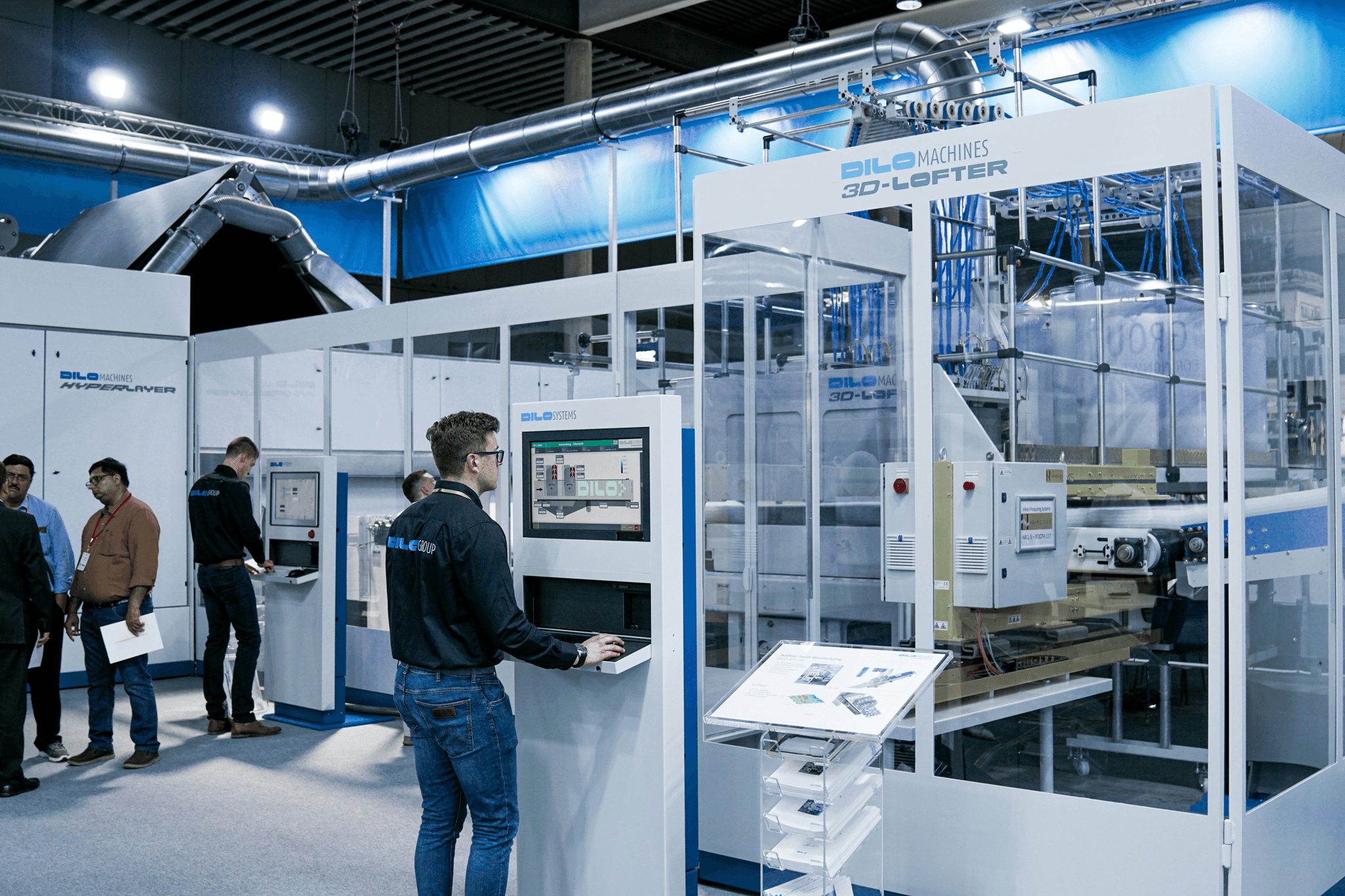
The landscape of manufacturing is undergoing a seismic shift, driven by the adoption of innovative technologies that are reshaping traditional practices. As industries embrace new manufacturing technologies, they find themselves navigating a complex web of opportunities and challenges that come with advancements like data analytics, the Internet of Things (IoT), and artificial intelligence (AI). These manufacturing trends not only enhance efficiency but also pave the way for smarter, more sustainable production practices.
Embracing New Manufacturing Technologies
In today's fast-paced environment, manufacturers are compelled to embrace new technologies to stay relevant and competitive. The integration of data analytics into production processes allows companies to make informed decisions based on real-time insights, drastically improving operational efficiency. By leveraging tools such as AI and IoT, manufacturers can streamline workflows and adapt quickly to market demands, ensuring they remain at the forefront of emerging manufacturing trends.
The Rise of Smart Factories
Smart factories represent a revolutionary leap forward in manufacturing capabilities, characterized by interconnected systems that communicate seamlessly. This transformation is largely fueled by the Internet of Things (IoT), which enables machines and devices to share data effortlessly, optimizing performance across the board. With smart factories on the rise, organizations can harness data analytics to predict maintenance needs and enhance productivity while aligning with modern manufacturing trends focused on automation and connectivity.
Sustainability in Production Practices
As environmental concerns take center stage globally, sustainability has become an essential pillar of modern manufacturing practices. Companies are increasingly adopting sustainable methods that not only reduce waste but also lower energy consumption through intelligent resource management powered by AI and IoT technologies. By prioritizing sustainability alongside innovation in their operations, manufacturers are not just responding to consumer demand but are also setting new standards in line with evolving manufacturing trends.
Data Analytics Revolutionizing Production
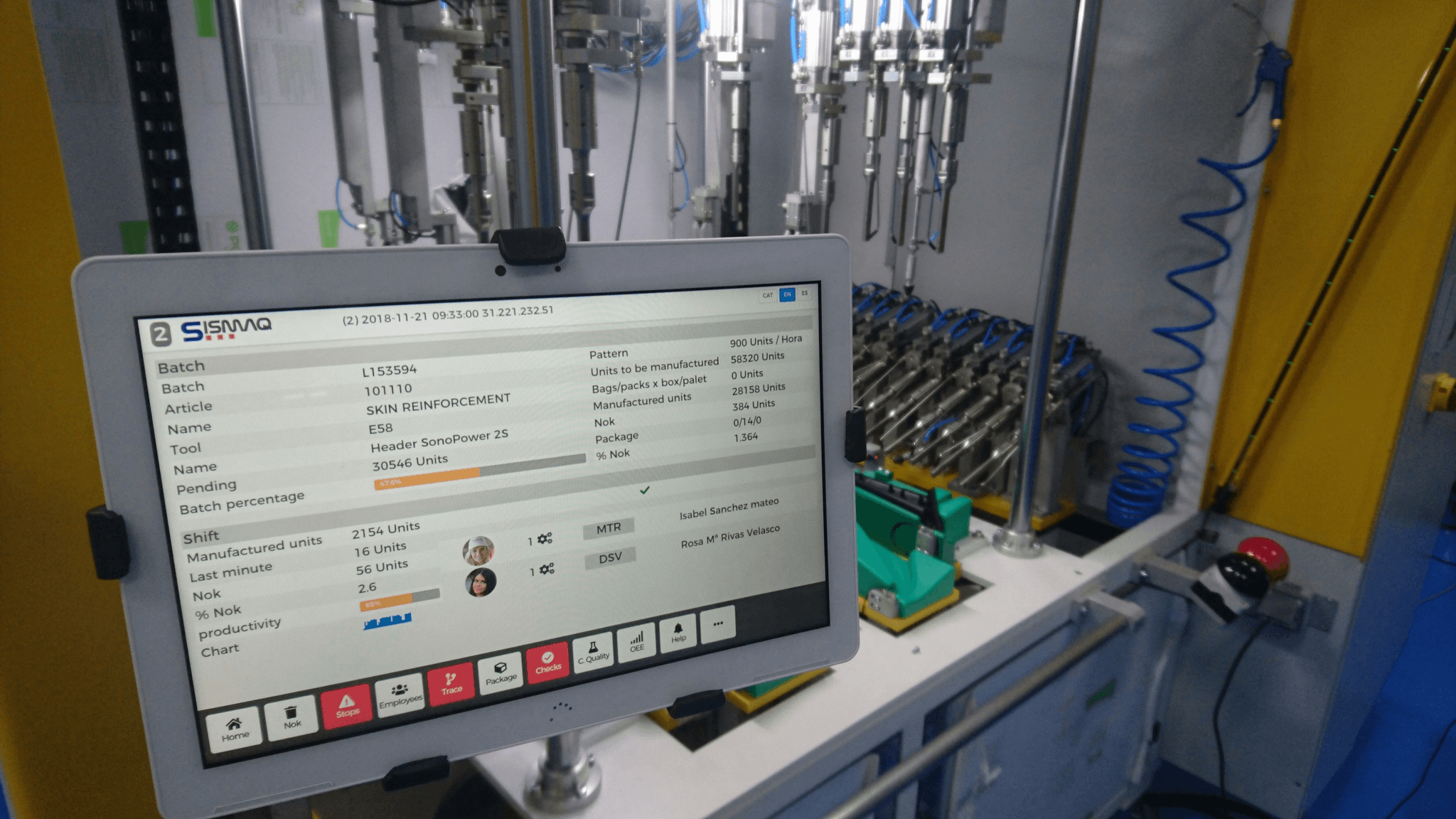
In the fast-paced world of modern manufacturing, data analytics is not just a trend; it’s a game-changer. With the ability to sift through vast amounts of data, manufacturers are now empowered to make informed decisions that can significantly enhance productivity and efficiency. This analytical approach is reshaping manufacturing trends, allowing companies to stay competitive in an increasingly connected landscape.
Transforming Decision-Making with Insights
Data analytics provides manufacturers with actionable insights derived from complex datasets, enabling smarter decision-making processes. By leveraging these insights, organizations can identify inefficiencies and optimize production lines in real time. As a result, businesses are not only improving operational effectiveness but also adapting more swiftly to changing market demands—a critical factor in today’s volatile economy.
Moreover, integrating data analytics with The Internet of Things (IoT) creates a feedback loop where machines communicate performance metrics back to operators. This synergy allows for continuous improvement cycles that refine processes over time. Consequently, manufacturers who embrace this technology are better positioned to capitalize on emerging manufacturing trends and remain ahead of their competitors.
Predictive Maintenance for Efficiency
One of the standout applications of data analytics in manufacturing is predictive maintenance, which has revolutionized how companies manage equipment upkeep. By analyzing historical performance data and identifying patterns, manufacturers can anticipate equipment failures before they occur—saving both time and money on unexpected downtimes. This proactive approach not only enhances operational efficiency but also extends the lifespan of machinery.
Furthermore, when predictive maintenance is paired with Artificial Intelligence (AI), it becomes even more powerful; AI algorithms can refine predictions based on real-time data inputs from IoT devices embedded within machinery. This leads to a highly efficient maintenance schedule that minimizes disruption while maximizing productivity across the board. As predictive maintenance gains traction as one of the key manufacturing trends, it underscores the importance of integrating advanced technologies into everyday operations.
Real-Time Monitoring for Operational Excellence
Real-time monitoring systems powered by data analytics are becoming essential tools for achieving operational excellence in manufacturing environments. These systems provide instant visibility into production processes and enable quick responses to any anomalies or inefficiencies detected along the production line. With timely access to critical information, managers can make swift adjustments that keep operations running smoothly.
The integration of IoT devices plays a crucial role here; sensors placed throughout production facilities collect valuable data that is analyzed continuously for insights into performance metrics such as cycle times and throughput rates. When combined with AI-driven analysis techniques, manufacturers gain unparalleled insight into their operations—allowing them to fine-tune processes like never before while adhering to evolving manufacturing trends focused on agility and responsiveness.
In conclusion, harnessing the power of data analytics is key for manufacturers aiming at sustained growth amid rapid technological advancements in their industry landscape. By transforming decision-making capabilities through insightful analysis, adopting predictive maintenance strategies for enhanced efficiency, and implementing real-time monitoring solutions for operational excellence—companies are well-equipped to navigate future challenges successfully.
The Internet of Things (IoT) and Connectivity
The Internet of Things (IoT) is fundamentally reshaping manufacturing trends by creating a more connected and responsive production environment. By enabling machines to communicate with each other, IoT facilitates real-time data exchange that enhances operational efficiency. This interconnectedness not only streamlines processes but also lays the groundwork for integrating advanced technologies like data analytics and artificial intelligence (AI) into manufacturing systems.
Enhancing Machine Communication
Machine communication has taken a giant leap forward thanks to IoT technologies, allowing devices to share information seamlessly. With sensors embedded in machinery, manufacturers can monitor performance metrics, identify inefficiencies, and respond proactively to issues as they arise. This level of connectivity transforms traditional manufacturing practices into smart operations that adapt quickly to changing demands and conditions.
Smart Supply Chains and Inventory Management
The integration of IoT in supply chains is revolutionizing inventory management by providing real-time visibility into stock levels and logistics processes. Manufacturers can track materials from suppliers through every stage of production, ensuring that resources are allocated efficiently and reducing waste. This transparency not only enhances decision-making powered by data analytics but also fosters collaboration across the supply chain, aligning with the latest manufacturing trends.
Leveraging IoT for Quality Control
Quality control has never been more precise than with the advent of IoT technologies in manufacturing environments. By continuously monitoring product quality during production, manufacturers can detect deviations early on and implement corrective actions before issues escalate. The result is a significant reduction in defects and improved compliance with industry standards—an essential factor in maintaining competitiveness amidst evolving manufacturing trends.
Artificial Intelligence (AI) in Manufacturing
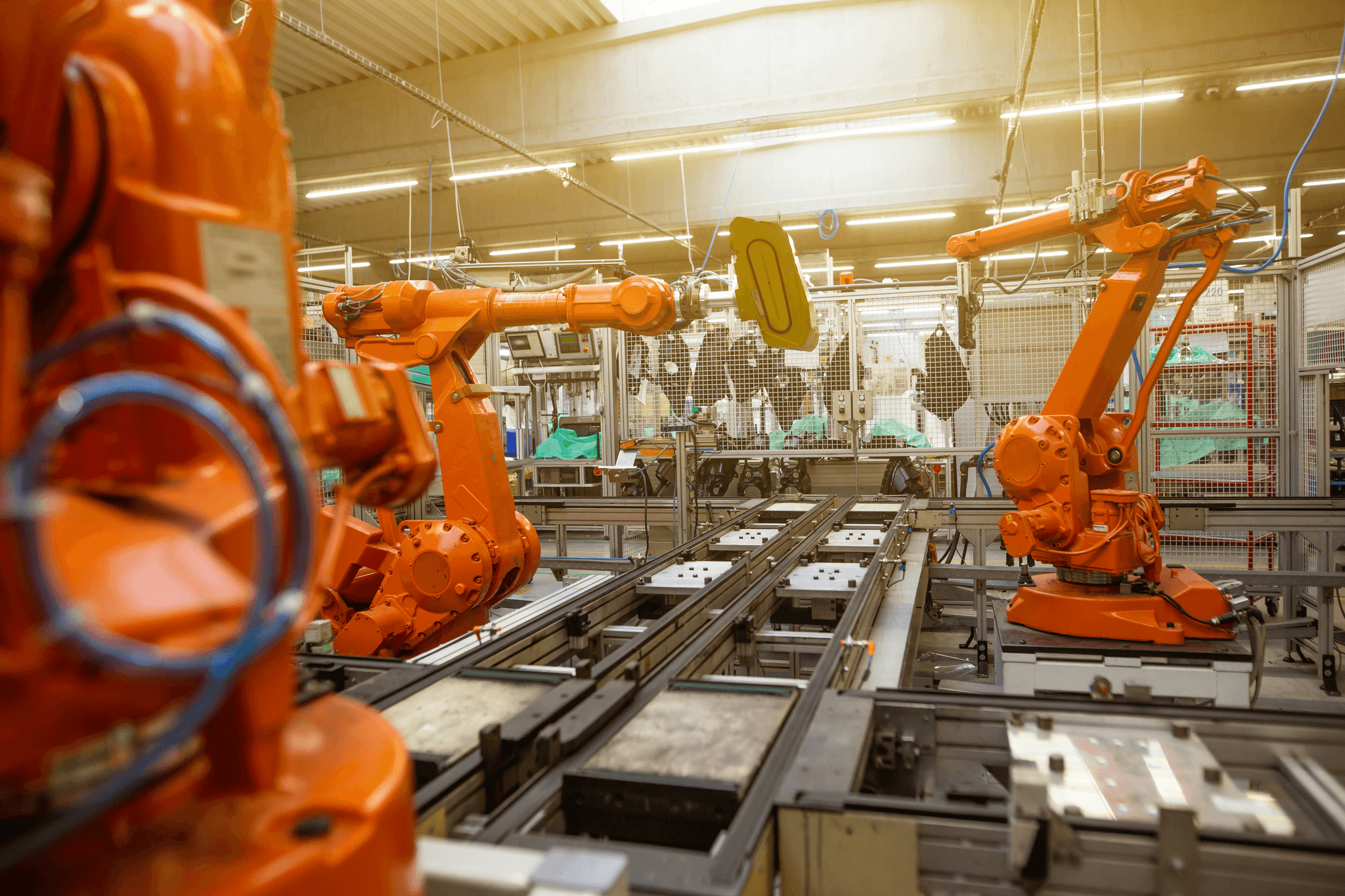
Artificial Intelligence (AI) is revolutionizing the manufacturing landscape by streamlining processes and driving efficiency. As industries embrace new manufacturing trends, AI technologies are becoming indispensable tools for enhancing production capabilities. With the integration of AI, manufacturers can not only increase output but also achieve a level of precision that was previously unattainable.
Automating Processes for Increased Output
Automation powered by AI is transforming how manufacturers operate, enabling them to achieve unprecedented levels of productivity. By utilizing advanced algorithms and data analytics, companies can automate repetitive tasks and optimize workflows, leading to significant time savings and reduced operational costs. This shift towards automation aligns perfectly with current manufacturing trends that prioritize speed and efficiency in production processes.
Moreover, the implementation of AI-driven automation helps mitigate human error, ensuring consistency in product quality while allowing skilled workers to focus on more complex tasks. The synergy between automation and data analytics further enhances decision-making processes, allowing businesses to adapt quickly to market changes. As a result, manufacturers can meet consumer demands with agility while maintaining high standards of quality.
AI-Driven Quality Assurance Techniques
Quality assurance is paramount in manufacturing, and AI is emerging as a game-changer in this domain. By leveraging machine learning algorithms alongside real-time data analytics, manufacturers can identify defects early in the production process and implement corrective measures swiftly. This proactive approach not only minimizes waste but also aligns with sustainability goals that are increasingly shaping manufacturing trends today.
Additionally, AI-driven quality assurance techniques facilitate continuous improvement by analyzing vast amounts of data collected from various stages of production. This analysis provides insights into potential areas for enhancement while ensuring compliance with industry standards through rigorous testing protocols powered by The Internet of Things (IoT). In essence, integrating AI into quality assurance creates a robust framework that elevates product reliability and customer satisfaction.
Personalized Production Through Machine Learning
The rise of personalized products has become a hallmark of modern manufacturing trends, largely driven by advancements in machine learning technologies. By harnessing data from consumer preferences and market analysis, manufacturers can tailor their offerings to meet specific customer needs effectively. This level of customization not only enhances consumer engagement but also fosters brand loyalty as customers feel valued through personalized experiences.
Machine learning enables manufacturers to predict future trends based on historical data patterns while optimizing inventory management through intelligent forecasting models linked with IoT devices. These insights allow companies to produce goods more efficiently without overstocking or understocking items—a critical factor in maintaining profitability amidst fluctuating demand scenarios. Ultimately, the combination of personalized production capabilities and cutting-edge technology positions businesses at the forefront of competitive advantage within the ever-evolving landscape of manufacturing.
The Role of Robotics in Modern Manufacturing

The integration of robotics into modern manufacturing is reshaping the industry landscape, driving efficiency and innovation. As manufacturing trends evolve, robots are becoming indispensable assets on the factory floor. With the help of data analytics, businesses can now optimize operations and harness robotics to meet growing demands.
Collaborative Robots in the Workforce
Collaborative robots, or cobots, are revolutionizing how humans and machines interact in manufacturing environments. Unlike traditional industrial robots that operate independently behind safety barriers, cobots work alongside human workers, enhancing productivity while ensuring safety. This synergy allows companies to leverage the strengths of both human intelligence and robotic precision, leading to improved outcomes in production processes.
Moreover, with the rise of The Internet of Things (IoT), these collaborative systems can communicate seamlessly with other machines and devices on the factory floor. This connectivity not only streamlines workflows but also provides valuable insights through data analytics that inform better decision-making. As a result, manufacturers can adapt more swiftly to changing market demands while maintaining high-quality standards.
Precision and Speed in Automated Tasks
In today's fast-paced manufacturing environment, precision and speed are paramount for success. Robotics plays a crucial role in achieving these objectives by executing tasks with unparalleled accuracy and rapidity. Automated systems equipped with Artificial Intelligence (AI) continuously learn from their surroundings and improve their performance over time—making them invaluable for repetitive tasks such as assembly or packaging.
The combination of robotics and AI allows manufacturers to consistently meet production targets without compromising quality. When integrated effectively with data analytics tools, these automated systems can identify bottlenecks or inefficiencies in real-time, enabling proactive adjustments that enhance overall operational efficiency. Consequently, businesses can maintain competitive advantages while adhering to evolving manufacturing trends.
Reducing Labor Costs with Robotics
One significant benefit of incorporating robotics into modern manufacturing is the potential for substantial cost savings on labor expenses. By automating repetitive tasks traditionally performed by human workers, companies can reallocate resources more efficiently while minimizing wage-related expenditures. This shift not only reduces overhead costs but also allows organizations to invest in advanced technologies like AI and IoT that further drive innovation.
Additionally, as labor shortages become more prevalent across various industries due to shifting demographics or economic fluctuations, robotics offers a reliable solution for maintaining productivity levels without relying solely on human labor forces. Manufacturers embracing this trend position themselves strategically for long-term sustainability amid challenges posed by workforce dynamics. Ultimately, leveraging robotics within production lines aligns perfectly with ongoing advancements in data analytics—ensuring optimal performance as market conditions change.
Quality Assurance with China Inspection Pro
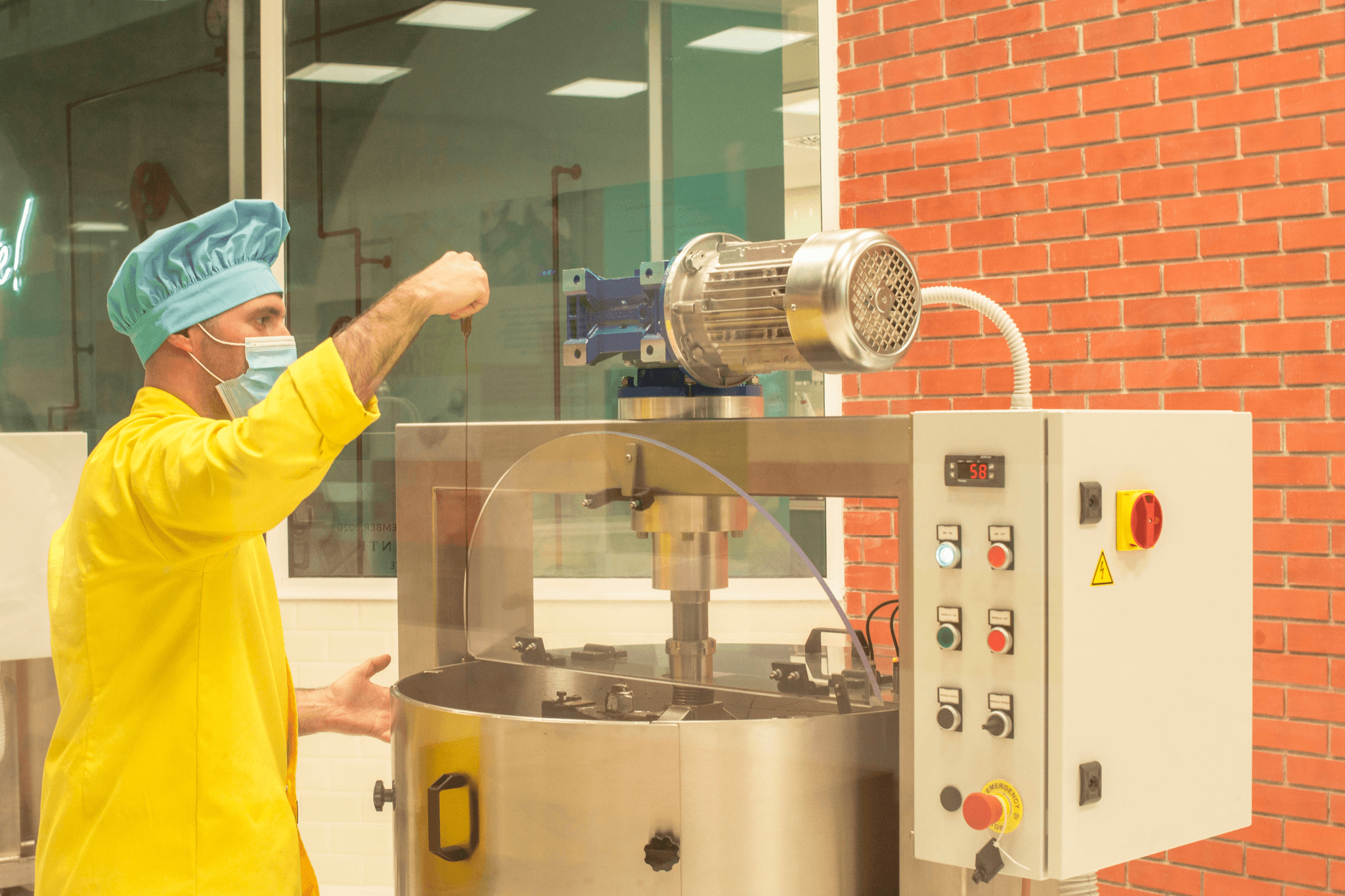
In the fast-evolving landscape of manufacturing trends, quality assurance stands out as a non-negotiable pillar for success. Companies are increasingly recognizing that maintaining high standards is not just about compliance but also about building trust with consumers and stakeholders alike. With the integration of data analytics, the Internet of Things (IoT), and Artificial Intelligence (AI), ensuring quality has become more sophisticated and efficient than ever.
Importance of Quality in Manufacturing Trends
Quality is no longer an afterthought; it’s central to modern manufacturing trends that prioritize customer satisfaction and brand loyalty. As industries embrace advanced technologies, the expectation for flawless products has skyrocketed, making quality assurance critical to competitive advantage. The integration of data analytics helps manufacturers identify patterns and discrepancies in production processes, allowing for proactive measures that enhance overall product quality.
Comprehensive Inspection Services for Assurance
China Inspection Pro offers a suite of comprehensive inspection services tailored to meet diverse manufacturing needs, ensuring products meet stringent quality standards. These services leverage cutting-edge technologies such as AI-driven analysis and real-time monitoring through IoT devices to catch potential issues before they escalate into costly problems. By utilizing data analytics, manufacturers can gain insights into their production lines, facilitating continuous improvement and adherence to market demands.
Ensuring Compliance with Industry Standards
Compliance with industry standards is paramount in today’s global market, where regulations can vary widely across regions and sectors. China Inspection Pro ensures that manufacturers stay ahead by providing thorough inspections that align with international standards while integrating IoT solutions for real-time compliance tracking. This commitment not only minimizes risks but also enhances operational efficiency—an essential aspect of modern manufacturing trends driven by AI capabilities.
Conclusion
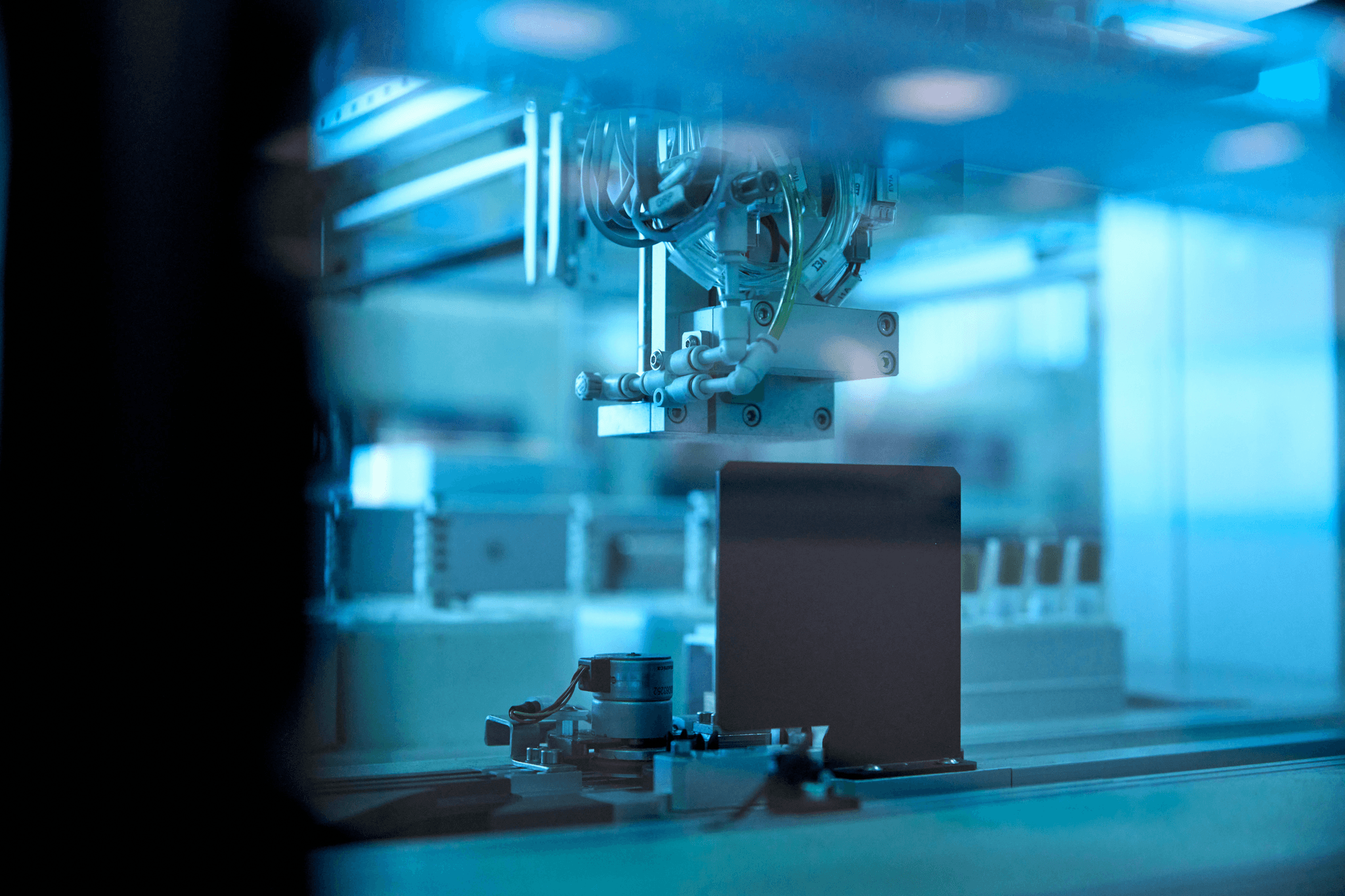
As we wrap up our exploration of the modern manufacturing landscape, it's clear that innovations are reshaping how industries operate. From data analytics driving smarter decisions to the Internet of Things (IoT) enhancing connectivity, these advancements are not just trends; they are the cornerstone of a new era in manufacturing. The integration of artificial intelligence (AI) is further revolutionizing processes, making them more efficient and responsive to market demands.
Innovations Transforming the Manufacturing Landscape
The rise of smart factories is a testament to how manufacturing trends are evolving with technology at their core. Data analytics has become a game-changer, providing insights that allow manufacturers to fine-tune operations and reduce waste. Simultaneously, IoT devices facilitate real-time communication between machines, leading to increased efficiency and reduced downtime.
Artificial intelligence (AI) plays a pivotal role in this transformation by automating repetitive tasks and enabling predictive maintenance strategies that keep production lines running smoothly. These innovations not only enhance productivity but also contribute significantly to sustainability efforts by minimizing resource consumption and waste generation. As manufacturers embrace these technologies, they position themselves for success in an increasingly competitive global market.
Future Outlook: Manufacturing Trends Ahead
Looking ahead, the future of manufacturing promises even more exciting developments as technology continues to advance at a rapid pace. We can expect data analytics to become more sophisticated, allowing for deeper insights into consumer behavior and operational efficiencies that were previously unimaginable. The Internet of Things (IoT) will likely expand its influence, connecting every facet of production—from supply chains to customer interactions—creating an integrated ecosystem that responds dynamically to changes in demand.
Moreover, artificial intelligence (AI) will evolve beyond automation; it will drive innovation in product design and development processes. As AI systems learn from vast amounts of data generated across production lines, they will enable personalized products tailored precisely to consumer preferences—a trend that's already gaining traction today. Embracing these future manufacturing trends will be essential for companies looking to thrive in an ever-changing landscape.
Adapting to Stay Competitive in Industry
To remain competitive amidst these shifts in manufacturing trends, companies must be willing to adapt continuously and invest in new technologies like data analytics and IoT solutions that enhance operational capabilities. Organizations should foster a culture of innovation where employees feel empowered to experiment with AI-driven tools that streamline processes or improve product quality through advanced quality assurance techniques.
Furthermore, collaboration between human workers and robots can lead to unprecedented levels of efficiency while ensuring safety on the factory floor—a crucial aspect as industries evolve toward greater automation without sacrificing workforce integrity. By staying agile and embracing change proactively rather than reactively, businesses can leverage these transformative technologies effectively while positioning themselves as leaders within their respective fields.