
Introduction
In the realm of production and service delivery, the terms quality control and inspection often swirl together like a well-mixed cocktail. However, understanding the difference between quality control and inspection can be the key to unlocking effective quality management practices. As we delve into this topic, it’s crucial to define quality in a way that highlights how QC quality control and QA quality work hand in hand to ensure excellence.
Understanding Quality Control Basics
Quality control (QC) is not just about checking if products are up to snuff; it encompasses a broader spectrum of activities aimed at ensuring that processes produce consistent results. At its core, QC involves monitoring and evaluating various aspects of production to maintain high standards. This proactive approach is essential for minimizing defects and ensuring customer satisfaction, making it an indispensable part of any quality management strategy.
The Role of Inspection in Quality Management
While QC focuses on the overall process, inspection zeroes in on specific items or batches to determine their compliance with defined standards. Quality inspection serves as a critical checkpoint within the broader framework of quality assurance (QA), helping organizations identify issues before they escalate into costly problems. By implementing rigorous inspection procedures, businesses can not only catch defects but also refine their processes for continual improvement.
Why the Difference Matters
Recognizing the distinction between QC and inspection is vital for organizations aiming to optimize their operations effectively. While both serve essential roles in maintaining product integrity, they do so through different methods and objectives—one emphasizes ongoing process improvement while the other targets specific outputs at given intervals. Understanding these differences allows businesses to tailor their strategies effectively, ensuring they choose the right approach for their unique needs.
Defining Quality Control
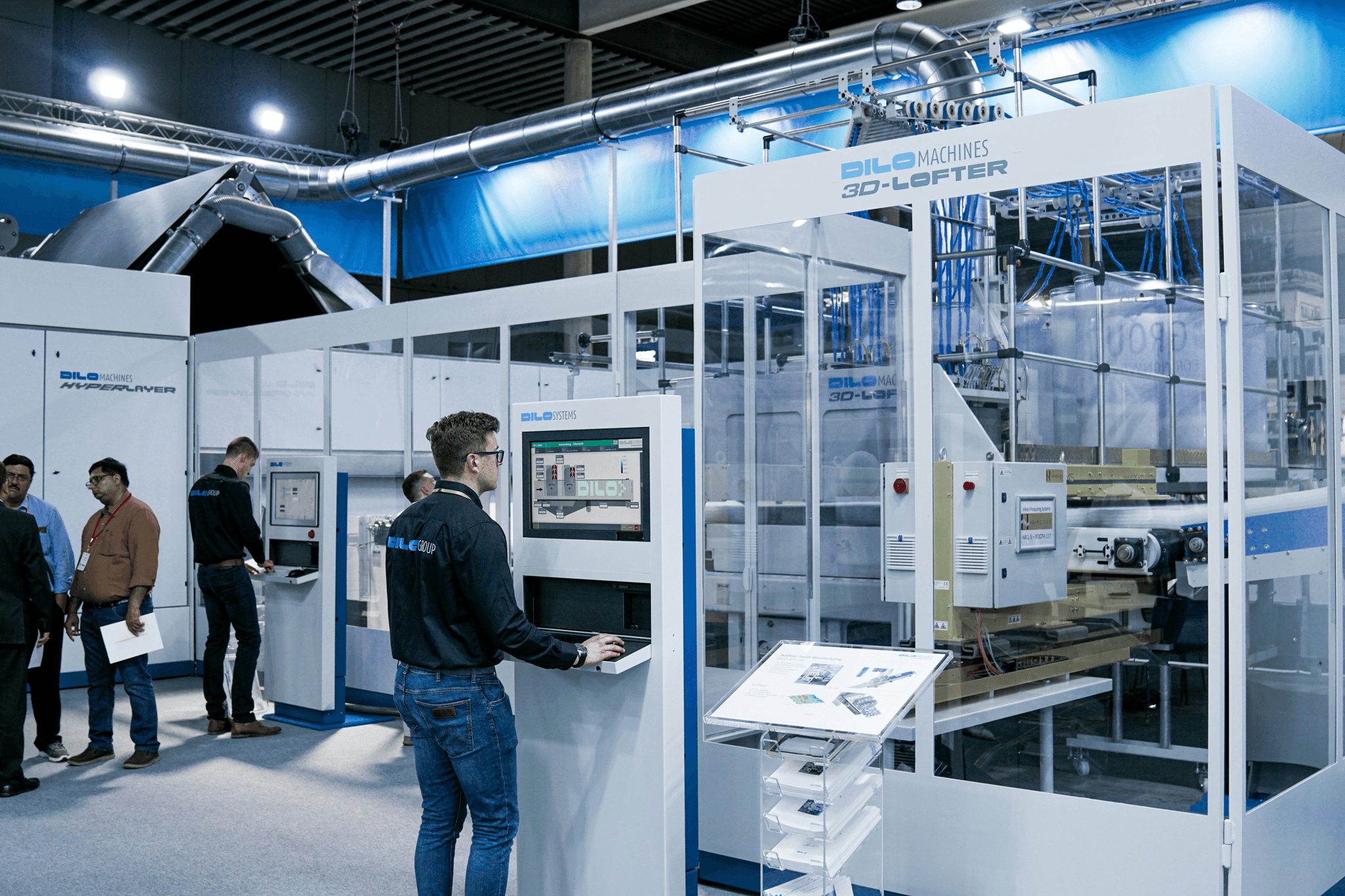
Quality control (QC) is a systematic process aimed at ensuring that products and services meet specific quality standards before they reach the consumer. It encompasses various activities designed to monitor and improve quality throughout production, thereby minimizing defects and enhancing customer satisfaction. Understanding QC is crucial for businesses that want to maintain a competitive edge in today’s market.
What is QC Quality Control?
QC quality control refers to the operational techniques and activities used to fulfill requirements for quality in products or services. It involves regular assessments, testing, and inspections at different stages of production to identify any deviations from desired specifications. By defining quality through these measures, organizations can ensure that their output consistently meets customer expectations.
The Importance of Quality Assurance
Quality assurance (QA) plays a pivotal role in complementing QC by focusing on the processes that lead to product development rather than just the end results. While QC checks outputs for defects, QA ensures that the processes are effective and efficient, aiming for continuous improvement over time. This distinction between quality control and inspection highlights how QA can prevent problems before they occur, fostering an environment of proactive management.
Quality Management Practices
Effective quality management practices integrate both QC and QA strategies to create a robust framework for maintaining high standards across all operations. These practices often include training staff on best practices, implementing standardized procedures, and utilizing feedback loops for ongoing improvement. By adopting comprehensive quality management techniques, organizations can significantly reduce waste while enhancing overall productivity.
Defining Inspection
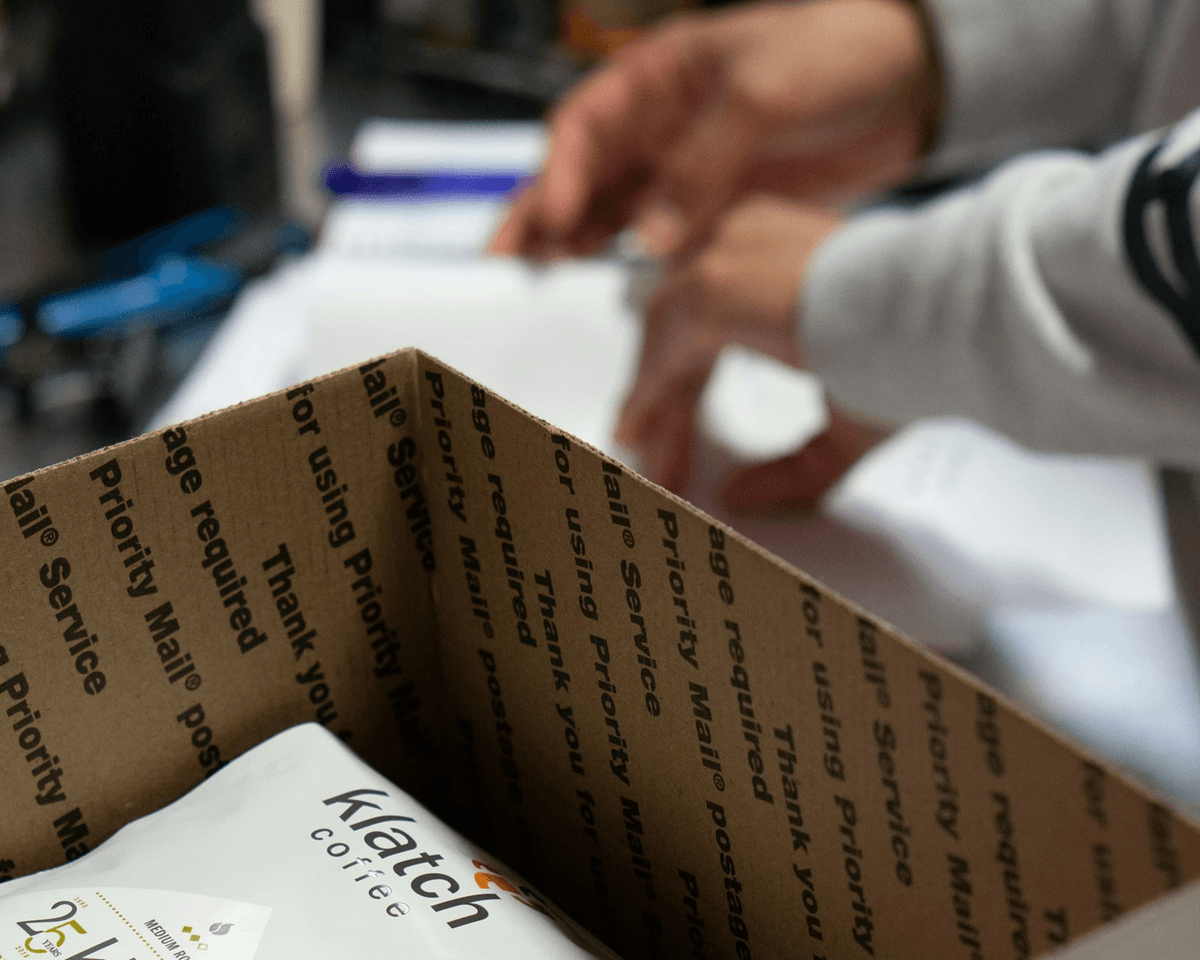
Quality inspection is a crucial component of quality management that focuses on evaluating products or services to ensure they meet specified standards. This process involves examining the materials, processes, and final outputs to identify any defects or deviations from quality assurance (QA) benchmarks. Understanding the definition of quality inspection helps distinguish it from other practices like quality control (QC), emphasizing its role in maintaining high standards.
What is Quality Inspection?
Quality inspection can be defined as a systematic examination of materials, components, or finished products against predetermined criteria to ensure compliance with quality standards. It plays an essential role in the broader context of quality management by identifying potential issues before they escalate into significant problems. By implementing effective quality inspection procedures, organizations can reduce waste and enhance customer satisfaction, which ultimately contributes to business success.
Types of Inspection Procedures
There are several types of inspection procedures that organizations can utilize depending on their specific needs and industry requirements. Among these are incoming inspections, where raw materials are evaluated upon arrival; in-process inspections, which monitor production at various stages; and final inspections that assess completed products before they reach customers. Each type serves a unique purpose within the framework of quality management and supports the overall goals of both QC and QA processes.
The Importance of Routine Checks
Routine checks are vital for maintaining consistent product quality over time and ensuring compliance with established standards throughout the production process. Regular inspections help identify trends or recurring issues that may indicate deeper problems within production lines or supply chains, allowing for timely corrective actions to be taken. By understanding the difference between quality control and inspection, businesses can implement routine checks effectively to bolster their QC efforts while ensuring adherence to QA principles.
Key Differences Between Quality Control and Inspection

Understanding the difference between quality control and inspection is crucial for any organization aiming to maintain high standards. While both play vital roles in quality management, their purposes, methods, and outcomes vary significantly. This section will delve into these distinctions, highlighting how they contribute to overall quality assurance.
Purpose and Scope
Quality control (QC) primarily focuses on the processes involved in producing a product or service to ensure it meets predefined standards. Its purpose is broader than just identifying defects; it aims to improve processes and enhance overall quality assurance (QA). In contrast, quality inspection zeroes in on examining products at various stages of production or after completion, ensuring they adhere to specific criteria before reaching consumers.
The scope of QC encompasses a wide array of activities that include process monitoring, statistical analysis, and continuous improvement initiatives. Conversely, the scope of quality inspection is more limited; it typically involves checking finished goods against established specifications or standards. By understanding these differences in purpose and scope, organizations can better allocate resources to enhance their overall quality management practices.
Methods and Techniques
When we talk about methods employed in QC versus those used in inspection, the difference becomes even clearer. QC utilizes techniques such as Six Sigma, Total Quality Management (TQM), and process capability analysis aimed at reducing variability within processes over time. These methodologies focus on long-term improvements rather than just immediate fixes.
On the flip side, quality inspection often relies on visual checks, sampling plans, and measurement tools to assess product conformity at specific points during production or post-manufacturing. Techniques like destructive testing or non-destructive testing are commonplace here as inspectors seek to catch defects before products reach customers. Recognizing these varied methods helps organizations choose the right approach for their unique needs.
Outcomes and Impact
The outcomes associated with QC are geared towards fostering a culture of continuous improvement within an organization’s processes—leading not only to higher-quality products but also increased operational efficiency over time. This proactive approach ultimately drives customer satisfaction by ensuring that products consistently meet consumer expectations.
In contrast, the primary outcome of quality inspection is often binary: pass or fail based on whether a product meets specified criteria at a given moment in time. While effective for catching issues early on, relying solely on inspection may not lead to significant long-term improvements unless combined with robust QC practices that address root causes of defects. By understanding these outcomes and impacts clearly—organizations can strategically implement both QC and inspection for optimal results.
Real-World Applications of Quality Control
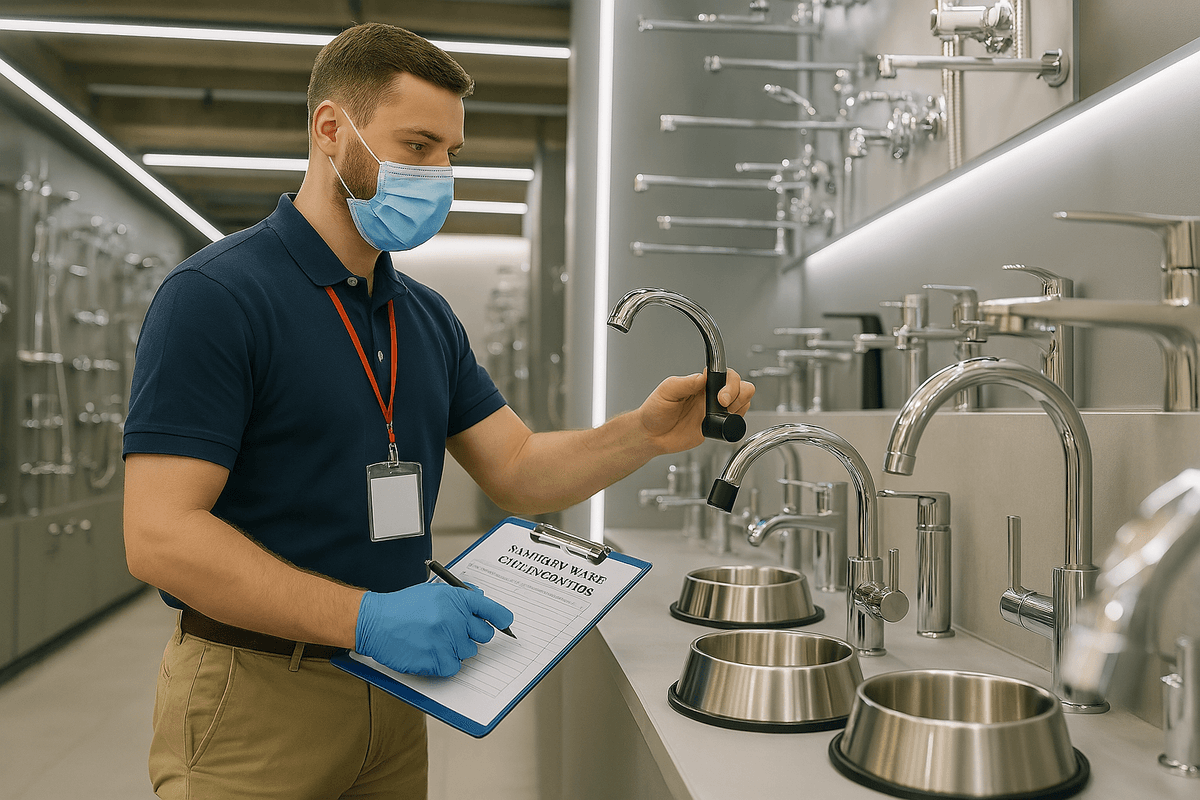
Quality control (QC) is a critical aspect of various manufacturing sectors, ensuring that products meet specified standards and customer expectations. Understanding the difference between quality control and inspection is essential for businesses aiming to enhance their operational efficiency. By implementing effective quality management practices, organizations can minimize defects and improve overall production quality.
Examples in Manufacturing Sectors
In the automotive industry, manufacturers like Ford and General Motors utilize rigorous QC processes to maintain high safety standards and performance reliability. In electronics, companies such as Samsung employ advanced QC techniques to ensure that each device functions flawlessly before reaching consumers. The food industry also heavily relies on quality control; for instance, Nestlé conducts regular checks to ensure its products meet health regulations and consumer safety requirements.
Case Study: Toyota's Quality Management
Toyota is renowned for its exceptional approach to quality management, often cited as a benchmark in the automotive sector. The company employs a philosophy known as Kaizen, which emphasizes continuous improvement through rigorous QC practices at every production stage. This commitment not only reduces waste but also ensures that vehicles meet stringent quality assurance (QA) standards, ultimately leading to enhanced customer satisfaction.
How Quality Control Drives Customer Satisfaction
When businesses prioritize quality control, they significantly boost customer satisfaction by delivering reliable products consistently. Customers are more likely to return when they trust that a brand adheres to high-quality standards throughout its production processes. Furthermore, effective QC can lead to fewer product recalls and complaints, reinforcing brand loyalty while differentiating a company from competitors who may overlook the importance of thorough quality inspection.
Real-World Applications of Inspection

Inspection plays a pivotal role across various industries, ensuring that products and services meet the required standards of quality. From manufacturing to food safety, the techniques employed in quality inspection can significantly affect outcomes, reinforcing the importance of understanding the difference between quality control and inspection. By examining how different sectors utilize inspection processes, we can appreciate its vital role in maintaining quality assurance.
Examples in Different Industries
In the manufacturing sector, routine inspections are essential for maintaining product integrity and ensuring compliance with safety regulations. For instance, automotive manufacturers often implement stringent quality inspection protocols to verify that each component meets specific standards before assembly. Similarly, in the food industry, regular inspections ensure that products adhere to health regulations and prevent contamination—demonstrating how crucial these checks are for public safety.
The electronics industry also heavily relies on quality inspection to mitigate risks associated with faulty components. Here, rigorous testing procedures are established to identify any defects during production phases—ensuring only high-quality products reach consumers. These examples highlight how various industries apply quality management practices through effective inspection methods to uphold their reputations and customer trust.
Case Study: China Inspection Pro's Approach
China Inspection Pro exemplifies a robust approach toward implementing quality inspection services tailored for international businesses seeking reliable QC quality control solutions in China. Their methodology emphasizes transparency and thoroughness; they provide detailed reports on product conditions at various stages of production—allowing clients to make informed decisions based on real-time data. By bridging the gap between manufacturers and global markets, they illustrate how effective inspections can enhance supply chain efficiency while maintaining high-quality standards.
Moreover, their focus on training local inspectors ensures that best practices are consistently applied throughout all inspections conducted under their oversight. This commitment not only fosters a culture of continuous improvement but also reinforces the significance of understanding QA quality principles among stakeholders involved in international trade. The case study of China Inspection Pro highlights how dedicated efforts toward structured quality management can yield substantial benefits for businesses navigating complex global landscapes.
The Role of Inspection in Compliance
Compliance is another critical area where effective inspection practices shine brightly—the need for adherence to regulations makes inspections indispensable across numerous sectors. In industries like pharmaceuticals or aerospace manufacturing, regulatory bodies mandate strict compliance checks; failure to meet these requirements can lead not only to financial penalties but also damage reputations irreparably. Thus, establishing robust inspection protocols becomes essential for organizations committed to upholding safety standards while fostering consumer confidence.
Furthermore, understanding the difference between quality control and inspection helps organizations tailor their strategies accordingly—ensuring that both elements work harmoniously within their broader QA framework. Regular audits combined with meticulous inspections create an environment where compliance is not merely about ticking boxes but fostering a culture focused on excellence throughout every operational level. Ultimately, embracing comprehensive inspection practices allows businesses not just to comply with regulations but also stand out as leaders within their respective fields.
Conclusion
In the world of quality management, understanding the difference between quality control and inspection is essential for any organization striving for excellence. Quality control (QC) focuses on ensuring that products meet specified standards through systematic processes, while quality inspection is a critical component that involves assessing products at various stages to identify defects or nonconformance. Together, they form a cohesive framework that enhances overall product reliability and customer satisfaction.
Recap of Quality Control vs. Inspection
To define quality in this context, we must revisit how QC and inspection intersect yet serve distinct purposes. Quality control is an ongoing process aimed at maintaining consistent standards throughout production, whereas quality inspection acts as a checkpoint to evaluate whether those standards are met at specific intervals. By grasping these differences, businesses can effectively implement both QC and QA (quality assurance) strategies to enhance their operational efficiency.
Importance of Understanding Their Distinction
Recognizing the distinction between quality control and inspection can significantly impact an organization's approach to managing quality. Misunderstanding these terms may lead to ineffective practices that compromise product integrity and customer trust. By clearly defining roles within their quality management systems, companies can ensure they leverage both QC and QA effectively, ultimately leading to improved outcomes.
Choosing the Right Approach for Your Needs
When it comes to selecting the right approach for your needs, it’s crucial to assess your specific industry requirements and organizational goals. If your focus is on maintaining consistent product standards over time, investing in robust QC processes will be vital; however, if you need immediate feedback on product performance or compliance with regulations, prioritizing thorough quality inspections will be key. Ultimately, a balanced integration of both strategies will enable organizations to thrive in today's competitive landscape.