
Introduction
In today's fast-paced food industry, the role of food audit companies has never been more crucial. These organizations specialize in ensuring that food products are not only delicious but also safe for consumption, helping businesses navigate the complex landscape of food safety certification. With rising consumer awareness and regulatory scrutiny, understanding how these companies operate is essential for maintaining high standards and compliance.
Understanding Food Audit Companies
Food audit companies serve as watchdogs in the food supply chain, conducting thorough inspections to ensure that products meet stringent safety and quality standards. They employ safety auditors who are trained to perform comprehensive food safety audits, identifying potential hazards before they become major issues. By leveraging their expertise, businesses can secure essential food safety certs that enhance their credibility and marketability.
The Importance of Food Safety
Food safety is paramount; a single lapse can lead to dire consequences for consumers and brands alike. As such, implementing rigorous food safety tests is vital for preventing contamination and ensuring public health. Companies that prioritize food safety not only protect their customers but also bolster their reputation in an increasingly competitive market.
The Role of Compliance in Business
Compliance with regulations isn't just a box to check; it's a fundamental aspect of running a successful business in the food sector. Food audit companies help organizations navigate the labyrinth of regulations by offering guidance on best practices and compliance audits tailored to specific needs. By adhering to these guidelines, businesses can mitigate risks associated with non-compliance while fostering trust among consumers.
Enhancing Product Quality

When it comes to enhancing product quality, food audit companies play a pivotal role in setting and maintaining high standards. These companies specialize in evaluating food safety practices, ensuring compliance with regulations, and ultimately leading to improved product offerings. By conducting thorough assessments and audits, they help businesses identify areas for improvement that directly impact the quality of their products.
How Food Audit Companies Improve Standards
Food audit companies improve standards by implementing comprehensive protocols that focus on food safety certification and overall quality assurance. They work closely with businesses to develop tailored strategies that not only meet regulatory requirements but also exceed them. This proactive approach ensures that every aspect of the production process is scrutinized, resulting in safer products and a more robust reputation in the marketplace.
Quality Assurance through Rigorous Inspections
Quality assurance is at the heart of what food audit companies do, achieved through rigorous inspections and detailed food safety audits. These inspections are designed to uncover potential hazards before they become costly problems or risks to consumer health. Safety auditors meticulously examine facilities, processes, and products to ensure they meet established food safety test criteria, thereby fostering a culture of continuous improvement within organizations.
Real-World Examples of Improved Products
Real-world examples abound when it comes to the impact of food audit companies on product quality. For instance, a well-known snack manufacturer faced challenges with consistency across their product line; after engaging a reputable food safety cert provider for an extensive audit, they identified critical control points leading to significant enhancements in taste and texture. Another case involved a dairy producer who revamped their processes following insights from a recent food safety audit; as a result, they not only improved their product quality but also saw an increase in customer satisfaction ratings.
Mitigating Risk and Liability
In the fast-paced world of food production, mitigating risk and liability is paramount for businesses aiming to thrive. Food audit companies play a crucial role in identifying potential hazards that could jeopardize food safety and compliance. Engaging in thorough food safety audits allows companies to pinpoint vulnerabilities before they escalate into serious issues, ensuring that products remain safe for consumers.
Identifying Potential Hazards
Identifying potential hazards is the first step toward maintaining a robust food safety culture within any organization. Food audit companies utilize comprehensive checklists and methodologies to conduct meticulous food safety tests, ensuring that every aspect of the operation is scrutinized. From biological contaminants to chemical residues, these audits help uncover risks that may not be immediately apparent, empowering businesses to take proactive measures.
Moreover, regular food safety audits can reveal operational inefficiencies that contribute to risk exposure. By addressing these weaknesses head-on, organizations can create a safer environment while also enhancing overall productivity. Ultimately, being diligent about identifying hazards not only protects consumers but also fortifies a company’s bottom line against costly recalls or legal actions.
Protecting Your Brand’s Reputation
In today’s digital age, brand reputation can be shattered overnight due to lapses in food safety compliance. Engaging with reputable food audit companies ensures rigorous inspections are conducted regularly, which helps maintain high standards and transparency throughout the supply chain. A solid commitment to food safety certification not only safeguards consumer health but also positions your brand as trustworthy in an increasingly skeptical market.
When customers see that a company prioritizes quality through consistent audits and certifications, their loyalty strengthens significantly. This trust translates into repeat business and positive word-of-mouth referrals—two invaluable assets for any brand striving for longevity in the competitive landscape of food production. In contrast, neglecting proper auditing processes can lead to disastrous consequences such as product recalls or public scandals that tarnish reputations irreparably.
Insights from China Inspection Pro on Risk Management
China Inspection Pro offers valuable insights into effective risk management strategies tailored for the global market landscape. Their expertise emphasizes the importance of integrating comprehensive risk assessments within routine operations through well-structured food safety audits. By leveraging their knowledge of local regulations and international standards, businesses can navigate complex compliance landscapes more effectively while minimizing liabilities.
Additionally, China Inspection Pro highlights how regular engagement with skilled safety auditors fosters continuous improvement within organizations by instilling a culture of accountability and vigilance toward quality assurance practices. Companies that embrace this proactive approach are better equipped to adapt swiftly to emerging challenges in the industry while ensuring product integrity remains uncompromised at all times. Ultimately, investing in robust risk management frameworks leads not only to enhanced consumer confidence but also sustainable growth opportunities.
Streamlining Operations
In today’s fast-paced food industry, streamlining operations is more crucial than ever. Food audit companies play a pivotal role in enhancing operational efficiency by identifying bottlenecks and ensuring that processes align with food safety standards. By conducting thorough food safety audits, these companies help businesses optimize their workflows, ultimately driving productivity and profitability.
Efficiency Gains through Effective Audits
Effective audits are the backbone of any successful food operation, leading to significant efficiency gains. Food audit companies utilize rigorous methodologies to assess every aspect of production, from sourcing ingredients to final packaging. Through comprehensive food safety tests and inspections, they pinpoint inefficiencies that may compromise not only safety but also operational speed, allowing businesses to implement targeted improvements.
Moreover, a well-executed food safety audit can reveal redundancies in processes that waste time and resources. For instance, if a particular step in the production line consistently leads to errors or delays, auditors can recommend changes that streamline operations without compromising quality or compliance. Ultimately, these efficiency gains contribute to a smoother workflow and an enhanced bottom line for businesses committed to maintaining high standards.
Case Studies of Operational Improvements
Real-world case studies illustrate how food audit companies have transformed operations for various businesses. One notable example is a mid-sized dairy producer that faced challenges with product consistency and regulatory compliance. After engaging a reputable food audit company for a comprehensive food safety certification process, the producer identified critical areas for improvement in their handling procedures.
Following the recommendations from their safety auditor, the dairy implemented new protocols that not only improved their product quality but also reduced waste by 25%. This transformation led them to achieve higher customer satisfaction rates while also passing all subsequent health inspections with flying colors—an impressive feat made possible by proper audits and adherence to food safety cert requirements.
Another case involved a large-scale bakery struggling with supply chain issues due to inconsistent ingredient sourcing practices. By collaborating with an experienced food audit company for regular assessments and compliance checks, they established better supplier relationships while ensuring all ingredients met stringent food safety standards. The result? Streamlined operations that boosted output without sacrificing quality—proof positive of how effective audits can lead to substantial operational improvements.
Aligning Audits with Business Goals
Aligning audits with broader business goals is essential for maximizing the benefits derived from them. Food audit companies understand this need well; they tailor their services not just around compliance but also around helping businesses achieve strategic objectives like cost reduction or market expansion. By integrating insights gained from thorough audits into overall business strategies, companies can ensure they are on track toward meeting both regulatory requirements and growth targets simultaneously.
For instance, when developing new products or entering new markets, having up-to-date information from recent food safety audits allows businesses to make informed decisions about potential risks involved in those ventures. This proactive approach ensures that they remain compliant while pursuing ambitious growth plans—an invaluable advantage in today’s competitive landscape where consumer trust hinges on transparency and adherence to high standards.
Furthermore, aligning operational improvements derived from audits with business goals fosters a culture of continuous improvement within organizations. Employees become more engaged when they see how their roles contribute directly toward achieving larger objectives such as enhancing brand reputation or increasing sales through better product offerings—all thanks to insights provided by diligent auditing practices focused on maintaining exceptional levels of food safe standards.
Meeting Regulatory Requirements
Navigating the complex landscape of food safety regulations can feel like trying to find your way through a maze blindfolded. Food audit companies specialize in demystifying these intricate rules, ensuring that businesses not only understand but also adhere to the ever-evolving standards set forth by governing bodies. With food safety certification becoming increasingly critical, having a partner who knows the ins and outs of compliance can save you from costly pitfalls.
Navigating Complex Food Safety Regulations
Food safety regulations vary widely across regions and industries, creating a patchwork of requirements that can overwhelm even the most diligent business owner. Food audit companies are well-versed in these complexities and provide invaluable guidance on how to navigate them effectively. By conducting thorough food safety audits, they help businesses identify which regulations apply to their operations, making it easier to achieve compliance and maintain food safety certification.
The challenge lies not only in understanding current regulations but also in anticipating changes that may impact your business model. As new food safety tests emerge and standards evolve, staying informed is essential for maintaining compliance. Engaging with a knowledgeable safety auditor ensures that you’re always one step ahead of regulatory demands.
The Importance of Compliance Audits
Compliance audits serve as a crucial checkpoint for any organization involved in the food industry. These audits help identify gaps in adherence to food safety protocols and ensure that all necessary measures are taken to protect consumers and uphold brand integrity. By working with food audit companies, businesses can conduct routine compliance audits that not only meet regulatory requirements but also foster a culture of continuous improvement.
In addition to identifying potential areas of non-compliance, these audits provide an opportunity for organizations to implement corrective actions before issues escalate into significant problems or legal challenges. Regularly scheduled compliance checks contribute directly to achieving and maintaining food safety cert status, which is vital for consumer trust and market competitiveness. Ultimately, investing time and resources into effective compliance audits pays dividends through enhanced operational efficiency and risk management.
Lessons from Food Audit Companies on Staying Compliant
Food audit companies have accumulated valuable insights into what it takes to stay compliant with evolving regulations over time. One key lesson is the importance of proactive measures; waiting until an issue arises can often lead to severe consequences for both reputation and finances. Instead, integrating regular food safety tests into your operational routine allows you to catch potential problems before they develop into full-blown crises.
Another important takeaway is the value of training staff on compliance-related matters; even the best systems can fail if employees aren’t adequately informed about protocols or best practices related to food safety audits. Food audit companies often offer tailored training programs designed specifically for different roles within an organization—ensuring everyone understands their responsibilities when it comes to maintaining high standards of quality control.
Finally, leveraging technology plays a significant role in enhancing compliance efforts; digital platforms enable real-time tracking of regulatory changes while simplifying documentation processes associated with certifications or inspections conducted by auditors. By embracing these lessons from industry experts, businesses can cultivate robust systems that not only comply with current regulations but also adapt seamlessly as new challenges arise.
Building Consumer Trust
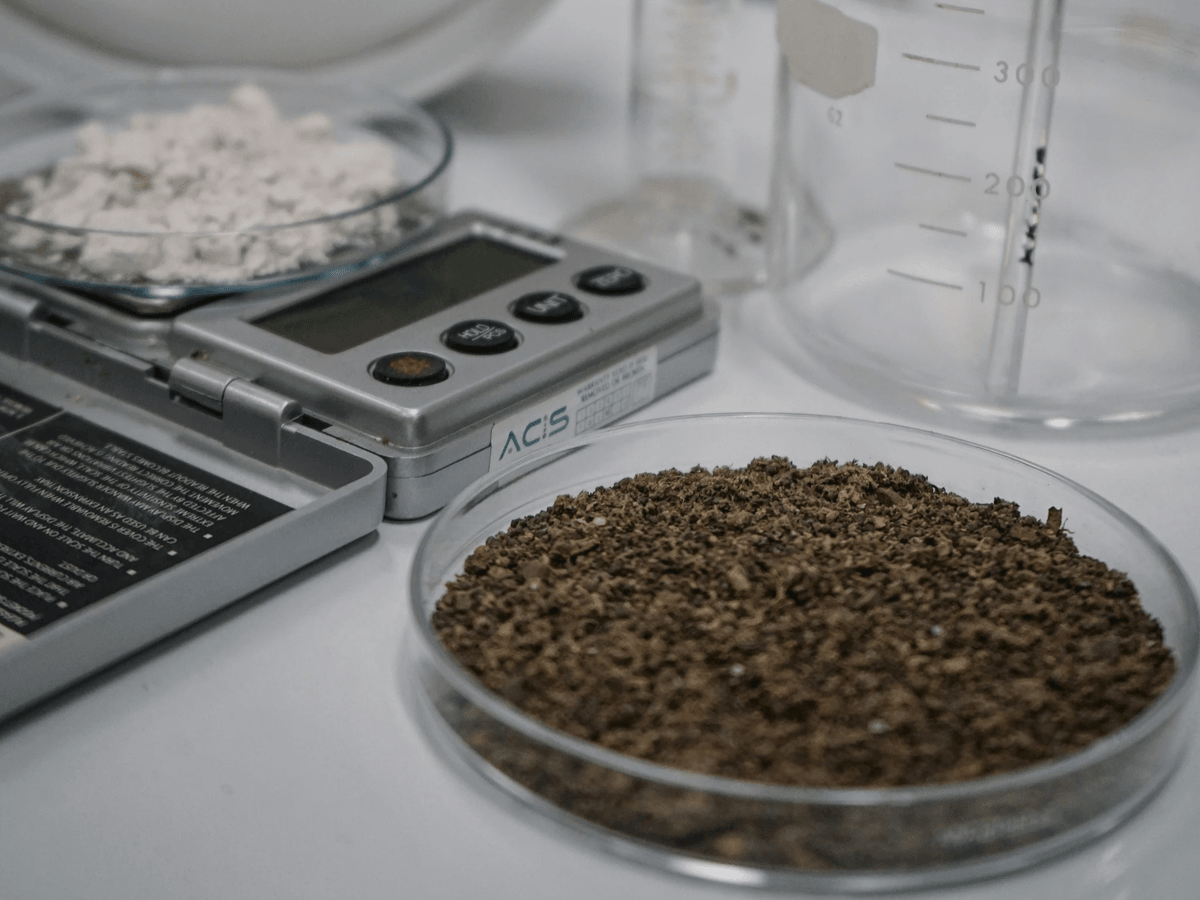
In today's competitive market, building consumer trust is paramount for any business, especially in the food industry. Food audit companies play a critical role in establishing this trust by ensuring that products meet high safety and quality standards. When customers are confident that their food is safe and well-audited, they are more likely to remain loyal to a brand.
How Transparency Boosts Customer Loyalty
Transparency in food safety practices can significantly enhance customer loyalty. When businesses engage with food audit companies to achieve food safety certification, they demonstrate a commitment to quality and accountability. This openness allows consumers to feel secure about the products they purchase, knowing that rigorous food safety audits have been conducted.
Moreover, sharing information about the processes behind obtaining a food safety cert can foster a deeper connection with customers. Brands that openly communicate their dedication to maintaining high standards often see increased customer engagement and repeat purchases. By prioritizing transparency through regular updates on safety audits and quality assurance measures, businesses can cultivate lasting relationships with their clientele.
The Impact of Quality Assurance on Sales
Quality assurance is not just about meeting regulations; it directly impacts sales figures as well. When consumers perceive a brand as committed to quality—thanks in part to the work of safety auditors—they are more inclined to choose those products over competitors'. Food audit companies help establish this perception by providing thorough inspections and certifications that highlight adherence to stringent food safety tests.
Additionally, brands that pass these rigorous audits often enjoy an edge in marketing their products as food safe. This designation resonates with health-conscious consumers who prioritize safe eating options for themselves and their families. Consequently, businesses leveraging effective quality assurance strategies can experience significant boosts in sales driven by consumer trust.
Success Stories of Businesses Benefiting from Food Audits
Numerous businesses have successfully transformed their operations through collaboration with food audit companies, leading to enhanced consumer trust and profitability. For instance, one mid-sized organic snack company implemented regular food safety audits after experiencing minor compliance issues; within months, they achieved notable improvements in product quality and customer satisfaction ratings soared as a result of passing subsequent inspections.
Another success story involves a large beverage manufacturer that sought out comprehensive assistance from a reputable auditing firm for its supply chain management practices. By addressing vulnerabilities identified during their initial audits—thanks largely to insights gained from experienced safety auditors—they not only mitigated risks but also established themselves as leaders in product transparency within the industry.
These examples illustrate how proactive engagement with food audit companies fosters an environment where both consumer trust and business growth thrive simultaneously—demonstrating the undeniable benefits of investing in rigorous food safety certification processes.
Conclusion
In the ever-evolving landscape of the food industry, food audit companies play a pivotal role in ensuring not just compliance but also excellence in product quality and safety. The benefits of engaging with these auditors extend beyond mere regulatory adherence; they encompass risk mitigation, operational efficiency, and ultimately, consumer trust. As businesses increasingly recognize the importance of food safety certification, the partnership with a reliable food safety auditor becomes indispensable.
Key Takeaways on Food Audit Benefits
Food audit companies provide comprehensive assessments that enhance product quality and ensure compliance with stringent regulations. By conducting thorough food safety audits, these organizations identify potential hazards before they escalate into costly issues or brand-damaging crises. The ultimate takeaway is clear: investing in a robust food safety cert not only protects your business but also fortifies your reputation in an increasingly competitive market.
Choosing the Right Food Audit Company
Selecting the right food audit company involves more than just checking boxes; it requires aligning their expertise with your specific needs for food safety tests and certifications. Look for firms that offer tailored solutions and have a proven track record of successful audits across various sectors. Remember, a good safety auditor will not only evaluate your current practices but also provide actionable insights to elevate your standards.
Future Trends in Food Auditing
As technology continues to advance, we can expect significant changes in how food audits are conducted and perceived within the industry. Innovations such as AI-driven inspections and real-time monitoring systems will enhance accuracy while reducing human error during audits. Additionally, as consumers demand greater transparency regarding their food sources, future trends will likely see food audit companies focusing more on traceability and sustainability practices to meet these expectations.