
Introduction
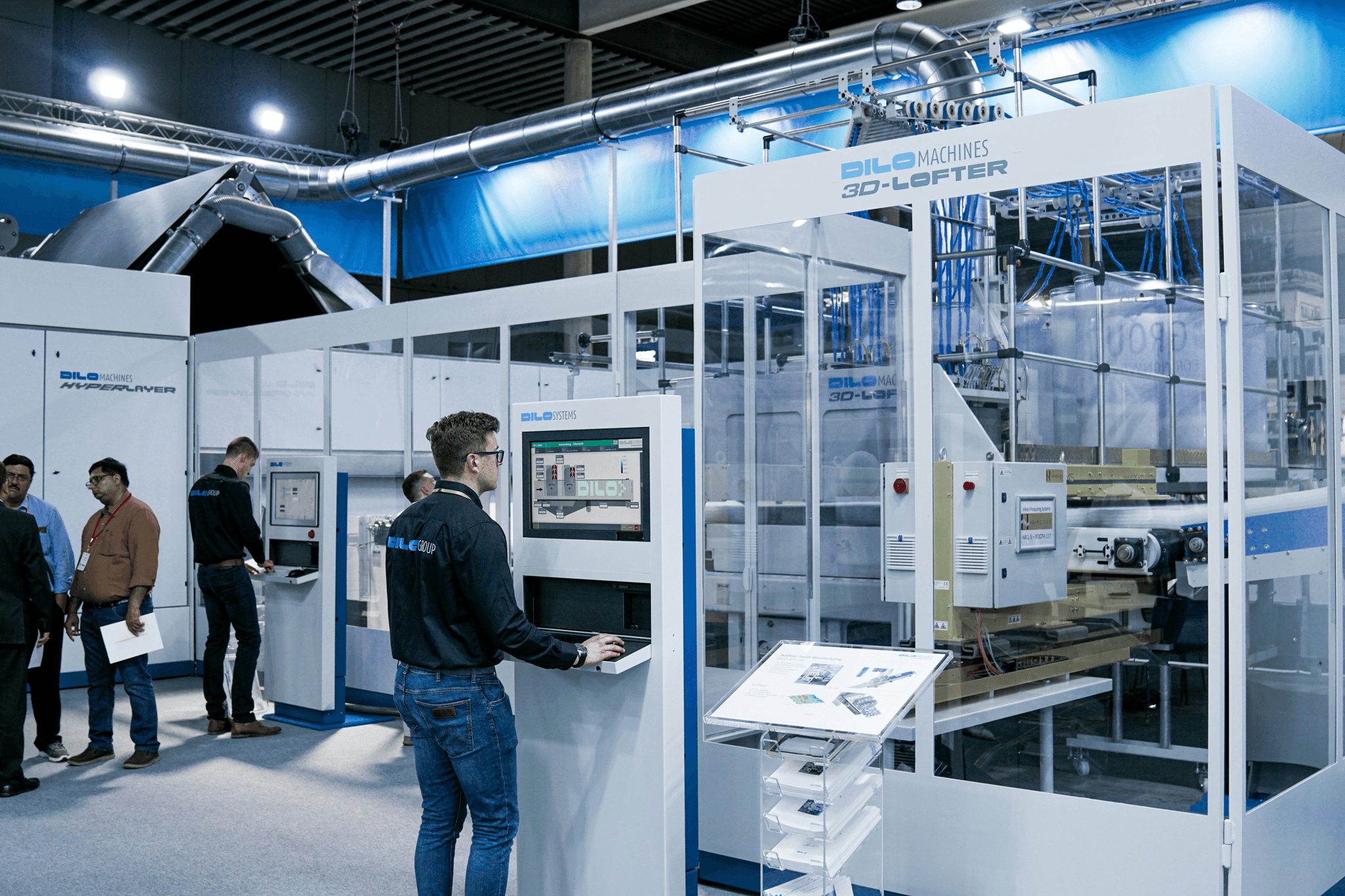
In the fast-paced world of manufacturing, a manufacturing process audit is not just a routine check; it’s a vital component for ensuring operational excellence and maintaining competitive advantage. By systematically evaluating production processes, organizations can identify inefficiencies, mitigate risks, and enhance overall quality control. This proactive approach is essential for fostering continuous quality improvement and ensuring that products meet both regulatory standards and customer expectations.
Importance of a Manufacturing Process Audit
A manufacturing process audit serves as a critical tool for defining audit objectives that align with business goals. It helps organizations pinpoint areas needing attention while ensuring compliance with industry regulations. By conducting regular audits, companies can maintain high standards of quality control, ultimately leading to improved manufacturing quality and customer satisfaction.
Key Benefits of Quality Control
Implementing robust quality control measures through audits brings numerous benefits to an organization. Not only do these practices help in reducing waste and minimizing defects, but they also enhance productivity by streamlining processes based on reliable data analysis from the audit report. The result is not just improved efficiency but also increased trust in the product's integrity among consumers.
Steps to Achieve Quality Improvement
Achieving quality improvement requires a structured approach that begins with developing an effective audit checklist tailored to specific processes. This checklist should encompass key elements that facilitate thorough evaluations while integrating technology for real-time monitoring and data collection. By following these steps methodically, businesses can ensure meaningful outcomes that contribute to long-term success in their manufacturing operations.
Define Audit Objectives

Defining clear audit objectives is the cornerstone of any successful manufacturing process audit. When you set specific goals, you create a focused framework that guides the entire auditing process. This clarity not only streamlines your efforts but also enhances the potential for quality improvement and effective quality control.
Establishing Clear Goals
Establishing clear goals is crucial when embarking on a manufacturing process audit. These goals should reflect what you aim to achieve—be it reducing defects, improving efficiency, or ensuring compliance with industry regulations. By articulating these objectives upfront, teams can align their strategies and concentrate their resources effectively to enhance overall manufacturing quality.
Moreover, well-defined goals serve as benchmarks against which progress can be measured post-audit. They help in identifying areas that require immediate attention and provide a roadmap for continuous quality improvement initiatives. Remember, without clear goals, even the best-laid plans can go awry!
Understanding Audit Scope
Understanding the scope of your audit is equally important in defining its objectives. The scope outlines what processes will be examined and what will not be included in the manufacturing process audit. This clarity helps prevent scope creep—a common pitfall where additional areas are added during the audit, leading to confusion and diluted focus.
A well-defined scope ensures that all team members are on the same page regarding what to expect from the audit report. It allows for targeted data collection and analysis relevant to quality control measures being assessed. Ultimately, understanding your audit's scope paves the way for more effective evaluations and actionable insights.
Aligning with Industry Standards
Aligning your audit objectives with industry standards is essential for ensuring compliance and enhancing credibility in your manufacturing process audit. Industry standards provide a framework that helps businesses maintain consistency in quality control practices across various processes. By adhering to these benchmarks, organizations can demonstrate their commitment to excellence while also fostering trust among stakeholders.
Furthermore, aligning with established standards often reveals gaps in current practices that need addressing for improved operational efficiency and product quality enhancement. Regularly revisiting these standards during audits allows companies to stay ahead of regulatory changes and market demands—key drivers of long-term success in manufacturing quality management systems. Ultimately, this alignment not only informs better decision-making but also strengthens competitive positioning within an industry increasingly focused on accountability.
Process Control Standards

In the realm of quality control, establishing robust process control standards is crucial for ensuring that manufacturing operations run smoothly and efficiently. These standards not only help define audit objectives but also serve as a benchmark for continuous quality improvement. By adhering to these standards, organizations can significantly reduce variability, enhance product quality, and ensure compliance with industry regulations.
Importance of Compliance
Compliance with established process control standards is essential in any manufacturing environment. It ensures that all processes align with legal requirements and industry best practices, thereby safeguarding the integrity of the manufacturing process audit. Non-compliance can lead to costly errors, product recalls, and damage to a company's reputation—factors that no business wants to face.
Moreover, compliance fosters a culture of accountability within teams by clearly defining roles and responsibilities related to quality control. This clarity helps in effectively implementing an audit checklist tailored for specific processes while also streamlining communication during the evaluation phase. Ultimately, maintaining compliance not only enhances operational efficiency but also builds trust among stakeholders and customers alike.
Tools for Real-Time Monitoring
To effectively manage process control in manufacturing environments, utilizing tools for real-time monitoring is indispensable. These tools allow manufacturers to track key performance indicators (KPIs) on-the-fly, enabling quick adjustments to maintain optimal quality levels throughout production cycles. From IoT sensors to advanced data analytics software, technology plays a pivotal role in enhancing the effectiveness of any manufacturing process audit.
Real-time monitoring tools provide immediate feedback on various aspects of production—from machinery performance to material usage—ensuring that deviations from established standards are promptly addressed. This proactive approach not only minimizes waste but also supports ongoing quality improvement initiatives by providing valuable insights into potential areas for enhancement. By integrating such tools into daily operations, manufacturers can create a more agile response system that aligns with their overall quality control strategy.
Best Practices for Data Analysis
Analyzing data collected during audits is where the magic happens; it’s how businesses turn raw numbers into actionable insights that drive quality improvement efforts forward. Adopting best practices for data analysis ensures that findings from an audit report yield meaningful conclusions rather than just numbers on a page. Key techniques include using statistical methods to identify trends over time and employing visualization tools to make complex data easily understandable.
Additionally, it’s important to customize your analysis based on specific goals defined earlier in the auditing process; this targeted approach will yield more relevant insights related directly back to your manufacturing processes and their adherence to established standards. Engaging cross-functional teams during this phase can further enrich discussions around findings from the audit checklist while fostering collaborative problem-solving approaches towards identified issues or areas needing enhancement.
By following these best practices in data analysis, companies can ensure they're making informed decisions based on solid evidence rather than guesswork—ultimately leading toward sustained improvements in their overall manufacturing quality.
Creating an Effective Audit Checklist

An effective audit checklist is a crucial tool in any manufacturing process audit, ensuring that all necessary elements are systematically evaluated. This checklist serves as a roadmap for auditors, guiding them through the various stages of quality control and facilitating quality improvement initiatives. By incorporating the right elements into your checklist, you can streamline the auditing process and enhance overall manufacturing quality.
Elements of an Audit Checklist
To create a robust audit checklist, several key elements must be included. First, it should cover compliance with process control standards to ensure that every aspect of the operation meets regulatory requirements. Additionally, the checklist should contain sections for documenting observations and findings during the audit, which will later contribute to a comprehensive audit report.
Another essential element is including specific criteria related to quality control measures in place at each stage of production. This could encompass everything from machinery calibration to employee training protocols, helping identify areas for potential quality improvement. Lastly, incorporating space for auditor comments fosters open communication about challenges faced during the audit process and suggestions for enhancing manufacturing quality.
Customizing for Specific Processes
A one-size-fits-all approach simply doesn't cut it when it comes to creating an effective audit checklist tailored to specific processes within your manufacturing environment. Each production line may have unique characteristics that require specialized attention; thus, customizing your checklist becomes vital in maximizing its effectiveness during a manufacturing process audit.
For instance, if you're conducting an audit on electronic components assembly versus food packaging processes, each will necessitate different focus points related to safety standards and operational efficiency. By defining your audit objectives clearly and aligning them with industry-specific requirements, you can ensure that your customized checklist addresses relevant concerns while also promoting overall quality control.
Utilizing Technology for Efficiency
In today's fast-paced industrial landscape, leveraging technology can significantly enhance the efficiency of your manufacturing process audits. Digital tools allow auditors to create dynamic checklists that can be easily updated as standards evolve or new processes are implemented—ensuring continuous alignment with best practices in quality improvement efforts.
Moreover, utilizing mobile applications or software solutions enables real-time data collection during audits—making it easier to analyze metrics on-the-go rather than relying on outdated paper formats that may lead to errors or omissions in your final audit report. Embracing technology not only streamlines the auditing workflow but also fosters greater collaboration among team members involved in maintaining high-quality manufacturing standards.
Evaluating the Audit Report

Once the manufacturing process audit is complete, it’s time to dive into the audit report. This document serves as a treasure trove of insights that can drive quality control and quality improvement initiatives. Understanding how to evaluate this report effectively is crucial for making informed decisions that enhance manufacturing quality.
Key Metrics to Analyze
When analyzing an audit report, key metrics are your guiding stars. Focus on indicators like defect rates, compliance levels with process control standards, and production cycle times. By dissecting these metrics, you can pinpoint areas needing improvement and track progress over time—essentially defining your audit's success in terms of tangible outcomes.
Another critical metric is customer satisfaction scores, which reflect how well your products meet market expectations. This feedback loop not only informs your quality control processes but also highlights opportunities for product enhancements based on real-world performance. Ultimately, a thorough examination of these metrics will provide a comprehensive view of where your manufacturing processes stand.
Methods of Reporting Findings
The way you report findings from the audit can make or break how the information is received and acted upon. Consider using visual aids such as charts and graphs; they can simplify complex data from the audit checklist into digestible formats that everyone can understand at a glance. Additionally, structuring your findings in a clear narrative helps frame the story behind the numbers, making it easier for stakeholders to grasp key takeaways.
A well-organized report should categorize findings by severity—highlighting critical issues that require immediate action versus minor discrepancies that could be addressed later. This prioritization ensures that resources are allocated efficiently towards areas with the most significant potential impact on manufacturing quality and overall operational efficiency.
Strategies for Communicating Results
Effective communication strategies are essential when sharing results from a manufacturing process audit with various stakeholders. Tailor your communication style based on the audience; for instance, executives may prefer high-level summaries focusing on strategic implications while technical teams might need detailed data analyses to inform their next steps in quality improvement initiatives.
Use storytelling techniques to engage listeners emotionally; share anecdotes or case studies that illustrate how previous audits led to successful changes in processes or products within similar contexts. Finally, establish feedback loops where stakeholders can ask questions or provide input about the findings—this fosters collaboration and encourages collective ownership of any necessary changes moving forward.
Continuous Quality Improvement Strategies
Continuous quality improvement is the backbone of a successful manufacturing process audit. By systematically analyzing and implementing changes based on audit findings, organizations can enhance their quality control measures and establish a culture of ongoing improvement. This proactive approach not only addresses current issues but also anticipates future challenges, ensuring that manufacturing quality remains at the forefront.
Implementing Changes from Audit Findings
Once the audit report is finalized, it’s time to get down to business and implement the necessary changes. The first step involves defining audit objectives that align with identified gaps in the current process control standards. By translating findings into actionable steps, businesses can ensure that improvements are not merely theoretical but practically applied to enhance operational efficiency and product quality.
To successfully implement these changes, it’s essential to prioritize them based on their impact and feasibility. This approach allows teams to focus on quick wins while also laying out a roadmap for more complex adjustments over time. Continuous monitoring through regular audits ensures that these changes are effective and sustainable, reinforcing the commitment to quality improvement.
Engaging Teams for Quality Enhancement
Engaging teams in the quality enhancement process is crucial for fostering a culture of accountability and ownership over manufacturing processes. When employees feel involved in decision-making—especially regarding their daily operations—they are more likely to embrace change positively. Conducting workshops or training sessions can help clarify how each team member's role contributes to overall manufacturing quality.
Additionally, creating cross-functional teams can facilitate knowledge sharing and collaboration across departments, leading to innovative solutions for existing challenges identified during audits. Encouraging open communication about successes or setbacks related to implemented changes also promotes an environment where continuous improvement thrives. Remember, when everyone is on board with quality control initiatives, the benefits multiply exponentially.
Measuring Long-Term Impact
Measuring long-term impact after implementing changes from an audit report is vital for understanding the effectiveness of your strategies in achieving sustained quality improvement. Key performance indicators (KPIs) should be established early on; these metrics will serve as benchmarks against which progress can be evaluated over time. Regularly reviewing these KPIs allows organizations to assess whether modifications have led to enhancements in process control or if further adjustments are needed.
Moreover, feedback loops should be created so that insights gained from ongoing evaluations feed back into future audits and processes—essentially creating a cycle of continuous learning and adaptation within your organization’s approach to manufacturing quality. By demonstrating tangible improvements through data-driven analysis, stakeholders will see the value of investing in consistent audits as part of broader operational strategies.
In conclusion, embracing continuous quality improvement strategies enables companies not just to reactively address issues but proactively cultivate an environment committed to excellence in every aspect of their operations—from production lines all the way through customer satisfaction.
Conclusion

In summary, a manufacturing process audit is an invaluable tool that can drive significant improvements in quality control and overall operational efficiency. By defining audit objectives clearly, adhering to process control standards, and employing effective audit checklists, organizations can identify areas for quality improvement that may have previously gone unnoticed. Ultimately, the insights gained from an audit report can lead to transformative changes that enhance not only product quality but also customer satisfaction.
Essential Takeaways from Manufacturing Audits
One of the essential takeaways from manufacturing audits is the importance of having a structured approach to define audit goals and scope effectively. This ensures that every aspect of the manufacturing process is scrutinized for compliance with industry standards and best practices in quality control. Furthermore, using a well-constructed audit checklist allows teams to maintain focus on critical elements while fostering accountability throughout the organization.
Another key takeaway is the value of continuous monitoring and data analysis in driving quality improvement initiatives. Real-time insights into production processes enable manufacturers to make informed decisions swiftly, preventing potential issues before they escalate into costly problems. Ultimately, these audits serve not just as assessments but as catalysts for ongoing enhancement in manufacturing quality.
Future Trends in Quality Control
Looking ahead, one major trend in quality control is the increasing integration of technology into the auditing process. Tools such as AI-powered analytics and IoT devices will play a pivotal role in real-time monitoring of manufacturing processes, allowing companies to respond more dynamically to deviations from established standards. Additionally, there will be a growing emphasis on sustainability practices within audits as businesses seek ways to align their operations with environmental responsibilities without compromising product quality.
Moreover, collaboration between teams will become paramount; engaging employees at all levels fosters a culture of shared responsibility towards maintaining high-quality standards. This collective effort not only enhances compliance but also promotes innovation within manufacturing processes themselves—ensuring that businesses remain competitive in an ever-evolving market landscape.
Partnering with Experts Like China Inspection Pro
To navigate these complexities effectively, partnering with experts like China Inspection Pro can provide invaluable support during your manufacturing process audit journey. Their extensive experience ensures that all aspects of quality control are thoroughly examined while aligning with your specific business needs and industry requirements. By leveraging their expertise, organizations can gain deeper insights into their operational challenges and implement strategic solutions for lasting quality improvement.
Furthermore, working alongside seasoned professionals helps streamline the entire auditing process—from defining clear objectives through evaluating comprehensive audit reports—ultimately saving time and resources while maximizing impact on manufacturing quality outcomes. In this fast-paced environment where precision matters more than ever, having trusted allies like China Inspection Pro by your side can make all the difference.