
Introduction
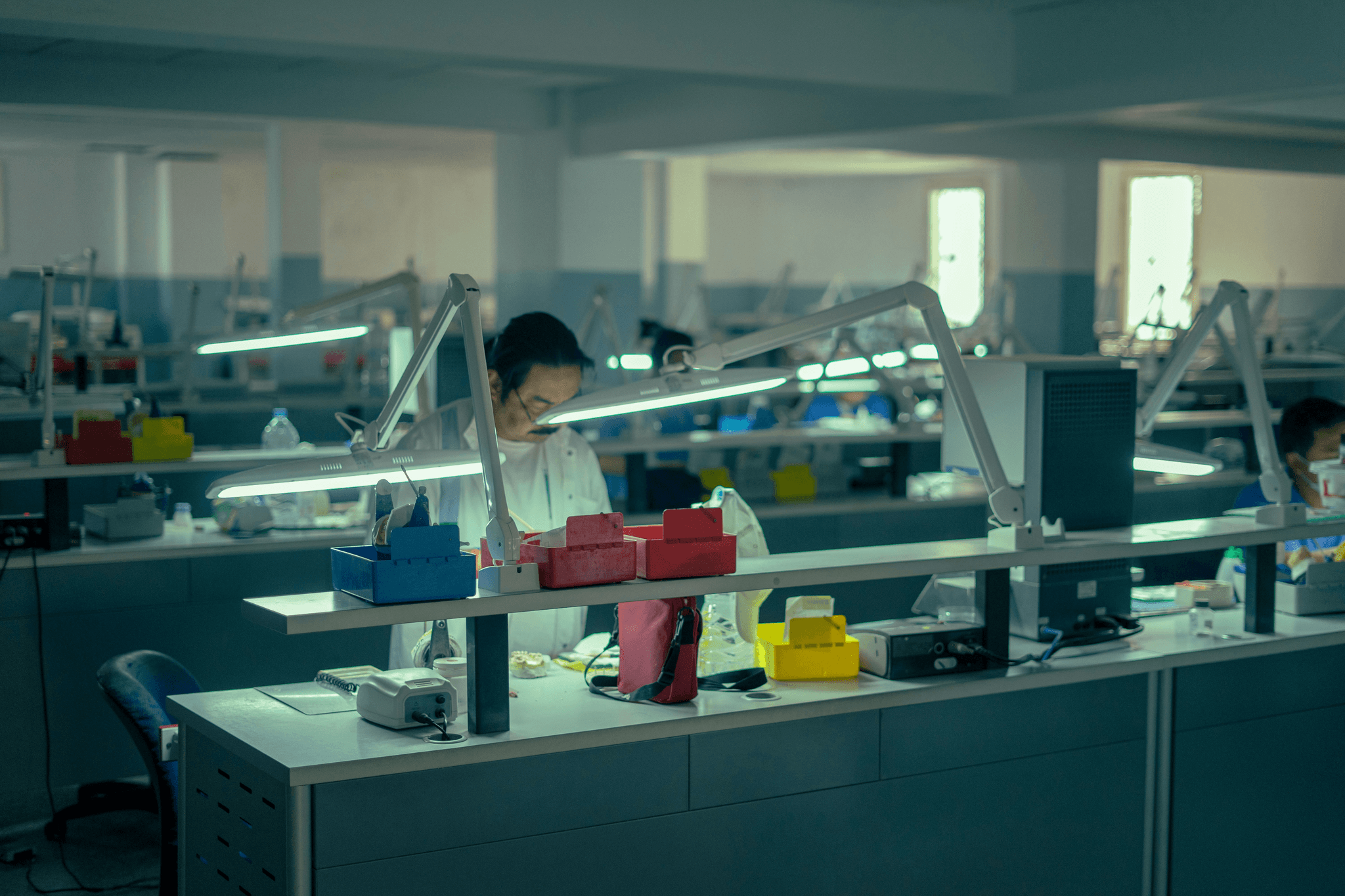
In today's global marketplace, ensuring the quality of products before they reach consumers is paramount. Product inspection in China has become a critical component for businesses looking to maintain high standards and avoid costly mistakes. With the increasing complexity of supply chains, understanding the importance of product inspection is essential for any company aiming to succeed.
Understanding the Importance of Product Inspection
Product inspection serves as a safeguard against defects and inconsistencies that can tarnish a brand's reputation. In an era where quality assurance is non-negotiable, effective quality control measures are vital for manufacturers in China. By implementing rigorous quality inspections, companies can identify potential issues early on, saving time and resources while enhancing overall product quality.
Why Quality Assurance Matters in China
Quality assurance in China is not just about meeting basic compliance standards; it’s about building trust with consumers and partners alike. As Chinese manufacturing continues to evolve, businesses must prioritize quality assurance and ensure that their products align with international standards. This commitment not only protects brands from financial loss but also fosters long-term relationships in an increasingly competitive market.
The Role of Quality Control in Manufacturing
Quality control plays a pivotal role in manufacturing by establishing systematic processes that ensure product consistency and reliability. In the context of product inspection in China, effective quality control practices can significantly reduce errors and enhance production efficiency. As companies navigate the complexities of global supply chains, investing in robust quality control measures becomes indispensable for maintaining high-quality output.
Overview of Product Inspection in China
Key Players in the Inspection Industry
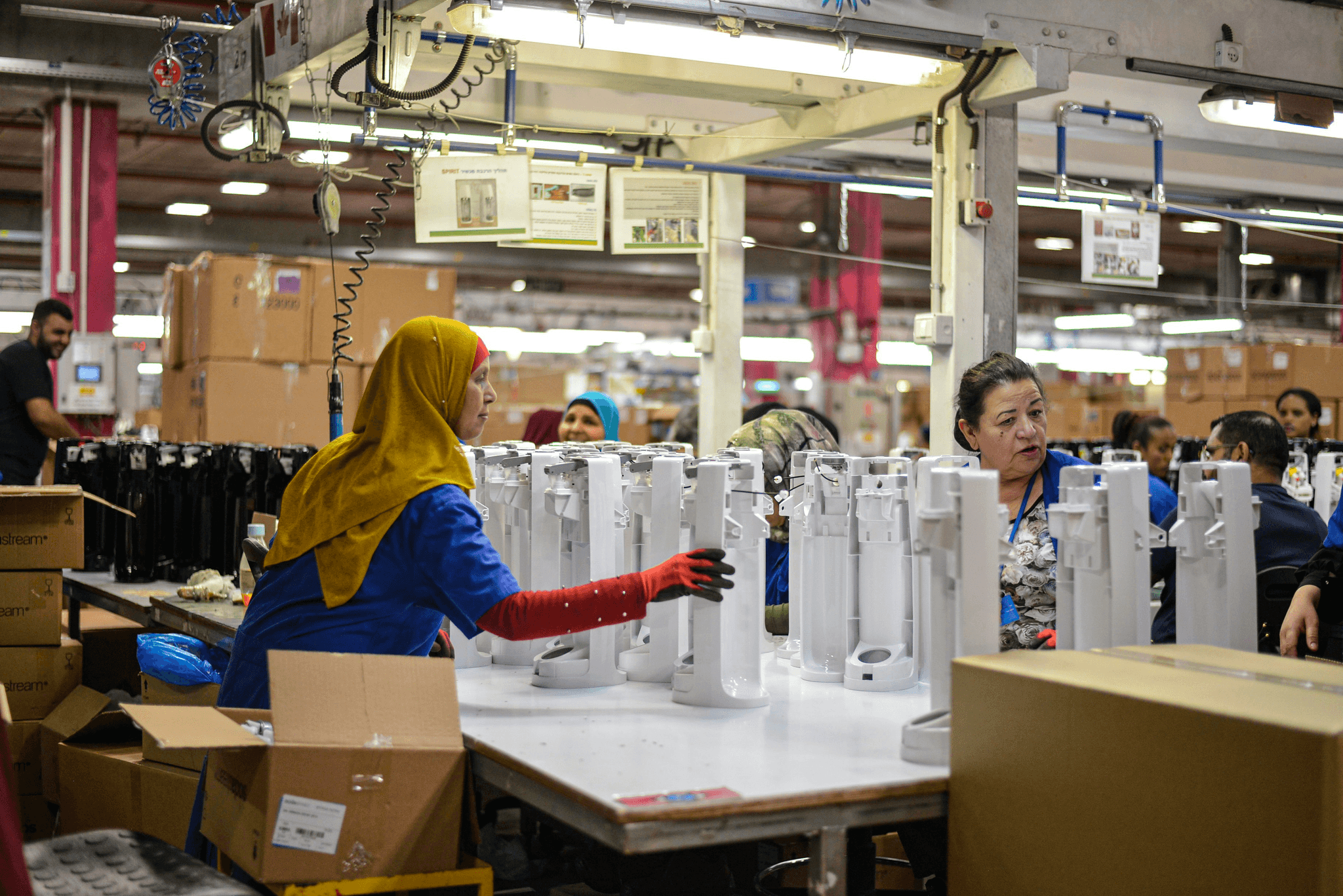
In the realm of product inspection in China, several key players dominate the scene. These include local inspection companies, international firms, and third-party organizations specializing in quality assurance. Each player brings unique strengths to the table; local companies tend to have better knowledge of regional regulations and practices, while international firms often offer standardized processes that can be beneficial for global brands seeking consistency in quality.
Collaboration with these key players is vital for effective quality control. By leveraging their expertise, businesses can ensure their products meet both domestic and international standards. This partnership not only enhances product quality but also streamlines compliance checks throughout the manufacturing process.
Common Types of Product Inspections
Common types include pre-production inspections, during-production inspections, and final random inspections—each serving a specific purpose within the overall quality control framework. Pre-production inspections focus on verifying materials and components before manufacturing begins; during-production inspections monitor production processes to catch any deviations early; while final random inspections ensure that finished products meet specified requirements before they reach consumers.
These various inspection types are crucial for maintaining high-quality standards throughout production cycles. By utilizing multiple forms of quality inspection, businesses can significantly reduce risks associated with defective products entering the market. Ultimately, this multi-faceted approach fosters trust among consumers who expect consistent quality from brands.
The Impact of Chinese Manufacturing Standards
The influence of Chinese manufacturing standards on product inspection cannot be overstated; they set benchmarks that dictate how goods are produced and inspected across various industries. These standards often align with international regulations but may differ significantly depending on specific sectors or product categories—making awareness critical for companies operating within this landscape. Understanding these standards allows businesses to implement effective quality assurance strategies tailored to their unique needs.
Moreover, compliance with these manufacturing standards not only enhances product safety but also boosts brand reputation globally. Companies that prioritize adherence to established guidelines demonstrate a commitment to excellence through rigorous quality control measures—ultimately leading to improved customer satisfaction and loyalty over time. As such, staying informed about evolving standards is essential for any business engaged in product inspection in China.
Choosing the Right Inspection Service
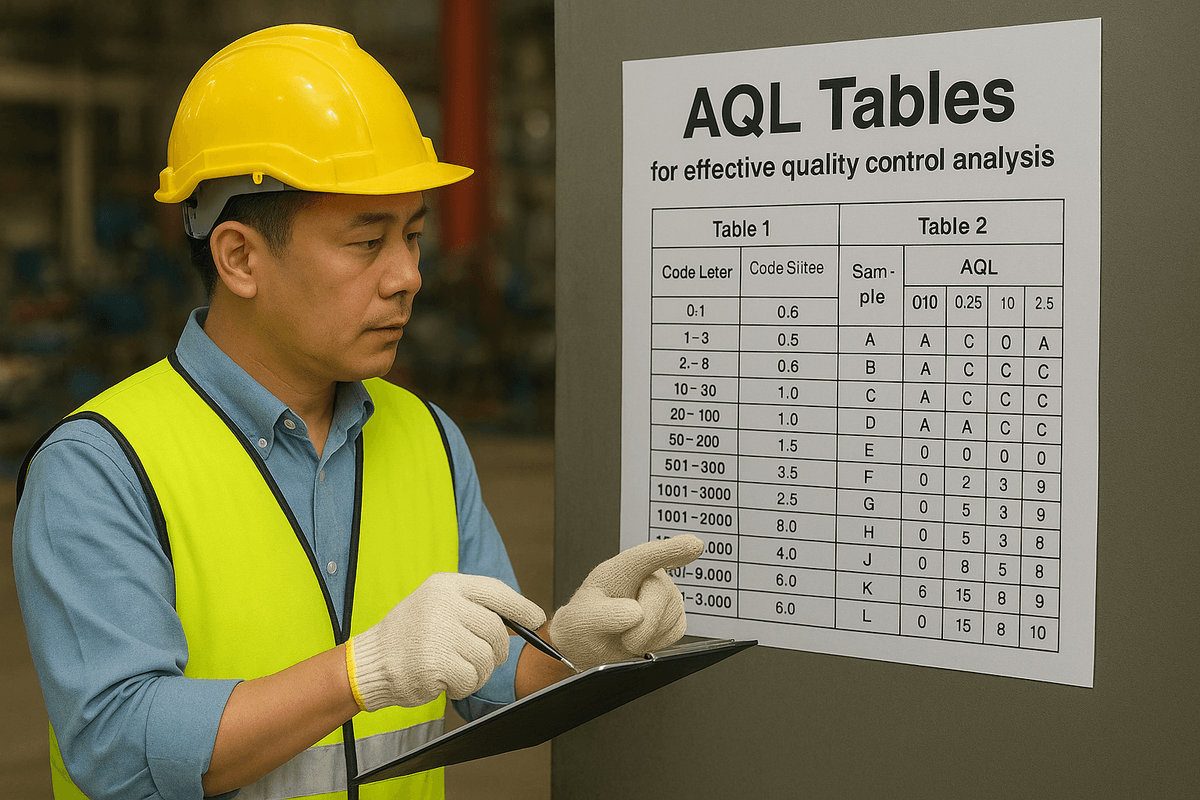
Selecting the right inspection service is crucial for ensuring quality assurance in your manufacturing process. With a myriad of options available, especially in a powerhouse like China, it’s essential to weigh the pros and cons of local versus international companies. The right choice can significantly impact your product inspection quality, ultimately affecting your brand's reputation and customer satisfaction.
Comparing Local vs. International Companies
When considering product inspection in China, one must evaluate both local and international companies to find the best fit for their needs. Local companies often have a deeper understanding of Chinese manufacturing standards and cultural nuances, which can lead to more effective quality control processes. On the other hand, international firms may offer broader experience and standardized practices that align with global quality assurance benchmarks.
However, don't overlook the potential language barriers or time zone differences that might arise when working with international partners; these could complicate communication and affect quality assurance outcomes. Ultimately, whether you choose a local or an international company will depend on your specific requirements, including budget constraints and desired level of oversight in quality control measures.
What to Look for in a Quality Inspection Partner
Finding an ideal partner for quality inspection is akin to matchmaking—it's all about compatibility! Look for a company that has extensive experience specifically in product inspection in China; they should understand not only the technical aspects but also the local market dynamics affecting quality assurance practices. Certifications such as ISO or ANSI can be indicators of credibility and adherence to stringent quality standards.
Additionally, consider their flexibility—can they adapt their services based on your unique needs? A good partner should be willing to collaborate closely with you throughout various stages of production while ensuring consistent quality control throughout the process.
Quality Assurance and Compliance Checks
Quality assurance doesn’t stop at initial inspections; it’s an ongoing commitment that requires regular compliance checks throughout production cycles. A robust inspection service will implement periodic audits to ensure that manufacturers are adhering to both internal standards and external regulations related to product safety and performance specifications. This continuous monitoring not only enhances overall product integrity but also builds trust with customers who expect high-quality products.
Moreover, compliance checks help identify potential issues before they escalate into costly problems down the line—saving you time, money, and stress! Remember that effective quality control goes beyond just meeting requirements; it’s about fostering long-term relationships built on reliability and excellence in every aspect of product inspection.
The Inspection Process Explained
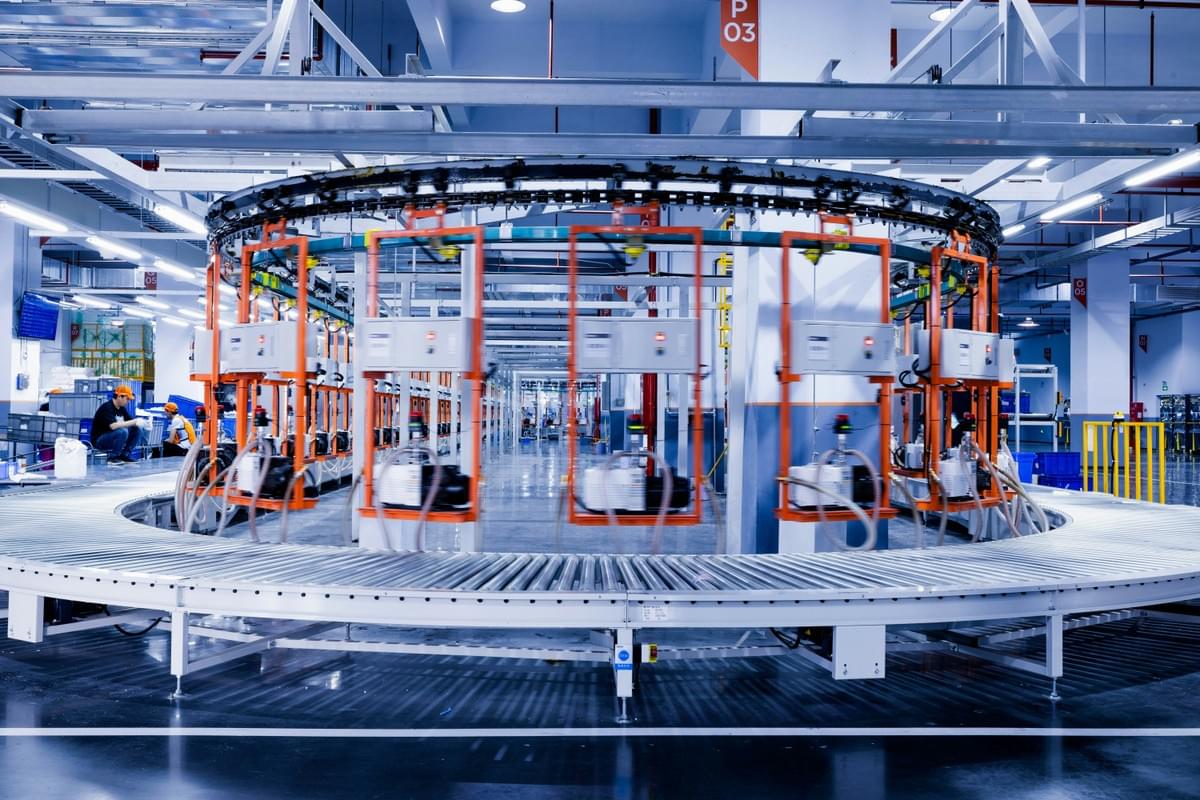
When it comes to ensuring product quality, the inspection process is a crucial step that cannot be overlooked. In China, where manufacturing is a powerhouse, understanding the intricacies of this process can significantly impact the overall quality assurance strategy. From pre-production checks to final inspections, each phase plays a vital role in maintaining high standards of quality control.
Pre-Production Inspections: Setting the Stage
Pre-production inspections are like setting the foundation for a skyscraper; they determine how solid everything will be moving forward. This stage focuses on verifying raw materials and components before production begins, ensuring they meet specified quality assurance standards. By catching potential issues early in the product inspection china process, manufacturers can save time and money while improving overall quality.
During this phase, inspectors examine suppliers' facilities and assess their capabilities to deliver consistent quality. They also review samples and specifications to confirm that everything aligns with expectations before production kicks off. Ultimately, pre-production inspections are essential for establishing a streamlined workflow that prioritizes quality control from day one.
In-Process Inspections: Quality Control in Action
In-process inspections are where the magic happens—quality assurance meets real-time execution on the factory floor! These inspections occur at various stages during production, allowing for immediate adjustments if any discrepancies arise. By implementing effective quality control measures throughout manufacturing, companies can ensure that each product meets established standards before it moves further along the assembly line.
Inspectors monitor everything from assembly practices to machinery performance during this phase, making sure that every aspect adheres to strict guidelines for quality assurance and compliance. Should any defects or deviations occur, corrective actions can be taken swiftly—preventing costly rework or delays later on in the process. This proactive approach not only enhances product reliability but also reinforces customer trust in brand integrity.
Final Random Inspections: Ensuring Product Readiness
Final random inspections serve as the last line of defense before products hit the market—think of them as your trusty safety net! During this stage of product inspection china processes, randomly selected items undergo thorough checks to confirm they meet all necessary specifications and regulations prior to shipping out. These inspections help ensure that customers receive only top-notch products while minimizing risks associated with defective goods reaching consumers.
Quality control teams meticulously evaluate aspects such as functionality, appearance, packaging integrity, and compliance with industry standards during these final checks. By conducting random sampling rather than inspecting every single item produced, businesses effectively balance efficiency with rigorous quality assurance practices—keeping both costs down and satisfaction levels high! Ultimately, final random inspections play an indispensable role in safeguarding brand reputation by delivering consistent excellence across all products.
The Benefits of Quality Assurance
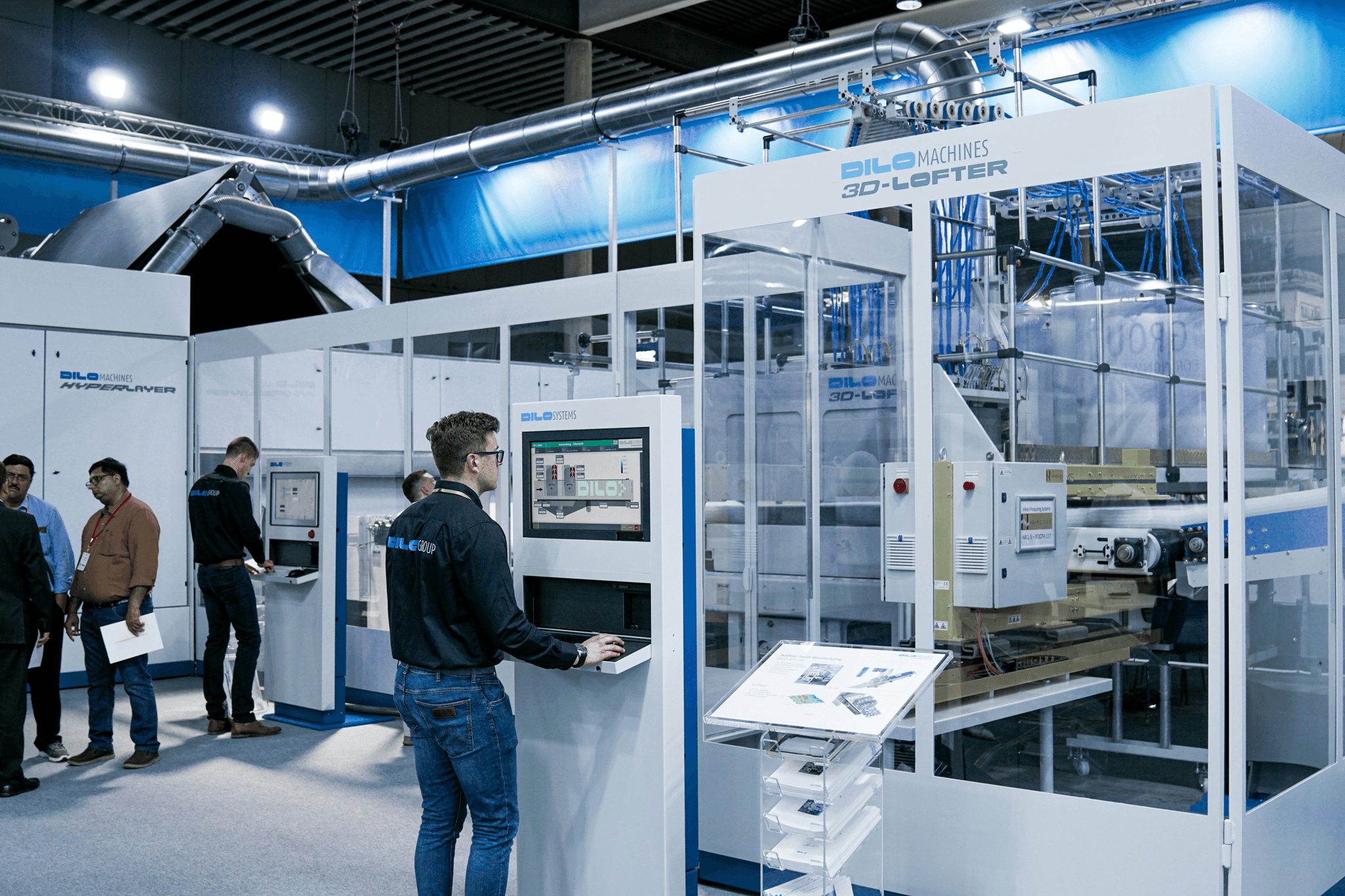
Quality assurance is not just a buzzword; it’s a critical component in today’s competitive market, particularly when it comes to product inspection in China. Companies that prioritize quality assurance gain a significant edge over their competitors by ensuring that their products meet stringent standards before they hit the shelves. This proactive approach leads to enhanced brand reputation, cost savings, and increased customer trust—all essential for long-term success.
Enhancing Brand Reputation Through Quality
In an era where consumers are more informed than ever, the quality of products can make or break a brand's reputation. When businesses invest in quality assurance and rigorous product inspection in China, they send a clear message: they care about what they deliver. The result? A stronger brand image that resonates with customers and sets the foundation for loyalty.
Moreover, consistent quality reinforces the idea that your brand is dependable. Customers are more likely to choose brands known for their quality control practices because they associate them with reliability and excellence. Ultimately, enhancing your brand reputation through effective quality assurance translates into higher sales figures and greater market share.
Reducing Costs with Early Quality Control
One of the most compelling reasons to implement robust quality assurance measures is cost reduction through early detection of issues. By focusing on quality control from the outset—during production rather than after—companies can avoid costly recalls and rework later down the line. This proactive approach not only saves money but also minimizes disruptions in supply chains.
Additionally, investing in early-stage product inspection allows manufacturers to identify defects before they escalate into bigger problems, which could lead to financial losses or damage to reputation. In essence, prioritizing quality assurance means fewer surprises down the road, allowing businesses to allocate resources more effectively and improve overall efficiency.
Building Customer Trust with Consistent Quality
Trust is an invaluable currency in any industry, especially when dealing with consumers who have countless options at their fingertips. When companies consistently deliver high-quality products through effective quality control measures and thorough inspections in China, they foster trust among their customer base. This trust translates into repeat business as satisfied customers return for more.
Furthermore, transparency about your commitment to quality assurance enhances this trust even further; customers appreciate knowing that you take steps to ensure product integrity before it reaches them. By building customer trust through consistent quality practices, businesses create loyal advocates who not only buy but also promote your brand within their networks.
Leveraging Technology for Effective Inspections
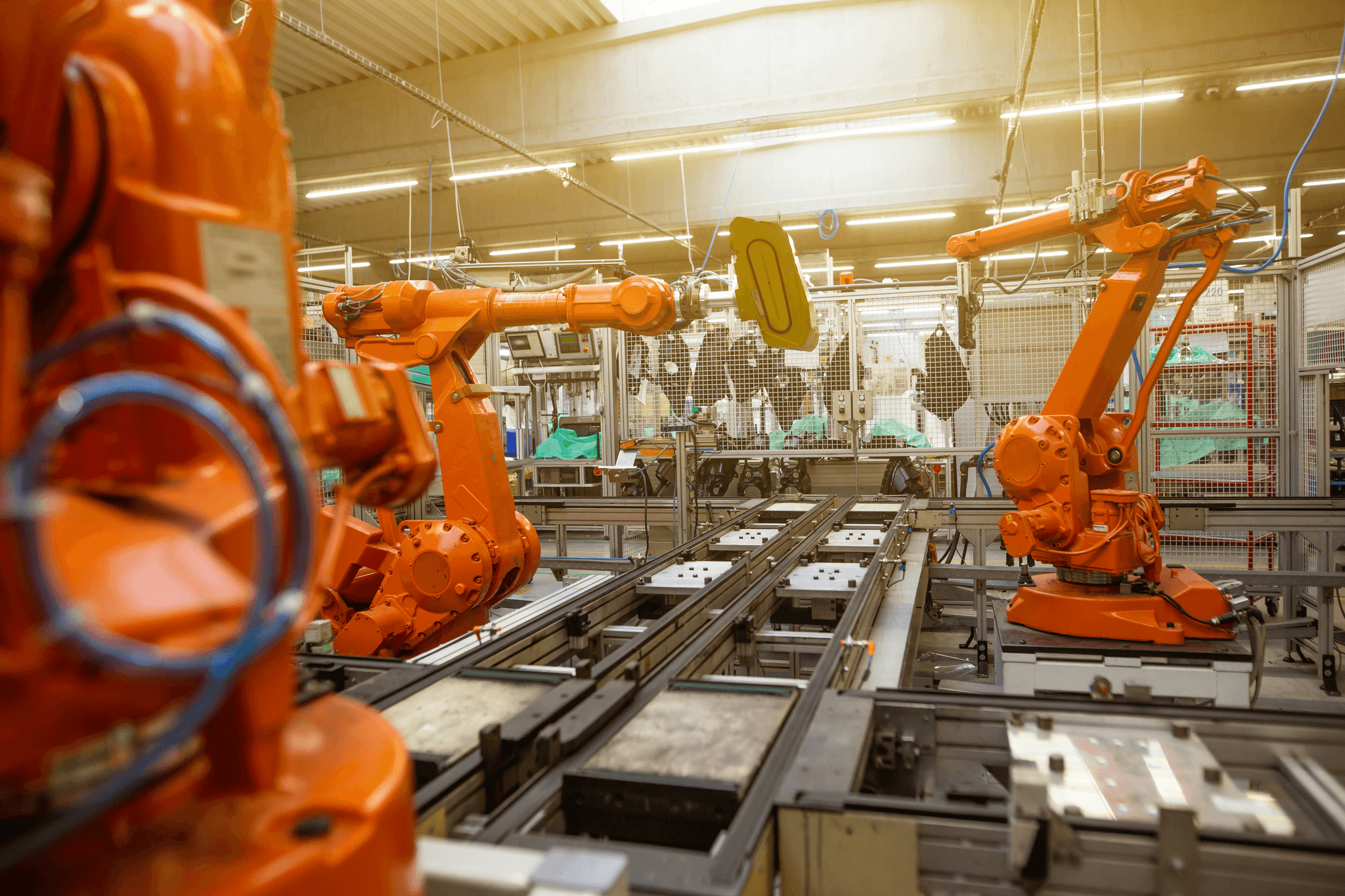
In today's fast-paced manufacturing landscape, leveraging technology for effective inspections is essential to uphold quality assurance standards, especially in product inspection China. The integration of advanced technologies not only streamlines the inspection process but also enhances the accuracy of quality control measures. Manufacturers who embrace these technological advancements can significantly improve their overall operational efficiency and product quality assurance.
The Role of Data Analytics in Quality Assurance
Data analytics plays a pivotal role in enhancing quality assurance by providing actionable insights that drive informed decision-making during the product inspection process. By analyzing historical data and trends, companies can identify potential issues before they escalate, ensuring that quality control measures are both proactive and effective. In the context of product inspection China, data-driven approaches empower businesses to maintain high standards while optimizing their manufacturing processes for better outcomes.
Tools and Software for Quality Control
The market is flooded with innovative tools and software designed to facilitate quality control in various stages of production. From automated inspection systems to mobile applications that streamline reporting, these technologies are transforming how quality assurance is implemented in manufacturing. Companies focused on product inspection China should invest in these tools to enhance their efficiency and ensure consistent adherence to rigorous quality standards.
Future Trends in Product Inspection Technology
Looking ahead, several trends are poised to revolutionize product inspection technology within the realm of quality assurance. Artificial intelligence (AI) and machine learning will likely play an increasingly significant role, enabling more sophisticated analysis of defects and anomalies during inspections. Moreover, the rise of IoT (Internet of Things) devices will allow real-time monitoring throughout the supply chain, further enhancing quality control efforts and ensuring that products meet stringent requirements before reaching consumers.
Conclusion
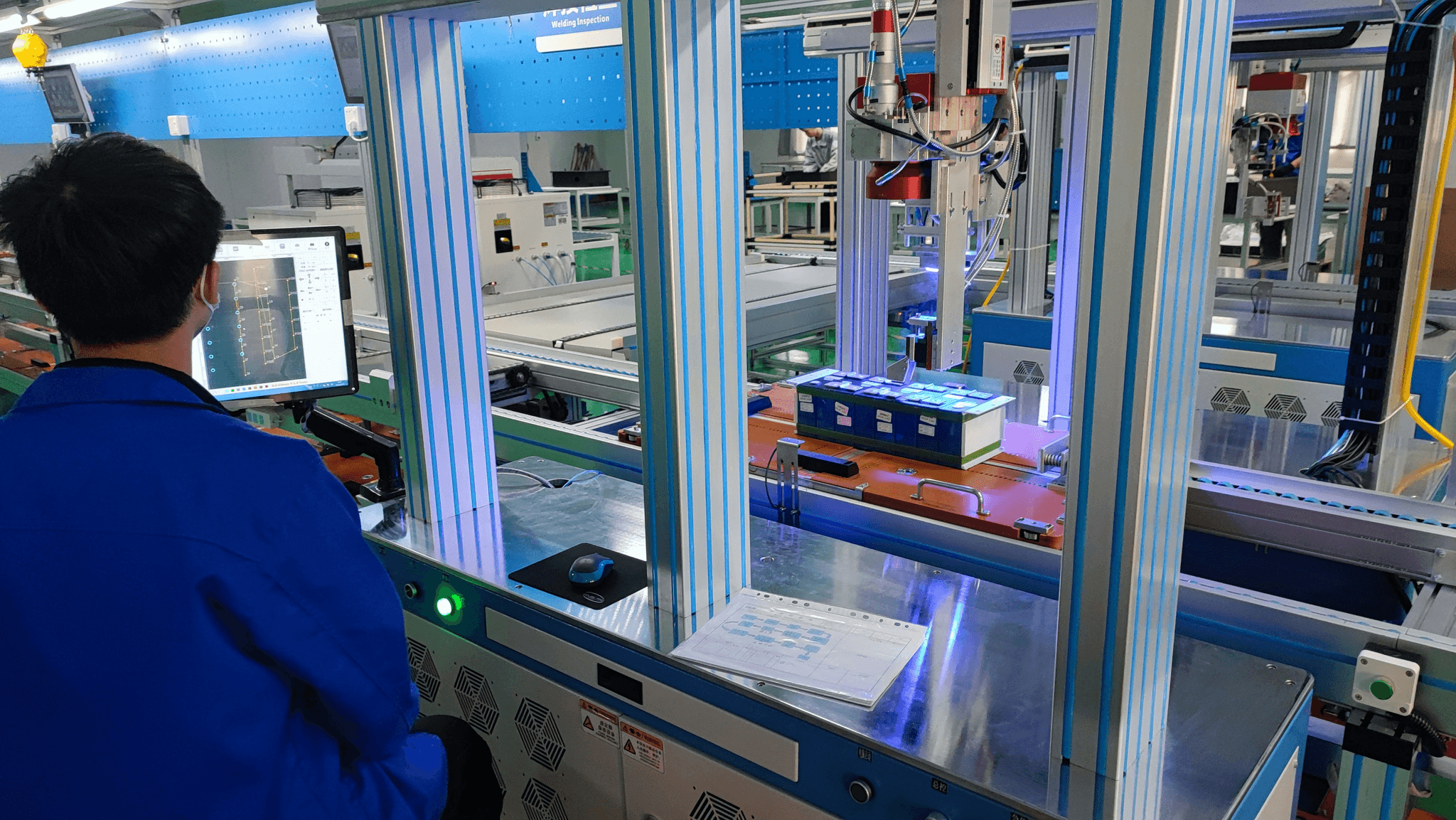
In the fast-paced world of manufacturing, particularly in China, the significance of continuous quality improvement cannot be overstated. Quality assurance is not merely a checkbox on a list; it's an ongoing commitment to excellence that enhances product inspection processes and fosters consumer trust. By embracing a culture of quality, businesses can adapt to market demands while ensuring their products meet high standards.
The Significance of Continuous Quality Improvement
Continuous quality improvement is essential for maintaining competitive advantage in the global marketplace, especially in product inspection China. It allows companies to identify inefficiencies and rectify them before they escalate into costly issues. By prioritizing quality assurance and cultivating a proactive approach, manufacturers can ensure that their products consistently meet or exceed expectations.
Best Practices for Efficient Product Inspections
To maximize the effectiveness of product inspections, several best practices should be implemented within the framework of quality control. First, establishing clear criteria for inspections helps align expectations between manufacturers and inspectors while ensuring that quality assurance measures are consistently applied. Additionally, integrating technology into the inspection process can streamline operations and enhance data accuracy, ultimately leading to more reliable outcomes in terms of quality quality assurance.
Partnering with Experts: Trust China Inspection Pro
When it comes to navigating the complexities of product inspection China, partnering with experts like Trust China Inspection Pro can make all the difference. Their extensive experience and commitment to quality control ensure that your products undergo thorough inspections tailored to your specific needs. By leveraging their expertise in quality assurance and compliance checks, businesses can confidently deliver high-quality products that resonate with customers.