
Introduction
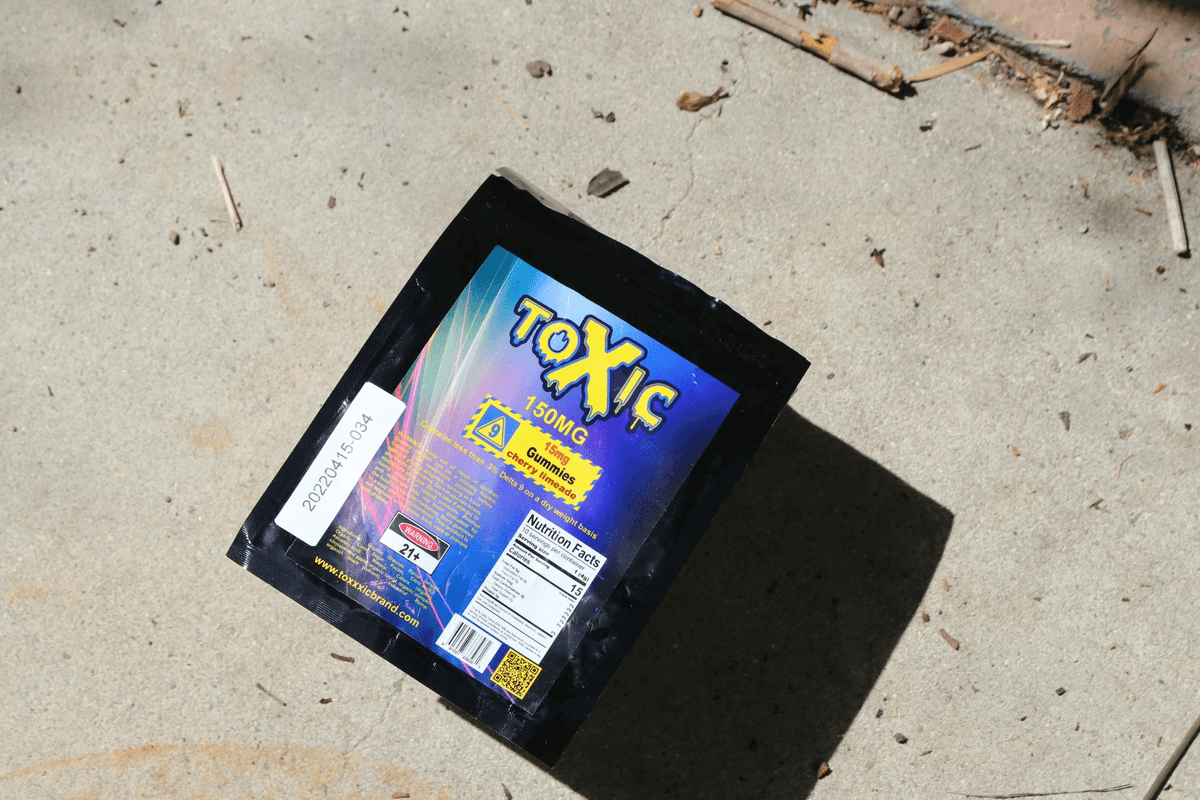
Navigating the world of Packaging Regulations can feel like trying to read a foreign map—confusing but absolutely essential for your business success. Whether you're dealing with polybag suffocation warning regulations or ensuring your packaging materials are toxin-free, understanding compliance is key to avoiding costly mistakes. Staying ahead in the game means knowing what should be included in the suffocation warning and how packaging inspection helps you ensure compliance with these critical standards, all while steering clear of fines and brand damage.
Why Packaging Regulations Matter for Your Business
Packaging Regulations are more than just bureaucratic hurdles—they’re your first line of defense against safety hazards and legal trouble. Proper adherence to these regulations, including polybag suffocation warning regulations, can protect consumers and uphold your brand’s integrity. Ignoring what should be included in the suffocation warning or neglecting toxics in packaging materials regulations could lead to serious repercussions, from fines to reputation loss.
Navigating Global Compliance with Confidence
With markets spanning across borders, understanding global compliance standards becomes an art form—especially when it comes to packaging inspection and meeting requirements like polybag suffocation warnings. Each region has its own set of rules about what should be included in the suffocation warning, making thorough inspections crucial for seamless international trade. When you leverage effective packaging inspection practices early in your supply chain, you gain confidence that your products meet all necessary packaging regulations worldwide.
Avoid Costly Fines and Brand Damage
Non-compliance with packaging regulations, particularly regarding toxics in packaging materials or polybag suffocation warnings, can result in hefty fines or even product recalls that tarnish your brand’s image forever. The cost of ignoring what should be included in the suffocation warning or missing signs of toxic substances is far greater than investing in proper packaging inspection upfront. Staying vigilant with regular inspections ensures you avoid these pitfalls—and keeps your brand shining brightly on store shelves.
The Basics of Packaging Regulations
Understanding the foundation of Packaging Regulations is essential for any business looking to stay compliant and avoid costly penalties. These regulations are set by various regulatory bodies worldwide and dictate how packaging materials should be produced, labeled, and handled. Navigating this landscape can be tricky, but with a clear grasp of the key players and rules, your packaging process can run smoothly and safely.
Regulatory bodies like the FDA in the United States and the European Union’s regulations play a pivotal role in shaping Packaging Regulations. They establish strict standards for materials used in packaging, including requirements for labeling, safety warnings, and material toxicity. Knowing what these agencies require helps businesses ensure that their products meet legal standards—especially when it comes to polybag suffocation warning regulations or toxics in packaging materials regulations.
China Inspection Pro acts as a vital partner in ensuring compliance with these complex Packaging Regulations. Their services include thorough inspections that verify whether your packaging aligns with global standards, including suffocation warning requirements for polybags. This proactive approach helps prevent issues before products hit shelves, safeguarding your brand reputation while adhering to toxics in packaging materials regulations.
Polybag Suffocation Warning Regulations
Polybags are everywhere—from clothing to electronics—and their convenience comes with a responsibility: adhering to packaging regulations that protect consumers. The polybag suffocation warning regulations are designed to prevent accidental suffocation hazards, especially for children. Understanding these packaging regulations is crucial for businesses aiming to stay compliant and avoid costly fines or brand damage.
What Are the Specific Requirements for Polybags?
When it comes to packaging regulations, polybags must meet certain criteria before they hit the shelves. Specifically, the regulations mandate that all polybags intended for consumer use include a clear suffocation warning. This warning should be prominently displayed on the bag itself or its attached label, ensuring visibility during handling and shipping. Failing to comply with these packaging regulations can result in hefty penalties and increased liability if an accident occurs.
Understanding the Polybag Suffocation Warning Regulations
The polybag suffocation warning regulations specify what should be included in the suffocation warning to make it effective and compliant with international standards. These rules emphasize that warnings must be easy to read, written in plain language, and include universally recognizable symbols if possible. Knowing what should be included in the suffocation warning? Think clear instructions like Keep away from babies and children or Do not place in mouth, along with bold text or icons that draw attention—these are essential parts of packaging regulations aimed at safety.
How Packaging Inspection Helps You Ensure Compliance with Suffocation Warning Regulations
Ensuring your polybags meet suffocation warning standards isn't just about good intentions; it's about rigorous quality checks—this is where packaging inspection plays a pivotal role. How packaging inspection helps you ensure compliance with suffocation warning regulations? By thoroughly examining each batch of polybags, inspectors verify that warnings are correctly printed, legible, and placed according to regulatory requirements within your supply chain process. Regular inspections also help identify potential issues related to toxics in packaging materials regulations or other non-compliance factors early on, saving you from costly recalls or legal trouble down the line.
Essential Elements of Suffocation Warnings
Clear and comprehensive suffocation warnings are a cornerstone of Packaging Regulations, especially when it comes to polybags. These warnings serve as vital safety notices to consumers, alerting them about potential hazards associated with packaging materials. Ensuring these warnings are properly included not only complies with polybag suffocation warning regulations but also helps prevent accidents and legal issues down the line.
What Should Be Included in the Suffocation Warning?
When considering what should be included in the suffocation warning, clarity is king. The warning must explicitly state that the polybag or packaging material poses a suffocation risk if misused or mishandled, particularly by children. Additionally, it should advise users to keep the bag away from babies and small children and emphasize that the bag is not a toy—an essential point under packaging regulations to prevent misuse.
Best Practices for Clear and Effective Labels
Effective labels for suffocation warnings follow best practices such as using bold fonts, bright colors, and universally recognizable symbols like a no children icon or a warning triangle. These visual cues grab attention quickly and make compliance with packaging inspection standards straightforward. Incorporating simple language ensures that even non-native speakers understand the risks involved—an essential aspect of adhering to packaging regulations across different markets.
Impact of Inadequate Warnings on Compliance and Safety
Failing to include adequate suffocation warnings can have serious repercussions, including regulatory fines, product recalls, or damage to brand reputation—all of which are costly consequences tied directly to non-compliance with packaging regulations. Inadequate warnings not only jeopardize consumer safety but also undermine your company's credibility in global markets where strict adherence to polybag suffocation warning regulations is enforced rigorously. Regular packaging inspection plays a critical role here; it helps identify gaps in your warning labels before products hit shelves, ensuring you stay ahead of potential violations.
The Role of Packaging Inspection in Compliance

Ensuring your packaging meets all regulatory standards can feel like navigating a maze—especially with evolving Packaging Regulations and the specific requirements for polybag suffocation warnings. Packaging inspection plays a crucial role in helping you stay ahead of these regulations by catching issues early, preventing costly fines, and safeguarding your brand reputation. When it comes to polybag suffocation warning regulations, knowing what should be included in the suffocation warning is essential; inspection ensures that every label complies with these critical standards.
How Packaging Inspection Helps You Ensure Compliance with Suffocation Warning Regulations
Packaging inspection acts as your compliance watchdog, verifying that all packaging materials adhere to the latest polybag suffocation warning regulations. These inspections scrutinize whether warnings are clearly visible, correctly phrased, and include what should be included in the suffocation warning to meet legal requirements. By integrating regular inspections into your process, you reduce the risk of non-compliance related to suffocation warnings and avoid penalties associated with violations of Packaging Regulations.
Incorporating Inspection Checks Early in Your Supply Chain
Introducing packaging inspection checks early in your supply chain is a strategic move that saves time and money while reinforcing compliance with toxics in packaging materials regulations and other packaging rules. Early inspections help identify potential issues related to toxic substances or inadequate suffocation warnings before products reach the market. This proactive approach ensures that every layer of your supply chain aligns with global Packaging Regulations, making compliance smoother and more reliable from production to delivery.
Case Studies of Successful Packaging Compliance
Many companies have benefited from integrating comprehensive packaging inspections focused on suffocation warning standards and toxics in packaging materials regulations. For instance, one retailer caught non-compliant labels during an early inspection stage—saving thousands in fines—and improved their overall adherence to polybag suffocation warning regulations across multiple markets. These success stories highlight how effective packaging inspection not only helps you meet legal requirements but also builds consumer trust by demonstrating commitment to safety and quality standards.
Toxic Materials and Packaging Regulations
Navigating the world of Packaging Regulations can feel like walking through a minefield, especially when it comes to toxics in packaging materials regulations. Companies must stay vigilant because failing to comply not only risks hefty fines but also damages your brand’s reputation. Understanding what toxics are permissible and how to keep them out of your packaging is essential for maintaining compliance and safeguarding consumers.
When it comes to identifying and eliminating toxics in your packaging, a proactive approach is key. Regular testing and inspection help you spot harmful substances before they become a compliance nightmare. Incorporating thorough quality checks ensures your packaging materials meet all toxics in packaging materials regulations, keeping you ahead of regulatory changes and reducing potential liabilities.
The benefits of proactive quality inspection for toxic substance prevention cannot be overstated. It allows you to catch violations early, avoid costly recalls, and build trust with consumers who are increasingly concerned about product safety. Plus, consistent adherence to toxics in packaging materials regulations demonstrates your commitment to safety—a smart move that pays off in customer loyalty and regulatory peace of mind.
Conclusion
Navigating the maze of packaging regulations might seem daunting, but with the right guidance, it becomes much more manageable. Simplifying compliance is about understanding what should be included in the suffocation warning and ensuring your packaging materials meet all necessary standards. Partnering with a knowledgeable inspection service like China Inspection Pro can streamline this process, saving you time and reducing costly mistakes.
Knowing what should be included in the suffocation warning is crucial for compliance with polybag suffocation warning regulations. Proper labels not only protect consumers but also shield your business from fines and brand damage. Regular packaging inspections help you ensure compliance with suffocation warning regulations by catching issues early and keeping your products aligned with evolving standards.
Staying ahead of packaging regulations requires proactive measures such as regular packaging inspections and updates to your labeling practices. This approach helps you prevent violations related to toxics in packaging materials regulations and other safety concerns before they become costly problems. The value of partnering with China Inspection Pro lies in their expertise to help you navigate these complex requirements seamlessly.
In today’s competitive market, understanding how packaging inspection helps you ensure compliance with suffocation warning regulations is a game-changer. It’s not just about avoiding penalties; it’s about building trust with consumers who appreciate safe, clearly labeled products. Staying vigilant through ongoing inspections ensures your business remains compliant, innovative, and ready for whatever new packaging regulation challenges come next.