
Introduction
Handling rejected products is an inevitable part of the supply chain puzzle. Suppliers often face the challenge of deciding whether to ship rejected products together with acceptable goods, rework defective items, or explore other disposal options. The way rejected products are managed can significantly influence a company's reputation, costs, and operational efficiency.
How Suppliers Handle Rejected Products
Suppliers typically have a few strategies for managing rejected products. They might choose to ship rejected products together with acceptable goods to save on logistics costs or consolidate shipments for efficiency. Alternatively, some suppliers opt for reworking or repairing defective products to salvage value, while others sell rejected goods to secondary markets or outlets. In certain cases, destroying rejected products becomes necessary due to safety or environmental concerns.
The Importance of Managing Rejected Products Effectively
Effectively managing rejected products is crucial because mishandling can lead to increased costs, brand damage, and customer dissatisfaction. Proper disposal strategies like reworking/repairing defective products or selling rejected goods to other customers can turn potential losses into opportunities for profit. Conversely, poorly managed rejection processes—such as improper destruction—may result in legal issues or environmental harm.
Overview of Common Disposal Strategies
There are several common disposal strategies for handling rejected products: shipping rejected products together with acceptable goods can streamline logistics; reworking or repairing defective items restores their value; selling rejected goods to other customers taps into secondary markets; and destroying rejected products ensures safety and compliance with regulations. Each method has its own benefits and risks that suppliers must weigh carefully based on product type and business goals.
Shipping Rejected Products Together with Acceptable Goods
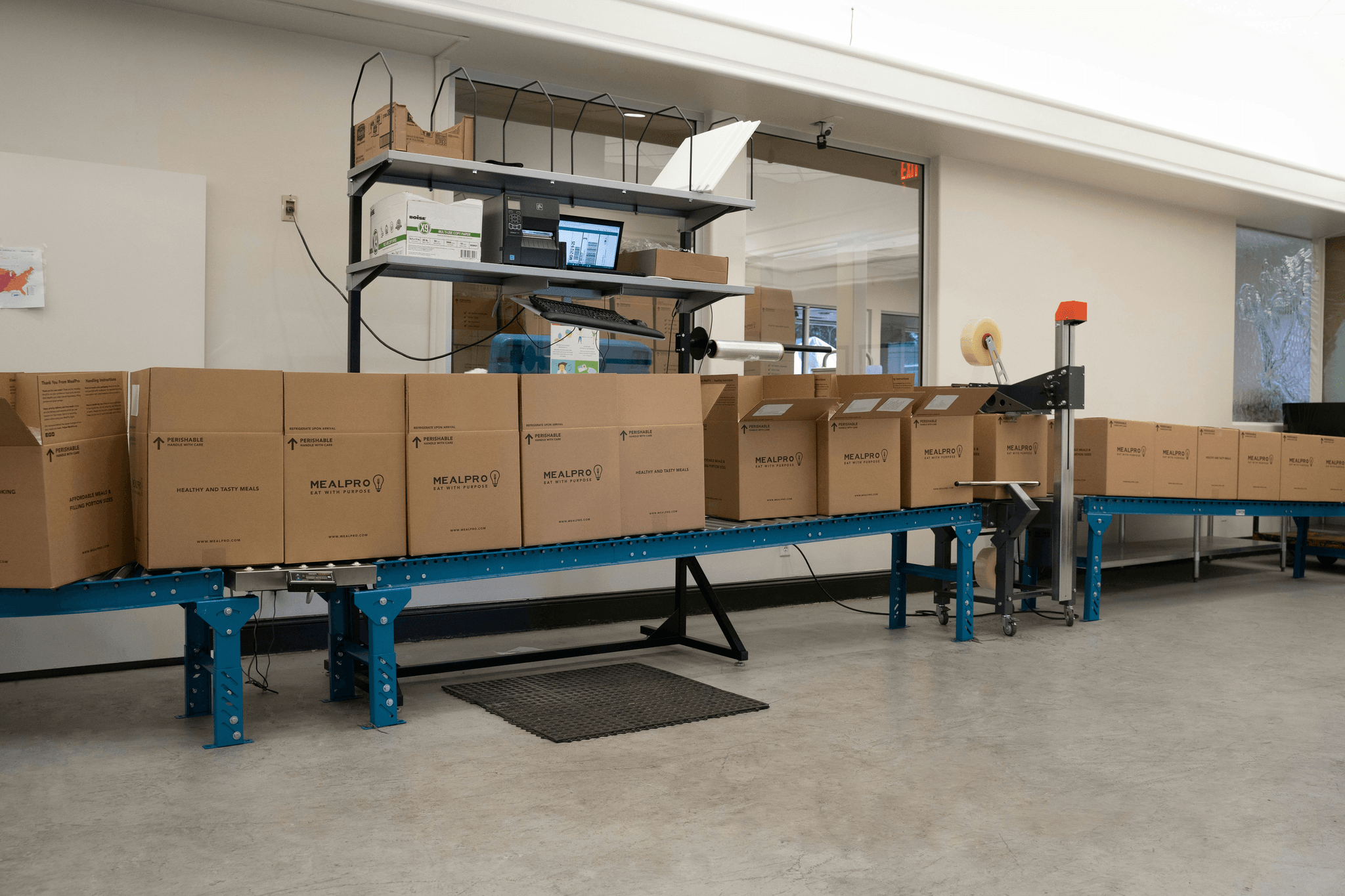
Shipping rejected products together with acceptable goods can be a game-changer for companies looking to optimize their supply chain. By consolidating shipments, businesses reduce transportation costs and streamline logistics, which is especially beneficial when dealing with rejected products that might otherwise sit idle. This approach not only minimizes waste but also helps manage rejected products efficiently, turning potential losses into manageable expenses.
However, shipping rejected products together with acceptable goods isn’t without its risks and considerations. There’s always the chance that rejected products could contaminate or damage the acceptable items if not handled properly, leading to quality issues down the line. Companies must weigh the benefits of consolidated shipping against potential risks such as cross-contamination or legal complications related to selling or disposing of rejected goods.
A prime example of this strategy in action is Apple’s supply chain efficiency. Apple often ships rejected products along with acceptable ones to maximize freight utilization and reduce costs. This method allows Apple to handle rejected products more flexibly—whether reworking defective units or selling them through secondary markets—without disrupting overall logistics flow. It’s a smart way to keep rejected products moving while maintaining high standards for accepted goods.
Reworking or Repairing Defective Products
Reworking or repairing defective products is a strategic approach many companies adopt to handle rejected products efficiently. Instead of discarding rejected products immediately, businesses evaluate whether these items can be salvaged through reworking processes. This approach not only reduces waste but also offers a cost-effective way to turn rejected products back into saleable goods, especially when the defects are minor or fixable.
In the realm of managing rejected products, shipping rejected products together with acceptable goods can sometimes be advantageous if the defects are easily correctable. Reworking defective products often involves specialized processes and advanced technologies that pinpoint issues and restore quality. These technologies include laser repairs, micro-welding, and software updates, which help ensure that repaired items meet quality standards before they re-enter the supply chain.
Samsung's quality improvement initiatives serve as an excellent case study in reworking defective products effectively. By investing in rigorous inspection protocols and innovative repair methods, Samsung has minimized the number of rejected products that need destroying or reselling at lower prices. Their strategy highlights how reworking defective products not only preserves brand reputation but also supports sustainable practices by reducing waste and maximizing resource utilization.
Selling Rejected Goods to Other Customers

Once a product gets labeled as rejected, many companies find themselves at a crossroads—what's the best way to handle these rejected products without wasting resources or damaging brand reputation? Selling rejected goods to other customers can be a smart move, especially when the defects are minor or repairable. This approach allows businesses to recoup some costs and keep rejected products out of landfills, turning what could be waste into an opportunity for profit.
However, selling rejected products isn't just about flipping defective items; it requires careful assessment of the quality issues and legal considerations. Companies must ensure that their rejected products meet safety standards and are honestly represented in secondary markets. Proper documentation and transparent communication are key to avoiding legal pitfalls when shipping rejected products together with acceptable goods for resale.
Take Nike’s outlet store strategies as a prime example—Nike effectively sells rejected goods to other customers through outlets that specialize in discounted or slightly imperfect merchandise. This not only clears out rejected products but also boosts brand loyalty among bargain hunters who don’t mind minor flaws. By managing rejection processes carefully, Nike ensures that their rejected products find new homes without tarnishing their main brand image.
Destroying Rejected Products
When it comes to managing rejected products, destruction is often the last resort, but it’s a crucial step in maintaining quality standards and safety. Proper disposal procedures help prevent rejected products from re-entering the market or causing environmental harm. Industry leaders like China Inspection Pro emphasize the importance of environmentally responsible destruction methods to safeguard both brand reputation and the planet.
Environmental and Safety Aspects
Destroying rejected products must be handled with care to minimize environmental impact and ensure safety. Improper disposal of rejected products can lead to pollution, waste accumulation, or even health hazards if hazardous materials are involved. Companies need to consider eco-friendly options like recycling or chemical neutralization when dealing with rejected goods, especially for defective products that could contain harmful substances.
Proper Disposal Procedures
The proper disposal of rejected products involves a series of well-planned steps that adhere to legal regulations and industry standards. First, reject items should be segregated from acceptable goods to avoid contamination during shipping rejected products together with compliant inventory. Then, they should be securely destroyed through methods such as incineration or shredding, ensuring that no defective product can re-enter circulation—whether through resale or reuse—without proper reworking/repairing processes.
Industry Practice: China Inspection Pro’s Role in Quality Assurance
China Inspection Pro plays a vital role in ensuring industry-standard practices for destroying rejected products are followed meticulously. Their expertise helps companies implement effective procedures for destroying rejected goods safely and sustainably while maintaining compliance with environmental regulations. By partnering with trusted inspection services, businesses can turn rejection management into an opportunity rather than a headache—protecting their brand and the environment simultaneously.
The Role of Quality Inspection in Managing Rejected Products
Quality inspection plays a pivotal role in managing rejected products effectively, helping companies identify issues early and prevent costly mistakes down the line. By catching defects before they reach the shipping stage, inspection services can significantly reduce the number of rejected products that need further handling. This proactive approach not only minimizes waste but also ensures that fewer rejected products end up being reworked or sold to other customers under questionable circumstances, safeguarding brand reputation.
When companies invest in thorough quality inspections, they can determine whether rejected products should be reworked or repaired before reaching the market. Reworking defective products is often a cost-effective solution that transforms rejected goods into salable items, turning what could be waste into profit. Proper inspection helps identify which rejected products are suitable for repair and which should be destroyed or sent for disposal, facilitating smarter decisions about handling rejected goods.
China Inspection Pro’s expertise in quality inspection proves invaluable when managing rejected products across supply chains. Their services help manufacturers decide whether to ship rejected products together with acceptable goods or to isolate them for reworking or destruction. With precise inspection data, companies can optimize their strategies—selling rejected goods to other customers through secondary markets or ensuring defective items are properly destroyed—thus turning rejection challenges into opportunities for efficiency and sustainability.
Conclusion
Managing rejected products effectively is crucial for maintaining a company's reputation and operational efficiency. Whether it's shipping rejected products together with acceptable goods, reworking or repairing defective products, selling rejected goods to other customers, or responsibly destroying rejected products, each strategy offers unique advantages and challenges. The key is to turn these rejected products into opportunities rather than liabilities, transforming potential waste into value.
Turning Rejected Products into Opportunities
When approached creatively, rejected products can become a source of profit rather than loss. Shipping rejected products together with acceptable goods can reduce logistics costs and streamline inventory management. Reworking or repairing defective products allows companies to salvage items that would otherwise be discarded, giving them a second chance in the market. Additionally, selling rejected goods to other customers via secondary markets can recover some costs and clear inventory swiftly.
The Impact of Effective Rejected Product Management on Brand Reputation
Effective management of rejected products demonstrates a company's commitment to quality and sustainability, boosting brand trust among consumers. Proper disposal procedures for destroying rejected products not only prevent counterfeit issues but also showcase environmental responsibility. Companies that excel in handling rejected products—whether through reworking, resale, or disposal—build stronger customer loyalty by showing they prioritize quality control over short-term gains.
Partnering with Experts Like China Inspection Pro for Success
Partnering with experienced inspection services such as China Inspection Pro can make all the difference in managing rejected products efficiently. Their expertise helps minimize the occurrence of rejects through rigorous quality inspections and ensures proper handling when rejects do occur—be it shipping rejected products together with acceptable goods or reworking defective items. With the right partners, companies can turn their rejection challenges into strategic opportunities that enhance overall brand reputation and profitability.