
Introduction
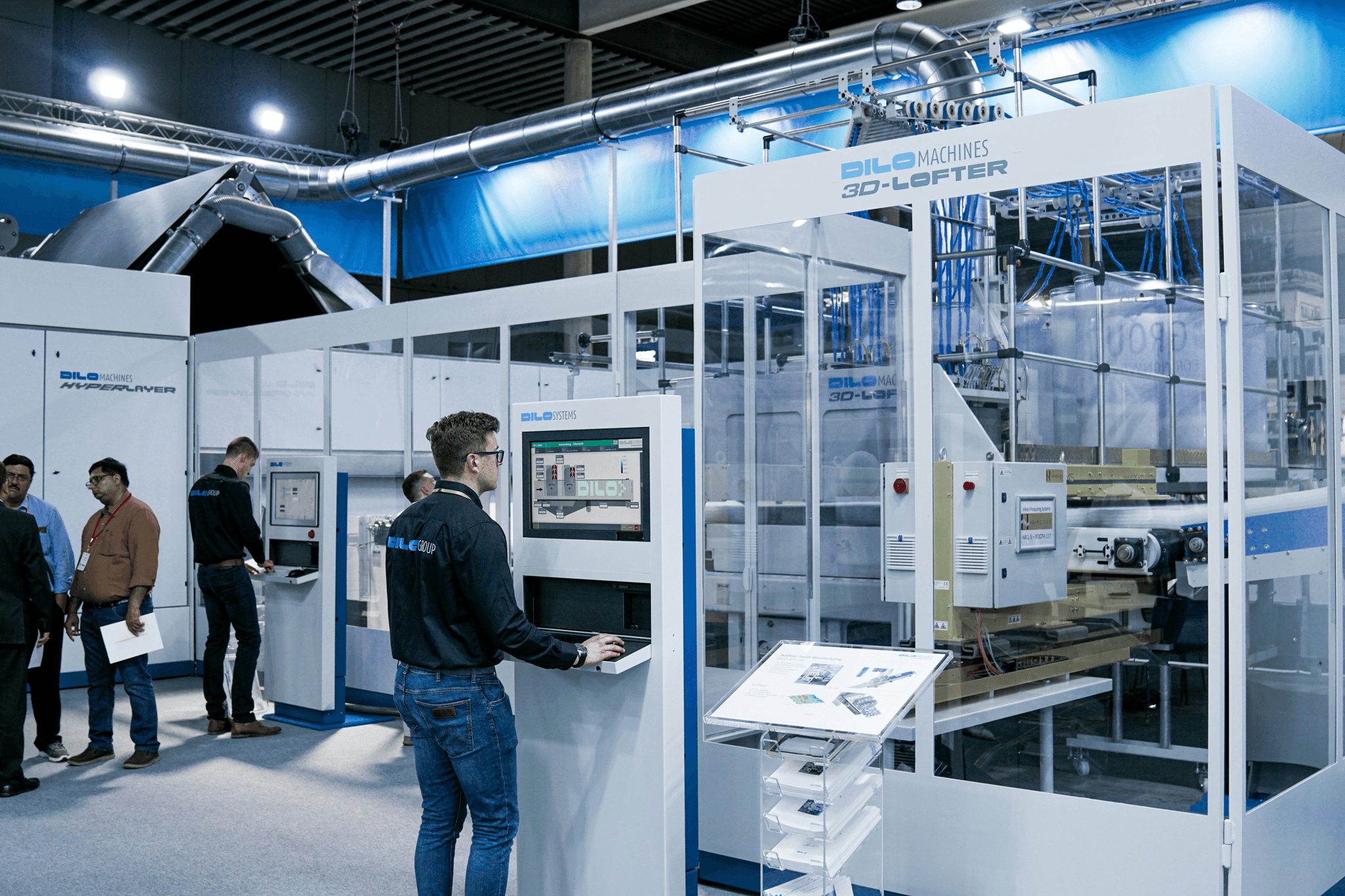
In today’s rapidly evolving manufacturing landscape, the significance of smart factory audits cannot be overstated. A well-executed Factory Audit not only ensures compliance with industry standards but also enhances operational efficiency and product quality. As organizations strive to meet customer expectations and regulatory requirements, understanding the intricacies of compliance in manufacturing becomes crucial.
Importance of Smart Factory Audits
Smart factory audits play a pivotal role in identifying inefficiencies and potential risks within production processes. By systematically assessing operations, companies can pinpoint areas for improvement and ensure adherence to safety protocols. Furthermore, knowing how long a factory audit takes is essential for planning purposes; it allows businesses to allocate resources effectively while minimizing downtime during the evaluation process.
Understanding Compliance in Manufacturing
Compliance in manufacturing refers to adhering to established regulations, standards, and best practices that govern production activities. It’s not just about ticking boxes; it’s about creating a culture of accountability where quality assurance is paramount. When manufacturers grasp the nuances of compliance, they are better equipped to navigate challenges such as “What are the common challenges in factory auditing and how to overcome them?”—ultimately leading to more robust operations.
Key Benefits of Effective Auditing
Effective auditing yields numerous benefits that extend beyond mere compliance checks. For starters, it fosters transparency within operations, enabling stakeholders to make informed decisions based on accurate data. Additionally, post-audit actions—such as “What should be done after a factory audit?”—can lead to continuous improvement initiatives that drive innovation and enhance competitiveness in an increasingly global market.
What Is a Factory Audit?

Factory audits are essential processes that help ensure manufacturing facilities meet required standards and regulations. They serve as a critical tool for identifying potential issues, verifying compliance, and ultimately enhancing operational efficiency. Understanding what a factory audit entails is fundamental for manufacturers aiming to maintain high-quality production and safety standards.
Definition and Purpose
A factory audit is a systematic examination of a manufacturing facility's operations, processes, and compliance with industry standards. The primary purpose of a factory audit is to identify areas of improvement while ensuring adherence to legal, safety, and quality requirements. By conducting regular audits, companies can not only mitigate risks but also enhance their reputation in the market.
Types of Factory Audits
There are several types of factory audits tailored to different objectives and standards. Common types include quality audits, safety audits, environmental audits, and social compliance audits—each focusing on specific aspects of the manufacturing process. Understanding these various types helps organizations determine which type best addresses their needs when preparing for a successful factory audit.
Industry Standards for Auditing
Industry standards provide the framework within which factory audits operate to ensure consistency and reliability across different sectors. Standards such as ISO 9001 for quality management systems or ISO 14001 for environmental management guide auditors in assessing compliance effectively. Familiarity with these industry standards is crucial for manufacturers seeking to understand how do factory audits ensure compliance with international standards and frameworks.
How Do You Prepare for a Successful Factory Audit?
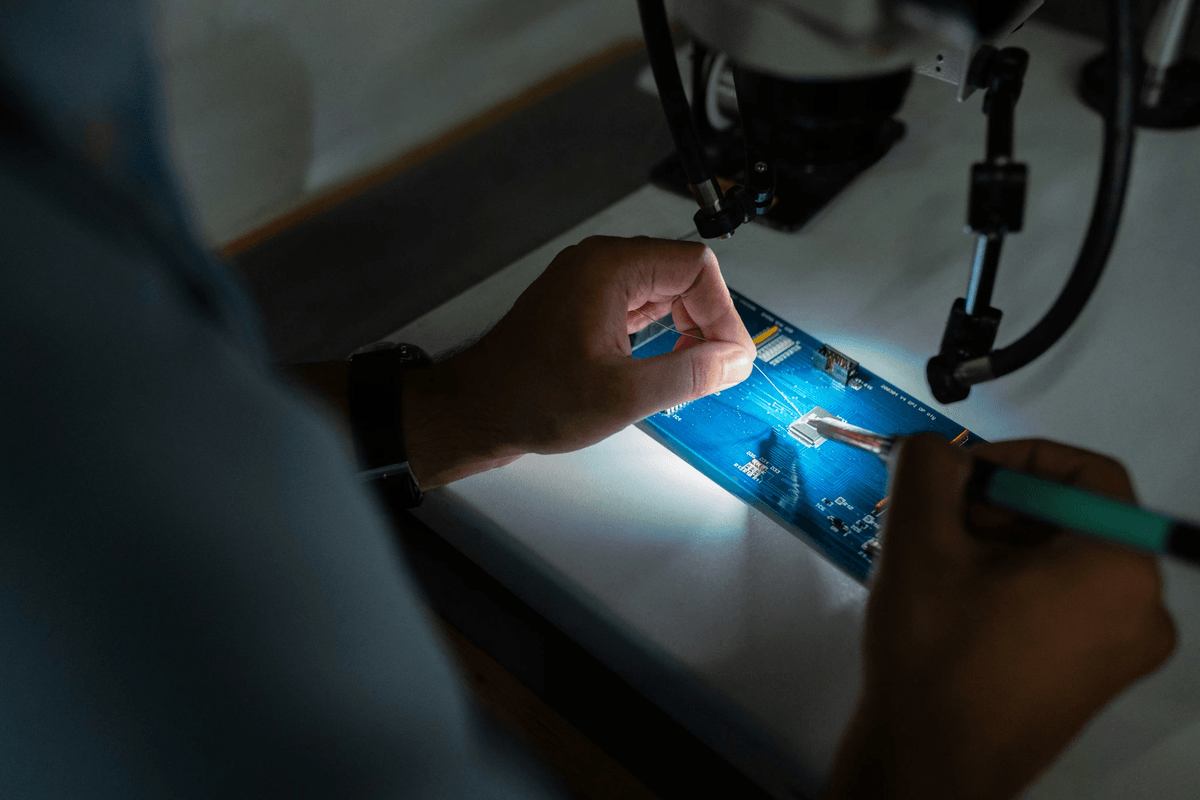
Preparing for a successful factory audit is like prepping for a big exam; you want to ensure you have all the right materials and knowledge at your fingertips. A well-organized approach not only makes the process smoother but also boosts your chances of demonstrating compliance with international standards and frameworks. So, let’s dive into the essentials of getting ready!
Pre-Audit Checklist Essentials
A comprehensive pre-audit checklist is crucial when asking, How do you prepare for a successful factory audit? This checklist should include items like verifying that all machinery is functioning correctly, ensuring safety protocols are in place, and confirming that documentation is complete and accessible. Additionally, understanding how long a factory audit takes can help set realistic expectations and timelines as you prepare.
One key area to focus on is compliance with industry standards relevant to your sector; this shows auditors that you're serious about meeting requirements. Make sure to review past audit reports for any recurring issues or areas needing improvement—after all, learning from previous audits can significantly enhance your current preparation efforts. By ticking off each item on the checklist, you'll be setting yourself up for success during the actual factory audit.
Engaging Employees in the Process
Engaging employees in the preparation process is often overlooked but incredibly valuable when it comes to a successful factory audit. Involving staff not only boosts morale but also ensures everyone understands their role in maintaining compliance with international standards and frameworks. When employees are well-informed about what to expect during the audit, they're more likely to contribute positively rather than feel anxious or unprepared.
Consider hosting training sessions or workshops leading up to the audit; this will help clarify any doubts and reinforce best practices among team members. Creating an open dialogue about what a factory audit entails can also demystify the process and encourage ownership of responsibilities across departments. Remember, an engaged workforce can be your greatest asset when navigating challenges related to auditing.
Documentation and Record Keeping
Effective documentation and record-keeping play pivotal roles in preparing for a successful factory audit—after all, if it's not documented, did it even happen? Ensure that all records related to production processes, safety measures, employee training programs, and maintenance schedules are organized systematically before the auditors arrive at your facility. This will not only facilitate smoother communication during the inspection but also demonstrate your commitment to transparency.
It's essential to maintain up-to-date records that align with both internal policies and external compliance requirements; this will make it easier for third-party auditors involved in evaluating your operations as they assess whether you meet necessary standards. Furthermore, keeping thorough records helps address questions like What should be done after a factory audit? since you'll have data readily available for follow-up actions based on auditor feedback.
In summary, preparing effectively involves creating checklists tailored specifically for audits while engaging employees meaningfully throughout the process—and don’t forget about solid documentation! With these strategies in place, you're setting yourself up not just for passing an inspection but thriving through continuous improvement efforts that follow every factory audit.
What Are the Common Challenges in Factory Auditing and How to Overcome Them?

Factory audits can be a complex undertaking, often fraught with challenges that can hinder their effectiveness. Understanding these common pitfalls is crucial for manufacturers aiming to ensure compliance with international standards and frameworks. By proactively addressing these issues, organizations can streamline the auditing process and reap the full benefits of effective factory audits.
Identifying Common Pitfalls
One of the most prevalent challenges in factory auditing is inadequate preparation. Many companies underestimate how long a factory audit takes, leading to rushed processes and incomplete documentation. Additionally, failing to engage employees in the audit process can result in a lack of accountability and oversight, making it difficult to identify areas needing improvement.
Another common pitfall is neglecting to stay updated on industry standards for auditing. As regulations evolve, outdated practices may lead to non-compliance during inspections. Moreover, poor communication between departments can create confusion about roles and responsibilities during the audit process.
Lastly, some factories may overlook the importance of thorough record-keeping prior to an audit. Incomplete or disorganized documentation not only delays the process but also raises red flags for third-party auditors assessing compliance levels. Recognizing these pitfalls allows manufacturers to take preventive measures before embarking on their next factory audit.
Strategies for Effective Problem Solving
To successfully navigate challenges associated with factory audits, manufacturers should implement proactive strategies that foster collaboration and transparency among employees. First and foremost, developing a robust pre-audit checklist ensures that all necessary documentation is prepared well in advance—answering questions like How do you prepare for a successful factory audit? becomes straightforward when everyone knows their responsibilities.
Encouraging open communication throughout the organization is equally vital; regular meetings or training sessions can help clarify expectations while promoting a culture of continuous improvement. When employees understand their roles within the context of compliance standards, they become more motivated participants in the auditing process.
Finally, conducting mock audits before official inspections serves as an excellent way to identify potential weaknesses within your operations. This practice not only highlights areas needing attention but also builds confidence among staff members—turning what could be a stressful experience into an opportunity for growth.
Role of Technology in Addressing Challenges
In today's fast-paced manufacturing environment, technology plays an essential role in overcoming challenges related to factory audits. Utilizing software solutions designed specifically for audit management streamlines processes by automating documentation and record-keeping tasks—saving time while reducing human error along the way.
Moreover, data analytics tools enable manufacturers to gain insights into their operations that might otherwise go unnoticed during traditional audits. By leveraging real-time data analysis capabilities, businesses can pinpoint inefficiencies or compliance gaps proactively—transforming how they approach future audits.
Lastly, employing digital platforms fosters greater collaboration between teams involved in preparing for a successful factory audit; cloud-based solutions allow seamless sharing of information across departments regardless of location or time zone differences—a significant advantage when third-party auditors are involved! Embracing technology not only mitigates common challenges but also enhances overall efficiency throughout your organization’s auditing journey.
What Is the Role of Third-Party Auditors in Factory Audits?

In the world of manufacturing, third-party auditors play a crucial role in ensuring that factories meet compliance standards and operational excellence. When asking How long does a factory audit take?, it’s often third-party auditors who provide an impartial assessment that can streamline this process. Their expertise not only enhances the credibility of the audit but also helps businesses identify areas for improvement, making them invaluable partners in the journey towards compliance.
Benefits of Third-Party Involvement
Engaging third-party auditors brings a host of benefits to any factory audit. Firstly, their unbiased perspective allows for a more accurate evaluation of processes and practices, which can lead to better insights on how to prepare for a successful factory audit. Moreover, they often have extensive experience across various industries, enabling them to identify common challenges in factory auditing and how to overcome them effectively.
Additionally, third-party auditors can help ensure compliance with international standards and frameworks by applying best practices gleaned from numerous audits worldwide. This not only boosts the reputation of your manufacturing operations but also builds trust with stakeholders who are keenly interested in quality assurance. Ultimately, their involvement can result in significant cost savings by reducing errors and enhancing efficiency—something every manufacturer should strive for!
Selection Criteria for Third-Party Auditors
Choosing the right third-party auditor is critical for conducting an effective factory audit. Start by assessing their credentials: look for certifications that align with industry standards relevant to your operations. It’s also essential to consider their experience; ideally, they should have conducted audits similar to yours and be familiar with your specific sector's nuances.
Another key factor is communication; you want an auditor who can clearly explain findings and recommendations without resorting to jargon that might leave your team scratching their heads. Additionally, inquire about their approach: do they prioritize collaboration? Engaging employees during the process is vital for fostering a culture of continuous improvement post-audit—after all, what should be done after a factory audit is just as important as what happens during it!
How China Inspection Pro Adds Value
When it comes to leveraging third-party auditing services, China Inspection Pro stands out as a trusted partner in navigating complex compliance landscapes. With extensive experience conducting factory audits across various sectors, they are well-equipped to answer questions like How do factory audits ensure compliance with international standards and frameworks? Their team understands local regulations while also aligning with global best practices.
China Inspection Pro doesn’t just stop at identifying gaps; they offer actionable insights tailored specifically for manufacturers looking to enhance operations effectively. By providing support throughout the auditing process—from preparation through follow-up—they help companies tackle common challenges head-on while ensuring smooth transitions into improved practices post-audit.
In summary, engaging professional third-party auditors like China Inspection Pro not only streamlines your factory audit process but also paves the way toward ongoing success through enhanced compliance measures.
How Do Factory Audits Ensure Compliance with International Standards and Frameworks?
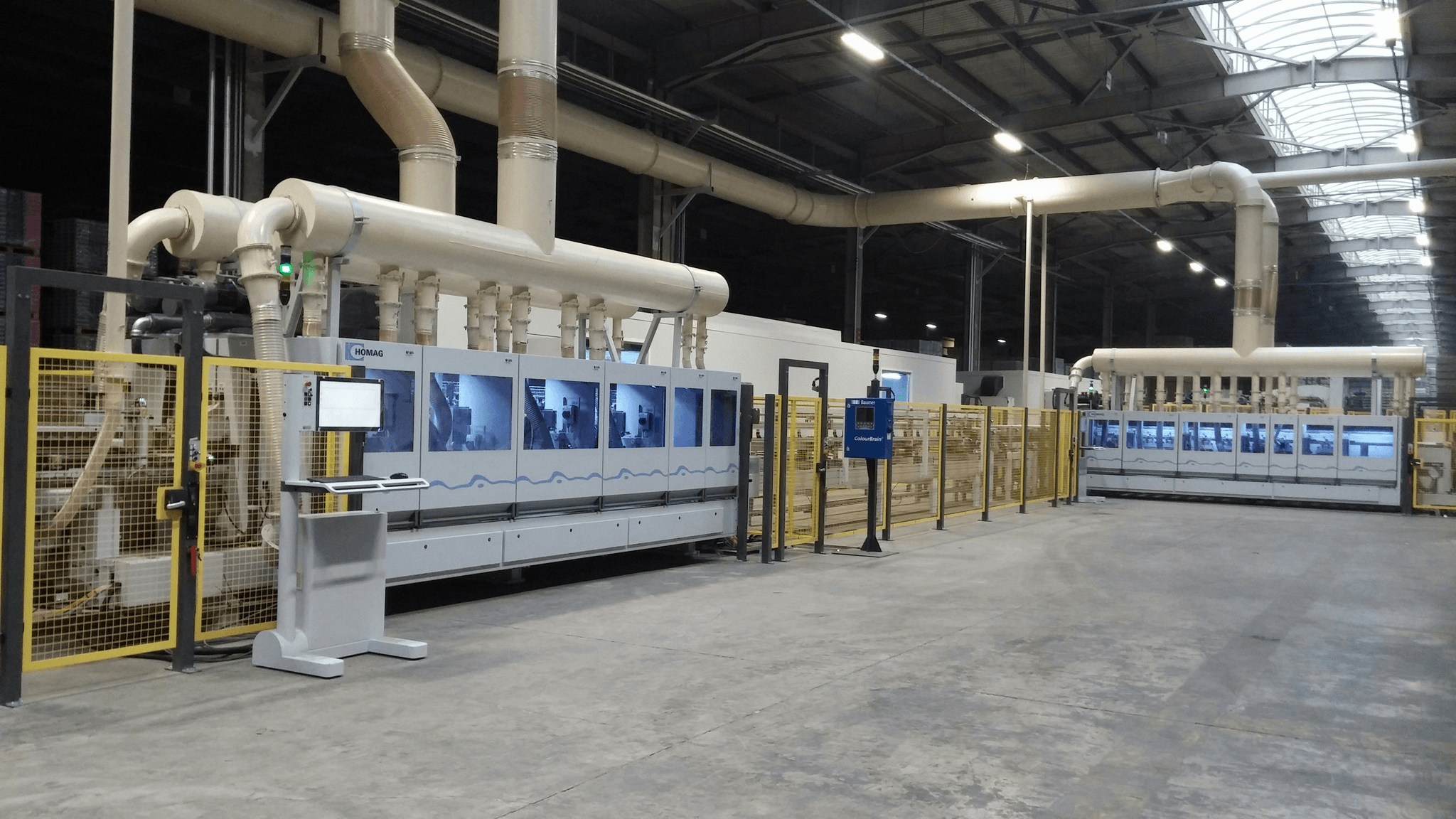
Factory audits play a pivotal role in ensuring that manufacturing processes align with international standards and frameworks. By systematically evaluating operations, a factory audit identifies areas of non-compliance, helping organizations adhere to regulations that govern safety, quality, and environmental practices. This not only mitigates risks but also enhances the overall credibility of the business in the global market.
Overview of Compliance Standards
Compliance standards vary widely across industries but generally encompass guidelines set by organizations such as ISO (International Organization for Standardization) and industry-specific regulations. These standards dictate everything from quality management systems to environmental impact assessments, ensuring that manufacturers operate within legal and ethical bounds. Understanding these compliance standards is crucial for preparing for a successful factory audit; they serve as a roadmap for what auditors will evaluate.
Case Studies of Successful Compliance
Numerous companies have reaped the benefits of adhering to compliance standards through effective factory audits. For instance, a leading automotive manufacturer underwent a comprehensive factory audit that revealed gaps in their quality control processes; following corrective actions led to increased customer satisfaction and reduced return rates. Another example involves an electronics firm that embraced continuous improvement after failing an initial audit, ultimately achieving ISO certification and significantly boosting its market reputation.
The Importance of Continuous Improvement
Continuous improvement is not just a buzzword; it’s essential for maintaining compliance post-audit. After understanding what should be done after a factory audit, organizations must implement feedback mechanisms to refine processes continually. Regularly revisiting compliance standards ensures that businesses stay ahead of potential challenges in factory auditing, such as evolving regulations or shifts in industry best practices.
Conclusion
In the ever-evolving landscape of manufacturing, Smart Factory Audits play a crucial role in ensuring compliance and operational excellence. These audits not only help businesses identify inefficiencies but also pave the way for continuous improvement and adherence to international standards. As we wrap up our discussion, it's essential to reflect on the myriad benefits that effective factory auditing brings to the table.
Recap of Smart Factory Auditing Benefits
The benefits of a thorough Factory Audit are manifold, ranging from enhanced product quality to increased operational efficiency. By understanding how long a factory audit takes and preparing adequately, manufacturers can streamline processes and minimize downtime during evaluations. Moreover, effective auditing helps in identifying areas for improvement, ensuring compliance with international standards and frameworks while building trust with stakeholders.
Next Steps: What Should Be Done After a Factory Audit?
Once a Factory Audit is completed, it’s vital to take actionable steps based on the findings. This includes addressing any identified issues promptly and developing an action plan that outlines specific improvements needed within operations. Additionally, communicating results with employees fosters transparency and encourages engagement in future audits—because preparing for a successful factory audit is not just about checking boxes; it’s about fostering a culture of continuous improvement.
Future Trends in Factory Auditing and Compliance
Looking forward, we can expect significant advancements in how factory audits are conducted, particularly through technology integration. The role of third-party auditors will continue to expand as companies seek unbiased insights into their operations while navigating common challenges in factory auditing and how to overcome them effectively. Furthermore, as global regulations evolve, staying ahead of compliance requirements will be crucial for manufacturers aiming for long-term success.