
Introduction
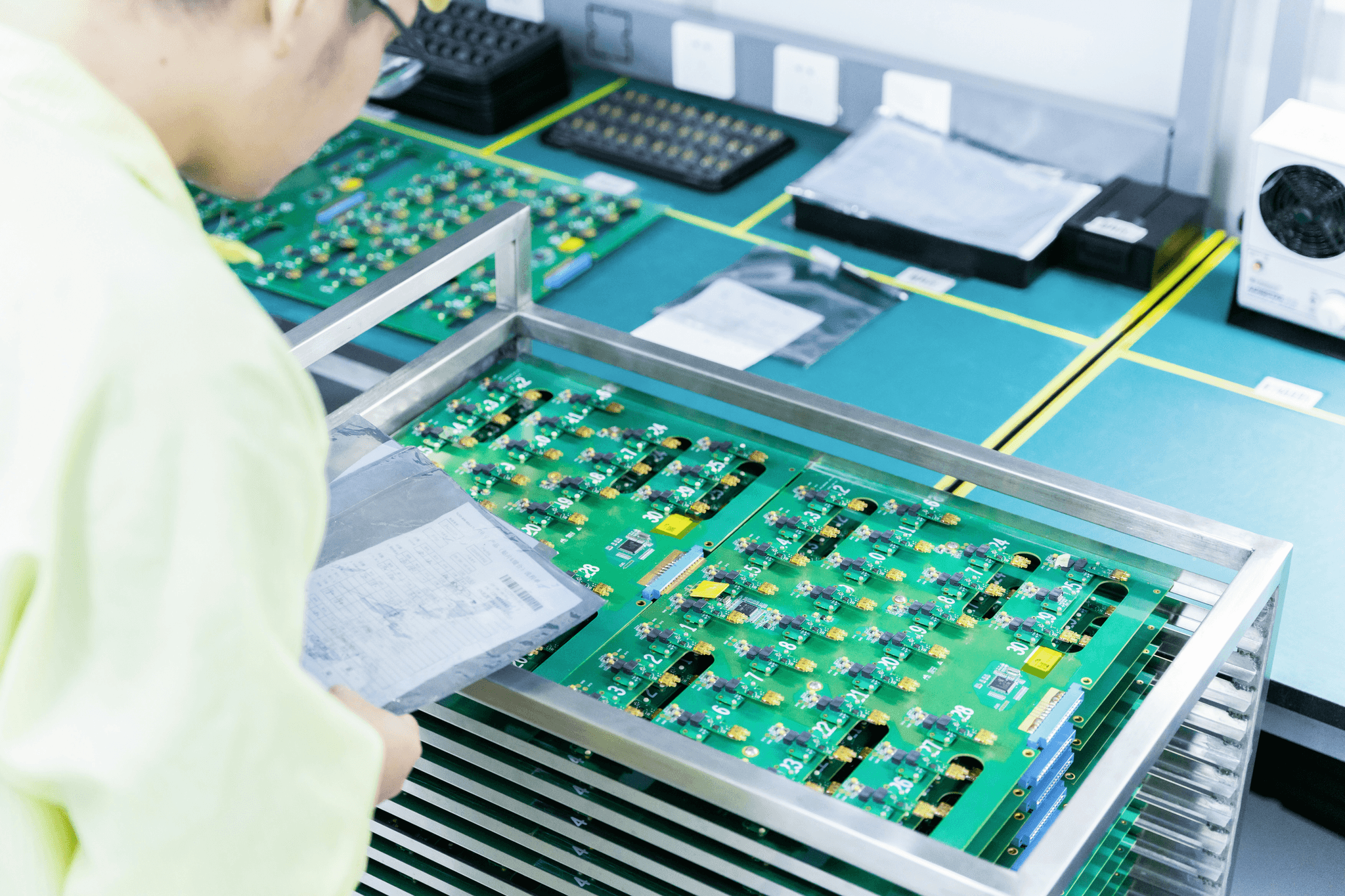
In the fast-paced world of electronics manufacturing, quality control is more than just a buzzword—it's a vital component that can make or break a product. With technology advancing at lightning speed, understanding quality control methods has become essential for manufacturers who wish to stay competitive and deliver top-notch products. This introduction sets the stage for exploring why you should care about quality control, as well as the various techniques that can be employed to ensure excellence in every electronic device produced.
Understanding Quality Control in Electronics Manufacturing
Quality control in electronics manufacturing encompasses a series of processes designed to maintain and improve product quality throughout production. It involves meticulous planning, execution, and evaluation to ensure that every component meets stringent standards before reaching consumers. By prioritizing quality control, manufacturers not only enhance their reputation but also foster customer trust and loyalty—two critical factors in an industry where competition is fierce.
The Importance of Quality Control Methods
Implementing effective quality control methods is crucial for minimizing defects and ensuring consistency across products. In an era where consumers demand flawless performance from their devices, manufacturers must adopt rigorous testing and inspection protocols to meet these expectations. Moreover, robust quality control practices can significantly reduce costs associated with recalls and repairs—making it clear that investing in these methods is not just wise; it's essential for long-term success.
Overview of Popular Quality Control Techniques
There are several popular techniques used in electronics manufacturing to uphold high-quality standards, including Statistical Process Control (SPC), Failure Mode Effects Analysis (FMEA), and Six Sigma methodologies. Each technique offers unique benefits tailored to specific challenges within the production process, allowing manufacturers to choose the best approach based on their needs. By integrating these techniques into their operations, companies can effectively manage risks associated with product failures while enhancing overall efficiency—ultimately proving that quality control protects your business from costly pitfalls.
The Role of Quality Engineers

Quality engineers are the unsung heroes of electronics manufacturing, ensuring that products meet stringent standards and customer expectations. Their expertise is vital in identifying potential issues before they escalate, allowing for smoother operations and greater efficiency. In a world where technology evolves rapidly, having the right quality engineer on your team can make all the difference.
Choosing the Best Quality Engineer
When it comes to choosing the best quality engineer for your electronics manufacturing team, look for a blend of technical expertise and practical experience. A quality engineer should not only understand industry standards but also possess a knack for problem-solving and critical thinking skills. Remember, selecting the right candidate can significantly impact your risk management strategies and overall product quality.
Finding someone with relevant technical qualification certificates is essential; these credentials demonstrate their commitment to excellence in quality control. Furthermore, consider their previous experience in similar roles—this will give you insight into how they handle challenges unique to electronics manufacturing. Ultimately, investing time in choosing the best quality engineer will pay off in improved processes and enhanced business protection.
Essential Skills for Quality Engineers
Quality engineers must possess a variety of essential skills to excel in their roles within electronics manufacturing environments. First and foremost, they should be adept at statistical analysis, enabling them to interpret data effectively and identify trends that may indicate potential issues. Additionally, strong communication skills are crucial; these engineers need to collaborate with multiple departments while conveying complex information clearly.
Another vital skill is familiarity with risk management practices; understanding how to identify risks early on can prevent costly mistakes down the line. Moreover, proficiency in using various software tools related to quality control is increasingly important as technology continues to advance within electronics manufacturing. By honing these essential skills, quality engineers become invaluable assets who contribute significantly to maintaining high standards.
Why Should You Care About Quality Control?
You might wonder why you should care about quality control in your electronics manufacturing processes—after all, isn’t it just another box to check? Well, let me tell you: effective quality control protects your business by minimizing defects and enhancing customer satisfaction! When products meet or exceed expectations consistently due to rigorous oversight from skilled professionals like quality engineers, you build trust with consumers that translates into brand loyalty.
Additionally, robust quality control methods can lead directly to cost savings by reducing waste associated with faulty products or rework efforts stemming from errors during production stages. By prioritizing these practices through hiring qualified individuals who understand risk management strategies and hold relevant technical qualification certificates—you're not only improving product integrity but also safeguarding your bottom line! So yes—quality control matters more than you might think!
Statistical Process Control

In the fast-paced world of Electronics Manufacturing, maintaining high standards is paramount, and Statistical Process Control (SPC) plays a crucial role. SPC is all about monitoring and controlling manufacturing processes through statistical methods, helping to identify variability that could impact quality. By utilizing SPC techniques, businesses can not only enhance product quality but also reduce costs associated with defects.
Analyzing Variability in Manufacturing
Variability in manufacturing can arise from numerous sources, including machine performance, material inconsistencies, and human error. Understanding these variations is essential for anyone involved in Electronics Manufacturing; it directly affects product reliability and customer satisfaction. This is where choosing the best quality engineer becomes vital—someone who can effectively analyze variability and implement corrective measures to ensure consistent quality.
Tools Used in Statistical Process Control
Several tools are employed within SPC to monitor processes effectively. Control charts are among the most popular tools; they visually represent process data over time, allowing engineers to spot trends or anomalies quickly. Other important tools include process capability analysis and Pareto charts—both of which help identify areas for improvement and support effective risk management strategies.
Real-world Applications of Statistical Process Control
Real-world applications of SPC are abundant in Electronics Manufacturing settings—from assembly lines to testing facilities. For instance, manufacturers often use control charts to monitor soldering processes in circuit board production, ensuring that each joint meets stringent quality standards. The benefits extend beyond just improved product quality; effective implementation of SPC can lead to lower operational costs and enhanced overall efficiency—proof that Quality Control protects your business from unnecessary risks.
Risk Management Strategies
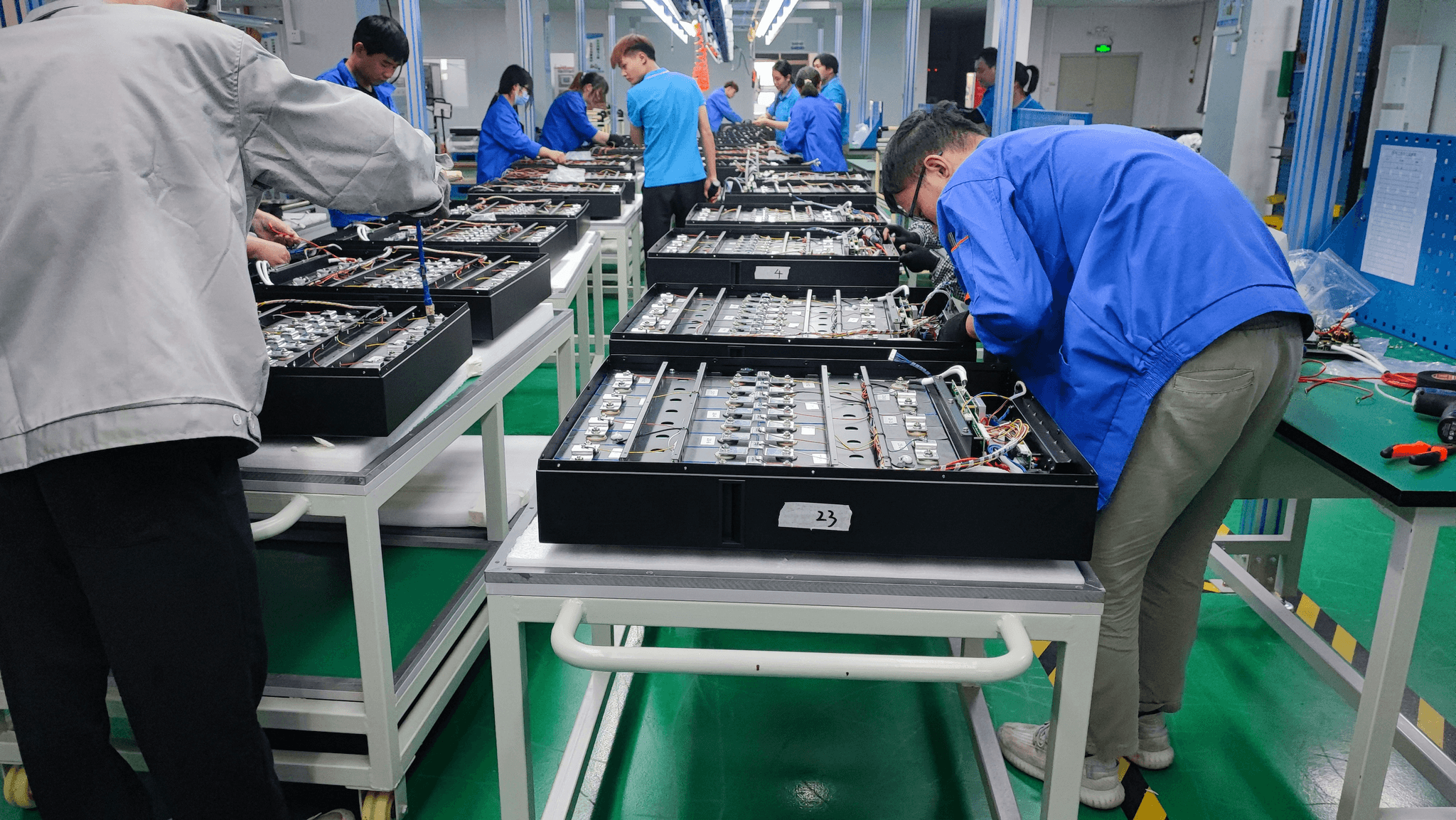
In the fast-paced world of Electronics Manufacturing, risk management is crucial for maintaining quality and ensuring successful operations. With the stakes so high, identifying potential risks before they escalate can save time, resources, and reputation. By understanding how to implement effective risk management strategies, businesses can protect their interests and enhance their overall quality control processes.
Identifying Risks in Electronics Manufacturing
Identifying risks in Electronics Manufacturing involves a thorough analysis of production processes, supply chains, and even market demands. Common risks include equipment failure, supplier inconsistencies, and compliance with technical qualification certificates that govern safety standards. By pinpointing these vulnerabilities early on, companies can take proactive steps to mitigate them before they impact product quality or delivery timelines.
Implementing Effective Risk Management
Implementing effective risk management requires a structured approach that integrates seamlessly with existing quality control practices. Organizations should start by assessing their current systems and determining where enhancements are necessary to address identified risks. This often involves training staff on best practices for choosing the best quality engineer to oversee these initiatives while ensuring that everyone understands why you should care about quality control in every aspect of production.
Benefits of Proactive Risk Management
The benefits of proactive risk management extend far beyond mere compliance; they serve as a cornerstone for sustainable success in Electronics Manufacturing. By investing time and resources into identifying and managing risks effectively, businesses can improve product reliability while also fostering customer trust—ultimately leading to increased sales opportunities. Moreover, understanding how technical qualification certificates fit into this framework ensures that companies stay ahead of industry standards while reinforcing the notion that quality control protects your business from unforeseen pitfalls.
Technical Qualification Certificates
In the fast-paced world of Electronics Manufacturing, technical qualification certificates serve as a hallmark of credibility and expertise. These certifications not only validate the skills of quality engineers but also assure stakeholders that quality control measures are in place. Understanding the importance of these certificates can help businesses make informed decisions about their quality control processes.
Importance of Certifications in Quality Control
Certifications in quality control are crucial because they establish a standardized level of knowledge and competency among professionals. When you’re Choosing the Best Quality Engineer, their certifications provide insight into their proficiency in various methodologies, such as Statistical Process Control and Risk Management strategies. Ultimately, these qualifications contribute to why you should care about quality control; they ensure that your products meet industry standards and customer expectations.
Moreover, having certified professionals on your team can significantly enhance your company's reputation within the Electronics Manufacturing sector. It signals to clients and partners that you prioritize quality and are committed to continuous improvement. In an industry where even minor defects can have substantial repercussions, investing in qualified personnel is a smart business strategy.
Key Technical Qualification Certificates Explained
Several key technical qualification certificates stand out in the realm of Quality Control. Among them is the Certified Quality Engineer (CQE) designation from the American Society for Quality (ASQ), which emphasizes a professional's ability to understand and apply quality principles effectively within manufacturing processes. Another noteworthy certification is Six Sigma Green Belt or Black Belt, which focuses on process improvement through data-driven decision-making—a vital skill set for anyone involved in risk management.
Other important certifications include ISO 9001 Lead Auditor certification, which demonstrates a thorough understanding of quality management systems applicable across various industries, including Electronics Manufacturing. Each certification has its own unique focus but collectively enhances an engineer's ability to implement effective strategies that protect your business from potential pitfalls associated with poor-quality outputs.
How Certifications Enhance Product Quality
The presence of certified professionals directly correlates with enhanced product quality within Electronics Manufacturing environments. When teams possess relevant technical qualification certificates, they are better equipped to identify inefficiencies and implement best practices that lead to superior outcomes. This proactive approach aligns with effective risk management by addressing potential issues before they escalate into costly problems.
Furthermore, having certified engineers fosters a culture of excellence where continuous improvement becomes part of daily operations rather than an afterthought. This commitment not only boosts product reliability but also instills confidence among consumers regarding your brand’s integrity—an essential factor in today’s competitive market landscape. Thus, investing in technical qualification certificates is not just about compliance; it’s about building a foundation for long-term success through unwavering commitment to quality control practices.
Quality Control Systems
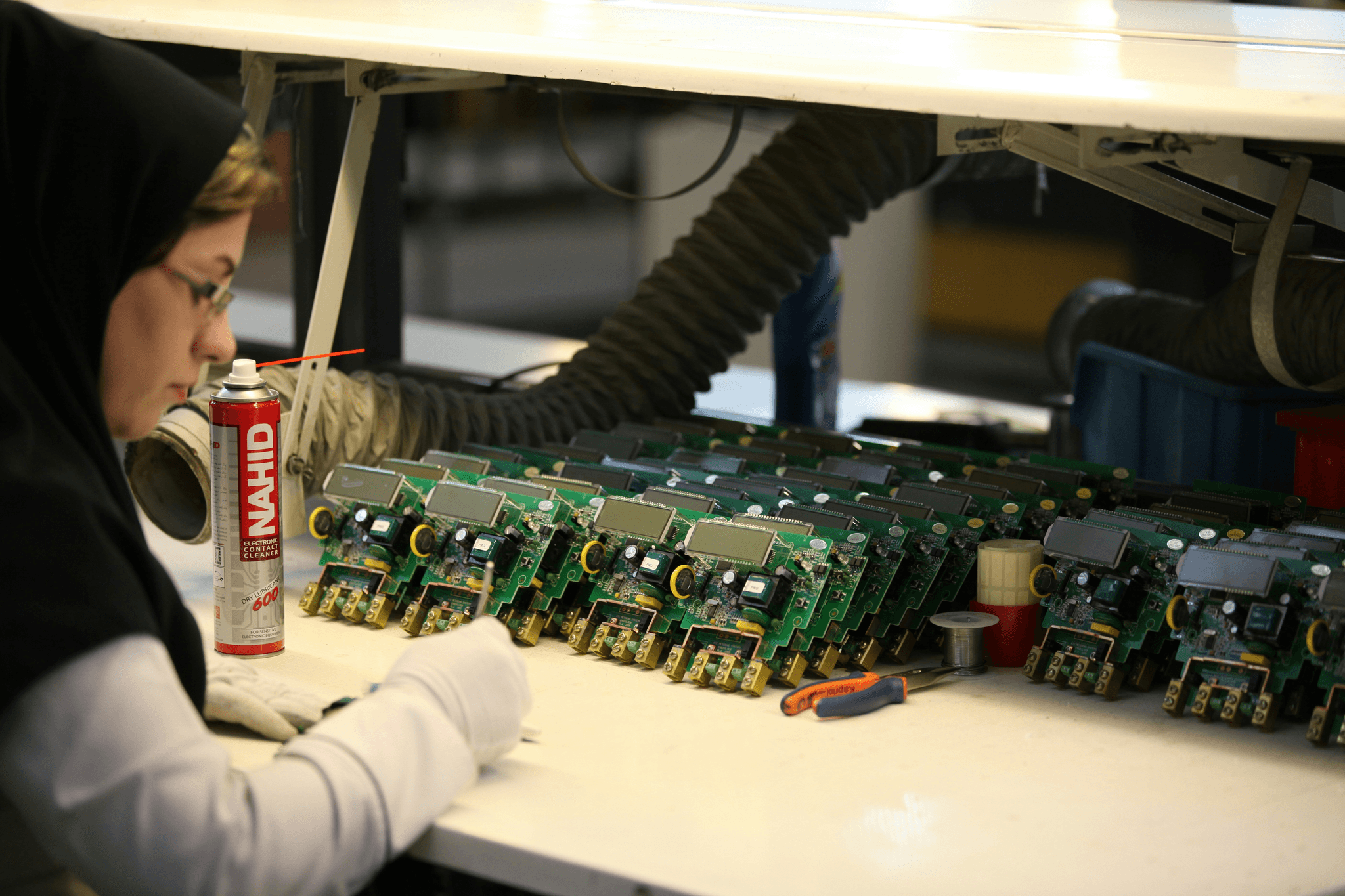
In the realm of Electronics Manufacturing, Quality Control Systems serve as the backbone for ensuring that products meet both industry standards and customer expectations. These systems encompass a variety of methodologies and tools designed to monitor and enhance quality throughout the manufacturing process. By implementing robust quality management practices, companies can significantly reduce defects, improve efficiency, and foster customer loyalty.
Overview of Quality Management Systems
Quality Management Systems (QMS) provide a structured approach to managing quality across all facets of production in Electronics Manufacturing. A well-designed QMS integrates various components such as documentation, process control, and continuous improvement initiatives to ensure that every product meets established criteria. This systematic approach not only helps in maintaining compliance with industry regulations but also addresses the fundamental question: Why Should You Care About Quality Control? The answer lies in its potential to minimize costs associated with rework and returns while maximizing customer satisfaction.
A key element of an effective QMS is its ability to adapt to changing market demands and technological advancements. Companies must be agile enough to integrate new quality control techniques as they emerge, ensuring that their processes remain relevant and efficient. By doing so, organizations can better position themselves against competitors who may not prioritize such proactive measures.
Integrating Quality Control in Manufacturing Processes
Integrating Quality Control into manufacturing processes is essential for achieving operational excellence in Electronics Manufacturing. This involves embedding quality checks at various stages of production rather than treating them as an afterthought or final inspection step. By doing so, manufacturers can identify defects early on—saving time and resources while enhancing overall product integrity.
Choosing the Best Quality Engineer plays a crucial role in this integration process; these professionals are responsible for designing and implementing effective quality assurance protocols tailored to specific manufacturing environments. Their expertise ensures that every aspect of production aligns with established quality standards while also facilitating employee training on best practices related to risk management strategies.
Moreover, integrating quality control fosters a culture of accountability within organizations where everyone—from engineers to assembly line workers—understands their role in maintaining high-quality outputs. This collective commitment not only enhances product reliability but also builds trust among customers who rely on consistent performance from electronic devices.
Quality Control Protects Your Business
Quality Control Protects Your Business by safeguarding against costly recalls or brand damage due to defective products entering the market. In today’s competitive landscape, where consumer expectations are higher than ever, investing in comprehensive quality control measures is no longer optional; it's a necessity for survival and success in Electronics Manufacturing.
Additionally, strong quality control systems contribute significantly to risk management efforts by identifying potential issues before they escalate into more significant problems that could jeopardize business operations or reputation. Technical Qualification Certificates held by team members further reinforce this commitment by demonstrating proficiency in recognized best practices within the industry.
Ultimately, prioritizing quality control not only enhances product performance but also drives profitability through reduced waste and increased customer loyalty—ensuring your business remains resilient against market fluctuations while continuously improving its offerings over time.
Conclusion
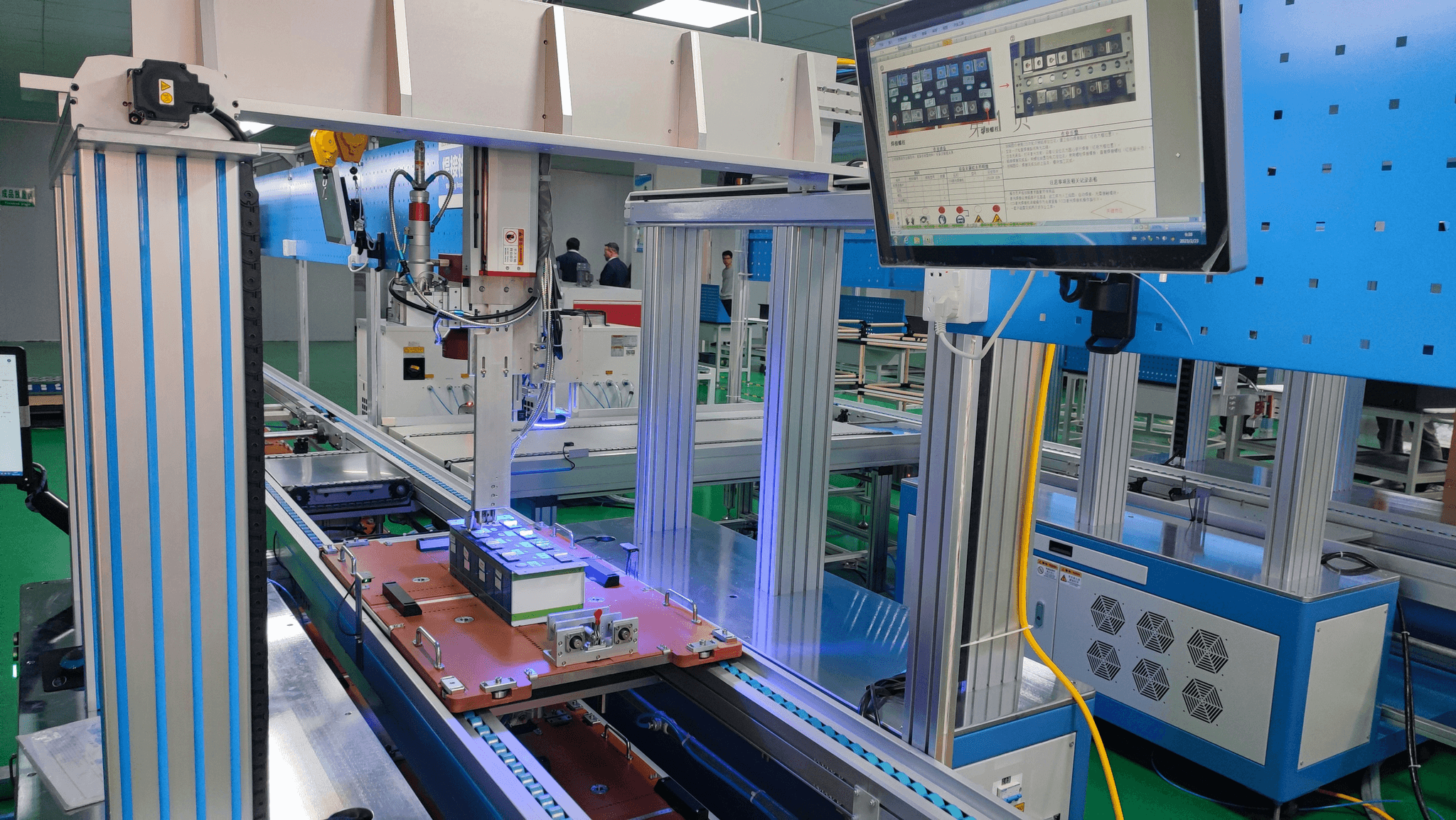
In the fast-paced world of electronics manufacturing, quality control is not just a checkbox on a to-do list; it’s the lifeblood of success. The impact of quality control on success cannot be overstated, as it directly influences customer satisfaction, operational efficiency, and ultimately, profitability. By implementing robust quality control methods and ensuring that teams are equipped with the right technical qualification certificates, businesses can safeguard their reputation and thrive in a competitive landscape.
The Impact of Quality Control on Success
Quality control in electronics manufacturing serves as a critical foundation for any successful operation. When companies prioritize effective quality control methods, they not only reduce defects but also enhance customer trust and loyalty—key ingredients for long-term success. Furthermore, choosing the best quality engineer with the right skills ensures that these methods are effectively implemented and continuously improved upon.
Making Informed Decisions with Quality Insights
Quality insights derived from statistical process control and risk management strategies empower businesses to make informed decisions that drive progress. By analyzing data related to production processes and identifying areas for improvement, organizations can better allocate resources and mitigate potential risks before they escalate into costly issues. This proactive approach to decision-making underscores why you should care about quality control: it leads to smarter investments in both technology and talent.
Continuous Improvement in Electronics Manufacturing
Continuous improvement is an ongoing journey rather than a destination in electronics manufacturing; it's about fostering an environment where innovation thrives alongside adherence to high-quality standards. Regular training sessions focused on technical qualification certificates help keep teams updated on best practices while cultivating a culture dedicated to excellence. Ultimately, integrating comprehensive risk management frameworks ensures that your business remains resilient against challenges while reinforcing how quality control protects your business from unforeseen setbacks.