
Introduction

In the complex world of global commerce, understanding the nuances of Social Compliance Audits is crucial for businesses aiming to maintain ethical standards. These audits serve as a vital checkpoint, ensuring that organizations adhere to legal and ethical labor practices. With increasing scrutiny on supply chains, companies must prioritize compliance audits to safeguard their operations and reputation.
Understanding Social Compliance Audits
A Social Compliance Audit evaluates a company's adherence to labor laws and ethical standards within its supply chain. This process not only assesses working conditions but also examines issues such as child labor, wage fairness, and employee rights. By conducting these compliance audits, businesses can identify potential risks and implement necessary improvements to foster a more equitable workplace.
Importance of Audits in Supply Chains
Audits play an indispensable role in maintaining the integrity of supply chains by ensuring that all parties involved comply with established regulations and standards. They help mitigate risks associated with non-compliance, which can lead to financial penalties or reputational damage for companies. Furthermore, regular audits enhance transparency, creating trust among consumers who increasingly demand ethical practices from brands they support.
Overview of California Labor Regulations
California labor regulations are among the most comprehensive in the United States, designed to protect workers' rights across various industries. These regulations encompass minimum wage laws, overtime pay requirements, and workplace safety standards—critical elements addressed during compliance audits. Understanding these laws is essential for companies operating in or sourcing from California to ensure they meet audit and certification requirements effectively.
What is a Social Compliance Audit?

A Social Compliance Audit is a systematic evaluation designed to assess whether a company adheres to labor standards and ethical practices, particularly concerning employee treatment and workplace conditions. These audits serve the dual purpose of ensuring compliance with established regulations, such as California labor regulations, while fostering transparency within supply chains. By identifying potential risks and areas for improvement, businesses can enhance their operational integrity and uphold their commitment to social responsibility.
Definition and Purpose
The primary aim of a Social Compliance Audit is to verify that companies meet legal requirements and ethical benchmarks regarding labor practices. This involves scrutinizing various aspects of the workplace, including wages, working hours, health and safety conditions, and employee rights. Ultimately, the purpose of these audits is not just about ticking boxes; it's about cultivating an environment where workers are treated fairly while mitigating risks associated with non-compliance.
Key Components of Compliance Audits
Compliance audits encompass several key components that work together to ensure thorough evaluations. First up is documentation review—this involves analyzing records related to employee contracts, payrolls, and safety protocols in line with California labor regulations. Next comes on-site inspections where auditors observe working conditions firsthand; this step often reveals discrepancies between documented policies and actual practices. Lastly, interviews with employees provide invaluable insights into their experiences—after all, they are the ones living through the company's policies daily.
The Role of Stakeholders
Stakeholders play a crucial role in the success of social compliance audits by influencing both audit processes and outcomes. Companies must engage various parties—including employees, management teams, suppliers, and external auditors—to ensure a comprehensive perspective on compliance issues within their operations. Effective collaboration among stakeholders not only enhances transparency but also fosters trust in audit findings; this trust is vital for building robust audit and certification processes that align with best practices in labor standards.
Why Do Businesses Need Social Compliance Audits?
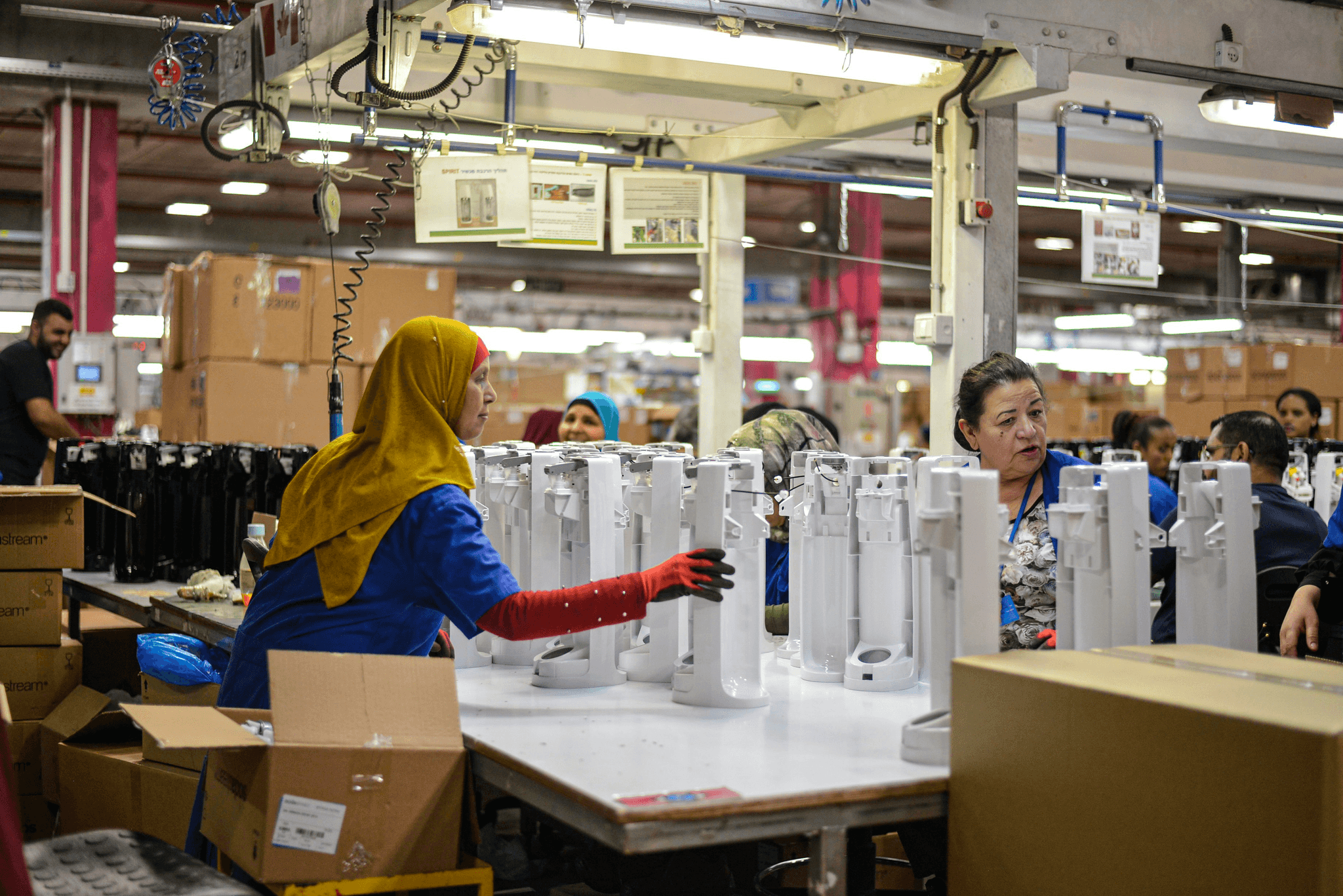
In today’s global marketplace, businesses face increasing pressure to demonstrate their commitment to ethical practices and compliance with regulations. A Social Compliance Audit serves as a vital tool for ensuring that companies meet labor standards and uphold human rights within their supply chains. By conducting these audits, businesses not only protect themselves from potential legal issues but also contribute positively to the communities in which they operate.
Benefits for Companies and Consumers
The advantages of a Social Compliance Audit extend far beyond mere compliance; they create a win-win situation for both companies and consumers. For businesses, these audits can lead to improved operational efficiency, reduced risks of fines or sanctions, and enhanced relationships with suppliers who prioritize ethical practices. On the consumer side, knowing that products come from socially responsible sources fosters trust and loyalty, ultimately enhancing customer satisfaction.
Moreover, consumers are increasingly making purchasing decisions based on a brand's commitment to social responsibility. When companies engage in thorough compliance audits that align with California labor regulations, they appeal to this conscientious demographic. This not only boosts sales but also positions the brand as a leader in corporate social responsibility.
Ensuring Compliance with Labor Regulations
Navigating the complex landscape of labor regulations can be daunting for any business operating in California or beyond. A comprehensive compliance audit helps organizations identify gaps in their adherence to local laws while providing actionable insights for improvement. By addressing these gaps proactively through regular audits and certification processes, businesses can avoid costly penalties associated with non-compliance.
In addition to avoiding fines, ensuring compliance through social audits protects employees' rights and promotes fair labor practices throughout the supply chain. This proactive approach is essential in an era where stakeholders—including consumers—demand transparency regarding labor conditions. Regularly scheduled audits help maintain an organization’s accountability while fostering a culture of integrity within its operations.
Strengthening Brand Reputation
A strong brand reputation is invaluable in today’s competitive market; it can be significantly bolstered by demonstrating commitment to social compliance initiatives. Companies that prioritize social compliance audits signal their dedication not just to profit but also to ethical practices that resonate with modern consumers’ values. This investment pays off as brands recognized for their integrity often enjoy increased customer loyalty and advocacy.
Moreover, positive media coverage stemming from successful audit outcomes can enhance visibility and attract new customers who appreciate responsible sourcing practices. Conversely, failing a compliance audit can lead to negative publicity that tarnishes a company's image overnight—making it essential for brands to consistently engage in rigorous supply audits aligned with California labor regulations. Ultimately, maintaining high standards through regular audits solidifies trust among stakeholders while differentiating brands from competitors.
The Audit Process Explained

When it comes to conducting a Social Compliance Audit, businesses must navigate a structured process designed to ensure adherence to California labor regulations and other compliance standards. This process not only assesses current practices but also identifies areas for improvement in labor conditions and ethical sourcing. Understanding the steps involved can help organizations streamline their compliance audit efforts and enhance supply chain integrity.
Steps Involved in a Social Compliance Audit
The first step in a Social Compliance Audit is planning, where auditors define the scope and objectives based on specific compliance requirements, including California labor regulations. Following this, an initial document review is conducted to assess existing policies, employee handbooks, and previous audit reports. Once these documents are reviewed, on-site inspections take place to evaluate working conditions, employee treatment, and overall compliance with established standards.
After the site visit, auditors compile their findings into a comprehensive report that highlights both strengths and weaknesses within the organization’s practices. This report serves not only as an evaluation tool but also as a roadmap for necessary improvements in labor practices. Finally, follow-up audits may be scheduled to ensure ongoing compliance with recommendations made during the initial audit and certification process.
Tools and Techniques Used
To effectively conduct a compliance audit, various tools and techniques come into play that enhance accuracy and efficiency during the assessment process. Auditors often utilize checklists tailored to specific industry standards or California labor regulations to ensure thorough evaluations across all areas of concern. Additionally, data analytics software can be employed to analyze patterns in workforce management or wage distributions that might indicate potential non-compliance issues.
Interviews with employees are another critical technique used during audits; they provide firsthand insights into workplace culture and practices that may not be evident through documentation alone. Furthermore, technology such as mobile inspection apps allows auditors to capture real-time data during site visits for immediate analysis post-audit. By leveraging these tools effectively, organizations can strengthen their overall audit and compliance strategies.
The Role of Third-Party Auditors
Third-party auditors play an essential role in ensuring objectivity throughout the Social Compliance Audit process; they bring an unbiased perspective crucial for accurate assessments of labor practices within companies. These independent professionals are typically well-versed in California labor regulations as well as international standards for ethical sourcing—making them invaluable assets for businesses striving for transparency in their supply chains. By engaging third-party auditors, companies can bolster their credibility with stakeholders while demonstrating commitment to ethical business practices.
Moreover, third-party audits often lead to more comprehensive evaluations since these experts have experience across various industries which allows them to identify best practices applicable beyond individual company operations. They also provide valuable insights into emerging trends related to audit and certification processes that organizations might overlook otherwise. Ultimately, partnering with third-party auditors enhances both accountability and trustworthiness within supply audits.
Case Studies of Successful Compliance Audits
In the world of social compliance audits, real-world examples provide valuable insights into how effective audits can transform business practices and ensure adherence to regulations. Companies that have embraced compliance audits not only meet legal requirements but also enhance their overall operational integrity. By examining these case studies, we can glean lessons that are applicable across various industries and supply chains.
Real-World Examples
One notable example is a leading apparel brand that implemented a comprehensive social compliance audit across its supply chain in California. After identifying several non-compliance issues related to labor regulations, the company took immediate corrective actions, leading to improved working conditions and increased worker satisfaction. This proactive approach not only aligned them with California labor regulations but also resulted in heightened consumer trust and loyalty.
Another success story comes from a technology manufacturer that faced scrutiny for labor practices in its overseas factories. By engaging third-party auditors to conduct thorough compliance audits, they uncovered critical areas for improvement in their supply audit processes. The subsequent changes not only ensured adherence to labor laws but also enhanced the company’s reputation as a socially responsible entity.
Lessons Learned from Failures
While there are many success stories, failures also provide important lessons about the necessity of social compliance audits. A prominent fast-food chain faced backlash after reports surfaced regarding poor working conditions at one of its franchise locations in California. The lack of regular compliance audits meant that issues went unnoticed until they escalated into public relations disasters, highlighting the importance of consistent monitoring and adherence to labor regulations.
Similarly, an electronics company learned the hard way when it failed to conduct regular compliance audits before launching a new product line. When allegations arose about exploitative labor practices during production, their brand suffered significant reputational damage. This incident underscored how neglecting audit and certification processes can lead to dire consequences for both business integrity and consumer trust.
Impact on Business Practices
The impact of successful social compliance audits extends beyond mere regulatory adherence; it fundamentally reshapes business practices for the better. Companies that prioritize audit and compliance initiatives often find themselves more resilient against market fluctuations due to established ethical standards within their operations. Furthermore, these organizations are typically rewarded with stronger partnerships as suppliers recognize the value of aligning with brands committed to ethical practices.
Moreover, businesses embracing rigorous auditing processes tend to innovate more effectively by fostering an inclusive work environment where employees feel valued and heard—an essential factor for long-term sustainability in today’s competitive landscape. In essence, integrating social compliance audits into corporate strategy is no longer optional; it's a strategic imperative that drives both profitability and positive societal impact.
Partnering with Experts in Compliance

In today’s complex global economy, partnering with experts in compliance is not just a smart strategy; it’s essential for maintaining the integrity of your supply chain. Companies face increasing scrutiny regarding their adherence to California labor regulations and other legal frameworks. By collaborating with specialists like China Inspection Pro, businesses can navigate the intricate landscape of social compliance audits effectively.
The Benefits of Working with China Inspection Pro
Working with China Inspection Pro offers numerous advantages for companies looking to enhance their social compliance audit processes. Their expertise ensures that your business aligns with California labor regulations while also adhering to international standards. Moreover, their thorough understanding of local nuances allows for tailored solutions that can prevent costly compliance failures.
Additionally, engaging with a reputable inspection service provides peace of mind, knowing that you have professionals monitoring every aspect of your supply audit. This proactive approach not only mitigates risks but also fosters trust among consumers who are increasingly concerned about ethical sourcing practices. Ultimately, the partnership empowers businesses to focus on growth while ensuring robust audit and compliance measures are in place.
How Quality Inspection Services Enhance Compliance
Quality inspection services play a pivotal role in enhancing overall compliance within organizations by providing systematic oversight and evaluation during the audit process. By deploying experienced auditors who specialize in social compliance audits, businesses gain insights into potential vulnerabilities within their supply chains related to labor practices and environmental standards. These services help identify gaps before they become significant issues, ensuring alignment with California labor regulations.
Moreover, these inspections often involve comprehensive reporting mechanisms that highlight areas needing improvement or immediate attention. This transparency is crucial for maintaining accountability across all levels of operations and reinforces a culture committed to ethical practices and continuous improvement. In this way, quality inspection services not only support compliance but also drive operational excellence.
Ensuring Ongoing Compliance and Certification
Ensuring ongoing compliance and certification is vital for sustaining a company’s reputation in today’s market landscape where consumers demand accountability from brands they support. Regular social compliance audits conducted by experts ensure that businesses remain aligned with evolving California labor regulations as well as industry standards over time. This commitment to continual assessment fosters an environment where adherence isn’t just a one-time effort but rather an integral part of everyday operations.
Furthermore, consistent engagement with certified auditors aids businesses in achieving long-term sustainability goals while navigating the complexities surrounding audit and certification processes efficiently. By integrating these practices into daily operations, companies can build resilience against potential legal pitfalls while enhancing brand loyalty among socially conscious consumers. In essence, ongoing collaboration ensures that organizations remain compliant without compromising on quality or ethics.
Conclusion
As we wrap up our exploration of social compliance audits, it's clear that these audits are not just a box-ticking exercise; they are essential for maintaining integrity within supply chains. Understanding California labor regulations and how they intersect with compliance audits can empower businesses to foster ethical practices. Ultimately, a robust audit and compliance framework not only protects workers but also enhances brand reputation and consumer trust.
Key Takeaways on Social Compliance Audits
Social compliance audits serve as a vital tool for businesses aiming to align with labor regulations while ensuring ethical practices throughout their supply chains. By focusing on the key components of compliance audits—such as worker rights, safety standards, and environmental concerns—companies can significantly mitigate risks associated with non-compliance. Additionally, engaging in regular audit and certification processes helps organizations stay ahead of regulatory changes and consumer expectations.
Future Trends in Audit and Compliance
The landscape of audit and compliance is evolving rapidly, driven by technological advancements and heightened consumer awareness regarding ethical sourcing. Businesses are increasingly adopting digital tools for real-time monitoring of their supply chains, making social compliance audits more efficient than ever before. As we look ahead, the integration of artificial intelligence in compliance auditing will likely streamline processes further while enhancing transparency across all levels of production.
Final Thoughts on Supply Chain Integrity
In conclusion, the importance of social compliance audits cannot be overstated—they are foundational to ensuring supply chain integrity in today’s global market. With California labor regulations setting high standards for worker treatment, companies must prioritize these audits to remain compliant while building strong relationships with consumers who demand accountability. Embracing an ongoing commitment to audit and certification not only safeguards your business but also contributes positively to the broader community.