
Introduction
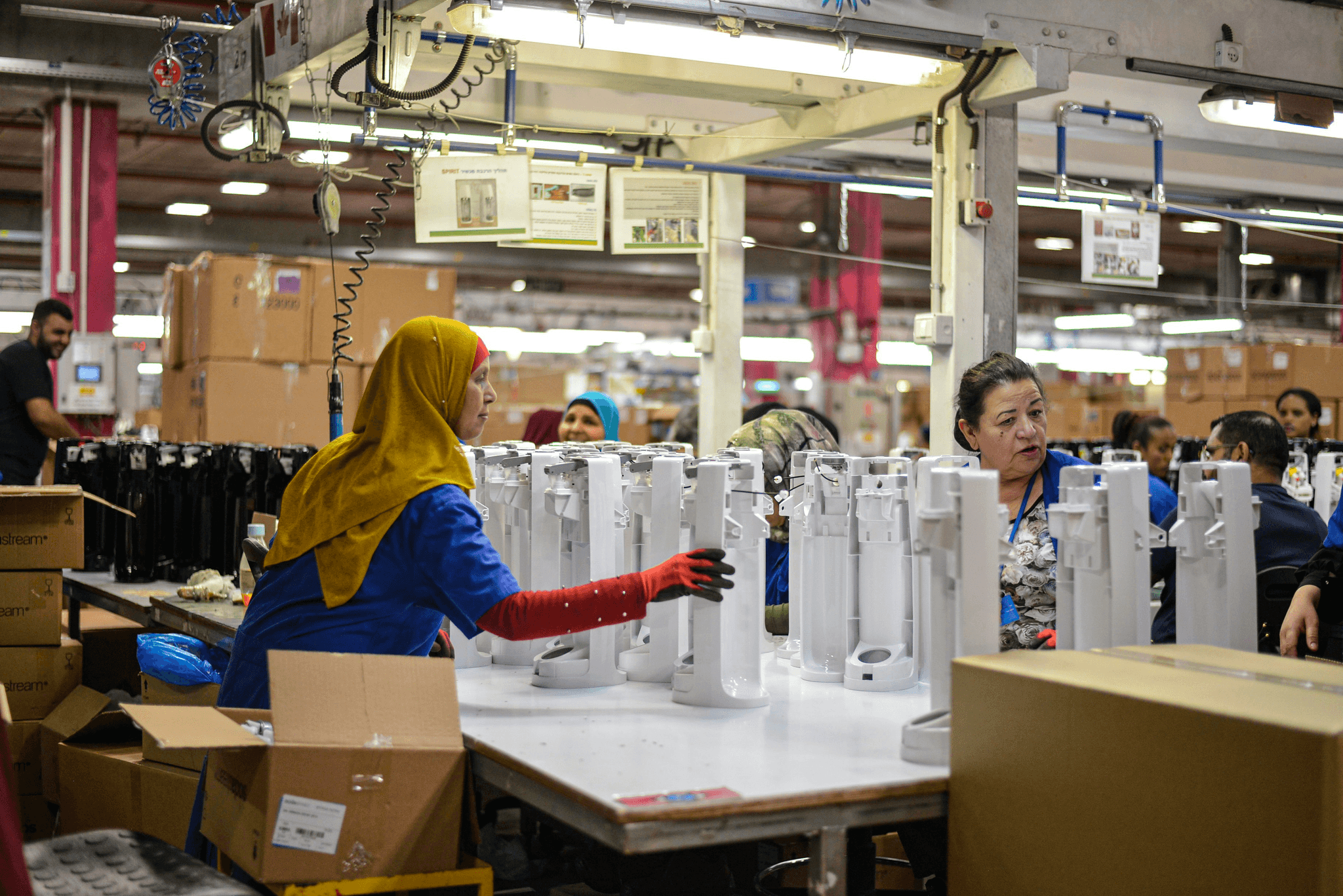
In the fast-paced world of manufacturing, ensuring product quality before mass production is crucial. This is where Pre-production Inspection comes into play, serving as a vital checkpoint in the production cycle. By understanding the significance of these inspections, businesses can mitigate risks and enhance their overall quality control processes.
Understanding Pre-production Inspections
Pre-production Inspections are systematic evaluations conducted before a product goes into full-scale production. They focus on assessing material quality, craftsmanship, and compliance with specifications to ensure that everything aligns with the desired standards. This proactive approach not only identifies potential issues early but also lays the groundwork for smoother operations down the line.
The Importance of Quality Control
Quality control is not just a buzzword; it’s an essential part of any successful manufacturing strategy. By prioritizing quality through Pre-production Inspections, companies can significantly reduce defects and enhance customer satisfaction. Moreover, maintaining high-quality standards helps build trust with clients and strengthens brand reputation in an increasingly competitive market.
Risks of Skipping Pre-production Inspections
Neglecting to conduct Pre-production Inspections can lead to a multitude of problems down the road, including costly recalls and damaged reputations. Without these inspections, businesses risk overlooking critical flaws that could compromise product integrity or safety. In essence, skipping this crucial step may save time initially but often results in greater expenses and challenges later on.
Why Is Pre-Production Inspection Important?
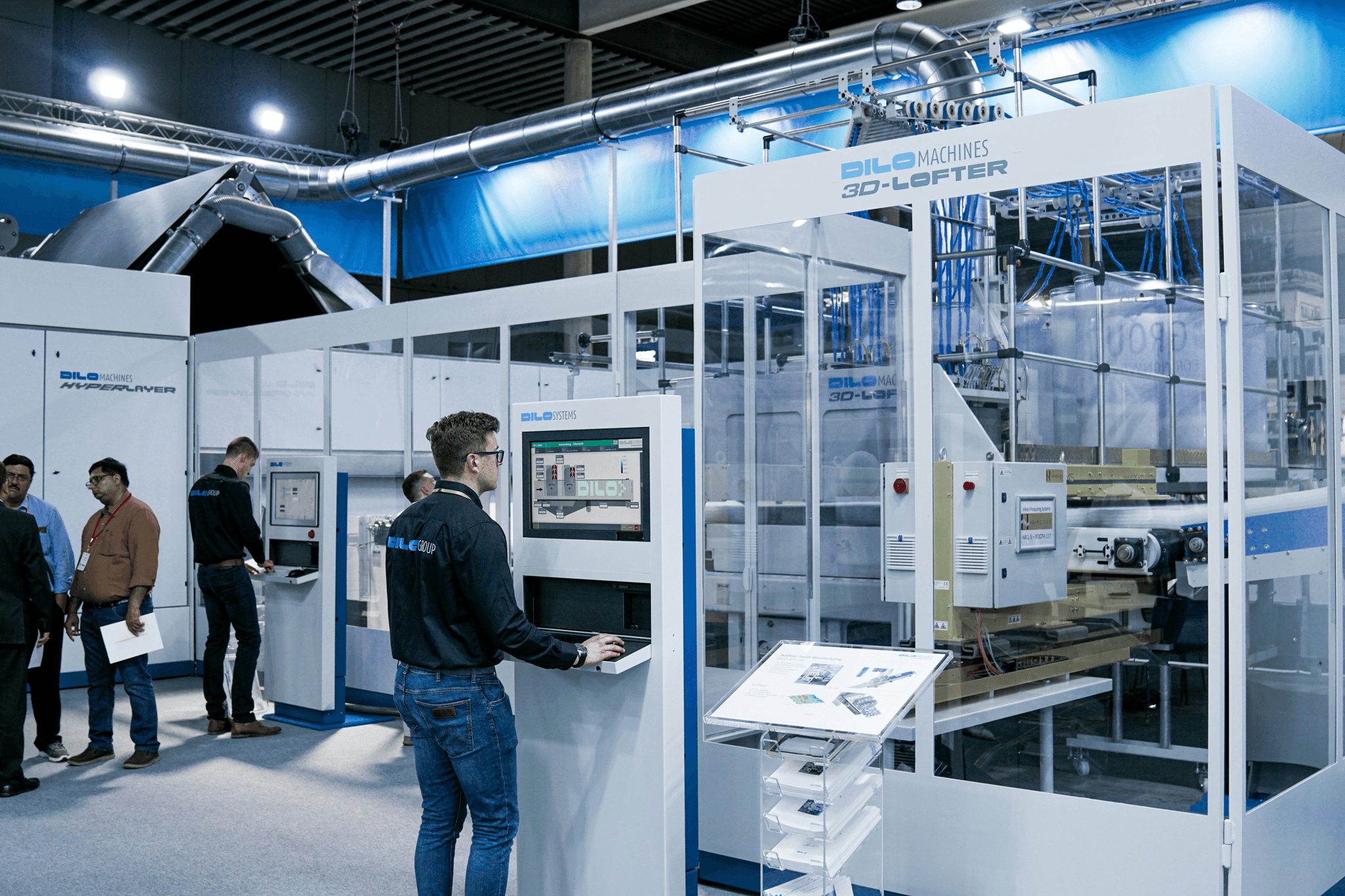
Pre-production inspection plays a crucial role in the manufacturing process, ensuring that products meet quality standards before they hit the market. But why is pre-production inspection important? It serves as a proactive measure to catch potential issues early, ultimately saving time and resources while enhancing customer satisfaction.
Ensuring Product Quality
Ensuring product quality is at the heart of any successful manufacturing operation, and pre-production inspections are key to achieving this goal. By conducting thorough checks on materials, craftsmanship, and adherence to specifications during pre-production inspection, businesses can identify defects or discrepancies before mass production begins. This not only helps in maintaining high-quality standards but also boosts consumer trust in the brand's reliability.
Reducing Manufacturing Risks
Reducing manufacturing risks is another compelling reason why businesses should prioritize pre-production inspections. When companies skip this critical step, they expose themselves to potential delays, increased costs due to rework or recalls, and damage to their reputation if subpar products make it to market. By implementing a robust pre-production inspection process, manufacturers can mitigate these risks significantly and ensure smoother operations throughout the production cycle.
Building Supplier Relationships
Building supplier relationships is often overlooked when discussing why pre-production inspection is important; however, it can be a game-changer for long-term success. Open communication during inspections fosters transparency between manufacturers and suppliers, allowing both parties to align their expectations effectively. This collaborative approach not only strengthens partnerships but also encourages suppliers to maintain high standards consistently—an essential aspect of what are the benefits of conducting pre-production inspections.
What Are the Benefits of Conducting Pre-Production Inspections?
Pre-production inspections are not just a box to tick; they are a strategic advantage for businesses looking to thrive in competitive markets. Understanding why pre-production inspection is important can unlock a treasure trove of benefits that extend far beyond mere compliance. In this section, we will explore the key advantages, including cost savings, enhanced brand reputation, and adherence to industry standards.
Cost Savings in the Long Run
One of the most compelling reasons why pre-production inspection is essential is the potential for significant cost savings over time. By identifying defects and issues before production ramps up, businesses can avoid expensive rework and returns that often arise from poor-quality products. Investing in thorough pre-production inspections ensures that resources are used efficiently, ultimately leading to lower manufacturing costs and higher profit margins.
Furthermore, addressing quality concerns early helps prevent delays in shipping schedules—another area where costs can skyrocket if not managed properly. When businesses conduct pre-production inspections diligently, they reduce waste and enhance operational efficiency, contributing to long-term financial stability. So when pondering what are the benefits of conducting pre-production inspections, remember that saving money today can pave the way for a more profitable tomorrow.
Enhanced Brand Reputation
In today's marketplace, brand reputation is everything—especially when consumers have endless options at their fingertips. Conducting thorough pre-production inspections sends a clear message about your commitment to quality and customer satisfaction. When customers receive products that meet or exceed their expectations due to careful quality control measures like these inspections, it builds trust and loyalty.
A strong brand reputation leads not only to repeat business but also positive word-of-mouth referrals—a powerful tool in attracting new customers without spending a fortune on marketing campaigns. Businesses that prioritize pre-production inspection demonstrate reliability and professionalism; traits that resonate well with consumers who value quality over quantity. Ultimately, enhancing your brand's reputation through diligent inspection practices sets you apart from competitors who may overlook this crucial step.
Compliance with Industry Standards
Navigating the complex landscape of industry regulations can be daunting for any business—but failing to comply can lead to serious consequences ranging from fines to product recalls. Pre-production inspections play an integral role in ensuring compliance with various industry standards by verifying that materials and processes meet required specifications before production begins. This proactive approach not only minimizes legal risks but also fosters goodwill among stakeholders who value ethical business practices.
Moreover, aligning your operations with industry standards through effective pre-production inspections positions your company as a leader rather than a follower within your sector. It allows you to confidently market your products as compliant with safety regulations and quality benchmarks—a significant selling point for discerning customers who prioritize responsible purchasing decisions. In summary, understanding what should be included in a pre-production inspection checklist directly correlates with achieving compliance while safeguarding your company's integrity.
When Should Businesses Conduct a Pre-Production Inspection?
Timing in the Production Cycle
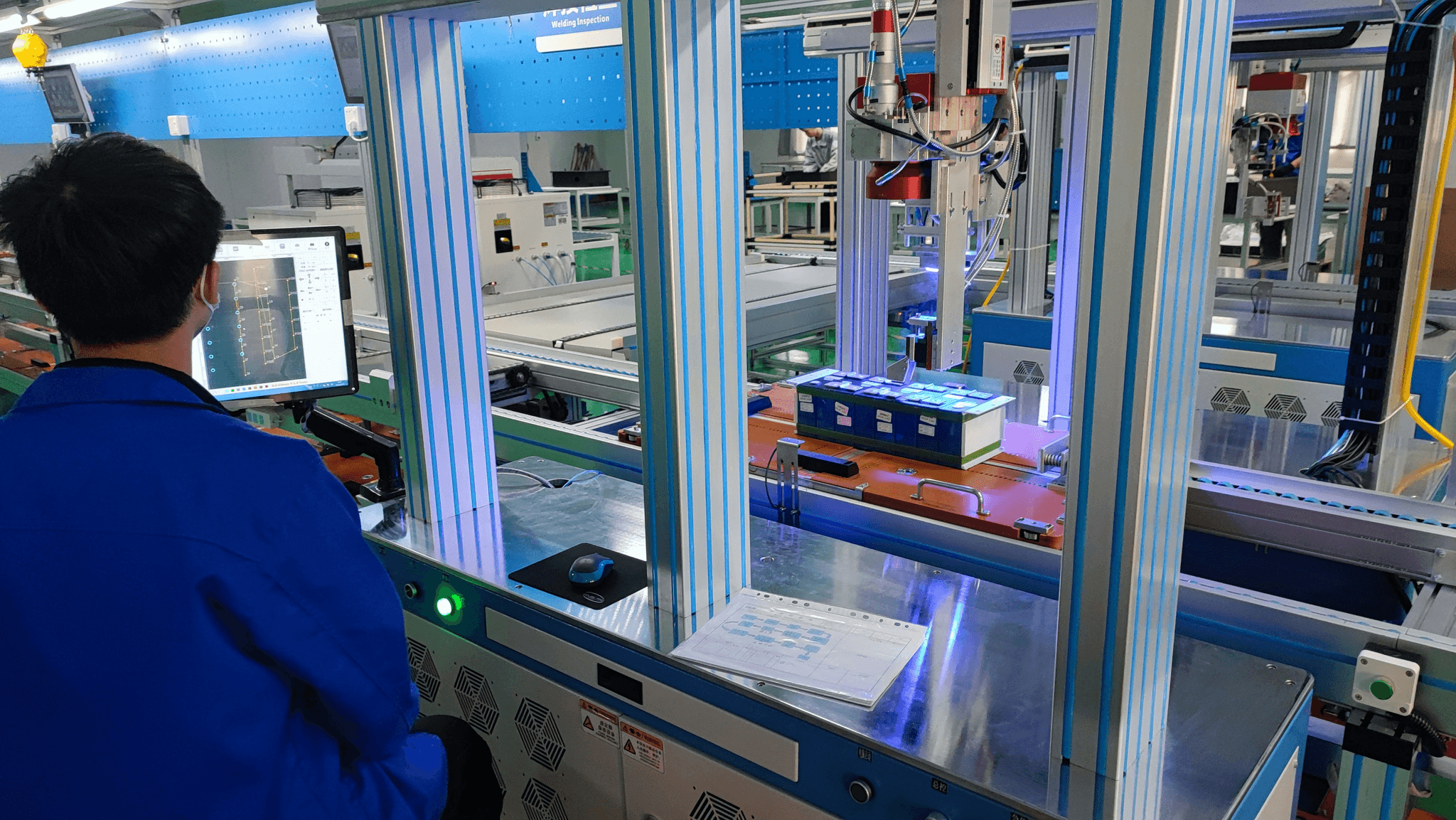
Conducting a Pre-production Inspection at the right time in the production cycle is vital for maintaining product quality and reducing manufacturing risks. Typically, this inspection should occur before mass production begins, allowing businesses to catch any potential issues early on. By addressing concerns at this stage, companies can avoid costly reworks later in the process, reinforcing why pre-production inspections are so important.
Key Milestones for Inspections
Identifying key milestones for inspections can significantly improve your overall production strategy. These milestones may include initial sample approvals, material deliveries, and even during pilot runs before full-scale production begins. Each of these checkpoints serves as an opportunity to assess whether the products meet specifications and align with what should be included in a Pre-production Inspection checklist.
Aligning Inspections with Shipping Schedules
Coordinating your Pre-production Inspection with shipping schedules is essential for timely delivery and customer satisfaction. By aligning these inspections with planned shipping dates, businesses can ensure that products are thoroughly vetted before they leave the facility. This proactive approach not only enhances brand reputation but also demonstrates commitment to quality—one of the many benefits of conducting pre-production inspections.
What Are Key Elements of a Pre-Production Inspection?
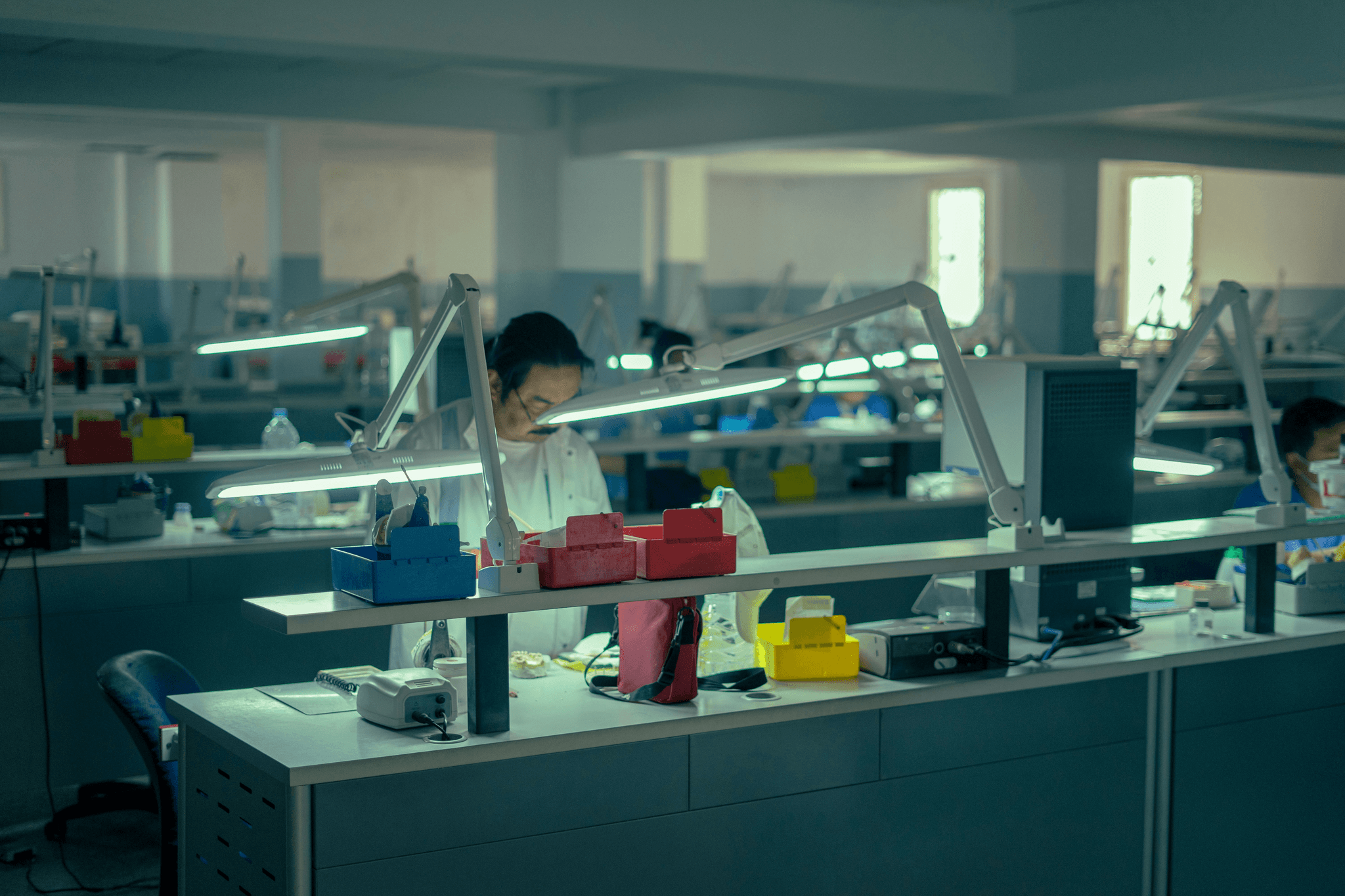
Pre-production inspections are essential to ensure that manufacturing processes align with quality standards and specifications. Understanding the key elements involved in these inspections can significantly impact product quality, reduce risks, and enhance supplier relationships. In this section, we will delve into three crucial aspects: material quality checks, craftsmanship and production techniques, and compliance with specifications.
Material Quality Checks
The first step in any pre-production inspection is conducting thorough material quality checks. This involves assessing the raw materials that will be used in production to ensure they meet the required standards and specifications. By verifying material quality upfront, businesses can avoid costly mistakes later on—because nobody wants to deal with subpar products or returns due to inferior materials.
When evaluating materials during a pre-production inspection, inspectors should look for consistency in color, texture, and durability. Additionally, testing for compliance with safety regulations is vital; after all, no one wants their product recalled because it didn't live up to industry standards. Ultimately, robust material quality checks lay the groundwork for a successful manufacturing process.
Craftsmanship and Production Techniques
Craftsmanship plays a pivotal role in determining the overall quality of a product during pre-production inspections. Inspectors should evaluate whether the techniques used by manufacturers meet both aesthetic and functional requirements outlined in the design specifications. This scrutiny helps identify potential issues before mass production begins—saving time and resources down the line.
In addition to craftsmanship assessment, it's important to observe how well workers are trained in specific production techniques during these inspections. Proper training ensures that every piece is crafted with care and precision; think of it as ensuring your favorite dish is made by an experienced chef rather than an amateur cook! By focusing on craftsmanship during pre-production inspections, businesses can enhance their brand reputation while also minimizing defects.
Compliance with Specifications
Ensuring compliance with specifications is perhaps one of the most critical elements of a pre-production inspection process. Specifications define everything from dimensions to tolerances that must be adhered to throughout production; therefore, verifying adherence at this stage helps mitigate risks associated with manufacturing errors or miscommunication between suppliers and manufacturers.
During this phase of inspection, it's crucial for inspectors to cross-reference finished samples against predetermined benchmarks outlined in product documentation. Any discrepancies found at this stage can be addressed before full-scale production begins—helping businesses avoid delays or unexpected costs later on! Ultimately, rigorous compliance checks not only safeguard product integrity but also foster trust between all parties involved.
What Should Be Included in a Pre-Production Inspection Checklist?
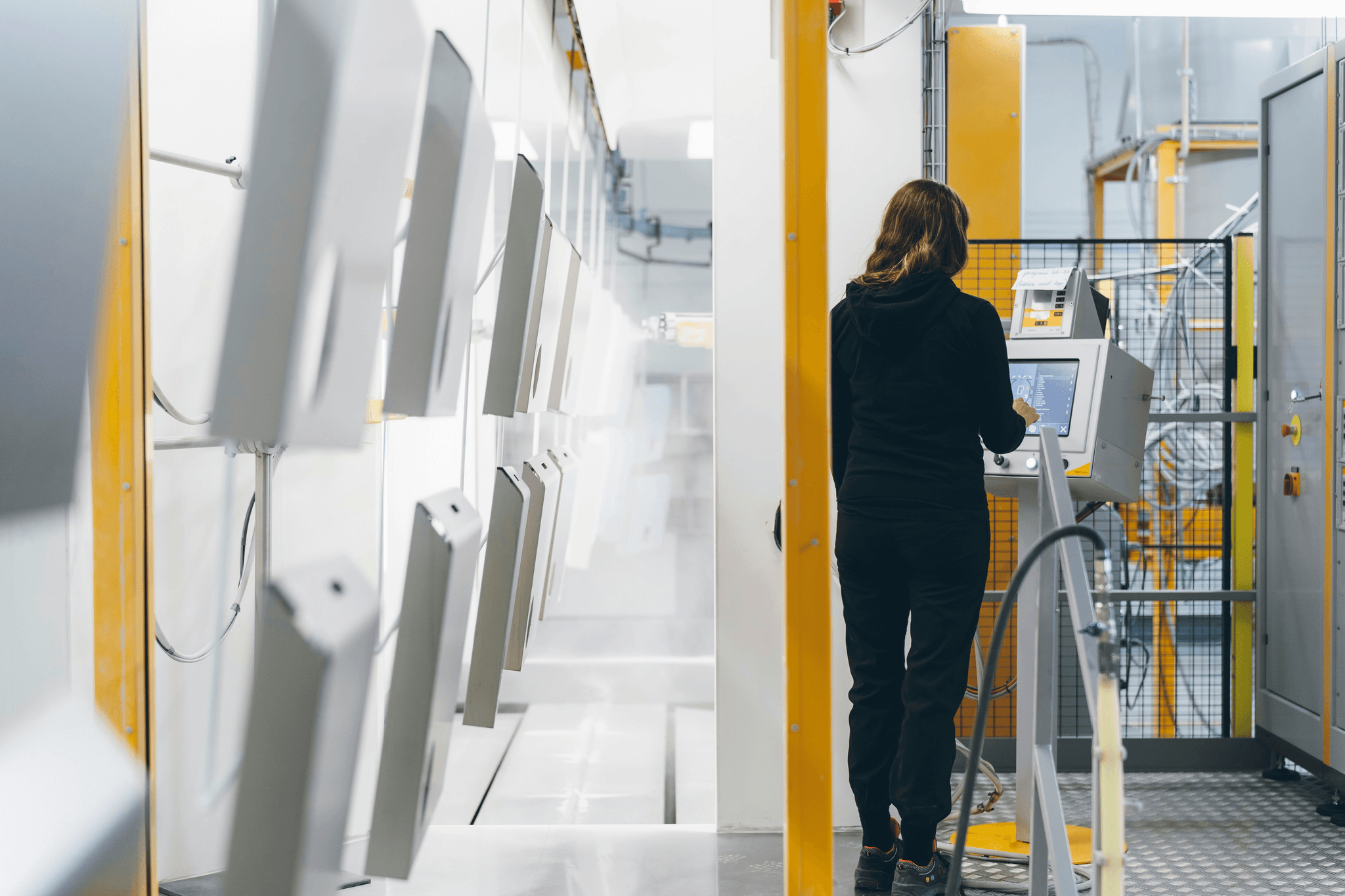
A well-structured Pre-production Inspection checklist is essential for ensuring that the manufacturing process runs smoothly and meets quality standards. This checklist serves as a roadmap, guiding inspectors through critical elements that need verification before production kicks off. By including key components in this checklist, businesses can significantly reduce the risks associated with skipping Pre-production Inspections.
Essential Items to Verify
When conducting a Pre-production Inspection, there are several essential items to verify that can make or break your production quality. First on the list is material quality; checking that materials meet specifications ensures the final product's durability and performance. Additionally, verifying craftsmanship and production techniques helps in identifying potential issues early on, making it clear why Pre-production Inspection is important for maintaining high standards.
Other vital aspects include compliance with specifications and safety regulations, which not only protect your brand but also keep consumers safe. Inspecting packaging materials and labeling ensures they meet regulatory requirements and align with branding strategies. By focusing on these essential items during inspections, businesses can enjoy the benefits of conducting Pre-production Inspections, such as improved product quality and reduced costs down the line.
Documentation Requirements
Documentation plays a crucial role in any Pre-production Inspection process, serving as both a record of compliance and a reference point for future inspections. Businesses should ensure all necessary documents are prepared ahead of time—this includes design specifications, material certifications, and test reports from suppliers. Proper documentation not only supports effective communication with suppliers but also provides legal protection if discrepancies arise later.
Moreover, maintaining an organized documentation system allows for easier audits and compliance checks with industry standards—further emphasizing why is Pre-production Inspection important for manufacturers aiming to uphold their reputation. In addition to physical documents, digital records can enhance accessibility for stakeholders involved in the inspection process.
Communication with Suppliers
Effective communication with suppliers is vital when preparing for a successful Pre-production Inspection; it sets expectations clearly from the outset regarding product quality standards and inspection criteria. Before commencing inspections, businesses should engage in discussions about specific requirements outlined in their checklist while addressing any concerns or questions from suppliers—this proactive approach minimizes misunderstandings down the road.
Additionally, establishing regular updates throughout production ensures everyone stays aligned on timelines and milestones related to inspections—an aspect crucial when determining when should businesses conduct a Pre-production Inspection effectively within their production cycle. Open lines of communication foster strong supplier relationships while enhancing trust between parties involved; after all, collaboration leads to better outcomes!
How to Prepare for a Pre-Production Inspection?
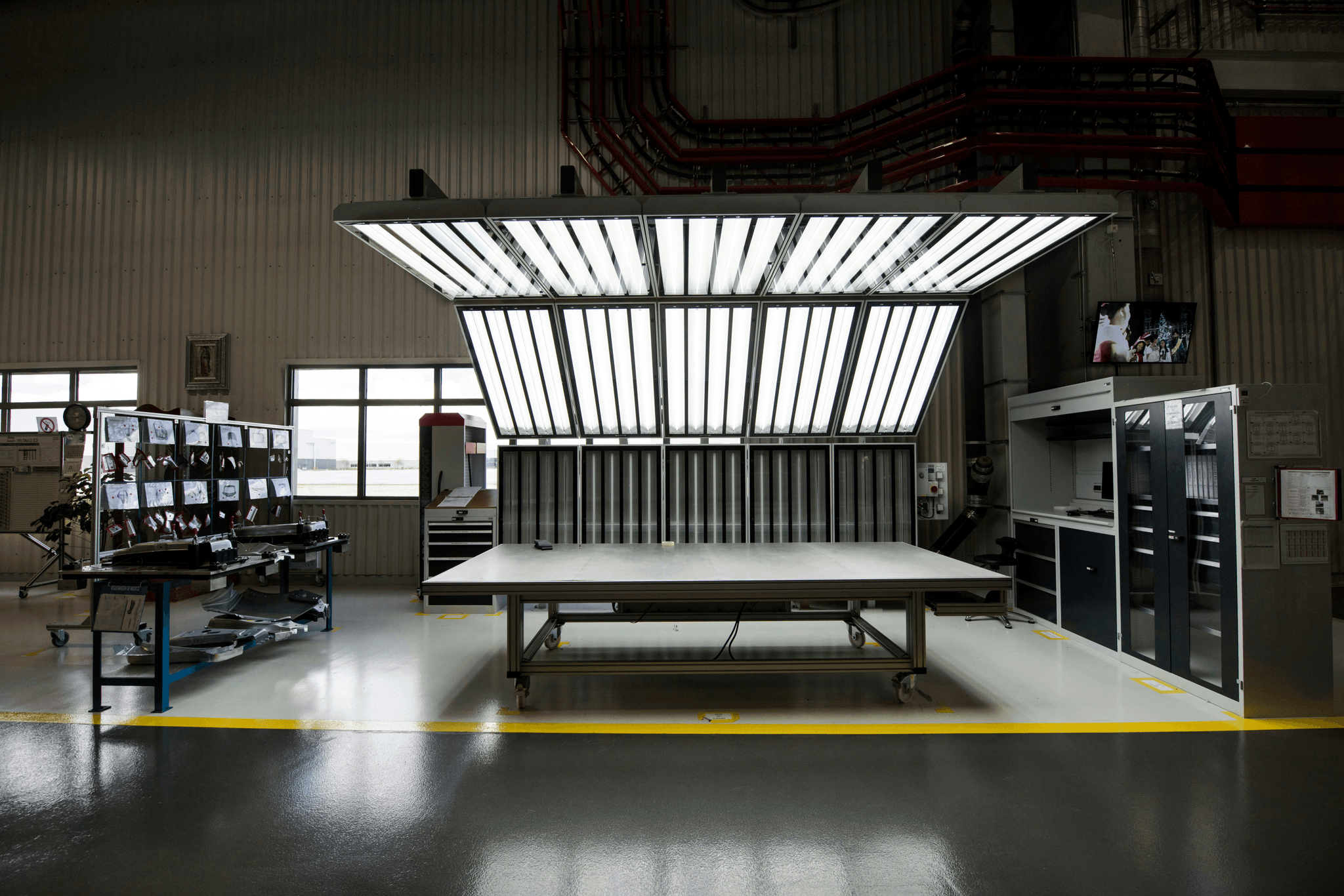
Preparing for a pre-production inspection is crucial to ensure that the process runs smoothly and effectively. By laying the groundwork, businesses can maximize the benefits of conducting pre-production inspections and mitigate potential risks. Here’s how to get started on the right foot.
Setting Clear Objectives
Before diving into a pre-production inspection, it’s essential to establish clear objectives that align with your overall quality control strategy. Understanding why pre-production inspection is important helps define what you want to achieve—be it ensuring product quality or reducing manufacturing risks. By setting specific goals, you can focus your efforts on key elements of a pre-production inspection that will yield the best results.
Training Your Inspection Team
An effective inspection team is vital for successful pre-production inspections, as they are responsible for assessing material quality and craftsmanship techniques. Investing in training ensures that team members are well-versed in what should be included in a pre-production inspection checklist and understand compliance with industry standards. A knowledgeable team will not only enhance your brand reputation but also contribute to cost savings in the long run by catching issues early.
Partnering with Experts like China Inspection Pro
Collaborating with experts such as China Inspection Pro can significantly boost the effectiveness of your pre-production inspections. These professionals bring valuable experience and insights into when businesses should conduct a pre-production inspection, helping you align inspections with shipping schedules and key production milestones. By leveraging their expertise, you can streamline processes while ensuring compliance with specifications—ultimately leading to enhanced product quality.
Conclusion
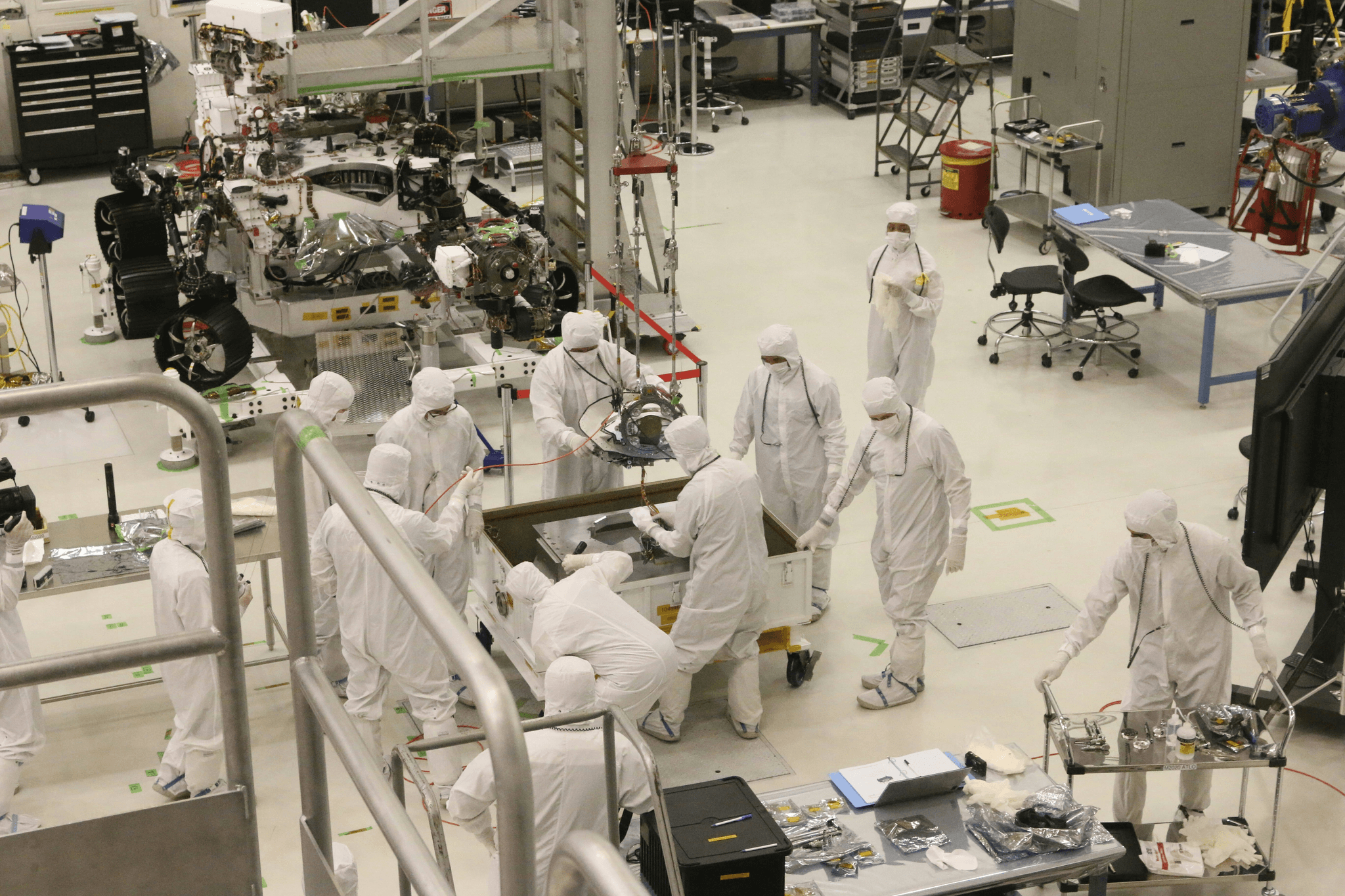
In the fast-paced world of manufacturing, understanding the importance of pre-production inspections cannot be overstated. These inspections serve as a crucial checkpoint that ensures product quality, reduces risks, and fosters strong supplier relationships. By integrating pre-production inspections into your manufacturing process, you not only safeguard your products but also enhance your brand’s reputation in the marketplace.
Key Takeaways on Pre-Production Inspections
Pre-production inspection is essential for maintaining high standards and ensuring that products meet specifications before mass production begins. Understanding why pre-production inspection is important can save businesses from costly mistakes down the line. The benefits of conducting pre-production inspections far outweigh any perceived inconveniences, making them a non-negotiable step in the manufacturing process.
Ensuring Continuous Quality Improvement
To truly benefit from pre-production inspections, businesses must view them as an ongoing commitment to quality improvement rather than a one-time task. Ensuring continuous quality improvement involves regularly revisiting what are key elements of a pre-production inspection and adapting to changes in materials or techniques over time. By doing so, companies not only comply with industry standards but also position themselves for long-term success.
Final Thoughts on Manufacturing Success
Ultimately, the path to manufacturing success lies in recognizing when should businesses conduct a pre-production inspection and how to prepare for it effectively. A well-crafted checklist that includes what should be included in a pre-production inspection checklist can streamline this process significantly. Remember, taking these proactive steps today will lead to smoother operations tomorrow—because when it comes to quality control, an ounce of prevention is worth a pound of cure.