
Introduction
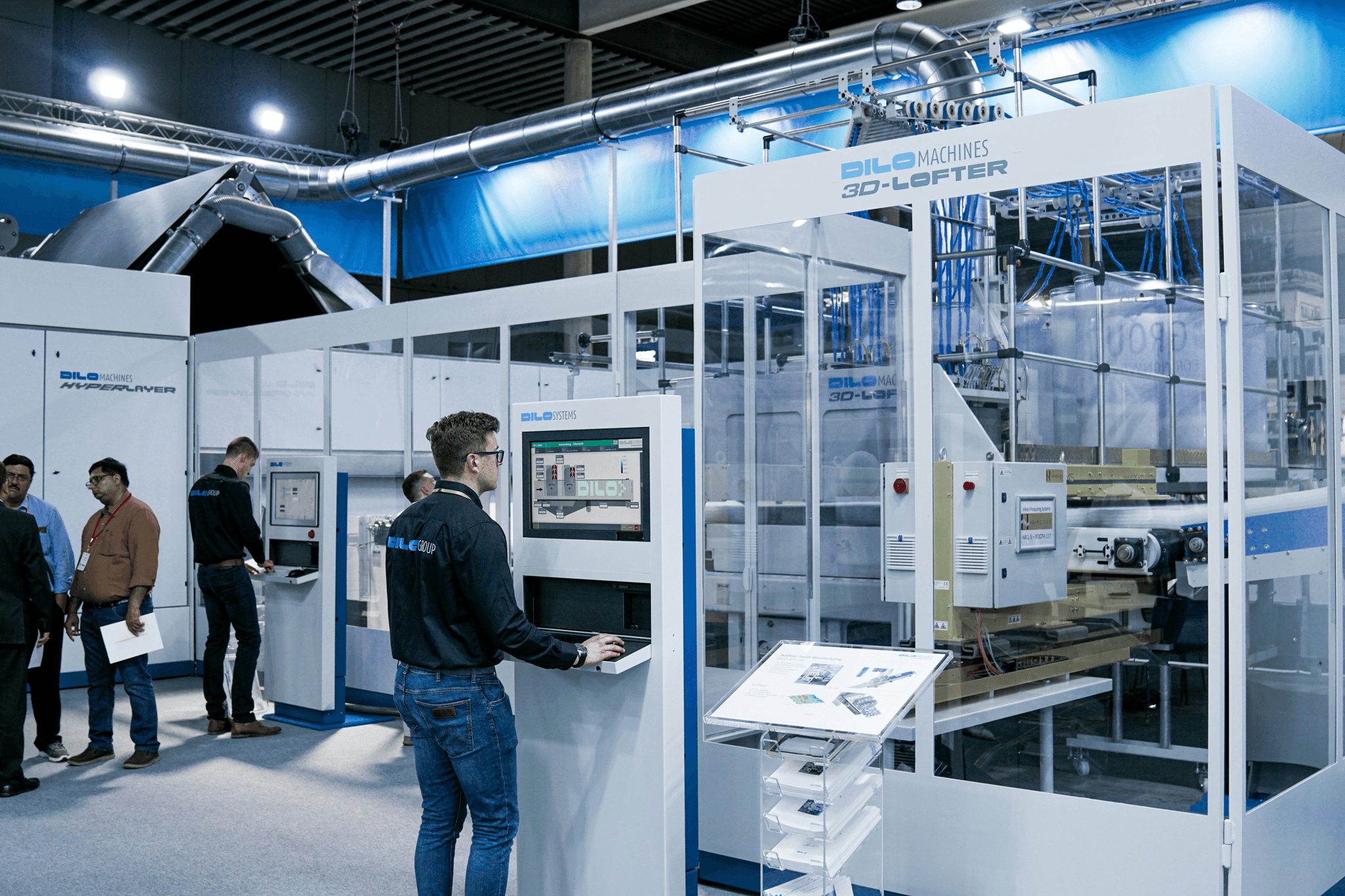
In today's fast-paced manufacturing landscape, ensuring product quality before production begins is crucial for businesses aiming to thrive. Pre-Production Inspection serves as a proactive measure to catch potential issues early, safeguarding both time and resources. By understanding what a Pre-Production Inspection entails, companies can better navigate the complexities of production and maintain high standards.
Understanding Pre-Production Inspection
So, what is a Pre-Production Inspection? It’s an evaluation conducted before the actual manufacturing starts, focusing on materials, processes, and compliance with specifications. This inspection aims to identify any discrepancies or risks that could affect the final product’s quality or delivery timeline.
Key Benefits of Pre-Production Inspections
Pre-Production Inspections offer several advantages that can significantly impact your bottom line. First and foremost, they help in reducing costs by identifying issues early in the process—preventing expensive reworks later on. Additionally, these inspections enhance customer satisfaction by ensuring products meet specified standards right from the start.
The Role of Inspection in Quality Control
Inspection plays a pivotal role in quality control by providing an objective assessment of production readiness. Through rigorous checks during a Pre-Production Inspection, businesses can ensure compliance with industry standards and regulations while also fine-tuning their processes for optimal efficiency. Ultimately, effective inspections lay the groundwork for delivering high-quality products that meet customer expectations.
What Is a Pre-Production Inspection?
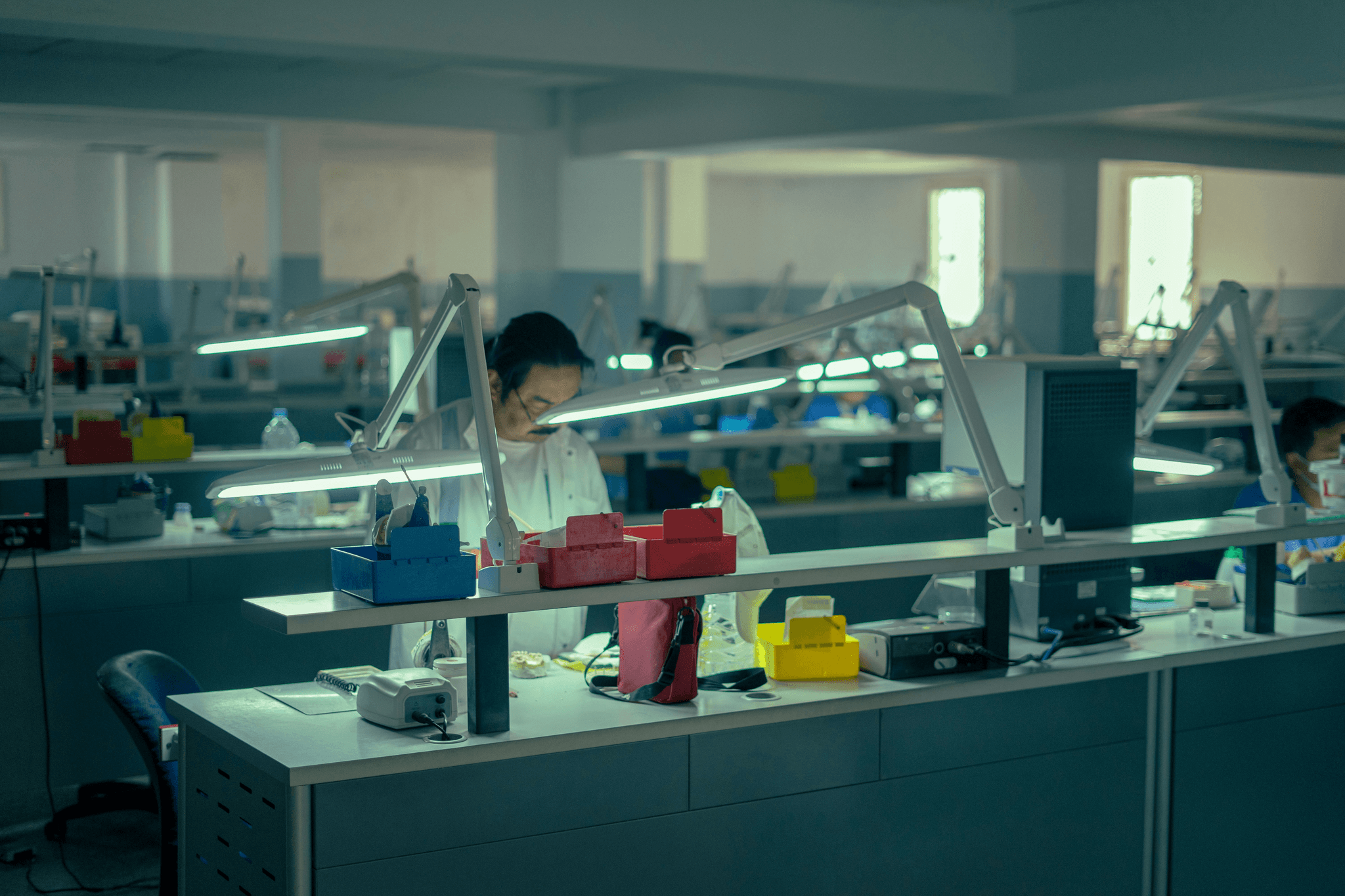
Pre-Production Inspections are critical assessments conducted before the actual manufacturing process begins. These inspections aim to identify potential issues and ensure that products meet specified quality standards, ultimately paving the way for smoother production runs. By catching problems early, businesses can save time and money while enhancing overall product quality.
Definition and Objectives
A Pre-Production Inspection is a systematic evaluation of samples from a production batch prior to mass manufacturing. The primary objective is to verify that materials, components, and processes conform to agreed-upon specifications and industry standards. This proactive approach helps businesses mitigate risks associated with poor-quality products, ensuring they meet customer expectations.
How It Works in Different Industries
Pre-Production Inspections vary across industries but share common goals: quality assurance and risk management. In textiles, for instance, inspectors may evaluate fabric quality and dye consistency before cutting patterns. In electronics, they might assess circuit boards for functionality before assembly begins—demonstrating how tailored inspections can address specific industry needs.
The Difference from Other Inspections
What sets Pre-Production Inspections apart from other types of inspections is their timing and focus on prevention rather than correction. Unlike final inspections that occur after production is complete, Pre-Production Inspections catch potential flaws before they escalate into costly issues during manufacturing or post-production phases. This proactive stance not only saves money but also builds trust with customers by delivering consistent quality.
Why Are Pre-Production Inspections Important?

Pre-Production Inspections play a crucial role in the manufacturing process, ensuring that products meet quality standards before they hit the market. Understanding why these inspections are important can save businesses from potential pitfalls and enhance overall efficiency. Let’s dive into the key reasons why your business should prioritize Pre-Production Inspections.
Reducing Risks and Costs
One of the standout benefits of a Pre-Production Inspection is its ability to significantly reduce risks and costs associated with production errors. By identifying defects early on, businesses can avoid costly recalls, rework, or even legal issues stemming from subpar products. This proactive approach not only saves money but also ensures that resources are used efficiently throughout production.
Moreover, when you ask yourself What Is a Pre-Production Inspection?, consider it as your safety net against unforeseen problems that could escalate into larger financial burdens down the line. Investing in inspections upfront can lead to long-term savings by preventing issues that may arise during or after production. In essence, embracing Pre-Production Inspections is like putting on a seatbelt; it's all about protecting your investment.
Ensuring Compliance with Standards
In today's competitive marketplace, compliance with industry standards is non-negotiable—and this is where Pre-Production Inspections shine. These inspections help ensure that products meet regulatory requirements and industry benchmarks before they reach consumers. By adhering to these standards through diligent inspections, companies can avoid penalties and maintain their reputation in the market.
Furthermore, understanding Why Are Pre-Production Inspections Important? leads to recognizing their role in fostering trust among stakeholders—be it customers or regulatory bodies—by demonstrating a commitment to quality and safety. When businesses take compliance seriously through effective inspection strategies, they not only mitigate risks but also strengthen their brand image in an increasingly discerning marketplace. Ultimately, compliance through inspections sets the foundation for sustainable growth.
Enhancing Customer Satisfaction
Customer satisfaction is at the heart of any successful business strategy, and Pre-Production Inspections directly contribute to achieving this goal. By ensuring that products are manufactured correctly from the outset, companies can deliver high-quality goods that meet—or exceed—customer expectations. Happy customers are more likely to become repeat buyers and brand advocates.
Additionally, when considering When Should My Business Consider A Pre-Production Inspection?, remember that customer feedback often hinges on product quality; thus conducting these inspections becomes essential for maintaining positive relationships with clients. Not only do satisfied customers lead to increased sales revenue, but they also provide invaluable word-of-mouth marketing—a powerful tool in today’s digital age. In short, investing in thorough inspections translates directly into enhanced customer loyalty and satisfaction.
When Should My Business Consider A Pre-Production Inspection?

Timing is everything, especially when it comes to ensuring quality in your production process. A Pre-Production Inspection can be a game changer, but knowing when to implement it is crucial for maximizing its benefits. In this section, we’ll explore key factors that signal the right moment for your business to consider a Pre-Production Inspection.
Identifying Critical Project Milestones
Understanding your project timeline is essential in determining when a Pre-Production Inspection should take place. Critical project milestones often serve as checkpoints where quality assurance becomes paramount; these are moments where small issues can snowball into significant problems if not addressed early on. By scheduling inspections at these milestones, you can catch potential pitfalls before they derail your entire project.
For instance, if you're launching a new product line or entering a new market segment, identifying these critical phases allows for timely interventions through effective inspections. These inspections help ensure that all components meet specified standards and align with customer expectations before full-scale production begins. Ultimately, integrating Pre-Production Inspections at these pivotal moments solidifies the foundation of your project’s success.
Assessing Product Complexity
Not all products are created equal; some come with complexities that demand closer scrutiny before moving forward in the production cycle. If your product has intricate designs or requires specialized materials, the need for a thorough Pre-Production Inspection becomes even more pronounced. By evaluating product complexity early on, businesses can tailor their inspection processes to address specific challenges effectively.
For example, products requiring advanced technology or those made from rare materials should undergo rigorous checks to ensure compatibility and functionality during manufacturing. Recognizing the complexity of what you're producing will guide you in determining whether a Pre-Production Inspection is necessary and how comprehensive it should be. This proactive approach not only mitigates risks but also enhances overall quality assurance.
Making Informed Decisions
In today’s fast-paced market environment, making informed decisions is crucial for maintaining competitive advantage and ensuring customer satisfaction—both of which can be significantly enhanced by implementing Pre-Production Inspections at appropriate times. When you have clear insights from inspections regarding product readiness and supplier capabilities, you empower yourself to make choices based on data rather than assumptions.
Moreover, having documented findings from previous inspections allows businesses to establish benchmarks for future projects and refine their processes accordingly. This practice not only fosters continuous improvement but also builds trust with stakeholders who rely on consistent quality outcomes from your business endeavors. Thus, making informed decisions through strategic timing of Pre-Production Inspections paves the way for long-term success.
Success Stories: Companies That Excelled
In the world of manufacturing, pre-production inspections have proven to be game-changers for companies aiming for excellence. By examining the protocols of industry giants like Apple and Boeing, we can glean valuable insights into how pre-production inspections can enhance product quality and customer satisfaction. These success stories not only highlight effective strategies but also underscore the importance of implementing a thorough inspection process.
Case Study: Apple’s Manufacturing Protocols
Apple is renowned for its commitment to quality, and this begins long before a product hits the shelves. The company employs rigorous pre-production inspections to ensure that every component meets its high standards, which significantly reduces errors during production. This meticulous attention to detail enables Apple to maintain a reputation for reliability and innovation in its products.
By integrating pre-production inspections into their workflow, Apple minimizes risks associated with defective parts or subpar materials. Their approach involves assessing suppliers thoroughly before production commences, ensuring compliance with strict guidelines that align with their brand values. This proactive stance not only enhances customer satisfaction but also fosters trust in Apple's commitment to delivering top-notch products.
Case Study: Boeing’s Quality Assurance Strategies
Boeing has set the bar high when it comes to aerospace manufacturing through its stringent quality assurance strategies, particularly focusing on pre-production inspections. Given the complexity of aircraft assembly, Boeing recognizes that even minor errors can lead to significant safety concerns down the line. Therefore, they implement comprehensive checks at various stages of production, starting from initial design reviews through material selection.
The role of pre-production inspection at Boeing is crucial; it ensures compliance with regulatory standards while identifying potential issues early in the process. By doing so, they avoid costly reworks and delays that could arise from overlooked defects or non-compliance issues later on. This strategic focus not only safeguards their reputation but also enhances overall operational efficiency.
Lessons Learned from Industry Leaders
The success stories of companies like Apple and Boeing illustrate several key lessons regarding pre-production inspections that any business can adopt for improved outcomes. First, conducting thorough pre-production inspections helps minimize risks by identifying potential problems before they escalate into costly errors or failures during production phases—this is critical in maintaining quality assurance across all operations.
Second, understanding when your business should consider a pre-production inspection is essential; recognizing critical milestones and assessing product complexity are key factors in determining when such evaluations should take place. Lastly, having a detailed checklist for pre-production inspections ensures all necessary components are evaluated systematically—documenting findings along the way provides invaluable insights for future projects as well.
By embracing these lessons learned from industry leaders who excelled through effective use of pre-production inspections, businesses can create robust processes that enhance their product offerings while boosting customer confidence and satisfaction in an increasingly competitive marketplace.
A Checklist for Pre-Production Inspections
When we talk about a Pre-Production Inspection, having a solid checklist can make all the difference between success and chaos. This checklist serves as your roadmap, guiding you through the essential components that need evaluation before production kicks off. By following this structured approach, businesses can ensure they’re not just checking boxes but genuinely enhancing their quality control processes.
Key Components to Evaluate
In any Pre-Production Inspection, several key components warrant thorough evaluation. Start with materials—are they up to standard? Next, assess the manufacturing processes; understanding how products will be made is crucial in avoiding pitfalls later on. Finally, consider compliance with industry standards and regulations; this ensures that your business avoids costly mistakes and maintains a good reputation.
But what exactly should you look for? Quality of raw materials is paramount; subpar inputs lead to subpar outputs. Additionally, machinery calibration and employee training are vital aspects that can affect production quality significantly.
Documenting Findings
Once you've conducted your Pre-Production Inspection, documenting findings becomes a critical step in the process. Detailed records help track any discrepancies or issues that arise during inspections and provide a reference for future projects. Not only does this documentation serve as evidence of due diligence, but it also aids in continuous improvement efforts within your organization.
Make sure to categorize findings into actionable items—what needs immediate attention versus what can be monitored over time? This categorization helps prioritize actions effectively while ensuring nothing slips through the cracks. Furthermore, sharing these documents with relevant stakeholders fosters transparency and encourages collaborative problem-solving.
Best Practices for Implementation
Implementing best practices during your Pre-Production Inspections can elevate your quality assurance game significantly. First off, establish a routine inspection schedule tailored to your business needs; consistency is key! Moreover, involve cross-functional teams in the inspection process; diverse perspectives often yield more comprehensive evaluations.
Don’t forget about training! Regularly update team members on inspection protocols and emerging industry standards to keep everyone on the same page regarding what constitutes an effective Pre-Production Inspection. Lastly, leverage technology where possible—using software tools can streamline documentation and analysis processes while minimizing human error.
Conclusion
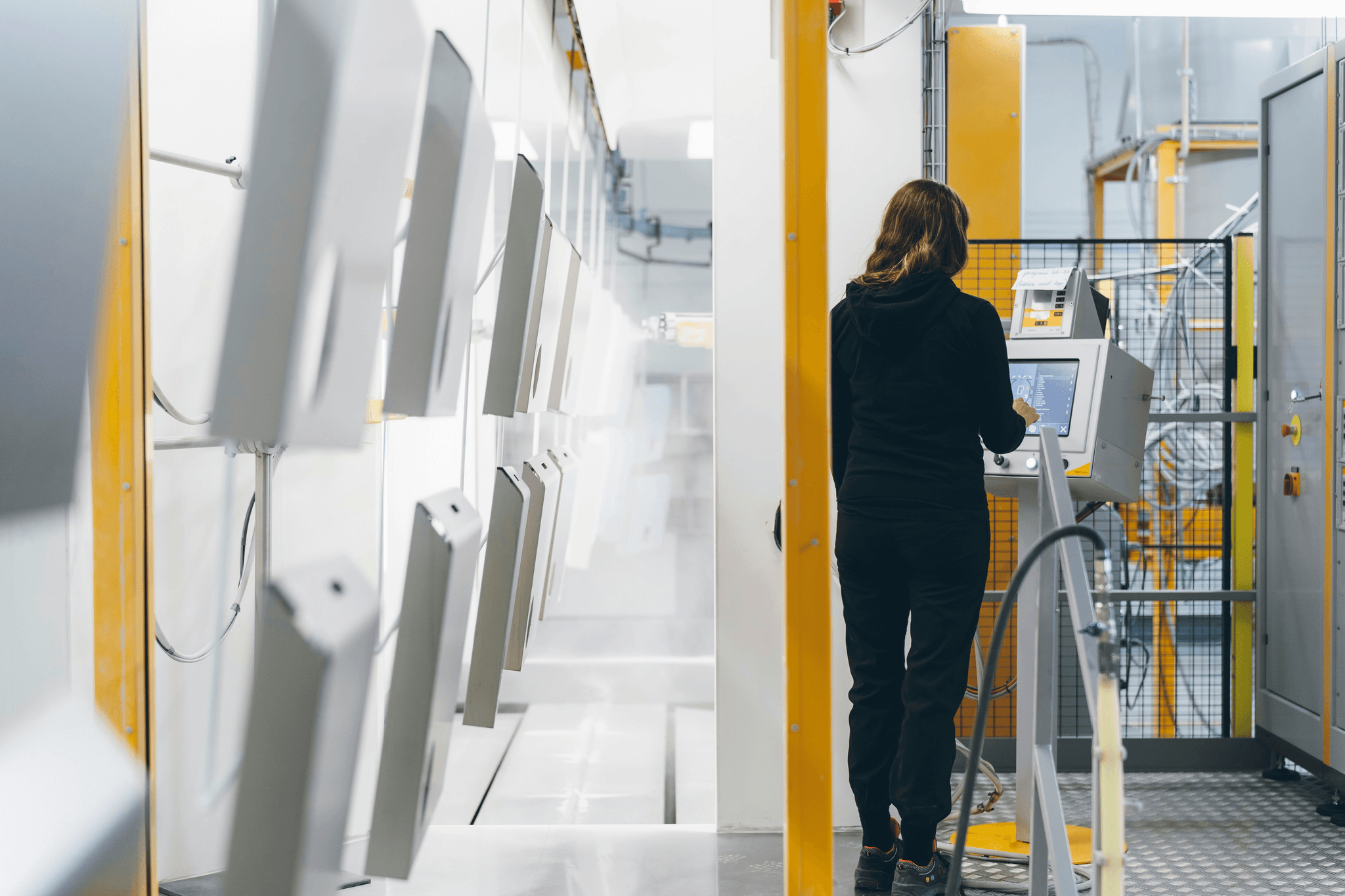
In wrapping up our exploration of pre-production inspections, it's clear that these assessments are not just a box to check but a vital component of successful manufacturing. The long-term value of inspections lies in their ability to prevent costly errors and enhance product quality over time. By investing in pre-production inspections, businesses can safeguard their reputation and ensure customer satisfaction, which is invaluable in today’s competitive market.
The Long-Term Value of Inspections
When we ask, What is a pre-production inspection? the answer reveals its significance: it’s a proactive measure designed to catch potential issues before they escalate into larger problems. This early intervention not only minimizes risks but also fosters a culture of quality within the organization. Over time, companies that prioritize pre-production inspections find that they save money, boost efficiency, and build stronger relationships with their clients.
Making Pre-Production Inspections Standard Practice
Understanding why are pre-production inspections important? is crucial for businesses aiming for excellence. Regularly incorporating these inspections into your workflow transforms them from an optional step into a standard practice that drives success. By making pre-production inspections routine, companies can ensure compliance with industry standards and maintain high-quality outputs consistently.
Partnering with PreFab Inc. for Success
If you're still pondering when should my business consider a pre-production inspection?, the answer is simple: right now! Partnering with experts like PreFab Inc. can streamline your inspection process and provide you with valuable insights tailored to your specific needs. With their comprehensive checklist for pre-production inspections, you’ll be equipped to tackle any challenges head-on and elevate your production game.