
Introduction
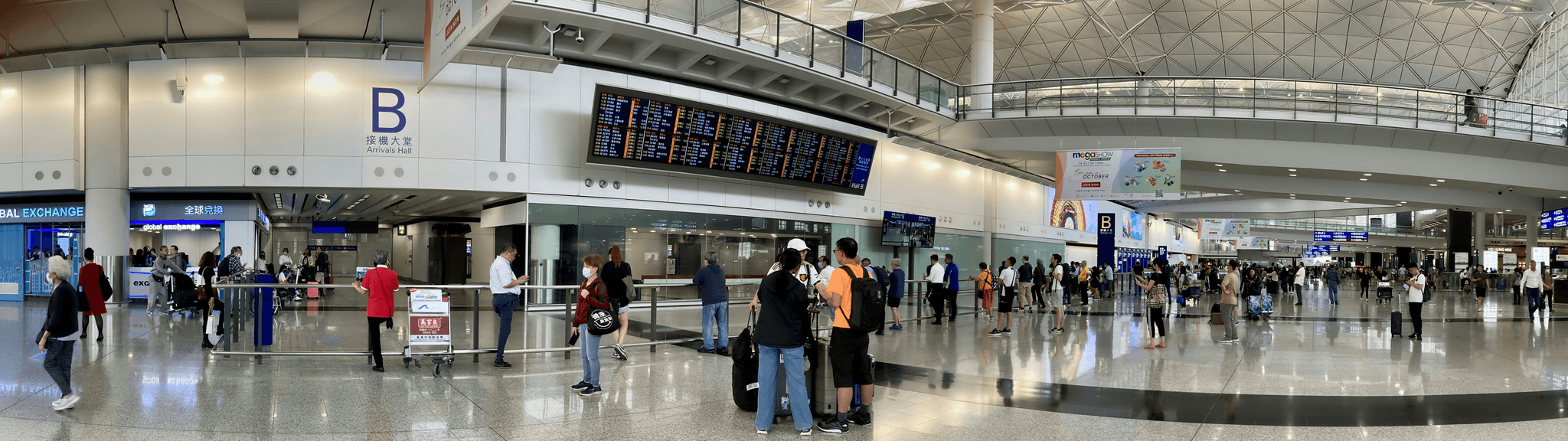
Flight delays can feel like an unwelcome guest at any airport, especially in a country as vast and bustling as China. Navigating the complexities of air travel here often involves understanding various factors that contribute to these delays, from limited airspace for civilian aircraft to the unpredictable whims of weather conditions. With its unique challenges, travelers need to be equipped with knowledge and strategies to make the most of their journey.
Understanding Flight Delays in China
In China, flight delays are not just a minor inconvenience; they can significantly impact travel plans and schedules. The country's airspace is heavily regulated, with limited airspace for civilian aircraft due to military operations and other restrictions. This situation creates a complex web of scheduling conflicts that can lead to frustrating delays for passengers eager to reach their destinations.
Common Causes of Flight Delays
Several common culprits contribute to the frequent flight delays experienced in China. Outdated traffic control procedures often hinder efficient management of air traffic, causing backups that ripple through flight schedules. Additionally, weather conditions play a significant role; heavy rain or fog can ground flights or force reroutes, adding yet another layer of complexity to an already challenging situation.
How to Navigate Airport Challenges
To navigate the challenges posed by flight delays in China effectively, travelers should adopt a proactive approach. Staying informed about potential disruptions through real-time updates can help mitigate frustration when plans change unexpectedly. Moreover, understanding peak travel times and considering alternative routes or modes of transport may enhance your overall travel experience amid the unpredictability of flight schedules.
The Impact of Limited Airspace
Navigating the skies in China can be a complex endeavor, particularly due to the limited airspace available for civilian aircraft. This restriction is not just a minor inconvenience; it can lead to significant flight delays that ripple through airports and affect travelers across the country. Understanding how military operations intertwine with civilian flights is crucial for anyone hoping to avoid the chaos of delayed travel.
Military Operations and Civilian Flights
China's airspace is heavily regulated, primarily due to military operations that often take precedence over civilian aviation needs. This means that routes can become restricted at a moment's notice, leading to unexpected flight delays for travelers trying to reach their destinations on time. When military exercises or drills are underway, civilian aircraft might be rerouted or grounded altogether, causing further complications in an already congested air traffic system.
The impact of these restrictions extends beyond just individual flights; it can create a domino effect throughout the entire network of air travel in China. With outdated traffic control procedures still in play, managing these limited airspace situations becomes even more challenging. Travelers must remain vigilant about potential changes and delays as they navigate through this complex landscape.
Coping with Restricted Routes
When faced with limited airspace for civilian aircraft, adaptability becomes essential for both airlines and passengers alike. Airlines often have to adjust their flight paths on short notice, which can lead to longer travel times and increased chances of delays at various stages of the journey. For travelers, staying informed about route changes is key; checking real-time updates from airlines or airport apps can help mitigate some frustrations associated with unexpected delays.
Moreover, being proactive about your travel plans can make a world of difference when flying in an environment where restricted routes are commonplace. Consider booking direct flights whenever possible or opting for less popular travel times—these strategies may help you dodge potential bottlenecks caused by military operations or outdated traffic control procedures that plague many Chinese airports today.
Alternatives for Flight Planning
Given the unpredictability associated with limited airspace and its impact on flight delays, exploring alternative options for flight planning is wise for savvy travelers. One effective strategy could involve choosing regional airports instead of major hubs; while they may not offer as many direct flights, they often experience fewer disruptions due to less congested airspace management practices compared to larger cities like Beijing or Shanghai.
Additionally, consider flexible travel dates that allow you to avoid peak flying times when military operations might coincide with crowded schedules—this could save you from unnecessary headaches caused by weather conditions and flight delays in China as well as other factors beyond your control. Lastly, always have a backup plan ready should your initial itinerary face unanticipated alterations; knowing your options will empower you during those frustrating moments when facing potential flight delays.
The Role of Weather Conditions

Weather conditions play a pivotal role in the realm of flight delays, especially in a country as vast and varied as China. From torrential rains to thick fog, adverse weather can wreak havoc on flight schedules, leading to unexpected delays and reroutes. Understanding how these factors come into play is essential for travelers looking to navigate the skies with minimal disruption.
How Weather Affects Flight Schedules
Flight delays due to weather are not just an inconvenience; they can cascade into a series of logistical nightmares for airlines and passengers alike. In China, where limited airspace for civilian aircraft often complicates matters further, weather-related disruptions can become particularly challenging. Airlines must prioritize safety, which means that even minor changes in weather conditions can lead to significant adjustments in flight schedules.
When storms brew or visibility drops, air traffic control may need to implement outdated traffic control procedures that don't account for modern demands. This can result in longer wait times at airports and increased frustration among travelers who are already dealing with the stress of delayed flights. Therefore, being informed about potential weather impacts is crucial for anyone planning a trip within or across China.
Seasonal Patterns in Chinese Weather
China's diverse climate means that seasonal patterns greatly influence flight operations throughout the year. For instance, the summer months often bring heavy rainstorms and typhoons along the eastern coast, while winter can introduce dense fog and snow in northern regions. These seasonal variations not only affect travel plans but also contribute significantly to overall flight delays across the nation.
Understanding these patterns allows travelers to anticipate potential disruptions during specific times of the year when severe weather is more likely to occur. For example, planning trips during late spring or early autumn may offer more favorable weather conditions compared to peak summer or winter months when delays are more common due to inclement weather. Knowing when these seasonal shifts occur can help travelers avoid unnecessary headaches related to flight delays.
Tips for Weather-Related Travel Planning
To minimize the impact of unpredictable weather on your travel plans in China, consider implementing some strategic tips tailored for navigating potential flight delays effectively. First off, always check real-time weather updates before you head out; this simple step could save you from arriving at an airport only to discover your flight has been delayed due to inclement conditions.
Additionally, booking flights during less turbulent times—like mid-mornings or early afternoons—can help reduce your chances of experiencing significant delays caused by adverse weather phenomena like thunderstorms or low visibility issues later in the day. Lastly, remain flexible with your travel itinerary; having alternative routes or backup plans will prove invaluable if you find yourself facing unexpected challenges due to China's ever-changing climate.
Traffic Control Procedures: A Historical Overview

Understanding traffic control procedures is crucial to grasping the complexities of flight delays in China. Historically, these procedures have not kept pace with the rapid growth of air travel, leading to outdated traffic control systems that can exacerbate delays. As a result, limited airspace for civilian aircraft becomes a significant issue, creating bottlenecks that affect overall efficiency and punctuality.
Outdated Traffic Control Procedures in China
China's air traffic control system has long been criticized for its outdated procedures, which struggle to accommodate the increasing volume of flights. These antiquated methods often lead to mismanagement and confusion among pilots and air traffic controllers alike, contributing to frequent flight delays. Additionally, the limited airspace for civilian aircraft further complicates matters, as military operations frequently take precedence over commercial flights.
The reliance on older technology hampers effective communication between airports and pilots during critical moments when weather conditions worsen or unexpected situations arise. This lack of modern infrastructure can turn a minor delay into a significant disruption for travelers. Consequently, addressing these outdated traffic control procedures is essential for improving the overall travel experience in China.
Comparing International Traffic Management Systems
When comparing China's traffic management system with those in other countries, stark differences become apparent. Countries like the United States or members of the European Union have implemented more advanced technologies and streamlined processes that significantly reduce flight delays. These international systems emphasize real-time data sharing and coordination between various stakeholders—airports, airlines, and regulatory bodies—allowing for more efficient handling of weather conditions and flight schedules.
In contrast, China's centralized approach often leads to slower decision-making processes that are ill-equipped to adapt quickly to changing circumstances such as inclement weather or sudden demand surges. With growing passenger numbers each year, it's crucial for Chinese authorities to adopt best practices from global counterparts to minimize disruptions caused by outdated traffic control procedures. The potential benefits are clear: fewer delays mean happier travelers and more efficient operations.
Potential Improvements and Innovations
To tackle the challenges posed by outdated traffic control procedures in China, several improvements could be implemented swiftly and effectively. First off is investing in modern technology that enhances communication among air traffic controllers and pilots—think real-time updates on weather conditions affecting flight paths or immediate alerts about restricted airspace due to military activities. Such innovations could drastically reduce unnecessary wait times caused by poor information flow.
Another avenue worth exploring is adopting flexible routing strategies used by other nations that allow aircraft greater latitude when planning their journeys based on current conditions rather than rigidly adhering to outdated pathways through crowded skies. This flexibility would help alleviate congestion caused by limited airspace for civilian aircraft while also mitigating potential flight delays stemming from adverse weather conditions.
Finally, fostering collaboration among international aviation organizations could facilitate knowledge exchange regarding best practices in managing air traffic efficiently while minimizing disruptions due to various factors—including those pesky weather-related issues we all dread during vacation planning! By embracing these potential improvements and innovations within their framework for managing flights effectively today—and tomorrow—China could pave the way toward a smoother travel experience free from excessive delays.
Airport Infrastructure Challenges
With the number of travelers increasing annually, major airports are grappling with overcrowding that leads to flight delays and frustration for passengers. The combination of limited airspace for civilian aircraft and outdated traffic control procedures only exacerbates these issues, making it essential to address the underlying causes.
Overcrowding in Major Airports
Overcrowding is a significant contributor to flight delays in China’s bustling airports like Beijing Capital International Airport and Shanghai Pudong International Airport. These hubs often operate at or beyond their capacity, leading to congestion on runways and terminals alike. As more travelers flock to these airports, the strain on facilities becomes evident, resulting in longer wait times and delayed departures.
The limited airspace for civilian aircraft further complicates matters, as military operations can restrict available routes during peak travel times. This creates a perfect storm where passengers are left stranded or scrambling for alternative arrangements due to unexpected delays. Overcrowded airports not only impact flight schedules but also diminish the overall travel experience.
Upgrades and Expansions Needed
To combat these challenges effectively, significant upgrades and expansions are needed across China's major airports. Modernizing infrastructure would not only alleviate overcrowding but also enhance efficiency in managing air traffic flow amid limited airspace for civilian aircraft. Airports must invest in advanced technology solutions that streamline operations while adhering to safety protocols.
Moreover, expanding terminal facilities could significantly improve passenger experiences by reducing bottlenecks during busy periods. Implementing innovative traffic management systems could help address outdated traffic control procedures that often lead to unnecessary delays. By prioritizing investments in airport infrastructure, China can better accommodate its growing number of travelers while minimizing flight delays.
How Travelers Can Adapt to Delays
While airport infrastructure challenges may seem daunting, there are strategies travelers can employ to adapt effectively when faced with flight delays in China. First and foremost, staying informed about weather conditions and flight schedules is crucial; leveraging technology such as mobile apps can provide real-time updates on any changes or disruptions caused by weather conditions or overcrowding at airports.
Additionally, planning travel during off-peak hours can make a significant difference; flying early in the morning or late at night often results in shorter wait times and fewer crowds at major airports. Lastly, having contingency plans—like knowing alternative routes or nearby accommodations—can help ease anxiety when facing unexpected delays due to outdated traffic control procedures or other unforeseen circumstances.
Tips for Avoiding Flight Delays
Best Times to Fly in China
Timing is everything when it comes to avoiding flight delays in China. Generally, flying during off-peak hours—early mornings or late evenings—can significantly reduce your risk of encountering crowded airports and congested airspace. Additionally, be aware of regional holidays and festivals; these periods often see an uptick in travelers, leading to potential delays due to limited airspace for civilian aircraft.
Planning your flights around less busy days of the week can also make a difference. Tuesdays and Wednesdays tend to be quieter compared to weekends when everyone is jetting off for a mini-vacation or returning home. By choosing optimal times, you not only enhance your chances of timely departures but also enjoy a more relaxed travel experience.
Leveraging Technology for Real-Time Updates
Utilizing flight tracking apps allows you to monitor real-time updates about your flight status, including any potential delays caused by outdated traffic control procedures or adverse weather conditions affecting air travel. These tools can provide alerts directly to your phone, ensuring you're always in the loop before heading out.
Moreover, many airlines offer mobile apps that provide notifications about gate changes and boarding times—information that can help you navigate through crowded terminals with ease. By staying informed through technology, you can make quicker decisions if adjustments are needed due to unexpected changes in your itinerary.
Considering Alternative Travel Options
Sometimes the best way to avoid flight delays is simply not flying at all! Depending on your destination within China, consider alternative modes of transportation such as high-speed trains or buses that offer reliable schedules without the hassle of airport security lines or limited airspace constraints for civilian aircraft. These options may even allow for more scenic views along the way!
If flying remains necessary due to distance or time constraints, explore different airports near your departure or arrival points. Choosing smaller regional airports might yield fewer crowds and shorter wait times compared to major hubs plagued by outdated traffic control procedures that frequently lead to bottlenecks.
Conclusion
Navigating the complexities of flight delays in China can feel like trying to solve a Rubik's Cube blindfolded. From limited airspace for civilian aircraft to outdated traffic control procedures, understanding these factors is essential for any traveler. By grasping the nuances of how weather conditions and flight delays intertwine, you can better prepare for your next adventure.
Key Takeaways on Flight Delays
Flight delays are an unfortunate reality that most travelers face, especially in a country as vast and dynamic as China. The interplay between limited airspace for civilian aircraft and outdated traffic control procedures often exacerbates these delays, leaving passengers frustrated at airports. Being aware of common causes—like weather conditions and flight delays—can empower travelers to make informed decisions and minimize disruptions.
Navigating China’s Travel Landscape
China's travel landscape is a unique blend of challenges and opportunities that can be navigated with the right strategies. Understanding how limited airspace affects flight schedules allows travelers to plan their journeys more effectively, while knowledge of seasonal weather conditions can help avoid unexpected disruptions due to storms or fog. By staying informed about outdated traffic control procedures, you can anticipate potential bottlenecks and choose alternative routes when necessary.
Partnering with Services like China Inspection Pro
For those looking to streamline their travel experience amidst frequent flight delays, partnering with services like China Inspection Pro offers valuable assistance. These services provide real-time updates on flight statuses, helping travelers stay one step ahead of any changes due to weather conditions or airspace restrictions. With expert insights into navigating outdated traffic control procedures, such partnerships can turn a potentially stressful journey into a smooth ride.