
Introduction
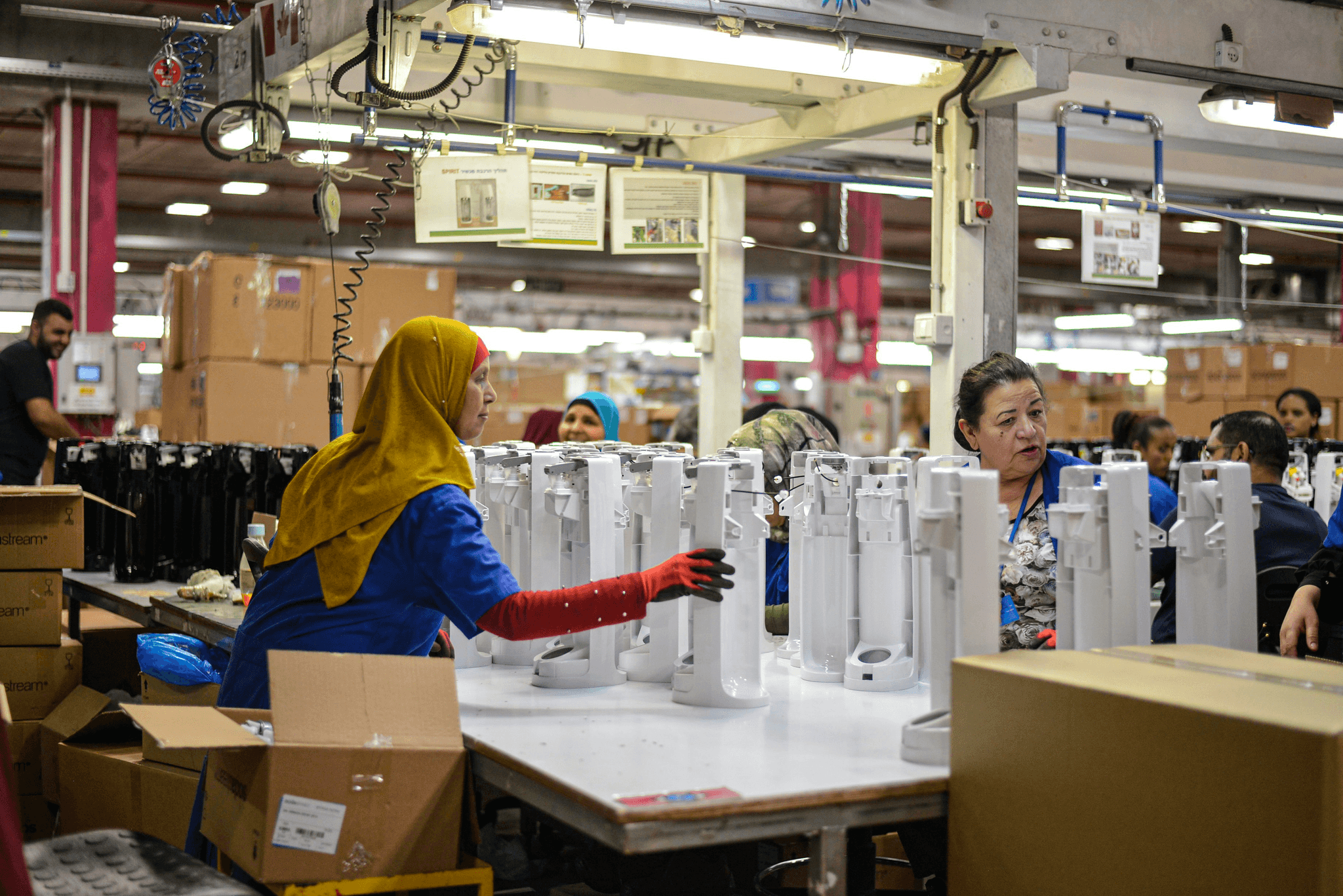
In the fast-paced world of manufacturing, preventing assembly problems is not just a luxury—it's a necessity. Assembly line setup can be a complex puzzle, where each piece must fit perfectly to ensure smooth operations and high-quality outcomes. By focusing on key factors in successful assembly processes, businesses can mitigate risks and enhance efficiency.
The Importance of Preventing Assembly Problems
Preventing assembly problems is crucial for maintaining productivity and minimizing costs. When issues arise on the assembly line, they can lead to delays, increased waste, and dissatisfied customers—all of which can tarnish a company's reputation. A proactive approach to identifying potential pitfalls ensures that teams remain agile and responsive to challenges.
Key Factors in Successful Assembly Processes
Successful assembly processes hinge on several key factors including effective management techniques, streamlined materials delivery to the line, and rigorous quality inspections. Each element plays a vital role in creating an environment where productivity thrives and errors are minimized. By integrating these components into their operational strategies, companies can create a robust framework for success.
How a Checklist Can Save You Time
One of the simplest yet most effective tools for preventing assembly problems is a well-structured checklist. Checklists help teams stay organized while ensuring that critical steps are not overlooked during the assembly process. By systematically addressing each aspect—from materials delivery to quality inspections—companies can save time and resources while boosting overall performance.
Understanding Assembly Line Setup
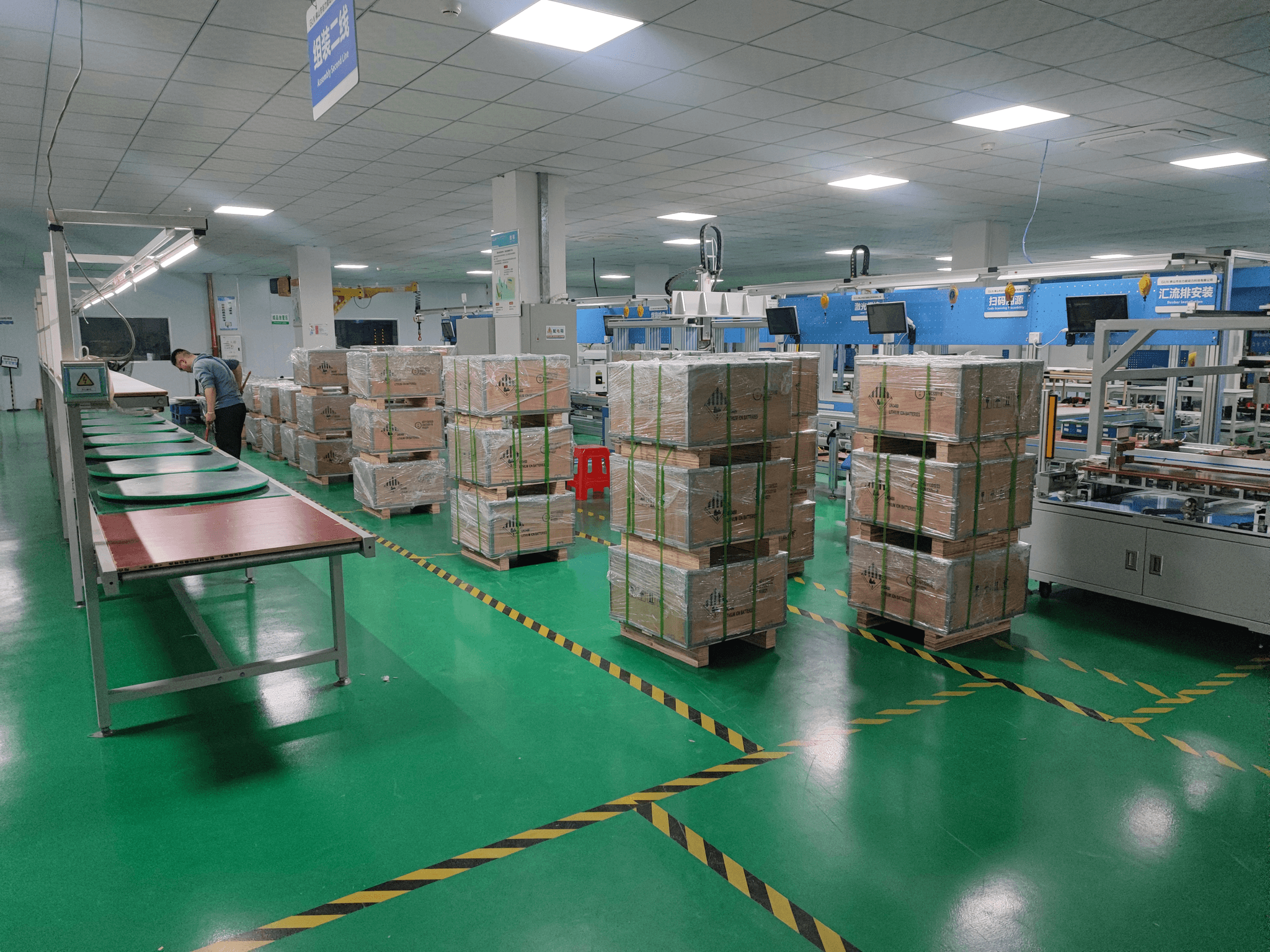
Setting up an assembly line is not just about placing machines and workers in a row; it’s a strategic endeavor that can make or break production efficiency. Understanding how to design your assembly line effectively is crucial to prevent assembly problems that can lead to delays and increased costs. By focusing on best practices, utilizing the right tools, and being aware of common pitfalls, you can create a streamlined workflow that ensures timely materials delivery to the line.
Best Practices for Efficient Design
Efficient design of an assembly line begins with a clear understanding of the product flow and worker roles. Implementing ergonomic workstations can enhance productivity while reducing strain on workers—this is vital for maintaining morale and efficiency over time. Additionally, consider creating flexible layouts that allow for quick adjustments based on changing production needs; this adaptability helps prevent assembly problems before they arise.
Another best practice involves minimizing travel distances for both materials and workers; the less time spent moving around, the more time you have for actual assembly tasks. Incorporating visual management tools like color-coded pathways or signage can further streamline operations by guiding employees through their tasks without confusion. All these strategies contribute significantly to optimizing your assembly line setup.
Tools for Streamlining Workflow
To streamline workflow effectively, leveraging technology is essential in modern assembly lines. Software solutions that provide real-time data analytics enable managers to monitor performance metrics closely, ensuring timely materials delivery to the line when needed most. Furthermore, automation tools such as conveyor systems or robotic arms can enhance precision while reducing manual labor costs.
Mobile devices equipped with task management apps also empower teams by providing instant access to project updates and communication channels—this fosters collaboration among team members and enhances overall management effectiveness. Additionally, using inventory management systems allows you to track parts efficiently, avoiding shortages or surpluses that could disrupt your workflow. Together, these tools create a cohesive environment where productivity thrives.
Common Pitfalls in Assembly Line Configuration
While designing an effective assembly line setup is critical, certain pitfalls can derail even the best-laid plans if you're not careful. One common mistake is underestimating the importance of proper spacing between workstations; overcrowding can lead to chaos and inefficiency rather than smooth operations aimed at preventing assembly problems. Another issue arises when inadequate training leaves employees unprepared for their roles; investing in comprehensive onboarding programs pays dividends in productivity down the road.
Additionally, failing to regularly review processes may result in outdated practices lingering long after they’ve ceased being effective—continuous improvement should be part of your quality inspections routine as well! Lastly, neglecting supplier relationships when developing Chinese suppliers could hinder material availability or quality standards necessary for maintaining efficient workflows on your assembly line setup. Avoiding these pitfalls will ensure smoother operations overall.
Ensuring Timely Materials Delivery to the Line
In the world of assembly line setup, ensuring timely materials delivery to the line is crucial for maintaining productivity and preventing assembly problems. A well-optimized supply chain not only keeps operations running smoothly but also enhances overall efficiency. By focusing on strategic approaches to supply chain management, businesses can create a seamless flow of materials that meets production demands.
Strategies for Optimizing Supply Chains
To prevent assembly problems, companies must adopt effective strategies for optimizing their supply chains. This includes employing advanced forecasting techniques to predict material needs accurately and adjusting orders accordingly. Additionally, leveraging technology such as inventory management systems can streamline processes and ensure that materials are readily available when required.
Another key strategy involves collaborating closely with suppliers to enhance transparency and responsiveness in the supply chain. By establishing clear communication channels, businesses can quickly address any issues related to materials delivery to the line, minimizing disruptions in production schedules. Furthermore, investing in automation tools can significantly reduce lead times and improve inventory turnover rates.
Lastly, regular assessments of supply chain performance will help identify bottlenecks or inefficiencies that could hinder timely deliveries. Implementing a continuous improvement mindset ensures that adjustments are made proactively rather than reactively, ultimately leading to a more robust assembly process.
The Role of Just-in-Time Delivery
Just-in-Time (JIT) delivery plays a pivotal role in ensuring timely materials delivery to the line while effectively preventing assembly problems. This approach minimizes excess inventory by synchronizing material arrival with production schedules, allowing companies to reduce holding costs significantly. JIT not only streamlines operations but also promotes flexibility in responding to changing market demands.
Moreover, adopting JIT principles encourages collaboration with suppliers who can provide quick turnaround times on orders. This relationship is critical for maintaining an efficient assembly line setup where components arrive precisely when needed without delays or interruptions. As a result, manufacturers can maintain lean inventories while still meeting customer expectations for quality and timeliness.
However, implementing JIT requires meticulous planning and risk management strategies since any disruption in supplier performance can lead directly to production halts. Businesses must develop contingency plans and foster strong partnerships with reliable suppliers to mitigate these risks effectively.
Managing Supplier Relationships Effectively
Effective management of supplier relationships is essential for ensuring timely materials delivery to the line and preventing assembly problems down the road. Building strong partnerships involves regular communication and collaboration on shared goals related to quality inspections and delivery timelines. Companies should prioritize transparency by sharing relevant data about demand forecasts or potential changes in production schedules with their suppliers.
Additionally, cultivating trust through consistent engagement fosters loyalty among suppliers who are more likely to prioritize your business during peak times or unexpected shortages. Regularly reviewing supplier performance against agreed-upon metrics helps identify areas where improvements can be made—ensuring both parties benefit from an optimized arrangement.
Finally, understanding cultural differences is vital when developing Chinese suppliers or any international partners; this knowledge facilitates smoother interactions while nurturing long-term relationships based on mutual respect and understanding of each other’s business practices.
Effective Management Techniques
In the world of assembly processes, effective management techniques are the backbone of success. By focusing on leadership styles, communication, and team empowerment, organizations can prevent assembly problems that may arise during production. Streamlining these aspects not only enhances productivity but also fosters a culture of continuous improvement.
Leadership Styles that Enhance Productivity
Different leadership styles can significantly influence productivity on the assembly line setup. For instance, a transformational leader inspires teams by setting a vision and motivating employees to engage fully in their tasks. On the other hand, a transactional leader emphasizes structure and rewards performance, which can be crucial when managing quality inspections and ensuring adherence to standards.
Moreover, leaders who adopt a participative approach encourage input from team members about materials delivery to the line or workflow improvements. This not only helps in preventing assembly problems but also builds trust within teams. Ultimately, understanding which leadership style resonates best with your workforce can lead to more effective management and smoother operations.
Establishing Clear Communication Channels
Clear communication channels are essential for any successful assembly process, especially when it comes to managing supplier relationships and coordinating materials delivery to the line. By ensuring that everyone is on the same page regarding expectations and responsibilities, teams can work more efficiently together. Notably, this clarity helps in preventing assembly problems that may stem from misunderstandings or misaligned goals.
Regular check-ins and updates among team members facilitate timely information sharing about quality inspections or changes in production schedules as well. Utilizing digital tools for communication can further streamline workflows while minimizing delays caused by poor information flow. In essence, establishing robust communication practices is key to enhancing overall efficiency in assembly operations.
Empowering Teams for Better Performance
Empowering teams is an often-overlooked aspect of effective management that directly impacts performance on the assembly line setup. When employees feel trusted with decision-making authority related to their roles—be it regarding quality inspections or optimizing workflows—they tend to take greater ownership of their tasks. This sense of responsibility not only boosts morale but also encourages innovative solutions that help prevent assembly problems.
Furthermore, providing opportunities for professional development ensures team members are well-equipped with skills relevant to developing Chinese suppliers or navigating cultural differences in business environments. The result is a workforce that's not just compliant but actively engaged in improving processes across all levels of operation. Ultimately, empowered teams lead to enhanced productivity and better outcomes throughout the entire supply chain.
Implementing Quality Inspections
In the world of assembly, ensuring quality isn't just a checkbox on a list; it's the backbone of a successful operation. Quality inspections play a pivotal role in preventing assembly problems by identifying issues before they escalate into costly mistakes. By incorporating rigorous quality control measures, businesses can not only enhance their reputation but also improve overall efficiency and customer satisfaction.
Why Quality Control is Crucial
Quality control is essential for maintaining the integrity of your products and processes. Without it, even the best assembly line setup can falter, leading to defects that could tarnish your brand's reputation. Furthermore, effective quality inspections help streamline materials delivery to the line by ensuring that only compliant components are used, reducing waste and rework.
How China Inspection Pro Ensures Excellence
China Inspection Pro has established itself as a leader in quality assurance for manufacturers looking to develop Chinese suppliers. With their comprehensive inspection services, they meticulously evaluate products at various stages of production to ensure adherence to international standards. This proactive approach not only helps prevent assembly problems but also fosters strong relationships between manufacturers and suppliers through transparent communication.
Transforming Inspection Findings into Actionable Steps
Once inspections are complete, it's crucial to transform findings into actionable steps that can drive continuous improvement across your management practices. Analyzing inspection results allows teams to identify trends and recurring issues that may affect assembly line setup or materials delivery to the line. By implementing corrective actions based on these insights, organizations can enhance their operations while building trust with developing Chinese suppliers who value accountability and responsiveness.
Developing Chinese Suppliers

In today’s global market, developing reliable Chinese suppliers is crucial for maintaining efficient assembly line setups and ensuring timely materials delivery to the line. The right partnerships can not only prevent assembly problems but also enhance the overall quality of your products. Understanding how to cultivate these relationships while navigating cultural nuances is essential for long-term success.
Criteria for Selecting Reliable Suppliers
When selecting suppliers in China, it’s vital to establish clear criteria to ensure they align with your assembly needs. Look for suppliers who demonstrate a commitment to quality inspections and have a proven track record of timely materials delivery to the line. Additionally, assess their ability to scale production based on your demands; flexibility can be a game-changer in preventing assembly problems down the road.
Another key factor is communication; choose suppliers who are responsive and willing to engage in open dialogue about management practices and quality standards. Consider conducting site visits or audits as part of your selection process—this hands-on approach can reveal insights about their operations that paperwork simply cannot convey. Ultimately, a thorough vetting process will help you identify partners who not only meet your requirements but also share your vision for quality and efficiency.
Cultivating Strong Partnerships in China
Once you've selected reliable suppliers, cultivating strong partnerships becomes paramount in fostering collaboration and trust. Regular communication is essential; schedule frequent check-ins to discuss performance metrics, address any potential issues, and ensure alignment on goals related to management practices and quality inspections. Building rapport can significantly enhance cooperation and make it easier to resolve any emerging challenges.
Engaging in joint problem-solving exercises can also strengthen these partnerships by fostering a sense of shared responsibility over production processes. Encourage feedback from your suppliers about how you can improve workflows or streamline materials delivery to the line; this collaborative spirit often leads to innovative solutions that prevent assembly problems before they arise. Remember, investing time into nurturing these relationships pays off by creating a more resilient supply chain.
Navigating Cultural Differences in Business
Navigating cultural differences is an integral part of developing successful relationships with Chinese suppliers. Understanding local business etiquette—such as the importance of face-saving measures—can go a long way toward avoiding misunderstandings that might disrupt management strategies or lead to delays in materials delivery to the line. Take time to learn about their customs, values, and communication styles; this knowledge will help you build rapport more effectively.
Additionally, be aware that decision-making processes may differ from what you're accustomed to; patience is often required when working through hierarchical structures common in many Chinese businesses. Emphasizing mutual respect during negotiations fosters goodwill and paves the way for smoother interactions regarding quality inspections or adjustments needed during production runs. By embracing these cultural nuances rather than resisting them, you position yourself as a valuable partner rather than just another client.
In conclusion, developing robust relationships with Chinese suppliers involves careful selection based on reliability criteria, effective partnership cultivation through regular communication, and an understanding of cultural differences that influence business practices. By focusing on these areas while keeping an eye on preventing assembly problems throughout the process, you'll set yourself up for success in today's competitive landscape.
Conclusion
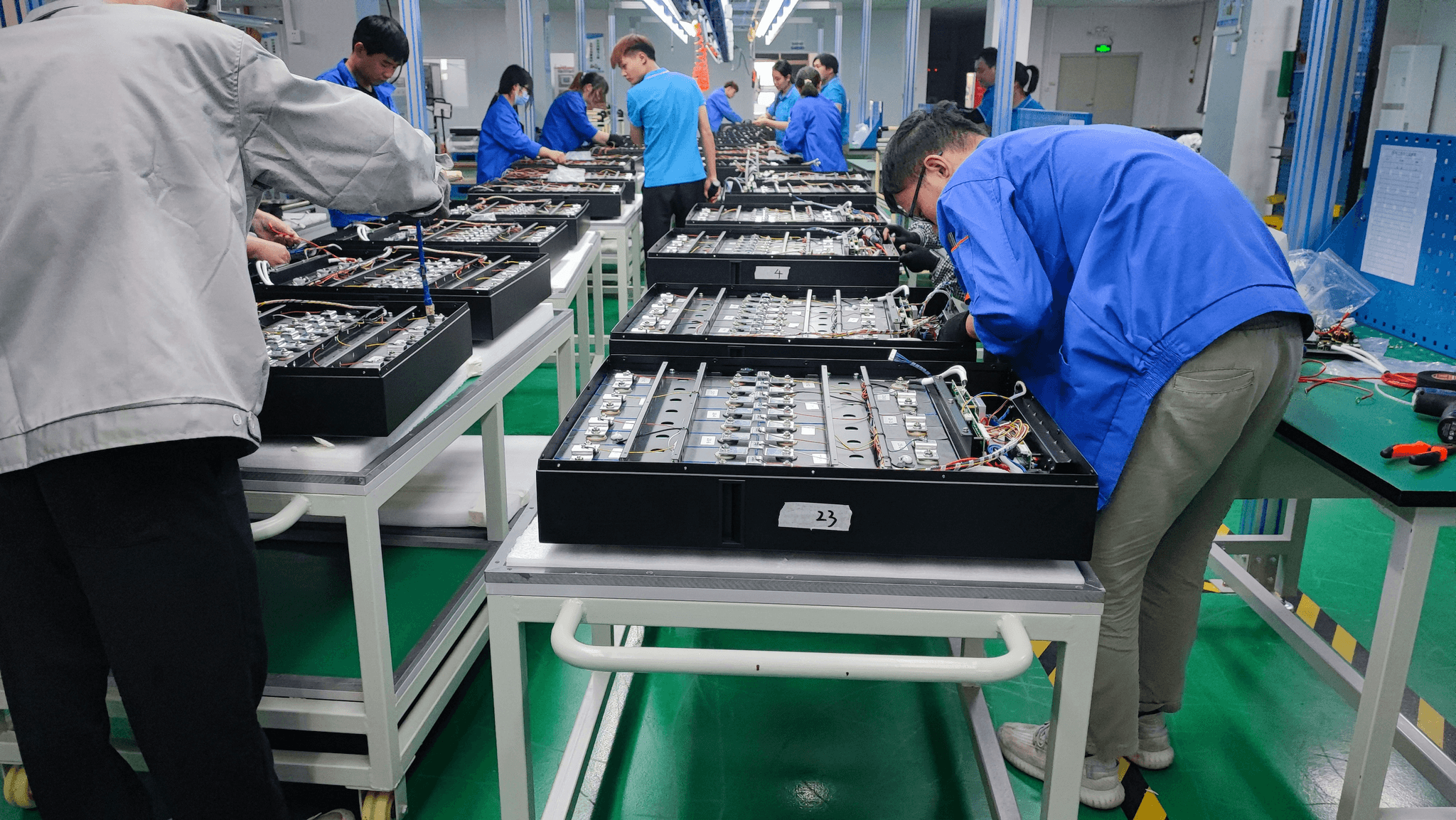
In the fast-paced world of assembly, successfully navigating challenges can mean the difference between smooth operations and costly delays. To prevent assembly problems, it’s essential to focus on critical elements such as effective assembly line setup, timely materials delivery to the line, and robust management practices. By integrating quality inspections into your processes and developing reliable Chinese suppliers, you can create a resilient assembly environment that thrives on efficiency and excellence.
Key Takeaways for Assembly Success
To achieve assembly success, start by prioritizing a well-thought-out assembly line setup that minimizes bottlenecks and maximizes productivity. Timely materials delivery to the line is crucial; without it, even the most efficient design can falter. Additionally, implementing regular quality inspections ensures that every component meets standards before it becomes part of a larger product, ultimately preventing assembly problems down the road.
The Benefits of a Proactive Approach
Adopting a proactive approach in management fosters an environment where potential issues are anticipated rather than reacted to. This means not only focusing on immediate solutions but also investing in long-term strategies for materials delivery to the line and supplier development—especially when it comes to managing relationships with Chinese suppliers. By being proactive in quality inspections and communication channels within teams, organizations can significantly reduce risks associated with assembly problems.
Final Thoughts on Continuous Improvement
Continuous improvement should be at the heart of any successful assembly operation; it's not just about fixing what's broken but enhancing what works well too. Regularly revisiting your assembly line setup and evaluating how effectively you manage materials delivery will help identify areas for growth. Lastly, embracing feedback from quality inspections and nurturing relationships with suppliers will ensure that your processes evolve alongside industry standards—ultimately leading to lower costs and higher satisfaction among customers.