
Introduction

In the world of printing, the quality of adhesion is paramount. Printing Adhesion Testing serves as a crucial step in ensuring that printed materials adhere properly to their substrates, ultimately affecting durability and appearance. By understanding the nuances of different testing methods, including The 3M Tape Test, The Dry Rub Test, and the Alcohol Rub Test, businesses can make informed decisions to enhance their print quality.
Understanding Printing Adhesion Testing
Printing Adhesion Testing is a systematic approach used to evaluate how well inks or coatings bond to various surfaces. This process not only helps identify potential issues before they escalate but also provides valuable insights into material compatibility and performance under different conditions. With a variety of methods available, including The 3M Tape Test and others, understanding these techniques is essential for maintaining high standards in print production.
Importance of Adhesion in Print Quality
Adhesion plays a pivotal role in determining the longevity and overall quality of printed products. Poor adhesion can lead to issues such as peeling, fading, or smudging—none of which are desirable outcomes for any business relying on printed materials. Therefore, effective Printing Adhesion Testing becomes indispensable for achieving superior print results that meet customer expectations.
Overview of Common Testing Methods
There are several established methods for conducting Printing Adhesion Testing that cater to different needs and scenarios. Among these are The 3M Tape Test, which is widely recognized for its simplicity and reliability; The Dry Rub Test, known for its effectiveness in simulating real-world wear; and the Alcohol Rub Test, often employed in specific applications requiring solvent resistance. Understanding these methods equips professionals with the tools needed to select the most appropriate testing strategy for their unique circumstances.
What is Printing Adhesion Testing?
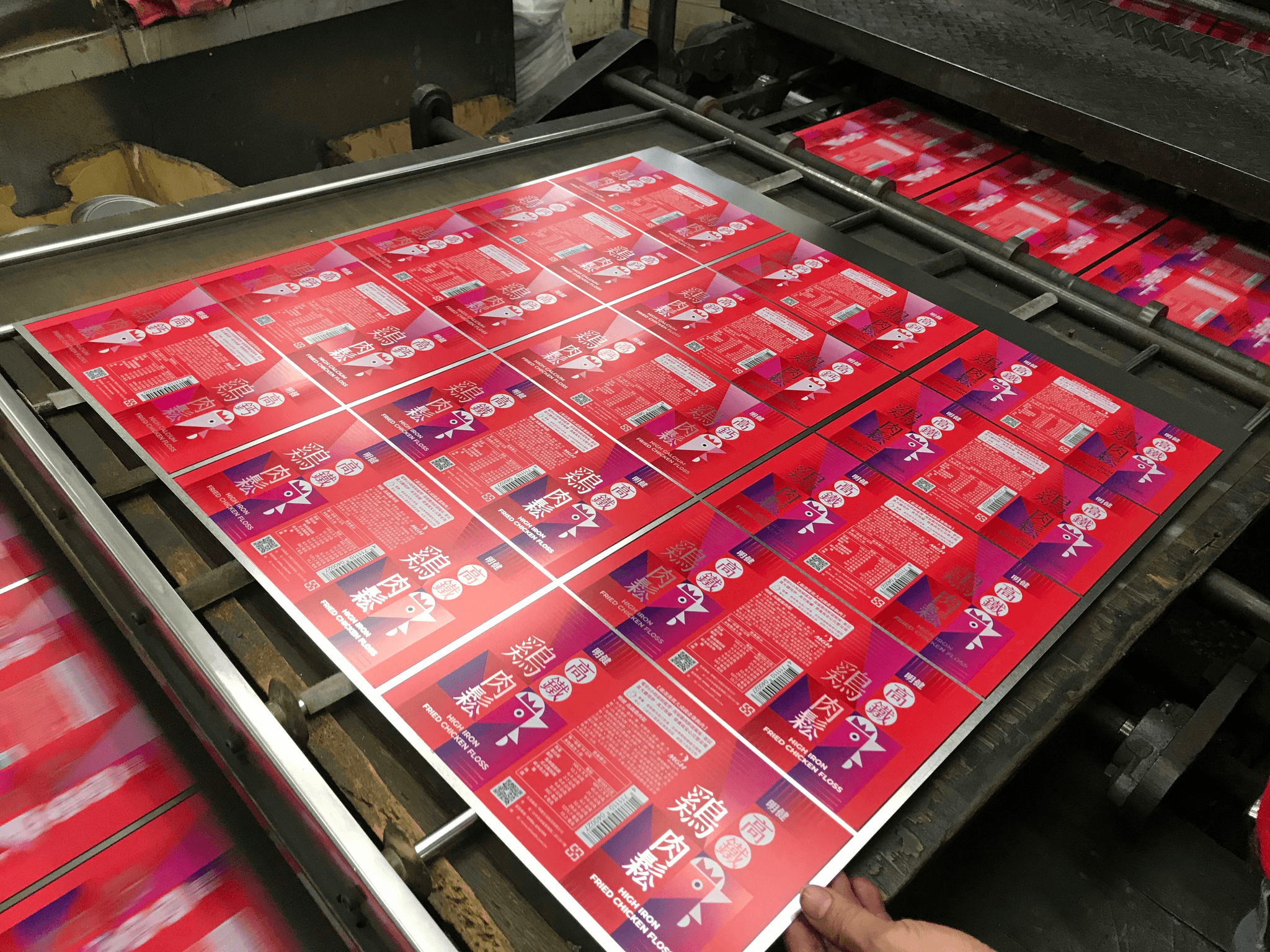
Printing Adhesion Testing is a crucial process that evaluates how well inks, coatings, or other printed materials adhere to their substrates. This testing ensures that the final product meets quality standards and performs as expected in various applications. By understanding the significance of adhesion testing, businesses can improve their printing processes and reduce waste.
Definition and Significance
At its core, Printing Adhesion Testing measures the bond strength between printed materials and their surfaces. The significance of this testing cannot be overstated; poor adhesion can lead to issues such as peeling, fading, or smudging, which directly affect product quality. In industries where durability and appearance matter—like packaging or textiles—ensuring optimal adhesion is essential for customer satisfaction.
Key Terminology Explained
To navigate the world of Printing Adhesion Testing effectively, it's important to understand some key terminology. Terms like substrate, which refers to the surface being printed on, and adhesion strength, indicating how well two materials stick together, are foundational concepts in this field. Familiarity with these terms will help professionals communicate better about methods such as The 3M Tape Test or The Dry Rub & Alcohol Rub Test.
Common Use Cases in Industry
Printing Adhesion Testing finds its applications across various industries including packaging, automotive, electronics, and textiles. For instance, in packaging design, ensuring that labels adhere properly without peeling off during transport is critical for brand integrity and product safety. Similarly, in textiles manufacturing, evaluating adhesion helps prevent ink from washing out after multiple cycles—an essential factor for maintaining garment quality.
The 3M Tape Test Explained
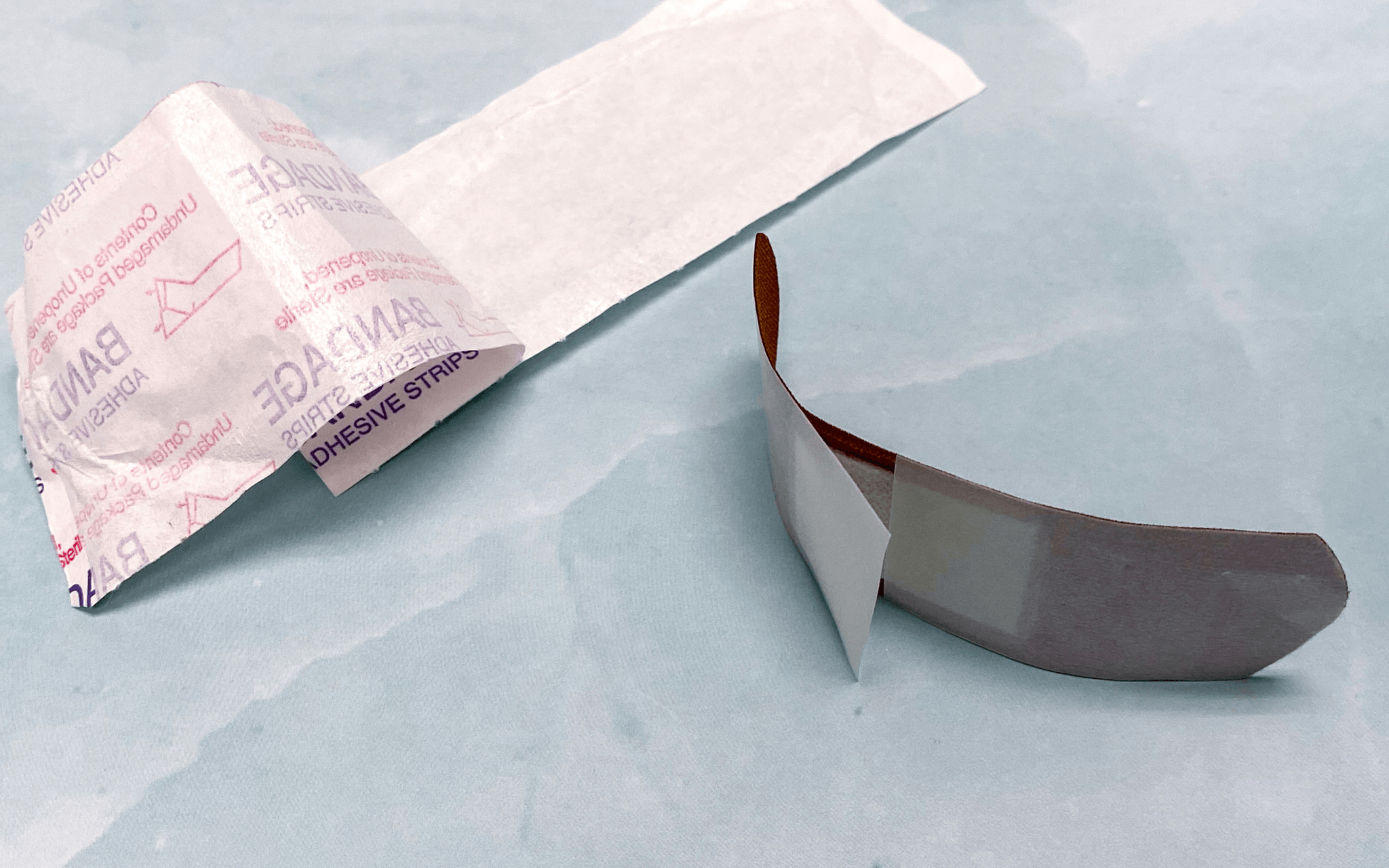
The 3M Tape Test is one of the most widely recognized methods in printing adhesion testing. It offers a straightforward approach to evaluate how well ink or coatings adhere to substrates, which is crucial for ensuring print quality and durability. By utilizing a specific type of tape, this test provides valuable insights into potential adhesion issues that could affect the final product.
How the 3M Tape Test Works
At its core, the 3M Tape Test involves applying a piece of adhesive tape to the printed surface and then removing it quickly. The amount of ink or coating that comes off with the tape indicates the level of adhesion; ideally, minimal material should be removed for optimal adhesion results. This simple yet effective technique allows printers to assess their work quickly without requiring specialized equipment, making it an accessible choice among various printing adhesion testing methods.
Pros and Cons of This Method
One major advantage of the 3M Tape Test is its ease of use; it can be performed in-house with minimal training and no complex machinery required. Additionally, results are often immediate, providing quick feedback on print quality and performance. However, one downside is that while this method can indicate general adhesion strength, it may not capture all nuances related to different substrates or inks compared to more comprehensive tests like The Dry Rub & Alcohol Rub Test.
Real-World Applications and Examples
In practice, many industries utilize the 3M Tape Test for various applications including packaging, labels, and textiles where print durability is paramount. For instance, label manufacturers often rely on this method to ensure their products withstand environmental factors without peeling or fading over time. By employing this straightforward approach within their quality control processes, businesses can significantly enhance their printing outcomes while minimizing costly reprints.
The Dry Rub Test Demystified
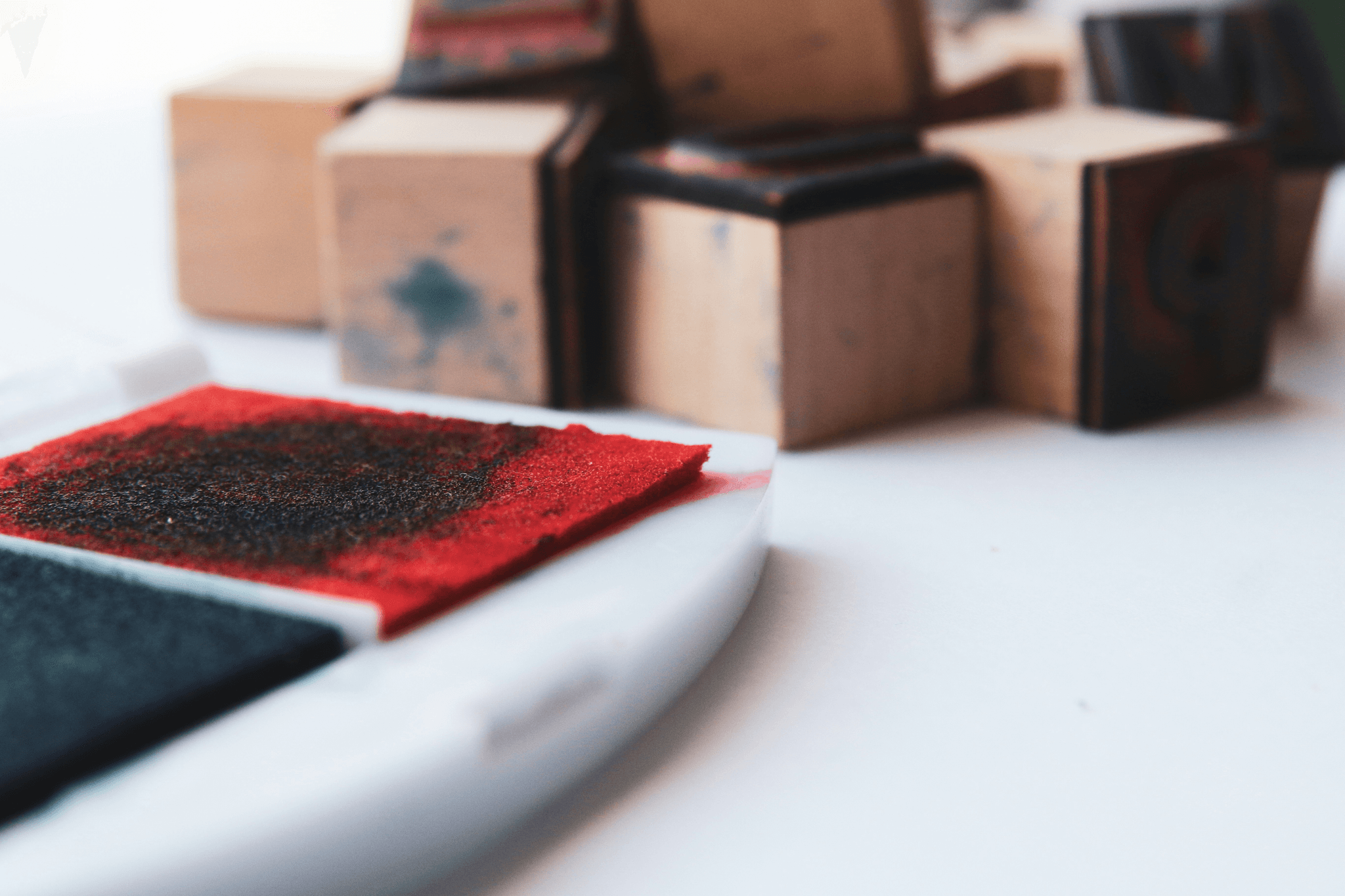
When it comes to Printing Adhesion Testing, the Dry Rub Test stands out as a straightforward yet effective method for assessing the durability of printed materials. This technique involves rubbing a specified material against the print surface to evaluate how well the ink or coating adheres. It's particularly useful in industries where print quality is paramount, such as packaging and labeling, ensuring that your prints can withstand real-world conditions.
Step-by-Step Process of Dry Rub Testing
The Dry Rub Test is easy to execute, making it a popular choice among professionals in Printing Adhesion Testing. First, you'll need to prepare your sample by ensuring that the printed surface is clean and dry. Next, take a standardized abrasive material—often a cloth or paper—and rub it across the print with consistent pressure for a set number of strokes or time duration. Afterward, inspect the print for any signs of wear or ink transfer onto the abrasive material; this will help you determine how well the ink has adhered to its substrate.
To ensure accuracy and consistency in results, it's crucial to follow specific guidelines regarding pressure and rub duration during testing. The process may vary slightly depending on whether you're using The 3M Tape Test or transitioning from other methods like the Alcohol Rub Test; however, maintaining uniformity is key across all tests. Ultimately, clear documentation of your findings will aid in comparing results with other adhesion testing methods.
Advantages of Using the Dry Rub Method
One major advantage of using the Dry Rub Method in Printing Adhesion Testing is its simplicity and low cost compared to more complex techniques like The 3M Tape Test or Alcohol Rub Test. It requires minimal equipment and can be performed quickly without sophisticated machinery—making it accessible for businesses of all sizes. Additionally, this method provides immediate visual feedback on adhesion quality, enabling rapid decision-making when evaluating print jobs.
Another notable benefit is that it simulates real-world conditions effectively; many products encounter friction during handling or use that can compromise their printed surfaces over time. By employing this test regularly during production runs, companies can identify potential issues before they reach customers—saving both time and resources down the line. Furthermore, because it's easy to replicate under different conditions (like varying pressures), you can fine-tune your printing processes based on test outcomes.
Case Studies Highlighting Effectiveness
Several case studies demonstrate how effective the Dry Rub Test can be within various industries relying on high-quality prints through rigorous Printing Adhesion Testing protocols. For instance, one packaging company faced significant issues with labels peeling off products after shipping due to inadequate adhesion properties from their printing process. By implementing regular Dry Rub Tests alongside The 3M Tape Test results into their quality control measures, they identified specific inks that performed poorly under stress—allowing them to switch suppliers and improve overall product reliability.
In another case involving an automotive parts manufacturer utilizing custom graphics on their components, they discovered through dry rub testing that certain finishes were not adhering properly after exposure to harsh environmental factors like heat and humidity during storage periods prior to installation on vehicles. Armed with this knowledge from comprehensive testing—including comparisons between methods like Alcohol Rub Tests—they adapted their approach by selecting more resilient inks tailored for outdoor durability needs without compromising aesthetic appeal.
These examples underscore how critical proper adhesion testing techniques are for maintaining product integrity while enhancing customer satisfaction—all thanks to methods like the Dry Rub Test!
The Alcohol Rub Test Overview
When it comes to **Printing Adhesion Testing**, the Alcohol Rub Test is often a go-to method for assessing how well inks and coatings stick to substrates. This technique involves rubbing a solvent, typically isopropyl alcohol, over the printed surface to evaluate adhesion quality. Its simplicity and effectiveness make it an appealing choice for many industries that require reliable print results.
Understanding the Alcohol Rub Test
The Alcohol Rub Test operates on a straightforward principle: by applying friction with alcohol, you can gauge how well the printed material holds up under pressure. This test measures not just adhesion but also the durability of the ink or coating against solvents, which is crucial in many applications. The results can indicate whether adjustments are needed in ink formulation or printing methods to enhance overall print quality.
When to Use This Testing Method
Choosing when to use the Alcohol Rub Test largely depends on your specific needs in **Printing Adhesion Testing** scenarios. It’s particularly useful when dealing with materials that will be exposed to moisture or chemicals in their usage environment. If you’re working with products like labels or packaging that may encounter spills or cleaning agents, this method becomes essential for ensuring longevity and performance.
Success Stories from Industry Professionals
Numerous industry professionals have shared success stories highlighting the effectiveness of the Alcohol Rub Test in their operations. For example, a leading packaging company improved its product line by utilizing this testing method, resulting in fewer returns due to adhesion failures. Another case involved a label manufacturer who discovered that adjusting their ink formulation based on test results led to enhanced durability and customer satisfaction—proof that effective **Printing Adhesion Testing** can lead directly to bottom-line benefits.
Choosing the Right Testing Method
When it comes to Printing Adhesion Testing, selecting the right method can feel like navigating a maze. Each technique has its unique strengths and weaknesses, making it essential to consider various factors before making a decision. Understanding your specific needs, the materials involved, and the intended application can significantly influence which testing method will yield the best results.
Factors to Consider for Adhesion Testing
Several factors should guide your choice in adhesion testing methods. First, consider the type of substrate and ink or coating being used; some materials may react differently under various tests. Additionally, think about the environmental conditions where your printed product will be used—humidity, temperature, and exposure to chemicals can all impact adhesion.
Another critical factor is the level of precision required for your project; if you're working on high-stakes applications where print quality is paramount, you might lean towards more rigorous methods like The 3M Tape Test. Conversely, if you're in a more forgiving environment or working with less critical applications, simpler tests such as The Dry Rub & Alcohol Rub Test could suffice. Lastly, budget constraints may also play a role; some methods are more cost-effective than others but may sacrifice accuracy or reliability.
Comparing Testing Methods: 3M vs. Dry Rub vs. Alcohol Rub
Let’s break down how these methods stack up against each other in terms of effectiveness and practicality for Printing Adhesion Testing. The 3M Tape Test is often regarded as one of the gold standards because it provides quantifiable results that are easy to interpret; however, it requires specific tape types and proper application techniques to ensure reliable outcomes.
On the other hand, The Dry Rub Test offers simplicity and speed—it involves rubbing a specified material over the printed surface until failure occurs—making it an excellent choice for quick assessments during production runs. Meanwhile, The Alcohol Rub Test serves as a middle ground; it's straightforward but effective for determining how well inks hold up against solvents commonly found in everyday environments.
Each method has its merits depending on what you need from your adhesion test—whether that’s speed (Dry Rub), precision (3M), or solvent resistance (Alcohol Rub). Ultimately, knowing when to use each technique can make all the difference in achieving optimal print quality.
Expert Recommendations from China Inspection Pro
According to specialists at China Inspection Pro, choosing between The 3M Tape Test and alternatives like The Dry Rub & Alcohol Rub Test should be based on specific project requirements rather than personal preference alone. For high-value products where durability is crucial—like packaging for food or pharmaceuticals—the 3M Tape Test often emerges as their top recommendation due to its reliability and thoroughness.
However, they also note that smaller-scale operations or those looking for quick feedback might find success with either of the rub tests—especially when time is of the essence during production runs. In any case, it's wise to keep an open line of communication with quality control teams throughout your process; they can provide insights into which method aligns best with both industry standards and customer expectations.
Conclusion
In the realm of printing, understanding and mastering Printing Adhesion Testing is crucial for achieving high-quality results. By familiarizing yourself with various methods such as The 3M Tape Test, The Dry Rub Test, and the Alcohol Rub Test, you can ensure that your prints adhere effectively to surfaces. This knowledge not only enhances print quality but also boosts customer satisfaction and brand reputation.
Mastering Printing Adhesion Testing Techniques
To truly excel in Printing Adhesion Testing, it's essential to grasp the nuances of each testing method available. The 3M Tape Test is often favored for its simplicity and reliability, while The Dry Rub & Alcohol Rub Tests offer unique advantages in specific scenarios. Engaging with these techniques allows professionals to develop a robust testing strategy tailored to their production needs.
Leveraging Quality Inspections for Success
Quality inspections play a pivotal role in maintaining high standards in printing processes. By implementing consistent Printing Adhesion Testing protocols, businesses can identify potential issues early on and rectify them before they escalate into larger problems. Utilizing methods like The 3M Tape Test or The Dry Rub & Alcohol Rub Tests ensures that your products meet industry benchmarks and client expectations.
Steps to Improve Your Printing Outcomes
Improving your printing outcomes involves a systematic approach to testing adhesion quality throughout production cycles. Start by integrating regular checks using various methods such as The 3M Tape Test alongside The Dry Rub & Alcohol Rub Tests into your workflow. Additionally, staying informed about advancements in adhesion technologies will empower you to make informed decisions that elevate your print quality.