
Introduction
In today's global marketplace, Product Inspection Companies play a crucial role in ensuring that goods meet specific quality standards before they reach consumers. However, many businesses harbor misconceptions about the extent of what inspection companies can actually do, leading to unrealistic expectations. Understanding these limitations is essential for manufacturers and importers who wish to maintain high-quality products without overstepping legal boundaries.
Understanding Product Inspection Companies
Product Inspection Companies are specialized entities that assess the quality and compliance of manufactured goods before shipment. They provide valuable services such as pre-production inspections, in-process checks, and final quality assessments to ensure that products meet industry standards and client specifications. Despite their expertise, it’s vital to recognize what inspection companies can't do; they are not a substitute for comprehensive quality control practices within factories.
Limitations of Inspection Services
While Product Inspection Companies offer essential services, they operate under certain limitations that can affect their influence on production processes. For instance, these companies cannot gain full access to all areas of a factory unless granted permission by the manufacturer, which can hinder thorough evaluations. Additionally, their authority is often bound by contractual agreements that define the scope of inspections and their ability to withhold or authorize a shipment based on findings.
The Role of Quality Control in Manufacturing
Quality control is an integral part of manufacturing that extends beyond mere inspections conducted by external agencies like Product Inspection Companies. It encompasses systematic processes designed to ensure product consistency and adherence to specifications throughout production stages. By fostering strong relationships with suppliers and integrating effective quality control measures internally, manufacturers can better navigate the complexities associated with inspection services while enhancing overall product quality.
What Inspection Companies Can't Do

While these firms play an essential role in ensuring quality and compliance, they are not all-powerful entities with the ability to dictate factory operations or shipping decisions. Recognizing what inspection companies can't do helps businesses set realistic expectations and fosters a more productive relationship with their suppliers.
Limits on Authority and Influence
One of the primary misconceptions about product inspection companies is that they wield significant authority over factories. In reality, these companies have limited influence and can only provide recommendations based on their findings during inspections. They cannot enforce changes or demand compliance; their role is more advisory than authoritative, which can sometimes frustrate clients expecting immediate action.
Furthermore, while inspection companies conduct thorough assessments, they lack the power to make unilateral decisions regarding production processes or shipment approvals. This limitation stems from the fact that factories operate independently and maintain control over their internal processes. Understanding this boundary is vital for businesses that rely on inspections as a quality control measure.
Understanding Factory Autonomy
Another crucial aspect of what inspection companies can't do revolves around factory autonomy. Factories have their own established protocols and management structures that govern how they operate daily. While product inspection companies can highlight issues during assessments, they cannot interfere with a factory's operational decisions or compel them to change practices against their will.
This autonomy means that even if an inspection reveals significant concerns, it ultimately falls on the factory to address those issues as they see fit. The relationship between product inspection companies and factories should be collaborative rather than hierarchical; fostering this understanding can lead to better outcomes for everyone involved in the supply chain.
The Reality of Contractual Agreements
The reality of contractual agreements also plays a significant role in defining what inspection companies can and cannot do within manufacturing environments. Typically, contracts outline specific parameters for inspections, including scope, frequency, and reporting requirements but often leave out any binding authority over production or shipping decisions. Therefore, when clients expect product inspection companies to authorize shipments or enforce corrective actions based solely on their reports, they may find themselves disappointed.
Moreover, these agreements usually stipulate that any findings from inspections are advisory in nature rather than legally binding directives for factories to follow immediately. This distinction is critical because it highlights how much responsibility still rests with manufacturers themselves when it comes to maintaining quality standards throughout production processes. Ultimately, recognizing these limitations allows businesses to make informed decisions about how best to utilize the services offered by product inspection companies.
Gain Full Access to All Areas of a Factory
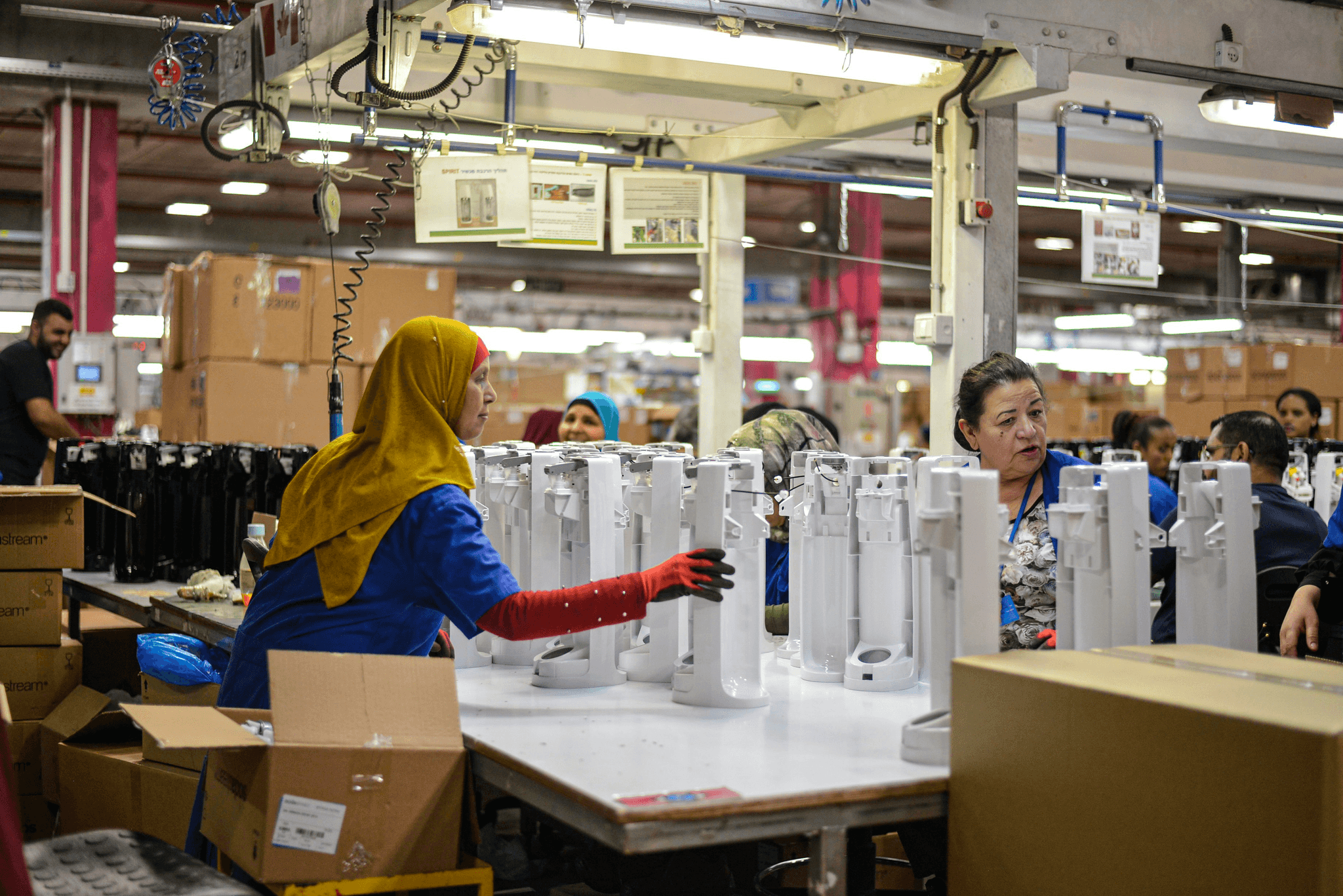
Without this access, inspectors may miss critical issues that could compromise the integrity of the final product. Thus, understanding the formal procedures for inspections and fostering cooperation with factories are essential steps in the inspection process.
Formal Procedures for Inspections
Product Inspection Companies operate under a set of formal procedures designed to facilitate thorough inspections. These procedures typically include pre-inspection meetings, where expectations and protocols are clearly outlined to both parties involved. By adhering to these structured processes, inspectors can ensure they cover all necessary areas while maintaining professionalism and respect for factory autonomy.
The importance of these formal procedures cannot be overstated; they provide a framework that helps avoid misunderstandings about what inspection companies can't do. For instance, without a clear agreement on inspection scope, factories might feel threatened or resistant to allowing access. Therefore, establishing formal protocols not only enhances transparency but also fosters a more collaborative atmosphere during inspections.
Importance of Factory Cooperation
Factory cooperation is vital when Product Inspection Companies seek full access during their assessments. When factories understand the value that inspections bring—such as improved quality control—they are more likely to collaborate openly with inspectors. This partnership approach ensures that both parties work towards common goals: delivering high-quality products while maintaining positive supplier relationships.
Moreover, when factories cooperate fully with inspection teams, it can lead to more efficient processes and quicker turnaround times for shipments. Miscommunication often arises from misunderstandings regarding what inspection companies actually do versus what factories believe they can dictate in terms of operations and access rights. By fostering an environment of trust and cooperation, potential conflicts over withholding or authorizing shipments can be mitigated effectively.
Case Study: China Inspection Pro’s Approach
China Inspection Pro exemplifies how effective collaboration can lead to successful outcomes in product inspections within complex manufacturing environments. Their approach emphasizes building strong relationships with factory management before any inspections take place—allowing them full access across all production areas without resistance or hesitation from the factory staff.
By implementing comprehensive assessments grounded in mutual respect and understanding, China Inspection Pro showcases what inspection companies actually do best: enhance quality while ensuring compliance with industry standards. Their method not only streamlines the inspection process but also minimizes legal threats or intimidation tactics that could arise if misunderstandings occur regarding their role in shipping decisions or authority limits.
In summary, gaining full access to all areas of a factory hinges on formal procedures and cooperative relationships between Product Inspection Companies and manufacturers alike—ultimately leading to better quality assurance practices across industries.
Withhold or Authorize a Shipment
In the world of manufacturing, the decision to withhold or authorize a shipment is often fraught with complexities. Product inspection companies play a crucial role in ensuring that products meet quality standards before they reach the market. However, it is essential to understand that these companies do not have the final say in shipping decisions; this responsibility ultimately lies with the manufacturers and importers.
The Chain of Responsibility
The chain of responsibility in product quality assurance is intricate and multi-layered. While product inspection companies provide valuable insights through their assessments, they are not positioned to make unilateral decisions regarding shipment authorization.
When an inspection company identifies issues during their evaluations, they communicate these findings to all parties involved in the supply chain. However, it remains up to manufacturers and importers to act on this information—whether that means addressing deficiencies before shipment or deciding whether risks are acceptable enough to proceed. Understanding this chain helps clarify what inspection companies can and cannot do within their scope of operations.
Inspection vs. Shipping Decisions
The distinction between inspection outcomes and shipping decisions can sometimes lead to confusion among stakeholders. Inspection companies focus on evaluating products against predefined standards; however, their role does not extend into managing logistics or making shipping choices. This separation is critical because it underscores that while inspections inform quality control processes, they do not dictate how businesses choose to handle shipments.
For instance, if an inspection reveals minor defects but the manufacturer decides that these do not compromise safety or functionality, they may still authorize shipment despite the findings. Such decisions rely heavily on internal risk assessments rather than solely on inspection reports from product inspection companies. Therefore, clear communication between all parties is vital for aligning expectations regarding what constitutes an acceptable level of risk.
Consequences of Miscommunication
Miscommunication in any aspect of manufacturing can lead to costly repercussions—especially when it comes time for shipment authorization. If product inspection companies provide unclear reports or if manufacturers misinterpret those findings, shipments could be delayed unnecessarily or authorized without proper oversight. These scenarios highlight why transparency and clarity are paramount in maintaining smooth operational flows within supply chains.
Moreover, poor communication can result in damaged relationships between suppliers and buyers if discrepancies arise post-shipment due to overlooked issues during inspections conducted by product inspection companies. Trust becomes strained when expectations are unmet because one party misunderstood another’s responsibilities or findings related to inspections versus shipping decisions. Thus, fostering open dialogue throughout every stage—from factory access during inspections through final shipping—is essential for preventing misunderstandings that could jeopardize business partnerships.
Threaten a Factory with Legal Action
In the world of manufacturing and quality control, the idea that Product Inspection Companies can wield legal threats against factories is a common misconception. While these companies play a crucial role in ensuring product quality, their authority does not extend into the realm of legal enforcement. Understanding the limitations of what inspection companies can do is essential for both manufacturers and clients to maintain healthy relationships and effective communication.
Legal Boundaries of Inspection Companies
Product Inspection Companies operate within specific legal frameworks that dictate their roles and responsibilities. They are primarily tasked with assessing product quality, compliance, and safety rather than enforcing contracts or threatening legal action against factories. This distinction is vital; while they can report issues or discrepancies, they lack the legal standing to impose penalties or initiate lawsuits on behalf of their clients.
Therefore, understanding what inspection companies can't do helps clarify their position within the supply chain—serving as advisors rather than enforcers.
The Risks of Intimidation Tactics
Resorting to intimidation tactics by threatening factories with legal action can backfire spectacularly for Product Inspection Companies. Such approaches not only damage relationships but also undermine trust between inspectors and manufacturers—a cornerstone for effective quality assurance processes. When trust erodes, cooperation diminishes, making it increasingly difficult for inspection companies to gain full access to all areas of a factory during assessments.
Moreover, intimidation can lead to miscommunication or even retaliation from factories who feel cornered by aggressive tactics. Instead of fostering an environment conducive to quality improvement, such actions may prompt factories to become defensive or uncooperative—ultimately hindering the very objectives that inspection companies aim to achieve.
Ethical Practices in Quality Assurance
Ethical practices are paramount in maintaining integrity within Product Inspection Companies and ensuring successful collaborations with suppliers and manufacturers alike. Rather than resorting to threats or intimidation, these companies should focus on transparent communication and constructive feedback when issues arise during inspections. By emphasizing collaboration over confrontation, they enhance product quality while building long-lasting relationships based on trust.
Additionally, adhering to ethical standards allows inspection companies to fulfill their true purpose: enhancing product compliance without compromising supplier relations or resorting to heavy-handed tactics like withholding or authorizing shipments based solely on fear-based strategies. Ultimately, embracing ethical practices leads not only to better outcomes for all parties involved but also reinforces the credibility of what inspection companies actually do in the industry.
What Inspection Companies Actually Do
When we think about Product Inspection Companies, it’s easy to get lost in the misconceptions surrounding their roles and capabilities. While some might assume they have the authority to make sweeping decisions, the reality is much more nuanced. These companies specialize in providing thorough assessments and detailed reports, which are crucial for maintaining quality standards in manufacturing.
Comprehensive Assessments and Reporting
One of the primary functions of Product Inspection Companies is conducting comprehensive assessments of products before they reach consumers. This involves examining everything from production processes to finished goods, ensuring that every item meets specified quality criteria. The resulting reports not only highlight areas that need improvement but also serve as a vital communication tool between manufacturers and buyers.
However, it’s essential to remember what inspection companies can't do; they cannot enforce changes or directly influence factory operations without cooperation from the manufacturer. This limitation underscores the importance of clear communication about expectations and standards during inspections. By providing detailed feedback, these companies help factories understand compliance requirements better and thus improve their overall production quality.
Enhancing Product Quality and Compliance
Product Inspection Companies play a pivotal role in enhancing product quality by identifying defects early in the manufacturing process. Their systematic approach ensures that any non-compliance issues are addressed before products are shipped out, reducing returns and enhancing customer satisfaction rates. With a focus on compliance with international standards, these inspections help manufacturers avoid costly mistakes related to regulatory breaches.
In this context, gaining full access to all areas of a factory becomes critical for effective inspections; without this access, inspectors may miss key issues that could lead to non-compliance later on. Additionally, when factories cooperate fully with inspection teams, they can better align their processes with best practices in quality assurance—ultimately leading to superior products on store shelves.
Building Trust with Suppliers
Product Inspection Companies act as intermediaries that foster trust by providing transparent reporting on product quality and compliance levels. When suppliers know they will be held accountable through rigorous inspections, they’re more likely to adhere strictly to quality standards.
Moreover, building strong relationships helps mitigate misunderstandings regarding shipping decisions or potential threats of legal action if issues arise—a concern many factories might have when dealing with external inspectors. By establishing open lines of communication and demonstrating commitment through thorough assessments, inspection companies can ease tensions and promote collaboration between manufacturers and importers alike.
Conclusion
In the world of manufacturing, understanding the role and limitations of Product Inspection Companies is crucial for maintaining quality control. Many misconceptions exist about what inspection companies can and cannot do, leading to unrealistic expectations among manufacturers and clients alike. By clarifying these boundaries, businesses can better navigate their relationships with suppliers and achieve more effective quality assurance.
Misconceptions About Inspection Authority
One of the most common misunderstandings is the belief that inspection companies have the authority to make binding decisions regarding a factory's operations or shipment processes. In reality, what inspection companies can't do includes withholding or authorizing a shipment without clear contractual agreements in place. This lack of authority highlights the need for open communication between all parties involved in the manufacturing process to ensure everyone understands their roles and responsibilities.
The Importance of Supplier Relationships
Building strong relationships with suppliers is essential for effective quality control and successful product delivery. When manufacturers recognize what inspection companies actually do—such as conducting thorough assessments and reporting findings—they can work collaboratively with their suppliers to enhance product quality. Trust between manufacturers and suppliers fosters an environment where both parties are more willing to cooperate, ultimately leading to better outcomes in inspections.
Making Informed Decisions for Quality Control
To ensure high-quality production, businesses must make informed decisions based on accurate information from inspections while acknowledging what inspection companies can't do. By gaining full access to all areas of a factory during inspections, manufacturers can better understand their products' compliance levels and identify any potential issues early on. Additionally, being aware of legal boundaries prevents any inclination to threaten a factory with legal action over disputes that could be resolved through dialogue rather than intimidation tactics.