
Introduction
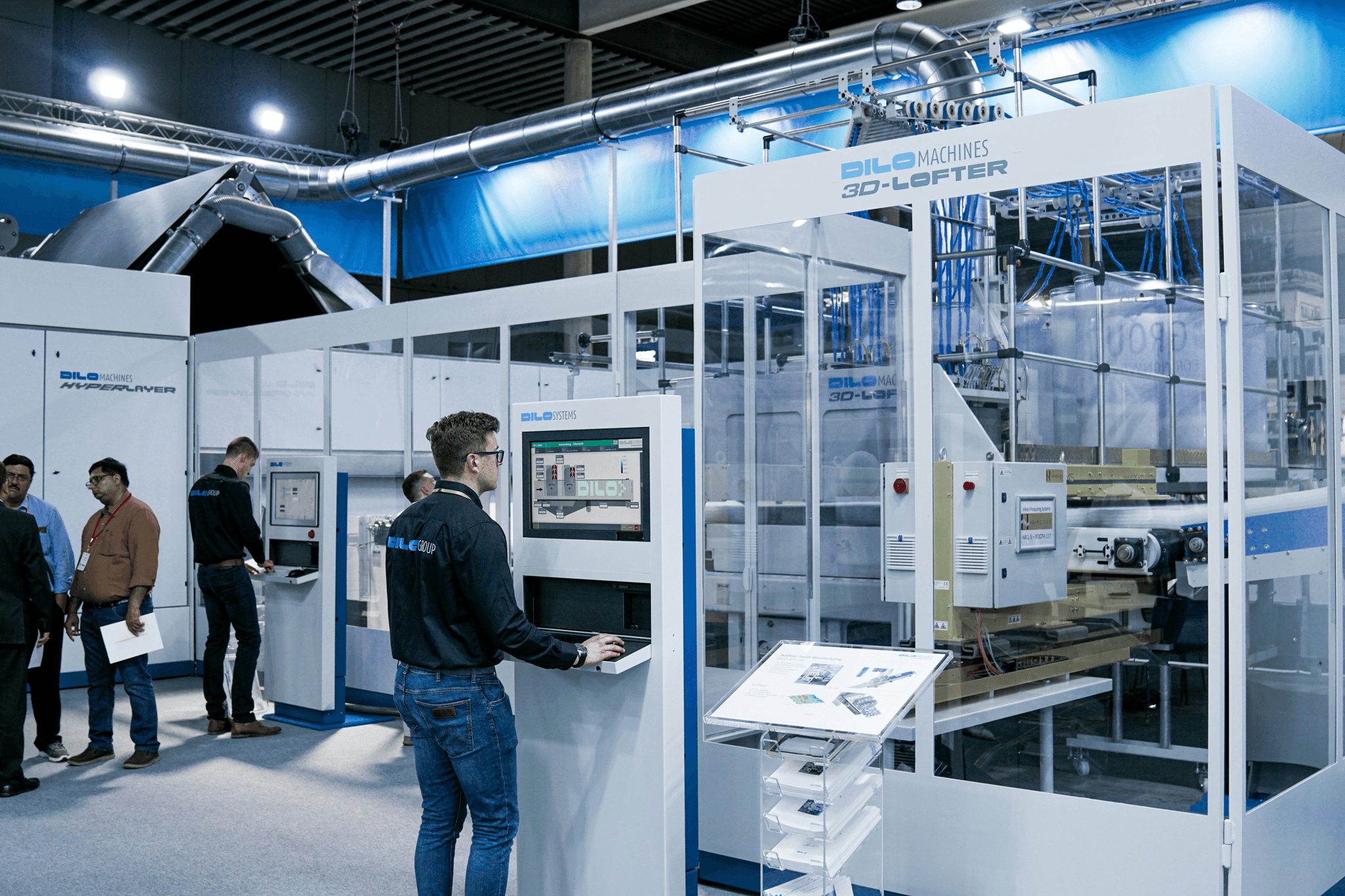
In the world of manufacturing, understanding product inspection outcomes is crucial for ensuring quality and compliance. Product inspection serves as a critical checkpoint in the production process, allowing companies to identify defects before products reach consumers. With the rise of industrial inspection systems and advanced manufacturing inspection equipment, businesses are better equipped to achieve reliable results.
Understanding Product Inspection Outcomes
Product inspection outcomes can significantly impact a company's reputation and bottom line. Whether it's through visual checks or sophisticated quality inspection systems, the results dictate whether a product meets industry standards and customer expectations. By grasping these outcomes, businesses can make informed decisions on how to proceed with their production lines.
The Importance of Inspection Results
The importance of inspection results cannot be overstated; they are the backbone of quality assurance in any manufacturing process. Quality inspection companies rely on accurate data from industrial inspection equipment to maintain high standards and prevent costly recalls or rework. Ultimately, these results not only safeguard consumer trust but also bolster a company’s market position.
What Does Pending Mean?
When it comes to product inspections, encountering a “pending” result can raise eyebrows and questions alike. This term indicates that further evaluation is necessary before a final decision can be made regarding product quality. Understanding what “pending” means in this context is essential for navigating potential pitfalls in the quality control process effectively.
Overview of Product Inspection
Product inspection is a critical component in ensuring that manufactured goods meet quality standards before they reach consumers. In the world of manufacturing, having reliable inspection equipment and systems is not just beneficial; it's essential for maintaining brand reputation and customer satisfaction. This section will delve into the role of manufacturing inspection equipment, types of quality inspection systems, and the key benefits of industrial inspection systems.
Role of Manufacturing Inspection Equipment
Manufacturing inspection equipment serves as the backbone for effective product inspections, helping companies verify that their products adhere to established quality standards. These tools can range from simple gauges to advanced imaging technologies that detect defects invisible to the naked eye. By integrating sophisticated industrial inspection equipment into their processes, quality inspection companies can enhance accuracy and efficiency in identifying potential issues before products leave the factory.
In addition to improving detection rates, manufacturing inspection equipment streamlines workflow by automating repetitive tasks that would otherwise consume valuable time and resources. This not only speeds up production but also minimizes human error, which can lead to costly mistakes down the line. Ultimately, investing in high-quality manufacturing inspection equipment is a smart move for any company serious about delivering top-notch products.
Types of Quality Inspection Systems
When it comes to quality assurance in manufacturing, various types of quality inspection systems are available to cater to different needs and industries. Common examples include visual inspections, automated optical inspections (AOI), and non-destructive testing (NDT), each serving unique functions in identifying flaws or inconsistencies in products. Understanding these systems allows companies to choose the right tools based on their specific requirements.
Visual inspections may involve trained personnel examining items for obvious defects while automated optical inspections employ cameras and software algorithms for faster analysis. Non-destructive testing is particularly vital for sensitive components where damage could compromise integrity; it allows inspectors to evaluate materials without causing harm. By utilizing a mix of these quality inspection systems, businesses can create a comprehensive strategy that covers all bases when it comes to product integrity.
Key Benefits of Industrial Inspection Systems
Implementing industrial inspection systems offers numerous advantages that extend beyond mere compliance with regulations or standards; they foster a culture of continuous improvement within organizations. For starters, these systems significantly reduce waste by catching defects early in production processes—saving both time and money associated with rework or returns due to faulty goods. This proactive approach ensures higher customer satisfaction levels as well since consumers receive only high-quality products.
Moreover, industrial inspection systems provide invaluable data analytics capabilities that enable manufacturers to identify trends over time—allowing them not just reactively address issues but also proactively prevent them from arising again in future batches. By leveraging this information effectively through strategic decision-making processes involving stakeholders across departments like engineering or supply chain management, companies can continuously refine their operations toward excellence.
Lastly—and perhaps most importantly—industrial inspection systems enhance overall safety within work environments by minimizing hazards related specifically tied back defective items reaching end-users who might be put at risk otherwise! With robust checks implemented throughout production lines thanks largely due reliance on advanced technologies available today coupled alongside traditional methods still employed where necessary—businesses stand poised achieve remarkable outcomes while ensuring peace mind both internally externally alike!
The Meaning of a Pending Result

In the realm of product inspection, a pending result can be a source of anxiety and confusion for quality inspection companies and their clients. Understanding what triggers these results is crucial for maintaining trust in the manufacturing process. It's not just about waiting; it's about deciphering what that pending really means in terms of quality assurance.
What Triggers a Pending Result?
A pending result typically arises from discrepancies during the evaluation process using manufacturing inspection equipment or quality inspection systems. For instance, if the industrial inspection equipment detects anomalies that are neither clearly acceptable nor outright failures, it may flag the result as pending. Furthermore, issues such as insufficient sample size or inconsistencies in testing methods can also trigger this ambiguous status, leaving teams to question the reliability of their findings.
Implications for Quality Inspection Companies
For quality inspection companies, pending results can significantly impact workflow and client relationships. When inspections yield a pending status, it often leads to delays in product approvals and can create bottlenecks in production lines reliant on timely feedback from industrial inspection systems. This uncertainty may strain relationships with suppliers who rely on clear communication regarding product quality and timelines.
The Process Following a Pending Result
Once a pending result is identified, it's essential to follow a structured process to resolve it effectively. Quality control teams must first conduct further analysis using advanced manufacturing inspection equipment to clarify the initial findings. This might involve re-testing samples or reviewing data from previous inspections to ensure that all angles are covered before communicating outcomes back to stakeholders involved in the quality inspection systems.
Common Causes of Pending Results
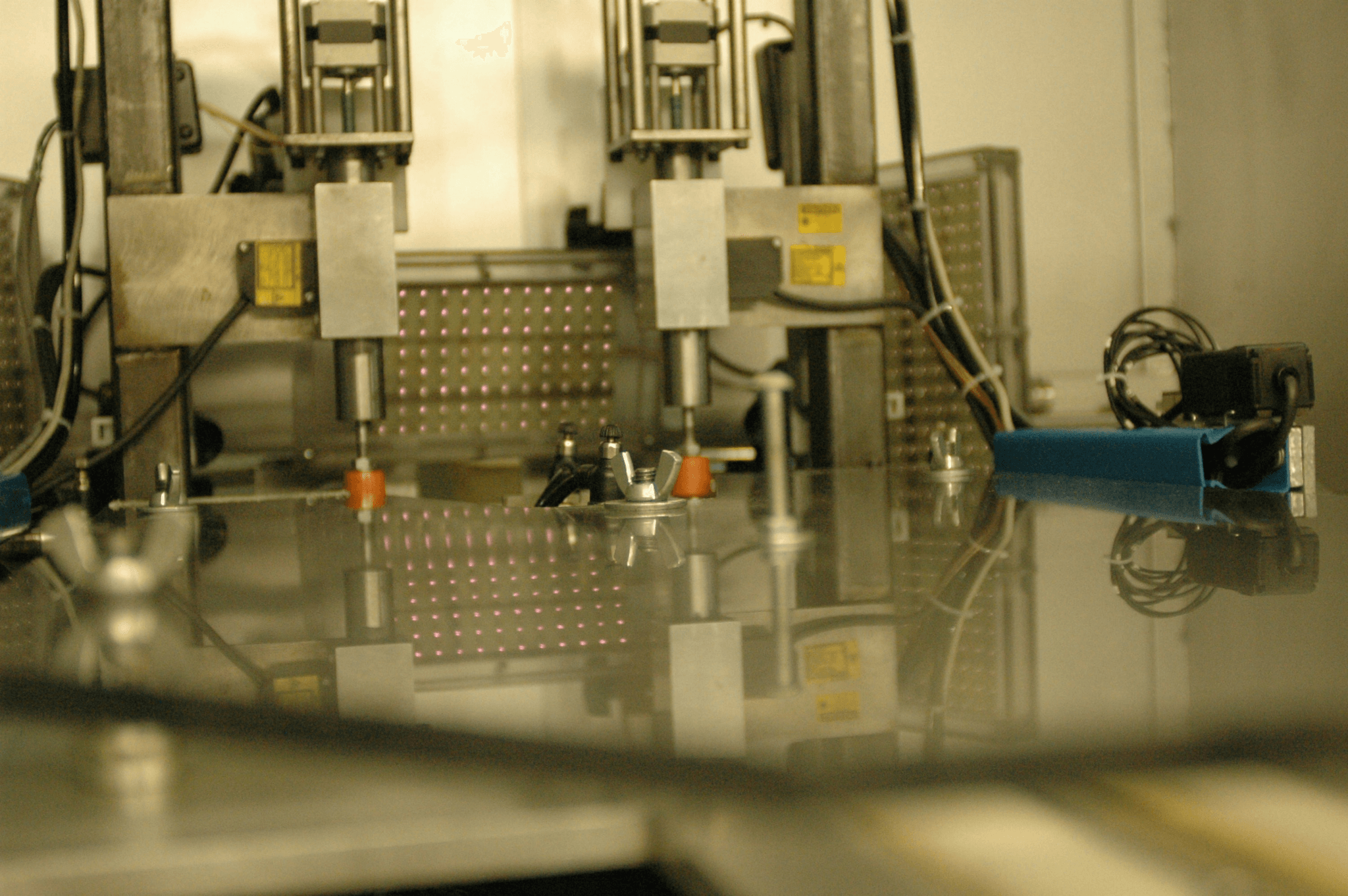
In the realm of product inspection, pending results can often feel like a black cloud hovering over the quality assurance process. Understanding the common causes behind these uncertainties is crucial for quality inspection companies aiming to maintain high standards. By identifying and addressing these issues, teams can mitigate risks and enhance overall inspection outcomes.
Inconsistencies in Industrial Inspection Equipment
One of the primary culprits behind pending results is inconsistencies in industrial inspection equipment. When manufacturing inspection equipment is not calibrated correctly or experiences wear and tear, it can lead to unreliable readings that leave quality assurance teams scratching their heads. These discrepancies may result in products being flagged as pending, causing delays that ripple through supply chains and disrupt production schedules.
Moreover, outdated technology can also contribute to these inconsistencies. Quality inspection systems that rely on older methodologies may lack the precision required for today's complex manufacturing processes. As a result, organizations must invest in modern industrial inspection equipment to ensure accurate assessments and minimize the risk of pending outcomes.
Issues with Sample Size and Selection
Another common cause of pending results stems from problems related to sample size and selection during product inspections. Quality control teams often face challenges when determining how many samples are needed to represent an entire batch accurately. If the sample size is too small or not representative of the overall production run, it can lead to inconclusive findings that result in a pending status.
Additionally, biases in sample selection can exacerbate this issue further. For example, if inspectors inadvertently choose samples from only one section of a production line known for higher quality output, they may miss defects present elsewhere. The importance of using statistically valid sampling methods cannot be overstated; otherwise, quality inspection companies risk receiving misleading results that hinder effective decision-making.
Challenges in Quality Inspection Methodologies
The methodologies employed during inspections also play a significant role in determining whether results are classified as pending or final. Some quality inspection systems may lack robust protocols for identifying defects or variations within products effectively. This inadequacy can lead to uncertainty about whether a product meets specified standards or requires further evaluation before clearance.
Furthermore, evolving industry standards necessitate constant updates to existing methodologies within quality inspection companies. Failure to adapt can lead inspectors down outdated paths where critical defects go unnoticed until it's too late—resulting in those dreaded pending results once again! Continuous training and improvement are essential for maintaining effective practices within industrial inspection systems.
Navigating Pending Results

Navigating the murky waters of pending results can be a daunting task for any quality control team. However, with the right strategies and effective communication, the uncertainty surrounding product inspection outcomes can be significantly reduced. By employing robust methods and leveraging data effectively, teams can transform pending results into actionable insights that enhance overall quality.
Strategies for Quality Control Teams
Quality control teams need to adopt proactive strategies to tackle pending results head-on. First and foremost, regular training on the latest manufacturing inspection equipment and quality inspection systems is essential, ensuring that all team members are well-versed in identifying potential issues early on. Additionally, implementing standardized procedures for handling pending results can streamline responses and minimize delays in decision-making.
Another effective strategy involves conducting thorough reviews of industrial inspection systems to pinpoint any inconsistencies or potential failures in the process. By analyzing past cases of pending results, teams can develop best practices that address common pitfalls associated with industrial inspection equipment. This continuous improvement mindset not only helps resolve current issues but also fortifies future inspections against similar challenges.
Lastly, fostering a culture of collaboration within quality control teams is vital for navigating pending outcomes efficiently. Encouraging open discussions about challenges faced during inspections allows team members to share insights and collectively brainstorm solutions. This collaborative approach enhances problem-solving capabilities and ultimately leads to more reliable product inspection outcomes.
Communicating with Suppliers Effectively
Effective communication with suppliers is crucial when dealing with pending results from product inspections. Establishing clear channels of communication ensures that both parties understand expectations regarding quality standards and timelines for resolution. Regular updates on the status of inspections foster transparency and build trust between quality inspection companies and their suppliers.
Quality control teams should adopt a proactive stance when communicating about pending results by providing detailed feedback on specific issues identified during inspections using industrial inspection systems. This constructive dialogue enables suppliers to understand precisely what adjustments are necessary to meet quality standards moving forward. Moreover, involving suppliers in discussions about potential improvements creates a sense of partnership rather than adversarial tension.
Finally, it’s essential to document all communications regarding pending results meticulously; this creates a record that both parties can refer back to when needed. Such documentation not only aids in tracking progress but also serves as an invaluable resource during future negotiations or assessments related to manufacturing inspection equipment performance or product quality.
Using Data to Support Decision-Making
In today's data-driven world, leveraging analytics is key when navigating pending results from product inspections. Quality control teams should utilize data collected from various industrial inspection systems to identify trends or recurring issues contributing to these uncertain outcomes. By analyzing historical data alongside real-time metrics from manufacturing inspection equipment, teams can make informed decisions based on solid evidence rather than conjecture.
Additionally, visualizing this data through dashboards or reports enhances understanding among stakeholders involved in the decision-making process related to quality assurance efforts within a company or industry sector at large. Clear visual representations help communicate complex information succinctly while highlighting critical areas requiring attention—such as specific types of defects commonly associated with certain products inspected under varying conditions.
Lastly, integrating predictive analytics into decision-making processes allows organizations to anticipate potential problems before they escalate into significant concerns leading toward further delays in production timelines due solely upon unresolved matters stemming from previous rounds concerning product inspections performed earlier down the line!
The Path to Resolution
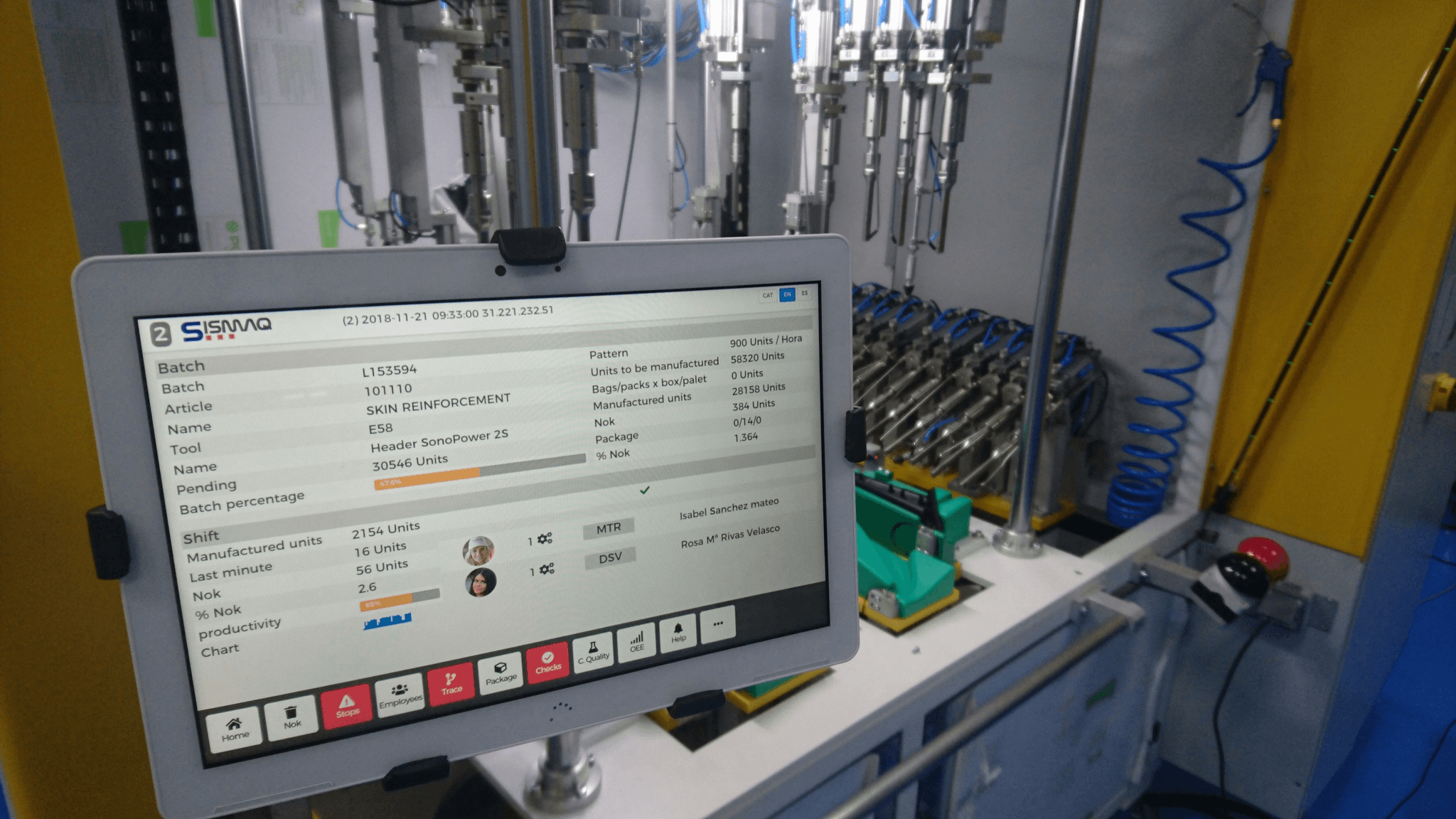
Navigating the complexities of pending results in product inspection can feel like trying to find a needle in a haystack. However, with a systematic approach and the right resources, clarity can be achieved. This section outlines the essential steps to resolve pending results effectively.
Steps to Clarify Pending Results
The first step in clarifying pending results is to conduct a thorough review of the data collected during the inspection process. Quality inspection systems should provide detailed insights into what may have triggered a pending status, allowing teams to identify inconsistencies or gaps in the data. Following this analysis, it’s crucial to engage relevant stakeholders—including quality control teams and suppliers—to discuss findings and gather additional context that may shed light on the situation.
Once initial assessments are completed, implementing a follow-up inspection using reliable manufacturing inspection equipment can help confirm or refute initial findings. This proactive approach not only helps clarify uncertainties but also reinforces trust among all parties involved in the quality assurance process. Finally, documenting all steps taken during this clarification phase ensures transparency and provides valuable insights for future inspections.
Role of China Inspection Pro in the Process
China Inspection Pro plays an instrumental role in navigating pending results by providing specialized expertise and resources tailored to industrial inspection systems. Their trained professionals utilize advanced industrial inspection equipment that enhances accuracy and reliability during inspections, minimizing potential discrepancies that could lead to pending outcomes. Additionally, they offer comprehensive support throughout the resolution process, assisting companies in understanding their specific challenges related to product inspection.
By leveraging China Inspection Pro’s extensive network and knowledge base, companies can gain access to best practices that streamline their quality inspection methodologies. This collaboration fosters effective communication between manufacturers and quality inspection companies, ensuring everyone is aligned on expectations and outcomes moving forward. Ultimately, China Inspection Pro acts as a bridge between manufacturers and inspectors—facilitating smoother resolutions for any issues arising from pending results.
Implementing Recommendations for Improvement
After clarifying pending results with precision and support from experts like China Inspection Pro, it's time for action—implementing recommendations for improvement is crucial for long-term success in product inspections. Companies should develop an action plan based on identified shortcomings within their quality inspection systems or methodologies used during previous inspections. This may involve investing in new manufacturing inspection equipment or refining existing processes to ensure they align with industry standards.
Training staff on updated protocols is equally important; equipping teams with knowledge about best practices enhances overall effectiveness when conducting future inspections. Regular audits of industrial inspection systems also contribute significantly by identifying areas needing further refinement before they lead to another round of pending results down the line.
In summary, addressing pending outcomes requires diligence at every step—from initial clarification through expert collaboration—all while continually striving toward improvement within your organization’s quality framework.
Conclusion
In the realm of product inspection, timely outcomes are not just a luxury; they are a necessity. Manufacturers and quality inspection companies rely heavily on efficient inspection systems to ensure that products meet set standards before they reach consumers. Delays in inspection results can lead to costly repercussions, making it vital for industrial inspection systems to deliver prompt and accurate evaluations.
The Importance of Timely Inspection Outcomes
Timely inspection outcomes can significantly impact production schedules and overall business efficiency. When manufacturing inspection equipment delivers results without delay, it allows quality control teams to address any issues immediately, reducing downtime and enhancing productivity. Ultimately, swift feedback from quality inspection systems fosters trust with suppliers and customers alike, solidifying relationships in the competitive marketplace.
Lessons Learned from Pending Results
Pending results serve as crucial indicators for quality inspection companies, highlighting areas that may require further investigation or improvement. These results often reveal underlying problems with industrial inspection equipment or methodologies that need addressing to prevent future discrepancies. By analyzing pending outcomes, organizations can refine their processes, ensuring that their quality control measures evolve alongside industry standards.
Improving Quality Through Effective Inspections
To improve quality through effective inspections, companies must invest in advanced industrial inspection systems that enhance accuracy and reliability. This involves not only upgrading manufacturing inspection equipment but also training staff on best practices in quality assessment techniques. By fostering a culture of continuous improvement and leveraging data-driven insights from past inspections, businesses can consistently elevate their product offerings while minimizing the chances of encountering pending results.