
Introduction

In today's fast-paced business environment, the role of quality control has never been more crucial. Companies are constantly striving to meet consumer demands while ensuring that their products maintain a standard of excellence. Understanding why quality control is important not only helps businesses avoid costly mistakes but also fosters trust and loyalty among customers.
The Role of Quality Control in Business
Quality control plays a pivotal role in maintaining the integrity and reliability of products or services offered by a business. It encompasses various processes designed to ensure that every aspect of production aligns with established standards and guidelines. By implementing effective quality control measures, businesses can significantly reduce the risk of defects, thereby enhancing overall operational efficiency.
Why Quality Control is Important for Your Brand
The importance of quality control extends beyond mere compliance; it directly impacts brand reputation and customer satisfaction. When consumers receive products that consistently meet or exceed their expectations, they are more likely to become repeat customers and advocates for your brand. In contrast, overlooking quality control can lead to negative reviews, returns, and ultimately damage your brand’s image.
An Overview of Quality Control Types
There are several types of quality control that businesses can implement to ensure product excellence. From process control in manufacturing to statistical quality control techniques, each type serves a specific purpose in identifying and addressing potential issues before they escalate into larger problems. By understanding these types of quality control, companies can better tailor their strategies to fit their unique operational needs.
Understanding Quality Control

Quality control is not just a buzzword; it’s the backbone of any successful business. It encompasses various processes and practices designed to ensure that products meet certain standards of quality. By understanding the nuances of quality control, businesses can better appreciate why quality control is important for their operations and overall brand health.
Defining Quality Control
Quality control refers to the systematic processes that organizations implement to maintain and enhance the quality of their products or services. This involves setting standards, measuring performance against those standards, and making adjustments as necessary to ensure compliance. In essence, it’s about creating a culture where every team member is invested in delivering top-notch results, which directly ties into the benefits of quality control—like increased customer loyalty and reduced waste.
The Importance of Quality in Products
When customers invest in a product, they expect it to perform as promised; anything less can lead to dissatisfaction and lost trust. This is why quality is paramount—consistently high-quality products not only satisfy customer needs but also foster long-term relationships with consumers. Moreover, companies that prioritize quality often see significant financial returns, proving once again why quality control is important for sustaining business success.
Quality Control Problems and Solutions
Even with robust systems in place, businesses may encounter various quality control problems that can hinder performance and profitability. Common issues include inconsistent product performance, supplier-related defects, or even internal miscommunication regarding standards. Fortunately, identifying these problems early on allows companies to implement effective solutions—such as enhanced training programs or better supplier vetting—that ensure adherence to established types of quality control methods.
Types of Quality Control
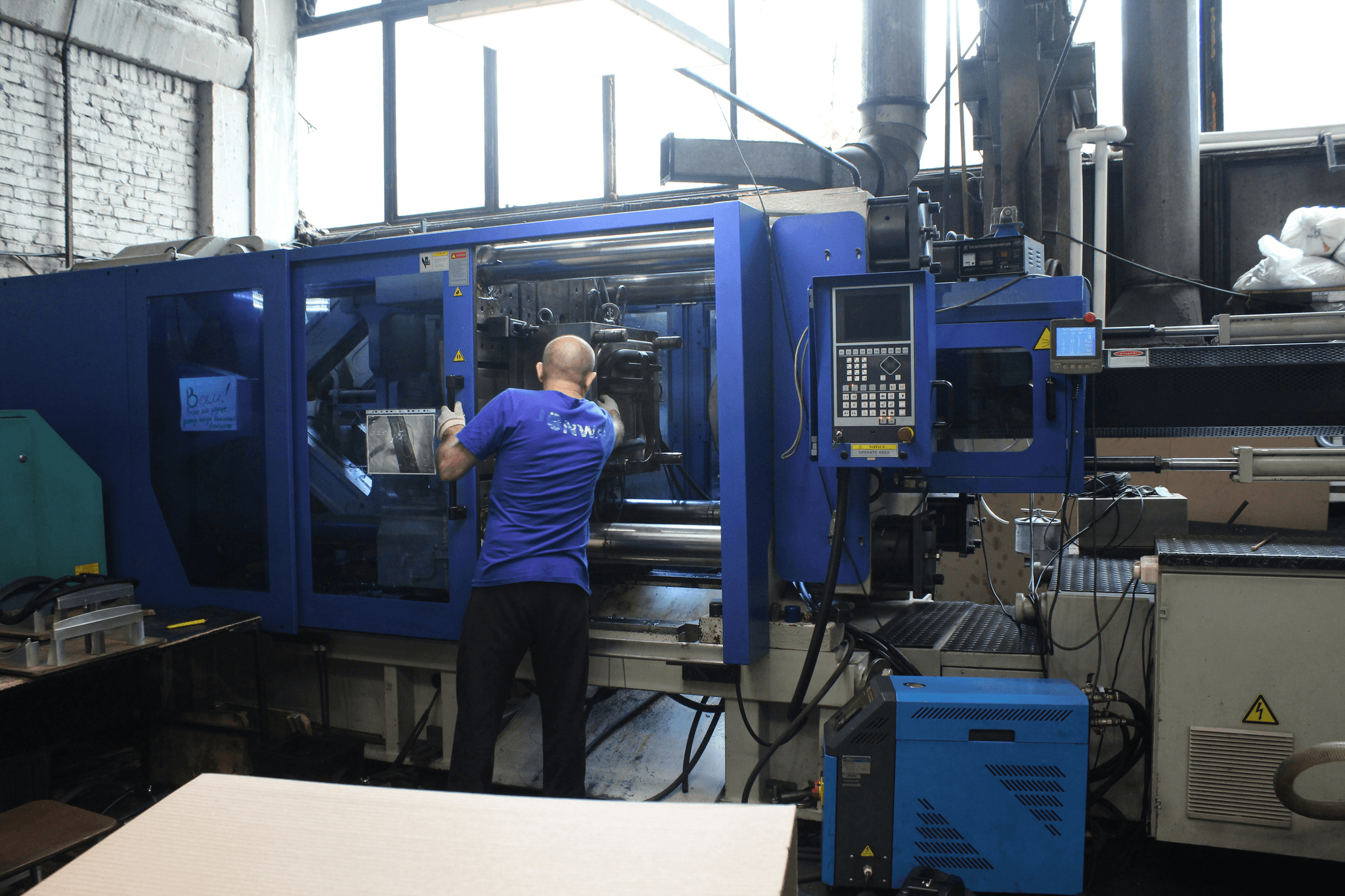
Quality control is a multifaceted approach that ensures products meet certain standards and specifications. Understanding the various types of quality control is essential for businesses aiming to enhance their operational efficiency and customer satisfaction. Each type plays a crucial role in addressing quality control problems and providing effective solutions.
Process Control in Manufacturing
Process control in manufacturing involves monitoring and managing production processes to maintain quality standards consistently. This method allows manufacturers to identify variations that may lead to defects, thereby ensuring that products are produced within specified tolerances. By implementing process control, companies can significantly reduce waste and improve overall efficiency, illustrating why quality control is important for maintaining competitive advantage.
Incorporating real-time data analysis into process control helps businesses make informed decisions quickly. This proactive approach not only minimizes the chances of defects but also enhances the ability to respond swiftly to any quality issues that arise during production. Ultimately, effective process control contributes to the broader benefits of quality control by improving product reliability and customer trust.
Statistical Quality Control Techniques
Statistical Quality Control (SQC) techniques utilize statistical methods to monitor and manage product quality throughout the manufacturing process. These techniques include tools like control charts, process capability analysis, and sampling plans, which help businesses understand variations in their processes quantitatively. By applying SQC methods, organizations can pinpoint areas needing improvement while also demonstrating why quality control is important for long-term success.
The beauty of SQC lies in its ability to provide empirical evidence regarding product performance and consistency over time. This data-driven approach not only helps identify trends but also equips teams with actionable insights for continuous improvement efforts—an essential aspect of addressing common quality control problems effectively. When implemented correctly, these statistical techniques lead to significant cost savings while enhancing overall product quality.
The Role of Inspection and Testing
Inspection and testing are critical components of any robust quality control system, serving as the final checkpoints before products reach consumers. These processes ensure that every item meets predefined standards by evaluating them against specific criteria through rigorous testing methods or visual inspections. Understanding this role underscores why quality control is important as it directly impacts customer satisfaction by delivering reliable products.
Moreover, regular inspection processes help identify potential defects early on, allowing companies to implement corrective actions before issues escalate into larger problems—demonstrating how proactive measures can mitigate risks associated with poor-quality outputs effectively. This systematic approach not only safeguards brand reputation but also reinforces the benefits of quality control by fostering a culture focused on excellence within organizations.
To sum up, each type of quality control—from process management through statistical analysis to thorough inspection—plays an integral part in ensuring high-quality outputs that resonate with consumers’ expectations while navigating potential challenges efficiently.
Benefits of Quality Control
Quality control is not just a buzzword; it’s the backbone of any successful business strategy. Understanding why quality control is important can illuminate how it directly impacts customer satisfaction, operational efficiency, and brand reputation. The benefits of quality control are far-reaching, making it an essential focus for organizations aiming to thrive in competitive markets.
Enhancing Customer Satisfaction
When products meet or exceed customer expectations, satisfaction levels soar. Quality control ensures that every product delivered aligns with the standards promised to consumers, creating trust and loyalty. By prioritizing quality, businesses can effectively address common quality control problems and solutions, leading to happier customers who are more likely to return.
Moreover, satisfied customers often become brand advocates, sharing their positive experiences through word-of-mouth or social media. This organic promotion feeds into a cycle where enhanced customer satisfaction drives sales growth and market presence. Ultimately, understanding why quality control is important helps businesses realize that happy customers lead to sustainable success.
Reducing Costs through Efficiency
One of the less obvious benefits of quality control is its ability to reduce costs significantly by improving efficiency throughout the production process. When companies implement effective types of quality control measures—such as process controls and statistical techniques—they can identify inefficiencies early on. This proactive approach minimizes waste and reduces rework costs associated with poor-quality products.
In addition to saving money on materials and labor, efficient operations often lead to faster turnaround times for orders. This efficiency not only improves profit margins but also enhances customer satisfaction by delivering products promptly and reliably. Thus, understanding why quality control is important reveals its role in streamlining processes while ensuring high-quality outputs.
Improving Brand Reputation
A strong commitment to quality can elevate a brand's reputation in ways that marketing alone cannot achieve. When consumers recognize a company for its consistent delivery of high-quality products or services, they are more likely to develop brand loyalty over time. This reputation becomes invaluable as it differentiates a business from competitors who may struggle with common quality control problems.
Furthermore, an excellent reputation built on reliable products attracts new customers and opens doors for partnerships with other reputable firms—essentially expanding market reach without significant additional investment in advertising strategies. Therefore, understanding why quality control is important extends beyond immediate financial gains; it lays the foundation for long-term success through enhanced brand equity.
Quality Control Challenges

Quality control is not without its hurdles, and understanding these challenges is crucial for any brand striving for excellence. Identifying common quality control problems can save time, resources, and reputation. By addressing these issues head-on, businesses can reap the benefits of quality control and ensure a high standard across their products.
Common Quality Control Problems
One of the most prevalent quality control problems is inconsistency in product output. This inconsistency can stem from variations in raw materials or manufacturing processes, leading to customer dissatisfaction. Additionally, a lack of proper training among staff can result in errors that compromise product quality, underscoring why quality control is important for maintaining standards.
Another issue often encountered is inadequate inspection processes that fail to catch defects before products reach consumers. This oversight not only affects customer trust but also increases costs associated with returns and repairs. Moreover, companies may struggle with outdated technology or methods that do not align with modern expectations of efficiency—highlighting the need to adapt types of quality control to current industry standards.
Lastly, communication breakdowns within teams can lead to misunderstandings about quality expectations and requirements. When departments are not aligned on what constitutes acceptable quality levels, it creates a ripple effect throughout production cycles. Thus, recognizing these common problems allows businesses to implement targeted solutions effectively.
How to Identify Quality Issues
Identifying quality issues requires a proactive approach that combines both quantitative and qualitative assessments. Regularly reviewing production data through statistical analysis helps pinpoint trends or anomalies that may indicate underlying problems in the manufacturing process. Furthermore, soliciting feedback from customers provides invaluable insights into their experiences with your products—reinforcing why quality control is important for continuous improvement.
Conducting routine inspections at various stages of production allows teams to catch defects early on before they escalate into larger issues down the line. Implementing checklists during inspections ensures that every aspect of the product meets established standards—making it easier to identify deviations from expected performance levels quickly. In addition, fostering an open culture where employees feel empowered to report potential issues can significantly enhance the identification process.
Finally, utilizing technology such as automated monitoring systems can streamline detection efforts by providing real-time data on product performance and compliance with specifications. These systems enable brands to act swiftly when discrepancies arise while reinforcing the importance of effective types of quality control practices across all operations.
Solutions for Effective Quality Management
To combat common quality control problems effectively, organizations must adopt comprehensive strategies tailored to their specific needs and challenges. One solution involves investing in advanced training programs for employees focused on best practices in production techniques and inspection protocols—ensuring everyone understands why quality control is important at every level of operation.
Implementing robust documentation practices helps create consistency across production processes by establishing clear guidelines for each stage—from material selection through final inspections—and allowing easy reference when issues arise later on. Moreover, integrating modern technologies such as machine learning algorithms or IoT devices enables businesses to analyze vast amounts of data efficiently while identifying patterns indicative of potential failures.
Finally, fostering a culture centered around continuous improvement encourages teams not just to meet but exceed established benchmarks over time; this commitment ultimately enhances brand reputation and customer satisfaction—a testament to the benefits of effective quality management initiatives in action.
Quality Control in Global Business
In today's interconnected world, quality control transcends borders, making it a critical component for businesses operating on a global scale. Understanding why quality control is important becomes even more vital when navigating diverse markets with varying expectations and standards. By implementing robust quality control measures, companies not only safeguard their reputation but also enhance customer satisfaction across different regions.
The Impact of Global Standards
Global standards play a pivotal role in shaping the landscape of quality control, ensuring that products meet consistent criteria regardless of where they are manufactured. These standards help mitigate Quality Control Problems and Solutions by providing clear guidelines that facilitate compliance and reduce variability in product quality. When businesses adhere to these international benchmarks, they can reap the Benefits of Quality Control by fostering trust among consumers worldwide.
Moreover, aligning with global standards allows companies to streamline their operations and improve efficiency, ultimately leading to cost savings. This alignment is particularly crucial for brands looking to expand into new markets; understanding these standards can prevent costly recalls or reputational damage due to subpar products. Thus, recognizing the impact of global standards is essential for any business aiming for long-term success in international markets.
Collaborating with China Inspection Pro
When it comes to ensuring product quality from overseas suppliers, partnering with specialized firms like China Inspection Pro can be a game-changer. This collaboration helps businesses address common Quality Control Problems and Solutions by providing expert insights into local manufacturing practices and compliance requirements. By leveraging their expertise, companies can implement effective Types of Quality Control that cater specifically to their supply chain dynamics.
Working with such agencies not only enhances product inspection processes but also builds stronger relationships between manufacturers and retailers. This synergy fosters an environment where continuous improvement is prioritized—essentially creating a feedback loop that drives better outcomes over time. Ultimately, this partnership reinforces why quality control is important; it ensures that every product meets rigorous standards before reaching the consumer.
Furthermore, collaborating with professionals who understand the local landscape enables businesses to navigate potential pitfalls related to cultural differences in quality perceptions effectively. By embracing these insights, companies can adapt their strategies accordingly while maintaining high-quality outputs that resonate with diverse audiences globally.
Navigating Cultural Differences in Quality
Cultural nuances significantly influence how various regions perceive quality; thus, understanding these differences is crucial for effective global business practices. For example, what may be considered acceptable in one country could be viewed as subpar in another—this highlights why quality control is important on an international scale. Businesses must recognize these disparities when developing their quality assurance protocols to ensure they align with local expectations.
Moreover, acknowledging cultural differences allows organizations to tailor their communication strategies regarding Types of Quality Control more effectively—ensuring clarity and transparency throughout the supply chain process. By fostering an awareness of these distinctions among teams involved in production and distribution channels, companies can proactively address potential misunderstandings related to product specifications or performance metrics.
In summary, successfully navigating cultural differences enhances overall brand reputation while minimizing risks associated with miscommunication about product quality expectations—ultimately contributing positively towards achieving long-term business objectives through effective quality management practices.
Conclusion
In the ever-evolving landscape of business, understanding the essence of quality control is paramount. The long-term importance of quality control extends beyond mere compliance; it shapes customer perceptions and ultimately drives brand loyalty. By prioritizing quality control, businesses can ensure that their products consistently meet expectations, fostering trust and reliability among consumers.
The Long-Term Importance of Quality Control
Why quality control is important cannot be overstated; it serves as the backbone of any successful enterprise. Businesses that embrace robust quality control processes not only enhance product reliability but also minimize costly errors and recalls. This proactive approach to maintaining standards translates into significant benefits, including improved customer satisfaction and a solid reputation in the market.
Adapting Quality Control for Future Needs
As industries evolve, so too must our understanding of the types of quality control we employ. Companies need to remain agile, integrating new technologies and methodologies into their quality management systems to keep pace with changing consumer demands and global standards. By adapting quality control practices for future needs, businesses can harness innovations that further streamline processes while addressing potential quality control problems and solutions effectively.
Taking Action for Continuous Improvement
To truly reap the benefits of quality control, organizations must commit to continuous improvement initiatives that regularly assess their processes and outcomes. This involves not just identifying existing issues but also implementing strategies that foster a culture of excellence throughout the organization. Taking action now will ensure that businesses remain competitive by reinforcing why quality control is important in every aspect—from production to customer service.