
Introduction
In today’s fast-paced world, ensuring quality and safety in products and services is paramount. This is where 3rd party inspection comes into play, providing an unbiased evaluation that enhances trust across various sectors. Understanding the intricacies of third party inspection can empower businesses to make informed decisions regarding their quality assurance processes.
Understanding Third-Party Inspection
Third-party inspection refers to an independent assessment conducted by a qualified organization not directly involved in the production or service delivery process. This method ensures objectivity, as the inspections department operates free from potential conflicts of interest that may arise with in-house evaluations. By leveraging third party inspection services, companies can gain valuable insights into compliance with industry standards and regulations.
The Importance of Inspections in Various Industries
Inspections are critical across numerous industries, including construction, manufacturing, and food safety. They serve as a safeguard against subpar products and practices that could endanger consumers or lead to costly recalls. In fact, utilizing a reliable inspection website can help businesses stay informed about best practices and regulatory changes relevant to their sector.
Overview of the Third-Party Inspection Process
The third-party inspection process typically begins with a thorough planning phase where objectives are defined based on client needs and industry requirements. Following this, an on-site inspection is conducted to assess compliance through direct observation and documentation review. Finally, results are compiled into a comprehensive report that outlines findings and recommendations for improvement—essentially forming the backbone of effective quality assurance strategies.
What is Third-Party Inspection?

Understanding the essence of third-party inspection is crucial for anyone involved in quality assurance across various industries. Essentially, third-party inspection refers to the evaluation and verification of products, services, or processes conducted by an independent organization that is not directly associated with either the buyer or seller. This impartiality helps ensure that inspections are objective and unbiased, which enhances trust in the results.
Definition of Third-Party Inspection
Third-party inspection can be defined as an assessment performed by a qualified entity that specializes in evaluating compliance with industry standards and regulations. These inspections are typically conducted on-site to ensure that products meet specified criteria before reaching consumers or clients. By employing third-party inspection services, companies can mitigate risks associated with product quality and safety while maintaining transparency throughout their supply chain.
Roles and Responsibilities of Inspection Bodies
Inspection bodies play a pivotal role in the third-party inspection process, acting as intermediaries between manufacturers and consumers. Their responsibilities include conducting thorough assessments, issuing reports on findings, and certifying compliance with relevant standards. Furthermore, these organizations must remain impartial and objective to foster trust; they often maintain strict codes of conduct to uphold their credibility within various industries.
Comparison with In-House Inspections
When comparing third-party inspections to in-house inspections, several key differences emerge that can impact decision-making for businesses. In-house inspections may lack the objectivity provided by external inspectors; this can lead to potential biases or conflicts of interest when assessing product quality or safety standards. Conversely, 3rd party inspection services offer an unbiased perspective that enhances credibility while often providing specialized expertise not available within an organization's own inspections department.
The Third-Party Inspection Process
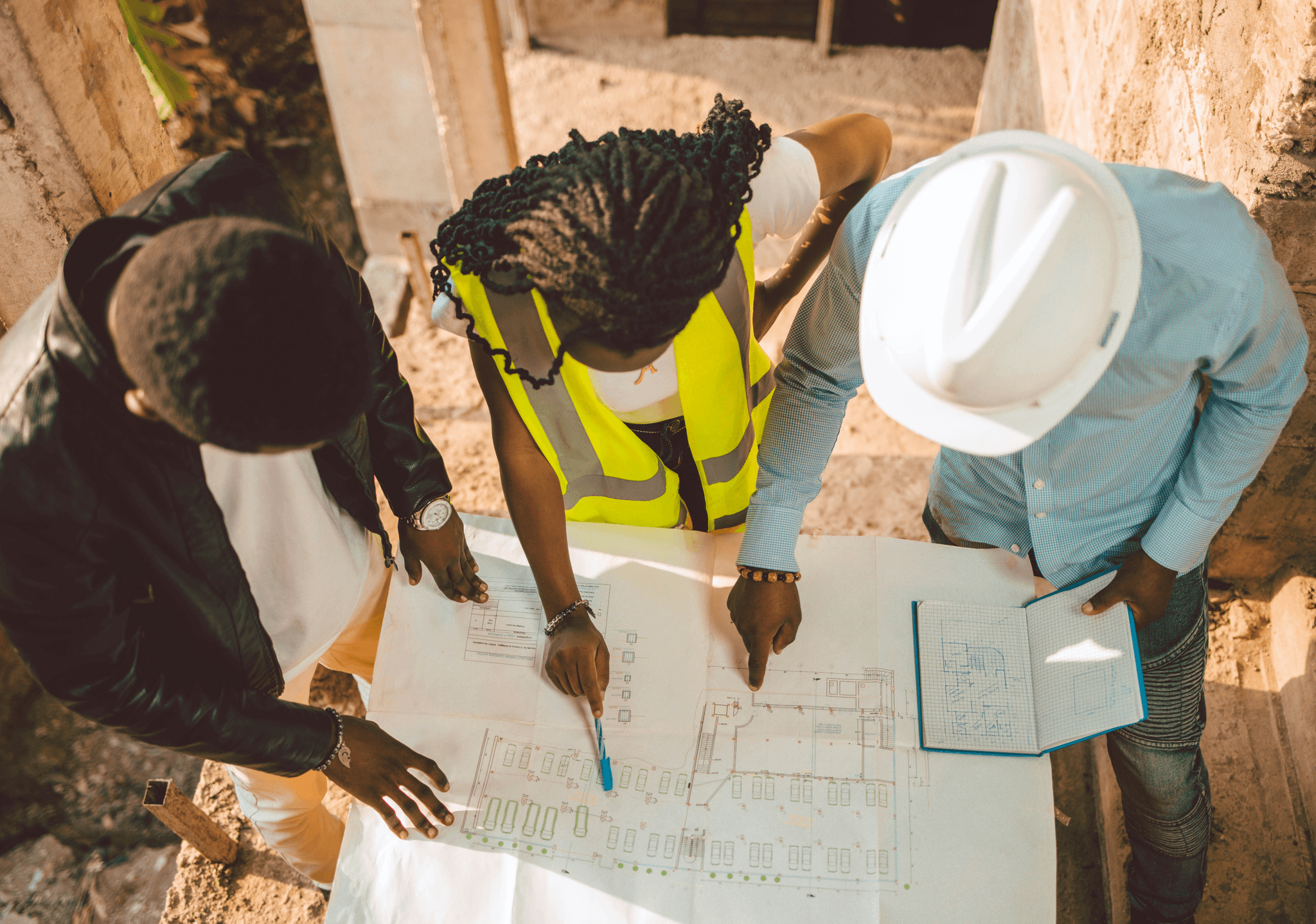
Navigating the world of third-party inspection services can feel like a labyrinth, but understanding the process can simplify things dramatically. This section will break down the essential components of on-site inspections, from initial preparations to final approvals and certifications. So, buckle up as we delve into the nitty-gritty of how third-party inspections work!
Steps in the On-Site Inspection
The on-site inspection is where the magic happens! Initially, an inspection team from a reputable inspection body arrives at your facility or project site, equipped with all necessary tools and a clear agenda. They conduct a thorough evaluation based on predefined criteria that align with industry standards or specific client requirements—this could involve checking materials, processes, or even safety protocols.
During this step, communication is key; inspectors often collaborate closely with your team to clarify details and address any immediate concerns. Additionally, they may take photographs and notes to document their findings meticulously. Once completed, this stage sets the foundation for comprehensive reporting that reflects the integrity of your operations through an unbiased lens.
Documentation and Reporting Requirements
Documentation is the backbone of any effective third-party inspection process; without it, you’re essentially sailing without a map! After conducting an on-site inspection, inspection teams compile detailed reports that summarize their observations and findings. This documentation typically includes checklists filled out during inspections alongside photographs and any relevant compliance certificates.
These reports are not just for show—they serve as crucial evidence for both internal audits and regulatory compliance checks within your inspections department. Furthermore, having well-organized documentation enhances transparency in your operations while building credibility with clients who might be keen to understand how you ensure quality through third party home inspections.
Approval and Certification Procedures
Once all evaluations are complete and reports have been generated, it’s time for approval—the grand finale of the third-party inspection process! The certification procedure varies depending on industry standards but generally involves submitting all documentation to relevant authorities or stakeholders for review. If everything checks out according to regulations and client specifications, you’ll receive certification attesting to your adherence to quality standards.
This certification not only boosts confidence among clients but also reinforces your commitment to excellence in product quality or service delivery through third party inspection services. It’s worth noting that maintaining these certifications requires ongoing compliance; hence regular inspections become vital in sustaining credibility over time.
Benefits of Third-Party Inspection Services
In the ever-evolving landscape of business, third-party inspection services have emerged as a cornerstone for ensuring quality and compliance across various sectors. These inspections not only bolster product quality and safety but also enhance credibility with clients and partners. Furthermore, they streamline adherence to regulatory standards, making them indispensable in today's competitive market.
Enhancing Product Quality and Safety
When it comes to enhancing product quality and safety, 3rd party inspection plays a pivotal role. By engaging independent inspection bodies, companies can identify potential flaws or safety issues before products reach consumers. This proactive approach not only mitigates risks but also fosters consumer confidence in the brand's commitment to quality.
Third-party inspections provide an objective evaluation that in-house teams might overlook due to familiarity or bias. Independent inspectors bring fresh eyes and expertise, ensuring that every aspect of the product meets stringent safety standards. Ultimately, this thorough on-site inspection process translates into higher product reliability and fewer recalls or safety incidents.
Moreover, utilizing third party home inspection services can be particularly beneficial for real estate transactions by assuring buyers about property conditions. When buyers know that an independent inspector has verified the integrity of their potential new home, it significantly boosts their trust in the purchase process.
Increasing Credibility with Clients and Partners
In today’s business ecosystem, credibility is king; thus, third-party inspections serve as a powerful tool for building trust with clients and partners alike. When companies can showcase certifications from reputable inspection bodies on their websites or marketing materials, it sends a strong message about their commitment to quality assurance. This level of transparency can differentiate businesses from competitors who may not prioritize rigorous inspections.
Clients are more likely to engage with businesses that have undergone thorough third-party inspections because it demonstrates accountability and reliability. It assures them that they are investing in products or services backed by impartial evaluations rather than self-assessments which could be biased or incomplete. As a result, partnerships become more robust when both parties recognize the value of independent verification through established inspection departments.
Additionally, leveraging an effective inspection website where results from these inspections are published can further enhance credibility among stakeholders by showcasing transparency in operations.
Streamlining Compliance with Regulatory Standards
Navigating regulatory standards is often daunting for many industries; however, third-party inspection services simplify this process significantly. Compliance requirements vary widely across sectors—be it manufacturing regulations or food safety protocols—but having an expert team conduct thorough assessments ensures adherence without hassle. This streamlined approach not only saves time but also minimizes legal risks associated with non-compliance.
By utilizing 3rd party inspection services, organizations can keep abreast of changing regulations while ensuring all practices align accordingly through regular audits and assessments conducted by qualified inspectors on-site. These experts possess up-to-date knowledge about industry standards which is crucial for maintaining compliance over time.
Moreover, many industries require proof of compliance during audits; thus having documented reports from credible third-party inspectors serves as invaluable evidence during such evaluations—making life easier for those involved in regulatory affairs within any organization.
Choosing the Right Third-Party Inspection Provider

Selecting a reliable third-party inspection provider is crucial for ensuring quality and compliance across various industries. The right choice can mean the difference between a smooth project execution and costly delays or failures. With numerous options available, it’s essential to know what factors to consider when making this important decision.
Factors to Consider in Selection
When choosing a third-party inspection service, start by assessing their experience and expertise in your specific industry. Look for providers with a proven track record in conducting on-site inspections that align with your needs. Additionally, consider their reputation; testimonials and reviews from previous clients can provide valuable insights into their reliability and professionalism.
Another critical factor is the range of services offered by the inspection provider. Some companies may specialize in particular types of inspections, such as third party home inspection or industrial assessments, while others might provide a broader spectrum of services. Ensure that the provider you select can meet all your inspection requirements comprehensively.
Finally, evaluate their technological capabilities and reporting processes. A modern inspection website should offer user-friendly access to documentation, real-time updates during inspections, and efficient communication channels with their inspections department. This transparency not only enhances trust but also streamlines compliance with regulatory standards.
Overview of China Inspection Pro Services
China Inspection Pro Services stands out as a premier choice for third-party inspection needs across various sectors. They specialize in delivering comprehensive solutions tailored to meet both local and international standards, ensuring clients receive top-notch quality assurance through meticulous inspections. Their commitment to excellence is reflected in their extensive portfolio that covers everything from manufacturing audits to food safety assessments.
One notable aspect of China Inspection Pro Services is their team of seasoned professionals who are well-versed in industry-specific regulations and best practices. This expertise allows them to conduct thorough on-site inspections while providing actionable insights for improvement where necessary. Moreover, they pride themselves on maintaining high levels of customer satisfaction through responsive service and detailed reporting.
Furthermore, China Inspection Pro Services utilizes advanced technology that enhances the efficiency of their operations—clients benefit from an intuitive online platform where they can track progress and access reports seamlessly. By choosing this provider for your third-party inspection services, you gain a partner dedicated to elevating quality standards while ensuring compliance with all applicable guidelines.
Evaluating Qualifications and Certifications
When evaluating potential third-party inspection providers, it’s essential to scrutinize their qualifications and certifications closely. Look for accreditations from recognized bodies that validate the provider's competency in conducting thorough inspections according to established standards—these credentials often indicate adherence to rigorous quality benchmarks within the industry.
Additionally, inquire about any specialized training or certifications held by inspectors within the company; this knowledge ensures they are up-to-date with current regulations governing various industries like construction or food safety management systems (FSMS). A well-qualified team will not only enhance the credibility of your project but will also instill confidence among stakeholders involved.
Lastly, don’t shy away from asking about past projects similar to yours; successful case studies serve as proof of competence in handling specific types of inspections effectively—be it third party home inspection or industrial evaluations—demonstrating how they have added value through meticulous oversight during previous engagements.
Common Industries Utilizing Third-Party Inspections
In today's diverse industrial landscape, third-party inspections play a critical role in ensuring quality and compliance across various sectors. These inspections provide an unbiased assessment, enhancing trust among stakeholders while streamlining processes. Let's dive into some of the key industries benefiting from third-party inspection services.
Construction and Engineering
The construction and engineering sectors are among the most prominent users of third-party inspection services. Here, 3rd party inspection ensures that projects adhere to safety standards, building codes, and regulatory requirements throughout the construction process. On-site inspections conducted by independent bodies help identify issues early on, preventing costly delays and ensuring that structures are safe for use.
Third-party home inspection is particularly vital when it comes to residential projects. Homebuyers often rely on these inspections to uncover potential issues before closing a deal, giving them peace of mind about their investment. By engaging an inspections department specializing in construction oversight, companies can ensure compliance with industry standards while boosting their reputation with clients.
Manufacturing and Production
In the manufacturing realm, quality control is paramount—this is where third-party inspection services shine bright! Manufacturers utilize 3rd party inspection to verify that products meet specific quality benchmarks before they hit the market. This not only minimizes defects but also enhances customer satisfaction by delivering reliable products consistently.
Moreover, having an independent entity perform on-site inspections can streamline compliance with international regulations and standards. This is especially crucial for manufacturers looking to expand into global markets where adherence to local laws is non-negotiable. By incorporating thorough third-party inspections into their production processes, businesses can fortify their credibility with clients and partners alike.
Food Safety and Quality Assurance
Food safety has become a hot topic in recent years as consumers demand transparency regarding what they eat. Third-party inspection services play a pivotal role in this industry by ensuring that food products meet health regulations and safety standards before reaching consumers’ plates. Regular on-site inspections help identify potential hazards in food processing facilities, thereby safeguarding public health.
Additionally, employing external inspectors fosters trust between food producers and retailers or distributors by demonstrating commitment to quality assurance practices. Inspection websites often provide valuable resources for understanding compliance requirements across different regions—an essential tool for those navigating this complex landscape! In short, third-party home inspection services in food safety are indispensable for maintaining high-quality standards throughout the supply chain.
Conclusion

In summary, third-party inspection services play a crucial role in ensuring quality and compliance across various industries. By relying on an independent inspections department, businesses can enhance their credibility while safeguarding product safety and quality. As we move forward, understanding the nuances of 3rd party inspection will be essential for maintaining industry standards.
Key Takeaways on Third-Party Inspection
One of the primary takeaways from our exploration of third-party inspections is that they provide an unbiased assessment critical for product integrity. These inspections are not merely about ticking boxes; they foster trust between producers and consumers by ensuring compliance with regulatory standards. Moreover, with the rise of online resources like inspection websites, businesses can easily access information to make informed decisions about their third-party inspection needs.
The Future of Inspection Services
Looking ahead, the future of third-party inspection services seems promising as technology continues to evolve. Innovations such as real-time data analytics and remote monitoring are set to revolutionize traditional on-site inspections, making them more efficient and comprehensive. Additionally, as industries face increasing scrutiny regarding safety standards, the demand for reliable third-party home inspection services will only grow stronger.
Making Informed Decisions for Quality Assurance
When it comes time to select a provider for your 3rd party inspection needs, it's vital to consider various factors carefully. Look for a provider with proven qualifications and certifications that align with your industry requirements; this can significantly impact your operational success. By making informed decisions now about which third-party inspection services you engage with, you not only enhance your product's quality but also position yourself favorably within the marketplace.