
Introduction
In today’s interconnected world, the role of sub-suppliers has become increasingly significant, impacting various aspects of production and quality management. These entities provide essential sub-components and materials that are vital for manufacturers. However, managing relationships with sub-suppliers can present challenges that affect not only the quality of products but also the ethical standards upheld within the supply chain.
Understanding Sub-Suppliers and Their Impact
Sub-suppliers serve as a crucial link in the manufacturing process, supplying components that can make or break a product's success. The difficulty managing quality of sub-components and materials often stems from the lack of direct oversight, leading to potential inconsistencies that could affect end-user satisfaction. Understanding their impact is essential for companies looking to maintain high standards in both product quality and ethical sourcing practices.
Why Quality Management Matters
Quality management is not just a buzzword; it’s a fundamental aspect of any successful business strategy. When dealing with sub-suppliers, ensuring that every component meets established standards is vital to avoid costly errors down the line. With potential production and shipping delays lurking around every corner, effective quality management can mitigate risks and foster smoother operations throughout the supply chain.
Navigating the Risks of Sub-Supplier Relationships
Navigating relationships with sub-suppliers requires a keen understanding of various risks involved, including limited oversight for ethical sourcing practices. Companies must be proactive in assessing these risks to ensure compliance with industry standards while maintaining accountability among their partners. By implementing robust strategies for managing these relationships, businesses can enhance their resilience against challenges like production delays or quality inconsistencies.
Difficulty Managing Quality of Sub-Components and Materials

Managing the quality of sub-components and materials sourced from sub-suppliers can feel like trying to herd cats—chaotic, unpredictable, and often frustrating. The challenge is exacerbated when these components are integral to the final product's performance and safety. A single flaw in a sub-component can ripple through the production process, leading to potential production and shipping delays that can derail even the best-laid plans.
The Challenge of Quality Control
Quality control is not just a box-ticking exercise; it’s an ongoing battle against inconsistencies that may arise from various sub-suppliers. Each supplier may have different manufacturing standards, which complicates efforts to maintain a uniform quality level across all components. This difficulty managing quality of sub-components and materials can lead to increased costs, customer dissatisfaction, and reputational damage if not addressed effectively.
Implementing Regular Quality Inspections
To combat these challenges, implementing regular quality inspections becomes paramount in ensuring that every component meets established standards before they reach the assembly line. These inspections should be thorough and frequent enough to catch any discrepancies early on, preventing costly errors down the line. By prioritizing these checks, businesses can mitigate risks associated with limited oversight for ethical sourcing while enhancing overall product integrity.
Collaborating with Experts like China Inspection Pro
When faced with complex supply chains involving numerous sub-suppliers, collaborating with experts such as China Inspection Pro can provide invaluable support in maintaining quality assurance. These professionals bring specialized knowledge about local manufacturing practices and regulatory requirements that many businesses might overlook. Their expertise not only helps navigate the difficulty managing quality of sub-components but also ensures compliance with ethical sourcing standards—ultimately fostering stronger relationships with both suppliers and customers.
Potential Production and Shipping Delays
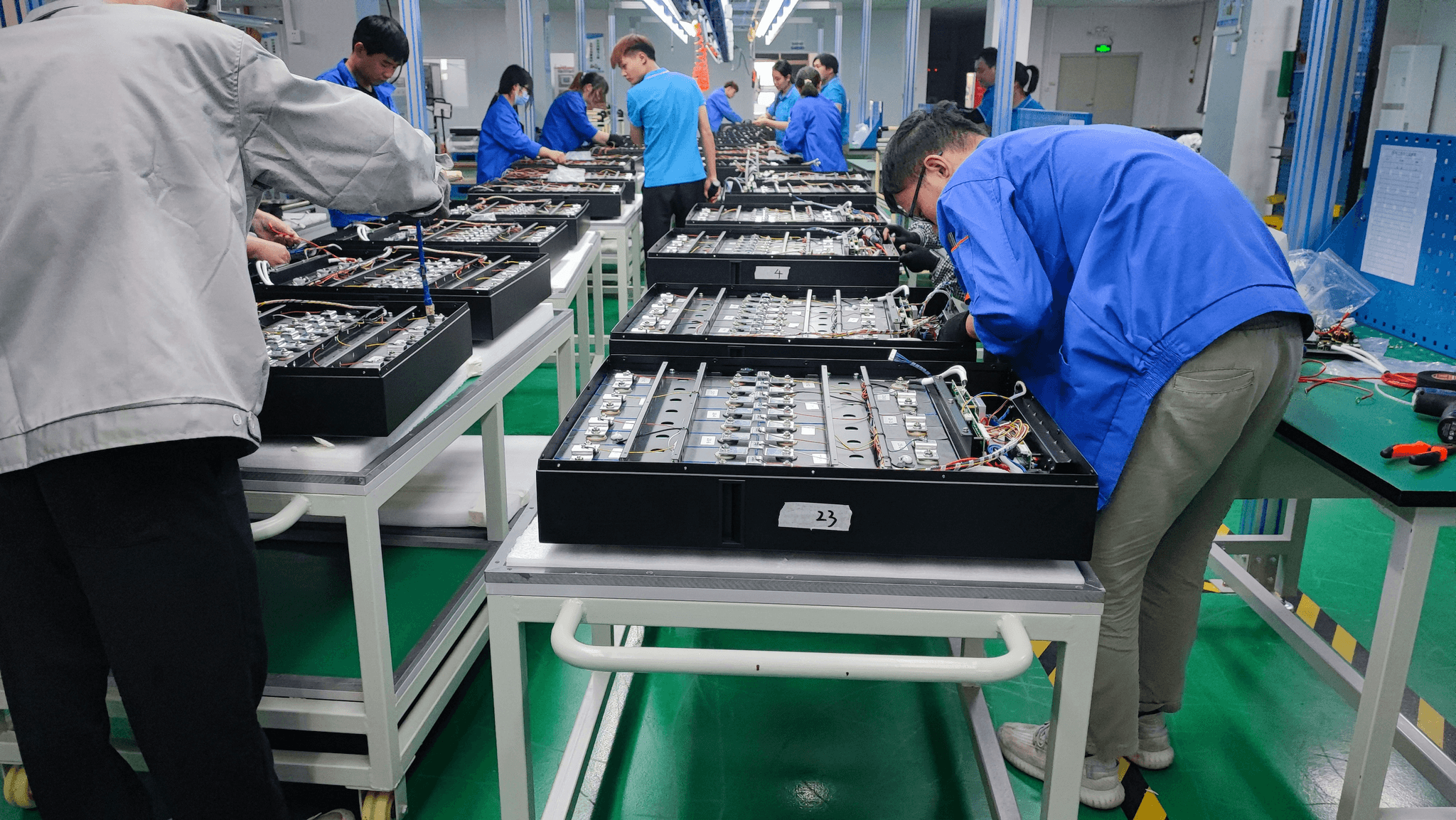
These delays can stem from various issues, including unforeseen supply chain disruptions, inadequate communication, or even the complexity of coordinating multiple sub-suppliers. Understanding these causes is crucial for companies that rely heavily on sub-components and materials to maintain their production schedules.
Recognizing the Causes of Delays
The first step in tackling potential production and shipping delays is recognizing their root causes. For instance, delays can arise from late deliveries by sub-suppliers who may not adhere to agreed timelines due to their own internal challenges. Additionally, quality issues with sub-components can lead to rework or replacements, further pushing back shipping dates and complicating the entire supply chain process.
Another common culprit behind these delays is limited oversight for ethical sourcing practices among sub-suppliers. When companies fail to conduct thorough audits or evaluations of their partners’ operations, they risk encountering unexpected setbacks that could have been prevented with better oversight. By identifying these factors early on, businesses can take proactive measures to mitigate risks.
Strategies for Streamlining Production
To combat potential production and shipping delays effectively, companies must implement strategies aimed at streamlining their processes across all levels of operation involving sub-suppliers. One effective approach is adopting lean manufacturing principles that emphasize waste reduction while improving overall efficiency in production lines. This means closely monitoring inventory levels and reducing lead times by optimizing workflows.
Additionally, establishing strong relationships with key sub-suppliers can facilitate smoother communication channels that help preemptively address any issues before they escalate into significant delays. Regular meetings and updates ensure everyone remains aligned on expectations regarding quality management and delivery schedules related to sub-components and materials.
Moreover, investing in technology such as supply chain management software can provide real-time insights into inventory status and supplier performance metrics—allowing businesses to make informed decisions quickly when faced with potential disruptions.
The Importance of Transparent Communication
Transparent communication plays a pivotal role in navigating potential production and shipping delays effectively within a network of sub-suppliers. By fostering an open dialogue about expectations regarding timelines, quality standards, and ethical sourcing practices, all parties involved are better equipped to handle challenges as they arise without unnecessary friction or misunderstandings.
Furthermore, transparency helps build trust among stakeholders—be it suppliers or customers—leading to stronger partnerships over time that are resilient against setbacks caused by unforeseen circumstances related to quality control or logistical hiccups. When everyone involved understands the stakes tied to managing quality of sub-components effectively while adhering strictly to ethical sourcing standards; collaboration becomes a natural outcome rather than a forced effort.
In conclusion, addressing potential production and shipping delays requires diligent recognition of causes along with strategic planning focused on streamlining operations through effective relationships with sub-suppliers coupled with transparent communication practices throughout the supply chain.
Limited Oversight for Ethical Sourcing

In the intricate web of supply chains, limited oversight for ethical sourcing poses significant challenges. Sub-suppliers often operate in various regions with differing regulations and standards, making it difficult to ensure that every link in the chain adheres to ethical practices. This lack of oversight can lead to a cascade of issues, including potential production and shipping delays, as well as reputational risks for the primary supplier.
Understanding Ethical Sourcing Standards
Ethical sourcing standards are essential guidelines that define how materials should be obtained while respecting human rights and environmental sustainability. These standards encompass a range of considerations—from fair labor practices to environmentally friendly production methods—ensuring that sub-suppliers align their operations accordingly. However, navigating these standards can be tricky; many businesses face difficulty managing quality of sub-components and materials when they lack a clear understanding of what constitutes ethical sourcing.
To truly grasp these standards, companies must invest time in education and training for their teams. Familiarity with ethical sourcing not only helps in selecting responsible sub-suppliers but also fosters a culture of accountability throughout the supply chain. Ultimately, establishing robust ethical sourcing protocols is vital for mitigating risks associated with sub-supplier relationships.
Conducting Audits and Evaluations
Regular audits and evaluations are crucial tools for maintaining oversight over sub-suppliers and ensuring compliance with ethical sourcing standards. By conducting thorough assessments, businesses can identify gaps in quality management or unethical practices that may be occurring within their supply chains. This proactive approach not only helps mitigate potential production and shipping delays but also strengthens relationships with responsible sub-suppliers who value transparency.
Implementing an effective audit process requires collaboration between internal teams and external experts who understand the nuances of different industries and regions. Regular evaluations allow companies to monitor compliance continuously rather than waiting for issues to arise—making it easier to address any difficulties managing quality of sub-components or materials before they escalate into larger problems. Moreover, this diligence instills confidence among stakeholders about the company’s commitment to ethical practices.
Ensuring Accountability with Sub-Suppliers
Ensuring accountability among sub-suppliers is paramount when striving for ethical sourcing excellence. Establishing clear expectations through contracts that outline responsibilities regarding labor practices, environmental impact, and product quality sets a solid foundation for productive partnerships. When suppliers know they will be held accountable through regular assessments, they are more likely to prioritize adherence to both quality management protocols and ethical guidelines.
Furthermore, fostering open lines of communication is essential in holding sub-suppliers accountable; this includes sharing feedback from audits or raising concerns about potential issues related to difficulty managing quality or compliance breaches promptly. Engaging directly with these partners can help build trust while reinforcing shared values around ethics within the supply chain ecosystem. Ultimately, creating an environment where accountability thrives not only enhances relationships but also reduces risks associated with limited oversight over ethical sourcing.
Conclusion
By adopting targeted strategies to enhance relationships with these partners, organizations can mitigate the risks associated with difficulty managing quality of sub-components and materials. Ultimately, a proactive approach will not only streamline operations but also foster a culture of accountability and excellence throughout the supply chain.
Strategies to Enhance Sub-Supplier Relationships
Building strong relationships with sub-suppliers requires open lines of communication and mutual trust. Regular meetings and feedback sessions can help address any potential production and shipping delays before they escalate into larger issues. Additionally, investing in training programs for sub-suppliers can ensure they are aligned with your quality management standards while also improving their operational capabilities.
One effective strategy is to establish clear expectations from the outset regarding quality control processes and delivery timelines. This clarity reduces misunderstandings that could lead to difficulties in managing quality of sub-components and materials. Moreover, recognizing the unique challenges faced by sub-suppliers can foster collaboration rather than conflict, paving the way for more resilient partnerships.
Finally, leveraging technology such as supply chain management software can enhance visibility into operations at every level. This transparency allows businesses to monitor performance metrics related to ethical sourcing while identifying areas for improvement in real-time. By investing in these tools, companies not only strengthen their relationships with sub-suppliers but also create a more agile supply chain capable of adapting to unforeseen challenges.
Building Resilience Against Quality Issues
To build resilience against quality issues arising from reliance on sub-suppliers, organizations must prioritize thorough vetting processes during supplier selection. Conducting comprehensive audits ensures that potential partners meet both industry standards and ethical sourcing requirements before any contracts are signed. This proactive measure significantly reduces the risk associated with limited oversight for ethical sourcing later on.
Moreover, implementing a robust system for ongoing monitoring is crucial in maintaining high-quality standards throughout production cycles. Regular inspections can identify problems early on related to difficulty managing quality of sub-components and materials before they impact end products or customer satisfaction levels negatively. By fostering an environment where feedback is welcomed and acted upon promptly, businesses can adapt quickly when issues arise.
In addition to monitoring processes, developing contingency plans ensures that teams are prepared for unexpected disruptions within the supply chain landscape—be it due to natural disasters or political unrest affecting suppliers abroad. These plans should include alternative sourcing strategies or backup suppliers who adhere strictly to your established standards for quality control and ethical practices alike. With resilience built into their operations framework, companies will be better equipped to weather any storm that comes their way.
A Call to Action for Ethical Sourcing Standards
The time has come for businesses across industries to take a stand on ethical sourcing standards concerning their sub-supplier networks actively! As consumers become increasingly aware of corporate responsibility issues—including environmental impact and labor practices—companies must rise up as champions of change within their sectors by demanding higher accountability from all involved parties along the supply chain journey.
This commitment starts with setting clear guidelines around what constitutes acceptable behavior concerning limited oversight for ethical sourcing among partners engaged in production efforts on behalf of larger brands—the days when ignorance was bliss are long gone! Organizations should encourage transparency through initiatives like publishing annual sustainability reports detailing progress made toward meeting these critical benchmarks while holding themselves accountable too!
By embracing this call-to-action collectively as an industry standard rather than viewing it merely as an obligation imposed externally; we empower ourselves—and our valued customers—to support businesses committed genuinely towards creating positive impacts globally through responsible decision-making processes surrounding every aspect tied back ultimately down through those vital connections established between us all: our beloved Sub-Suppliers!