
Introduction
In the world of packaging, ensuring that products arrive intact and undamaged is crucial. One of the primary methods to assess this durability is through the Carton Drop Test, a standardized procedure designed to simulate the rigors of shipping and handling. Understanding how this test works and its significance in Quality Control can mean the difference between a satisfied customer and a costly return.
Understanding the Carton Drop Test
The Carton Drop Test is a vital evaluation method used to determine how well packaging can withstand impacts during transportation. By dropping cartons from predetermined heights, manufacturers can observe how their packaging holds up against potential drops in real-world scenarios. This test not only highlights weaknesses in packaging design but also helps inform improvements that enhance product protection.
Importance of Quality Control in Packaging
Quality Control is essential for any business looking to maintain its reputation and ensure customer satisfaction. In packaging, it plays a pivotal role by identifying potential issues before products reach consumers, thus preventing damage claims and returns that could tarnish a brand's image. Investing in effective Quality Control processes like the Carton Drop Test ultimately protects both your bottom line and your customers' trust.
Overview of Testing Procedures
The testing procedures involved in the Carton Drop Test are systematic and designed for consistency across various conditions. Typically, these tests follow established industry standards that dictate drop heights, angles, and surface types to simulate realistic handling scenarios accurately. By adhering to these protocols, companies can gather reliable data that informs their Quality Control strategies effectively.
What is the Carton Drop Test?

The Carton Drop Test is a critical procedure used to evaluate the durability and performance of packaging materials under real-world conditions. Essentially, it simulates the stresses that cartons endure during shipping and handling, providing valuable insights into their ability to protect contents from damage. By conducting this test, companies can ensure their products arrive safely at their destinations, reinforcing the importance of Quality Control in packaging.
Definition and Purpose
At its core, the Carton Drop Test involves dropping a carton from a specified height onto a hard surface to assess its structural integrity. The primary purpose of this test is to determine how well a carton can withstand impacts and shocks during transportation. This information is vital for manufacturers looking to optimize their packaging designs while minimizing product loss and enhancing customer satisfaction.
Common Standards and Protocols
Various organizations have established standards for conducting the Carton Drop Test, ensuring consistency across testing procedures. Common protocols include ASTM D5276, which outlines specific drop heights based on carton size and weight, as well as ISO 2248 for international compliance. Adhering to these standards not only reinforces Quality Control measures but also assures customers that products meet industry benchmarks.
Key Variables in Testing
Several key variables influence the outcomes of the Carton Drop Test, making it essential to consider these factors during evaluation. These include drop height, carton weight, material composition, and environmental conditions such as temperature and humidity. Understanding these variables allows companies to tailor their packaging solutions effectively while ensuring robust Quality Control practices are in place.
The Role of Quality Control

In the world of packaging, Quality Control (QC) is not just a buzzword; it's the backbone of successful product delivery. The Carton Drop Test is a critical component of this process, ensuring that products can withstand the rigors of transportation and handling without compromising integrity. By implementing robust quality control measures, businesses can avoid costly errors and maintain customer satisfaction.
Why Quality Control Matters
Quality Control is essential for several reasons, starting with consumer safety. When products are poorly packaged, they risk damage during shipping, which could lead to hazardous situations for consumers upon opening. Furthermore, effective QC processes like the Carton Drop Test help identify weaknesses in packaging before they become a costly issue in the supply chain.
Another reason QC matters is its role in maintaining consistency across product lines. Customers expect reliable performance from their purchases; if one carton fails due to poor quality control, it can lead to widespread dissatisfaction and distrust in a brand. Thus, regular testing through methods such as the Carton Drop Test ensures that every product meets established standards.
Lastly, investing in quality control fosters innovation within companies. By understanding how packaging performs under stress through tests like the Carton Drop Test, businesses can refine their designs and materials for better durability and sustainability. This proactive approach not only enhances product performance but also positions companies as industry leaders committed to excellence.
Impact on Brand Reputation
If customers receive damaged goods due to inadequate protection or poor quality control practices, their trust in that brand diminishes rapidly. The Carton Drop Test plays an integral role here by providing insights into potential vulnerabilities before products hit store shelves.
Moreover, brands that consistently deliver high-quality products enjoy positive word-of-mouth marketing from satisfied customers who share their experiences online and offline alike. In contrast, negative reviews stemming from poor packaging can spread like wildfire across social media platforms and review sites—a nightmare for any business trying to establish itself in a competitive market.
Ultimately, maintaining a strong brand reputation requires vigilance and commitment to quality control practices like the Carton Drop Test. Companies that prioritize these efforts not only safeguard their current standing but also pave the way for future growth by building lasting relationships with consumers who value reliability over time.
Financial Implications of Poor Quality
The financial ramifications of neglecting quality control are staggering—especially when considering costs associated with returns and replacements stemming from damaged goods during transit or handling issues caused by inadequate packaging solutions like those failing the Carton Drop Test. Businesses may find themselves absorbing significant losses due to unsold inventory or increased shipping fees tied directly back to poor-quality outputs.
Additionally, investing resources into rectifying these issues often leads companies down an expensive rabbit hole requiring additional labor hours spent on inspections or repairs—not exactly an ideal scenario for any organization aiming for profitability! In fact, studies show that every dollar spent on effective QC measures yields multiple returns through enhanced customer loyalty and decreased operational inefficiencies over time.
In conclusion: while it may be tempting at times to cut corners regarding quality assurance practices such as conducting thorough tests using tools like the Carton Drop Test—such decisions inevitably lead down paths filled with financial pitfalls instead! Prioritizing rigorous QC protocols ultimately saves money while simultaneously protecting both your brand’s reputation AND consumer trust long-term.
Testing Methods and Equipment

The testing process involves simulating the conditions that cartons might face during shipping and handling, ensuring that they can withstand the rigors of transport. By utilizing advanced testing methods, businesses can significantly reduce damage rates and improve customer satisfaction.
Tools Used in Carton Drop Testing
The tools employed in the Carton Drop Test are designed to mimic real-world scenarios where cartons may be dropped or subjected to impact. Commonly used equipment includes drop testers, which are specialized machines that release cartons from predetermined heights to assess their durability. Additionally, accelerometers and data loggers capture detailed information about impact forces, helping quality control teams analyze how well a carton holds up under stress.
These tools not only facilitate accurate testing but also streamline the quality control process by providing reliable data that can be easily interpreted. With advancements in technology, some modern drop testers even allow for automated testing sequences, reducing human error and increasing efficiency. Ultimately, investing in high-quality testing equipment is essential for any business serious about maintaining superior packaging standards.
Industry Standards for Equipment
When selecting equipment for the Carton Drop Test, it's vital to adhere to industry standards that ensure consistency and reliability in results. Organizations such as ASTM International provide guidelines on various aspects of carton testing protocols, including drop height specifications and impact measurement techniques. Compliance with these standards not only enhances credibility but also ensures that your quality control processes align with best practices.
Using standardized equipment helps create a level playing field where test results can be compared across different manufacturers or batches of products. This is particularly important when dealing with international shipping or multi-supplier operations where consistency is key to maintaining brand reputation. Adhering to established industry norms ultimately leads to better product performance and fewer customer complaints regarding damaged goods.
How to Choose the Right Method
Choosing the right method for conducting a Carton Drop Test involves evaluating several factors including product type, shipping conditions, and specific quality control goals. Start by assessing your packaging requirements—different products may require different approaches based on their fragility or weight distribution during transport. Once you have a clear understanding of your needs, you can select an appropriate method that aligns with both your budget and operational capabilities.
Consideration should also be given to the level of detail required from your tests; some methods offer more comprehensive data analysis than others which could influence decision-making down the line. Furthermore, consulting with experts or industry leaders who have experience with various testing methodologies can provide valuable insights into what has worked effectively for similar products in real-world scenarios. Ultimately, choosing an appropriate method will enhance your overall quality control efforts while safeguarding your brand's integrity.
Analyzing Carton Drop Test Results

Analyzing the results of the Carton Drop Test is crucial for understanding how well your packaging can withstand the rigors of shipping and handling. Proper interpretation of these results can help you identify weaknesses in your packaging design, materials, or overall quality control processes. By delving into this data, businesses can make informed decisions that enhance product protection and customer satisfaction.
Interpreting the Data
The results typically provide insights into how many drops a carton can endure before failing, along with details on the type of damage sustained—be it crushes, tears, or complete structural failure. Understanding these metrics allows companies to pinpoint specific areas for improvement in their quality control measures and packaging strategies.
Moreover, comparing test results against industry standards or previous tests can reveal trends over time. For example, if a new carton design consistently performs worse than older models under identical conditions, it may signal a need for redesign or material reassessment. Ultimately, effective data interpretation not only identifies current weaknesses but also helps predict future performance under various conditions.
Common Issues Revealed by Testing
The Carton Drop Test often uncovers several common issues that could jeopardize product integrity during transport. One prevalent problem is inadequate cushioning; if cartons lack sufficient padding materials like bubble wrap or foam inserts, they are more likely to suffer damage upon impact. Additionally, poor sealing practices may lead to cartons opening during transit—an issue that not only compromises product safety but also tarnishes brand reputation.
Another frequent finding is the use of subpar materials that fail to meet durability standards during testing. Weak cardboard or flimsy construction can result in catastrophic failures that could have been avoided with better-quality inputs and rigorous quality control practices in place from the start. Addressing these issues proactively through enhanced testing and quality checks ensures products arrive at their destination intact.
Case Studies from Industry Leaders
Examining case studies from industry leaders provides valuable lessons about the importance of rigorous Carton Drop Testing within quality control frameworks. For instance, a leading electronics manufacturer faced significant returns due to damaged products caused by inadequate packaging during shipping. After implementing comprehensive drop tests on their cartons and adjusting designs based on findings—such as increasing wall thickness—the company saw a dramatic reduction in damages and returns.
Similarly, a global food brand discovered through testing that their standard cardboard boxes were failing under stress during distribution—a revelation that prompted them to switch to sturdier options tailored for temperature fluctuations and moisture exposure. This change not only improved product safety but also positively impacted consumer trust in their brand’s commitment to quality control practices.
These examples illustrate how learning from real-world experiences enhances understanding of potential pitfalls while reinforcing the value of investing time and resources into effective testing protocols like the Carton Drop Test.
Working with China Inspection Pro
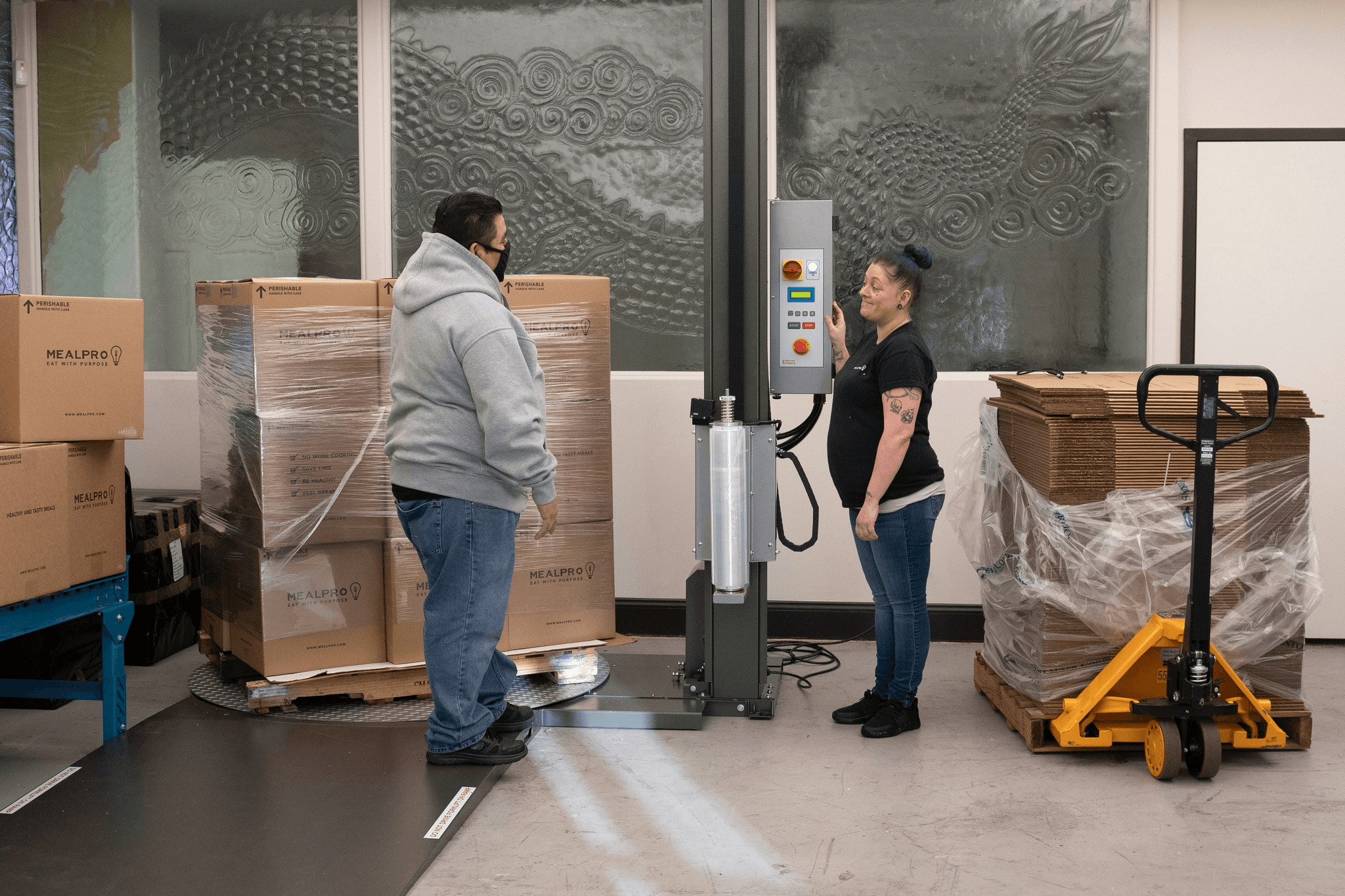
They specialize in providing comprehensive quality control services tailored to the unique needs of businesses dealing with packaging materials, including the essential Carton Drop Test. Their expertise not only streamlines your testing processes but also enhances your overall product robustness.
Professional Quality Control Services
China Inspection Pro offers a wide range of professional quality control services that cater specifically to the packaging industry. From pre-production inspections to final product checks, their team ensures that every aspect meets rigorous standards, particularly when it comes to conducting effective Carton Drop Tests. This commitment to quality helps businesses maintain high standards and reduce potential damage during transit.
Moreover, their skilled inspectors are well-versed in various testing protocols, making them invaluable for companies looking to uphold their reputation while ensuring compliance with industry regulations. By leveraging their expertise, you can rest assured that your products will withstand the rigors of shipping and handling without compromising on quality control measures. Ultimately, investing in such specialized services can lead to significant savings and enhanced customer satisfaction.
Ensuring Compliance with Standards
One of the critical aspects of working with China Inspection Pro is their unwavering focus on ensuring compliance with international standards related to packaging and shipping. The Carton Drop Test is just one example where adherence to established protocols can prevent costly mistakes down the line. By utilizing their services, companies can confidently navigate complex regulatory landscapes while staying aligned with best practices.
Furthermore, they keep abreast of any changes in industry standards so you don’t have to worry about falling behind or facing penalties due to non-compliance issues. This proactive approach not only protects your brand but also reinforces trust among consumers who expect nothing less than excellence from your products. With China Inspection Pro by your side, you’ll find that maintaining compliance becomes a seamless part of your operational strategy.
Transforming Findings into Actionable Insights
Once testing is complete and results are in hand, turning those findings into actionable insights is crucial for continuous improvement in quality control practices—especially concerning the Carton Drop Test outcomes. China Inspection Pro excels at helping businesses interpret test results effectively and provides tailored recommendations based on data analysis. This ensures that any weaknesses identified during testing are addressed promptly and efficiently.
Additionally, they offer ongoing support throughout implementation phases so that necessary adjustments become part of standard operating procedures rather than one-off fixes. By transforming insights into concrete actions, companies not only enhance product durability but also foster a culture of continuous improvement within their organizations—a win-win situation! Ultimately, working closely with professionals like China Inspection Pro empowers brands to protect their image while delivering top-notch products consistently.
Conclusion
In the competitive landscape of packaging, investing in quality control is not just a luxury—it's a necessity. The Carton Drop Test serves as a critical component of this investment, ensuring that products reach consumers in pristine condition. By prioritizing quality control, businesses can enhance their operational efficiency and reduce costly returns due to damaged goods.
Benefits of Investing in Quality Control
Quality control is the backbone of any successful packaging operation. By implementing rigorous testing procedures like the Carton Drop Test, companies can identify vulnerabilities in their packaging before they reach the market. This proactive approach minimizes waste, saves money, and ultimately leads to happier customers who trust your brand.
Moreover, effective quality control fosters innovation within your organization. By regularly analyzing data from tests such as the Carton Drop Test, businesses can refine their materials and processes to create superior packaging solutions that stand out from competitors. Investing in quality control not only protects your bottom line but also positions your brand as a leader in reliability and excellence.
How the Carton Drop Test Protects Your Brand
The Carton Drop Test isn't just about dropping boxes; it's about safeguarding your reputation and ensuring customer satisfaction. When products are packaged securely, they are less likely to be damaged during transit or handling, which translates into fewer complaints and returns for your business. This kind of reliability builds customer loyalty—an invaluable asset in today’s market.
Additionally, consistent use of the Carton Drop Test demonstrates a commitment to quality that resonates with consumers. Customers are more likely to choose brands that prioritize product integrity over those that cut corners on packaging standards. In essence, this test acts as both a shield for your products and a badge of honor for your brand's dedication to excellence.
Taking Action After Testing Results
Once you have conducted the Carton Drop Test and analyzed its results, it’s crucial to take decisive action based on what you find. If testing reveals weaknesses in your packaging design or materials, addressing these issues promptly can prevent future losses and enhance overall product performance. Continuous improvement should be at the heart of your quality control strategy.
Furthermore, sharing insights from these tests with stakeholders can foster collaboration across departments—from design to logistics—ensuring everyone is aligned on maintaining high standards. Remember that implementing changes based on testing results not only improves current operations but also sets a precedent for future projects aimed at enhancing product durability through effective quality control practices.
In conclusion, investing time and resources into quality control measures like the Carton Drop Test pays off significantly by protecting both products and reputation while paving the way for sustainable growth.