
Introduction
Quality management in China is a multifaceted endeavor that encompasses various cultural, regulatory, and technological dimensions. As the country continues to evolve as a global manufacturing powerhouse, understanding the intricacies of quality management becomes increasingly vital for businesses aiming to thrive in competitive markets. This introduction sets the stage for exploring how process improvement serves as a cornerstone for quality improvement while also addressing key challenges that organizations face in their pursuit of excellence.
Understanding Quality Management in China
In China, quality management is not merely a set of practices but an evolving philosophy deeply rooted in both traditional values and modern business strategies. The rapid industrialization has led to an urgent need for effective production management systems that can ensure products meet international standards. As companies strive for quality improvement, they must navigate complex cultural attitudes and expectations that influence how quality is perceived and implemented across different regions.
The Importance of Process Improvement
Process improvement plays a crucial role in the realm of quality management by enabling organizations to enhance efficiency, reduce waste, and ultimately deliver superior products. In an environment where competition is fierce and consumer expectations are high, continuous refinement of processes can lead to significant gains in overall quality improvement. By focusing on systematic enhancements within production management practices, businesses can establish robust frameworks that support sustainable growth and customer satisfaction.
Key Challenges Facing Quality Improvement
Despite the clear benefits of prioritizing quality management and process improvement, numerous challenges persist within China's dynamic landscape. Organizations often grapple with regulatory compliance issues that can hinder their ability to achieve consistent quality standards across production lines. Additionally, cultural barriers may affect stakeholder engagement in initiatives aimed at fostering a culture of continuous improvement—making it critical for businesses to develop tailored strategies that address these unique hurdles effectively.
Cultural Attitudes Toward Quality Management

Cultural attitudes play a pivotal role in shaping quality management practices across China. Understanding these attitudes can help organizations navigate the complexities of quality improvement and production management more effectively. Trust, regional perceptions, and the balance between tradition and modernity are key components that influence how quality is approached in various contexts.
Importance of Trust in Production Management
Trust is the bedrock of effective production management in China, impacting relationships among suppliers, manufacturers, and consumers alike. When trust is established, it fosters collaboration and transparency, which are essential for successful quality management initiatives. Organizations that prioritize building trust can streamline their processes and enhance overall quality improvement efforts.
Moreover, trust mitigates risks associated with supply chain disruptions and quality failures. Companies that cultivate strong relationships with their partners often experience fewer issues related to compliance and product defects. This emphasis on trust not only contributes to smoother operations but also reinforces a culture of accountability within production management.
Perceptions of Quality across Different Regions
China's vast geographical landscape results in diverse perceptions of what constitutes quality. In coastal regions where manufacturing has flourished, there may be a stronger emphasis on international quality standards compared to inland areas where traditional practices still hold sway. Understanding these regional differences is crucial for businesses aiming to implement effective quality management strategies tailored to local expectations.
Furthermore, consumer expectations vary significantly based on cultural influences and economic conditions prevalent in different regions. For instance, urban consumers may demand higher-quality products with advanced features while rural populations might prioritize durability over aesthetics. By recognizing these nuanced perceptions of quality across regions, companies can adapt their approaches to better meet market demands.
Balancing Traditional Practices with Modern Standards
The challenge of balancing traditional practices with modern standards is particularly pronounced in China's evolving landscape of quality management. Many manufacturers have deep-rooted customs that influence their processes; however, integrating contemporary techniques can lead to significant improvements in efficiency and product excellence. This balance is essential for achieving both compliance with regulatory requirements and meeting consumer expectations.
Organizations must navigate this delicate tightrope by respecting traditional methods while embracing innovations such as automation and data analytics for process improvement. Companies like China Inspection Pro exemplify this approach by offering professional services focused on enhancing product excellence through rigorous inspections that align with both local traditions and global standards. By turning findings into actionable recommendations, they empower businesses to raise their overall quality without losing sight of their heritage.
In conclusion, cultural attitudes toward quality management are multifaceted factors that impact how organizations approach production management in China. By building trust among stakeholders, understanding regional perceptions of quality, and balancing tradition with modernity, companies can foster an environment conducive to continuous improvement in all aspects of their operations.
Regulatory Compliance and Standards

In the realm of quality management, understanding regulatory compliance is crucial for businesses operating in China. The regulatory landscape is intricate, with various laws and standards that companies must navigate to ensure their products meet both domestic and international expectations. This complexity can pose challenges but also presents opportunities for quality improvement when approached strategically.
Navigating China's Quality Control Regulations
China's quality control regulations are extensive and can be daunting for those unfamiliar with them. Businesses must stay updated on the latest standards set by government bodies, such as the State Administration for Market Regulation (SAMR), which oversees product safety and quality assurance. Effective navigation of these regulations not only mitigates risks but also enhances production management processes by ensuring that products comply with legal requirements.
Furthermore, understanding these regulations allows companies to implement process improvements that align with national standards while maintaining competitiveness in the market. By prioritizing compliance, organizations can foster a culture of quality improvement that resonates throughout all levels of production management. This proactive approach not only safeguards businesses from penalties but also builds customer trust in their commitment to high-quality products.
Role of China Inspection Pro in Compliance
China Inspection Pro plays a pivotal role in helping businesses achieve compliance with rigorous quality management standards. Their expert services focus on product excellence through meticulous inspections that assess every aspect of a product before it reaches the market. By providing actionable recommendations based on thorough evaluations, they help companies refine their production management strategies and enhance overall quality.
With deep industry experience and advanced methodologies at their disposal, China Inspection Pro guides organizations through complex regulatory challenges effectively. Their involvement ensures that businesses not only meet compliance requirements but also adopt best practices in quality improvement across their operations. As a result, companies can confidently navigate the intricacies of Chinese regulations while focusing on delivering superior products to consumers.
Impact of Non-Compliance on Business Success
Non-compliance with quality control regulations can have dire consequences for any business operating within China's dynamic marketplace. Companies risk facing hefty fines, product recalls, or even bans from selling non-compliant goods altogether—outcomes that can severely damage brand reputation and customer trust over time. In an age where consumer awareness is at an all-time high, maintaining adherence to regulatory standards is essential for sustaining business success.
Moreover, non-compliance often leads to wasted resources due to inefficiencies in production management processes that fail to meet required benchmarks for quality improvement. This not only affects profit margins but also undermines employee morale as teams struggle against setbacks caused by avoidable issues related to compliance failures. Therefore, investing time and resources into understanding and adhering to these regulations ultimately pays off by fostering a sustainable business model built on trustworthiness and excellence.
Supply Chain Complexity

In the realm of Quality Management, navigating the complexities of global supply chains is akin to threading a needle in a haystack. Companies face numerous challenges, from inconsistent quality standards across borders to varying regulatory requirements that can complicate production management. This makes effective quality improvement initiatives crucial for maintaining product excellence and ensuring compliance with both local and international standards.
Challenges in Quality Management Across Borders
Quality management across borders presents unique hurdles, primarily due to differences in regulations and cultural attitudes toward quality. For instance, while some countries may prioritize stringent quality controls, others might adopt a more relaxed approach, leading to inconsistencies in product delivery. Additionally, language barriers and differing interpretations of what constitutes quality can further complicate process improvement efforts within international supply chains.
Importance of Supplier Relationships
Strong supplier relationships are vital for effective quality management within complex supply chains. By fostering trust and open communication with suppliers, companies can ensure that their partners adhere to established quality standards and practices. This collaboration not only enhances production management but also facilitates timely feedback loops that are essential for continuous quality improvement.
Strategies for Ensuring Quality in Supply Chain
To navigate the intricacies of supply chain management effectively, organizations need robust strategies focused on ensuring consistent quality throughout the process. Employing rigorous supplier assessments and regular audits can help identify potential issues before they escalate into significant problems. Moreover, leveraging technology such as data analytics allows businesses to monitor supplier performance closely and make informed decisions that enhance overall quality management practices.
Technology Adoption and Quality Improvement
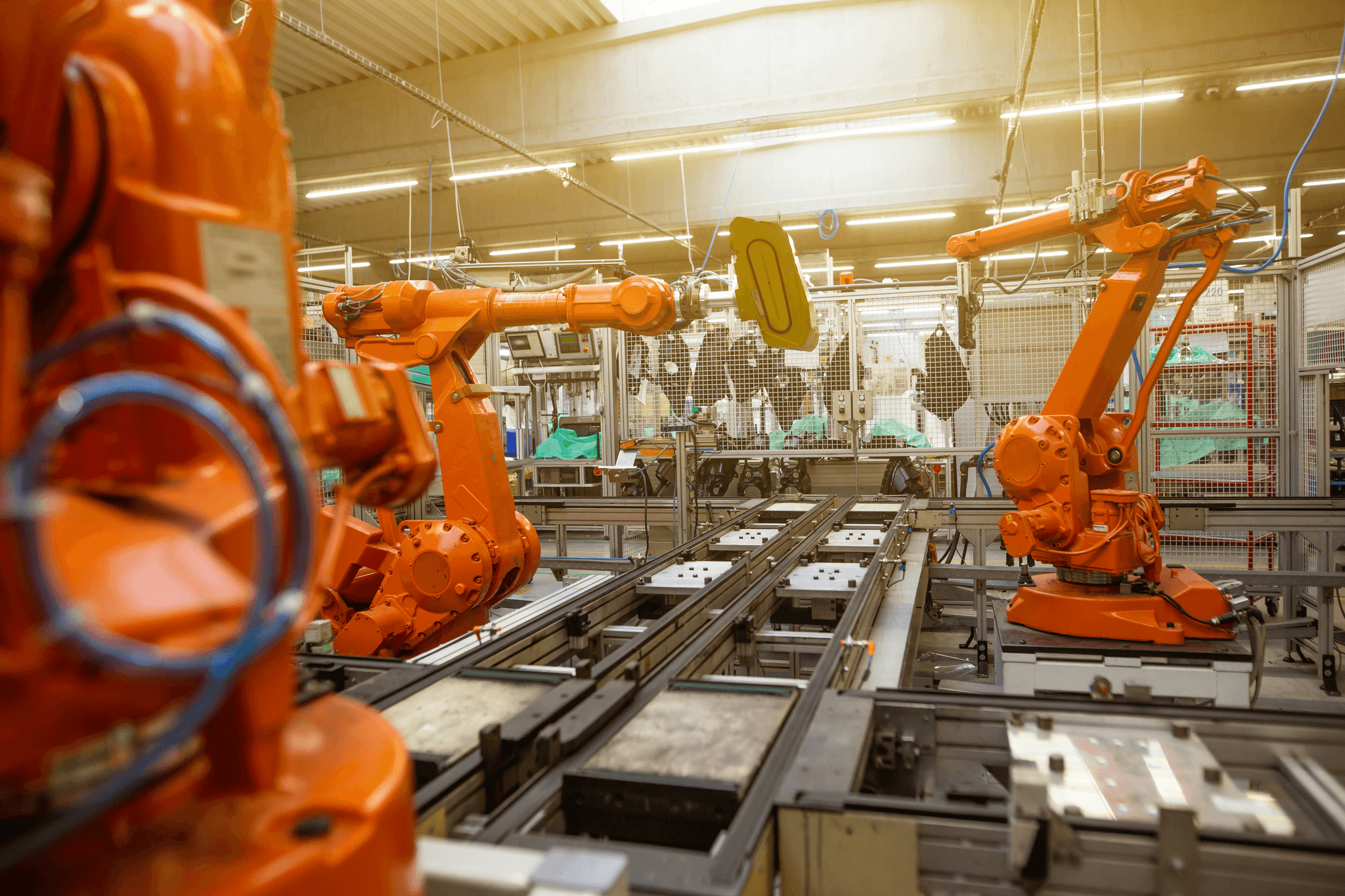
In today's fast-paced business environment, technology adoption plays a pivotal role in enhancing quality management practices. Automation and data analytics are at the forefront of this transformation, providing tools that streamline processes and improve overall quality improvement efforts. However, the journey toward fully integrating these technologies is often met with resistance, particularly in traditional industries where established practices dominate.
Role of Automation in Quality Management
Automation has revolutionized quality management by minimizing human error and increasing efficiency in production management. Automated systems can monitor processes in real-time, providing immediate feedback that facilitates quick adjustments to maintain quality standards. This not only enhances productivity but also ensures consistency across products, which is crucial for meeting consumer expectations.
Moreover, implementing automation can lead to significant cost savings over time as it reduces labor costs and increases output without sacrificing quality. Companies that embrace automation find themselves better positioned to compete in the global market while also adhering to stringent regulatory requirements. As a result, organizations are increasingly recognizing that investing in automation is not just a trend; it's a necessity for effective quality improvement.
Leveraging Data Analytics for Process Improvement
Data analytics serves as a powerful tool for driving process improvement within quality management frameworks. By analyzing production data, organizations can identify trends and patterns that highlight inefficiencies or potential areas for enhancement. This insight allows businesses to make informed decisions that directly impact product quality and operational effectiveness.
Furthermore, data-driven approaches enable companies to predict issues before they arise, leading to proactive measures rather than reactive fixes—an essential aspect of effective production management. The integration of advanced analytics into daily operations fosters a culture of continuous improvement where teams are encouraged to innovate based on solid evidence rather than intuition alone. Ultimately, leveraging data analytics leads to enhanced quality outcomes and stronger market positions.
Resistance to Change in Traditional Industries
Despite the clear benefits of technology adoption for quality improvement, many traditional industries exhibit resistance to change due to entrenched practices and mindsets. Employees accustomed to established methods may view new technologies with skepticism or fear of job displacement, hindering progress toward modernized quality management systems. Overcoming this resistance requires strategic change management initiatives focused on education and engagement.
To facilitate smoother transitions into automated processes or data-driven decision-making frameworks, companies must invest in comprehensive training programs tailored to their workforce's needs. By demonstrating how these technologies enhance job roles rather than replace them, organizations can foster an environment where innovation thrives alongside tradition. In doing so, businesses not only improve their production management capabilities but also elevate their overall commitment to achieving high-quality standards.
Workforce Skills and Training

In the realm of quality management, the significance of continuous learning cannot be overstated. As industries evolve, so too must the skills of those involved in production management. A commitment to ongoing education ensures that employees are equipped with the latest techniques and knowledge necessary for effective quality improvement.
Importance of Continuous Learning in Quality Management
Continuous learning fosters an environment where innovation thrives, particularly in quality management practices. Employees who engage in regular training are more adept at identifying inefficiencies within processes, leading to substantial process improvement over time. Moreover, a culture that prioritizes learning enhances employee morale and retention, as team members feel valued and empowered.
Addressing Skill Gaps in Production Management
Despite advancements in technology and methodologies, many organizations face skill gaps that hinder their quality improvement efforts. These gaps can stem from rapid changes in industry standards or outdated training programs that fail to keep pace with current demands. To address these challenges, companies must assess their workforce capabilities regularly and implement targeted training initiatives designed to bridge these gaps effectively.
Investing in Employee Development for Quality
Investing in employee development is essential for fostering a robust culture of quality management within organizations. By providing resources such as workshops, seminars, and access to industry certifications, businesses can cultivate a skilled workforce capable of driving continuous improvement initiatives forward. Furthermore, organizations like China Inspection Pro offer valuable insights into compliance and best practices that can enhance employee training programs focused on quality assurance.
Customer Expectations and Market Dynamics
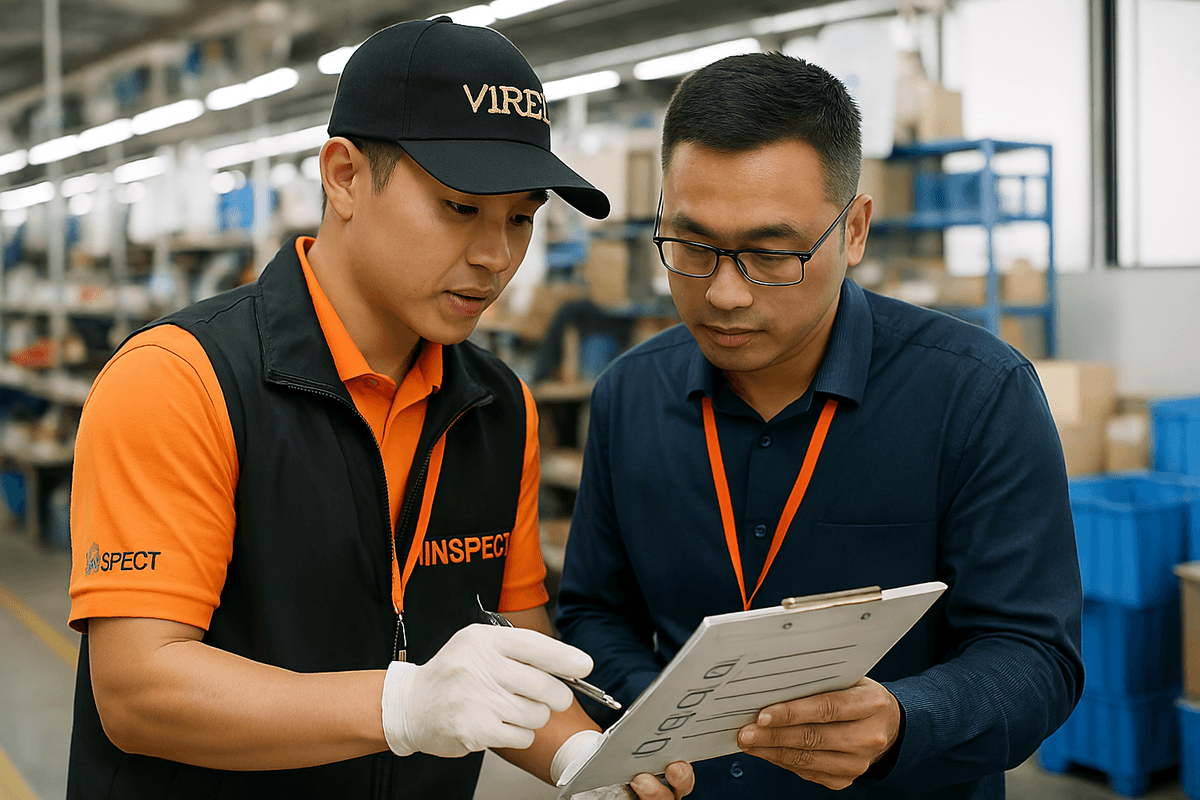
In today’s rapidly evolving marketplace, understanding customer expectations is paramount for effective quality management. Consumers are more informed than ever, demanding products that not only meet their needs but also adhere to high standards of quality improvement. As such, businesses must adapt their quality strategies to align with these consumer demands, ensuring that production management practices reflect the values and preferences of their target audience.
Adapting Quality Strategies to Consumer Demands
To remain competitive, companies in China must continuously refine their quality management approaches in response to shifting consumer preferences. This involves proactive engagement with customers to understand their needs and expectations regarding product quality. By incorporating feedback into process improvement initiatives, organizations can enhance their offerings while fostering customer loyalty and satisfaction.
Moreover, adapting quality strategies requires a keen awareness of market trends and emerging consumer behaviors. Businesses can leverage data analytics tools to gather insights into customer preferences, enabling them to tailor their production management processes accordingly. This dynamic approach not only meets current demands but also anticipates future shifts in the market landscape.
Impact of Brand Reputation on Quality Management
Brand reputation plays a crucial role in shaping consumer perceptions of quality management within a company. A strong reputation for delivering high-quality products can significantly enhance customer trust and loyalty, while negative associations can lead to lasting damage that is difficult to repair. Therefore, companies must prioritize maintaining high standards of quality improvement throughout their operations.
The relationship between brand reputation and quality management extends beyond mere perception; it directly influences purchasing decisions. Consumers are increasingly willing to pay a premium for brands they perceive as trustworthy and committed to excellence in production management practices. Consequently, organizations must invest in rigorous quality control measures—such as those offered by China Inspection Pro—to ensure that every product reflects the brand's commitment to quality.
Strategies for Meeting Evolving Market Standards
To thrive in an ever-changing business environment, companies must implement robust strategies aimed at meeting evolving market standards related to quality management. One effective approach is adopting agile methodologies that allow for quick adjustments based on real-time feedback from customers and stakeholders alike. This flexibility enables businesses to stay ahead of competitors while continually enhancing their process improvement efforts.
Additionally, fostering partnerships with industry experts like China Inspection Pro can provide invaluable support in navigating complex regulatory landscapes associated with product quality standards. Their expertise ensures compliance while helping organizations identify areas for further enhancement within their production management systems. By prioritizing collaboration with specialists dedicated to delivering professional services focused on product excellence, businesses can achieve sustainable growth rooted in superior quality.
In conclusion, aligning customer expectations with effective quality management practices is essential for success in today's competitive landscape. Companies must remain vigilant about adapting strategies based on consumer demands while safeguarding brand reputation through unwavering commitment to excellence.
Conclusion
In the rapidly evolving landscape of quality management, organizations in China face unique challenges that require a multifaceted approach to overcome. As we have explored throughout this discussion, cultural attitudes, regulatory compliance, supply chain complexities, and technological advancements all play critical roles in shaping effective quality improvement strategies. By addressing these factors holistically, businesses can not only enhance their production management processes but also achieve sustainable success in an increasingly competitive market.
Overcoming Cultural Barriers to Quality
Cultural barriers can significantly hinder the effectiveness of quality management initiatives in China. Trust plays a vital role in production management; without it, collaboration between teams and suppliers may falter, leading to inconsistent quality outcomes. To overcome these barriers, companies must foster open communication and cultivate relationships that prioritize transparency and mutual respect among all stakeholders involved in the quality improvement process.
Ensuring Compliance in Quality Management
Regulatory compliance is non-negotiable when it comes to maintaining high-quality standards. Navigating China's complex landscape of quality control regulations can be daunting for businesses; however, companies like China Inspection Pro provide invaluable support by ensuring adherence to these standards. By prioritizing compliance within their quality management frameworks, organizations not only mitigate risks associated with non-compliance but also enhance their reputation and operational efficiency.
Embracing Innovation for Future Quality Improvement
Innovation is at the heart of effective quality management and process improvement strategies. As technology continues to advance rapidly, embracing automation and data analytics becomes essential for organizations looking to refine their production management practices. By leveraging innovative tools and methodologies, businesses can drive continuous improvement efforts that align with evolving customer expectations while staying ahead of industry trends.