
Introduction
Shipping products might seem straightforward, but the reality is that it’s fraught with pitfalls that can lead to significant product defects. Whether it's due to low-quality packaging materials, improper labeling and handling instructions, or even the choice of a wrong shipping partner, these mistakes can cost businesses dearly. Understanding these common shipping mistakes is critical for any company looking to maintain product integrity and customer satisfaction.
Overview of Common Shipping Mistakes
One of the most prevalent issues in shipping is the use of low-quality packaging materials, which often fail to protect items during transit. Inadequate cushioning and spacing within boxes can also lead to damaged goods, while overloading boxes beyond their weight limit increases the risk of breakage. Additionally, a lack of proper labeling and handling instructions can result in mishandling by carriers, compounding the risks associated with poor shipping practices.
Importance of Addressing Product Defects
Addressing product defects is essential not only for protecting your merchandise but also for ensuring customer trust and loyalty. When products arrive damaged due to negligence in packaging or shipping practices, it reflects poorly on your brand's reliability. By focusing on preventive measures like using appropriate packaging solutions and clear communication through labeling, businesses can significantly reduce instances of product defects.
Impact on Business Reputation and Sales
The impact of shipping errors extends far beyond immediate financial losses; they can tarnish a company's reputation for years to come. Customers are likely to share their negative experiences widely, leading to diminished sales and long-term damage to brand credibility. By investing in better shipping practices—such as selecting quality carriers and ensuring proper internal cushioning—businesses not only safeguard their products but also enhance their standing in a competitive marketplace.
Low-Quality Packaging Materials

Risks Associated with Inadequate Protection
Low-quality packaging materials expose products to various risks, including damage from impact, moisture, and temperature fluctuations. When items are not properly protected, the likelihood of product defects skyrockets, leading to potential financial losses and reputational harm. Moreover, inadequate protection often results in increased shipping costs as businesses may need to replace damaged goods or issue refunds.
Real-World Examples of Damage
Consider a scenario where fragile glassware is shipped using flimsy cardboard boxes without sufficient padding; the results can be catastrophic. Many businesses have faced significant losses due to low-quality packaging that failed to withstand the rigors of transit—think shattered dishes or broken electronics arriving at customers' doorsteps. Such incidents highlight the importance of investing in robust packaging solutions that can withstand rough handling.
Finding the Right Packaging Solutions
To avoid product defects caused by low-quality packaging materials, it's crucial to explore various options tailored to your specific needs. Start by evaluating your products’ fragility and weight; this will help you choose appropriate materials like bubble wrap, foam inserts, or sturdy corrugated boxes that provide adequate cushioning and support. Partnering with reliable suppliers who specialize in high-quality packaging solutions ensures that your products are well-protected throughout their journey.
Proper Labeling and Handling Instructions
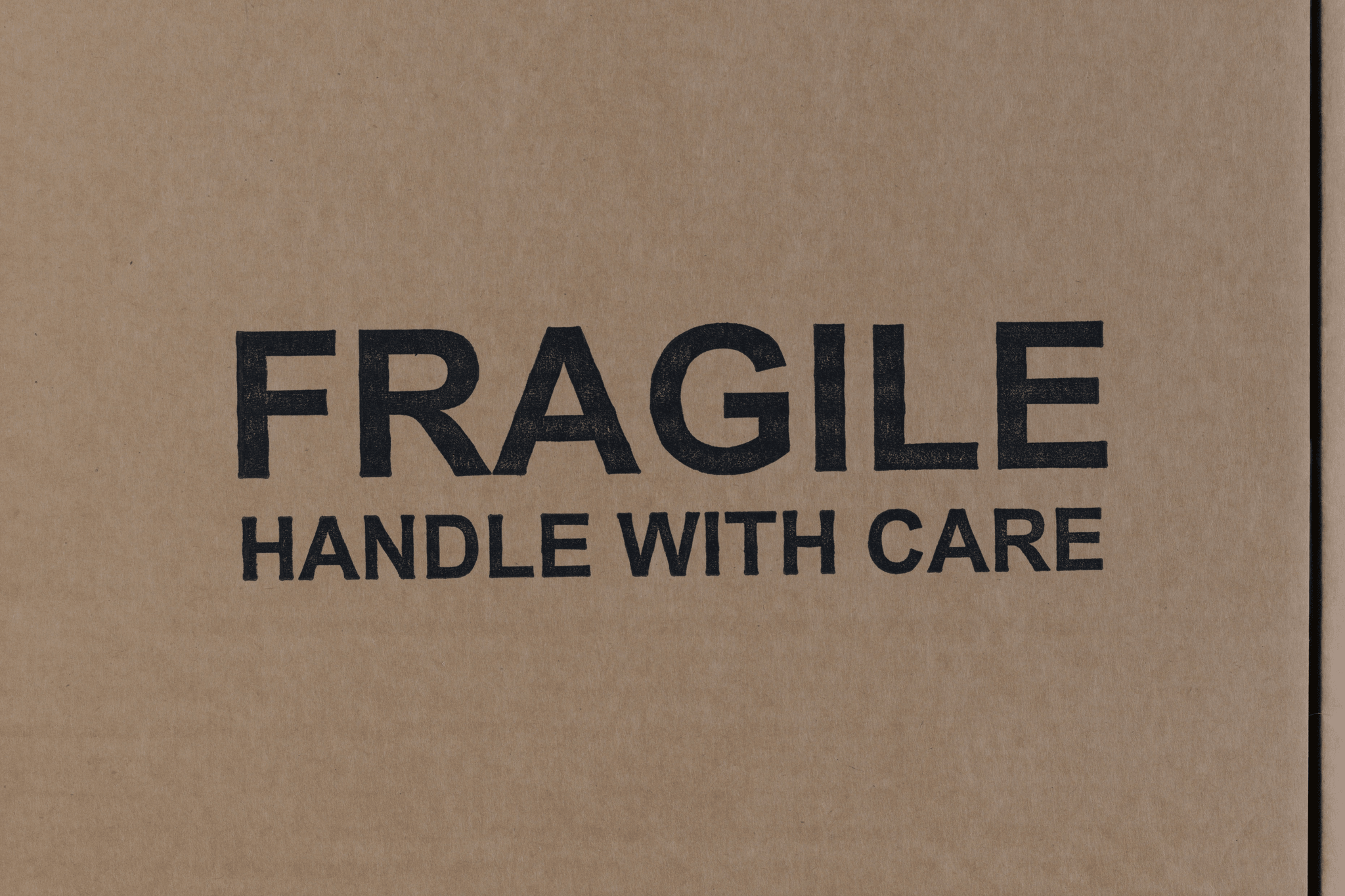
In the world of shipping, proper labeling and handling instructions are your first line of defense against product defects. Clear communication ensures that everyone involved in the shipping process understands how to handle packages correctly, minimizing the risk of damage during transit. When labels are clear and informative, it significantly reduces misunderstandings that can lead to costly errors.
The Role of Clear Communication
Effective labeling plays a pivotal role in preventing product defects and ensuring safe delivery. When packages are labeled clearly, they communicate essential information such as handling instructions, weight limits, and contents to all parties involved—shippers, carriers, and recipients alike. Without this vital communication tool, you risk falling into the pitfalls associated with low-quality packaging materials or poor internal cushioning and spacing that could lead to damaged goods.
Examples of Shipping Errors Due to Mislabeling
Mislabeling can have disastrous consequences for your business, often resulting in significant financial losses due to product defects. For instance, a company once shipped fragile glassware without adequate warnings on the label; as expected, many items arrived shattered due to mishandling by carriers unaware of their delicate nature. Such examples highlight how crucial proper labeling is—not just for protecting your products but also for maintaining a good reputation among customers who expect quality service.
Best Practices for Effective Labeling
To ensure effective labeling that minimizes risks associated with shipping errors, consider these best practices: always use durable labels that can withstand various environmental conditions; include clear handling instructions like Fragile or This Side Up; and double-check that all information is accurate before shipment. Additionally, integrating barcodes or QR codes can streamline tracking processes while reducing human error in reading labels. By adhering to these guidelines, you’ll not only protect your products from potential damage but also enhance customer satisfaction by delivering goods as promised.
Poor Internal Cushioning and Spacing

Insufficient cushioning often leads to product defects, as items are jostled around during transit, increasing the likelihood of damage. Proper internal cushioning not only protects products but also enhances customer satisfaction by ensuring that items arrive in pristine condition.
How Cushioning Affects Product Safety
Cushioning serves as the first line of defense against external shocks and vibrations that occur during shipping. When products are inadequately cushioned, they are more susceptible to impacts that can lead to significant product defects, such as cracks or breakage. Therefore, investing in high-quality cushioning materials is essential for maintaining product integrity and reducing the risk of costly returns.
Case Studies of Products Damaged in Transit
Consider a case where fragile glassware was shipped without adequate internal cushioning; upon arrival, nearly half of the items were shattered due to rough handling during transportation. Another example involves electronics shipped with minimal padding—many devices arrived with internal components dislodged or damaged beyond repair, leading to significant financial losses for the seller. These instances highlight how neglecting proper internal cushioning can turn a simple shipping process into a nightmare filled with product defects.
Recommended Internal Packaging Techniques
To mitigate risks associated with poor internal cushioning and spacing, businesses should adopt several best practices in their packaging techniques. First, utilize foam inserts or bubble wrap tailored to fit specific products snugly; this minimizes movement within the box while providing ample protection against impacts. Additionally, consider using dividers for multiple items in one package—this not only prevents contact between products but also helps distribute weight evenly and avoids overloading boxes beyond their weight limit.
Overloading Boxes Beyond Their Weight Limit

When it comes to shipping, overloading boxes beyond their weight limit can lead to a cascade of product defects that no business wants to deal with. Not only does this practice compromise the integrity of the packaging, but it also increases the risk of damage during transit. A box that's too heavy can burst at the seams or collapse under its own weight, resulting in costly losses and unhappy customers.
Consequences of Exceeding Weight Limits
Exceeding weight limits can have dire consequences for both products and businesses alike. First off, damaged goods lead to product defects that tarnish your brand's reputation and customer trust. Additionally, shipping carriers may impose hefty fines or refuse to transport overloaded packages altogether, leaving businesses scrambling for solutions at the last minute.
Moreover, overloading boxes can create safety hazards for delivery personnel and increase liability risks for companies. If a box breaks open during handling or transit due to excessive weight, not only are products at risk but also the safety of those involved in transporting them. This chain reaction ultimately affects your bottom line—costing you time, money, and potential sales.
Identifying the Right Box for Your Products
Choosing the right box is crucial in preventing issues related to overloading and ensuring safe delivery of your products. Start by evaluating your items' weight and dimensions; this will help you select a box designed specifically for the load it needs to carry without compromising structural integrity. Low-quality packaging materials that can't handle heavier weights will only exacerbate problems down the line.
Consider using double-walled boxes or reinforced containers when shipping heavier items; these options provide additional support that standard boxes lack. It's essential not just to think about what fits inside but also how much weight each box can bear without risking product defects during transit. Remember, investing in quality packaging is always more cost-effective than dealing with returns and damaged goods later on.
Guidelines for Load Distribution
Proper load distribution within a box is just as important as selecting an appropriate container; it's all about balance! When packing items together, ensure that heavier products are placed at the bottom while lighter ones sit on top—this minimizes stress on packaging materials and reduces chances of shifting during transport. Poor internal cushioning and spacing can lead directly to product defects if items collide or compress against one another.
Additionally, use void fill materials like bubble wrap or packing peanuts strategically around your products; they absorb shock from movement while maintaining proper spacing between items so they don’t touch each other directly. Following these guidelines not only helps prevent overloading issues but also enhances overall shipping efficiency—keeping both carriers happy and customers satisfied!
Choosing the Wrong Shipping Partner
When it comes to shipping, the choice of partner can be as crucial as the quality of your product itself. Selecting a quality carrier not only protects your goods but also helps mitigate potential product defects that can arise during transit. A reliable shipping partner understands the importance of low-quality packaging materials, proper labeling and handling instructions, and other factors that contribute to safe delivery.
The Importance of Selecting Quality Carriers
Quality carriers are essential for ensuring that products reach their destination in pristine condition, free from damage caused by poor internal cushioning and spacing or mishandling. The right shipping partner will have experience dealing with various types of products and understand how to manage unique requirements, thus reducing the risk of product defects. Additionally, they should prioritize safety protocols that prevent overloading boxes beyond their weight limit, which can lead to disastrous outcomes.
Selecting a reputable carrier also means they will have robust tracking systems in place to monitor shipments throughout their journey. This transparency allows businesses to address any issues proactively before they escalate into significant problems. Ultimately, choosing a quality shipping partner is an investment in your brand's reputation and customer satisfaction.
Case Examples of Poor Shipping Decisions
Consider a company that decided to save costs by choosing an unknown shipping service based solely on price rather than reliability; their products arrived damaged due to inadequate protection from low-quality packaging materials. In another instance, a business experienced delays because their chosen carrier failed to follow proper labeling and handling instructions, resulting in lost shipments and frustrated customers. These examples highlight how poor decisions regarding shipping partners can lead directly to product defects and tarnish a company's reputation.
Moreover, there are cases where companies overloaded boxes beyond their weight limit simply because they didn't consult with their chosen carrier about best practices for load distribution. This resulted in damaged goods and costly returns—an avoidable scenario if they had selected a more knowledgeable shipping partner who understood these nuances. Such stories serve as cautionary tales for businesses looking to streamline operations without sacrificing quality.
Evaluating Shipping Partners for Reliability
To avoid falling into the trap of choosing the wrong shipping partner, businesses must evaluate potential carriers thoroughly before making commitments. Start by checking reviews and testimonials from other companies within your industry; this will give you insight into how effectively they handle various challenges related to low-quality packaging materials or improper cushioning techniques during transit.
Next, inquire about their policies regarding product defects—how do they handle claims? Are there measures in place for accountability when mistakes happen? A trustworthy carrier should provide clear answers that reassure you about their commitment to excellence.
Lastly, consider requesting trial shipments with prospective partners; this hands-on approach allows you to assess if they align with your expectations regarding proper labeling and handling instructions as well as overall reliability in preventing overloading boxes beyond their weight limit during transport.
Conclusion
In the world of shipping, minimizing the risk of product defects is crucial for maintaining customer satisfaction and ensuring repeat business. By addressing common pitfalls such as low-quality packaging materials, improper labeling and handling instructions, poor internal cushioning and spacing, overloading boxes beyond their weight limit, and selecting the wrong shipping partner, businesses can significantly enhance their shipping processes. A proactive approach not only protects products but also safeguards a brand's reputation in a competitive marketplace.
Minimizing the Risk of Product Defects
To effectively minimize product defects during transit, it’s essential to invest in high-quality packaging materials that provide adequate protection against damage. Low-quality packaging materials can lead to a cascade of issues that ultimately result in unsellable products and unhappy customers. Additionally, clear communication through proper labeling and handling instructions ensures that everyone involved in the shipping process understands how to treat your goods with care.
Solutions for Better Shipping Practices
Implementing best practices for shipping can dramatically reduce the likelihood of encountering product defects. Businesses should focus on proper internal cushioning and spacing to prevent items from shifting during transit; this is where many products meet their untimely demise if not adequately protected. Furthermore, avoiding overloading boxes beyond their weight limit will help maintain structural integrity throughout the journey—after all, no one wants their carefully packed items arriving as a jumbled mess!
How China Inspection Pro Can Help Quality Assurance
China Inspection Pro specializes in quality assurance solutions that address these common pitfalls head-on. With expertise in evaluating packaging methods and ensuring compliance with best practices, they can help businesses avoid costly mistakes related to low-quality packaging materials or poor internal cushioning techniques. By partnering with China Inspection Pro, companies can streamline their shipping processes while mitigating risks associated with choosing the wrong shipping partner or failing to implement proper labeling strategies.