
Introduction

In the fast-paced world of global trade, timely shipping is not just a luxury; it’s a necessity. Delays in production can lead to missed deadlines, dissatisfied customers, and ultimately lost revenue. Understanding how to avoid production delays is crucial for importers who want to maintain a competitive edge.
The Importance of Timely Shipping
Timely shipping can make or break your business reputation. When customers expect their orders on time, any delay can result in frustration and lost trust. Therefore, specifying your expected shipping date early becomes vital in setting the stage for successful transactions.
Understanding Production Delays
Production delays often arise from unforeseen circumstances such as raw material shortages or labor issues. Recognizing these potential pitfalls allows importers to proactively manage their timelines and avoid unnecessary setbacks. By understanding the reasons behind these delays, businesses can better prepare and adapt their strategies accordingly.
How Experienced Importers Navigate Challenges
Experienced importers know that effective communication is key to navigating challenges in the supply chain. They emphasize the importance of managing production with a timeline that includes regular check-ins and updates with suppliers. Additionally, implementing robust production monitoring techniques helps ensure that deadlines are met without compromising quality, ultimately helping businesses avoid production delays.
Specify Your Expected Shipping Date Early

When it comes to international shipping, setting your expected shipping date early can be a game-changer. This proactive approach helps you avoid production delays that could derail your entire timeline. By establishing a clear shipping date from the get-go, you lay the groundwork for effective communication and collaboration with your suppliers.
Communicate Clear Timelines
Clear communication is essential in any business relationship, especially when navigating the complexities of global trade. By explicitly stating your expected shipping date, you create a mutual understanding that helps everyone stay on track. This clarity not only helps to avoid production delays but also encourages accountability among all parties involved in the process.
Align Expectations with Suppliers
Aligning expectations with suppliers is crucial for maintaining a smooth production flow. When both sides are on the same page regarding timelines and deadlines, it minimizes the risk of misunderstandings that can lead to costly delays. Ensuring that your suppliers understand your expected shipping date allows them to plan their operations accordingly and ultimately helps manage production with a timeline that meets your needs.
Importance of Written Agreements
While verbal agreements have their place, putting everything in writing is vital when it comes to international shipping. Written agreements serve as a reference point for both parties and help clarify expectations around timelines and responsibilities. By documenting your expected shipping date along with other important details, you create a safety net that can help avoid production delays should any issues arise later in the process.
Manage Production with a Timeline
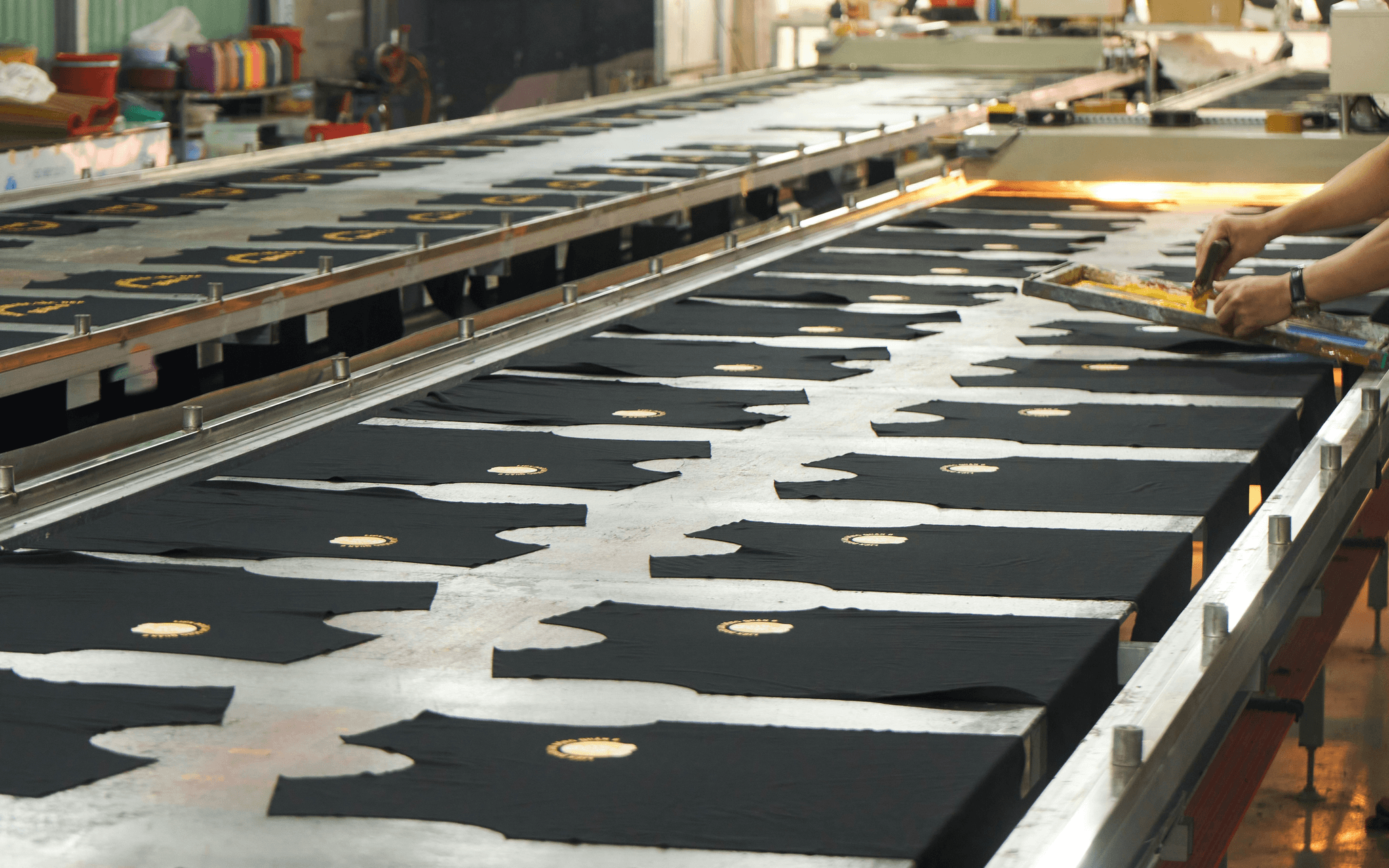
Navigating the complexities of international shipping requires a well-structured approach to production management. By implementing a timeline, you can effectively manage production and avoid production delays that could jeopardize your shipment schedule. A detailed plan not only keeps everyone on the same page but also serves as a roadmap to ensure that all parties are aligned with the expected shipping date.
Create a Detailed Production Schedule
Creating a detailed production schedule is akin to drafting a blueprint for success. This schedule should outline every phase of the manufacturing process, from raw material sourcing to final assembly, ensuring that you specify your expected shipping date early in the planning stages. By breaking down each task into manageable components, you can better allocate resources and time, significantly reducing the risk of unforeseen delays.
A comprehensive schedule also allows for transparency between you and your suppliers, fostering trust and accountability. When everyone understands their responsibilities and deadlines, it becomes easier to pinpoint potential bottlenecks before they escalate into major issues. Ultimately, this proactive approach is essential to avoid production delays that could derail your timelines.
Set Milestones to Track Progress
Milestones are like checkpoints on your journey; they help keep the momentum going while providing clear indicators of progress along the way. Setting specific milestones allows you to monitor various stages of production closely and ensures that everything aligns with your overall timeline. By establishing these benchmarks, you can quickly identify areas where adjustments may be needed before they become larger problems.
Regularly reviewing milestones also encourages communication among team members and suppliers, reinforcing accountability throughout the process. This way, if any issues arise—be it material shortages or labor challenges—you can address them promptly without losing sight of your expected shipping date. Remember, effective milestone tracking is vital for managing production with a timeline that works for everyone involved.
Flexibility in Adjusting Timelines
While having a structured timeline is crucial for avoiding production delays, flexibility is equally important when it comes to managing unforeseen circumstances. The reality is that no plan is foolproof; unexpected challenges will inevitably arise in any manufacturing process. Being open to adjusting timelines when necessary allows you to adapt without compromising quality or delivery schedules.
Incorporating flexibility means being prepared with contingency plans and alternative solutions should setbacks occur during production monitoring efforts. For instance, if an initial supplier fails to deliver materials on time, having backup options ready can help maintain progress towards meeting deadlines without significant disruption. Ultimately, embracing adaptability ensures you're equipped not just for success but also for overcoming obstacles while keeping an eye on your expected shipping date.
Production Monitoring to Manage Deadlines
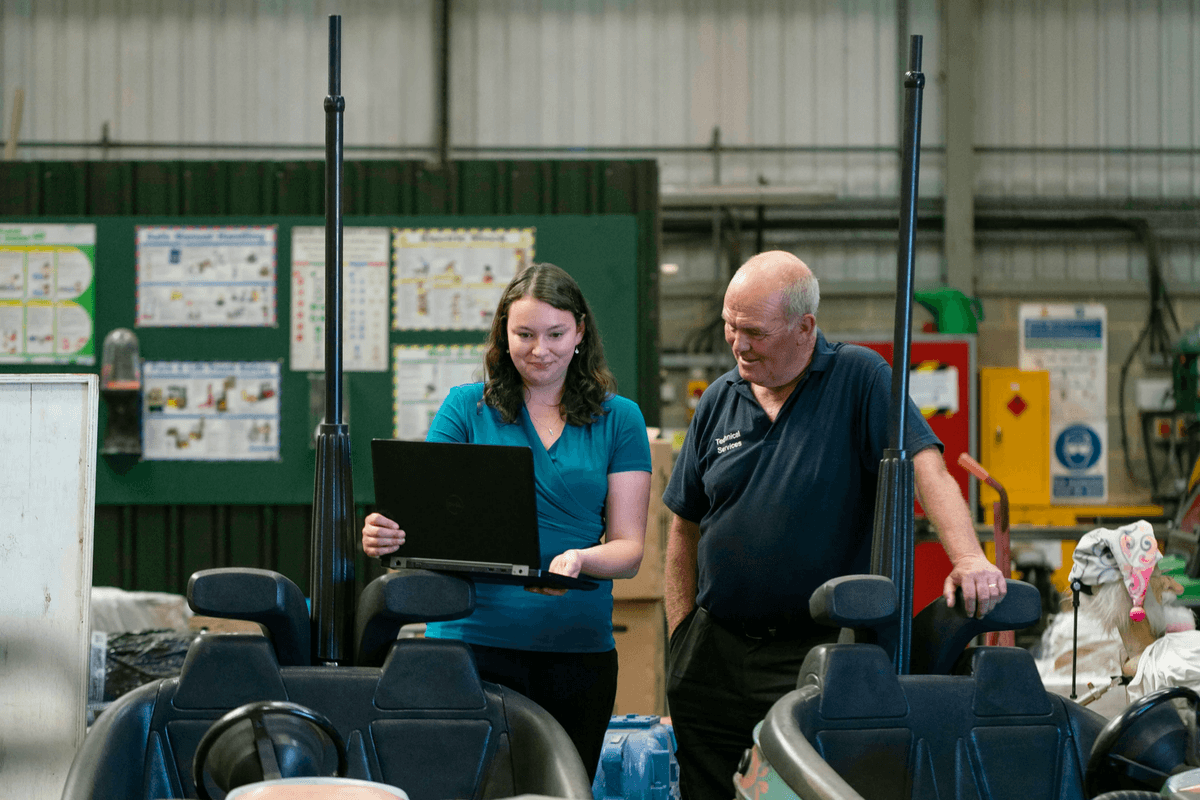
In the fast-paced world of importing, effective production monitoring is essential to manage deadlines and avoid production delays. By keeping a close eye on your manufacturing processes, you can ensure that everything stays on track and aligns with your specified shipping date. This proactive approach not only helps in managing production with a timeline but also fosters better relationships with suppliers.
Regular Check-ins with Manufacturers
Establishing regular check-ins with manufacturers is vital for staying informed about the production status. These meetings provide an opportunity to discuss any potential issues that could lead to delays, allowing you to address them before they escalate. By maintaining open lines of communication, you can effectively manage production with a timeline and ensure everyone is aligned on expectations.
Additionally, these regular updates help in building trust between you and your suppliers, making it easier to navigate challenges as they arise. When both parties are engaged in continuous dialogue, it's simpler to adjust timelines if necessary without compromising the overall schedule. Remember, specifying your expected shipping date early sets the stage for these productive conversations.
The Role of Quality Inspections by China Inspection Pro
Quality inspections play a crucial role in avoiding production delays by ensuring that products meet required standards before they ship. Partnering with services like China Inspection Pro allows importers to catch potential quality issues early in the process rather than discovering them after shipment has occurred. This proactive measure not only helps maintain product quality but also keeps your project timeline intact.
By incorporating quality inspections into your production monitoring strategy, you can significantly reduce the risk of costly delays caused by defective goods or rework requirements. Furthermore, having third-party inspections provides an objective perspective that can enhance communication between you and your manufacturer regarding quality expectations. Ultimately, this collaboration aids in managing production with a timeline while aligning closely with your specified shipping date.
Utilizing Technology for Real-Time Updates
Tools such as project management software or supply chain tracking platforms allow importers to monitor every aspect of their manufacturing process from anywhere in the world. These technological advancements enable you to manage production with a timeline more effectively by providing instant visibility into progress and any emerging problems.
Moreover, real-time updates foster accountability among all parties involved since everyone is aware of their responsibilities and deadlines at all times. This transparency not only helps avoid misunderstandings but also ensures that everyone remains focused on meeting specified shipping dates without unnecessary hiccups along the way. Embracing technology as part of your production monitoring strategy will undoubtedly enhance efficiency and streamline operations.
Conclusion
In the fast-paced world of international trade, avoiding production delays is crucial for maintaining a competitive edge. By implementing key strategies, businesses can streamline their processes and ensure timely delivery of products to customers. A proactive approach not only mitigates risks but also enhances relationships with suppliers and clients alike.
Key Strategies to Avoid Production Delays
To avoid production delays, the first step is to specify your expected shipping date early in the process. This allows all parties involved to align their schedules and prioritize tasks accordingly. Additionally, managing production with a timeline ensures that everyone knows what needs to be done and by when, reducing the likelihood of last-minute surprises.
Creating a detailed production schedule is another effective strategy for avoiding delays. By setting clear milestones, you can track progress and make necessary adjustments before issues arise. Regular communication with suppliers about these timelines will further help in avoiding misunderstandings that could lead to setbacks.
The Value of Proactive Communication
When you specify your expected shipping date early and maintain open lines of dialogue with suppliers, you create an environment where potential issues are addressed before they escalate into larger problems. This kind of collaboration enables both parties to manage production with a timeline that works for everyone involved.
Moreover, regular updates on progress can help identify any bottlenecks or challenges that may arise during production monitoring to manage deadlines effectively. Being upfront about expectations not only builds trust but also encourages accountability among team members and suppliers alike. In essence, proactive communication serves as both a shield against delays and a catalyst for smoother operations.
Leveraging Expertise in Quality Control
When trying to avoid production delays, leveraging expertise in quality control becomes paramount. Engaging professionals who specialize in quality inspections can provide invaluable insights into potential pitfalls during manufacturing processes that might otherwise go unnoticed until it's too late. Utilizing such expertise ensures that products meet standards before they leave the factory floor, thereby preventing costly reworks or returns down the line.
Incorporating technology into your quality control measures also plays a significant role in managing production timelines effectively. Real-time updates from inspection services allow you to stay informed about any issues as they occur rather than discovering them after shipment has been initiated—this proactive approach aligns perfectly with your goal of avoiding production delays altogether!
By combining these strategies—specifying shipping dates early, maintaining open communication channels, managing timelines diligently, and leveraging expert knowledge—you position yourself well against unforeseen challenges in international trade.