
Introduction
In the ever-evolving world of fashion accessories, navigating the maze of International Quality Standards is essential for manufacturers and consumers alike. These standards not only ensure product safety but also enhance brand reputation and consumer trust. By understanding the implications of Material Safety Standards, businesses can better align their practices with global expectations.
Understanding International Quality Standards
International Quality Standards serve as a framework that governs the production and distribution of goods across borders. They encompass various regulations, including REACH (Registration, Evaluation, Authorisation and Restriction of Chemicals) and CPSIA (Consumer Product Safety Improvement Act), which are pivotal in ensuring that products meet safety benchmarks. Familiarity with these standards helps companies maintain compliance while protecting their customers from potential hazards.
Importance of Material Safety Standards
Material Safety Standards are crucial in safeguarding consumers from harmful substances often found in fashion accessories. Regulations like REACH and CPSIA mandate rigorous testing to prevent the use of toxic materials in products, thus prioritizing consumer health over profit margins. By adhering to these standards, manufacturers not only comply with legal requirements but also build a solid foundation for customer loyalty and brand integrity.
Key Global Standards for Fashion Accessories
Among the myriad of regulations affecting fashion accessories, several key global standards stand out as vital for industry players to understand. These include Product Labeling Standards such as CARE labeling and Jewellery Standards that dictate how products should be marketed and presented to consumers. Compliance with ASTM F2923-14 is particularly important for children's jewellery, ensuring that even the tiniest customers are protected under stringent safety measures.
Material Safety Standards

Navigating the world of Material Safety Standards is crucial for anyone involved in the fashion accessories industry. These standards not only ensure compliance with regulations but also protect consumers from potential hazards associated with materials used in products. Understanding regulations like REACH and CPSIA is essential for manufacturers aiming to meet International Quality Standards while enhancing brand reputation.
Navigating REACH Regulations
REACH (Registration, Evaluation, Authorisation, and Restriction of Chemicals) is a cornerstone of material safety in the European Union that impacts fashion accessories significantly. It requires companies to register chemicals used in their products, ensuring that they are safe for human health and the environment. By navigating REACH regulations effectively, businesses can align their practices with International Quality Standards while avoiding costly penalties and market access issues.
Compliance with REACH not only safeguards consumers but also fosters a culture of transparency within the industry. Manufacturers must keep abreast of updates to these regulations, as non-compliance can lead to product recalls or bans. As such, understanding REACH is an indispensable part of maintaining high Material Safety Standards across all product lines.
Understanding CPSIA Compliance
The Consumer Product Safety Improvement Act (CPSIA) is another critical regulation that governs material safety standards in children's products, including fashion accessories like jewelry and clothing items. This act mandates rigorous testing for lead content and phthalates, ensuring that any product aimed at children meets strict safety criteria. By adhering to CPSIA compliance, manufacturers demonstrate their commitment to upholding International Quality Standards while prioritizing child safety.
Understanding CPSIA compliance helps businesses avoid legal repercussions while promoting consumer trust. Regular testing through certified labs ensures that products are safe before reaching store shelves or online markets. As a result, manufacturers who embrace CPSIA guidelines bolster their reputation as responsible players within the fashion accessories sector.
Ensuring Safety in Fashion Accessories
Ensuring safety in fashion accessories goes beyond mere compliance; it involves a proactive approach to quality assurance throughout the production process. By implementing robust quality control measures aligned with Material Safety Standards like REACH and CPSIA, brands can identify potential hazards early on and mitigate risks effectively. This dedication not only protects consumers but also enhances brand loyalty as customers increasingly seek out ethically produced items.
Moreover, fostering a culture of safety can lead to innovation within product development—companies might explore alternative materials or designs that adhere to stringent international standards without compromising style or functionality. Investing in education around these standards empowers teams across design, production, and marketing departments alike to prioritize consumer safety consistently. Ultimately, ensuring safety in fashion accessories reflects an organization's commitment to excellence underpinned by International Quality Standards.
Product Labeling Standards

In the world of fashion accessories, product labeling standards are crucial for ensuring transparency and safety. Labels serve as a bridge between manufacturers and consumers, providing essential information about materials, care instructions, and compliance with international quality standards. Without proper labeling, even the most beautifully crafted items can fall short in terms of trust and safety.
Importance of CARE Labeling
CARE labeling is not just a trendy addition to fashion accessories; it’s a vital component that communicates how to maintain products properly. By including care instructions on labels, brands empower consumers to extend the life of their beloved items while adhering to material safety standards like REACH and CPSIA. A well-crafted CARE label can enhance customer satisfaction and loyalty by minimizing the risk of damage due to improper handling.
Navigating Jewellery Standards
Navigating jewellery standards is essential for brands that want to ensure their products meet international quality expectations. Compliance with regulations such as ASTM F2923-14 ensures that jewellery is safe for consumers, particularly children who may be more susceptible to harmful materials. Understanding these standards helps manufacturers avoid costly recalls and build a reputation grounded in safety and reliability.
Implementing Effective Product Labels
Implementing effective product labels involves more than just slapping on some text; it's about creating an informative experience for consumers. Labels should clearly convey compliance with material safety standards while also being visually appealing—after all, aesthetics matter in fashion! By integrating elements like QR codes or eco-friendly materials into labels, brands can further engage customers while reinforcing their commitment to international quality standards.
ASTM F2923-14 Standards

The ASTM F2923-14 standards represent a pivotal framework in the realm of International Quality Standards, specifically tailored to ensure the safety of children's jewellery. This standard was developed to address the unique risks associated with children's accessories, including potential hazards from materials and design features. By adhering to these standards, manufacturers can not only comply with Material Safety Standards but also enhance consumer confidence in their products.
Overview of ASTM F2923-14
ASTM F2923-14 is a comprehensive standard that outlines specific requirements for children's jewellery, focusing on aspects such as material composition and design safety. This standard serves as a critical benchmark for manufacturers aiming to meet both domestic and international regulations like REACH and CPSIA. By incorporating these guidelines into their production processes, companies can better navigate the complexities of Product Labeling Standards while ensuring compliance with industry expectations.
Ensuring Safety for Children’s Jewellery
Safety is paramount when it comes to children’s jewellery, and ASTM F2923-14 plays an essential role in safeguarding young consumers from potential dangers. The standard mandates rigorous testing for harmful substances, ensuring that materials used are free from toxic elements that could pose health risks. Moreover, compliance with this standard not only aligns with Material Safety Standards but also reinforces the importance of CARE labeling in providing transparent information about product safety.
Impact on Marketability and Trust
Adhering to ASTM F2923-14 standards significantly enhances marketability by building trust among consumers who prioritize safety in children’s products. When brands demonstrate compliance with International Quality Standards, they position themselves as responsible manufacturers committed to child welfare—an increasingly important factor for parents today. Ultimately, this commitment not only boosts brand reputation but also fosters long-term loyalty among customers who value quality and safety over price alone.
Quality Inspection Processes
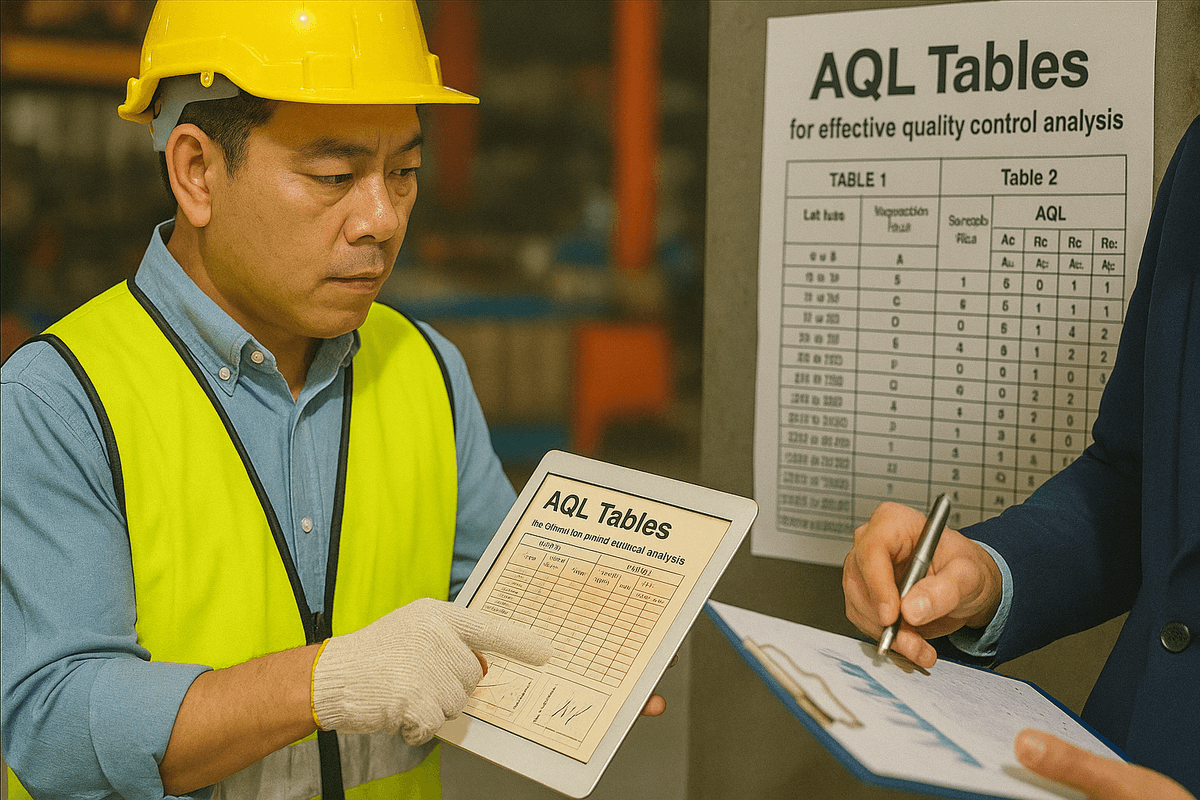
In the world of fashion accessories, quality inspection processes serve as the backbone for ensuring that products meet International Quality Standards. These processes are crucial for identifying potential issues early and maintaining compliance with Material Safety Standards such as REACH and CPSIA. By implementing robust quality inspection methods, brands can enhance their reputation while safeguarding consumers.
Role of China Inspection Pro
China Inspection Pro plays a pivotal role in the quality inspection landscape, especially for brands sourcing materials from China. This organization specializes in evaluating products against various International Quality Standards, ensuring compliance with Material Safety Standards like REACH and CPSIA. With their expertise in navigating complex regulations, they help companies streamline their quality assurance processes and avoid costly compliance pitfalls.
Enhancing Product Quality and Safety
Enhancing product quality and safety is not just about meeting standards; it’s about exceeding consumer expectations. By adhering to Product Labeling Standards such as CARE labeling and Jewellery Standards, brands can communicate essential information about their products effectively. This transparency fosters trust among consumers, making them more likely to choose products that prioritize safety and compliance with ASTM F2923-14 standards.
Turning Findings into Actionable Insights
The findings from quality inspections should not just sit on a shelf; they need to be transformed into actionable insights for continuous improvement. Companies can analyze inspection reports to identify trends or recurring issues related to Material Safety Standards or product labeling that may need addressing. By leveraging these insights, businesses can refine their processes, enhance product safety further, and ultimately align more closely with International Quality Standards.
Conclusion
In wrapping up our exploration of International Quality Standards, it’s clear that the landscape of fashion accessories is heavily influenced by a myriad of regulations and guidelines. From Material Safety Standards like REACH and CPSIA to Product Labeling Standards such as CARE labeling, compliance is not just about following rules; it's about ensuring consumer safety and brand integrity. As we’ve discussed, understanding these standards is crucial for manufacturers aiming to thrive in a competitive market.
Recap of International Quality Standards
International Quality Standards serve as the backbone for ensuring that products meet essential safety and quality benchmarks across global markets. These standards encompass various aspects such as Material Safety Standards, which include vital regulations like REACH and CPSIA that protect consumers from hazardous substances in fashion accessories. Additionally, effective Product Labeling Standards ensure that consumers are well-informed about what they are purchasing, creating transparency and trust in the marketplace.
Importance of Compliance in Fashion Industry
Compliance with International Quality Standards is paramount for any brand looking to make its mark in the fashion industry. Adhering to Material Safety Standards not only safeguards consumers but also enhances a brand's reputation, fostering loyalty among customers who prioritize safety and quality. Moreover, understanding specific guidelines like ASTM F2923-14 for children’s jewellery can significantly impact marketability—brands that prioritize compliance stand out in an increasingly conscientious consumer landscape.
Future of Quality Standards in Accessories
Looking ahead, the future of quality standards in accessories will likely evolve with advancements in technology and changes in consumer expectations. We may see stricter enforcement of existing Material Safety Standards while new regulations emerge to address innovative materials used in fashion accessories. As brands continue to adapt their strategies around Product Labeling Standards—like CARE labeling—they will not only comply with regulations but also resonate more deeply with informed consumers who demand transparency.