
Introduction

In today's fast-paced manufacturing landscape, the importance of quality control (QC) cannot be overstated. Companies strive to deliver products that meet customer expectations while minimizing defects and ensuring safety. Quality control serves as the backbone of this process, providing a systematic approach to identifying and addressing potential issues before they escalate.
The Importance of Quality Control
Quality control is essential for maintaining product integrity and fostering customer trust. It involves regular inspections and assessments to ensure that every item meets established standards, thus reducing the risk of costly recalls or brand damage. By implementing robust QC measures, businesses not only enhance their reputation but also improve operational efficiency.
What is AQL Sampling?
AQL sampling, or Acceptable Quality Level sampling, is a statistical method used in quality control to determine whether a batch of products meets specified quality standards. This technique allows inspectors to evaluate a representative sample rather than examining every single item, making it an efficient approach for large-scale production runs. By utilizing AQL sampling, companies can achieve clear inspection results while saving time during inspection processes.
The Role of QC Professionals
QC professionals play a pivotal role in ensuring that AQL sampling is effectively implemented within organizations. They are responsible for designing inspection plans, analyzing sample data, and making informed decisions based on findings from the sampling process. Their expertise helps mitigate disadvantages such as the risk of overlooking issues outside the inspection sample and navigating time constraints that may not allow for comprehensive inspections.
Understanding AQL Sampling
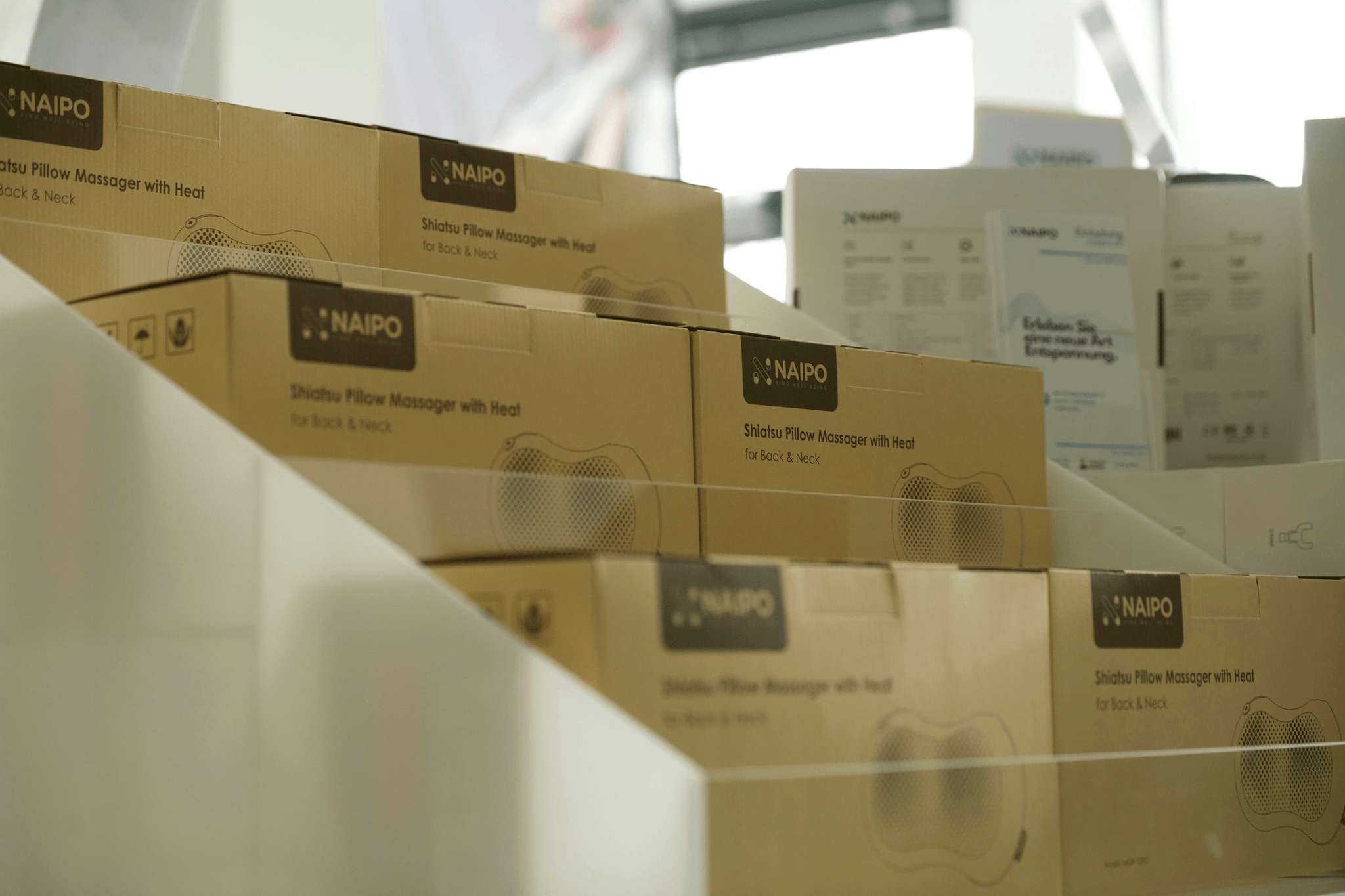
AQL Sampling, or Acceptable Quality Level sampling, is a pivotal concept in quality control that helps businesses maintain product standards without overwhelming their resources. This method allows companies to inspect a portion of their production rather than every single item, striking a balance between efficiency and thoroughness. By employing AQL sampling, organizations can streamline their quality assurance processes while still ensuring that the products meet necessary specifications.
Definition and Overview
At its core, AQL sampling is a statistical method used to determine the acceptable number of defective items in a batch of products. It sets predefined limits on the number of defects allowed before the entire batch is rejected, thus providing clear inspection results for quality control professionals. This approach not only simplifies inspections but also offers flexibility in adapting to various industries and production scales.
Benefits of AQL Sampling
One significant advantage of AQL sampling is its ability to save time during inspection processes. Instead of evaluating every item produced, which can be time-consuming and labor-intensive, inspectors focus on a representative sample that reflects the overall quality of the batch. Additionally, inspecting a sample is cost-effective; it reduces labor costs while still ensuring that product quality meets customer expectations.
Moreover, AQL standards are highly flexible and can be tailored to fit different manufacturing environments or specific client requirements. This adaptability means businesses can customize their quality checks without compromising on standards or compliance with regulatory frameworks. Ultimately, these benefits culminate in more efficient operations and improved resource allocation across various sectors.
How AQL Sampling Works
The process begins by determining the sample size based on factors such as batch size and desired confidence level in inspection results. After selecting an appropriate sample size from the total production lot, inspectors evaluate each item against predetermined criteria for defects or non-conformance. The results inform decisions about whether to accept or reject the entire batch based on established AQL levels.
However, it's crucial to acknowledge some disadvantages associated with AQL sampling for QC inspection; one notable concern is the risk of overlooking issues outside the inspection sample due to limited scope. Furthermore, time constraints may not allow for an extensive examination beyond what’s included in the sample set—this could lead to undetected defects slipping through unnoticed during production runs. As such, while AQL sampling offers numerous advantages like efficiency and cost-effectiveness, it’s essential for businesses to remain vigilant about its limitations.
Sampling Saves Time During Inspection

In the fast-paced world of quality control, time is often of the essence. AQL sampling allows businesses to conduct efficient quality checks without sacrificing thoroughness. By focusing on a representative sample, companies can quickly assess product quality while ensuring that the inspection process remains robust and reliable.
Efficiency in Quality Checks
AQL sampling enhances efficiency in quality checks by allowing inspectors to evaluate a smaller subset of products instead of examining each item individually. This method not only saves time but also provides clear inspection results that can be analyzed more easily than data from a full inspection. With AQL sampling, QC professionals can quickly identify any defects or issues while minimizing the disruption to production schedules.
Reducing Inspection Cycles
The beauty of AQL sampling lies in its ability to significantly reduce inspection cycles. By concentrating efforts on a sample rather than an entire batch, companies can expedite their quality assurance processes and get products to market faster. However, it’s essential to remember that while AQL sampling offers speed, time constraints may not always allow for an adequate sample size, which could lead to potential risks.
Streamlining the QC Process
Streamlining the QC process is another major benefit of using AQL sampling in inspections. With its flexible standards tailored for various industries, businesses can adapt their approach based on specific needs without compromising quality assurance efforts. Nevertheless, it's crucial to acknowledge the disadvantages of AQL sampling for QC inspection; notably, there’s a risk of overlooking issues outside the inspection sample that could impact overall product integrity.
Inspecting a Sample is Cost Effective

In the world of quality control, the phrase time is money rings especially true. AQL Sampling not only helps ensure product quality but also provides a budget-friendly approach to quality assurance. By focusing on inspecting a sample rather than every single item, businesses can save significant resources while still obtaining clear inspection results.
Budget-Friendly Quality Assurance
Implementing AQL Sampling as part of your quality control process means you can maintain high standards without breaking the bank. This method allows companies to allocate their budgets more efficiently by reducing labor costs associated with full inspections. As a result, organizations can invest those savings into other critical areas, such as research and development or marketing, all while ensuring that their products meet necessary standards.
Lowering Production Costs
Lowering production costs through effective sampling strategies is one of the most appealing aspects of AQL Sampling. By inspecting only a portion of products, businesses can minimize waste and reduce the time spent on exhaustive checks that may not yield additional value. However, it's essential to remain vigilant about the risk of overlooking issues outside the inspection sample; if defects are present in uninspected items, they could lead to costly recalls or customer dissatisfaction.
Balancing Cost and Quality
Finding the right balance between cost and quality is crucial for any business aiming for long-term success. AQL Sampling offers flexibility that allows companies to tailor their inspection processes based on specific needs and industry requirements—an adaptability that many find invaluable when navigating diverse markets. However, time constraints may not always allow for an AQL sample; thus, it’s vital for QC professionals to assess whether this method aligns with their operational goals while considering potential disadvantages such as limited sample sizes.
AQL Standards are Highly Flexible

AQL standards are not one-size-fits-all; they’re designed to be highly flexible, adapting to the unique needs of various industries. Whether you're in manufacturing, textiles, or electronics, AQL sampling can be tailored to meet specific quality requirements without compromising efficiency. This adaptability ensures that businesses can maintain high-quality standards while still benefiting from the time-saving and cost-effective nature of sampling.
Adaptability to Different Industries
One of the most significant advantages of AQL sampling is its adaptability across different sectors. In industries like food production, where safety is paramount, AQL standards can be adjusted to focus on critical parameters that ensure consumer health. Similarly, in electronics manufacturing, AQL can emphasize functionality and durability, allowing companies to address their unique challenges while still adhering to quality control principles.
This flexibility means that businesses can implement AQL sampling effectively without overhauling their existing processes or systems. By customizing the inspection criteria based on industry-specific needs, companies can optimize their quality checks for maximum impact. Ultimately, this adaptability leads to clearer inspection results and helps organizations maintain compliance with industry regulations.
Customizing AQL for Your Needs
Customizing AQL sampling is essential for aligning quality control efforts with organizational goals and customer expectations. Companies have the option to determine acceptable quality levels based on their specific tolerances and risk assessments. By tailoring these parameters, businesses can strike a balance between ensuring product reliability and managing costs effectively.
Moreover, when you customize your AQL standards according to your needs, it allows for a more focused approach during inspections—minimizing the risk of overlooking issues outside the inspection sample. This tailored strategy not only improves overall product quality but also enhances stakeholder confidence in your brand's commitment to excellence. After all, when you know what works best for your products or services, you set yourself up for success in a competitive market.
Ensuring Compliance with Multiple Standards
In today's global marketplace, ensuring compliance with multiple standards is crucial for businesses aiming to expand their reach internationally. The flexibility of AQL standards allows companies to align their quality control processes with various regulatory requirements seamlessly—be it ISO certifications or industry-specific guidelines. This capability enables organizations not only to meet but also exceed expectations across different markets.
However, alongside these benefits lie some disadvantages of AQL sampling for QC inspection; time constraints may not always allow for an adequate sample size during inspections which could lead to potential risks in overlooking critical issues if they fall outside that limited scope. Therefore, while customizing your approach ensures compliance and clarity in inspection results through effective use of AQL sampling techniques—it's vital also to remain vigilant about potential pitfalls associated with this method.
In conclusion, embracing the flexible nature of AQL standards empowers organizations across industries by providing a framework that meets diverse needs while facilitating efficient inspections and maintaining high-quality outputs.
Disadvantages of AQL Sampling for QC Inspection

While AQL sampling is a widely adopted method in quality control, it does come with its own set of disadvantages that can impact the overall effectiveness of inspections. Understanding these drawbacks is crucial for businesses aiming to maintain high standards while also implementing efficient processes. By recognizing the limitations of AQL sampling, organizations can make informed decisions about their quality assurance strategies.
Risk of Overlooking Issues
One significant disadvantage of AQL sampling is the inherent risk of overlooking issues outside the inspection sample. Since only a portion of the total production is examined, defects or inconsistencies present in untested items may go unnoticed, potentially leading to customer dissatisfaction or product recalls. This risk underscores the importance of complementing AQL sampling with other quality assurance methods to ensure comprehensive coverage and minimize oversight.
Limitations of Sample Size
Another challenge associated with AQL sampling lies in its limitations regarding sample size. Depending on the batch size and established acceptance criteria, a small sample may not adequately represent the entire lot’s quality. This limitation can lead to erroneous conclusions about product performance and reliability, emphasizing that while inspecting a sample is cost-effective, it might not always provide an accurate picture.
Addressing Practical Challenges
Time constraints may further complicate the application of AQL sampling in QC inspections. In fast-paced manufacturing environments where rapid turnaround is essential, there might not be enough time to conduct an adequate AQL sample inspection before products are shipped out. To address these practical challenges, businesses should consider integrating additional checks or alternative methodologies that ensure thorough quality assessments without sacrificing efficiency.
Conclusion
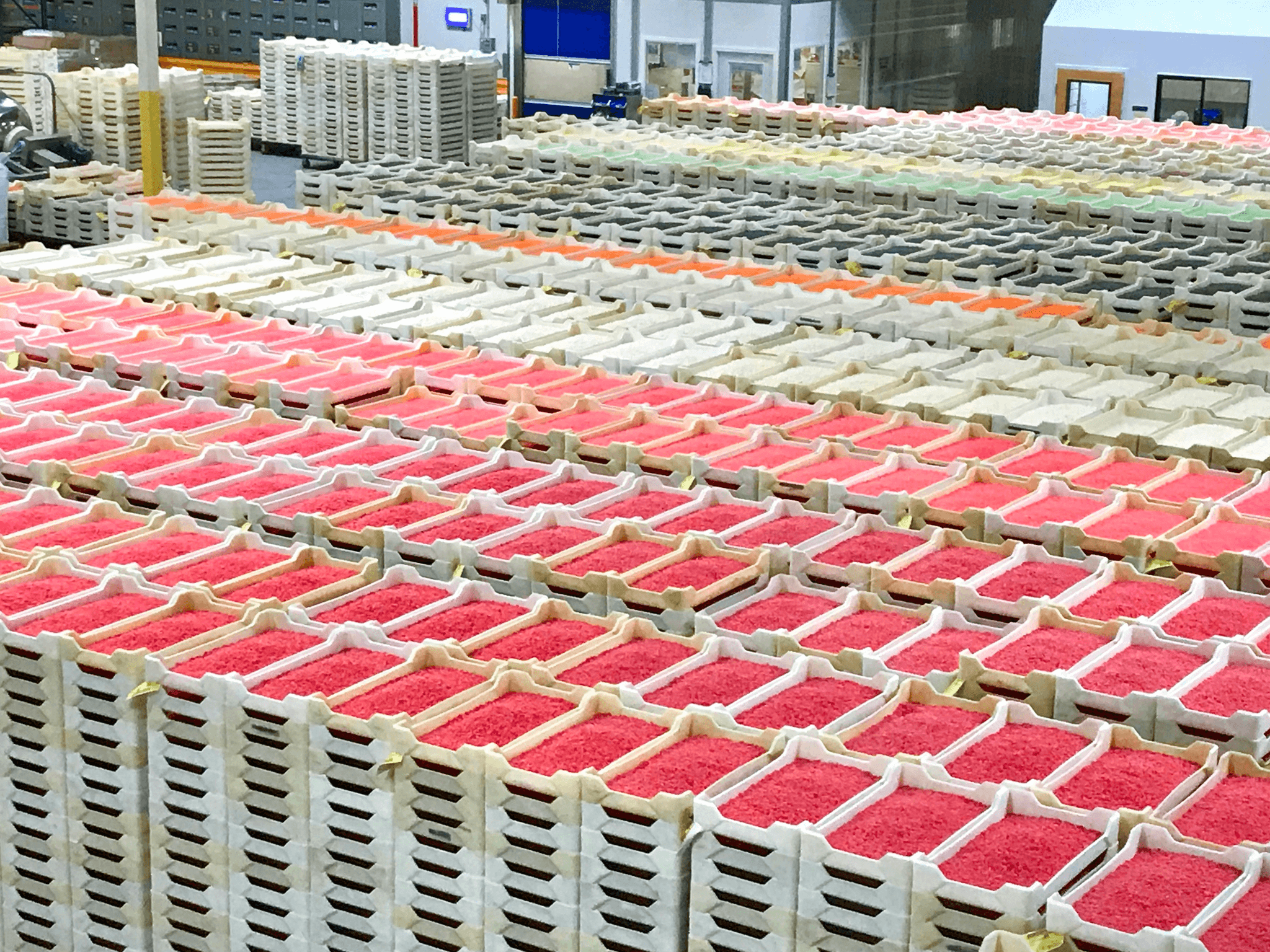
In summary, AQL Sampling is a vital tool in quality control that streamlines the inspection process while ensuring products meet specified standards. By focusing on a sample rather than the entire batch, organizations can save time during inspection and reduce costs without sacrificing quality. However, it's important to remain aware of the potential disadvantages of AQL sampling for QC inspection, including the risk of overlooking issues outside the inspection sample.
Key Takeaways from AQL Sampling
AQL Sampling provides several key benefits that can significantly enhance quality control efforts. First and foremost, it saves time during inspection by allowing QC professionals to assess a representative sample instead of scrutinizing every item. Additionally, this method is cost-effective; inspecting a sample reduces labor and operational expenses while still providing clear inspection results that inform decision-making.
The Impact of Effective Sampling
Effective sampling through AQL standards can transform an organization's approach to quality assurance. By implementing these flexible standards, businesses can adapt their quality checks to meet industry-specific requirements while balancing cost and quality effectively. However, it’s crucial to acknowledge that time constraints may not always allow for an AQL sample; therefore, companies must weigh their options carefully when deciding on their QC strategies.
Why Choose China Inspection Pro for QC Needs
When it comes to reliable QC services, China Inspection Pro stands out as a top choice for businesses seeking expertise in AQL Sampling. With a commitment to delivering accurate inspections and addressing any disadvantages of AQL sampling for QC inspection, they ensure your products are up to par before reaching consumers. Their experienced team understands the nuances of various industries and offers tailored solutions that maximize efficiency while minimizing risks associated with overlooking issues outside the inspection sample.