
Introduction

Regular Battery Charger Inspection is essential for maintaining safe and efficient power systems. Over time, chargers can develop issues that compromise performance or safety, making routine inspections crucial. By adhering to proper inspection protocols, you can catch problems early before they escalate, saving both time and money.
Understanding common Battery Charger Issues helps in diagnosing problems quickly and accurately. Issues like corrosion, loose connections, or overheating often stem from neglecting regular inspections. Familiarity with these typical faults allows inspectors to cross-check against design code and standard requirements effectively.
Proper inspection practices not only extend the lifespan of your battery chargers but also prevent costly downtime. When inspections align with the purchase order specification and approved drawings, it ensures compliance with the purchaser's standards. Moreover, following a structured approach that includes reviewing packing and shipping procedures guarantees that your equipment remains in top condition from delivery to operation.
Visual Inspection for Physical Damage
When conducting a Battery Charger Inspection, a keen eye for physical damage is your first line of defense. Cracks, corrosion, or burn marks can be silent indicators of underlying issues that might compromise the charger’s safety and performance. Always cross-reference your findings with the design code and standard to ensure that any visible damage aligns with acceptable tolerances and doesn’t violate the purchase order specification.
Next, it’s crucial to inspect power cables and connectors thoroughly. Frayed wires or loose connections often slip past casual checks but can lead to serious faults if ignored. During this process, verify that all wiring adheres to the approved drawings and conforms to the purchaser’s standards, preventing future failures or safety hazards. Proper inspection ensures that the packing and shipping procedure hasn’t compromised cable integrity, which is vital for long-term reliability.
Finally, look for unusual wear and tear on all external components of the battery charger. Signs like worn-out insulation or deformed parts may indicate mishandling during transportation or subpar manufacturing quality—both issues that should be flagged during visual inspection. Remember, aligning your observations with the purchase order or contract helps confirm that all internal standards are met without deviation from approved drawings or specifications.
Verifying Electrical Connections

Ensuring the electrical connections of a battery charger are solid is a critical step in the Battery Charger Inspection process. Proper grounding according to approved drawings not only safeguards personnel but also guarantees that the device operates within safety standards outlined by the relevant design code and standard. Neglecting this can lead to malfunction or even hazardous situations, which is why verifying these connections against the purchase order specification is essential for compliance and safety.
Confirming tightness of terminal connections is more than just a quick twist of a wrench; it’s about ensuring every connection aligns with the purchase order or contract requirements. Loose or improperly secured terminals can cause intermittent power issues, reduce efficiency, or damage internal components—issues that often slip past casual inspections. Regularly cross-checking these connections against approved drawings and standards helps maintain the integrity of your battery charger and prevents costly downtime.
Testing for loose or frayed wires involves more than a visual check; it requires careful electrical testing to identify hidden faults that could compromise performance or safety. Frayed wires are often overlooked during routine visual inspections but can cause short circuits if not detected early, especially when adhering to strict purchaser's standards during battery charger inspection. Incorporating thorough testing aligned with design code and standard ensures your equipment meets all safety and operational benchmarks specified in the purchase order or contract, ultimately extending its lifespan.
Testing Charging Output and Voltage

Properly testing the charging output and voltage is a cornerstone of effective Battery Charger Inspection. This process ensures that the charger operates within the parameters set by the Design code and Standard, helping to prevent costly failures down the line. By conducting these tests, inspectors can verify that the charger meets both the technical specifications outlined in the Purchase order specification and aligns with the Purchaser's standards for safety and performance.
Use Multimeters to Measure Output Voltage
Using a reliable multimeter during Battery Charger Inspection allows for precise measurement of the charger's output voltage. It's crucial to measure at various points to ensure consistency across all terminals, especially when dealing with complex internal components. Remember, accurate readings help confirm whether your equipment adheres to the specifications outlined in Approved drawings and complies with applicable Design code and Standard requirements.
Compare Results to Design Code and Standard Specifications
Once you have your voltage readings, compare them against the values specified in the Design code and Standard applicable to your region or industry. This step is vital because it verifies that your battery charger operates within safe limits as defined by regulatory standards. Discrepancies between measured results and these standards could indicate issues needing further inspection or repair, reinforcing why adherence to Purchase order specification details is essential.
Identify Under or Overcharging Issues
Detecting under or overcharging issues during Battery Charger Inspection can save time, money, and equipment lifespan. If voltage measurements fall outside acceptable ranges specified in Purchase order or Contract documents, it suggests potential problems with internal components or wiring connections—highlighting areas where compliance with Approved drawings is critical for troubleshooting. Addressing these issues promptly ensures that chargers function optimally according to Purchaser's standards, preventing future failures.
Inspecting Cooling and Ventilation Systems

Effective Battery Charger Inspection isn’t complete without a thorough look at the cooling and ventilation systems. Over time, dust, debris, or even small objects can block fans and vents, disrupting airflow and causing overheating. Ensuring these components are clear helps maintain the charger’s performance in line with the design code and standard, preventing costly breakdowns.
Maintaining proper cooling according to the purchase order specification is crucial for long-term reliability. During Battery Charger Inspection, cross-referencing the manufacturer’s recommended standards with the approved drawings ensures that cooling systems operate optimally. When these standards are followed diligently, it reduces the risk of component failures due to overheating, which can also be flagged during routine checks aligned with the packing and shipping procedure.
Preventing overheating isn’t just about keeping things cool; it’s about adhering to the purchase order or contract requirements that specify acceptable operating conditions. Regular inspection of fans and vents helps identify potential blockages early—before they turn into expensive repairs—and guarantees that every part of the charger conforms to your purchaser’s standards. This proactive approach ensures your Battery Charger Inspection process remains thorough, compliant, and cost-effective.
Assessing Internal Components and Circuit Boards

When conducting a thorough Battery Charger Inspection, examining internal components and circuit boards is crucial to ensure long-term reliability. Carefully inspect for signs of damage such as burn marks, cracking, or corrosion, which could indicate underlying issues that compromise safety and performance. Remember, a keen eye for these details helps identify potential failures early, aligning with the design code and standard requirements that dictate proper internal layout and component placement.
Verifying component ratings in the purchase order specification is an essential step during Battery Charger Inspection. Cross-reference each part against the specifications outlined in the purchase order or contract to confirm they meet the standards expected by the purchaser's standards. This process guarantees that all internal components are rated appropriately for their intended load and environmental conditions, preventing mismatched parts that could lead to system failure or non-compliance with approved drawings.
Following approved drawings during internal assessment ensures consistency with the original design intent and regulatory compliance. These drawings serve as a blueprint for internal layout, wiring configurations, and component placement—key factors in maintaining conformity with industry standards. During inspection, refer back to these approved drawings to verify that assembly aligns with what was specified in the purchase order or contract, especially concerning packing and shipping procedures which often include detailed internal schematics.
Reviewing Purchase Order or Contract Compliance
Ensuring that the battery charger aligns with the purchase order or contract is a critical step in the Battery Charger Inspection process. This review guarantees that all specifications, features, and standards outlined by the purchaser are thoroughly met, preventing costly rework or delays down the line. Cross-referencing these details with approved drawings and purchase order specifications helps identify discrepancies early, saving time and resources.
It's essential to verify that the charger adheres to both industry standards and specific requirements laid out in the purchase order. This includes confirming compliance with design code and standard guidelines, which serve as benchmarks for quality and safety. Any deviation from these standards during inspection could compromise performance or safety, so meticulous comparison is key to maintaining integrity.
Furthermore, reviewing packing and shipping procedures ensures that the product arrives intact and ready for deployment. Proper packing according to agreed standards prevents damage during transit, aligning with the purchaser's standards for quality assurance. Cross-checking shipping documentation against purchase order specifications reduces errors and streamlines logistics, reinforcing a seamless supply chain process.
Functional Testing and Load Testing
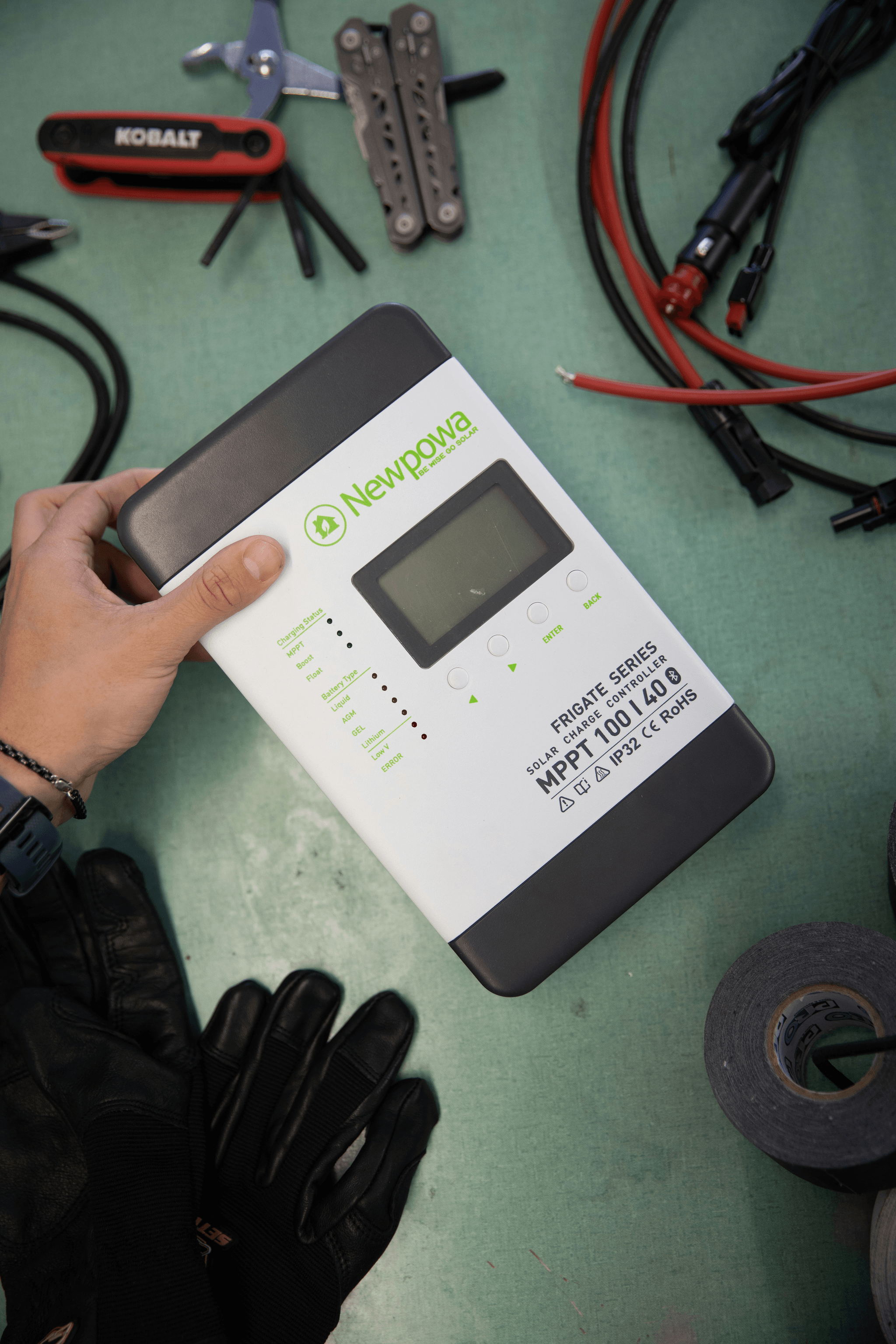
Once the visual and electrical inspections are complete, it's time to put the Battery Charger through its paces with real-world testing. Conducting these scenarios ensures that the charger performs reliably under typical operating conditions, aligning with the specifications outlined in the purchase order or contract. Remember, thorough testing not only confirms compliance with design code and standard but also verifies that the charger meets the purchaser's standards for safety and efficiency.
During functional testing, simulate actual charging tasks to observe how well the charger handles various battery capacities and types. This process helps identify any discrepancies from the approved drawings or deviations from purchase order specifications. It’s essential to document all findings meticulously, as these records serve as future reference for warranty claims, maintenance planning, or audits related to Battery Charger Inspection.
Load testing is equally critical; it pushes the charger to its rated loads to verify stability and performance under maximum capacity. Confirming that your device handles rated loads according to design code and standard ensures longevity and reduces downtime risks. Always cross-check packing and shipping procedures before deploying tested chargers; this guarantees that they arrive intact and ready for operation in line with purchase order or contract requirements.
Conclusion
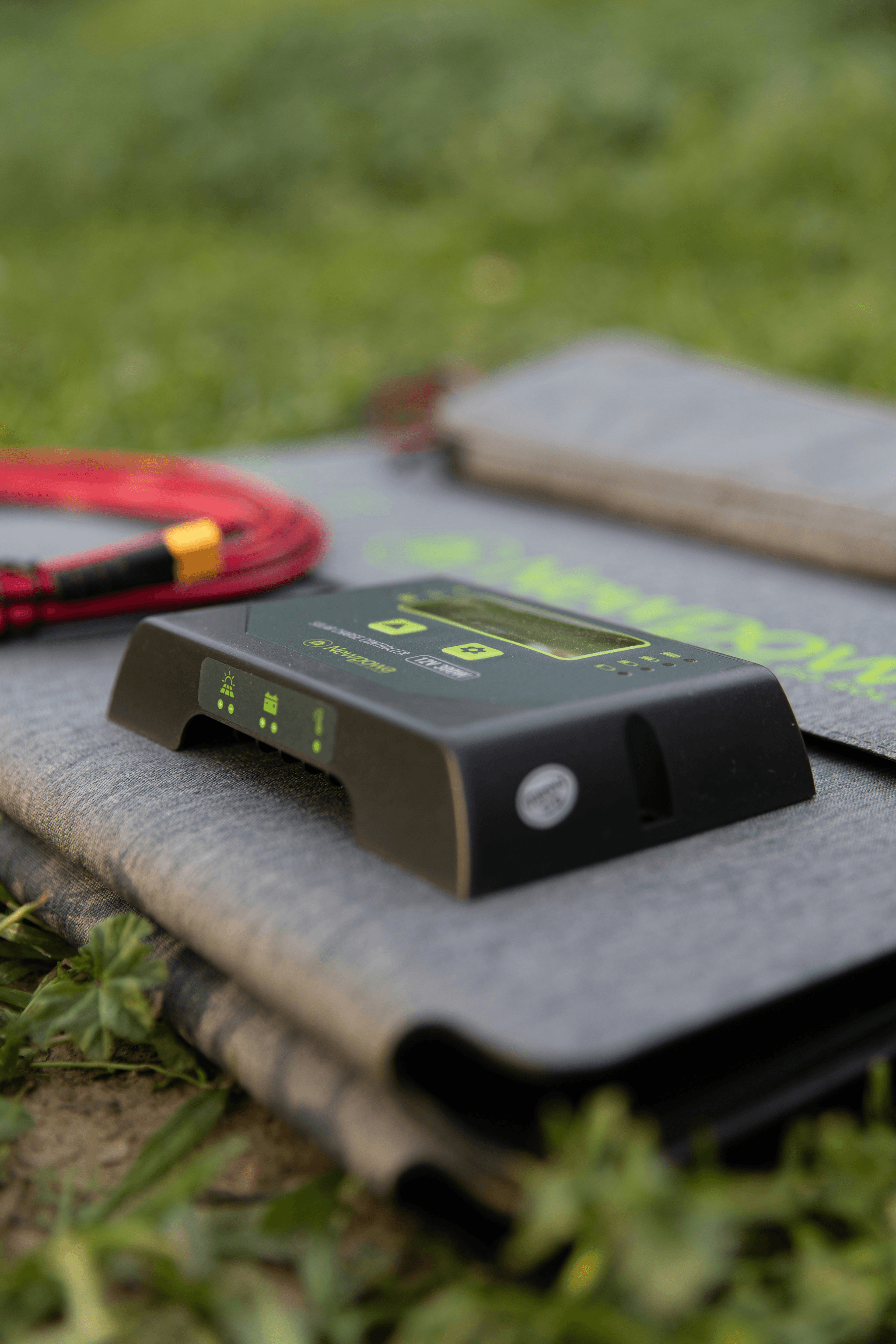
In the world of battery management, ensuring compliance with industry standards through rigorous Battery Charger Inspection is non-negotiable. Regular inspections help identify potential issues before they escalate, safeguarding equipment and personnel alike. By adhering to the design code and standard guidelines, you can confidently maintain your chargers’ reliability and safety, ultimately saving time and money.
A comprehensive Battery Charger Inspection aligned with the Purchase order specification guarantees that every component meets the required standards. Cross-referencing internal components with approved drawings ensures accuracy and consistency across your equipment. When you follow these protocols, you reinforce conformity with the Purchaser's standards, minimizing risks associated with non-compliance or subpar performance.
The value of routine Battery Charger Inspection by China Inspection Pro cannot be overstated—it's your frontline defense against unexpected failures. These inspections encompass verifying packing and shipping procedures to ensure safe delivery and proper handling of chargers. Maintaining a disciplined approach to inspection not only extends equipment lifespan but also ensures that each charger adheres strictly to the Purchase Order or Contract requirements, providing peace of mind for all stakeholders.