
Introduction
In the world of flooring, carpet inspection plays a pivotal role in ensuring that your choice not only enhances the aesthetic appeal of your space but also meets quality standards. With various types of carpets available—such as Level Loop Pile Carpet, Plush/Velvet Carpet, Textured/Saxony Carpet, and others—the need for thorough inspections becomes even more pronounced. Understanding the nuances of each type is essential for maintaining quality and longevity.
Understanding the Importance of Carpet Inspection
Carpet inspection is crucial for identifying defects and ensuring that carpets meet industry standards before they are installed in homes or commercial spaces. Whether it’s a luxurious Plush/Velvet Carpet or a durable Frieze Carpet, inspecting these products can prevent costly mistakes and dissatisfaction down the line. By catching issues early on, you can save time and money while ensuring a beautiful finish to your flooring.
Overview of Carpet Quality Control Standards
Quality control standards in the carpet industry serve as benchmarks to ensure that products perform well under various conditions. These standards cover everything from material durability to colorfastness, impacting how carpets like Knotted Pile Carpet or Needlefelt Carpet are manufactured and evaluated. Familiarity with these guidelines helps consumers make informed choices about their carpeting options.
What to Expect During a Carpet Inspection
During a carpet inspection, expect a thorough examination that covers appearance, texture, and overall construction quality across different types such as Textured/Saxony Carpets or Level Loop Pile Carpets. Inspectors will assess for common defects like uneven loops or pile distortion while employing specialized tools designed for effective evaluation. Being prepared with knowledge about what inspectors look for can empower you to take proactive steps in maintaining your carpet's integrity.
The Basics of Carpet Types

Understanding the different types of carpets is essential for effective carpet inspection. Each type comes with its unique characteristics and potential issues that can affect quality and durability. By familiarizing yourself with these varieties, you can better assess what to look for during a carpet inspection.
Level Loop Pile Carpet Explained
Level loop pile carpet features loops of yarn that are all cut to the same height, creating a flat surface that is both durable and practical. This type of carpet is often used in high-traffic areas due to its ability to withstand wear and tear while maintaining its appearance over time. During a carpet inspection, it's crucial to check for uniformity in loop height, as inconsistencies can indicate manufacturing defects or improper installation.
Level loop pile carpets are available in various materials, including nylon and polyester, both known for their resilience. Inspectors should pay attention to the density of the loops; denser carpets typically offer better performance. Additionally, look out for signs of fraying or unraveling at the edges during your carpet inspection, which could compromise longevity.
Plush/Velvet Carpet Characteristics
Plush or velvet carpets are synonymous with luxury and comfort, featuring densely packed fibers that create a soft texture underfoot. This type of carpet is popular in residential settings where aesthetics take precedence over heavy foot traffic considerations. During a carpet inspection, it’s important to evaluate the pile height and density; higher densities often correlate with better durability but may also require more maintenance.
One common issue found during inspections of plush/velvet carpets is matting or crushing caused by heavy furniture or foot traffic patterns. Inspectors should also be on the lookout for color fading or staining since plush fibers tend to show dirt more readily than other types like level loop pile carpet. Ensuring proper care instructions are followed can help maintain their pristine appearance longer.
Textured/Saxony Carpet Features
Textured or Saxony carpets boast twisted fibers that create a casual yet sophisticated look suitable for various environments—residential and commercial alike. The unique texture helps hide footprints and vacuum marks, making it an excellent choice for homes with pets or children where aesthetics must balance practicality during a thorough carpet inspection process.
Inspecting textured/Saxony carpets involves checking for uneven tuft heights which can lead to an unkempt appearance over time if not addressed properly. Additionally, inspectors should assess how well the fibers bounce back after being walked on; good resilience indicates quality manufacturing standards have been met during production. Regular maintenance will ensure these carpets remain vibrant while enhancing overall durability through proper care practices.
The Inspection Process
Carpet inspection is a crucial step in ensuring that your flooring investment stands the test of time and looks its best. Whether you're dealing with a Level Loop Pile Carpet, Plush/Velvet Carpet, or even more specialized options like Frieze Carpet or Knotted Pile Carpet, understanding the inspection process can save you from future headaches. This section will guide you through the steps involved in inspecting carpets effectively, identifying common defects, and utilizing the right tools for a thorough evaluation.
Step-by-Step Guide to Carpet Inspection
To kick off your carpet inspection journey, start by conducting a visual assessment of the overall condition of your carpet. Look for any visible signs of wear and tear, such as fraying edges or discoloration in your Plush/Velvet Carpet or Textured/Saxony Carpet. Next, get down to the nitty-gritty—use your hands to feel for inconsistencies in texture and density; this is particularly important for recognizing issues specific to Frieze Carpet or Needlefelt Carpet.
Once you’ve completed your initial visual check, it’s time to examine seams and edges closely. Pay special attention to how well they are secured; loose seams can lead to further damage down the line. Finally, take note of any areas that seem uneven or have an unusual texture—these could indicate deeper problems that warrant further investigation.
Common Defects Found in Carpets
During a carpet inspection, various defects may rear their ugly heads—knowing what to look for can make all the difference! One common issue is matting, particularly prevalent in plush carpets like Plush/Velvet Carpets; this occurs when fibers compress over time due to foot traffic. Another defect often found is wrinkling or buckling; these problems can arise from poor installation practices and affect any type of carpet including Level Loop Pile Carpets.
Stains are another frequent visitor on the defect list; whether from spills or pet accidents, they can significantly detract from both appearance and longevity. Additionally, color fading is something that many owners overlook but should be monitored closely—especially with vibrant carpets like Textured/Saxony Carpets which may lose their luster over time due to sun exposure.
Tools Used for Effective Inspection
Equipping yourself with the right tools transforms carpet inspection from guesswork into an art form! A magnifying glass can help you spot small defects that might otherwise go unnoticed during your initial visual assessment—perfect for checking fibers on Frieze Carpets and Knotted Pile Carpets alike. A moisture meter is invaluable too; it helps determine if there’s excess moisture trapped within your carpets which could lead to mold growth if ignored.
Don’t forget about using a tape measure! It's essential for checking dimensions around areas where seams meet or ensuring that gaps are within acceptable limits across different types of carpets like Needlefelt Carpets. Lastly, having samples of cleaning agents handy allows you to test how well certain stains respond before committing fully—this proactive approach ensures you're ready for anything when it comes time for maintenance!
Quality Control Standards
These standards not only dictate the materials used in various types of carpets, such as Level Loop Pile Carpet or Plush/Velvet Carpet, but also set guidelines for durability and performance. By adhering to these standards, manufacturers can ensure that their products will stand the test of time while satisfying consumer expectations.
Industry Standards for Carpet Quality
The carpet industry has established a variety of quality control standards that manufacturers must follow to guarantee product reliability. For instance, carpets like Textured/Saxony Carpet and Frieze Carpet are evaluated based on their fiber content, density, and resilience against wear and tear. Compliance with these standards helps consumers make informed decisions while shopping for different styles and types of carpets.
Moreover, specific tests are conducted to assess the performance characteristics of Knotted Pile Carpet and Needlefelt Carpet. These tests evaluate factors such as stain resistance, colorfastness, and overall durability under various conditions. Understanding these industry benchmarks provides insight into what consumers should look for during a carpet inspection.
Role of China Inspection Pro in Quality Control
China Inspection Pro plays a pivotal role in maintaining quality control within the carpet manufacturing sector by offering specialized inspection services tailored to different carpet types. Their expertise ensures that products like Level Loop Pile Carpet and Plush/Velvet Carpet meet established industry standards before reaching consumers' hands. By conducting thorough inspections, they help identify defects early in production, saving manufacturers time and money.
In addition to inspecting various styles like Textured/Saxony Carpet or Frieze Carpet, China Inspection Pro also provides valuable feedback on manufacturing processes that can enhance overall quality control measures. Their meticulous approach includes evaluating material sourcing and production methods to ensure compliance with international quality benchmarks. This proactive stance not only benefits manufacturers but also elevates consumer confidence in their purchases.
Benchmarking against International Standards
Benchmarking against international quality control standards is essential for any carpet manufacturer aiming to compete globally. The process involves comparing local practices with internationally recognized guidelines for carpets like Knotted Pile Carpet or Needlefelt Carpet to ensure consistency in quality across markets. This comparison helps identify areas where improvements can be made while also highlighting best practices from around the globe.
For instance, when assessing Level Loop Pile Carpets against international metrics, manufacturers can pinpoint weaknesses in durability or design flaws that may not meet global expectations. Similarly, benchmarking Plush/Velvet Carpets allows producers to understand how their offerings stack up against competitors worldwide regarding texture and comfort levels. By continually refining their processes through this benchmarking approach, companies can elevate their products' marketability while ensuring customer satisfaction remains at the forefront.
Specialized Carpet Types
Different carpets come with unique characteristics that can affect their performance and maintenance needs. In this section, we will explore Frieze, Knotted Pile, and Needlefelt carpets, highlighting their distinct qualities and inspection considerations.
Frieze Carpet and Its Unique Qualities
Frieze carpet is known for its tightly twisted yarns that create a textured surface, making it an excellent choice for high-traffic areas. This type of carpet not only adds a touch of style but also hides dirt and footprints effectively, which can be a significant advantage during carpet inspections. Additionally, the unique construction of Frieze carpets allows them to bounce back from compression, enhancing their durability over time.
During a carpet inspection, pay close attention to the twist level and density of the fibers in Frieze carpets. High-quality Frieze should maintain its texture without showing excessive wear or flattening. Inspectors should also look for any fraying or unraveling at seams since these issues can compromise both aesthetics and longevity.
Knotted Pile Carpet Overview
Knotted pile carpets are crafted using a traditional weaving technique where each knot is tied by hand or machine to create intricate patterns and textures. This type of carpet is often associated with luxury due to its craftsmanship and artistic designs. During a carpet inspection, it's essential to evaluate the knot density; higher densities generally indicate superior quality.
Inspectors should also check for consistency in color and pattern throughout the knotted pile carpet; any discrepancies could signal manufacturing defects or damage during handling. Given their intricate nature, these carpets require careful cleaning methods to maintain their appearance—something inspectors must communicate clearly to clients post-inspection.
Needlefelt Carpet Applications and Inspection
Needlefelt carpets are made from synthetic fibers that are mechanically bonded together through needle-punching techniques; this results in a durable surface ideal for commercial environments such as offices or retail spaces. Their resilience against stains makes them popular in settings where spills are likely—making regular carpet inspections vital for maintaining appearance over time.
During inspections of Needlefelt carpets, look out for signs of matting or wear patterns caused by foot traffic; these can indicate when replacement may be necessary. Inspectors should also assess the backing material since it plays a significant role in stability and longevity under heavy use conditions. Overall, understanding these specialized types ensures that your approach to carpet inspection remains thorough and effective.
Actionable Recommendations Post-Inspection
Once the carpet inspection is complete, the next crucial step is to take action on the findings. This phase can make or break the quality of your carpets, whether they are Level Loop Pile Carpet, Plush/Velvet Carpet, Textured/Saxony Carpet, or any other type. Addressing these findings promptly ensures that your carpets not only meet but exceed customer expectations.
How to Address Inspection Findings
Start by categorizing defects based on their severity—some issues may require immediate attention while others can be scheduled for later resolution. For instance, if a Frieze Carpet has noticeable fraying or a Knotted Pile Carpet shows uneven knots, these should be tackled first to prevent further damage and maintain aesthetic appeal.
Communication with your team is essential in this stage. Ensure everyone involved understands the specific issues found during the carpet inspection and develop a clear plan of action for remediation. Whether it’s repairing damaged areas or replacing entire sections of a Plush/Velvet Carpet, having a structured approach will streamline efforts and enhance overall quality.
Enhancing Quality Based on Inspection Results
After addressing immediate concerns from your carpet inspection findings, it's time to focus on enhancing quality across all types of carpets in your inventory. Use insights gained from inspecting Level Loop Pile Carpets and Textured/Saxony Carpets to refine manufacturing processes and materials used in production. Implementing feedback loops where inspectors share their observations with product designers can lead to significant improvements in both durability and design.
Consider investing in training sessions for staff involved in both production and installation phases as well; knowledge about common defects found during inspections can empower them to take proactive measures that prevent future issues. Additionally, incorporating advanced technologies such as moisture detection systems for Needlefelt Carpets can help catch problems before they escalate.
Importance of Regular Inspections for Quality Assurance
Regular inspections are not just an afterthought; they are vital for maintaining high standards in carpet quality assurance across all varieties—from Frieze Carpets to Knotted Pile Carpets. By scheduling consistent evaluations, you create an ongoing dialogue about quality that keeps everyone accountable and engaged with their work processes. This proactive approach helps identify trends or recurring issues that might otherwise go unnoticed until they become costly problems.
Moreover, regular inspections foster customer trust by ensuring that every piece of Plush/Velvet Carpet or Level Loop Pile Carpet meets established industry standards consistently over time. When customers see that you prioritize quality through routine checks, it enhances brand loyalty and encourages repeat business—a win-win situation! Ultimately, making regular inspections part of your operational routine will not only safeguard your reputation but also elevate the overall customer experience when it comes to carpeting solutions.
Conclusion
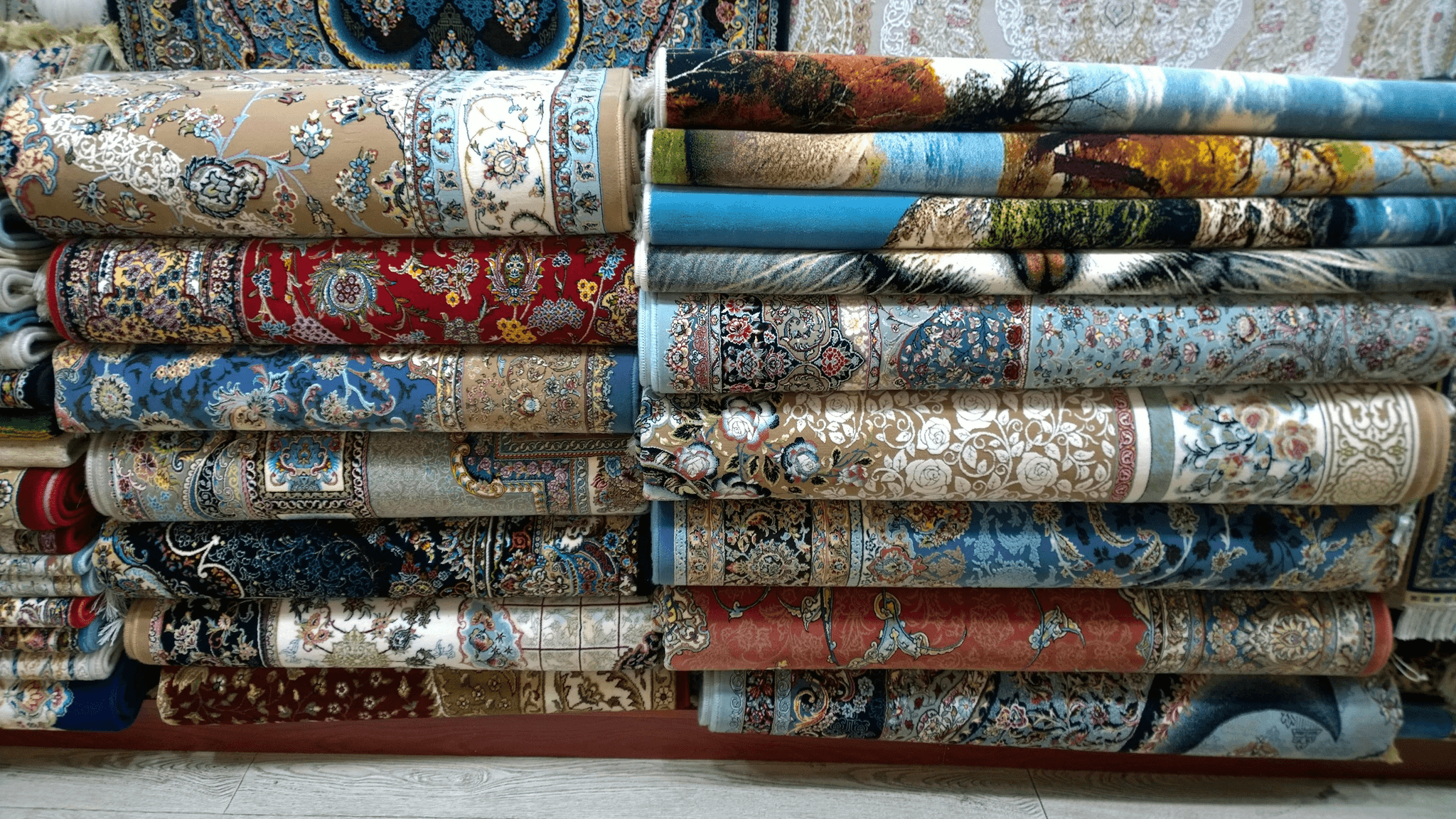
In wrapping up our exploration of carpet inspection, it's clear that understanding the nuances of various carpet types—from the durable Level Loop Pile Carpet to the luxurious Plush/Velvet Carpet—is essential for maintaining high standards. The inspection process not only identifies defects but also ensures that carpets like Textured/Saxony Carpet and Frieze Carpet meet quality expectations. Regular inspections serve as a proactive measure, safeguarding your investment and enhancing overall satisfaction.
Recap of Carpet Inspection Significance
Carpet inspection plays a pivotal role in ensuring that every piece of flooring meets industry standards and customer expectations. By scrutinizing options such as Knotted Pile Carpet and Needlefelt Carpet, we can uncover potential issues before they escalate into costly problems. Ultimately, thorough carpet inspection contributes to longevity and performance, proving that diligence pays off in the long run.
Final Thoughts on Quality Control Standards
Quality control standards are not just bureaucratic red tape; they are vital benchmarks that keep manufacturers accountable for their products. Whether dealing with plush textures or intricate designs, adhering to these standards guarantees that carpets will perform well under various conditions. Embracing these guidelines fosters trust between consumers and manufacturers, ensuring everyone walks on quality flooring.
Moving Forward with Carpet Quality Management
As we look ahead in carpet quality management, it’s crucial to integrate regular inspections into maintenance routines for all types of carpets—from the classic Level Loop Pile to innovative Needlefelt designs. This proactive approach not only addresses existing issues but also anticipates future challenges in carpet care. By committing to ongoing quality management practices, we can elevate our spaces while enjoying the comfort and beauty that well-inspected carpets bring.