
Introduction
In an era where quality and safety are paramount, Home Textile Inspection has emerged as a critical component in ensuring that products meet both consumer expectations and regulatory requirements. The textile industry, particularly in the home sector, is rife with potential pitfalls that can lead to safety concerns or product failures if not properly managed. Understanding the nuances of Home Textile Inspection is essential for manufacturers, retailers, and consumers alike.
Understanding Home Textile Inspection
Home Textile Inspection involves a systematic evaluation of textiles used in home furnishings, such as curtains, bedding, and upholstery. This process ensures that products are free from defects and comply with various quality control standards. Key organizations like EKO-TEX Standards and the American Society for Testing and Materials play pivotal roles in defining these standards and protocols.
Importance of Quality Control Standards
Quality control standards serve as benchmarks for manufacturers to produce safe and durable textiles while also fostering consumer confidence. When home textiles meet established guidelines from organizations such as the Global Organic Textile Standard or the American Association of Textile Chemists and Colorists, it assures buyers that they are investing in reliable products. Moreover, adherence to these standards can significantly reduce returns due to defects or dissatisfaction.
Key Organizations in Textile Standards
Several key organizations contribute to establishing quality benchmarks within the textile industry. The EKO-TEX Standards focus on environmentally friendly practices while ensuring product safety for consumers. Similarly, the Association for Contract Textiles emphasizes compliance tailored for commercial markets, highlighting how diverse stakeholders benefit from rigorous testing protocols aimed at maintaining high-quality assurance across all areas of home textile inspection.
The Role of Home Textile Inspection

Home Textile Inspection plays a pivotal role in ensuring that products meet safety and quality standards before they reach consumers. This process is vital for manufacturers and retailers alike, as it not only ensures compliance with various regulations but also enhances the overall quality of home textiles. By adhering to established standards, such as EKO-TEX Standards, companies can guarantee that their textiles are safe for use and free from harmful substances.
Ensuring Product Safety and Compliance
One of the primary objectives of Home Textile Inspection is to ensure product safety and compliance with industry regulations. Organizations like the American Society for Testing and Materials provide guidelines for testing materials used in home textiles, ensuring they meet safety requirements. Compliance with standards such as the Global Organic Textile Standard further reinforces a commitment to producing safe, eco-friendly products that consumers can trust.
Reducing Defects and Returns
Another significant benefit of rigorous Home Textile Inspection is the reduction of defects and returns. By implementing comprehensive testing protocols set forth by bodies like the American Association of Textile Chemists and Colorists, manufacturers can identify potential issues early in the production process. This proactive approach minimizes costly returns while enhancing customer satisfaction through consistently high-quality products.
Building Customer Trust
Building customer trust is crucial in today’s competitive market, where consumers are more informed than ever about product quality and safety standards. Home Textile Inspection fosters this trust by ensuring that textiles meet or exceed expectations set by various organizations, including The Association for Contract Textiles. When customers know their purchases adhere to stringent inspection processes—like those outlined by EKO-TEX Standards—they are more likely to develop loyalty toward brands committed to quality assurance.
EKO-TEX Standards Explained
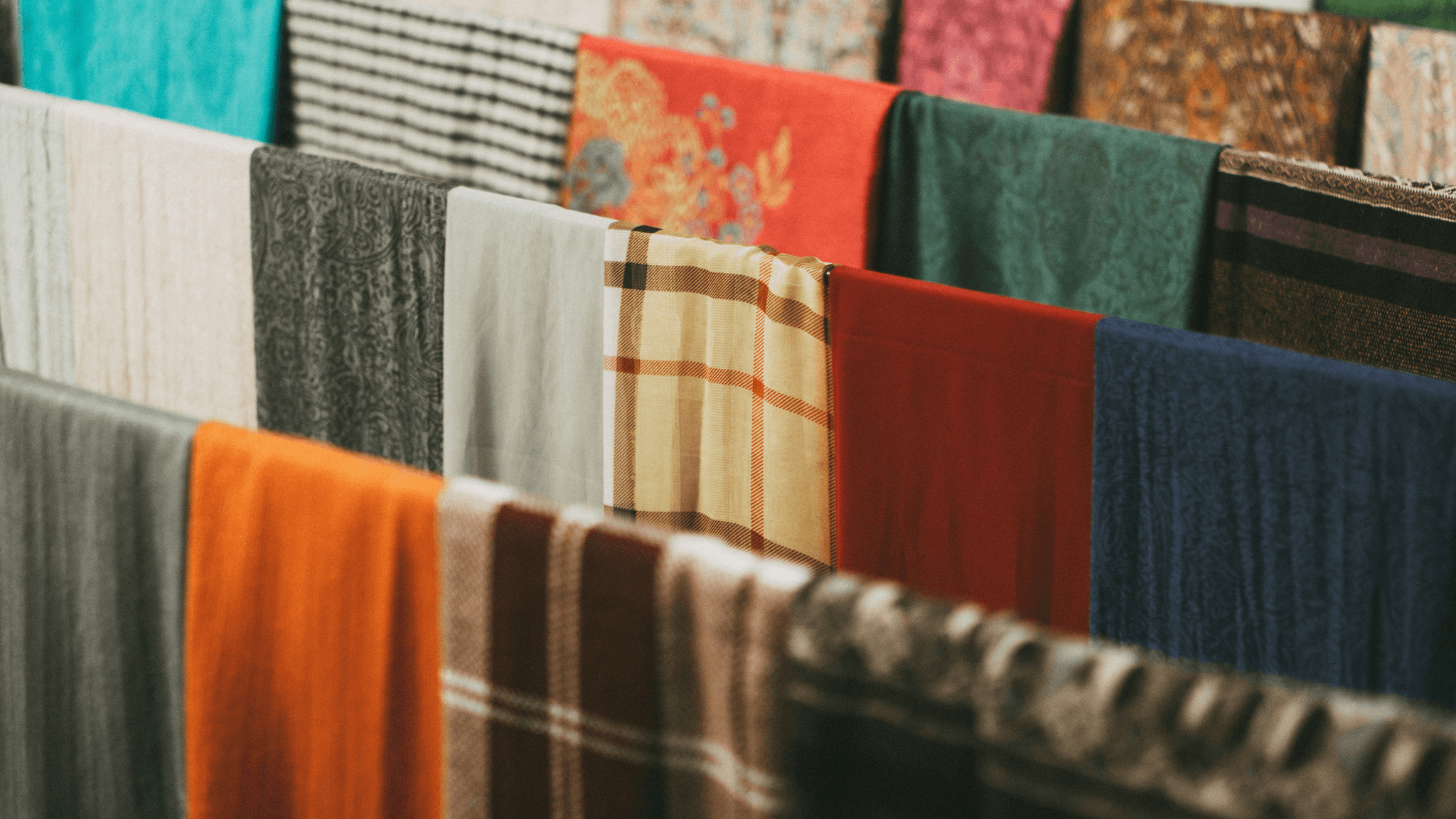
EKO-TEX Standards play a pivotal role in the realm of Home Textile Inspection, ensuring that textiles used in homes are safe and free from harmful substances. This certification system is designed to assess the safety and environmental impact of textile products throughout their lifecycle. By adhering to EKO-TEX Standards, manufacturers can confidently demonstrate their commitment to quality and consumer safety.
Overview of EKO-TEX Certification
EKO-TEX Certification is a globally recognized standard that evaluates textiles for harmful substances, ensuring they meet stringent safety criteria. The certification process involves rigorous testing by accredited laboratories, which analyze various parameters such as chemical composition and potential allergens. Products that pass these assessments receive the prestigious EKO-TEX label, signaling compliance with high-quality standards in Home Textile Inspection.
Benefits of EKO-TEX for Consumers
For consumers, EKO-TEX Certification offers peace of mind regarding the safety and quality of their home textiles. When purchasing items with this label, buyers can trust that the products have been tested for harmful chemicals and meet strict ecological criteria. Additionally, this certification enhances marketability; consumers are increasingly drawn to brands that prioritize transparency and sustainability in their offerings.
Compliance Process and Requirements
The compliance process for obtaining EKO-TEX Certification involves several steps designed to ensure thorough evaluation of textile products. Manufacturers must submit samples for testing at authorized laboratories affiliated with the American Society for Testing and Materials (ASTM) or other recognized bodies. Once tests are completed successfully, companies must maintain ongoing compliance through regular audits and updates to ensure continued adherence to both EKO-TEX Standards and other relevant guidelines such as those set by the Global Organic Textile Standard (GOTS) or the American Association of Textile Chemists and Colorists (AATCC).
American Society for Testing and Materials

The American Society for Testing and Materials (ASTM) plays a crucial role in the realm of Home Textile Inspection by establishing standards that ensure the quality and safety of textile products. These standards serve as benchmarks for manufacturers, helping them meet regulatory requirements and consumer expectations. By adhering to ASTM guidelines, companies can enhance their credibility in a competitive market.
Role in Home Textile Inspection
ASTM provides a comprehensive framework for Home Textile Inspection, focusing on various aspects such as material performance, safety, and durability. The organization develops test methods that are widely recognized across the industry, allowing manufacturers to validate their products against established criteria. This not only improves product reliability but also fosters consumer confidence in the textiles they purchase.
In addition to setting standards, ASTM facilitates collaboration among stakeholders within the textile industry, from producers to retailers. By engaging with organizations like EKO-TEX Standards and the Global Organic Textile Standard, ASTM ensures that its guidelines reflect current trends and best practices in sustainability and safety. This collaborative approach enhances the overall effectiveness of Home Textile Inspection processes.
Key Testing Methods and Protocols
ASTM employs a variety of testing methods tailored specifically for textiles, ensuring that all aspects of product quality are assessed thoroughly during Home Textile Inspection. Some key protocols include tests for colorfastness, tensile strength, fabric weight, and flammability—each critical to determining how well a textile will perform under real-world conditions. These standardized tests provide manufacturers with actionable insights into their products' strengths and weaknesses.
Moreover, ASTM's testing methods align with those set forth by other organizations like the American Association of Textile Chemists and Colorists (AATCC), creating a cohesive system of standards across different areas of textile production. This synergy allows manufacturers to streamline their compliance efforts while ensuring high-quality outputs that meet both domestic regulations and international expectations.
By implementing these rigorous testing protocols into their quality assurance processes, companies can significantly reduce defects—a vital factor when considering return rates in the marketplace. Ultimately, these efforts contribute not only to enhanced product performance but also to increased customer satisfaction.
Impact on Quality Assurance
The impact of ASTM's involvement in Home Textile Inspection cannot be overstated; it significantly elevates overall quality assurance within the industry. By providing clear guidelines on acceptable material properties and performance criteria, ASTM helps manufacturers avoid costly mistakes while enhancing product reliability and consumer trust. As companies adopt these standards alongside certifications like EKO-TEX Standards or Global Organic Textile Standard (GOTS), they position themselves favorably within an increasingly discerning market.
Furthermore, adherence to ASTM protocols allows businesses to differentiate themselves from competitors who may overlook such important measures of quality control. In an age where consumers value transparency regarding product origins—especially concerning sustainability—having third-party validation through recognized standards can be a game-changer for brands looking to establish loyalty among eco-conscious shoppers.
In conclusion, by integrating ASTM's robust testing methods into their operations alongside other recognized organizations such as AATCC or The Association for Contract Textiles (ACT), companies can ensure they remain at the forefront of innovation while delivering superior home textiles that meet evolving consumer demands.
Global Organic Textile Standard

In the realm of Home Textile Inspection, the Global Organic Textile Standard (GOTS) plays a pivotal role in defining what it means to be truly organic. As consumers become increasingly aware of sustainability, organic certification has emerged as a badge of honor that signifies adherence to stringent ecological and social criteria. This certification not only assures consumers about the integrity of the textiles they purchase but also aligns with global efforts toward environmental conservation.
Importance of Organic Certification
Organic certification is crucial for distinguishing products in a crowded marketplace, especially in home textiles, where consumers are more discerning than ever. By ensuring that textiles meet rigorous standards set by organizations like GOTS, manufacturers can demonstrate their commitment to sustainable practices and ethical labor conditions. This certification helps brands build credibility and trust among consumers who prioritize eco-friendly options in their purchasing decisions.
Guidelines for Sustainable Practices
The Global Organic Textile Standard provides comprehensive guidelines that cover every aspect of textile production—from raw material sourcing to final product delivery—ensuring that sustainability is woven into the very fabric of home textiles. These guidelines encourage practices such as using organic fibers, reducing water consumption, and minimizing chemical usage throughout the supply chain. By adhering to these principles, companies not only contribute positively to environmental health but also enhance their reputation within the industry.
Enhancing Marketability and Consumer Appeal
With growing consumer interest in sustainability, GOTS certification can significantly enhance marketability and appeal for home textile products. Brands showcasing this certification can differentiate themselves from competitors who do not prioritize organic practices, effectively attracting a niche market willing to pay a premium for quality and sustainability. Furthermore, this alignment with eco-conscious values fosters deeper connections with customers who are increasingly seeking transparency and responsibility from brands they support.
American Association of Textile Chemists and Colorists

The American Association of Textile Chemists and Colorists (AATCC) plays a pivotal role in the realm of Home Textile Inspection, ensuring that textiles meet rigorous quality standards. By developing standardized testing methods, AATCC helps manufacturers and consumers alike understand the quality and safety of textile products. Their contributions are vital for maintaining high-quality benchmarks in an industry where consumer trust hinges on reliable performance.
Contribution to Quality Control
AATCC's commitment to quality control is evident through its development of comprehensive testing protocols that assess various aspects of textile performance. These standards not only help manufacturers produce consistent products but also ensure compliance with other recognized frameworks like EKO-TEX Standards and the Global Organic Textile Standard. By fostering collaboration among industry professionals, AATCC enhances the overall integrity of Home Textile Inspection processes across the board.
Standard Testing Procedures
The standard testing procedures established by AATCC cover a broad range of factors critical to textile quality, including colorfastness, shrinkage, and durability. These tests are essential for ensuring that home textiles can withstand everyday use while meeting consumer expectations for longevity and aesthetic appeal. In conjunction with organizations like the American Society for Testing and Materials (ASTM), AATCC provides a robust framework that reinforces confidence in product reliability during Home Textile Inspection.
Ensuring Colorfastness and Durability
Colorfastness is one of the most crucial attributes assessed during Home Textile Inspection, as it directly influences customer satisfaction with products such as curtains, bedding, and upholstery fabrics. The AATCC has developed specific tests that evaluate how well textiles retain their color when exposed to washing or sunlight—critical factors for consumers seeking long-lasting home textiles. By focusing on durability alongside aesthetic qualities, AATCC helps manufacturers create products that not only look good but also stand up to the rigors of daily life.
The Association for Contract Textiles
The Association for Contract Textiles (ACT) plays a pivotal role in setting specialized standards tailored for commercial textiles. This organization focuses on ensuring that textiles used in the contract market—such as those found in hotels, offices, and healthcare facilities—meet rigorous quality and safety standards. By establishing these benchmarks, the ACT helps maintain a high level of trust among consumers and businesses alike, making Home Textile Inspection a crucial aspect of their mission.
Specialized Standards for Commercial Textiles
Commercial textiles require unique standards that differ from residential textiles due to their specific applications and environments. The ACT develops guidelines that address durability, safety, and performance characteristics essential for high-traffic areas. These specialized standards ensure that products not only meet aesthetic expectations but also withstand the rigors of daily use while complying with regulations like EKO-TEX Standards.
Importance of Compliance in B2B Markets
In the B2B sector, compliance with established textile standards is not merely a suggestion; it’s a necessity. Businesses rely on certifications from organizations such as the American Society for Testing and Materials (ASTM) to guarantee product reliability and safety. Non-compliance can lead to costly recalls or reputational damage, emphasizing why Home Textile Inspection must be prioritized within commercial operations.
Quality Assurance Strategies in Contract Textiles
Effective quality assurance strategies are vital for maintaining high standards in contract textiles. The ACT advocates various testing protocols derived from the Global Organic Textile Standard (GOTS) and other industry benchmarks to ensure consistent quality across products. By implementing comprehensive strategies that include regular inspections and adherence to guidelines from entities like the American Association of Textile Chemists and Colorists (AATCC), businesses can enhance their product offerings while instilling confidence among their clients.
Conclusion

In the ever-evolving landscape of Home Textile Inspection, the future looks promising as standards and technologies continue to advance. As consumers become increasingly aware of product safety and sustainability, the demand for rigorous inspection processes will only grow. Organizations like EKO-TEX Standards, the American Society for Testing and Materials, and others will play pivotal roles in shaping this future.
The Future of Home Textile Inspection
The future of Home Textile Inspection is set to embrace not just traditional methods but also innovative approaches that leverage technology. With the rise of smart textiles and sustainable materials, inspection protocols must adapt to ensure compliance with evolving standards such as those from EKO-TEX Standards and Global Organic Textile Standard. Moreover, as regulations tighten globally, manufacturers will need to stay ahead by investing in robust quality assurance measures guided by entities like the American Association of Textile Chemists and Colorists.
Integrating Quality Standards in Production
Integrating quality standards into production is no longer optional; it’s essential for success in today’s competitive textile market. By adopting rigorous testing protocols from organizations such as the American Society for Testing and Materials, manufacturers can significantly reduce defects while enhancing product reliability. Additionally, adherence to EKO-TEX Standards not only ensures compliance but also fosters a culture of quality that resonates with eco-conscious consumers.
Choosing the Right Partner for Quality Assurance
Choosing the right partner for quality assurance is crucial for any business involved in home textiles. Collaborating with reputable organizations like The Association for Contract Textiles or those adhering to Global Organic Textile Standard can provide invaluable insights into maintaining high-quality products that meet market demands. Ultimately, a strong partnership can lead to enhanced customer trust, reduced returns, and improved marketability—key factors that contribute to long-term success in Home Textile Inspection.