
Introduction
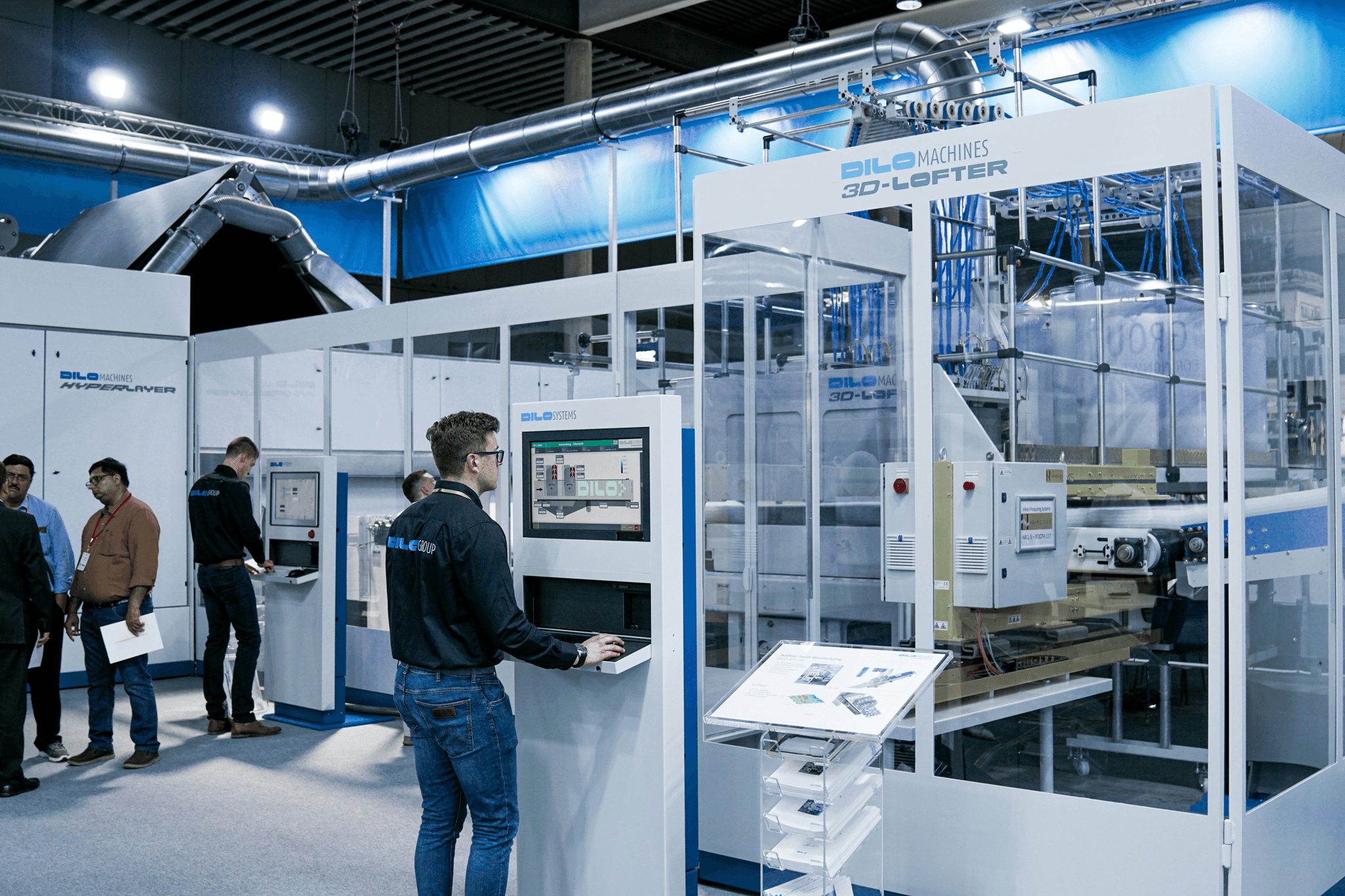
In the dynamic world of manufacturing, maintaining high standards is crucial for success. This is where a Manufacturing Audit comes into play, serving as a comprehensive examination of processes, compliance, and quality assurance. Understanding what a Manufacturing Audit entails is essential for businesses aiming to optimize their operations and ensure product excellence.
Understanding Manufacturing Audits
A Manufacturing Audit is an in-depth assessment that focuses on various aspects of the production process. It involves evaluating documentation, processes, and compliance with industry standards to identify areas for improvement. By asking questions like “What are the Key Components of a Manufacturing Audit?” companies can better grasp how these audits function and why they are indispensable.
Importance of Manufacturing Audits
The significance of Manufacturing Audits cannot be overstated; they play a pivotal role in ensuring product quality and operational efficiency. Regular audits help mitigate risks associated with non-compliance or subpar manufacturing practices, which can lead to costly recalls or reputational damage. Furthermore, understanding “What are the Different Types of Manufacturing Audits?” allows businesses to tailor their auditing approach according to specific needs and objectives.
Key Objectives of a Manufacturing Audit
The primary goals of a Manufacturing Audit include enhancing product quality, verifying compliance with regulations, and improving overall operational efficiency. Companies often wonder “How is a Manufacturing Audit Conducted?” as this knowledge empowers them to prepare effectively for the audit process. Additionally, knowing “Who Conducts a Manufacturing Audit?” helps organizations select qualified personnel or third-party experts who can deliver valuable insights during the audit process.
What are the Key Components of a Manufacturing Audit?

When diving into the realm of a Manufacturing Audit, it’s essential to grasp its core components. These elements ensure that the audit is comprehensive, covering all necessary aspects to assess manufacturing processes effectively. Understanding these components can significantly enhance the overall quality and efficiency of manufacturing operations.
Documentation Review
The documentation review is a cornerstone of any Manufacturing Audit, serving as the foundation for evaluating processes and compliance. Auditors meticulously examine records such as standard operating procedures (SOPs), production logs, and quality control documents to ensure they align with industry standards and regulations. This thorough examination helps identify gaps in documentation that could lead to operational inefficiencies or compliance issues.
Furthermore, reviewing documentation allows auditors to verify that all processes are well-documented and consistently followed across the board. It also provides insights into how effectively information is communicated within the organization, which is crucial for maintaining quality standards. Ultimately, a robust documentation review sets the stage for a successful audit by ensuring that all necessary information is readily available.
Process Evaluation
Process evaluation takes center stage in any Manufacturing Audit by focusing on how well operations are executed on the shop floor. This component involves observing production workflows, identifying bottlenecks, and assessing adherence to established procedures and protocols. By evaluating these processes, auditors can pinpoint inefficiencies or areas needing improvement that may affect product quality or delivery timelines.
Moreover, process evaluation often includes gathering feedback from employees directly involved in manufacturing activities. Their insights can reveal practical challenges faced during production that may not be evident through documentation alone. Ultimately, this hands-on approach helps create a more accurate picture of operational effectiveness within the organization.
Compliance Verification
Compliance verification serves as a critical checkpoint in any Manufacturing Audit by ensuring adherence to relevant regulations and standards. Auditors assess whether manufacturing practices meet industry guidelines such as ISO certifications or safety regulations mandated by governing bodies. This verification process not only safeguards against potential legal issues but also fosters trust among stakeholders regarding product integrity.
In addition to regulatory compliance, this component examines internal policies designed to uphold quality assurance measures within manufacturing operations. By verifying compliance at every level—from raw materials procurement through final product delivery—organizations can mitigate risks associated with non-compliance incidents effectively. In essence, compliance verification acts as both a safeguard and an opportunity for continuous improvement within manufacturing processes.
What are the Different Types of Manufacturing Audits?

When it comes to manufacturing audits, understanding the various types is crucial for ensuring compliance and quality. Each type serves a specific purpose and focuses on different aspects of the manufacturing process. By identifying these categories, organizations can better tailor their audit strategies to meet their unique needs.
Internal Audits
Internal audits are conducted by a company’s own staff, usually within the quality assurance or compliance departments. The primary focus of an internal audit is to assess the effectiveness of existing processes and identify areas for improvement. This type of manufacturing audit not only helps in maintaining standards but also ensures that employees are aligned with organizational goals.
During internal audits, teams examine documentation, processes, and compliance with established policies. They also gather feedback from employees to gain insights into operational challenges and potential improvements. Ultimately, internal audits foster a culture of continuous improvement within the organization.
Supplier Audits
Supplier audits are essential for evaluating the performance and reliability of third-party vendors or suppliers involved in the manufacturing process. This type of audit focuses on assessing whether suppliers meet specified quality standards and regulatory requirements. By conducting supplier audits, companies can mitigate risks associated with outsourcing production components.
In supplier audits, organizations typically review documentation related to quality management systems and conduct on-site evaluations to observe practices firsthand. These assessments help ensure that suppliers adhere to contractual obligations while delivering products that meet quality expectations. Regular supplier audits can lead to stronger partnerships and improved supply chain efficiency.
Quality System Audits
Quality system audits evaluate an organization’s overall quality management system (QMS) against established standards such as ISO 9001 or industry-specific regulations. This type of manufacturing audit assesses how well a company’s processes align with its stated objectives for product quality and customer satisfaction. A robust QMS is vital for consistent product delivery and operational success.
The focus during quality system audits includes reviewing documentation related to policies, procedures, and records while observing practices on-site to ensure compliance with established protocols. These comprehensive evaluations help identify gaps within the QMS that may hinder performance or compliance efforts. Ultimately, conducting regular quality system audits reinforces accountability across all levels of an organization.
How is a Manufacturing Audit Conducted?

Conducting a manufacturing audit is a systematic process that requires careful planning and execution to ensure its effectiveness. This section explores the essential steps involved in conducting a manufacturing audit, including planning and preparation, on-site evaluation, and reporting findings. Understanding how a manufacturing audit is conducted helps organizations maintain quality standards and compliance.
Planning and Preparation
The first step in the manufacturing audit process is thorough planning and preparation. This involves identifying the scope of the audit, determining the resources required, and assembling an experienced team to carry out the task. During this phase, auditors also review relevant documentation to understand what are the key components of a manufacturing audit so they can tailor their approach accordingly.
Effective planning includes setting clear objectives for what are the different types of manufacturing audits being performed, whether they are internal audits or supplier evaluations. Additionally, auditors should establish timelines for each phase of the process to ensure that all necessary elements are covered without rushing through important details. The more meticulous this stage is, the smoother the subsequent phases will unfold.
On-Site Evaluation
Once planning is complete, it's time for the on-site evaluation—a critical component of any manufacturing audit. During this phase, auditors engage directly with personnel at various levels within the organization to assess processes in real-time. They observe operations firsthand to determine compliance with established standards while also verifying what are key components of a manufacturing audit through practical application.
This part of how a manufacturing audit is conducted often involves interviews with staff members as well as examining equipment and workflows. Auditors look for areas that may need improvement or pose risks to product quality or operational efficiency—two primary benefits of regular audits worth noting! Gathering data during this phase allows auditors to form an accurate picture of current practices versus expected outcomes.
Reporting Findings
After completing on-site evaluations, auditors move on to reporting their findings—a crucial step in ensuring accountability and driving improvements within an organization. The report typically outlines observations made during the evaluation along with recommendations based on best practices observed across what are different types of manufacturing audits conducted elsewhere in the industry.
In crafting these reports, clarity is key; stakeholders should easily understand both strengths and weaknesses identified during how a manufacturing audit was conducted. Moreover, effective communication ensures that recommendations can be implemented efficiently by those responsible for making changes based on these insights—maximizing value from every auditing effort! Ultimately, well-documented findings serve as benchmarks for future audits while fostering continuous improvement within production processes.
Who Conducts a Manufacturing Audit?
When it comes to conducting a Manufacturing Audit, the responsibility often falls on several key players. These individuals or teams bring their unique expertise to ensure that the audit process is thorough and effective. Understanding who conducts these audits is essential for grasping the overall framework of what a Manufacturing Audit entails.
Internal Audit Teams
Internal audit teams are typically composed of employees from within the organization who possess in-depth knowledge of the company's processes and systems. They play a crucial role in conducting Manufacturing Audits as they can provide insights into internal operations and identify areas for improvement. By leveraging their familiarity with company culture and practices, internal auditors can effectively assess compliance with regulatory standards and internal policies.
These teams often focus on What are the Key Components of a Manufacturing Audit? such as documentation review, process evaluation, and compliance verification. Their intimate understanding of operational nuances allows them to pinpoint inefficiencies that might be overlooked by outsiders. Moreover, internal audits foster a culture of continuous improvement by encouraging transparency and accountability among staff members.
Third-Party Auditors
Third-party auditors bring an objective perspective to the Manufacturing Audit process, which can be invaluable for companies looking to enhance credibility with stakeholders or regulatory bodies. These independent professionals are hired from outside the organization, ensuring that their assessments are unbiased and based solely on established criteria. Their expertise spans various industries, allowing them to offer best practices gleaned from numerous audits.
When considering What are the Different Types of Manufacturing Audits?, third-party auditors often specialize in specific areas such as supplier evaluations or quality system assessments. Their findings can lead organizations to make significant changes that improve overall efficiency while also mitigating risks associated with non-compliance or subpar quality standards. In essence, third-party auditors serve as both watchdogs and consultants, helping companies navigate complex manufacturing landscapes.
Quality Assurance Experts
Quality assurance experts play an integral role in conducting Manufacturing Audits by focusing specifically on product quality and adherence to industry standards. These professionals have specialized training in quality control processes and methodologies that ensure products meet customer expectations while complying with regulations. Their involvement is critical when evaluating what constitutes effective quality management within manufacturing operations.
In discussing How is a Manufacturing Audit Conducted?, quality assurance experts contribute significantly during planning phases by identifying potential gaps in existing protocols or procedures related to product quality assessment. They also help interpret findings from audits related to compliance verification—a key component of any successful audit strategy—ensuring that corrective actions align with industry best practices. Ultimately, their insights not only elevate product standards but also enhance customer satisfaction through improved reliability.
Benefits of Regular Manufacturing Audits
Manufacturing audits are not just a box to check on a compliance list; they are pivotal in ensuring that manufacturing processes run smoothly and effectively. Regular audits can significantly enhance product quality, mitigate risks, and improve operational efficiency. By understanding the benefits of these audits, organizations can better appreciate their value and implement them more effectively.
Enhancing Product Quality
One of the primary benefits of conducting a manufacturing audit is the enhancement of product quality. Through rigorous evaluation, auditors assess whether products meet established standards and specifications, identifying any deviations early in the process. This proactive approach helps to ensure that only the highest-quality products reach consumers, ultimately boosting brand reputation and customer satisfaction.
Moreover, what are the key components of a manufacturing audit? They often include detailed documentation reviews and process evaluations that directly impact product quality. By focusing on these components during an audit, manufacturers can pinpoint areas for improvement that lead to superior outcomes.
In addition to identifying flaws in production processes, regular audits foster a culture of continuous improvement among employees. When team members understand that their work will be regularly assessed through manufacturing audits, they are more likely to prioritize quality in their daily tasks.
Mitigating Risks
Another significant advantage of regular manufacturing audits is risk mitigation. In today’s complex supply chains and regulatory environments, businesses face numerous risks ranging from compliance issues to operational failures. By conducting thorough audits—whether internal or involving third-party auditors—organizations can identify potential risks before they escalate into costly problems.
What are the different types of manufacturing audits? Internal audits focus on internal processes while supplier audits scrutinize external partnerships for compliance with standards. Both types play crucial roles in risk management by ensuring adherence to regulations and best practices.
Furthermore, by verifying compliance during a manufacturing audit, companies reduce their exposure to legal liabilities and financial penalties associated with non-compliance. This proactive stance not only preserves resources but also enhances overall business stability.
Improving Operational Efficiency
Regularly scheduled manufacturing audits can lead to substantial improvements in operational efficiency as well. Through comprehensive evaluations during these audits—such as process evaluations—organizations gain insights into workflow bottlenecks or redundant procedures that may hinder productivity. Identifying these inefficiencies allows manufacturers to streamline operations for better performance.
Understanding how a manufacturing audit is conducted reveals its potential impact on efficiency: planning involves setting clear objectives while on-site evaluations provide real-time feedback for immediate adjustments. This cycle of assessment fosters an environment where continuous improvement becomes ingrained in company culture.
Moreover, when employees see tangible results from changes made post-audit—like reduced waste or faster turnaround times—they become more engaged and motivated in their work processes. The result? A well-oiled machine where everyone is working towards common goals with improved morale.
Conclusion

Manufacturing audits are an essential tool for ensuring that production processes meet quality standards and compliance requirements. By understanding what a manufacturing audit entails, organizations can leverage these evaluations to enhance their operational practices. Ultimately, the goal is to maximize the value derived from these audits, leading to improved product quality and efficiency.
Maximizing the Value of Manufacturing Audits
To truly maximize the value of manufacturing audits, companies must first understand what are the key components of a manufacturing audit. This includes thorough documentation reviews, process evaluations, and compliance verifications that provide a comprehensive view of operations. By focusing on these components, businesses can identify areas for improvement and implement changes that lead to enhanced performance.
Moreover, knowing what are the different types of manufacturing audits—such as internal audits or supplier audits—can help organizations tailor their approach based on specific needs. Each type serves its unique purpose in fostering accountability and quality control within the supply chain. When executed effectively, these audits yield actionable insights that drive continuous improvement.
Implementing Recommendations Effectively
Once recommendations from a manufacturing audit are identified, implementing them effectively is crucial for achieving desired outcomes. This involves creating an actionable plan based on findings from how a manufacturing audit is conducted—ensuring that all stakeholders are engaged in the process. Regular follow-ups and progress checks will help maintain momentum and ensure that improvements are not just temporary fixes but become part of the standard operating procedures.
Additionally, training employees on new processes or compliance measures is vital to reinforce changes made post-audit. The success of any recommendations hinges on buy-in from those involved in day-to-day operations; after all, they’re the ones who will bring these improvements to life! By fostering a culture of continuous learning and adaptation within your organization, you're setting yourself up for long-term success.
Partnering with Experts like China Inspection Pro
Finally, partnering with experts like China Inspection Pro can enhance your auditing process significantly by providing specialized knowledge about who conducts a manufacturing audit effectively. These professionals bring valuable insights into industry best practices and can assist in navigating complex regulatory environments effortlessly. Their expertise ensures that your organization not only complies with necessary standards but also remains competitive in an ever-evolving market landscape.
Moreover, leveraging such partnerships allows companies to focus on core business functions while leaving auditing complexities to seasoned professionals who know what are the different types of manufacturing audits available today. With expert support at your side, you can rest assured knowing that your operations undergo rigorous scrutiny aimed at driving excellence across all levels.
In conclusion, embracing regular manufacturing audits as part of your operational strategy is not just beneficial—it’s essential for sustaining growth and maintaining high-quality standards in production processes!