
Introduction
Understanding the impact of casting defects on metal quality is crucial for manufacturers aiming to produce flawless products. Casting defects, which can range from shrinkage to surface flaws, significantly compromise the strength and appearance of the final metal piece. Recognizing what are casting defects and their causes helps in implementing effective measures to ensure high-quality outcomes.
Identifying casting defects matters profoundly in metal manufacturing because these imperfections can lead to costly rework, delays, or even product failure. Whether it's shrinkage casting defects caused by improper pouring or mold material casting defects resulting from unsuitable mold composition, early detection prevents these issues from escalating. Accurate inspection plays a pivotal role in catching faults like metallurgical casting defects or gas traps before they compromise the integrity of the finished product.
Ensuring superior metal products hinges on precise inspection techniques that detect and address various types of casting defects—be it hot tearing, misruns, or surface inclusions. By understanding how pouring casting defects occur and how to prevent them, manufacturers can maintain consistent quality standards. Ultimately, thorough inspection backed by expertise helps mitigate risks associated with all categories of casting defects and guarantees reliable, high-performance metals.
Shrinkage Casting Defects and Causes
Understanding casting defects is crucial for producing high-quality metal products. Among these, shrinkage casting defects are particularly common and can significantly compromise the integrity of the final piece. Recognizing what are casting defects, especially shrinkage-related ones, helps manufacturers implement effective prevention strategies early in the process.
Recognizing Shrinkage Porosity in Castings
Shrinkage porosity appears as small voids or cavities within a cast metal part, often resembling tiny bubbles trapped during solidification. These casting defects typically occur when the metal cools and contracts faster than the mold can accommodate, leading to gaps. Detecting these flaws requires careful inspection because they can weaken the structure and cause failure under stress.
Factors Leading to Shrinkage Defects in Metal Casting
Several causes contribute to shrinkage casting defects, including improper pouring temperature, inadequate riser design, or insufficient feeding of molten metal during solidification. These issues are often rooted in misconceptions about what are casting defects—many overlook shrinkage as a natural phenomenon that needs control rather than correction. To prevent such flaws, understanding shrinkage casting defects and causes is essential; controlling cooling rates and ensuring proper mold design minimizes void formation.
Strategies to Prevent Shrinkage During Pouring
Preventing shrinkage during pouring involves meticulous planning—using larger risers or feeders to supply additional molten metal as the cast cools helps compensate for contraction. Adjusting pouring techniques ensures a steady flow that reduces turbulence and entrapped gases that could exacerbate porosity issues linked with shrinkage flaws. Recognizing what are casting defects includes knowing how to mitigate them at their source; proactive measures like controlled cooling schedules make all the difference in achieving defect-free castings.
Mold Material Casting Defects and Causes
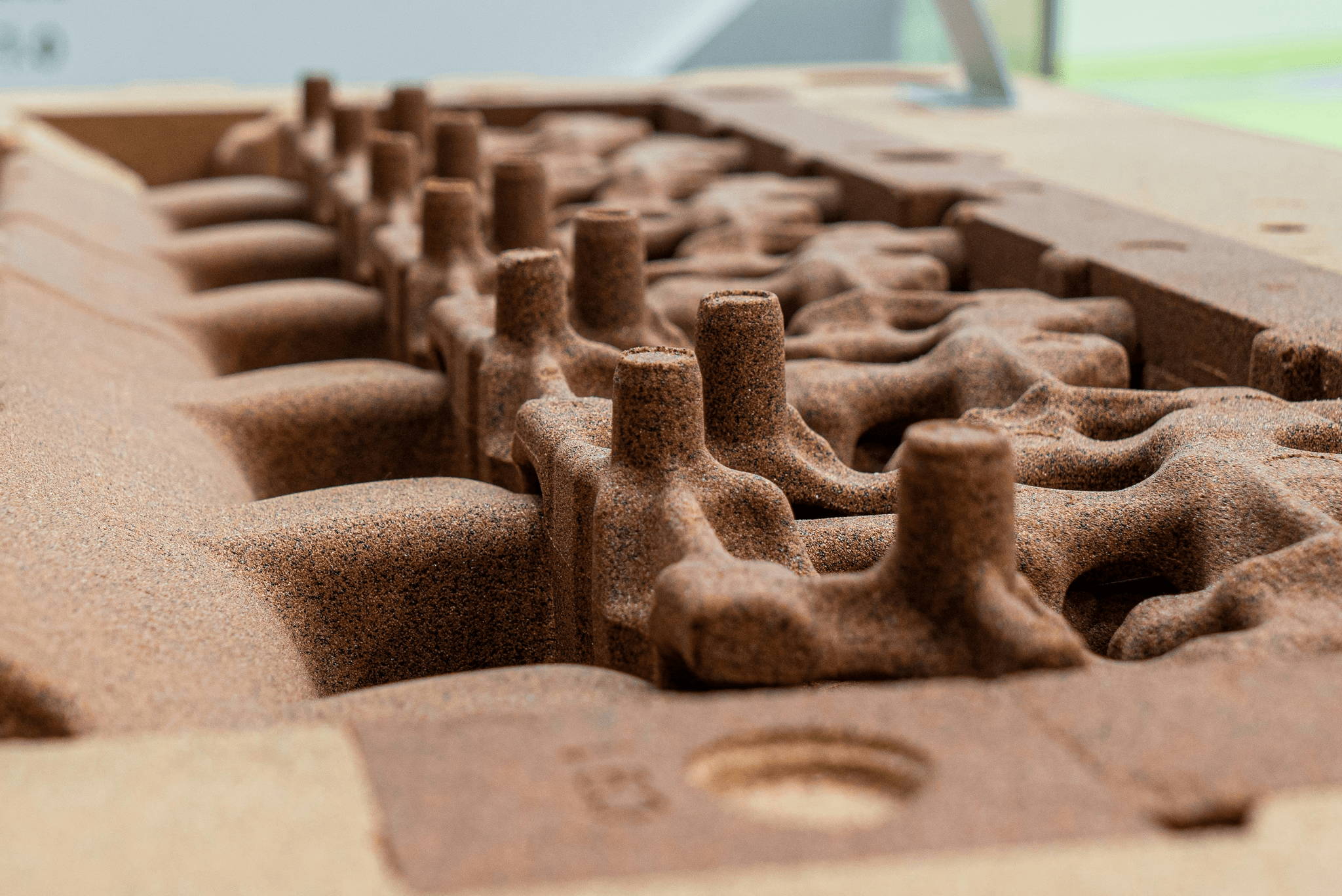
Mold material casting defects and causes are a critical aspect of understanding what are casting defects and how they impact overall metal quality. When the mold material isn't chosen or maintained properly, it can introduce flaws that compromise the integrity of the finished product. These mold-related issues often lead to shrinkage casting defects and causes that are preventable with the right selection process.
Common Mold-Related Casting Flaws
Common mold-related casting flaws include surface roughness, cracking, and incomplete fills, all of which fall under the umbrella of what are casting defects. These flaws typically originate from improper mold design or unsuitable materials that don't withstand high temperatures or thermal stresses during pouring. Such defects can cause porosity, inclusions, or surface imperfections that weaken the final metal product.
How Mold Composition Influences Casting Quality
The composition of the mold material directly influences casting quality by affecting heat transfer, surface finish, and defect formation. For instance, molds made from low-quality silica sand may lead to increased porosity or hot tearing—classic examples of shrinkage casting defects and causes—due to uneven cooling rates. Conversely, high-quality refractory materials help minimize these issues by providing better thermal stability and reducing the likelihood of mold-related flaws.
Tips for Selecting Optimal Molding Materials
Choosing optimal molding materials involves considering factors such as thermal conductivity, chemical inertness, and permeability—all crucial in preventing common mold material casting defects and causes. Opt for materials with proven track records in reducing shrinkage casting defects and causes while ensuring a smooth surface finish free from inclusions or surface flaws. Remember, selecting the right mold material is your first line of defense against costly metallurgical casting defects and causes that could otherwise sneak into your final product.
---
Feel free to ask for further elaboration on any specific section!
Metallurgical Casting Defects and Causes
Metallurgical casting defects are among the trickiest to spot and fix because they originate from the internal structure of the metal itself. These flaws often stem from improper alloy composition, cooling rates, or heat treatment processes, making them a critical concern in casting quality. Understanding what are casting defects in this context helps manufacturers identify metallurgical flaws that can compromise strength, ductility, or overall performance of the final product.
One common type of metallurgical flaw is segregation, where different elements within the alloy separate during solidification. This uneven distribution can lead to weak spots or inconsistent properties in the cast metal. Additionally, improper cooling conditions may cause hot tears or cracks—both classic examples of casting defects that originate from internal stresses caused by rapid temperature changes or uneven solidification.
To combat these issues and improve metallurgical processes for better castings, it’s essential to control alloy composition meticulously and optimize cooling rates. Proper heat treatment and refining techniques help minimize porosity and other internal flaws associated with casting defects. By focusing on metallurgical conditions that lead to casting defects—such as temperature control and alloy uniformity—manufacturers can produce more reliable, high-quality metal components with fewer internal flaws.
Pouring Casting Defects and Causes

Pouring casting defects are some of the trickiest flaws to spot, often sneaking in during the final stage of metal casting. These flaws can compromise the entire integrity of a metal product, making it crucial to understand what causes them and how to prevent them. When it comes to WHAT ARE CASTING DEFECTS?, pouring-related issues are among the most common culprits, especially if the pouring process isn’t carefully managed.
Identifying Pouring-Related Casting Flaws
Recognizing pouring casting defects requires a keen eye for detail because they often manifest as surface irregularities or internal inconsistencies. Common signs include incomplete fills, cold shuts, misruns, or surface cracks that appear right after cooling. These flaws are typically linked directly to issues during pouring—such as improper flow or turbulence—making it essential to distinguish them from other types like shrinkage casting defects and causes or mold material casting defects and causes.
How Pouring Techniques Affect Casting Integrity
The way molten metal is poured into molds heavily influences whether casting defects will occur. Poor pouring techniques—like rushing the pour or using incorrect gating systems—can lead to air entrapment, turbulence, or cold shuts, which are specific examples of pouring casting defects and causes. Effective pouring methods ensure smooth flow, reduce turbulence, and promote uniform solidification; neglecting these best practices can turn a perfect mold into a flawed one with visible porosity or inclusions.
Best Practices for Flawless Pouring
To achieve flawless pouring and minimize casting defects caused by improper technique, operators should focus on maintaining consistent flow rates and optimal mold temperatures. Preheating molds adequately prevents rapid cooling that leads to cold shuts and misruns while ensuring proper venting reduces gas entrapment—a common cause of porosity in castings. Remember: paying attention to details like gating design and pour speed plays a vital role in preventing what are known as POURING CASTING DEFECTS AND CAUSES from spoiling your project.
Cold Shut and Misruns
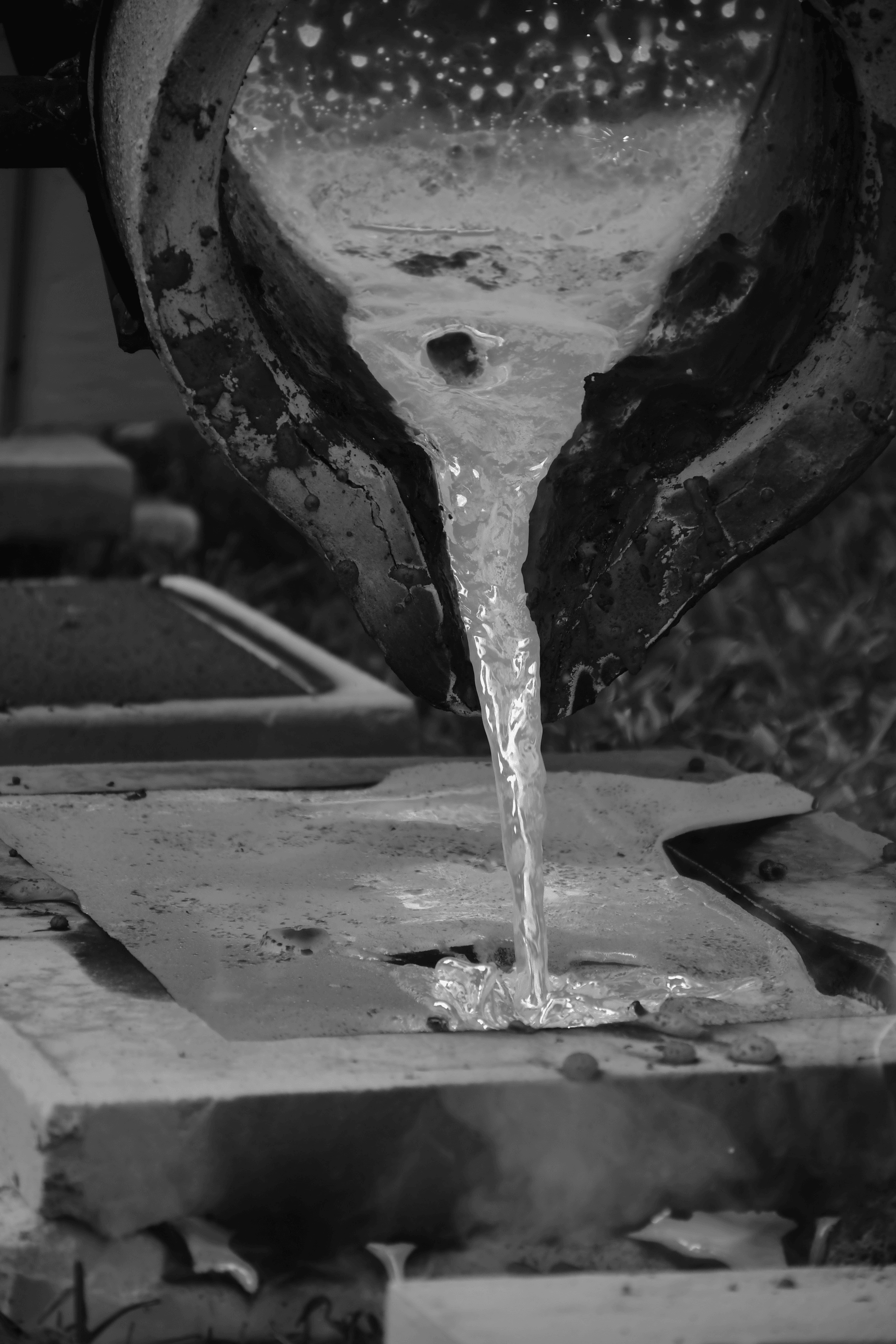
Casting defects can be a real headache for manufacturers, especially when it comes to cold shut and misruns. These flaws not only compromise the aesthetic appeal but also weaken the structural integrity of the final product. Understanding what are casting defects like cold shut and misrun, along with their causes, is essential to produce high-quality metal castings that meet strict industry standards.
What Cold Shut Defects Are and Why They Occur
Cold shut defects happen when two streams of molten metal fail to fuse properly during pouring, resulting in a visible line or seam on the casting surface. This flaw often occurs because of insufficient pouring temperature or improper mold design, which hampers the flow of liquid metal. Recognizing what are casting defects such as cold shuts helps in diagnosing issues early and maintaining overall casting quality.
Causes of Misrun Castings and How to Fix Them
Misrun castings happen when molten metal solidifies before completely filling the mold cavity, leading to incomplete parts or missing sections. Common causes include inadequate pouring temperature, slow pouring speed, or improper gating system design—factors directly tied to pouring casting defects and causes that can be remedied with better process control. To fix misruns effectively, adjusting pouring techniques, increasing melt temperature, or redesigning gating systems can significantly reduce these flaws.
Preventive Measures for Cold Shut and Misruns
Preventing cold shut and misrun defects requires proactive measures such as optimizing mold design to ensure smooth flow paths and maintaining proper pouring temperatures aligned with the specific alloy used in casting processes. Regular inspection of molds for surface cracks or blockages related to mold material casting defects and causes can prevent these issues from recurring. Implementing thorough process controls around metallurgical casting defects and causes ensures consistent quality by avoiding common pitfalls associated with shrinkage casting defects and other flaws.
Porosity and Gas Traps
Gas entrapment is one of the sneakiest casting defects, often lurking unnoticed until the final inspection. Recognizing gas-related casting flaws requires a keen eye for surface irregularities like pinholes or blisters, which can compromise the integrity of the entire piece. These porosity issues are directly linked to trapped gases, making their identification crucial for quality control.
Root causes of porosity in metal castings are varied but often stem from improper melting techniques, inadequate venting, or contaminated mold materials. When gases such as moisture or air enter the molten metal during pouring, they create tiny voids that become porosity or gas traps in the finished product. Understanding these causes helps manufacturers pinpoint where their process might be going awry and address potential casting defects before they escalate.
To minimize gas entrapment in castings, employing techniques like proper venting and degassing is essential. Using high-quality mold material with minimal moisture content reduces gas generation during pouring. Additionally, controlling pouring temperature and speed prevents turbulence that can trap gases inside the molten metal—helping produce a defect-free casting every time.
Surface Defects and Inclusions
Surface defects are among the most visible and troublesome issues in casting, often giving a rough or uneven appearance to the final product. These flaws can be caused by a variety of factors, including mold material problems, improper pouring techniques, or metallurgical inconsistencies. Recognizing what causes these surface casting flaws is crucial for maintaining high-quality standards and reducing costly rework.
Inclusions are non-metallic particles trapped within the metal during solidification, often originating from impurities or mold materials. They compromise the integrity of castings and can lead to premature failure if not properly managed. Understanding how inclusions impact overall quality helps manufacturers implement better control measures throughout the casting process.
Surface finishing tips play a vital role in minimizing casting defects related to surface flaws and inclusions. Techniques such as proper cleaning, polishing, and coating can significantly improve surface quality. Additionally, controlling variables like pouring temperature and mold material selection helps prevent common issues associated with casting defects.
Common Surface Casting Flaws and Their Causes
Common surface casting flaws include cracks, roughness, hot tears, and sink marks—each linked to specific causes like rapid cooling or improper mold preparation. Shrinkage casting defects and causes often manifest as surface depressions or voids when metal cools too quickly or unevenly inside the mold. Mold material casting defects and causes also contribute to surface imperfections when mold surfaces are contaminated or incompatible with molten metal.
Understanding what are casting defects that affect surfaces allows operators to identify early warning signs during inspection stages. For example, porosity on the surface may indicate gas entrapment during pouring—a classic pouring defect—while rough textures could point toward inadequate mold material selection or metallurgical issues.
To combat these problems effectively, it’s essential to analyze each flaw's root cause: whether it stems from shrinkage during cooling or from improper mold materials that don't withstand high temperatures well. Preventive measures include optimizing pouring techniques and selecting suitable mold compositions tailored for specific metals.
Understanding Inclusions and Their Impact on Quality
Inclusions are unwanted non-metallic particles embedded within cast metals that can originate from impurities in raw materials or reactions between molten metal and mold components—these are classic examples of mold material casting defects causing contamination. They weaken the structural integrity of castings by acting as stress concentrators which may lead to cracks under load over time.
The presence of inclusions directly affects both mechanical properties and aesthetic appeal; they create blemishes on surfaces that may be mistaken for superficial flaws but actually compromise internal strength too. Proper control over metallurgical processes helps reduce inclusion formation; this includes refining techniques like degassing or filtration before pouring begins—key steps in preventing these common casting defects.
Addressing inclusion-related issues involves meticulous inspection routines combined with quality control measures at every stage—from raw material selection through final finishing—to ensure no hidden inclusions remain that could cause future failures in critical applications involving cast metals.
Surface Finishing Tips to Reduce Defects
Effective surface finishing plays a pivotal role in mitigating various types of casting defects such as porosity visible on surfaces or minor inclusions embedded beneath coatings—both linked directly to earlier stages like shrinkage defects or metallurgical flaws. Techniques like grinding, polishing, shot blasting, and applying protective coatings help smooth out imperfections caused by shrinkage casting defects and causes while improving overall appearance.
Controlling parameters such as temperature during pouring minimizes hot tearing risks—a common surface defect resulting from thermal stresses—and ensures better flowability of molten metal into intricate molds made from diverse materials influencing mold material casting defects and causes positively affecting final quality outcomes.
Regular maintenance of equipment combined with precise process controls ensures consistent results over time; this proactive approach minimizes potential sources of porosity traps (gas pockets) which often stem from poor venting during pouring—a typical pouring defect—and reduces chances for cold shuts or misruns that mar surface integrity further down the line.
Hot Tearing and Cracking
Hot tearing and cracking are notorious casting defects that can turn a promising metal piece into a junkyard relic. These issues occur when the metal is still hot and malleable, but internal stresses cause cracks to develop as it cools. Understanding what are casting defects related to hot tearing helps manufacturers pinpoint root causes and improve overall casting quality.
The Science Behind Hot Tearing in Cast Metals
Hot tearing happens when the metal's solidification process isn't uniform, leading to internal stresses that exceed the material's strength at high temperatures. This phenomenon is often linked to rapid cooling or uneven heat distribution during pouring, which disrupts the formation of a solid, defect-free structure. Recognizing what are casting defects such as hot tears allows engineers to tweak process parameters and prevent these costly flaws from ruining entire batches.
Causes and Consequences of Cracks in Castings
Cracks in castings generally result from metallurgical casting defects caused by improper pouring techniques or mold material choices that don't accommodate thermal expansion. Shrinkage casting defects and causes, like inadequate feeding systems, can also contribute to hot tearing by creating stress concentrations within the metal matrix. The consequences are severe: compromised structural integrity, increased rejection rates, and costly rework—making it vital to identify what are casting defects early in production.
Methods to Avoid Hot Tearing During Cooling
Preventing hot tearing involves controlling pouring casting defects and causes through optimized cooling rates, proper mold material selection, and precise metallurgical processes. Incorporating techniques such as controlled cooling schedules minimizes internal stresses that lead to cracks or tears during solidification. By proactively addressing these factors, manufacturers can reduce the incidence of hot tearing significantly and ensure their castings meet quality standards without breaking a sweat.
Conclusion

Navigating the world of metal casting can feel like walking a tightrope—one misstep and you risk introducing casting defects that compromise quality. Understanding what are casting defects and their causes, whether they stem from shrinkage, mold material issues, metallurgical flaws, or pouring mishaps, is crucial for maintaining high standards. By recognizing these common pitfalls early, manufacturers can implement targeted inspections and corrective actions to keep their products flawless.
How Quality Inspection by China Inspection Pro Can Help
China Inspection Pro offers comprehensive quality inspection services that pinpoint casting defects before they leave the factory floor. Their expertise in identifying issues related to shrinkage casting defects and causes, mold material casting defects and causes, or metallurgical casting defects and causes ensures that potential flaws are caught early. With precise inspections tailored to catch every nuance of pouring casting defects and causes, they help safeguard your reputation for producing top-tier metal products.
Proactive Approaches to Minimize Casting Defects
Preventing casting defects starts long before the molten metal hits the mold; it requires a proactive approach rooted in understanding what are casting defects and how they develop. Implementing rigorous process controls for shrinkage during pouring, selecting optimal mold materials to reduce mold-related flaws, and refining metallurgical processes can significantly cut down on common issues like hot tearing or surface inclusions. Regular training on best practices for pouring techniques also plays a vital role in minimizing these errors before they manifest as costly rework or scrap.
Ensuring Consistent Metal Quality Through Expert Inspection
Consistency is king when it comes to metal manufacturing—reliable quality hinges on consistent inspection routines that detect even minor deviations caused by various types of casting defects. Expert inspections focus on identifying porosity related to gas entrapment or surface flaws caused by improper finishing techniques while monitoring for cracks resulting from hot tearing or thermal stresses. When combined with ongoing process improvements based on inspection feedback, this approach guarantees your end products meet the highest standards every single time.