
Introduction
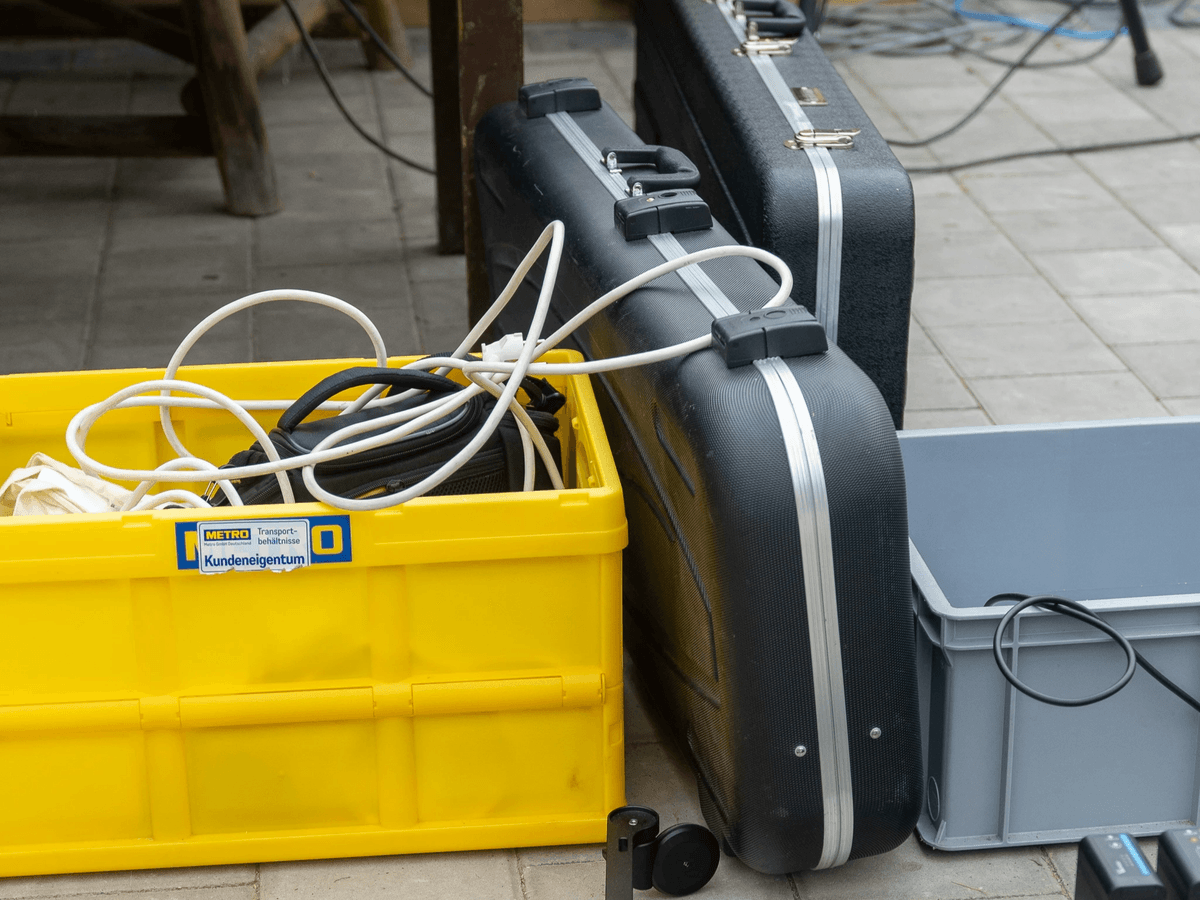
When it comes to choosing the perfect travel companion, durability and quality are king. That’s where Bag On-site Tests come into play, ensuring your luggage can handle whatever adventures you throw at it. These tests—like Load test for bags and suitcases, Jerk test for bags and suitcases, Fatigue test for bags and suitcases, Abuse test for bags and laptop cases, and Item drop test for bags and suitcases—are essential in verifying product strength before it hits the shelves or your closet.
Understanding the importance of bag quality testing is crucial for both manufacturers and consumers. On-site tests allow quick assessments of a bag’s resilience against daily wear and tear, giving confidence that your investment will last longer than a weekend getaway. With professional inspection services conducting these tests, you get reliable results that help identify potential weaknesses early on.
Expect thorough evaluations from skilled inspectors when opting for professional inspection services. They perform comprehensive Bag On-site Tests such as load testing to simulate real-world carrying stresses or abuse testing against rough handling scenarios. This way, buyers can rest assured their luggage has been put through rigorous checks like item drop tests or fatigue assessments to guarantee durability over time.
Load Test for Bags and Suitcases

Conducting a load test for bags and suitcases is essential to ensure they can handle the pressures of daily use and travel. This process simulates the weight and stress that bags undergo when packed with belongings or carried through busy airports. Bag on-site tests like load testing help manufacturers and buyers identify potential weak points before the product hits the market, saving time and money in the long run.
Simulating Real-World Carrying Stress
To mimic real-world carrying stress, load tests for bags and suitcases involve applying weight in a way that reflects actual usage scenarios—think heavy backpacks or overstuffed suitcases. These tests help determine if the bag's structure remains intact under pressure, ensuring durability during travel or daily commutes. Bag on-site tests are invaluable here, as they replicate how consumers will actually use the product, revealing any flaws before mass production.
Popular Equipment Used in Load Testing
When performing load test for bags and suitcases, specialized equipment such as hydraulic presses, weight simulators, and tension testers come into play. These tools apply precise force to assess how much weight a bag can bear without deforming or breaking—crucial insights for product safety standards. Incorporating bag on-site tests with these devices guarantees comprehensive evaluation; after all, no one wants their suitcase giving out at baggage claim!
Interpreting Load Test Results
Interpreting load test results involves analyzing how well a bag withstands applied pressure without structural failure or excessive deformation. If a suitcase fails during testing, it signals potential issues like weak seams or compromised materials—red flags that need addressing before market release. For manufacturers aiming for top-tier quality assurance, understanding these results is key to refining designs based on rigorous load testing outcomes.
Jerk Test for Bags and Suitcases
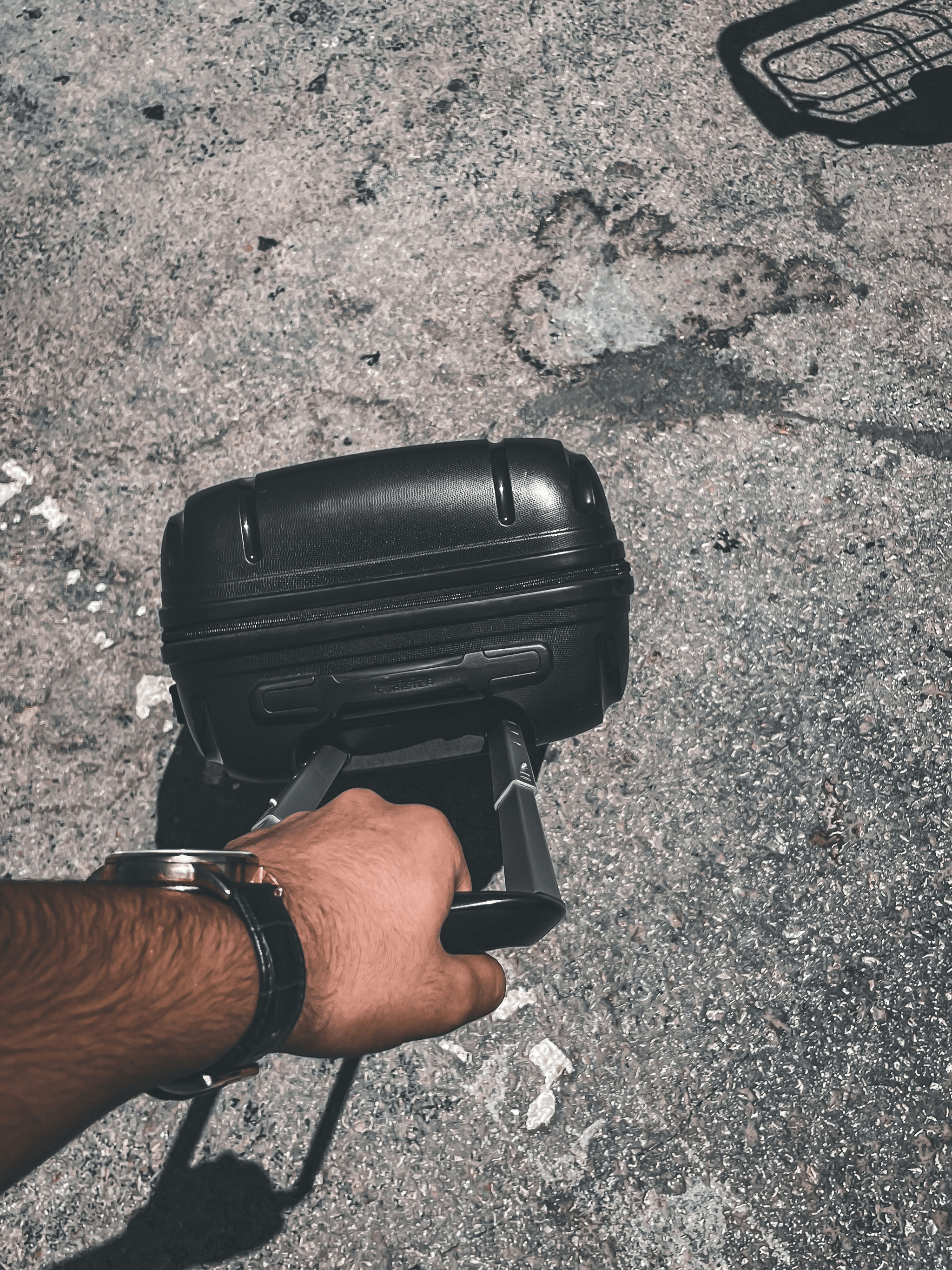
When it comes to Bag On-site Tests, the jerk test for bags and suitcases is a crucial step in assessing how well travel gear can withstand sudden impacts. This test mimics the abrupt jolts that luggage often encounters during transit or rough handling, helping manufacturers identify potential weak points. Conducting a thorough jerk test for bags and suitcases ensures durability and longevity, making it an essential part of quality assurance.
Why Jerk Testing Matters for Travel Gear
Jerk testing matters because it reveals how resilient bags and suitcases are under sudden forces, which are common during travel mishaps. A load test for bags and suitcases might simulate weight-bearing capacity, but the jerk test specifically targets shock absorption capabilities. For those invested in Bag On-site Tests, understanding the results of a jerk test for bags and suitcases helps prevent product failure during real-world use.
Conducting a Jerk Test Step-by-Step
Performing a jerk test for bags and suitcases involves dropping or striking the luggage from specific heights to simulate impact scenarios encountered during transit. First, secure the item on a testing platform designed for Bag On-site Tests; then, apply controlled jolts that replicate rough handling or sudden stops—these are typical in load tests for bags and suitcases. The process should be repeated multiple times to observe any signs of structural weakness or material fatigue that may compromise long-term durability.
Recognizing Signs of Structural Weakness
Signs of structural weakness after a jerk test include cracked shells, broken zippers, loose handles, or compromised internal compartments—clear indicators that further load tests for bags and suitcases are necessary before mass production. If an item shows visible damage or deformation post-test, it’s time to reassess its design based on abuse test results as well as item drop tests for better shock absorption strategies. Recognizing these weaknesses early through comprehensive Bag On-site Tests ensures consumers get reliable products that stand up to everyday stressors.
Fatigue Test for Bags and Suitcases
When it comes to bag quality testing, the fatigue test for bags and suitcases is essential for verifying how well a product endures long-term use. This test mimics years of wear and tear, ensuring the bag can handle daily routines without falling apart prematurely. Conducting Bag On-site Tests that include fatigue assessments helps manufacturers and buyers identify potential weaknesses early, saving everyone from costly replacements down the line.
Mimicking Long-Term Usage Wear and Tear
The fatigue test for bags and suitcases replicates the constant stress a bag faces during regular use—think countless trips through airports, daily commutes, or weekend getaways. By simulating these repetitive motions, load test for bags and suitcases reveal whether seams, zippers, or handles can withstand prolonged strain. Performing Bag On-site Tests that focus on fatigue ensures products are built to last rather than just look good on display.
The Fatigue Testing Process
During the fatigue test for bags and suitcases, the item undergoes repeated cycles of opening, closing, loading, and carrying—much like what happens in real life. Specialized equipment applies consistent pressure to key stress points such as straps or corners to assess durability over time. Incorporating load test for bags and suitcases into this process provides valuable data about how well the product maintains its integrity after extensive use.
Ensuring Product Endurance Over Time
Ultimately, fatigue testing aims to guarantee that your luggage won't give out after a few months of frequent travel or daily use. By integrating abuse test for bags and laptop cases alongside fatigue assessments, manufacturers can pinpoint vulnerabilities before hitting the market. Regular Bag On-site Tests that include these evaluations help ensure your investment in quality luggage pays off with lasting performance.
Abuse Test for Bags and Laptop Cases
When it comes to Bag On-site Tests, the abuse test for bags and laptop cases is crucial in evaluating how well these products withstand rough handling and impacts during travel or daily use. This test simulates real-world scenarios where bags might be tossed, dropped, or jostled unexpectedly. By subjecting bags to such conditions, manufacturers can identify weak points and improve overall durability.
Testing Against Rough Handling and Impact
The abuse test for bags and laptop cases involves rigorous procedures to mimic the rough handling they often endure. During this process, the bag is subjected to sudden impacts, squeezing, or dragging to see how it holds up under stress. Conducting Bag On-site Tests that include abuse testing ensures that the product can survive accidental bumps or rough treatment without compromising its structure or contents.
Typical Abuse Test Scenarios
In real-world situations, a bag may be dropped from waist height or thrown into a vehicle trunk; these are common scenarios covered in abuse tests for bags and suitcases. Items like the item drop test for bags and suitcases are integral parts of this assessment, revealing how well the bag absorbs shocks. Additional scenarios include impact from luggage carts or being squeezed in crowded spaces—each designed to challenge the integrity of your travel gear.
What Abuse Test Results Reveal
Results from abuse tests provide valuable insights into a bag’s resilience against impacts and mishandling—key aspects evaluated during load tests for bags and suitcases as well as jerk tests for bags and suitcases. They highlight potential failure points, such as weak seams or fragile handles, guiding manufacturers toward stronger designs. For consumers, these results offer peace of mind that their investment can handle life's surprises without falling apart at the seams.
Item Drop Test for Bags and Suitcases
The item drop test for bags and suitcases is a crucial step in evaluating their shock absorption capability. During this test, the bag undergoes controlled drops from specific heights to simulate real-world impacts like accidental falls or bumps. Conducting Bag On-site Tests that include the item drop test helps manufacturers identify weak points and improve overall durability.
Assessing Shock Absorption Capability
Assessing shock absorption capability involves dropping the bag or suitcase onto a hard surface to see how well it withstands impact without damage. This process is part of comprehensive Bag On-site Tests, which verify if the load test for bags and suitcases has been met under realistic conditions. Recognizing signs of failure during these tests ensures that products can endure everyday mishaps, providing peace of mind for consumers.
Standard Drop Test Procedures
Standard drop test procedures typically involve dropping the luggage from predetermined heights—often 1-2 meters—onto a hard surface like concrete or wood. During these Bag On-site Tests, inspectors observe whether the bag maintains its structural integrity after multiple drops, especially focusing on corners and handles. Performing consistent load tests for bags and suitcases ensures that design flaws are caught early, leading to more resilient products.
Improving Design Based on Drop Test Outcomes
Design improvements based on drop test outcomes are essential for creating durable travel gear that passes rigorous Bag On-site Tests. If a suitcase shows cracks or broken wheels after testing, manufacturers can reinforce weak spots or switch materials to enhance shock absorption capabilities. Incorporating findings from abuse tests for bags and laptop cases helps optimize design features such as padding, frame strength, and handle durability—making sure your luggage survives the roughest journeys.