
Introduction

That's where on-site tests come into play, ensuring that your porcelain dinnerware meets rigorous standards before it graces your table. From thermal shock tests for porcelain to stain resistance evaluations, these assessments are crucial in determining if your chosen pieces can withstand the rigors of daily use.
Porcelain is a popular choice for table settings due to its durability and aesthetic appeal. Its ability to resist chipping and scratching makes it a practical option for both casual meals and formal gatherings. By opting for porcelain, you're not just selecting a beautiful material; you're also investing in dinnerware that can endure the demands of everyday life.
To fully appreciate the quality of porcelain dinnerware, it's essential to understand the key tests performed during inspections. These include the thermal shock test for porcelain, which evaluates how well it handles sudden temperature changes, as well as the stain resistance test for porcelain that assesses its ability to maintain a pristine appearance over time. Other important evaluations include dishwasher resistance, water leakage checks, and microwave adaptability tests—each designed to ensure your dinnerware is not just pretty but also practical.
Thermal Shock Test for Porcelain
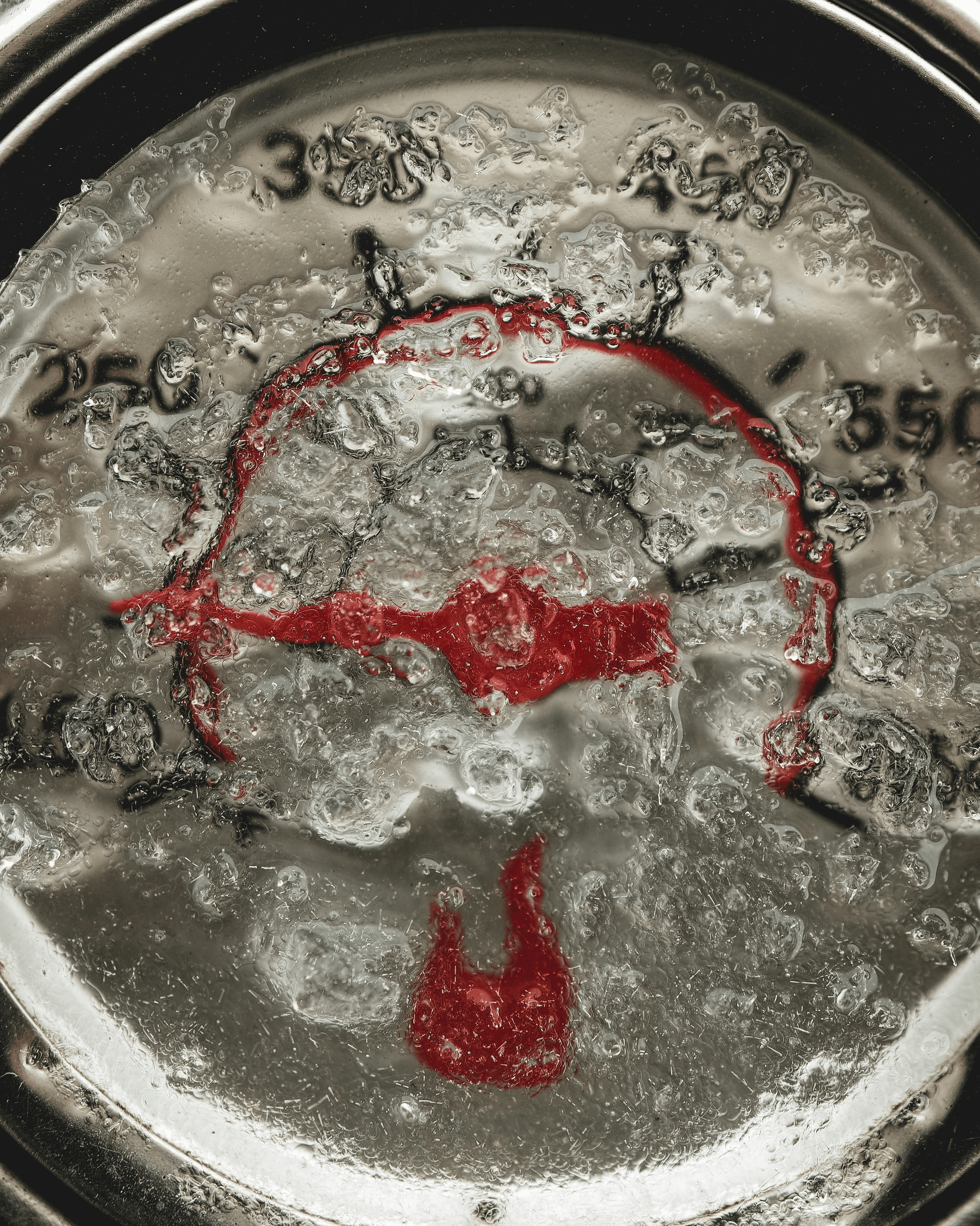
This assessment helps determine how well the material can handle sudden temperature changes, which is crucial for everyday use. A reliable set of dishes should withstand both hot and cold without cracking or breaking, making this test vital.
Understanding Thermal Shock
Thermal shock refers to the stress that occurs when a material experiences rapid temperature fluctuations. For porcelain, this means going from extreme heat—like fresh-out-of-the-oven dishes—to cold temperatures, such as being placed in a freezer. Understanding how thermal shock affects porcelain helps manufacturers create more resilient dinnerware that can endure various cooking and serving conditions.
Testing Methodology
The testing methodology for the thermal shock test involves subjecting porcelain items to extreme temperature changes in a controlled environment. Typically, pieces are heated to high temperatures and then quickly transferred to ice water or a freezing environment. Observers monitor any cracks or structural failures during and after this process to evaluate the effectiveness of the dinnerware against thermal shock.
Results and Implications
The results of the thermal shock test for porcelain provide valuable insights into product quality and usability. If a piece withstands these tests without damage, it indicates excellent craftsmanship and suitability for daily dining scenarios. On-site tests like these not only assure consumers of their purchase but also guide manufacturers in improving their products based on performance outcomes.
Stain Resistance Test for Porcelain
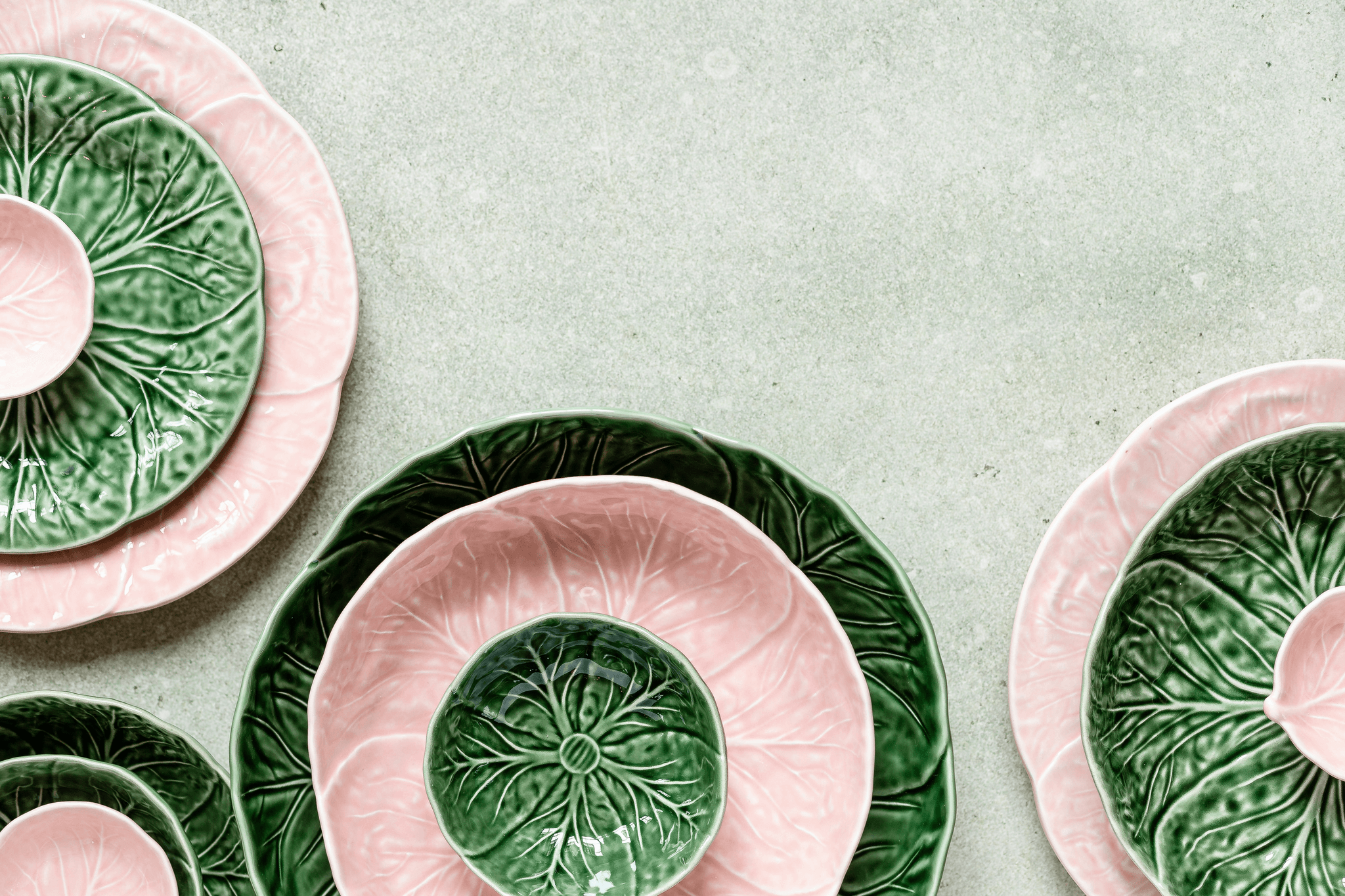
Stain resistance is a crucial factor in determining the longevity and aesthetic appeal of porcelain dinnerware. This test assesses how well the surface of porcelain can resist staining from various food and beverage sources, which is essential for maintaining its pristine look over time. Conducting a stain resistance test for porcelain as part of your on-site tests ensures that your dinnerware will withstand daily use without unsightly marks or discoloration.
What is Stain Resistance?
Stain resistance refers to the ability of a material to repel or resist absorption of pigments and dyes from food and drinks, thereby preventing discoloration. In the context of porcelain, this property is vital since it dictates how easily stains can be removed after meals. Understanding stain resistance helps consumers make informed choices about their dinnerware, ensuring they select pieces that will remain attractive despite regular wear and tear.
Common Stain Sources
Numerous everyday items can lead to stains on porcelain dinnerware, including coffee, red wine, tomato sauce, and certain fruits like berries. These substances contain strong pigments that can easily seep into porous materials if not properly managed or cleaned promptly. By identifying these common stain sources during the stain resistance test for porcelain, manufacturers can optimize their products to better withstand these challenges.
Evaluating the Results
Evaluating the results of the stain resistance test involves observing any discoloration after exposure to various staining agents over a set period. Typically, samples are subjected to specific staining agents before being cleaned with standard dishwashing methods to determine if any permanent marks remain. The effectiveness of this testing process informs both consumers and manufacturers about the durability and usability of their porcelain products in real-life scenarios.
Dishwasher Resistance
When it comes to porcelain dinnerware, understanding dishwasher resistance is crucial for maintaining both aesthetics and functionality. Many consumers rely on dishwashers for convenience, and if your porcelain can’t withstand the rigors of a hot wash cycle, you might find yourself with unsightly chips or fading patterns. Therefore, conducting thorough on-site tests to assess dishwasher compatibility can save you from future headaches.
Importance of Dishwasher Compatibility
Dishwasher compatibility is essential for any dinnerware that’s expected to endure frequent cleaning cycles. If porcelain isn’t designed to handle high temperatures and strong detergents, it may lead to damage over time, affecting its appearance and usability. Ensuring that your dinnerware passes the dishwasher resistance test means you can enjoy your meals without worrying about how you'll clean up afterward.
Testing Procedures
To evaluate the dishwasher resistance of porcelain dishes effectively, specific testing procedures are employed during on-site tests. First, the dinnerware is subjected to a series of wash cycles in a standard commercial dishwasher at varying temperatures and with different detergent types. After several cycles, each piece is inspected for signs of wear such as discoloration, chipping, or surface degradation—this helps determine how well it will hold up in everyday use.
How Results Impact Usage
The results from the dishwasher resistance test can significantly influence consumer choices when selecting porcelain dinnerware. If a set passes this test with flying colors, it assures users that they can confidently use their dishes in dishwashers without compromising their quality or longevity. Conversely, if results indicate poor performance under these conditions, customers may think twice before making a purchase—after all, nobody wants to invest in beautiful china only to see it ruined after just a few washes.
Water Leakage Check
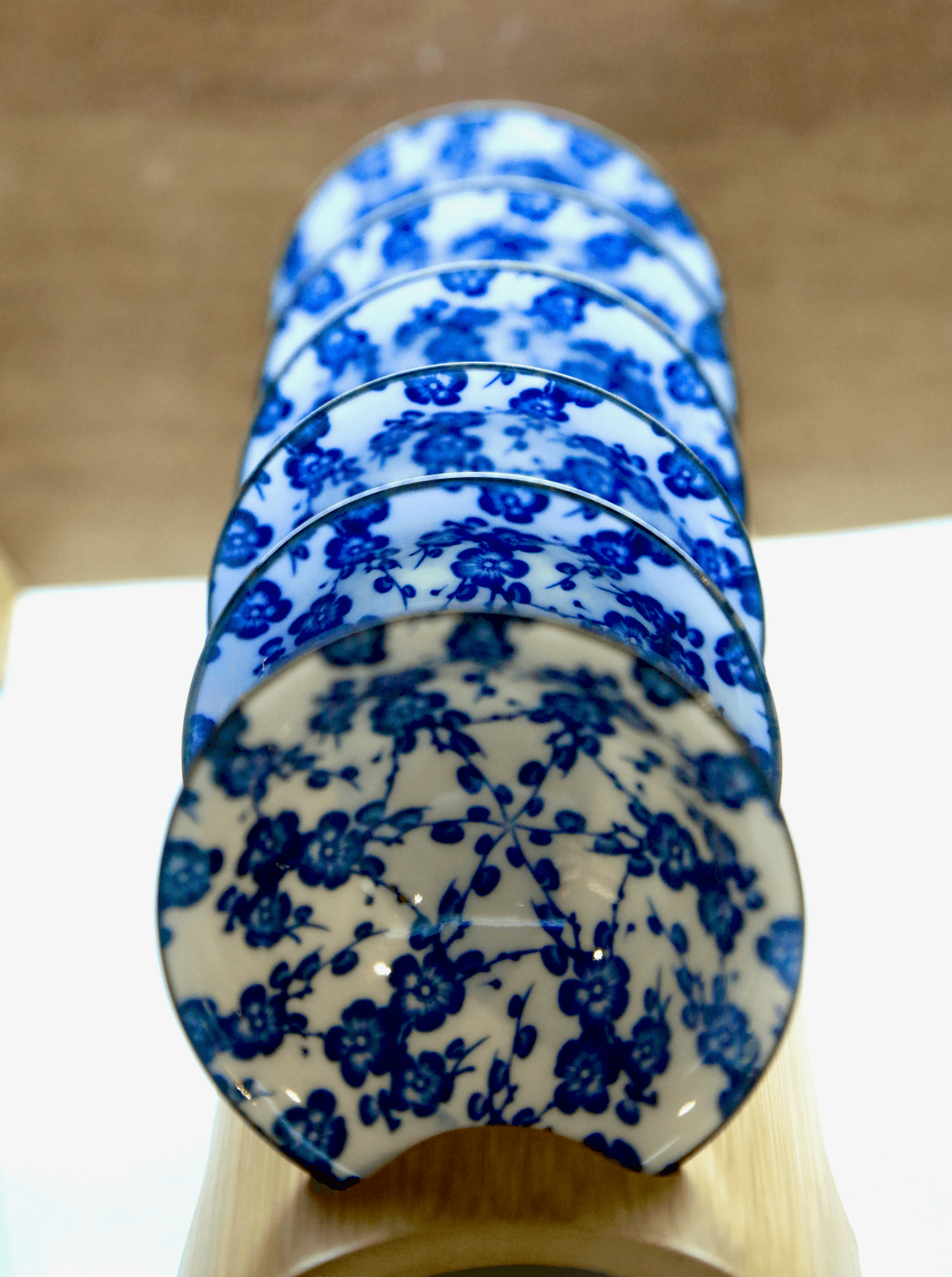
In the world of porcelain dinnerware, the water leakage check is a crucial on-site test that can’t be overlooked. Water leakage can lead to a host of problems, including damage to your table and potential health hazards if bacteria find a cozy home in cracks or fissures. Ensuring that your porcelain dinnerware is watertight is essential for both functionality and safety.
The Risks of Water Leakage
Water leakage in porcelain dinnerware poses several risks that extend beyond mere aesthetics. First, it can compromise the structural integrity of the pieces, leading to cracks or breakage over time. Additionally, porous materials may harbor bacteria if water seeps through, posing health risks when serving food.
Moreover, leaks can create unsightly stains on your tablecloths or dining surfaces, ruining the overall dining experience. If you’ve ever had to scrub a stubborn stain from your favorite table setting after an unexpected leak, you know how frustrating it can be! Therefore, performing thorough water leakage checks should be part of any comprehensive on-site tests for quality assurance.
Effective Testing Techniques
To effectively conduct a water leakage check on porcelain dinnerware, several methodologies can be employed to ensure accuracy and reliability. One common technique involves filling each piece with water and allowing it to sit for a specified period while closely monitoring for any signs of seepage or dampness around the base or seams. This straightforward method provides immediate insights into the integrity of your dinnerware.
Another effective approach includes submerging items in water for an extended period; this simulates real-world conditions where leaks might occur during washing or serving. After removal from the water bath, inspecting each piece visually and by touch will reveal any hidden flaws that could lead to future issues. Incorporating these techniques into your testing regimen ensures that all aspects of potential leakage are covered.
Interpreting Water Leakage Results
Interpreting the results from your water leakage check requires careful observation and analysis of each tested item’s condition post-examination. If no leaks are detected after testing—great news! Your porcelain dinnerware passes this critical on-site test with flying colors and is ready for use without worry.
However, if any signs of moisture are present around seams or bases after testing, it's time to reconsider using those pieces for serving food directly—especially if they show significant leaks during testing phases like submersion tests. It’s best practice to document these findings as part of overall quality assessments alongside other tests such as thermal shock test for porcelain and stain resistance test for porcelain.
By understanding how to conduct effective water leakage checks and interpret their results accurately, you’ll feel more confident in choosing quality porcelain dinnerware that meets stringent safety standards while also enhancing your dining experience!
Microwave Adaptability Test
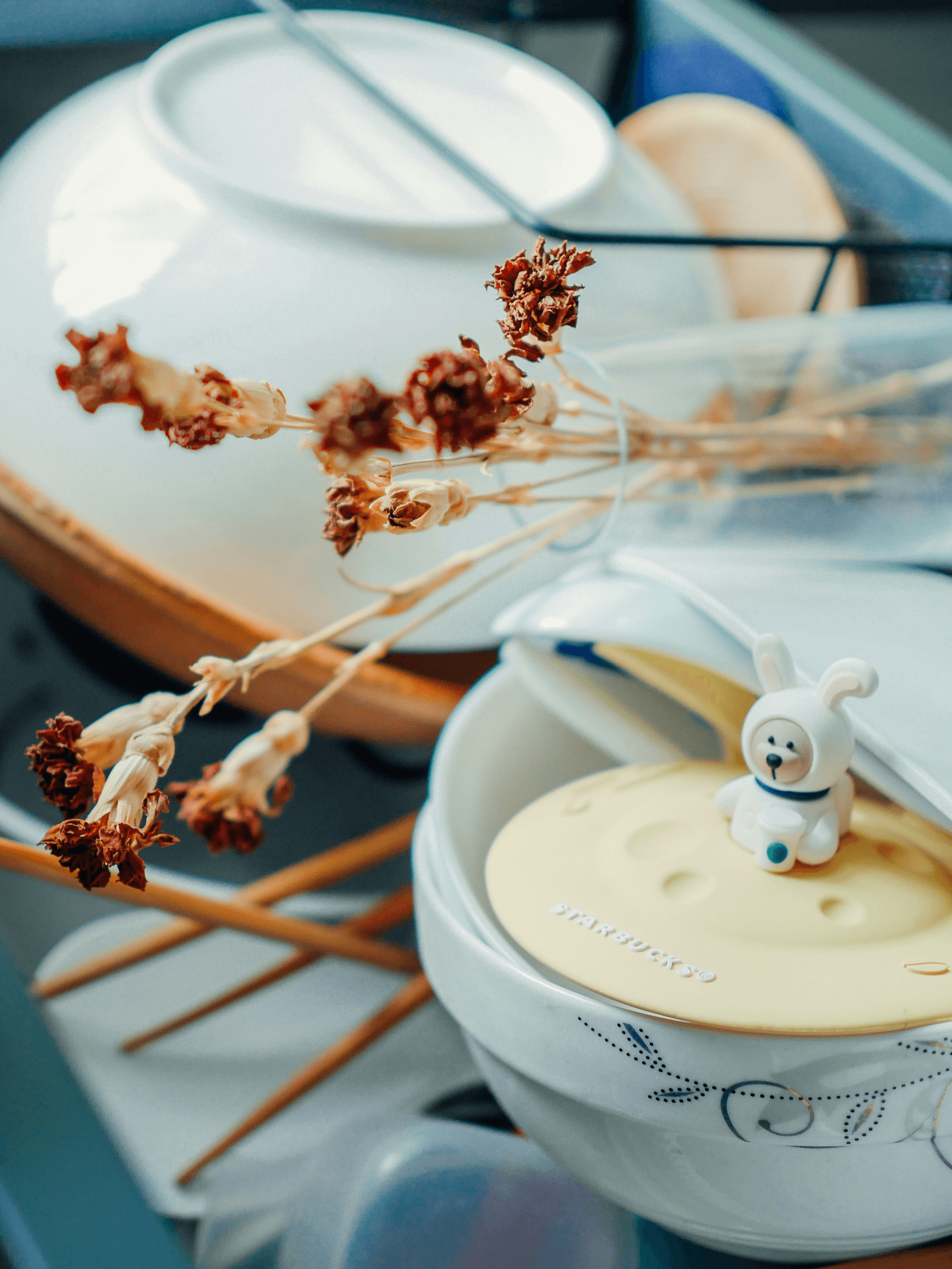
When it comes to modern dining, the microwave is a trusty sidekick. However, not all dinnerware can handle the heat—literally! This is where on-site tests like the microwave adaptability test for porcelain come into play, ensuring your plates and bowls are safe to use in this essential kitchen appliance.
Why Microwave Safety Matters
Microwave safety matters because using unsuitable dinnerware can lead to disastrous consequences, such as melting or even releasing harmful chemicals into your food. Porcelain is often favored for its aesthetic appeal and durability, but without proper testing, you might unknowingly choose a piece that’s not microwave-friendly. By conducting on-site tests like the microwave adaptability test for porcelain, you can confidently enjoy your meals without worrying about potential hazards.
Conducting the Adaptability Test
To conduct the microwave adaptability test effectively, start by selecting a sample of porcelain dinnerware that you wish to evaluate. Place it in the microwave alongside a cup of water; this helps ensure that any heat generated is absorbed evenly across the dinnerware surface during testing. Run the microwave at high power for two minutes and then carefully check for any signs of damage or overheating—this will give you insights into how well your porcelain holds up under microwaving conditions.
Safety Standards and Recommendations
Safety standards dictate that dinnerware used in microwaves should be free from metallic decorations and should be labeled as microwave-safe. Additionally, it's wise to refer to manufacturer guidelines when selecting porcelain items for microwaving; they often provide valuable information regarding their products' capabilities. By adhering to these safety standards and conducting thorough on-site tests—including thermal shock test for porcelain and dishwasher resistance—you ensure you're making informed choices about your dinnerware.
Conclusion
In conclusion, understanding the significance of on-site tests for porcelain dinnerware is essential for ensuring quality and durability. Each test, from the thermal shock test for porcelain to the microwave adaptability test, plays a crucial role in determining how well your dinnerware will perform under various conditions. By evaluating these tests, consumers can make informed choices that enhance their dining experience.
Recap of Essential On-site Tests
Throughout this guide, we explored several essential on-site tests designed to assess the quality of porcelain dinnerware. The thermal shock test for porcelain evaluates how well dishes can withstand sudden temperature changes, while the stain resistance test for porcelain ensures that everyday spills won't leave a lasting mark. Additionally, we examined dishwasher resistance, water leakage checks, and microwave adaptability tests to provide a comprehensive overview of what makes high-quality porcelain dinnerware.
Choosing Quality with China Inspection Pro
When it comes to selecting top-notch dinnerware, partnering with a reputable inspection service like China Inspection Pro can make all the difference. They specialize in conducting thorough on-site tests that include thermal shock testing and stain resistance evaluations tailored specifically for porcelain products. With their expertise in dishwasher resistance and water leakage checks, you can rest assured that your chosen dinnerware meets high standards before it even reaches your table.
Final Thoughts on Porcelain Dinnerware Quality
Ultimately, investing in quality porcelain dinnerware involves more than just aesthetics; it's about functionality and longevity as well. The results from on-site tests—such as microwave adaptability and dishwasher resistance—directly impact how enjoyable your dining experience will be over time. So whether you're hosting a lavish dinner party or enjoying a quiet meal at home, choosing well-tested porcelain ensures that your table is set with both style and reliability.