
Introduction
In the fast-paced world of fashion, maintaining high standards is crucial; this is where Garment Quality Control comes into play. It’s not just about aesthetics; it’s about ensuring that every piece meets specific criteria for fit, durability, and overall quality. With the right framework in place, brands can confidently deliver products that resonate with consumers and stand the test of time.
Understanding Garment Quality Control
Garment Quality Control encompasses a series of processes designed to uphold product integrity from conception to delivery. This involves setting clear tolerances for garment measurements to ensure consistency across different batches and styles. When manufacturers understand these parameters, it significantly reduces the risk of discrepancies that could lead to customer dissatisfaction.
Importance of Accurate Measurement Tolerances
Accurate measurement tolerances are essential in garment production as they dictate how closely a finished product aligns with design specifications. Setting clear tolerances for garment measurements helps prevent costly returns and enhances customer satisfaction by ensuring that sizes are true to expectations. When brands prioritize these tolerances, they not only streamline their operations but also foster trust with their customers.
The Role of Testing in Quality Assurance
Testing plays a pivotal role in quality assurance by verifying that garments meet established standards before they hit the market. Conducting on-site tests during pre-shipment garment inspection provides real-time insights into potential issues, allowing for immediate corrective actions if needed. Moreover, performing lab testing for apparel quality control further ensures that fabrics withstand wear and tear while adhering to safety regulations.
Set Clear Tolerances for Garment Measurements

In the realm of Garment Quality Control, establishing clear measurement tolerances is pivotal. These tolerances serve as benchmarks that ensure garments meet specific sizing and fit criteria, which is essential for customer satisfaction and brand reputation. Without defined tolerances, manufacturers may produce items that vary widely in size, leading to potential returns and dissatisfied customers.
Defining Measurement Standards
Defining measurement standards is the first step in setting clear tolerances for garment measurements. This involves specifying exact dimensions for various parts of the garment—such as bust, waist, and inseam—while also considering factors like fabric stretch and shrinkage. By creating a comprehensive measurement chart that outlines these standards, brands can mitigate discrepancies during production, thereby enhancing overall Garment Quality Control.
Communicating Expectations to Manufacturers
Effective communication with manufacturers is crucial to ensuring that your defined measurement standards are understood and implemented correctly. It’s not enough to simply hand over a list of tolerances; you must engage in discussions about these expectations to avoid misinterpretations down the line. Regular meetings or updates can help clarify any uncertainties regarding garment measurements and reinforce the importance of adhering to established standards.
Ensuring Consistency Across Production
Consistency across production runs is vital for maintaining high-quality apparel that meets consumer expectations time after time. Implementing a system for regular checks against your defined measurement standards will help catch any deviations early on—before garments reach the market or undergo costly alterations. By prioritizing this consistency within your Garment Quality Control framework, you not only protect your brand’s integrity but also foster trust with your customers who rely on accurate sizing.
Conduct On-Site Tests During Pre-Shipment Inspection

When it comes to Garment Quality Control, conducting on-site tests during pre-shipment inspection is non-negotiable. These checks serve as a critical safety net, ensuring that the products meet established standards before they reach the consumer. By identifying potential issues at this stage, brands can avoid costly returns and maintain their reputation for quality.
Importance of Pre-Shipment Checks
Pre-shipment checks are vital in the garment industry for multiple reasons. First and foremost, they help in verifying that manufacturers adhere to the set clear tolerances for garment measurements, which is crucial for maintaining consistency across different batches. Additionally, these inspections act as a final quality assurance step that can significantly reduce the risk of defects slipping through into retail channels.
Moreover, pre-shipment inspections offer an opportunity to catch discrepancies early on—saving time and money in the long run. If any issues are discovered during these checks, brands can address them immediately rather than dealing with customer complaints later on. Ultimately, investing in thorough pre-shipment checks enhances overall customer satisfaction and loyalty.
Types of On-Site Tests to Implement
There are several types of on-site tests that should be implemented during pre-shipment garment inspection to ensure effective Garment Quality Control. Visual inspections are essential for checking fabric quality and stitching accuracy; this helps verify if garments meet aesthetic standards as well as functional ones. Additionally, measurement verification tests should be conducted to confirm that all items align with the set clear tolerances for garment measurements.
Another important test involves assessing colorfastness or shrinkage under various conditions; these factors greatly influence how a product performs over time. Furthermore, durability tests can be performed to gauge how well garments withstand wear and tear—an essential aspect of quality control that consumers increasingly demand today. By employing a comprehensive testing approach during inspections, brands can confidently deliver high-quality products.
Partnering with Experts like China Inspection Pro
To elevate your Garment Quality Control processes even further, consider partnering with experts like China Inspection Pro for your pre-shipment inspections. These professionals bring extensive experience in conducting thorough assessments tailored specifically to your needs—ensuring you get accurate results every time you conduct on-site tests during pre-shipment garment inspection. Their expertise not only streamlines the inspection process but also provides peace of mind knowing you're working with seasoned professionals who understand industry standards.
Collaborating with such experts allows you access to advanced testing methodologies and technologies that may not be available in-house—enhancing your overall quality assurance framework significantly. Plus, their insights can help identify recurring issues within your supply chain or production methods so you can implement corrective actions proactively rather than reactively. Ultimately, leveraging partnerships like these propels your brand toward superior quality standards while fostering continuous improvement in all aspects of apparel production.
Perform Lab Testing for Apparel Quality Control
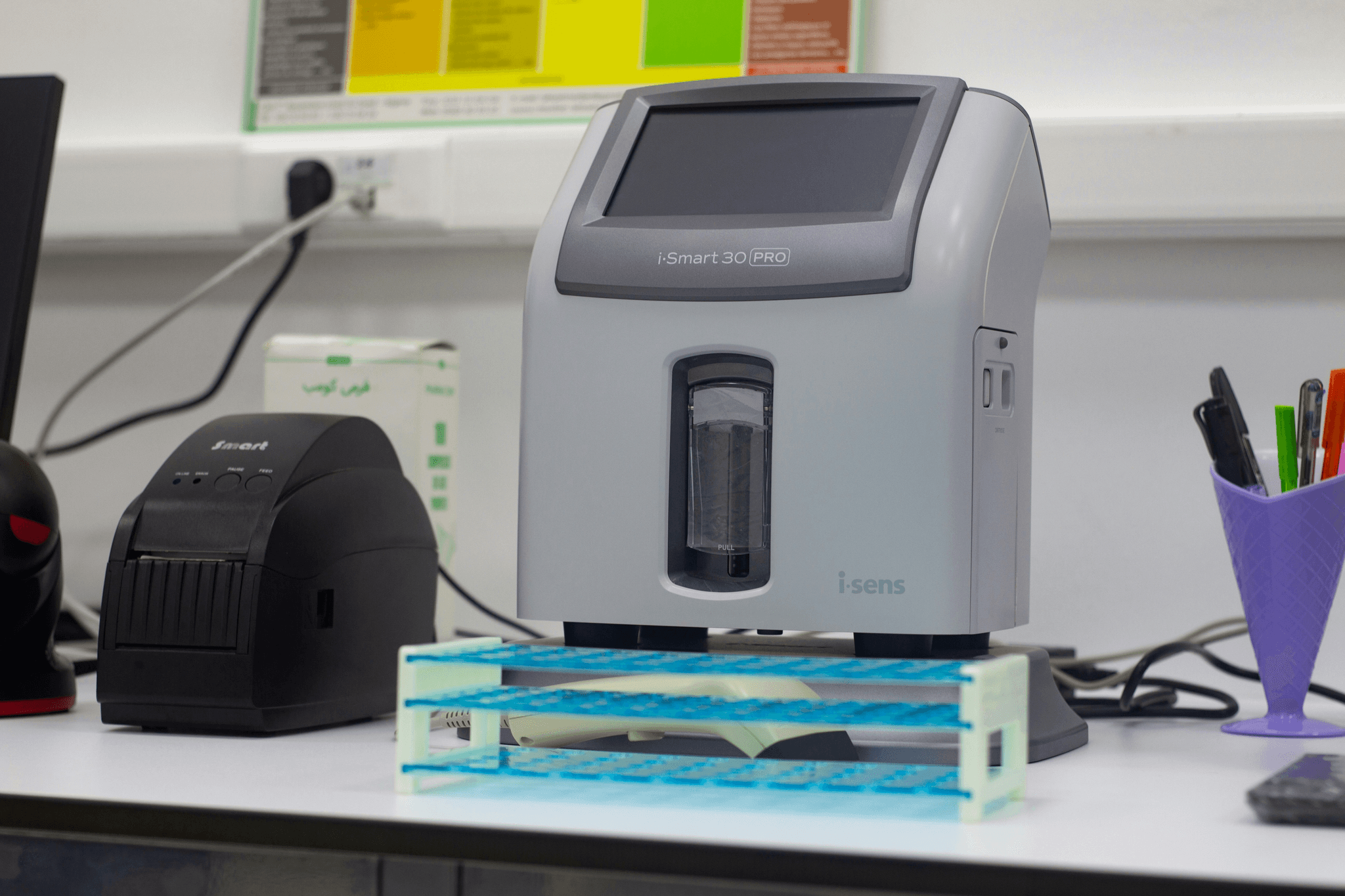
When it comes to ensuring the highest standards in garment quality control, lab testing plays a crucial role. It provides an objective assessment of fabric and construction, helping to identify potential issues before they reach consumers. By integrating lab testing into your quality assurance processes, you can significantly enhance product reliability and customer satisfaction.
Why Lab Testing Matters
Lab testing is essential in garment quality control because it allows for a thorough evaluation of materials and workmanship under controlled conditions. This not only helps in identifying defects but also ensures that the garments meet industry standards and regulations. Moreover, reliable lab results can prevent costly recalls or customer complaints down the line, making it a wise investment for any apparel business.
Key Tests for Fabric and Durability
Several key tests should be conducted to assess fabric quality and durability effectively. These include tests for colorfastness, tensile strength, abrasion resistance, and shrinkage—each providing essential insights into how well a garment will perform over time. By implementing these tests as part of your garment quality control strategy, you can ensure that your products withstand everyday wear while maintaining their aesthetic appeal.
Interpreting Lab Results for Better Quality
Understanding lab results is vital for making informed decisions about garment production and adjustments needed to meet set tolerances for garment measurements. A clear interpretation of these results will guide manufacturers in refining their processes and materials used, ultimately leading to improved product quality. Continuous dialogue with labs can also help teams stay updated on best practices in fabric testing, enhancing overall garment quality control efforts.
Conclusion
In the fast-paced world of fashion, ensuring top-notch Garment Quality Control is more than just a checkbox on a production list; it’s the backbone of brand reputation and customer satisfaction. By establishing a robust quality control framework, businesses can set clear tolerances for garment measurements that not only meet industry standards but also align with consumer expectations. This proactive approach minimizes costly errors and enhances overall product integrity.
Establishing a Robust Quality Control Framework
Creating a solid foundation for Garment Quality Control begins with setting clear tolerances for garment measurements that all stakeholders understand and adhere to. This framework should encompass everything from initial design specifications to final production checks, ensuring that every piece meets predetermined standards before reaching the market. By implementing this structured approach, brands can build trust with their manufacturers and clients alike.
Collaborating for Superior Quality Standards
Collaboration is key in achieving superior quality standards in garment production. Engaging in open communication with manufacturers about expectations allows brands to effectively conduct on-site tests during pre-shipment garment inspections, confirming that products meet quality benchmarks before they leave the factory floor. Additionally, leveraging partnerships with inspection experts can elevate these efforts further by providing insights into best practices and innovative testing methods.
Continuous Improvement in Quality Assurance Practices
Quality assurance isn’t a one-time effort; it requires continuous improvement to adapt to changing trends and consumer demands in the apparel industry. Regularly performing lab testing for apparel quality control ensures that fabrics not only look good but also stand up to wear and tear over time. By analyzing lab results critically, brands can make informed decisions that enhance their offerings while maintaining high standards of Garment Quality Control.