
Introduction
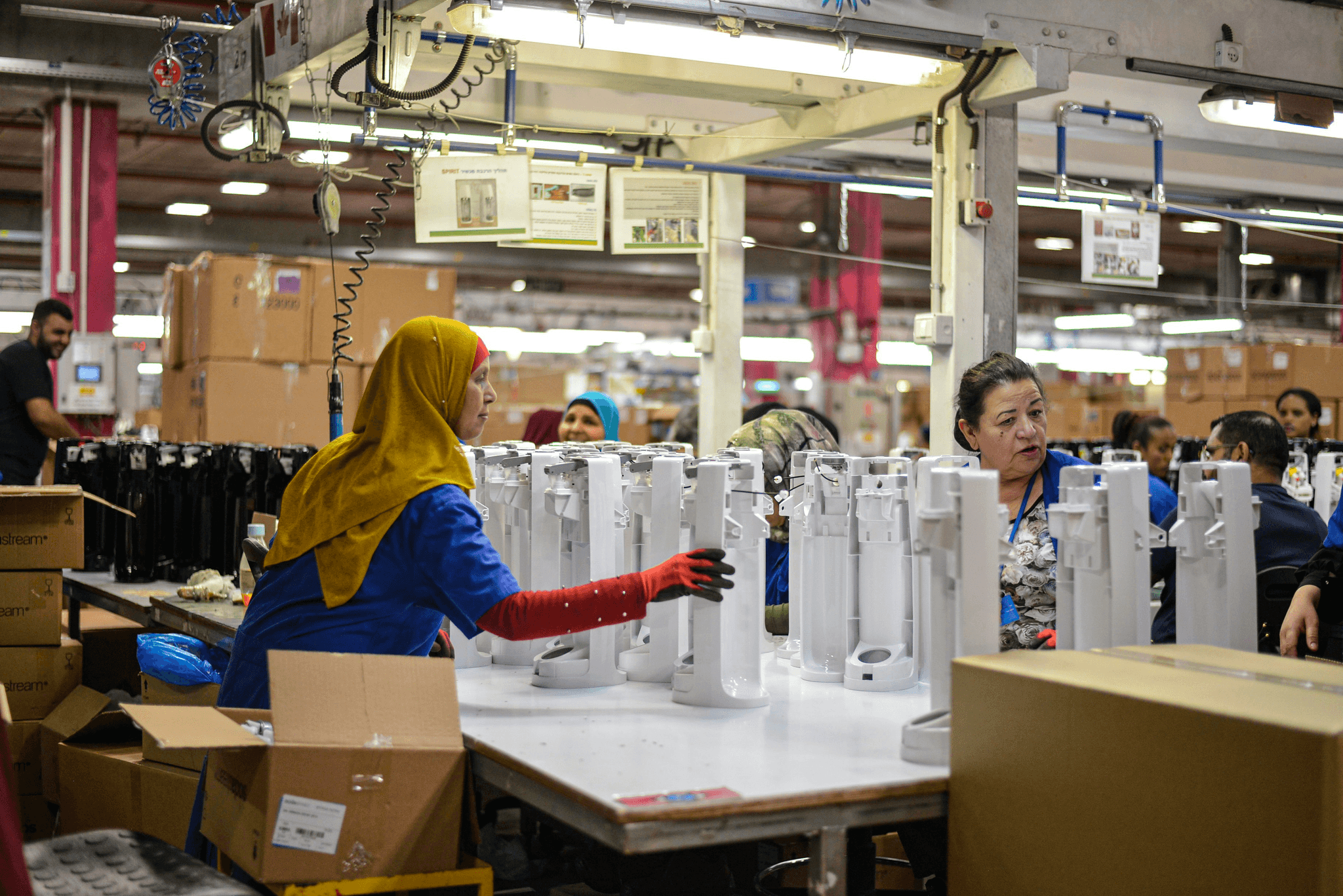
In the ever-evolving landscape of manufacturing, the importance of component inspection cannot be overstated. This critical process ensures that every part meets rigorous quality standards, directly influencing product reliability and safety. With increasing consumer expectations and regulatory demands, understanding the essentials of component inspection is paramount for businesses aiming to thrive in competitive markets.
Understanding Component Inspection Essentials
Component inspection serves as the backbone of quality assurance in various industries, from electronics to automotive manufacturing. By systematically evaluating each part's specifications and performance, manufacturers can identify defects early in the production process. This proactive approach not only enhances product integrity but also fosters trust among consumers who rely on high-quality goods.
The Role of Quality Control in Manufacturing
Quality control is a cornerstone of successful manufacturing operations, addressing the question: what is the importance of quality control? It involves a series of systematic processes designed to maintain standards and reduce errors throughout production. Ignoring quality control can lead to costly recalls and damage reputation, making it essential for businesses to implement robust quality assurance practices.
The Significance of Traceability in Testing
Traceability plays a vital role in testing by ensuring that every component can be tracked back through its production history. This practice not only aids in identifying potential issues but also enhances accountability across supply chains—particularly when dealing with overseas suppliers like those found in product inspection China. By establishing traceability protocols, companies can safeguard their products' quality while meeting regulatory requirements effectively.
What is Component Inspection?
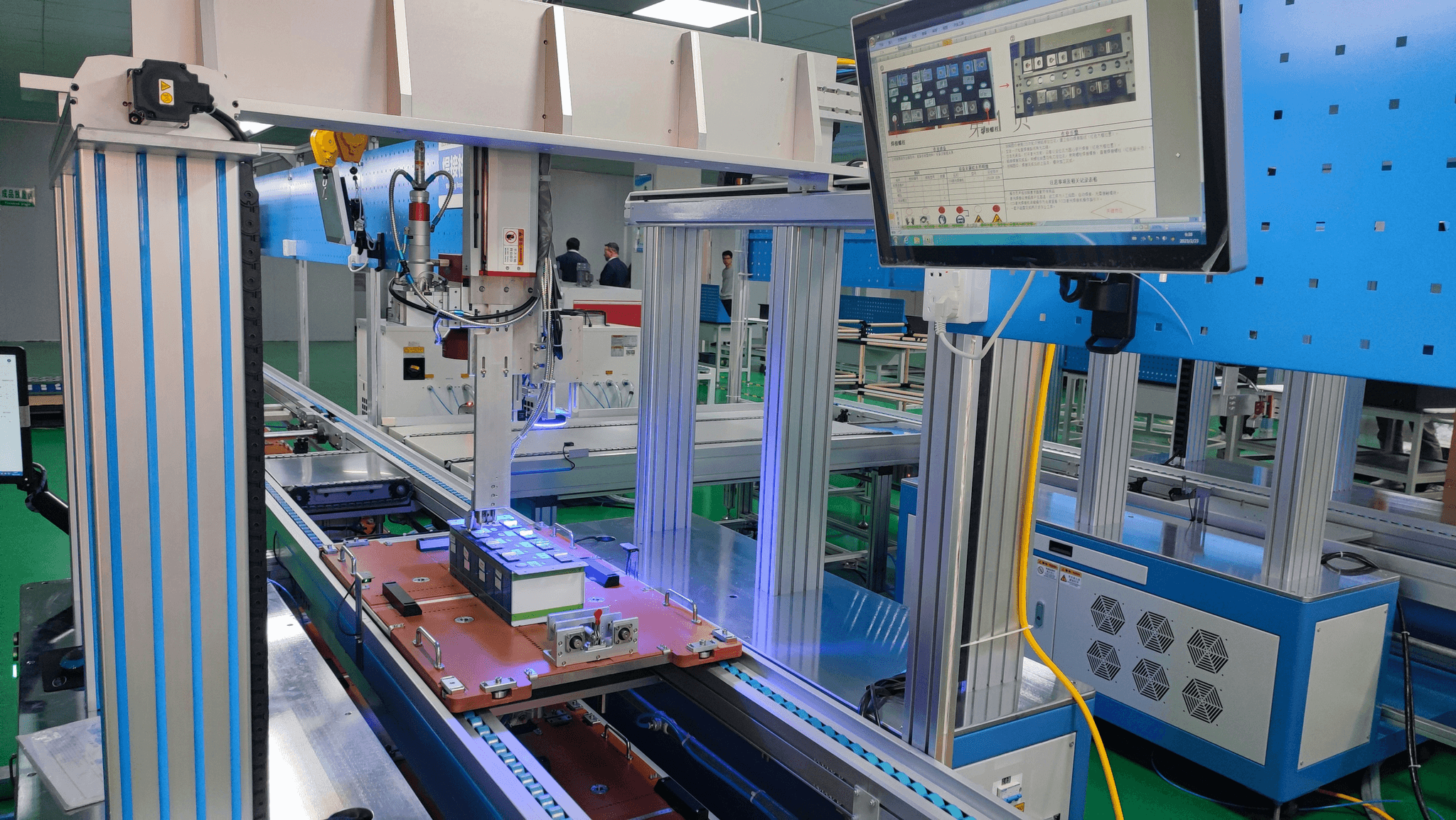
Component inspection is a critical process in manufacturing that ensures each part meets specified quality standards before being integrated into larger systems. This practice safeguards product integrity and performance, ultimately contributing to the overall success of manufacturing operations. By implementing effective component inspection techniques, companies can reduce defects, enhance reliability, and boost consumer confidence.
Defining Component Inspection
Component inspection refers to the systematic evaluation of individual parts or components within a product assembly to ensure they meet predefined specifications and quality standards. This process involves assessing various attributes such as dimensions, materials, and functionality prior to their use in production. Understanding what component inspection entails is essential for manufacturers aiming to maintain high-quality outputs and minimize costly errors.
Key Techniques in Component Inspection
Several key techniques are employed in component inspection to achieve accurate results. Visual inspections are often the first line of defense, allowing inspectors to catch obvious defects without specialized tools. Advanced methods such as non-destructive testing (NDT) and automated optical inspections (AOI) further enhance accuracy by identifying hidden flaws that could compromise product safety or performance.
Industries Benefiting from Component Inspection
A wide range of industries reaps the benefits of robust component inspection practices. For instance, automotive manufacturers rely on meticulous inspections to ensure safety-critical components meet stringent regulations before assembly into vehicles. Similarly, electronics companies utilize component inspection to validate parts sourced from regions like China, ensuring compliance with international quality standards while minimizing risks associated with defective products.
The Importance of Quality Control

Quality control is a cornerstone of any successful manufacturing operation, ensuring that products meet specific standards and customer expectations. By implementing robust quality control measures, companies can minimize defects and enhance overall efficiency. This not only leads to higher customer satisfaction but also strengthens a brand's reputation in the marketplace.
Why Quality Control Matters
Understanding the importance of quality control is essential for any business aiming to thrive in a competitive landscape. Quality control helps identify issues early in the production process, allowing manufacturers to address problems before they escalate into costly recalls or customer complaints. Moreover, effective component inspection ensures that every part meets industry standards, which is crucial for maintaining product integrity.
In addition to safeguarding consumer trust, quality control also plays a vital role in regulatory compliance. Many industries are governed by strict regulations that mandate rigorous testing and inspection processes; failing to adhere can lead to severe penalties or even business shutdowns. Thus, investing in quality control is not just about maintaining high standards; it’s about protecting your business from legal repercussions as well.
The Cost of Ignoring Quality Control
Ignoring quality control can have devastating financial implications for manufacturers and suppliers alike. When defects go unnoticed due to inadequate component inspection, the costs associated with returns and replacements can quickly add up. Furthermore, poor product quality can tarnish a company's reputation, leading to lost sales and diminished market share.
The statistics surrounding the costs of poor quality are staggering; studies show that businesses could lose up to 30% of their revenue due to inefficiencies linked to inadequate inspections and controls. In extreme cases, companies may find themselves facing lawsuits from dissatisfied customers or partners if they fail to deliver on promised standards. Therefore, understanding what is the importance of quality control should be a priority for every organization looking to sustain long-term success.
Moreover, investing in comprehensive manufacturing inspection report templates can mitigate risks associated with overlooking quality issues. These templates not only streamline reporting processes but also ensure that all necessary checks are documented clearly for future reference—creating an invaluable resource during audits or evaluations.
Quality Inspection Best Practices
Implementing best practices for quality inspection is key to achieving consistent results across production lines. One such practice involves developing detailed manufacturing inspection report templates tailored specifically for your operations; these should include clear criteria for evaluating components at various stages of production. Consistency in reporting helps identify trends over time and highlights areas needing improvement.
Another best practice revolves around continuous training for employees involved in component inspection processes—ensuring they remain aware of industry advancements and regulatory changes relevant to their roles. Regular workshops or refresher courses help keep teams sharp while fostering an environment where everyone prioritizes quality as part of their daily responsibilities.
Lastly, integrating findings from building structural audits into your overall quality management system creates a comprehensive approach toward safety and reliability across all operations—from consumer product testing company inc assessments down through individual components made overseas like product inspection China items too! This holistic view ensures that nothing slips through the cracks while reinforcing your commitment toward exceptional product delivery.
Exploring Consumer Product Testing

In the ever-evolving landscape of consumer goods, product testing stands as a pivotal factor that can make or break market success. With the rise of global competition and heightened consumer expectations, businesses are increasingly turning to specialized firms for rigorous component inspection and quality assurance. This section delves into leading consumer product testing companies, the impact of testing on market outcomes, and a case study highlighting a successful consumer product testing company.
Leading Consumer Product Testing Companies
When it comes to ensuring product safety and compliance, several prominent companies dominate the landscape of consumer product testing. Names like UL (Underwriters Laboratories), SGS, and Intertek are recognized worldwide for their commitment to rigorous standards in component inspection. These companies offer a range of services from safety assessments to performance evaluations, ensuring that products not only meet regulatory requirements but also align with consumer expectations.
Moreover, many of these organizations have expanded their reach into various markets such as electronics, toys, textiles, and food products. They employ advanced methodologies in their manufacturing inspection report templates to provide comprehensive insights into quality control processes. By leveraging state-of-the-art technologies and expert knowledge, these leading firms play an essential role in maintaining high standards across industries.
How Testing Influences Market Success
The importance of quality control cannot be overstated when discussing how testing influences market success. High-quality products that pass stringent inspections tend to enjoy better customer satisfaction rates and enhanced brand loyalty. Conversely, products that fail inspections can lead to costly recalls and damage reputations—an outcome no business can afford in today’s competitive marketplace.
Furthermore, effective component inspection directly correlates with sales performance; consumers are more likely to trust brands that prioritize thorough testing processes. In fact, studies indicate that transparent quality assurance practices can significantly boost a company's market share by fostering trust among potential buyers. Therefore, investing in robust consumer product testing is not just an operational necessity; it’s a strategic move towards achieving long-term success.
Case Study: Consumer Product Testing Company Inc
To illustrate the impact of effective quality control measures in action, let’s take a closer look at Consumer Product Testing Company Inc (CPTC). Founded over two decades ago with a mission to enhance product safety through meticulous inspections and assessments, CPTC has established itself as a leader in the field. Their comprehensive approach includes everything from initial design reviews to final pre-market inspections using advanced technology.
What sets CPTC apart is its dedication to continuous improvement based on audit findings from building structural audits and other evaluations they conduct regularly for clients across various sectors. By integrating insights from their manufacturing inspection report templates into client strategies, they help businesses refine their products while ensuring compliance with regulatory standards globally—especially critical for companies sourcing components from regions like China.
Through this case study exemplifying CPTC's commitment to excellence in component inspection practices coupled with strong quality control measures illustrates how effective testing can lead companies toward sustained growth and customer loyalty.
The Building Structural Audit Process

When it comes to ensuring safety and integrity in construction, the building structural audit process plays a pivotal role. This systematic evaluation not only identifies potential weaknesses but also reinforces the importance of quality control in maintaining structural reliability. In a world where component inspection is crucial, understanding how to conduct a thorough building structural audit can save lives and resources alike.
Importance of Building Structural Audits
Building structural audits are essential for assessing the safety and durability of structures over time. They help identify hidden issues that could compromise integrity, making it vital for stakeholders to understand what is the importance of quality control in this context. By integrating regular audits into maintenance routines, organizations can proactively address problems before they escalate into costly repairs or even catastrophic failures.
Moreover, these audits ensure compliance with regulatory standards while enhancing public trust in infrastructure safety. Structures that undergo regular audits tend to have fewer incidents related to structural failure, which ultimately leads to lower insurance premiums and increased property value. In an age where consumer product testing company inc emphasizes quality assurance, buildings too must be subjected to rigorous evaluations that reflect their reliability.
Steps in Conducting a Structural Audit
Conducting a building structural audit involves several critical steps designed to ensure comprehensive assessment and reporting. First, auditors must gather relevant documentation such as blueprints and previous inspection reports; this foundational knowledge is crucial for effective component inspection during the audit process. Next, physical inspections are carried out, focusing on key elements like foundations, beams, and load-bearing walls.
Once inspections are completed, auditors compile their findings into a manufacturing inspection report template that clearly outlines any deficiencies or areas needing attention. This report serves not only as documentation but also as a roadmap for necessary repairs or improvements moving forward. Additionally, incorporating digital tools can streamline data collection and analysis processes while enhancing accuracy throughout each phase of the audit.
Integrating Audit Findings with Quality Control
Integrating findings from building structural audits with existing quality control measures is essential for fostering long-term safety and performance standards within construction projects. By aligning these two processes—component inspection and quality control—organizations can create an environment where continuous improvement thrives. This integration ensures that any identified issues are promptly addressed according to established best practices.
Furthermore, regular updates based on audit findings allow companies to refine their manufacturing inspection report template continually; this adaptability enhances compliance with evolving regulations over time. Companies focused on product inspection China often adopt similar strategies by embedding quality checks throughout their supply chains—proving that effective integration leads not only to improved outcomes but also greater market success overall.
In conclusion, understanding the significance of building structural audits cannot be overstated—they play an integral role in reinforcing safety standards while highlighting the importance of quality control across various industries.
Best Practices for Manufacturing Inspection Reports

Creating a comprehensive manufacturing inspection report is essential for maintaining high standards in component inspection. A well-structured report not only conveys critical information but also serves as a reference point for future audits and quality assessments. By focusing on clarity and detail, manufacturers can ensure that their reports effectively communicate the findings of the inspection process.
Crafting an Effective Manufacturing Inspection Report Template
An effective manufacturing inspection report template should include key sections such as objectives, methodology, findings, and recommendations. This structure allows stakeholders to quickly grasp the essence of the component inspection results without wading through unnecessary jargon. Additionally, incorporating visual elements like charts or graphs can enhance understanding and retention of information.
When designing your template, consider including checklists specific to your industry—this ensures that all critical aspects are covered during inspections. For instance, if you're involved with a consumer product testing company inc., tailoring your template to reflect consumer safety standards will be invaluable. Remember, a great manufacturing inspection report template not only documents findings but also drives continuous improvement.
Common Mistakes in Inspection Reporting
One of the most significant pitfalls in manufacturing inspection reporting is failing to document findings thoroughly. Inadequate documentation can lead to misunderstandings about what was inspected and why it matters—this is particularly crucial when discussing what is the importance of quality control in production processes. Ensure that every detail is captured; otherwise, you risk compromising quality assurance efforts down the line.
Another common mistake involves neglecting to update reports based on feedback from previous inspections or audits like building structural audit results. This oversight can create repetitive issues that could have been resolved with proper follow-up actions documented in past reports. Always review prior findings before conducting new inspections; this practice fosters accountability and enhances overall quality control measures.
Lastly, many inspectors forget to include actionable recommendations based on their findings or fail to clarify how these align with regulatory standards—this is vital for compliance purposes. Ignoring this aspect may lead manufacturers into murky waters with regulatory bodies and potentially jeopardize their operations or reputation.
Ensuring Compliance with Regulatory Standards
Ensuring compliance with regulatory standards is paramount in any manufacturing environment, especially when dealing with component inspection processes that directly affect consumer safety and product integrity. Familiarize yourself with relevant regulations applicable to your industry; this knowledge will guide your inspections and reporting practices effectively. For instance, if working on product inspection China-based projects, being aware of local regulations will help you navigate compliance challenges seamlessly.
Regularly updating your manufacturing inspection report template according to changes in these regulations can keep your organization ahead of potential pitfalls related to non-compliance issues—an ounce of prevention is worth a pound of cure! Moreover, integrating compliance checks into each stage of production reinforces the importance of quality control across all levels within an organization.
Finally, it's essential not just to comply but also demonstrate compliance through meticulous record-keeping within your reports; this transparency builds trust among stakeholders while ensuring adherence to best practices throughout every aspect related to component inspections and overall quality management strategies.
Conclusion
In wrapping up our exploration of component inspection, it’s clear that this practice is vital for ensuring product quality and safety across various industries. The meticulous nature of component inspection not only helps in identifying defects but also plays a crucial role in maintaining the integrity of manufacturing processes. By understanding what is the importance of quality control, businesses can enhance their operational efficiency and consumer trust.
Key Takeaways on Component Inspection
Component inspection serves as a foundational element in manufacturing, ensuring that every piece meets stringent quality standards before reaching the market. It is essential to employ an effective manufacturing inspection report template to document findings accurately and facilitate continuous improvement. Ultimately, component inspection is about more than just compliance; it's about building a reputation for reliability and excellence.
Enhancing Quality Control Strategies
To truly grasp the importance of quality control, manufacturers must adopt proactive strategies that integrate inspections at every stage of production. This includes regular audits, such as building structural audits, which assess not only physical structures but also the processes behind them. By leveraging insights from consumer product testing company inc., organizations can refine their strategies and address potential issues before they escalate.
Ensuring Traceability for Better Outcomes
Traceability is an often-overlooked aspect that significantly enhances outcomes in component inspection and overall quality control efforts. Implementing robust traceability systems allows companies to track products from production through to consumer use, providing invaluable data for future improvements. As seen with product inspection China practices, having detailed records can mitigate risks and boost confidence among stakeholders.