
Introduction

In today's fast-paced manufacturing landscape, the significance of Custom Components Quality cannot be overstated. High-quality custom components serve as the backbone of various industries, ensuring that products function effectively and meet rigorous standards. As companies strive for excellence, understanding how CNC Machining and Sheet Metal Fabrication contribute to quality becomes essential for success.
The Importance of Custom Components Quality
Custom Components Quality is paramount in achieving operational efficiency and customer satisfaction. When components are manufactured to high standards, they not only enhance product performance but also reduce the likelihood of costly failures or recalls. In an era where consumers demand reliability, investing in quality custom parts can set a business apart from its competitors.
How CNC Machining Shapes Industries
CNC Machining has revolutionized manufacturing by enabling precise and consistent production of custom components across various sectors. This technology allows for intricate designs to be realized with unparalleled accuracy, significantly impacting industries such as aerospace, automotive, and medical devices. By leveraging CNC Machining techniques, manufacturers can ensure their custom components meet stringent quality requirements while optimizing production efficiency.
Navigating Sheet Metal Fabrication Processes
Sheet Metal Fabrication plays a crucial role in creating durable and high-quality parts that are integral to numerous applications. Understanding the intricacies of this process enables manufacturers to produce components that not only meet design specifications but also adhere to quality standards. As innovations continue to emerge within sheet metal fabrication techniques, businesses must stay informed about best practices to maintain Custom Components Quality throughout their operations.
Understanding Custom Components Quality
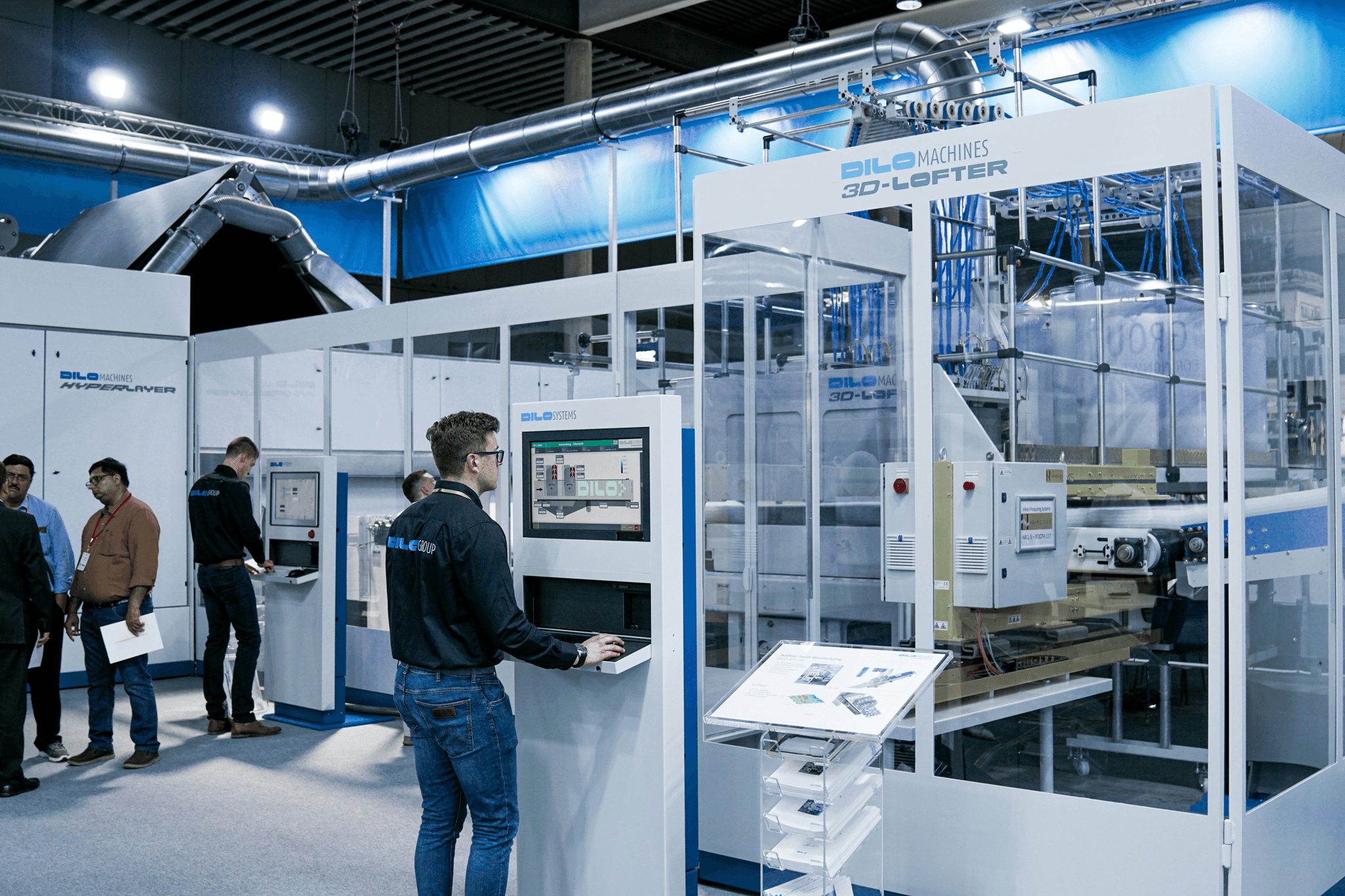
In the realm of manufacturing, understanding Custom Components Quality is paramount. It serves as the foundation for ensuring that products not only meet but exceed customer expectations. This section delves into defining quality, examining key factors influencing it, and exploring the critical role design plays in custom components.
Defining Quality in Custom Manufacturing
Quality in custom manufacturing transcends mere functionality; it encompasses reliability, durability, and precision. When we talk about Custom Components Quality, we refer to how well these components perform their intended tasks while adhering to specified tolerances and standards. In industries ranging from aerospace to consumer electronics, quality assurance processes are vital to maintaining a competitive edge.
To define quality effectively, one must consider both measurable attributes—like dimensional accuracy—and subjective perceptions—such as aesthetic appeal. The intersection of these elements creates a comprehensive picture of what constitutes high-quality custom components. Whether through CNC Machining or Injection Molding techniques, achieving this level of quality requires meticulous attention at every stage of production.
Key Factors That Influence Components Quality
Several key factors significantly influence the overall quality of custom components, including material selection, manufacturing processes, and stringent testing protocols. For instance, using high-grade materials can enhance durability and performance in both CNC Machining and Sheet Metal Fabrication applications. Additionally, the choice of manufacturing technique directly impacts precision; for example, Injection Molding allows for complex geometries that might be challenging with traditional methods.
Another crucial factor is adherence to industry standards and regulations which ensure that each component meets safety and functionality benchmarks. Regular inspections throughout production help identify potential issues early on—saving time and resources while bolstering overall Custom Components Quality. Ultimately, a holistic approach that integrates these factors leads to superior outcomes in various applications.
The Role of Design in Custom Components
Design plays an integral role in determining Custom Components Quality by influencing manufacturability and functionality right from the outset. A well-thought-out design considers not only aesthetics but also how effectively a component can be produced using methods like CNC Machining or Sheet Metal Fabrication without compromising its integrity or performance.
Moreover, innovative design can simplify assembly processes or reduce material waste—further enhancing quality outcomes while maintaining cost efficiency. By collaborating closely with engineers during the design phase, manufacturers can ensure that each aspect aligns with desired specifications for optimal results across all types of custom components—including those created through Injection Molding techniques.
CNC Machining: Precision in Action
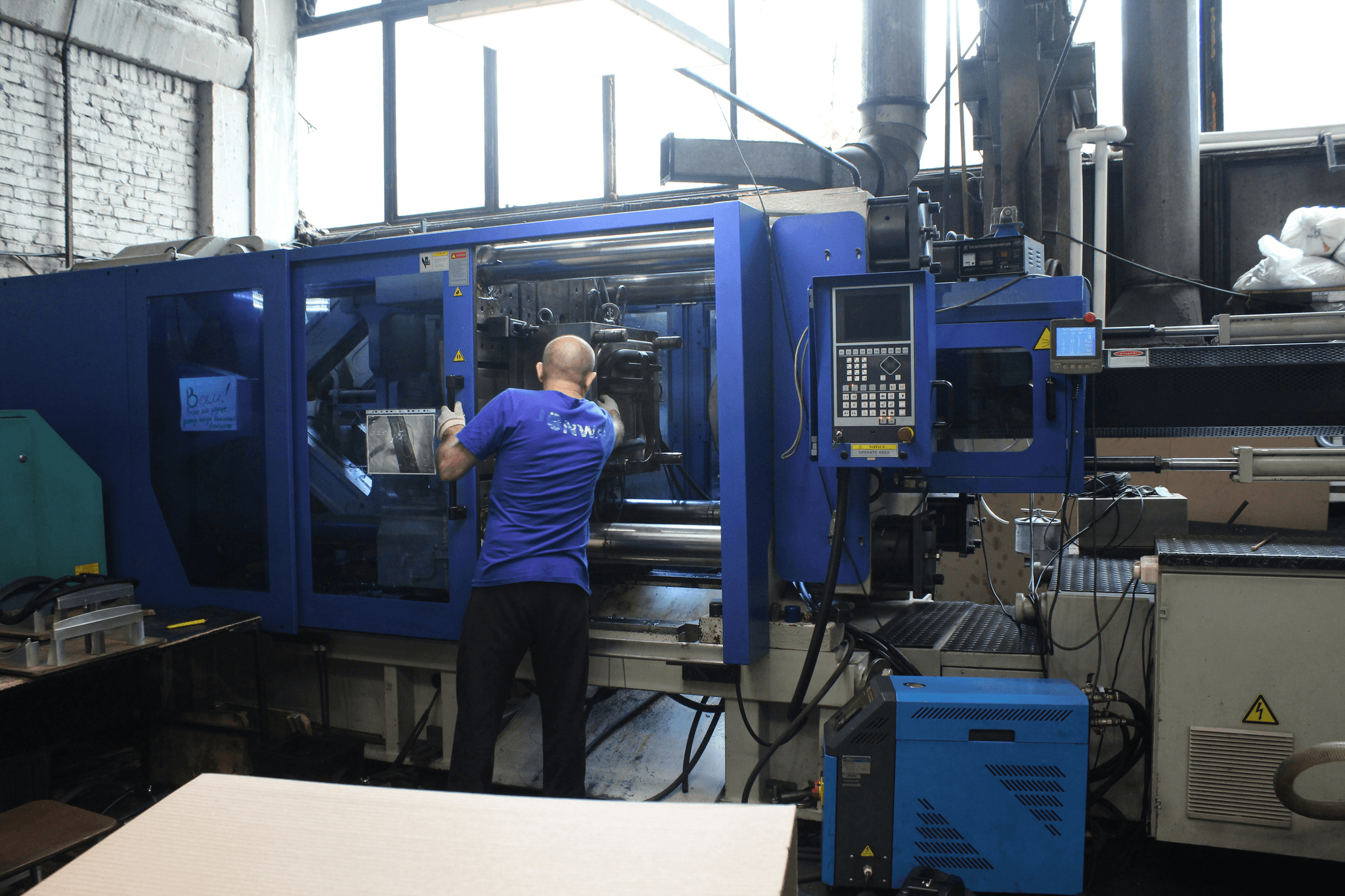
CNC machining stands at the forefront of modern manufacturing, offering unparalleled precision and efficiency. This process utilizes computer-controlled machines to create intricate parts from various materials, ensuring that custom components meet exact specifications. As industries increasingly demand high-quality outputs, CNC machining has become a cornerstone for achieving superior custom components quality.
Overview of CNC Machining Techniques
CNC machining encompasses several techniques, including milling, turning, and electrical discharge machining (EDM). Each method serves specific purposes; for instance, milling is ideal for producing complex shapes while turning excels in creating cylindrical parts. By employing these techniques strategically, manufacturers can enhance the quality of custom components through precise material removal and intricate design capabilities.
Moreover, advancements in CNC technology have introduced multi-axis machining centers that allow for greater flexibility and complexity in designs. This evolution not only streamlines production but also significantly contributes to the overall quality assurance process by reducing human error and increasing repeatability. In a world where every micron counts, understanding these techniques is vital to maintaining high standards in custom components quality.
Benefits of CNC Machining for Quality Assurance
One of the primary benefits of CNC machining is its ability to maintain consistent quality across large production runs. With automated processes governed by precise programming, manufacturers can replicate parts with incredible accuracy time after time. This reliability directly translates into enhanced custom components quality as each piece adheres strictly to design specifications without the variability often seen in manual processes.
Additionally, CNC machines are equipped with advanced sensors and software that monitor performance during production cycles. These tools facilitate real-time adjustments and inspections that ensure adherence to quality standards throughout the manufacturing process. Consequently, companies leveraging CNC machining not only boost their production efficiency but also significantly reduce waste associated with defective parts.
Furthermore, integrating CNC machining with other manufacturing methods like sheet metal fabrication or injection molding creates a synergistic effect on overall product quality. By harmonizing these techniques within a single workflow, businesses can achieve optimal results while ensuring that every component meets stringent industry requirements.
Real-world Applications Enhancing Quality
CNC machining finds applications across numerous industries—from aerospace to automotive—where precision is paramount for safety and performance standards. For example, aerospace manufacturers rely on this technology to produce lightweight yet durable components that withstand extreme conditions without compromising integrity or functionality. The result? Unmatched custom components quality essential for aircraft reliability.
In the automotive sector, companies utilize CNC machined parts for critical systems such as engines and braking mechanisms where even minor deviations can lead to catastrophic failures or recalls. By employing rigorous testing protocols alongside advanced machining practices, manufacturers ensure that every component meets their high-performance criteria while enhancing customer trust in their products.
Moreover, blending CNC machining with innovations from sheet metal fabrication allows businesses to create complex assemblies efficiently without sacrificing quality control measures—an essential aspect when producing intricate designs like chassis or enclosures found in electronics or machinery cases. Through these real-world applications of precision engineering technologies like CNC machining combined with effective inspection practices such as those offered by China Inspection Pro; organizations can elevate their standards while delivering exceptional value through superior custom component solutions.
Sheet Metal Fabrication: Crafting Quality Parts
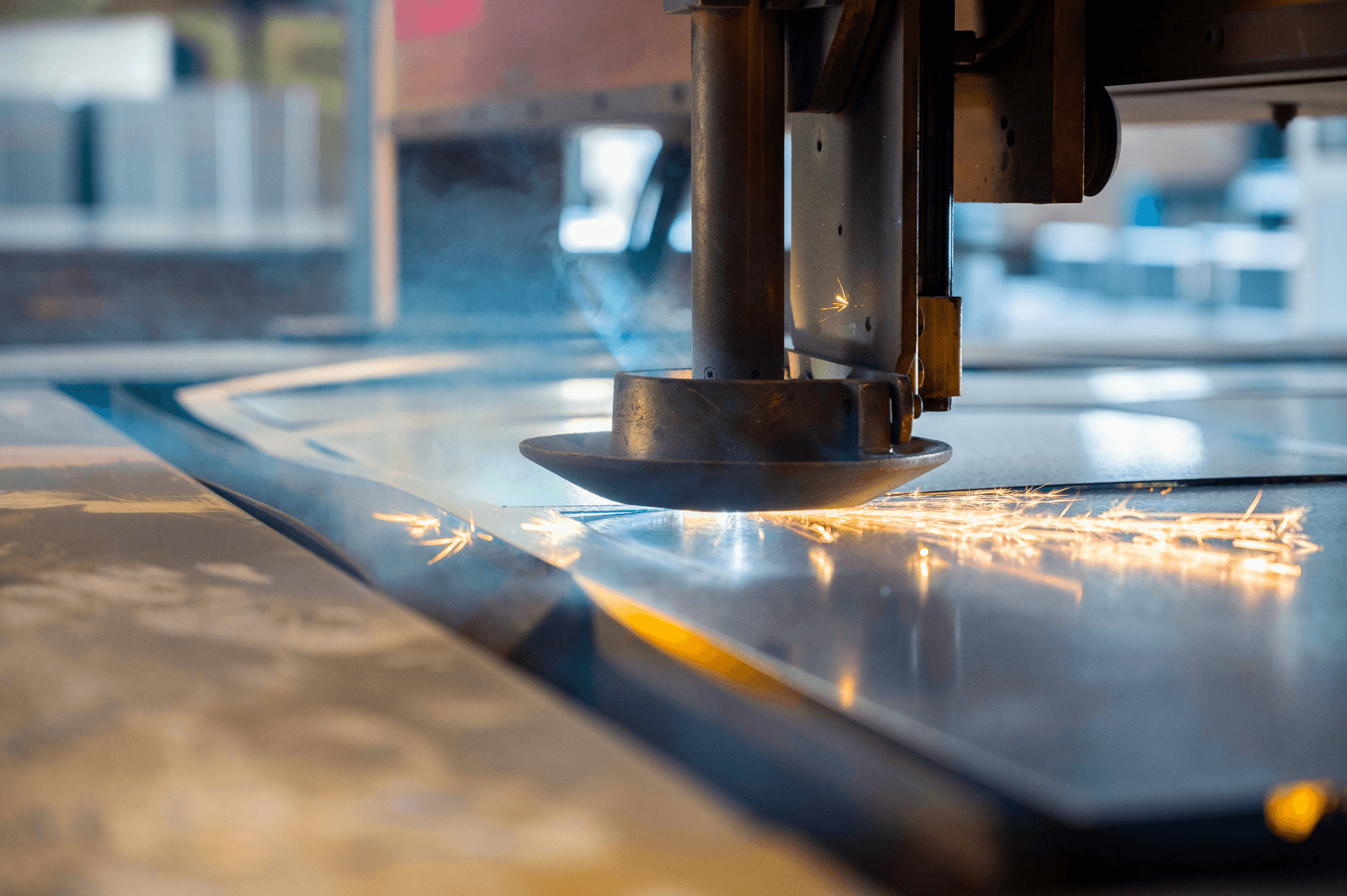
Sheet metal fabrication is a cornerstone of modern manufacturing, playing a pivotal role in producing custom components that meet specific industry needs. This process involves cutting, bending, and assembling metal sheets into desired shapes and forms, making it essential for industries ranging from automotive to aerospace. With the right techniques and quality control measures in place, sheet metal fabrication can significantly enhance custom components quality.
Introduction to Sheet Metal Fabrication
At its core, sheet metal fabrication transforms flat sheets of metal into functional parts through various processes like cutting, punching, and welding. The versatility of materials such as aluminum and stainless steel allows manufacturers to create lightweight yet durable components tailored for specific applications. This adaptability is crucial in maintaining high standards of custom components quality while keeping production costs manageable.
Understanding the intricacies of sheet metal fabrication is vital for manufacturers aiming to leverage this technique effectively. By employing advanced technologies such as CNC machining alongside traditional methods, businesses can ensure precision and consistency in their products. Ultimately, mastering these processes helps elevate the overall quality of custom components produced.
Quality Control in Sheet Metal Processes
Quality control is paramount in sheet metal fabrication; it ensures that each component meets stringent specifications before leaving the factory floor. Techniques such as visual inspections and dimensional measurements are employed at various stages to catch any defects early on—whether they arise from material inconsistencies or processing errors. By prioritizing quality control throughout the production cycle, manufacturers can significantly improve custom components quality.
Moreover, implementing automated inspection technologies enhances the accuracy of quality assessments while reducing human error potential. These innovations allow for real-time monitoring during fabrication processes like CNC machining or laser cutting, ensuring every part adheres to predefined standards without sacrificing efficiency. As a result, companies can maintain high levels of customer satisfaction through consistently reliable products.
Additionally, fostering a culture of continuous improvement within organizations enables teams to identify areas where quality can be enhanced further—be it through better training or adopting new technologies like injection molding for complex geometries. By integrating these practices into their operations, manufacturers ensure that their sheet metal fabricated parts meet or exceed industry expectations.
Innovations Improving Fabrication Quality
The landscape of sheet metal fabrication is continually evolving thanks to advancements in technology that enhance both efficiency and product integrity. Recent innovations include automated robotic systems that streamline processes while minimizing human intervention—a game changer for maintaining custom components quality at scale. These systems not only increase productivity but also reduce variability within manufacturing runs.
Another exciting development lies in simulation software that allows engineers to visualize potential issues before physical production begins; this foresight helps mitigate risks associated with design flaws or material selection errors early on in the process chain. Additionally, advancements in laser cutting technology have improved precision dramatically compared to traditional methods—resulting in cleaner edges and better fitment for assembled parts.
Lastly, integrating additive manufacturing techniques with traditional sheet metal processes opens up new avenues for creating complex designs previously deemed impossible with conventional methods alone—enhancing both functionality and aesthetics while adhering strictly to custom components quality standards across diverse applications like automotive body panels or intricate electronic housings.
The Power of Injection Molding
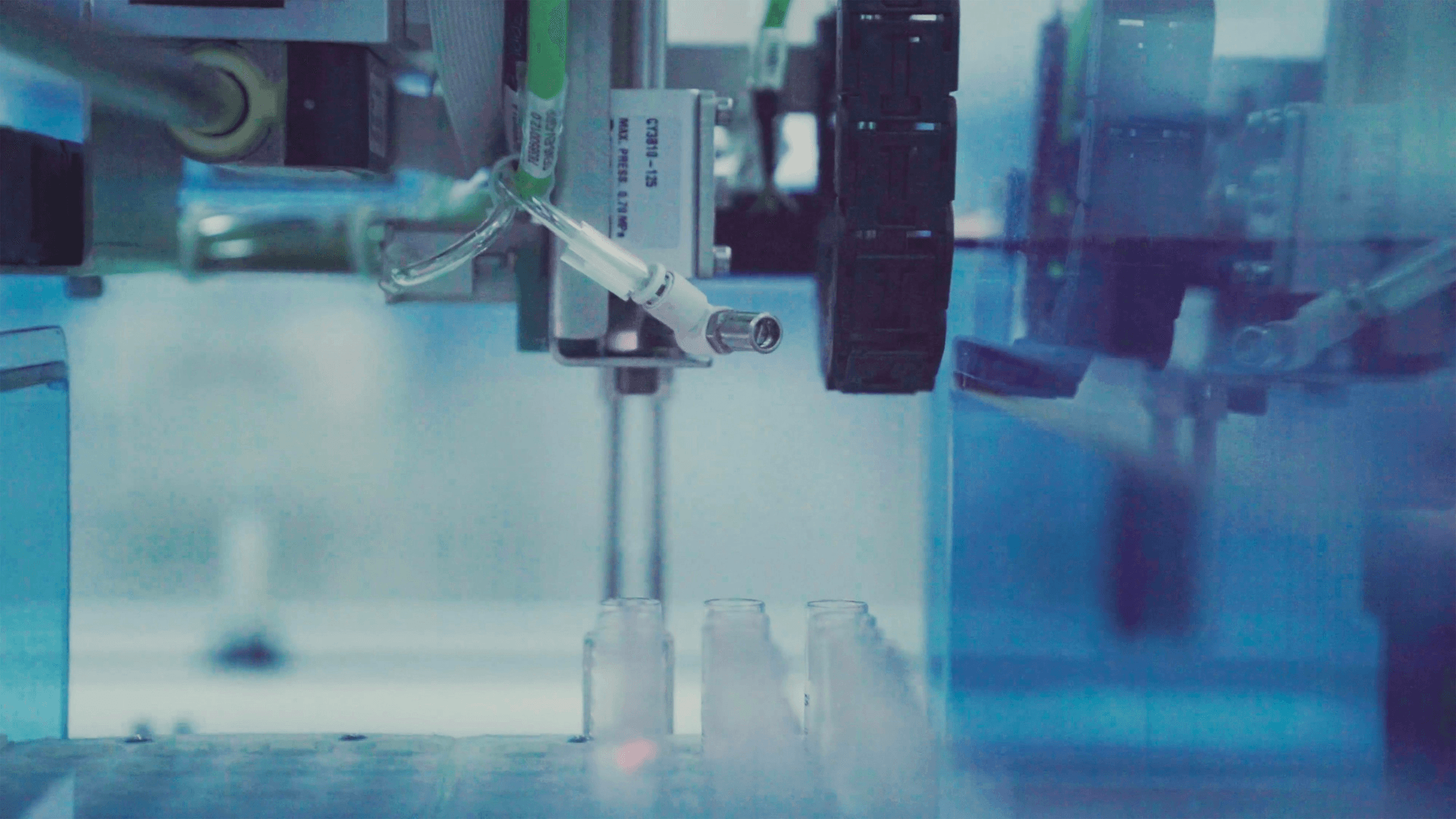
Injection molding stands as a cornerstone in the realm of custom components quality, offering unparalleled precision and efficiency. This manufacturing process involves injecting molten material into a mold to create intricate shapes, making it ideal for producing high-quality custom parts. With its ability to replicate complex designs consistently, injection molding has become a preferred choice across various industries, from automotive to consumer goods.
Basics of Injection Molding for Custom Parts
At its core, injection molding is all about transforming raw materials into finely crafted custom components. The process begins with heating thermoplastic or thermosetting polymers until they reach a molten state before injecting them into specially designed molds under high pressure. This method not only allows for the creation of detailed geometries but also enhances the overall quality of the components produced, ensuring they meet stringent industry standards.
One of the significant advantages of injection molding is its scalability; manufacturers can produce large volumes of parts with minimal variation in quality. This consistency is crucial when considering custom components quality since even slight deviations can lead to performance issues down the line. Furthermore, advancements in mold design and material science continue to push the boundaries of what is achievable through injection molding.
Quality Inspection Techniques for Molded Components
Ensuring custom components quality during and after production is paramount in injection molding processes. Various quality inspection techniques are employed to assess molded parts thoroughly; these include visual inspections, dimensional checks, and advanced non-destructive testing methods like ultrasonic or X-ray analysis. By implementing rigorous inspection protocols at multiple stages—before mold creation and post-production—manufacturers can catch defects early on and maintain high standards throughout their operations.
Another effective technique involves using statistical process control (SPC) to monitor production variables continuously; this allows manufacturers to identify trends that may indicate potential quality issues before they escalate. Additionally, incorporating automated inspection systems can enhance accuracy while reducing human error during assessments—a win-win for maintaining custom components quality! These measures not only help ensure that each part meets specifications but also build trust between manufacturers and their clients.
Case Studies Showcasing Injection Molding Success
Examining real-world applications helps illustrate how injection molding contributes significantly to enhancing custom components quality across various sectors. For example, an automotive manufacturer faced challenges with inconsistent component dimensions that led to assembly issues and increased costs due to rework. By adopting advanced injection molding techniques coupled with stringent inspection processes, they achieved a 30% reduction in defects while improving overall production efficiency.
Another inspiring case comes from the consumer electronics industry where a company sought lightweight yet durable enclosures for their devices without compromising on style or functionality. Through innovative mold designs and precision engineering enabled by injection molding technology, they successfully launched a product line that not only met aesthetic demands but also passed rigorous durability tests—all while maintaining exceptional custom components quality throughout production runs.
In both instances, it’s clear that leveraging the power of injection molding combined with robust inspection techniques has proven transformative—not just for individual companies but also for entire industries striving towards excellence in product development.
Collaborating with China Inspection Pro
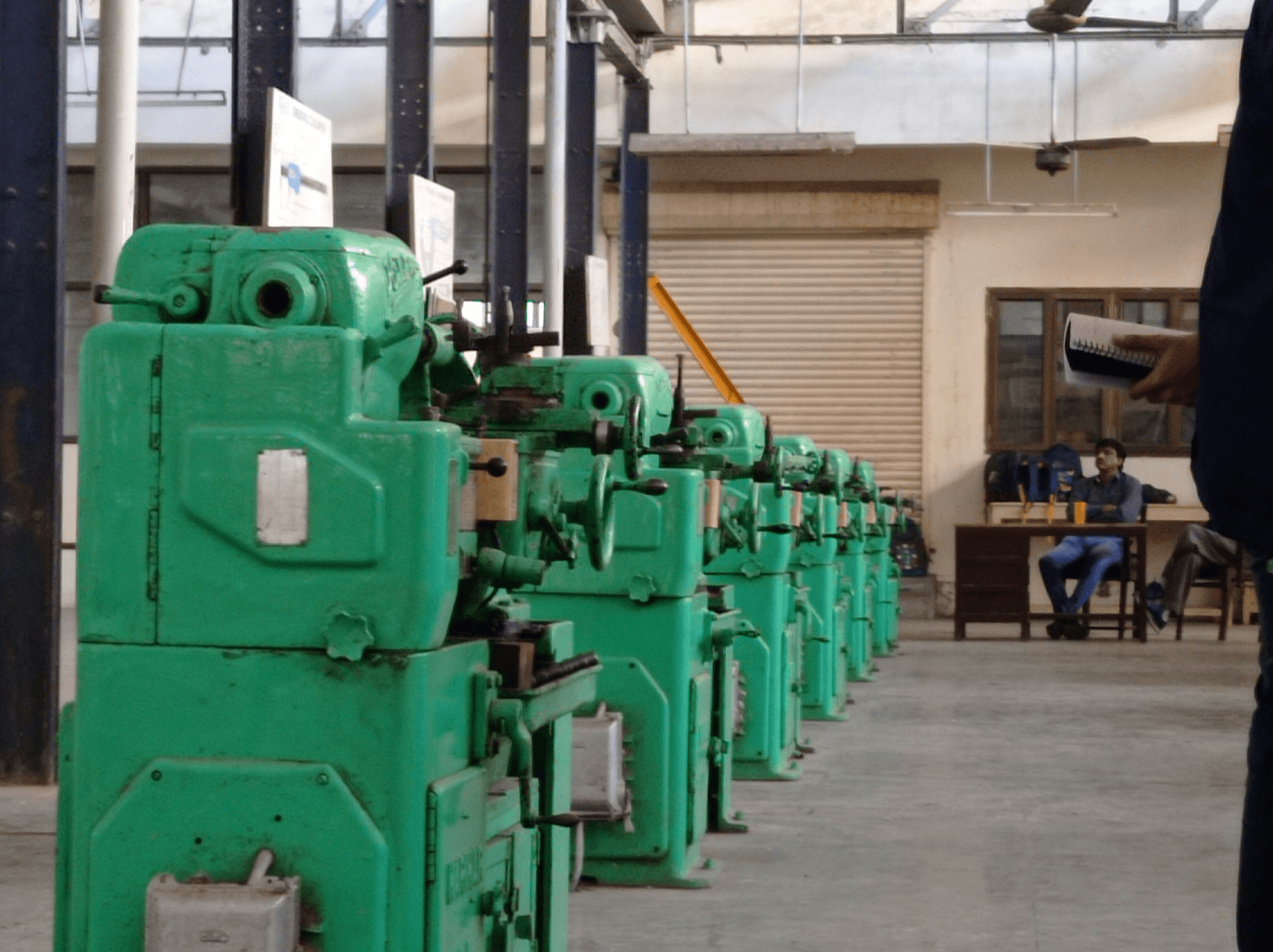
In the world of manufacturing, ensuring the quality of custom components is paramount. This is where collaborating with a specialized inspection service like China Inspection Pro comes into play. By leveraging their expertise, businesses can achieve peace of mind knowing their products meet stringent quality standards.
Quality Inspection Services for Peace of Mind
China Inspection Pro offers a comprehensive range of quality inspection services tailored to various manufacturing processes, including CNC machining, sheet metal fabrication, and injection molding. Their team conducts thorough inspections at different stages of production to identify any potential issues before they escalate. This proactive approach not only safeguards against defects but also enhances overall custom components quality.
With a commitment to excellence, China Inspection Pro employs experienced inspectors who understand the nuances of different manufacturing techniques. They utilize advanced tools and methodologies to evaluate components meticulously, ensuring that every part meets or exceeds industry specifications. By partnering with such an organization, manufacturers can focus on innovation while leaving the intricate details of quality control in capable hands.
How China Inspection Pro Ensures Component Quality
To ensure component quality effectively, China Inspection Pro implements a multi-faceted strategy that includes both visual and functional testing methods across various fabrication techniques like CNC machining and injection molding. Their rigorous inspection process covers everything from material integrity to dimensional accuracy, providing clients with detailed reports that highlight any discrepancies found during evaluations. This level of scrutiny guarantees that only top-notch custom components make it to market.
Additionally, they maintain strong communication channels with clients throughout the inspection process. This transparency enables manufacturers to stay informed about their products' status and address any concerns promptly before they affect production timelines or costs. The result is a streamlined workflow that enhances product reliability while upholding high standards in custom components quality.
Transforming Inspection Findings into Actionable Steps
After conducting thorough inspections, China Inspection Pro takes it a step further by transforming findings into actionable steps for manufacturers to implement immediately. They provide detailed feedback on areas requiring improvement, whether related to CNC machining precision or sheet metal fabrication techniques. This guidance allows companies not only to rectify current issues but also to prevent similar problems in future production runs.
Moreover, by integrating these insights into their operational strategies, manufacturers can enhance their overall processes and product offerings continuously. The collaboration fosters an environment where innovation thrives alongside uncompromising standards for custom components quality; thus creating a win-win scenario for all stakeholders involved in the manufacturing chain.
In conclusion, partnering with an expert like China Inspection Pro not only elevates the standard of your products but also simplifies the complex landscape of inspections across various manufacturing processes such as CNC machining and injection molding—ultimately leading to superior outcomes in custom components quality.
Conclusion
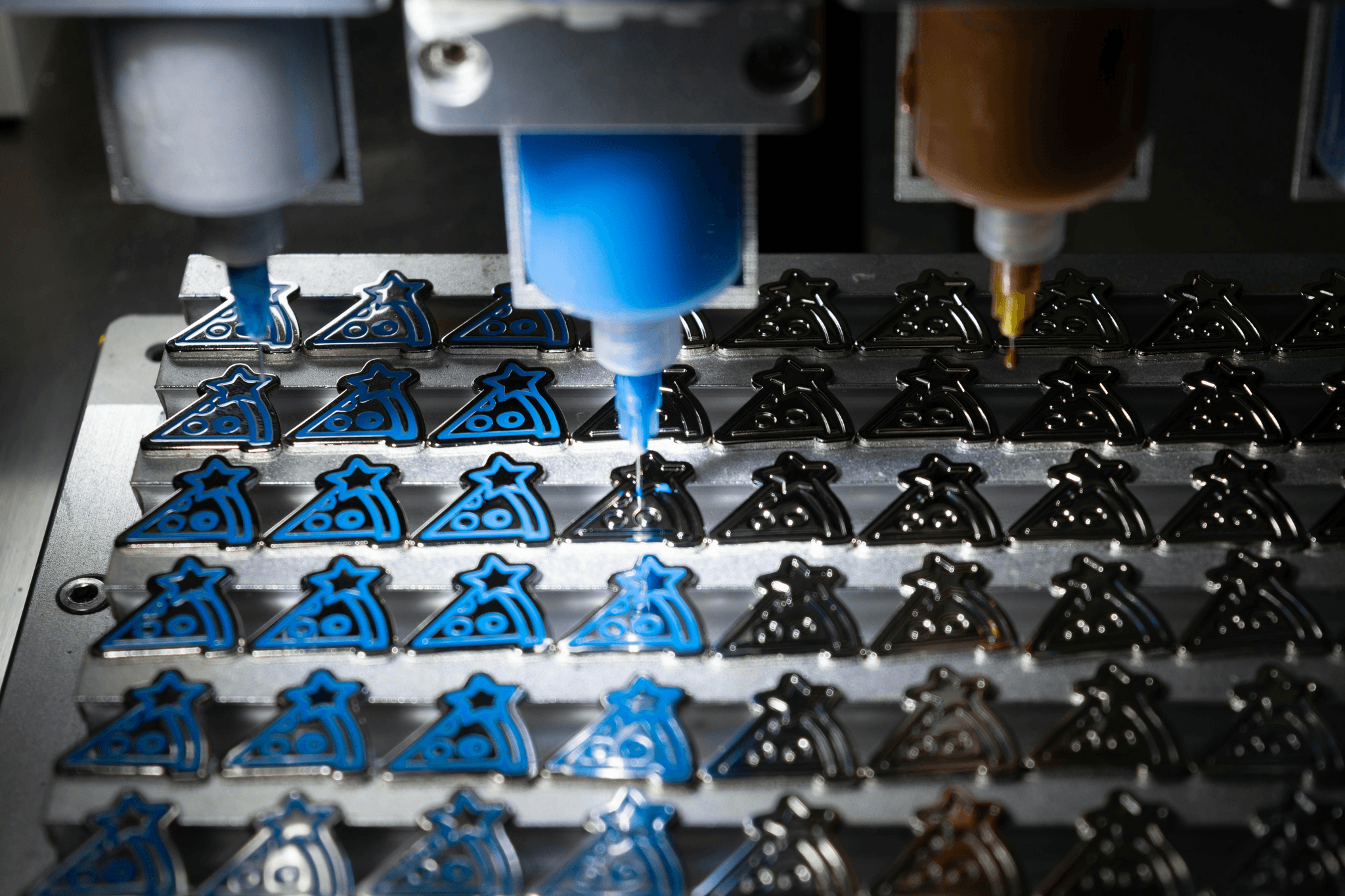
In the ever-evolving landscape of manufacturing, enhancing product quality through customization is not just a trend; it's a necessity. Custom components quality is paramount for industries seeking to differentiate themselves in competitive markets. By leveraging advanced techniques like CNC machining, sheet metal fabrication, and injection molding, businesses can create tailored solutions that meet specific needs while maintaining high standards.
Enhancing Product Quality through Customization
Customization allows manufacturers to address unique specifications that off-the-shelf products simply cannot satisfy. By focusing on custom components quality, companies can ensure their products not only function effectively but also resonate with their target audience's expectations and preferences. This tailored approach fosters innovation and drives brand loyalty, as customers appreciate the attention to detail in their customized solutions.
The Synergy of Manufacturing Techniques
The interplay between CNC machining, sheet metal fabrication, and injection molding creates a robust framework for achieving superior product quality. Each technique brings its own strengths to the table—CNC machining offers precision, sheet metal fabrication provides versatility, and injection molding enables mass production efficiency. When these methods are harmonized effectively, manufacturers can produce components that excel in both performance and aesthetics.
Elevating Standards with Expert Inspection Services
To truly capitalize on the potential of custom components quality, it’s essential to incorporate expert inspection services into the manufacturing process. Collaborating with professionals ensures that every stage—from design to production—is scrutinized for adherence to quality standards. With rigorous inspection protocols in place, companies can transform findings into actionable steps that elevate their overall manufacturing practices.