
Introduction
In the realm of manufacturing, Quality Control for Mechanical Components is not just a checkbox on a to-do list; it’s the backbone of successful production. Effective guidelines serve as the roadmap that ensures every component meets stringent quality standards, ultimately leading to customer satisfaction and brand loyalty. The role of inspection in manufacturing cannot be overstated; it acts as both a safety net and a performance enhancer throughout the production process.
Understanding Quality Control for Mechanical Components
Quality Control for Mechanical Components encompasses various practices designed to ensure that products meet specified requirements and function as intended. This involves meticulous attention to detail at every stage, from supplier management to laboratory testing, ensuring that each component adheres to defined specifications and tolerances. By understanding these processes, manufacturers can reduce defects, improve reliability, and enhance overall product integrity.
Importance of Effective Guidelines
Effective guidelines in Quality Control for Mechanical Components are essential for establishing clear expectations among suppliers and internal teams alike. These guidelines help streamline processes such as Incoming Material Inspection and Pre-Production Inspection by defining what constitutes acceptable quality levels before production begins. By setting these benchmarks upfront, manufacturers can avoid costly mistakes later on and foster an environment of continuous improvement.
Role of Inspection in Manufacturing
Inspection is an integral part of the manufacturing process that plays a pivotal role in maintaining high standards within Quality Control for Mechanical Components. From During Production Inspection to Pre-Shipment Inspection, effective inspection methods help identify potential issues early on, minimizing waste and ensuring compliance with industry standards. Moreover, integrating laboratory testing into the inspection process further validates material performance and quality assurance before products reach customers’ hands.
Supplier Management

Supplier management is a critical component of Quality Control for Mechanical Components, as the quality of materials and components sourced directly impacts the final product. Selecting the right suppliers ensures that your manufacturing process is supported by reliable and high-quality inputs. By implementing effective supplier management strategies, businesses can streamline their operations and enhance overall product quality.
Choosing the Right Suppliers
Choosing the right suppliers is akin to finding a dance partner; you need to ensure they can keep up with your rhythm while meeting your expectations for Quality Control for Mechanical Components. Start by evaluating potential suppliers based on their track record, certifications, and ability to meet Clear Quality Requirements & Tolerances. Conducting thorough due diligence will help you avoid costly mistakes down the line, ensuring that you're not only getting good prices but also top-notch materials.
Once you've narrowed down your options, consider visiting their facilities or requesting samples to assess their capabilities firsthand. This hands-on approach allows you to gauge how well they align with your standards for Incoming Material Inspection and Pre-Production Inspection processes. Ultimately, a well-chosen supplier can become an invaluable partner in maintaining consistent quality throughout production.
Building Strong Relationships
Building strong relationships with suppliers goes beyond just signing contracts; it's about creating a partnership rooted in trust and open communication. Regular check-ins and collaborative discussions regarding quality expectations are essential for successful Supplier Management strategies focused on Quality Control for Mechanical Components. When suppliers feel valued and engaged, they are more likely to prioritize meeting your Clear Quality Requirements & Tolerances.
A strong rapport also encourages suppliers to be more forthcoming about potential issues during manufacturing processes—essential information that aids in During Production Inspection efforts. In essence, investing time in relationship-building pays dividends in product quality over time.
Setting Supplier Quality Expectations
Setting clear supplier quality expectations is crucial for maintaining high standards throughout the supply chain in Quality Control for Mechanical Components. Begin by defining specific metrics related to performance, such as defect rates or delivery timelines that align with your Clear Quality Requirements & Tolerances framework. This clarity helps suppliers understand what is at stake and encourages them to take ownership of their role in ensuring compliance.
Additionally, consider establishing a formalized system for monitoring performance through regular audits or reviews based on pre-defined criteria linked to Incoming Material Inspection and Pre-Production Inspection protocols. This proactive approach allows you to identify any discrepancies early on—before they escalate into larger issues affecting production timelines or product integrity during Pre-Shipment Inspection stages. By setting these expectations clearly from the outset, you establish a foundation of accountability that enhances overall quality assurance efforts.
Clear Quality Requirements & Tolerances
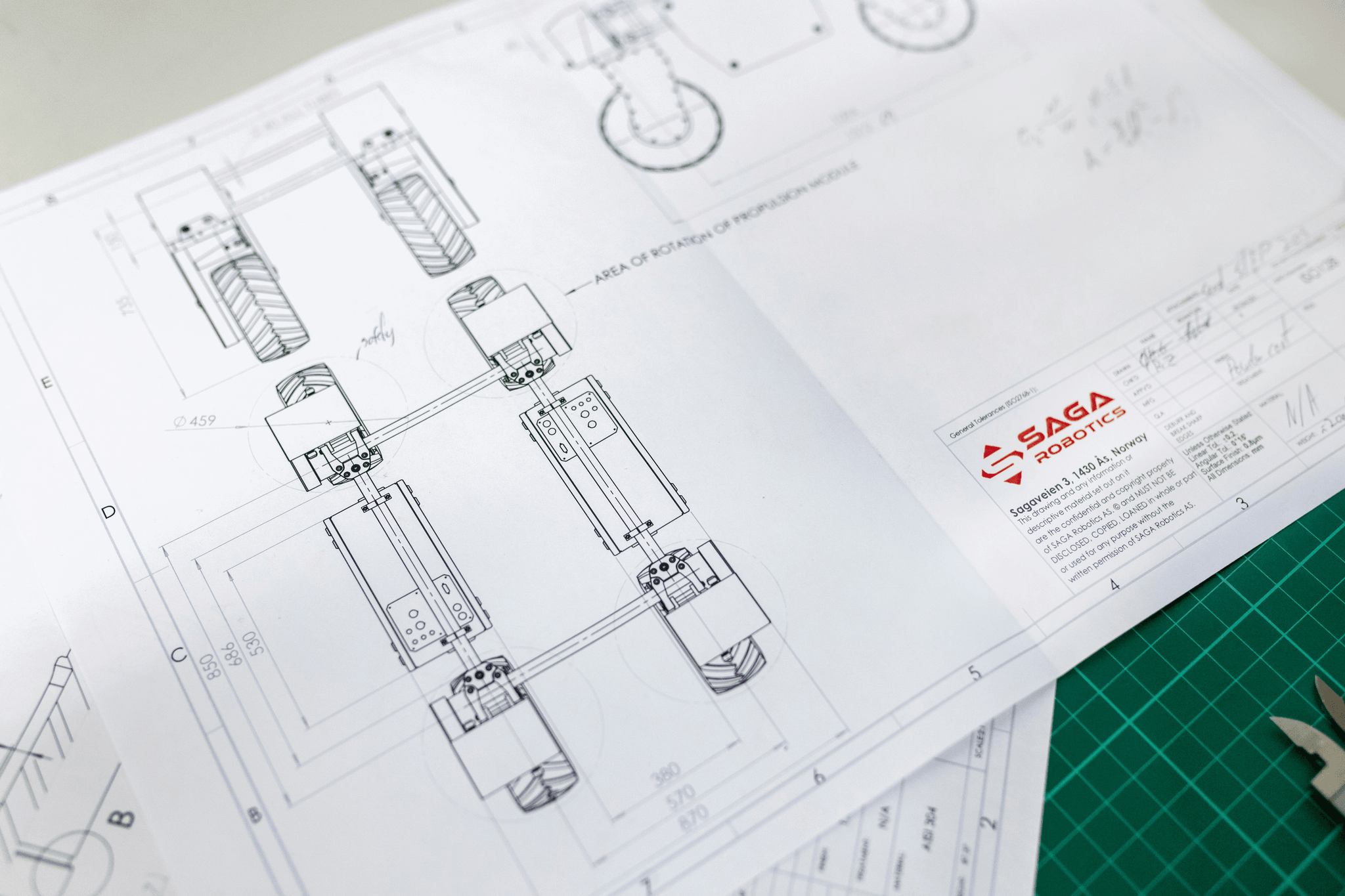
In the realm of Quality Control for Mechanical Components, establishing clear quality requirements and tolerances is paramount. These specifications serve as a blueprint for both manufacturers and suppliers, ensuring that every part meets the necessary standards before it even leaves the factory floor. Without well-defined criteria, the risk of defects increases significantly, leading to potential delays and increased costs during Supplier Management.
Defining Specifications
Defining specifications is akin to drafting a roadmap for manufacturing success; it outlines what is expected from each mechanical component. Specifications should encompass dimensions, materials, performance criteria, and any other relevant details that contribute to the final product's quality. By clearly articulating these requirements upfront, companies can streamline their Incoming Material Inspection and Pre-Production Inspection processes while minimizing misunderstandings with suppliers.
Moreover, precise specifications help in setting realistic expectations during During Production Inspection phases as well. When everyone involved understands what is required, it fosters a collaborative environment where quality can thrive. Ultimately, accurate specifications lead to smoother operations throughout all stages of production.
Importance of Tolerances in Manufacturing
Tolerances are the unsung heroes of manufacturing; they define acceptable limits for variations in dimensions and properties of components. In Quality Control for Mechanical Components, tolerances ensure that parts fit together as intended without compromising functionality or safety. If tolerances are too tight or too loose, it can result in costly rework or even catastrophic failures down the line.
Incorporating appropriate tolerances into specifications also aids in effective Supplier Management by giving suppliers clear guidelines on what is acceptable. This clarity is essential when conducting Incoming Material Inspection and Pre-Production Inspections since it allows teams to quickly assess whether raw materials meet established criteria before production begins. The right balance between stringent and lenient tolerances can enhance both efficiency and product reliability during the entire lifecycle of manufacturing.
Communicating Quality Standards Effectively
Effective communication is vital when it comes to ensuring everyone involved understands quality standards related to mechanical components. Regularly updating all stakeholders—suppliers, manufacturers, inspectors—on any changes to quality requirements promotes transparency and reduces misunderstandings during Pre-Shipment Inspection processes. Utilizing visual aids like charts or diagrams can further enhance comprehension of these standards.
Additionally, incorporating feedback loops into communication practices allows for continuous improvement based on real-world experiences encountered during Laboratory Testing or During Production Inspections. This ensures that everyone remains aligned with evolving industry standards while fostering a culture of accountability in Supplier Management initiatives. Ultimately, effective communication not only enhances understanding but also builds trust among all parties involved.
Incoming Material Inspection and Pre-Production Inspection
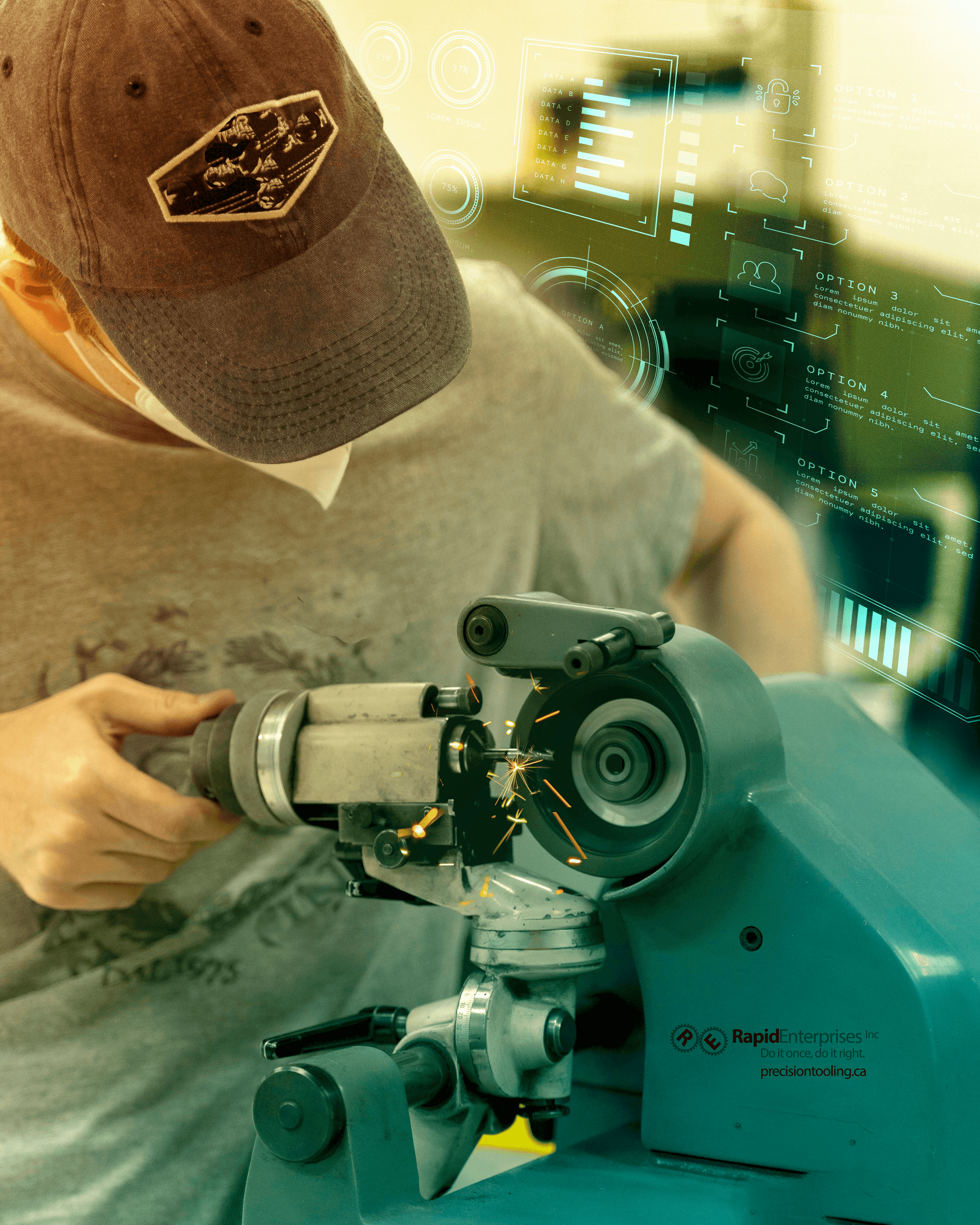
Quality Control for Mechanical Components starts well before the manufacturing process kicks off. The first step in this journey is the Incoming Material Inspection, where raw materials are thoroughly assessed to ensure they meet predefined quality standards. This crucial stage not only safeguards against potential defects but also sets the tone for effective Supplier Management, ensuring that only top-notch materials make it to production.
Assessing Raw Materials
Assessing raw materials is akin to laying a solid foundation for a building; without it, everything else is at risk. During this phase, materials are examined for compliance with Clear Quality Requirements & Tolerances, including dimensions, strength, and composition. By conducting rigorous inspections at this stage, manufacturers can prevent costly rework or delays later in the production cycle.
Additionally, effective Incoming Material Inspection involves checking certifications and documentation provided by suppliers to verify quality claims. This diligence helps establish trust in Supplier Management practices and ensures that all components align with the specified requirements. Ultimately, a thorough assessment of raw materials contributes significantly to reducing risks associated with subpar inputs.
Importance of Pre-Production Checks
Pre-Production Checks serve as a safety net that catches issues before they escalate into larger problems down the line during production inspection stages. These checks help confirm that production processes align with Clear Quality Requirements & Tolerances established during planning phases. By identifying potential discrepancies early on, manufacturers can save time and resources while maintaining high-quality standards.
Moreover, these checks provide an opportunity to fine-tune manufacturing processes based on real-world conditions rather than theoretical expectations alone. They act as a bridge between supplier management and actual production by ensuring that any changes or updates from suppliers are properly accounted for before work begins in earnest. In essence, Pre-Production Checks are vital for maintaining consistent quality throughout the manufacturing lifecycle.
Tools for Effective Inspections
To facilitate effective Incoming Material Inspection and Pre-Production Inspections, various tools come into play—think of them as your trusty toolbox! Calipers and micrometers help measure dimensions with precision while hardness testers assess material strength effectively. Additionally, advanced technologies like 3D scanning offer detailed insights into component geometries that traditional methods might miss.
Incorporating software solutions can also streamline inspection processes by allowing data collection and analysis in real-time—an invaluable asset when managing multiple suppliers or diverse product lines under stringent quality control measures. As manufacturers invest in these tools and technologies for inspections, they bolster their ability to ensure compliance with both internal standards and industry regulations through ongoing Laboratory Testing as needed.
During Production Inspection
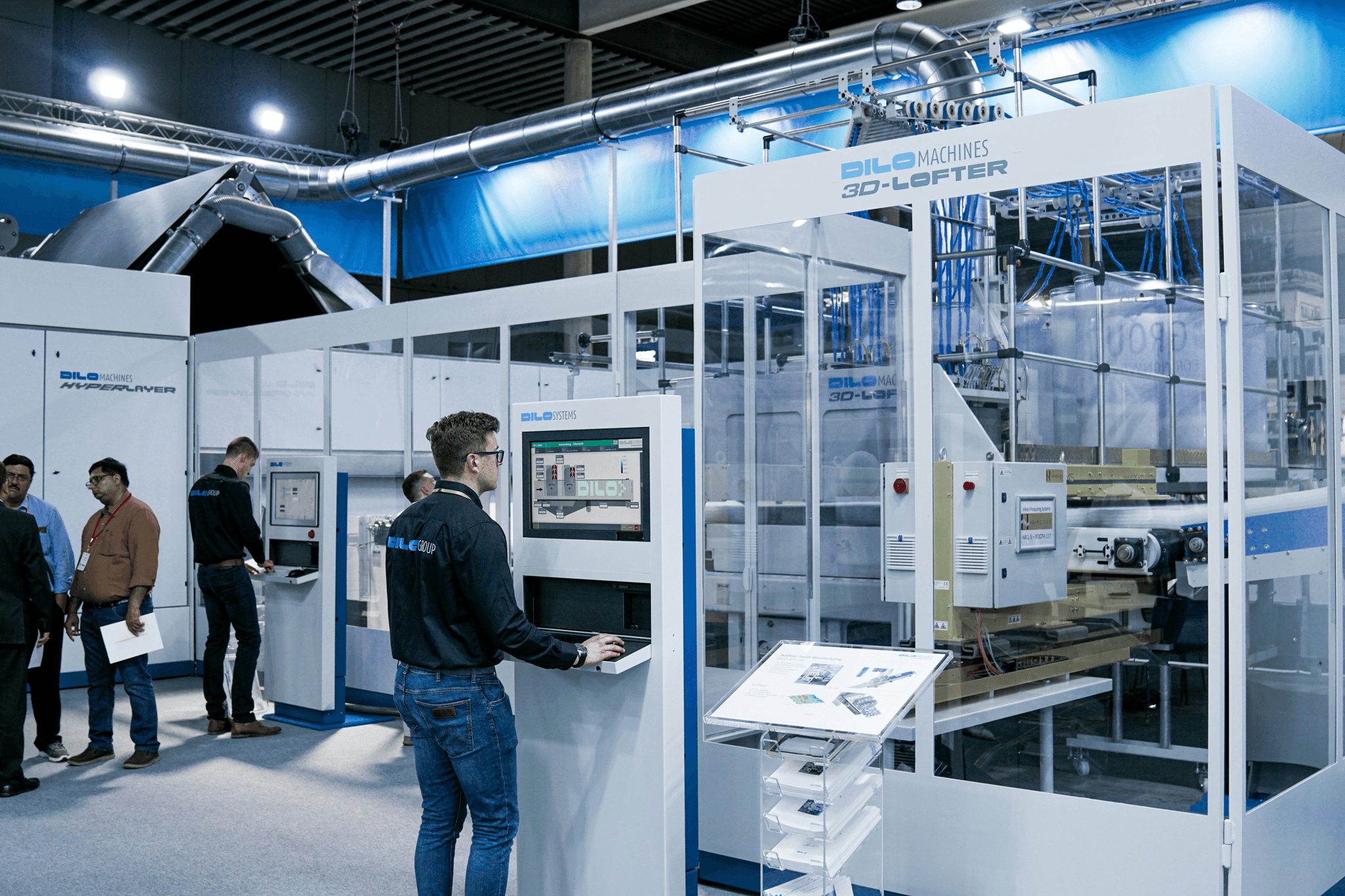
During production inspection is a critical phase in the overall Quality Control for Mechanical Components process. This stage ensures that the manufacturing processes are aligned with the established quality standards and specifications set during supplier management and clear quality requirements & tolerances. By maintaining rigorous oversight during production, manufacturers can significantly reduce defects and enhance product reliability.
Monitoring Manufacturing Processes
Monitoring manufacturing processes involves closely observing each step of production to ensure compliance with predetermined quality standards. Effective monitoring requires a combination of real-time data collection and visual inspections to identify any deviations from the expected outcomes. By integrating tools like checklists and digital systems, manufacturers can streamline this process, ensuring that every aspect of production adheres to the clear quality requirements & tolerances outlined at the beginning.
Spotting Issues Early
Spotting issues early in the production cycle is key to minimizing waste and avoiding costly rework later on. Implementing regular checkpoints allows teams to catch potential problems before they escalate into significant defects that could affect product integrity. This proactive approach not only aligns with incoming material inspection and pre-production inspection protocols but also reinforces supplier management strategies by holding all parties accountable for maintaining high-quality standards throughout the entire manufacturing process.
Using Statistical Process Control
Statistical Process Control (SPC) is an invaluable tool used during production inspection to analyze variability in manufacturing processes systematically. By applying statistical methods, manufacturers can identify trends, pinpoint anomalies, and make informed decisions based on data rather than guesswork. Utilizing SPC contributes greatly to enhancing overall Quality Control for Mechanical Components while also serving as a bridge between pre-shipment inspection protocols and laboratory testing phases by ensuring consistent quality throughout.
Pre-Shipment Inspection
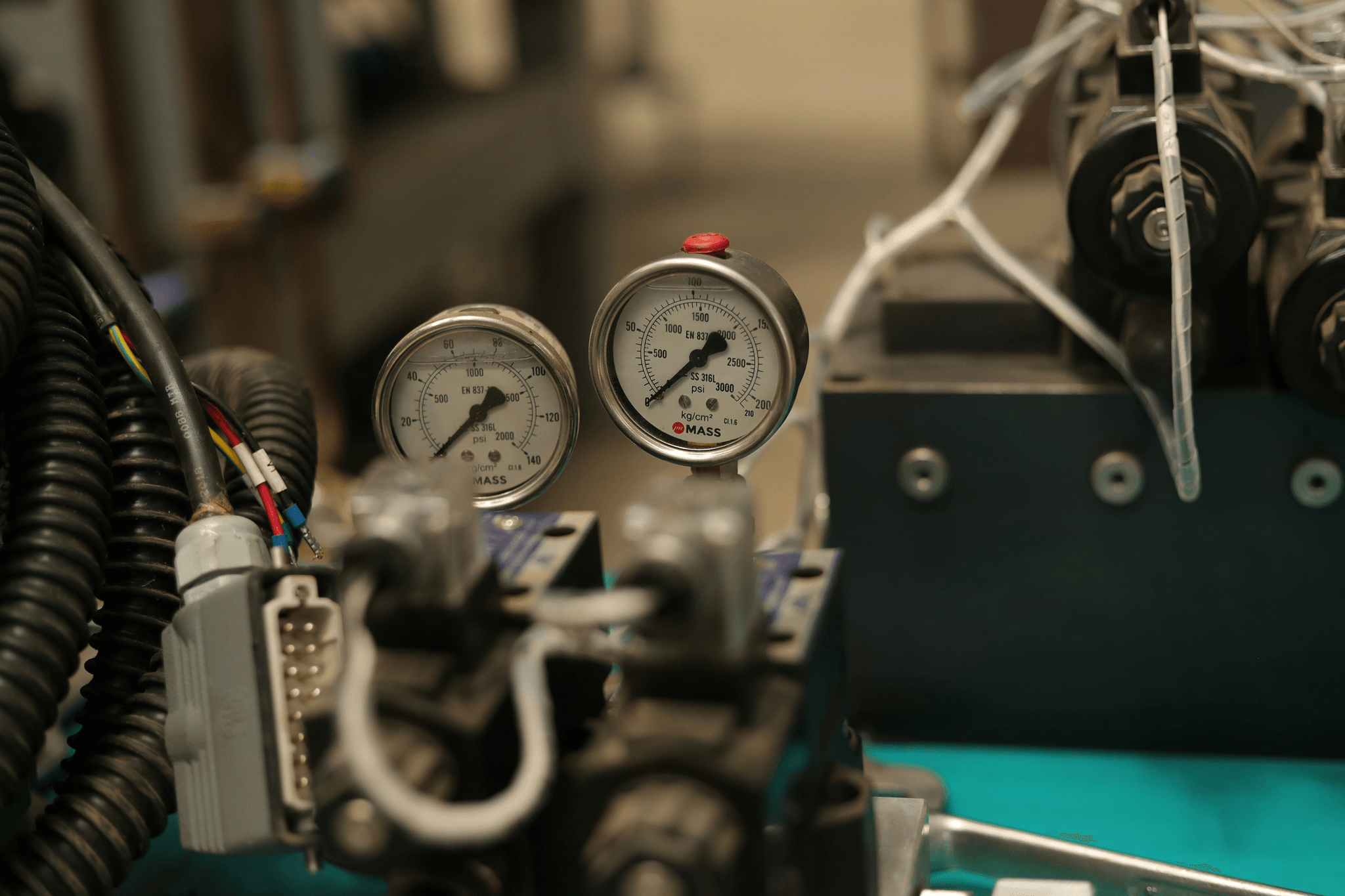
Pre-shipment inspection is the final line of defense in ensuring that products meet the necessary quality standards before they leave the factory. This crucial step acts as a safety net, catching any potential issues that may have slipped through during earlier stages such as Incoming Material Inspection and Pre-Production Inspection or During Production Inspection. By conducting thorough checks at this stage, manufacturers can prevent costly returns and maintain customer satisfaction.
Final Checks Before Shipping
Before products make their grand exit from the manufacturing facility, final checks are essential to confirm that everything meets defined specifications. This includes verifying dimensions, finishes, and overall functionality against Clear Quality Requirements & Tolerances established earlier in the production process. Engaging in meticulous inspections not only ensures compliance with these specifications but also boosts confidence among stakeholders regarding product quality.
Importance of Compliance and Standards
Compliance with industry standards is non-negotiable when it comes to Quality Control for Mechanical Components. Adhering to these benchmarks not only protects manufacturers from legal repercussions but also enhances brand reputation in a competitive market. In addition, meeting compliance requirements fosters trust between suppliers and customers, making Supplier Management more effective.
Role of China Inspection Pro
China Inspection Pro plays a pivotal role in streamlining Pre-Shipment Inspections by providing expert services tailored to meet specific needs of businesses dealing with mechanical components. Their team specializes in ensuring that all aspects of quality control are adhered to throughout the inspection process—right from Incoming Material Inspection and Pre-Production Inspection to final checks before shipment. By leveraging their expertise, companies can rest assured that their products align with both local and international standards while reducing risks associated with poor quality.
Laboratory Testing

When it comes to Quality Control for Mechanical Components, laboratory testing is the backbone that ensures materials perform as expected under various conditions. This phase of inspection is crucial, as it provides definitive data on the material properties and helps identify any potential weaknesses before they become costly issues. By incorporating rigorous laboratory testing into your quality control strategy, you can significantly mitigate risks associated with supplier management and production processes.
Ensuring Material Performance
Ensuring material performance starts with a comprehensive understanding of the specifications outlined in your clear quality requirements & tolerances. Laboratory testing allows manufacturers to verify that materials not only meet these specifications but also perform reliably under intended operational conditions. This proactive approach reduces the chances of defects during incoming material inspection and pre-production inspection phases, ultimately leading to smoother operations during production.
Types of Tests for Mechanical Components
There are several types of tests tailored specifically for mechanical components that can be employed during laboratory testing. Common tests include tensile strength tests, hardness tests, impact resistance evaluations, and fatigue tests—each targeting different performance metrics essential for quality assurance. Utilizing a variety of methods ensures thorough evaluation throughout all stages—from incoming material inspection through to pre-shipment inspection—confirming that each component adheres to established quality standards.
Interpreting Laboratory Results
Interpreting laboratory results is where the magic happens; it transforms raw data into actionable insights regarding your mechanical components' performance characteristics. Understanding these results involves comparing them against predefined benchmarks set during the clear quality requirements & tolerances stage, ensuring compliance with industry standards. This knowledge not only aids in making informed decisions about supplier management but also enhances ongoing improvements in quality control processes throughout manufacturing.
Conclusion
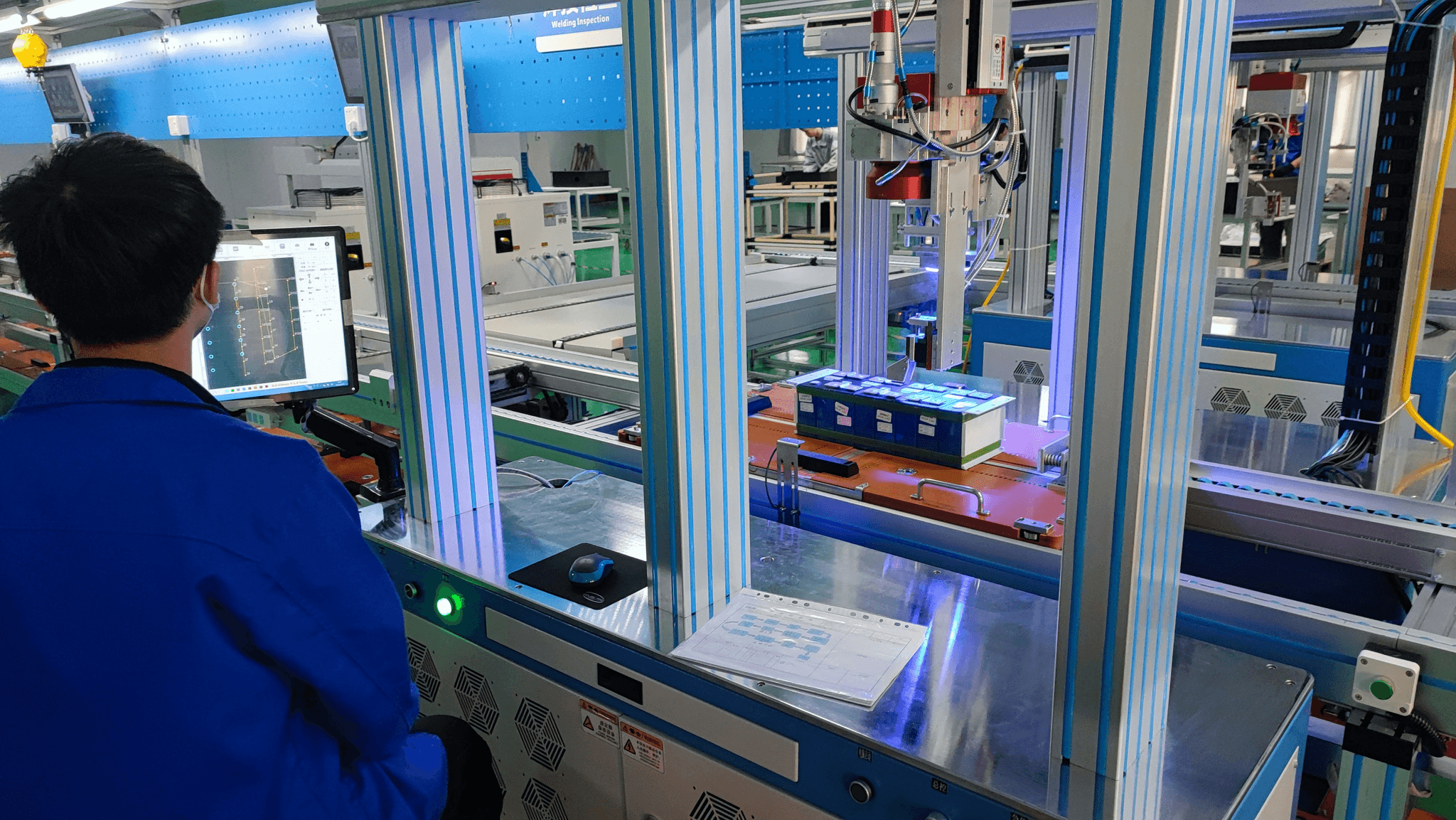
In the realm of manufacturing, especially for mechanical components, a robust approach to Quality Control is paramount. The journey toward excellence begins with implementing a comprehensive quality control strategy that encompasses every phase of production—from supplier management to laboratory testing. By establishing clear quality requirements and tolerances, manufacturers can ensure that each component meets the rigorous standards necessary for success in today’s competitive market.
Implementing a Comprehensive Quality Control Strategy
A well-defined Quality Control strategy serves as the backbone of effective manufacturing processes. This strategy should encompass all stages, including incoming material inspection and pre-production inspection, ensuring that only high-quality materials enter the production line. Additionally, during production inspection plays a critical role in monitoring processes and identifying potential issues before they escalate, safeguarding both time and resources.
Continuous Improvement in Quality Processes
Quality is not a static goal but rather an evolving target that requires continuous improvement in quality processes. Regularly revisiting supplier management practices will help maintain strong relationships while also setting clear expectations for quality standards. Moreover, leveraging insights from pre-shipment inspections and laboratory testing can drive enhancements across all facets of production—ultimately leading to superior mechanical components.
Investing in Quality for Long-Term Success
Investing in quality is akin to planting seeds for long-term success; it may require upfront resources but yields significant returns over time. By prioritizing clear quality requirements and tolerances throughout every stage—from incoming material inspections to laboratory testing—manufacturers can cultivate reliability and trust with their clients. Emphasizing thorough pre-shipment inspections ensures compliance with industry standards, reinforcing the value of investing in quality control for mechanical components.