
Introduction
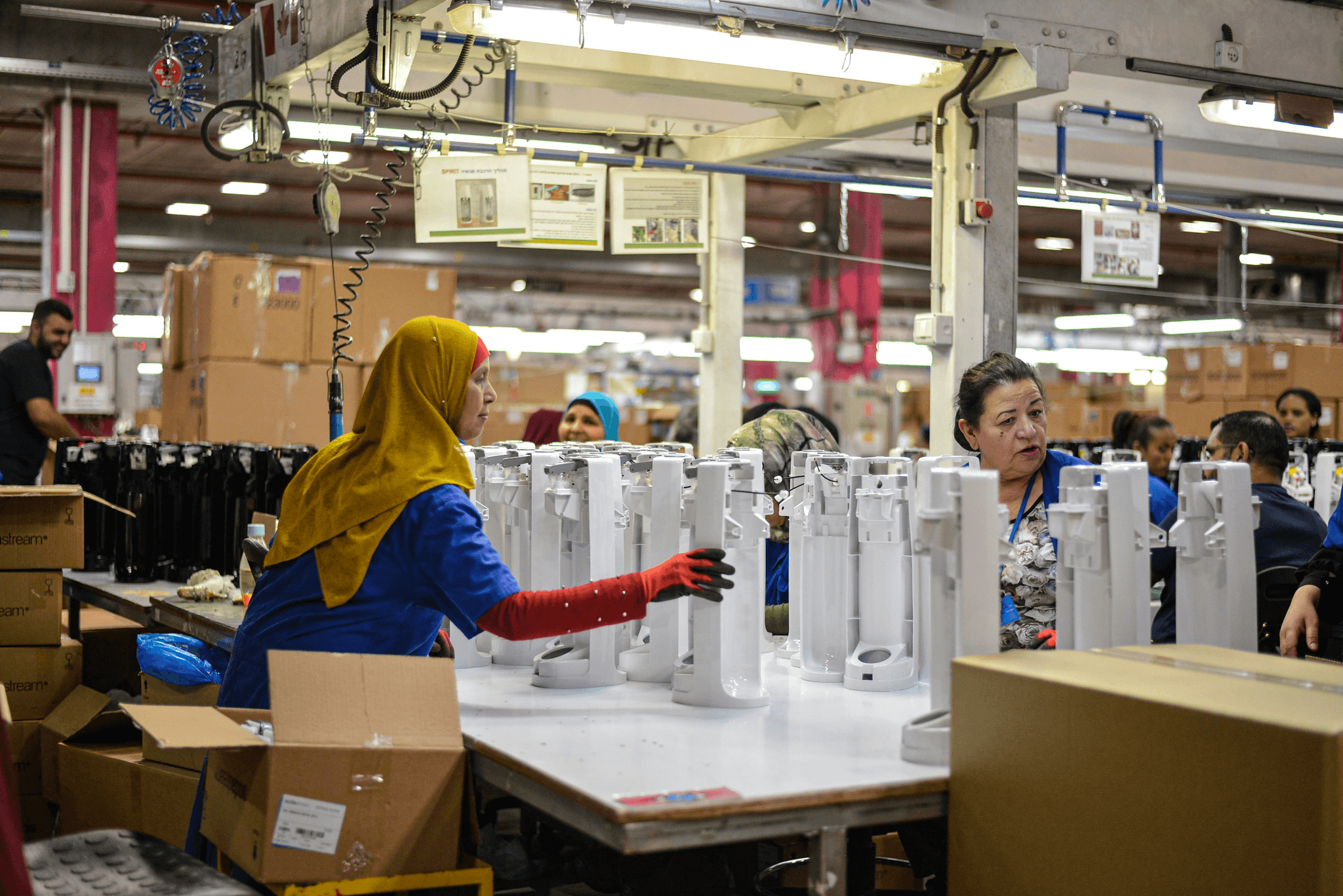
In the world of quality management systems, understanding the difference between audit and inspection is essential for ensuring products meet the highest standards. While these terms are often used interchangeably, they serve distinct purposes and play unique roles in maintaining quality. Grasping the fundamentals of audit and inspection can help businesses streamline their processes and avoid costly mistakes, especially when considering factory inspection examples or conducting an example of ISO 9001 audit to validate compliance.
Knowing why clarifying the difference between audit and inspection matters can make a significant impact on your business operations. An effective audit provides a comprehensive review of your entire quality management system, identifying areas for improvement beyond just product conformity. Meanwhile, inspections typically focus on specific aspects like factory conditions or product details—think of factory inspection examples—ensuring immediate conformance with standards. Recognizing these differences allows you to allocate resources wisely and align your strategies with your overall quality goals.
Finally, accurate evaluation through proper use of both audit and inspection directly influences your quality management system's success. When you leverage each method appropriately—whether through an in-depth ISO 9001 audit or targeted factory inspections—you enhance product quality while minimizing risks. The right balance not only boosts customer satisfaction but also streamlines compliance efforts, turning insights from audits and inspections into strategic advantages that propel your business forward.
Defining Audit and Inspection
Understanding the difference between an audit and inspection is crucial for anyone involved in a quality management system. While both are essential tools for maintaining product standards, they serve distinct purposes and follow different approaches. Knowing how to effectively utilize each can significantly enhance your ability to ensure compliance and improve overall quality.
What is an Audit and How Does It Work
An audit is a systematic, independent examination of a company's processes, systems, or products to verify compliance with specific standards such as ISO 9001. It involves detailed documentation review, interviews with staff, and on-site observations to assess whether the quality management system is functioning effectively. For example, an ISO 9001 audit might evaluate how well a factory adheres to documented procedures and whether corrective actions are properly implemented.
Inspection Explained with Factory Inspection Examples
Inspection, on the other hand, is more of a hands-on check focused on the actual product or process at a specific point in time. A factory inspection example could involve examining finished goods for defects or verifying materials against specifications during production. This method provides immediate feedback on product conformance and helps catch issues before they reach customers, making it an invaluable part of routine quality control within your overall quality management system.
Key Differences in Purpose and Scope
The primary purpose of an audit is to evaluate the effectiveness of the entire quality management system, often leading to strategic improvements—think of it as taking the company's pulse from a high level. In contrast, inspections are targeted assessments aimed at ensuring specific products meet set standards; they are more tactical by nature. While both methods involve scrutinizing processes related to your quality management system, audits tend to be more comprehensive and long-term focused, whereas inspections address immediate concerns with tangible results like defect reports or non-conformance notices.
Purpose and Objectives

Understanding the purpose behind conducting audits and inspections is fundamental for any effective quality management system. While both methods aim to ensure that products meet specified standards, their roles and objectives differ in subtle but significant ways. A well-executed factory inspection example can reveal how inspections focus on immediate conformance, whereas an audit, such as an example of ISO 9001 Audit, dives deeper into systemic processes to foster continuous improvement.
Why Audits Are Conducted in Quality Management Systems
Audits are like the detective work of a quality management system—they scrutinize processes, procedures, and documentation to ensure compliance with established standards. They provide a comprehensive view of how well a company adheres to its quality policies and highlight areas for strategic enhancement. An example of ISO 9001 Audit demonstrates how companies can systematically identify gaps in their processes that may not be immediately obvious during routine factory inspection.
Inspection’s Role in Ensuring Product Conformance
Inspections serve as the frontline defense in quality control by verifying that raw materials, components, or finished products meet specific criteria before reaching customers. Think of factory inspection examples—these are immediate checks that catch defects early and prevent subpar products from slipping through the cracks. Inspection’s role is crucial for maintaining product conformance; it acts as the quick-response team ensuring every item aligns with customer expectations and regulatory requirements.
How Each Method Supports Continuous Improvement
Both audit and inspection play vital roles in supporting continuous improvement within a quality management system. While inspections provide real-time feedback on product conformance, audits offer insights into process efficiency and systemic weaknesses that require strategic adjustments. Combining these methods creates a balanced approach: inspections keep day-to-day quality tight, while audits guide long-term enhancements—making your operations more agile and resilient over time.
Process and Approach
Understanding the process and approach of audit and inspection is vital for maintaining a robust quality management system. While both methods aim to ensure product quality, their procedures and depth differ significantly. A well-executed factory inspection example can reveal immediate issues, whereas an audit provides a comprehensive evaluation of systems and processes.
Step-by-Step of an Example of ISO 9001 Audit
Conducting an ISO 9001 audit involves several structured steps that help identify gaps in your quality management system. First, auditors plan the audit by reviewing documentation and defining scope, ensuring all relevant areas are covered. Next, they perform opening meetings to clarify objectives with key personnel before systematically examining records, processes, and practices related to quality standards.
During the audit, auditors gather evidence through interviews, observations, and document reviews—this is where understanding the difference between audit and inspection becomes crucial. Once data collection concludes, findings are analyzed to pinpoint non-conformities or areas for improvement. Finally, a closing meeting summarizes results with management, followed by detailed reports that guide corrective actions—highlighting how an example of ISO 9001 audit supports continuous improvement within the quality management system.
Inspection Techniques Used in Factory Settings
Factory inspections tend to be more straightforward but no less critical in maintaining product conformance. Common inspection techniques include visual checks for defects or damages, dimensional measurements using calipers or gauges, and functional testing on samples from production lines. These techniques focus on immediate product attributes rather than system-wide compliance.
In factory inspection examples like those seen in electronics manufacturing or automotive parts production, inspectors often use non-destructive testing methods such as ultrasonic or X-ray inspections to detect hidden flaws quickly. The key difference here is that inspections are typically reactive—they catch issues during manufacturing—whereas audits proactively evaluate how well systems support ongoing quality goals within the overall framework of a quality management system.
Which One Is More Comprehensive and When
Deciding whether an audit or inspection is more comprehensive depends largely on your business goals at any given time. An example of ISO 9001 audit provides a deep dive into your entire quality management system’s effectiveness—covering policies, procedures, employee training, documentation practices—all essential for long-term improvement initiatives within your QMS.
On the other hand, factory inspections are usually more targeted—they verify specific products or processes against set standards—making them ideal for routine checks or immediate defect detection scenarios like factory inspection examples from high-volume production lines. Typically, audits are scheduled periodically to assess systemic health; inspections happen more frequently for real-time control—both play vital roles when integrated properly into your overall strategy for maintaining product excellence.
Frequency and Timing
Choosing the right moments to perform an audit or inspection is crucial for maintaining a robust quality management system. Knowing when to deploy each method helps prevent costly mistakes and ensures continuous improvement. Timing your audits and inspections strategically can significantly impact overall product quality and operational efficiency.
When to Perform an Audit Versus an Inspection
Audits are best suited for comprehensive evaluations of your entire quality management system, often scheduled periodically or after significant changes. They delve into documentation, processes, and compliance, making them ideal for an example of ISO 9001 audit where systemic issues might be uncovered. Inspections, on the other hand, are more immediate and focused—perfect for factory inspection examples where real-time product conformance is assessed or when quick checks are needed on specific batches.
Deciding between an audit and inspection depends on your goals; if you need a broad overview of your quality management system, scheduling an audit is wise. Conversely, if you're concerned about specific products or processes in the factory setting, inspections should be prioritized for timely feedback. Both methods play vital roles in ensuring your business stays aligned with quality standards without overloading your schedule.
Scheduling Strategies for Effective Quality Control
Effective scheduling balances regularity with flexibility—think of it as setting appointments with your quality system’s health check-ups. Regular audits should be planned based on risk levels; high-risk areas might require quarterly reviews, while lower-risk sections could suffice with annual audits. Factory inspection examples show that routine inspections can be integrated into daily operations to catch issues early before they escalate.
Integrating both audits and inspections into a well-structured calendar ensures continuous oversight without overwhelming resources. For example, routine factory inspections can be scheduled weekly or monthly depending on production volume or complexity, while comprehensive ISO 9001 audits might occur annually or bi-annually to evaluate systemic compliance thoroughly. Leveraging scheduling strategies tailored to your unique operations keeps the quality management system running smoothly.
The Role of China Inspection Pro in Routine Checks
When it comes to routine checks within a thriving manufacturing environment, China Inspection Pro can be a game-changer by providing timely factory inspection examples that keep production on track. Their expertise supports regular factory inspections that help identify potential issues early—saving time and costs down the line—and ensure ongoing compliance with international standards like ISO 9001. Using their services as part of your routine checks allows you to focus on core business activities while maintaining high-quality standards.
Incorporating China Inspection Pro into your schedule ensures that both audit and inspection activities align seamlessly with operational needs—delivering accurate reports that inform strategic decisions about product conformance and process improvements in real-time. This proactive approach fosters continuous improvement within the framework of your quality management system by catching deviations early through scheduled factory inspection examples.
Outcomes and Reports
The results from an audit and inspection offer invaluable insights into your quality management system, revealing strengths and pinpointing weaknesses. Typically, an audit uncovers systemic issues such as documentation gaps or process inefficiencies, which can be addressed to improve overall quality. Meanwhile, factory inspection examples often highlight real-time operational problems that need immediate attention to prevent defects from reaching customers.
Audit reports tend to be comprehensive documents that detail findings related to compliance with standards like ISO 9001. These reports serve as a roadmap for continuous improvement within your quality management system by identifying areas that require corrective actions. Inspection reports, on the other hand, focus on specific product conformance issues, providing immediate feedback that can be used for swift corrective measures.
Turning audit and inspection results into strategic decisions is where the real value lies. For example, an example of ISO 9001 audit may reveal recurring non-conformities across multiple factories, prompting managerial decisions to enhance training or revise procedures. Similarly, factory inspection examples can lead to targeted process adjustments that boost product quality and customer satisfaction while aligning with your long-term business goals.
Real World Examples and Case Studies
Real-world examples breathe life into the concepts of audit and inspection, illustrating how these tools function within a quality management system. Companies that leverage factory inspections and ISO 9001 audits often uncover critical insights that lead to improved processes, reduced defects, and enhanced customer satisfaction. These case studies demonstrate the tangible benefits of integrating thorough audit and inspection practices into daily operations.
Factory Inspection Example from Samsung Electronics
Samsung Electronics provides a prime example of how factory inspections can elevate quality management systems. During routine factory inspections, Samsung’s teams meticulously scrutinize production lines to ensure compliance with international standards and internal benchmarks. This factory inspection example highlights how proactive checks can identify potential issues before they escalate into major problems, ultimately safeguarding product quality and brand reputation.
Example of ISO 9001 Audit in Automotive Industry
In the automotive industry, an ISO 9001 audit serves as a critical assessment tool for maintaining high-quality standards across manufacturing processes. An example of such an audit involves evaluating supplier compliance, process consistency, and documentation accuracy—key elements in a robust quality management system. This type of audit not only verifies conformity but also uncovers opportunities for continuous improvement, reinforcing the importance of regular audits in complex supply chains.
Lessons Learned from Major Quality Incidents
Major quality incidents often reveal gaps in both audit and inspection procedures that could have prevented costly recalls or safety issues. For instance, a recall caused by faulty components might stem from inadequate factory inspections or incomplete audits within the quality management system. These lessons emphasize that diligent application of both methods is essential; neglecting either can lead to severe consequences for reputation and bottom-line performance.
Conclusion
Navigating the world of quality management requires a clear understanding of when to deploy an audit and when to conduct inspections. Both tools serve distinct purposes but are equally vital in maintaining high standards, especially in complex manufacturing environments like factory inspection examples. By choosing the right approach aligned with your business goals, you can ensure your products meet customer expectations and regulatory requirements.
Choosing Between Audit and Inspection for Your Business Goals
Deciding whether to focus on an audit or inspection depends heavily on your specific business objectives. If you're aiming for a comprehensive review of processes, an audit—such as an example of ISO 9001 Audit—provides a deep dive into systemic issues. Conversely, if immediate product conformance is the priority, factory inspection examples become invaluable for quick, targeted assessments that catch defects early.
Integrating Both Approaches into Your Quality Management System
To truly elevate your quality management system, integrating both audit and inspection strategies is essential. Regular audits help identify systemic flaws and drive continuous improvement, while routine inspections ensure ongoing product quality on the ground. Combining these approaches creates a robust safety net that catches issues before they reach customers, making your factory inspection example more effective and your audits more meaningful.
Enhancing Product Quality with Proper Use of Audit and Inspection
Using audit and inspection together allows you to maximize product quality by addressing both process integrity and product conformity proactively. For instance, conducting scheduled audits like those in ISO 9001 standards helps refine procedures, while factory inspections provide real-time validation of output quality. When these methods work hand-in-hand within your quality management system, you'll turn insights into strategic actions that boost customer satisfaction and brand reputation.