
Introduction
In today's competitive landscape, understanding quality control and assurance is more crucial than ever. Companies strive to deliver products that not only meet compliance standards but also exceed customer expectations, making the distinction between quality vs compliance a vital discussion. Quality control focuses on the operational techniques and activities used to fulfill requirements for quality, while quality assurance encompasses the processes that ensure those techniques are effective.
Understanding Quality Control and Assurance
Quality control (QC) and quality assurance (QA) may sound similar, but they serve different purposes in maintaining product excellence. QC is primarily about identifying defects in finished products through methods like quality inspection and quality checks, ensuring that what reaches the consumer is up to par. On the other hand, QA is about building processes that prevent defects from occurring in the first place, emphasizing a proactive approach to define quality throughout production cycles.
Key Differences Between Inspection and Testing
When it comes to maintaining high standards, understanding the key differences between inspection and testing can make all the difference in your QA strategy. Quality inspection typically involves examining products at various stages of production or before shipment to catch any flaws or inconsistencies—think of it as a final checkpoint before delivery. In contrast, testing often refers to systematic procedures designed to evaluate specific attributes of a product or service; this could include stress tests or performance evaluations aimed at ensuring reliability under various conditions.
Importance of Quality in Industry
The significance of prioritizing quality cannot be overstated—it's not just about meeting regulatory requirements; it's about building trust with consumers and establishing brand loyalty over time. Companies that excel in their quality management practices often see improved efficiency, reduced costs associated with returns or repairs, and enhanced reputation within their industry. By focusing on both QC and QA processes effectively, businesses can navigate the complex waters of market demands while maintaining an unwavering commitment to delivering exceptional products.
Defining Quality and Its Importance

Understanding the nuances of quality is critical for any business aiming to thrive in a competitive landscape. While many might conflate quality with compliance, they are distinct concepts that serve different purposes in the realm of quality management. Quality encompasses the overall excellence of a product or service, while compliance focuses on meeting specific regulatory standards or guidelines, often leading to a narrow interpretation of what it means to define quality.
Exploring Quality vs Compliance
Quality vs compliance is a debate that often surfaces in discussions about product standards. Compliance refers to adhering to established norms or regulations, which can sometimes lead companies to prioritize checkbox exercises over genuine quality improvement. In contrast, true quality reflects an ongoing commitment to excellence that goes beyond mere adherence; it involves continuous enhancement and innovation that can elevate customer satisfaction.
When businesses focus solely on compliance, they may overlook vital aspects of quality control and assurance processes. This oversight can result in products that meet minimum standards but fail to delight customers or foster brand loyalty. Ultimately, understanding the difference between these two concepts allows organizations to adopt a more holistic approach toward achieving exceptional quality.
Quality Control vs Quality Assurance
Quality control (QC) and quality assurance (QA) are two pillars of effective quality management systems but serve different functions in ensuring product excellence. QC involves the operational techniques and activities used to fulfill requirements for quality through inspections and testing—essentially a reactive measure aimed at identifying defects after they occur. On the other hand, QA is a proactive approach focused on improving processes and preventing defects from arising in the first place.
To illustrate this distinction further: if we think about making cookies, QC would involve tasting each batch after baking them to ensure they're delicious (quality check), whereas QA would encompass refining the recipe and baking process so every batch turns out great from the start. Both elements are crucial; however, prioritizing QA can lead businesses toward sustained improvements rather than just fixing issues as they arise through inspection methods alone.
Incorporating both QC and QA into your strategy ensures not only regulatory compliance but also fosters an environment where high-quality products become synonymous with your brand identity.
Why Quality Inspection Matters
Quality inspection plays an indispensable role within any comprehensive framework for maintaining high standards throughout production processes. By conducting thorough inspections at various stages—from raw materials through finished goods—companies can catch potential issues before they escalate into costly problems down the line. This proactive stance enhances overall product reliability while simultaneously bolstering customer trust—a win-win situation!
Moreover, effective quality inspection provides valuable insights into areas where improvements can be made within production workflows or supplier relationships. By identifying trends related to defects or inconsistencies early on through consistent checks, businesses can adapt their strategies accordingly rather than waiting until post-production evaluations reveal major flaws too late for correction.
In summary, prioritizing robust inspection protocols ultimately leads organizations toward delivering superior products consistently while also safeguarding their reputation against potential pitfalls associated with subpar offerings in today’s competitive market landscape.
The Role of Inspection in Quality Management
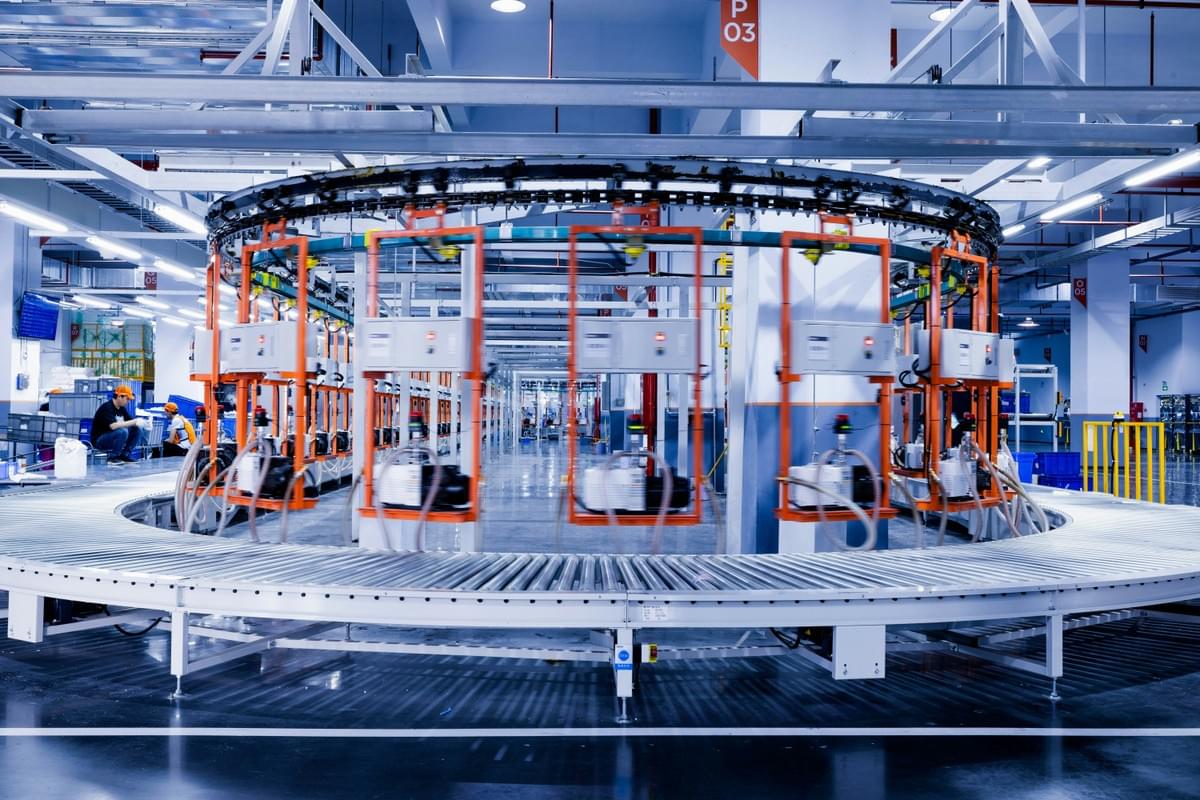
Quality inspection plays a crucial role in the broader framework of quality management. It serves as a systematic approach to evaluate products and processes, ensuring they meet defined standards. By integrating quality inspection into quality control and assurance practices, organizations can effectively navigate the complex landscape of quality vs compliance.
What is Quality Inspection?
Quality inspection is the process of assessing products or services to ensure they conform to specified requirements and standards. This includes evaluating materials, workmanship, and overall product functionality through various methods such as visual checks, measurements, and performance testing. By defining quality clearly at this stage, businesses can differentiate between meeting regulatory compliance and achieving true quality excellence.
Techniques and Methods Used
There are several techniques employed in quality inspection that help maintain high standards throughout production processes. Common methods include visual inspections for surface defects, dimensional checks using calipers or gauges, and functional testing to verify performance criteria. These techniques not only ensure adherence to compliance but also enhance overall product reliability—making them indispensable in any effective quality assurance strategy.
Impact on Overall Product Quality
The impact of thorough quality inspections on overall product quality cannot be overstated; it often determines customer satisfaction and brand reputation. When organizations prioritize rigorous inspections as part of their quality control measures, they reduce the risk of defects reaching the market. In turn, this proactive approach fosters trust with consumers who value both compliance with industry standards and genuine commitment to delivering top-notch products.
Testing: A Deeper Dive

In the realm of quality assurance, testing serves as a crucial component that helps define quality in products and services. While quality control focuses on identifying defects after production, testing aims to ensure that products meet predetermined standards before they reach consumers. By establishing rigorous testing procedures, companies can bolster their quality assurance efforts and ultimately enhance customer satisfaction.
Defining Testing in Quality Assurance
Testing in quality assurance is the process of evaluating a product or service to determine if it meets specified requirements and standards. Unlike mere quality checks, which may only identify surface-level issues, comprehensive testing dives deeper into functionality, performance, and reliability. This distinction between quality vs compliance becomes evident when we consider how effectively a product fulfills its intended purpose rather than just adhering to regulations.
Different Types of Testing Procedures
There are numerous types of testing procedures employed in the quest for optimal product quality. These include functional testing, performance testing, usability testing, and stress testing—each designed to assess different aspects of a product's capabilities. By utilizing a combination of these methods within their quality control framework, organizations can ensure thorough evaluation and adherence to both industry standards and customer expectations.
Key Benefits of Product Testing
The benefits of rigorous product testing extend far beyond mere compliance; they play an instrumental role in enhancing overall product quality. First and foremost, effective testing reduces the risk of defects reaching the market, thereby protecting brand reputation and increasing customer trust. Additionally, regular QA quality assessments through various tests can lead to continuous improvement cycles that foster innovation while ensuring that products consistently meet or exceed consumer expectations.
China Inspection Pro: A Case Study

China Inspection Pro is a leading provider of quality inspection services, specializing in ensuring that products meet rigorous standards before they reach the market. Their comprehensive suite of services includes pre-production inspections, during production checks, and final random inspections to guarantee quality control throughout the manufacturing process. By focusing on quality vs compliance, they help businesses navigate the often complex landscape of international trade while maintaining high-quality standards.
Overview of Services Offered
The services offered by China Inspection Pro are designed to address various aspects of quality assurance, catering to diverse industries such as textiles, electronics, and consumer goods. Their team conducts thorough quality checks that encompass everything from product specifications to packaging assessments. By providing detailed reports and actionable insights, they empower clients to define quality in a way that aligns with their specific needs and industry requirements.
How They Ensure Quality Excellence
China Inspection Pro ensures quality excellence through a meticulous approach that combines experienced inspectors with advanced technology. They employ various techniques for effective quality inspection, including visual assessments and functional testing, which are crucial for identifying potential defects early in the production cycle. This proactive stance not only enhances product reliability but also reinforces the importance of balancing quality control with compliance measures.
Success Stories in Quality Inspection
One notable success story involves a textile manufacturer who partnered with China Inspection Pro to improve their product line's overall quality assurance process. After implementing regular inspections and adhering to best practices in quality checks, the manufacturer saw a significant reduction in returns due to defects and an increase in customer satisfaction ratings. Such examples highlight how effective collaboration can lead to substantial improvements in both product integrity and business success when navigating the complexities of quality vs compliance.
When to Choose Inspection Over Testing
Choosing between inspection and testing can feel like navigating a maze, but understanding the nuances can lead to better quality outcomes. Quality inspection is often favored in situations where immediate visual assessment is crucial, such as in manufacturing environments where defects can be spotted quickly. For instance, if you're dealing with large volumes of products that need a rapid quality check before shipping, inspection becomes indispensable for maintaining compliance with standards while ensuring quality control.
Situations Favoring Quality Inspection
Quality inspection shines in scenarios where speed and efficiency are paramount. In industries like textiles or consumer electronics, quick visual assessments allow for the identification of obvious defects without delving deeper into extensive testing protocols. Moreover, when budgets are tight or timelines are short, opting for a thorough quality check can prevent costly delays while still ensuring that products meet basic compliance requirements.
When to Rely on Testing Methods
On the flip side, there are instances when rigorous testing methods take precedence over simple inspections. If you’re launching a new product that demands stringent quality assurance protocols—like pharmaceuticals or aerospace components—testing is non-negotiable for validating safety and functionality. Here, defining quality goes beyond mere appearance; it encompasses performance metrics that only comprehensive testing procedures can provide.
Balancing Both for Optimal Results
The best strategy often involves a harmonious blend of both inspection and testing methodologies to achieve optimal results in quality control practices. By integrating regular quality inspections alongside systematic testing regimes, businesses can ensure not only compliance but also enhance overall product reliability and customer satisfaction. This balanced approach allows companies to define quality more holistically while addressing potential issues at various stages of production.
Conclusion
In wrapping up our exploration of quality control and assurance, it's crucial to understand the distinct roles that inspection and testing play in ensuring product excellence. While both processes aim to uphold standards, they differ significantly in their approaches and outcomes. Inspection focuses on identifying defects through quality checks, whereas testing evaluates performance against predetermined criteria—these differences underscore the broader conversation of quality vs compliance.
Recap of Inspection and Testing Differences
To define quality in a practical sense, we must recognize that inspection is about evaluating finished products against established standards, while testing delves deeper into functionality and reliability before products reach consumers. Quality inspection serves as a gatekeeper, ensuring that only products meeting certain thresholds are allowed into the market. In contrast, testing methods often provide insights into potential improvements during the production process—highlighting how both elements are essential yet serve different purposes in maintaining overall product integrity.
The Role of Quality in Business Success
Quality is not just a buzzword; it’s a cornerstone of business success that can make or break an organization’s reputation. Companies that prioritize quality assurance through rigorous inspections and comprehensive testing often enjoy enhanced customer loyalty and reduced returns due to defects. This commitment to quality versus compliance demonstrates that businesses can thrive not merely by meeting regulations but by exceeding customer expectations with superior products.
Final Thoughts on Quality Control Approaches
As we conclude our discussion on quality control approaches, it’s evident that a balanced strategy incorporating both inspection and testing is vital for achieving optimal results. Companies must navigate the fine line between meeting compliance requirements while also striving for exceptional quality—a task made easier with effective QA practices in place. Ultimately, investing in robust quality inspection processes alongside thorough testing not only safeguards your brand's reputation but also fosters long-term success.