
Introduction
In the realm of quality control, a well-structured sampling plan for inspection serves as the backbone of effective product evaluation. This plan not only dictates how samples are selected but also ensures that the insights gained are both reliable and actionable. By understanding the nuances of sampling plans, organizations can better navigate the complexities of quality assurance and compliance.
Understanding the Importance of a Sampling Plan
A sampling plan for inspection is crucial because it helps businesses identify defects before products reach consumers, thereby safeguarding brand integrity and customer satisfaction. Without a solid sampling strategy, companies risk overlooking critical issues that could lead to costly recalls or reputational damage. The stakes are high; thus, implementing an effective sampling plan standard is essential in today’s competitive marketplace.
Key Elements of a Sampling Plan for Inspection
When developing a sampling plan for inspection, several key elements must be addressed to ensure its effectiveness. These include defining objectives, determining sample sizes, and selecting appropriate types of sampling inspection methods based on specific needs and contexts. Additionally, integrating AQL (Acceptable Quality Level) criteria into these plans enables businesses to set measurable quality benchmarks that align with industry standards.
Exploring ISO Standards in Sampling Plans
ISO standards play an integral role in shaping robust sampling plans for inspection by providing frameworks that enhance reliability and consistency across various industries. Adhering to these standards not only boosts confidence in quality assessments but also facilitates smoother international trade by ensuring compliance with global expectations. Organizations looking to implement an ISO sampling plan for inspection can benefit from understanding these guidelines thoroughly while tailoring them to meet their unique operational requirements.
What is a Sampling Plan for Inspection?

A sampling plan for inspection is a systematic approach used to determine how many items from a batch should be inspected to ensure quality standards are met. Its primary purpose is to minimize costs while maximizing the likelihood of detecting defects, thereby ensuring that products meet the required specifications before they reach consumers. By employing a well-structured sampling plan standard, organizations can effectively manage their quality control processes and reduce the risk of delivering subpar products.
Definition and Purpose
At its core, a sampling plan for inspection defines the strategy for selecting items from a larger population for examination. This method allows companies to make informed decisions about product quality without needing to inspect every single item, which can be time-consuming and costly. The purpose of this approach is twofold: it helps identify defective products early in the process and provides statistical confidence that the remaining items will meet quality standards.
The Role of Quality Control
Quality control plays an essential role in implementing an effective sampling plan for inspection by ensuring that all aspects of production adhere to established guidelines and standards. It involves continuous monitoring and evaluation of manufacturing processes, which helps identify areas requiring improvement or adjustment. By integrating various types of sampling inspection within their quality control framework, organizations can enhance their ability to detect defects early on, ultimately leading to better customer satisfaction.
Factors Influencing Sampling Decisions
Several factors influence decisions regarding the implementation of an ISO sampling plan for inspection, including product characteristics, production volume, and historical defect rates. Understanding these elements enables companies to tailor their sampling plans more effectively—ensuring they are both efficient and representative of actual conditions on the production floor. Additionally, considerations such as cost constraints and regulatory requirements must be factored into any AQL sampling plan to strike a balance between thoroughness and practicality.
Types of Sampling Inspection
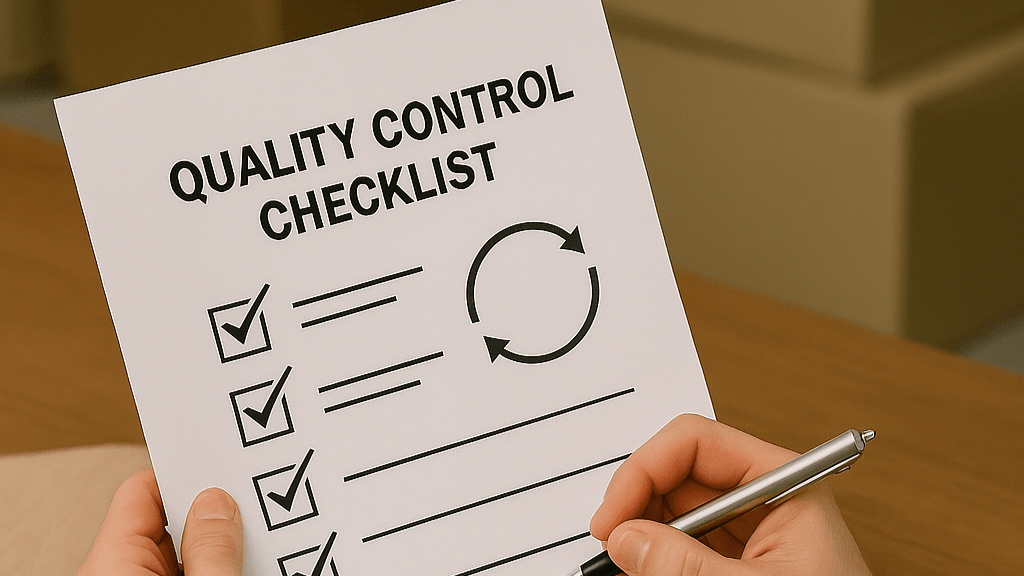
When it comes to creating an effective sampling plan for inspection, understanding the different types of sampling methods is crucial. Each method has its own strengths and weaknesses, making them suitable for various inspection scenarios. By exploring these types of sampling inspection, you can better tailor your approach to meet specific quality control needs.
Random vs. Systematic Sampling
Random sampling involves selecting items from a larger population in such a way that each item has an equal chance of being chosen. This method is particularly useful in ensuring that the sample accurately reflects the entire population, reducing bias and enhancing the reliability of your findings. On the other hand, systematic sampling follows a predetermined interval or pattern, which can be easier to implement but may introduce bias if there's an underlying order in the population.
Both random and systematic sampling have their places within a comprehensive sampling plan standard—random is often favored for its fairness, while systematic can be more efficient in certain contexts. Depending on your goals and available resources, choosing between these two methods can significantly impact the effectiveness of your ISO sampling plan for inspection. Ultimately, understanding when to use each type will help you achieve better quality assurance outcomes.
Attribute vs. Variable Sampling
In the realm of types of sampling inspection, distinguishing between attribute and variable sampling is essential for effective quality control processes. Attribute sampling focuses on pass/fail criteria—items are inspected based on whether they meet specific requirements or not; this binary approach simplifies decision-making but may overlook nuances in product quality. Conversely, variable sampling measures continuous data (like dimensions or weight), providing a more detailed understanding of product performance.
Choosing between attribute and variable methods depends on what you're measuring and how critical those measurements are to overall quality standards within your ISO framework. For instance, if you're working with products where precise measurements matter greatly (think electronics), variable sampling might be more appropriate than attribute-based approaches like AQL sampling plans that focus solely on compliance checks. Ultimately, aligning your choice with both industry standards and specific project needs will yield better results.
Insights on AQL Sampling Plan
The Acceptable Quality Level (AQL) is a pivotal concept within any robust sampling plan for inspection; it defines the maximum number of defective items considered acceptable during random inspections based on statistical principles. An AQL sampling plan helps organizations balance risk against cost by determining sample sizes and defect thresholds that align with their operational goals while adhering to industry standards like ISO guidelines.
Implementing an AQL-based approach requires meticulous planning—this means defining acceptable limits clearly and ensuring everyone involved understands how these levels impact overall quality assurance efforts within their respective roles. Additionally, periodic reviews should be conducted to refine these levels as necessary based on historical data trends or changes in production processes—this continuous improvement mindset is key to maintaining high-quality outputs over time.
In summary, leveraging insights from AQL methodologies allows businesses not only to comply with established standards but also fosters a culture committed to excellence through diligent monitoring practices across all aspects related to their products' lifecycles.
Implementing ISO Sampling Plan for Inspection

Implementing an ISO sampling plan for inspection is crucial for ensuring product quality and compliance with international standards. By adhering to these standards, organizations can enhance their credibility and reliability in the marketplace. This section will explore the fundamental aspects of ISO standards, the benefits of compliance, and how to align your processes with these requirements.
Overview of ISO Standards
ISO standards provide a framework for creating effective sampling plans that are essential in various industries. They outline specific guidelines for developing a robust sampling plan for inspection that ensures consistency and accuracy in quality control processes. Understanding these standards is vital as they encompass different types of sampling inspection methods, including both attribute and variable sampling techniques.
ISO 2859 is one such standard that details the procedures for acceptance sampling by attributes, helping organizations establish an AQL sampling plan tailored to their needs. This ensures that the products meet specified quality levels while minimizing waste and inefficiencies during inspections. Adopting ISO standards not only streamlines your inspection processes but also enhances overall product reliability.
Benefits of Compliance
Compliance with ISO standards offers numerous advantages that can significantly impact your organization’s bottom line. First and foremost, it instills confidence among customers regarding the quality of products being delivered, which can lead to increased customer loyalty and repeat business. Furthermore, by implementing an effective sampling plan standard aligned with ISO guidelines, companies can reduce costs associated with rework or returns due to subpar quality.
Another benefit lies in improved operational efficiency; when a systematic approach is adopted through an iso sampling plan for inspection, organizations often experience fewer errors during production and inspection phases. Additionally, compliance may open doors to new markets where adherence to international standards is a prerequisite for doing business. Ultimately, embracing these practices creates a culture of continuous improvement within your organization.
How to Align with ISO Requirements
Aligning your organization’s practices with ISO requirements involves several key steps that ensure effective implementation of a sampling plan for inspection. Start by conducting a thorough assessment of your current processes against relevant ISO standards; this will help identify gaps or areas needing improvement in your existing quality control measures.
Next, develop training programs aimed at educating employees about the importance of compliance and how it relates to their daily tasks—this fosters accountability within teams responsible for executing various types of sampling inspections. Finally, regularly review and update your AQL sampling plan based on feedback from inspections as well as changes in market demands or regulatory requirements; this proactive approach keeps you aligned with evolving industry standards.
Setting Acceptable Quality Levels

Establishing acceptable quality levels (AQL) is a crucial step in any sampling plan for inspection. AQL helps define the maximum number of defective items that can be considered acceptable during the sampling process. This ensures that products meet quality standards while balancing cost-effectiveness and operational efficiency.
Defining AQL in Sampling Plans
AQL, or Acceptable Quality Level, is essentially the threshold at which a batch of products can be accepted or rejected based on inspection results. In a sampling plan standard, AQL provides a clear guideline on how many defects are tolerable before the entire batch is deemed unsatisfactory. By incorporating an AQL sampling plan into your inspection strategy, you create a structured approach to quality assurance that aligns with industry expectations.
Understanding and defining AQL is vital because it sets the tone for your entire sampling plan for inspection. The chosen AQL level should reflect both customer expectations and regulatory requirements, ensuring that your products not only meet internal standards but also satisfy market demands. Ultimately, a well-defined AQL contributes to better decision-making throughout the production process.
Determining Sample Size and Frequency
Determining sample size and frequency is another critical aspect of creating an effective ISO sampling plan for inspection. The sample size must be large enough to provide statistically valid results while being manageable within resource constraints. Additionally, frequency should align with production volumes and potential variability in product quality to ensure comprehensive coverage of all types of sampling inspection.
When deciding on sample size, consider factors such as production history, defect rates, and risk tolerance levels associated with non-conformance. An appropriate sample size will lead to more accurate assessments of product quality while minimizing waste and inefficiencies in the inspection process. Regularly reviewing these parameters will help maintain relevance as production conditions change over time.
Moreover, establishing consistent intervals for inspections fosters reliability in assessing product quality over time—after all, good things come to those who inspect regularly! By strategically determining both sample size and frequency within your ISO sampling plan for inspection, you enhance your ability to identify trends and address issues proactively before they escalate.
Best Practices for Quality Assurance
Implementing best practices in your sampling plan for inspection can significantly elevate overall product quality assurance efforts. First off, ensure thorough training for personnel involved in inspections; knowledgeable inspectors are key to executing effective types of sampling inspections accurately and consistently. Additionally, adopting standardized procedures enhances reliability across different teams or shifts within your organization.
Regular audits of both processes and outcomes provide valuable insights into areas needing improvement or adjustment within your ISO sampling plan for inspection framework—think of it as giving your system a health check-up! Furthermore, leveraging technology such as data analytics tools can streamline decision-making processes by providing real-time insights into defect trends based on historical data from previous inspections.
Lastly, fostering open communication between teams involved in production and quality control creates an environment where continuous improvement thrives—after all, teamwork makes the dream work! Embracing these best practices not only strengthens compliance with industry standards but also enhances customer satisfaction through improved product reliability.
Collaborating with Experts

In the realm of quality control, collaboration with experts can significantly elevate your sampling plan for inspection. Quality inspection companies bring a wealth of experience and specialized knowledge that can help streamline your processes and ensure compliance with industry standards. By leveraging their expertise, organizations can enhance their sampling plans and ultimately achieve better quality outcomes.
The Role of Quality Inspection Companies
Quality inspection companies play a pivotal role in developing effective sampling plans for inspection. They provide valuable insights into the types of sampling inspection that best suit specific industries and products, ensuring that businesses select the most appropriate methodologies. Moreover, these companies are well-versed in various sampling plan standards, including ISO guidelines, which helps organizations maintain compliance while optimizing their quality control processes.
By partnering with a quality inspection company, businesses can gain access to advanced tools and technologies that facilitate efficient inspections and accurate data collection. These professionals not only assist in designing AQL sampling plans tailored to specific needs but also offer training for internal teams to enhance their understanding of quality assurance practices. Ultimately, this collaboration fosters a culture of continuous improvement within organizations.
How China Inspection Pro Enhances Your Plan
China Inspection Pro is at the forefront when it comes to enhancing your ISO sampling plan for inspection. With a deep understanding of international standards and local market dynamics, they provide customized solutions that fit unique business requirements. Their expertise in various types of sampling inspections ensures that you receive comprehensive support throughout the entire quality control process.
One standout feature of China Inspection Pro is its ability to implement robust AQL sampling plans effectively. They guide clients through determining acceptable quality levels while considering factors such as product specifications and customer expectations. This tailored approach not only mitigates risks but also helps businesses maintain high-quality standards consistently.
Additionally, China Inspection Pro’s commitment to transparency means you receive detailed reports on every aspect of the inspection process—empowering you with insights needed for informed decision-making about your products' quality assurance strategies. By integrating their services into your operations, you can confidently navigate complex supply chains while adhering to rigorous ISO standards.
Leveraging Expert Insights for Better Outcomes
To truly capitalize on expert knowledge in developing your sampling plan for inspection, it's essential to foster open communication channels between internal teams and external partners like China Inspection Pro or other quality inspection companies. Regular discussions about challenges faced during inspections or shifts in market demand can lead to innovative solutions tailored specifically to your needs.
Moreover, leveraging expert insights allows organizations to stay ahead of industry trends related to types of sampling inspections or evolving AQL requirements—ensuring continuous adaptation and improvement over time. By engaging experts who understand both practical applications and theoretical underpinnings behind ISO standards, businesses are better equipped to make strategic decisions regarding product development cycles.
Ultimately, collaborating with seasoned professionals not only enhances the effectiveness of your current testing protocols but also lays a solid foundation for future growth opportunities within an increasingly competitive marketplace focused on delivering exceptional quality products.
Conclusion
In the realm of quality control, crafting an effective sampling plan for inspection is paramount. A well-structured sampling plan standard not only helps in identifying defects but also ensures that products meet customer expectations and regulatory requirements. By integrating various types of sampling inspection, organizations can tailor their approach to fit specific needs and contexts, ultimately leading to enhanced product quality.
Crafting an Effective Sampling Plan
Creating a robust sampling plan for inspection requires careful consideration of several factors, including the nature of the product, the production process, and the potential risks involved. Utilizing an ISO sampling plan for inspection can provide a solid framework that aligns with international standards while allowing flexibility based on operational needs. Moreover, understanding different types of sampling inspection—such as random or systematic—enables businesses to select methods that best suit their objectives and resources.
Continuous Improvement in Quality Control
Quality control is not a one-time effort; it thrives on continuous improvement through regular evaluation and adaptation of the sampling plan standard. Organizations should routinely assess their AQL sampling plan to ensure it remains relevant and effective in addressing emerging challenges or changes in production processes. By fostering a culture that embraces feedback and innovation, companies can enhance their quality assurance practices over time.
Final Thoughts on Inspection Strategies
In conclusion, adopting a comprehensive approach to your sampling plan for inspection is crucial for achieving consistent quality outcomes. Engaging with industry standards like ISO not only boosts credibility but also equips organizations with proven methodologies to tackle quality issues head-on. Ultimately, investing time and resources into refining your strategies will pay dividends in customer satisfaction and business success.