
Introduction
In the ever-evolving landscape of construction, quality management in construction projects has emerged as a crucial pillar for success. With the complexities involved in building structures, ensuring that each phase meets stringent standards is not just beneficial but essential. Quality control and quality assurance practices serve as the backbone of this process, helping to mitigate risks and enhance overall project outcomes.
Importance of Quality Management in Construction
Quality management in construction projects is vital for delivering results that meet or exceed client expectations. By focusing on quality control mechanisms, construction teams can identify potential issues early, preventing costly delays and rework down the line. Moreover, effective quality assurance practices foster trust among stakeholders, ensuring that everyone involved is aligned toward a common goal of excellence.
Key Components of Quality Control
At its core, quality control encompasses various techniques and processes designed to maintain high standards throughout a project's lifecycle. This includes regular inspections, adherence to established guidelines, and the use of advanced quality control management software to streamline operations. These components work together to create a robust framework that ensures every aspect of construction aligns with predetermined specifications.
Benefits of Quality Assurance Practices
Implementing quality assurance practices provides numerous advantages beyond mere compliance with regulations; it enhances efficiency and reduces waste significantly. By fostering a culture of continuous improvement through training and development initiatives, organizations can elevate their standards over time. Ultimately, effective quality assurance not only boosts project performance but also contributes positively to an organization’s reputation within the industry.
Understanding Quality Management in Construction

Quality management in construction projects is a multi-faceted approach that ensures every aspect of the construction process meets predefined standards. It encompasses both quality control and quality assurance, crucial for delivering projects on time and within budget while maintaining client satisfaction. A robust understanding of quality management principles helps stakeholders navigate the complexities of construction effectively.
Defining Quality in Construction Projects
In construction, quality is defined by how well a project meets specified requirements and customer expectations. This involves not just the physical attributes of the structure but also its performance, longevity, and safety features. Effective quality management in construction projects relies on clear definitions of what constitutes quality, allowing teams to implement appropriate measures for quality control.
Quality control focuses on identifying defects or issues during the construction process, ensuring that any deviations from standards are addressed promptly. By establishing a clear definition of quality early on, teams can streamline their efforts to uphold these standards throughout all phases of construction. Ultimately, this leads to improved outcomes and higher levels of client satisfaction.
The Role of Quality Management Software
Quality management software plays a pivotal role in enhancing efficiency and effectiveness within construction projects. By centralizing data related to quality assurance practices, these tools enable stakeholders to monitor compliance with established standards seamlessly. This software enhances communication among team members and facilitates real-time updates regarding any issues related to quality control.
Moreover, integrating quality management software into daily operations allows for more systematic tracking of inspections and audits. With features designed specifically for managing various aspects of quality assurance, this technology helps teams identify trends over time that could indicate potential problems before they escalate into costly mistakes. Consequently, employing such tools is essential for any organization aiming to excel in their approach to quality management in construction projects.
Standards in Quality Control
Standards play a crucial role in establishing benchmarks for performance and safety within the realm of construction projects. These guidelines ensure consistency across various processes involved in building structures while providing frameworks for effective quality control measures. Adhering to recognized standards not only promotes accountability but also fosters trust among clients who expect high-quality outcomes.
Various organizations publish industry-specific standards that address different facets of construction work—from materials used to methods employed during execution—making it essential for project managers to stay informed about these guidelines continually. Implementing these standards as part of a comprehensive strategy enhances overall project integrity while minimizing risks associated with non-compliance or oversight issues during the building process. In summary, embracing established standards is vital when pursuing successful outcomes through effective quality assurance practices.
Implementing Effective Quality Control Mechanisms
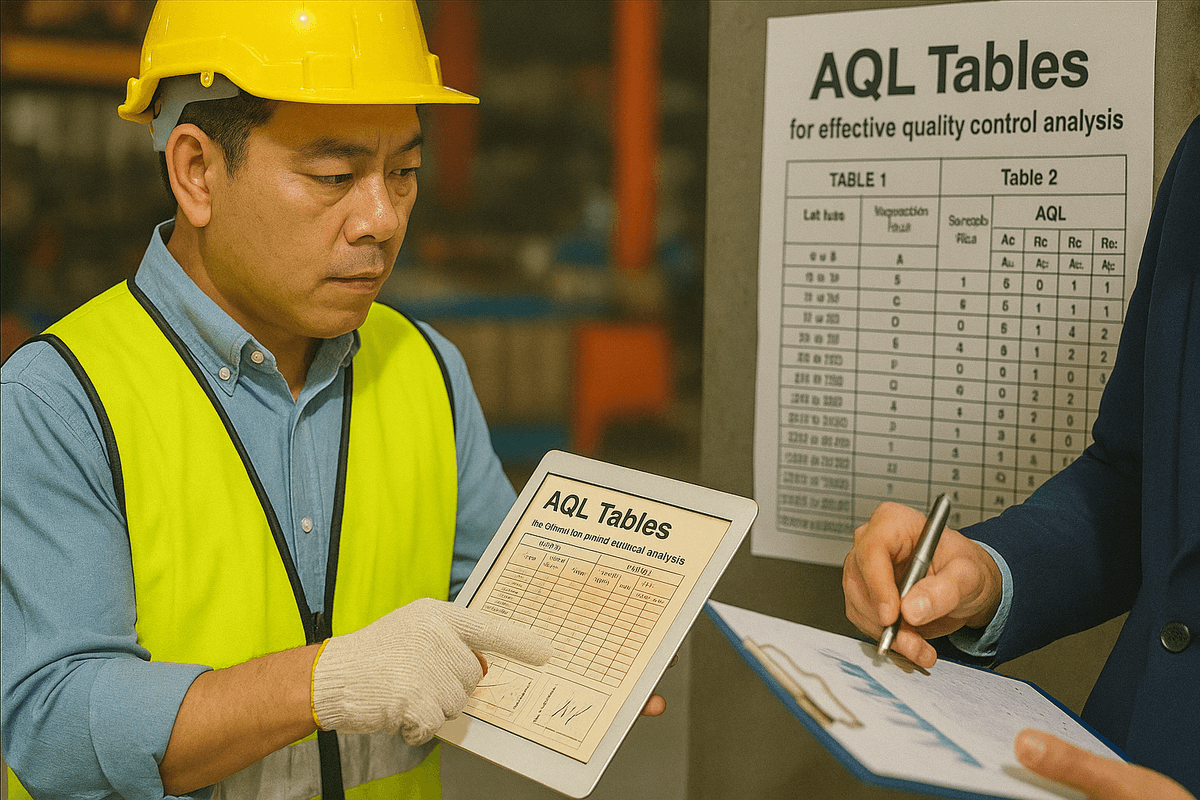
In the realm of quality management in construction projects, effective quality control mechanisms are crucial for ensuring that every aspect of a project meets the established standards. These mechanisms not only help in identifying defects early but also play a vital role in maintaining project timelines and budgets. By implementing robust quality control processes, construction companies can enhance their reputation and client satisfaction.
Quality Control Techniques in Action
Quality control techniques are the backbone of any successful construction project, allowing teams to monitor and manage quality throughout the project's lifecycle. Techniques such as statistical process control (SPC), inspections, and testing materials ensure that each phase adheres to quality standards. Moreover, integrating these techniques with quality management software streamlines data collection and analysis, enabling quicker decision-making and proactive adjustments.
Importance of Regular Inspections
Regular inspections are indispensable when it comes to maintaining high-quality standards in construction projects. They serve as checkpoints that allow teams to assess whether work aligns with predefined specifications and guidelines—essentially acting as a safety net against costly rework down the line. By embracing a culture of frequent evaluations through systematic inspections, stakeholders can significantly reduce risks associated with poor workmanship or material failures.
Utilizing Quality Control Management Software
In today's tech-driven world, utilizing quality control management software is no longer optional; it's essential for effective quality assurance practices. This software automates various aspects of the quality control process—from tracking compliance to generating reports—making it easier for teams to focus on what really matters: delivering high-quality results on time and within budget. With features tailored specifically for the construction industry, these tools enhance collaboration among team members while ensuring adherence to industry standards.
The Significance of Quality Assurance

Quality assurance is a vital aspect of quality management in construction projects, ensuring that every phase meets established standards and expectations. While often confused with quality control, quality assurance focuses on preventing defects rather than merely identifying them post-factum. By integrating robust quality assurance practices, construction firms can enhance their reputation and deliver superior outcomes.
Difference Between Quality Assurance and Quality Control
Understanding the distinction between quality assurance and quality control is essential for effective quality management in construction projects. Quality assurance refers to the systematic processes put in place to ensure that the construction practices meet predefined standards before any work begins. In contrast, quality control involves the activities performed to identify defects after construction has occurred, ensuring that the final product aligns with expectations and regulations.
The relationship between these two concepts is complementary; while quality control focuses on identifying issues, effective quality assurance practices aim to prevent them from arising in the first place. This proactive approach not only streamlines operations but also enhances client satisfaction by minimizing rework and delays associated with rectifying errors. Ultimately, a well-rounded strategy that incorporates both elements leads to higher overall project success rates.
Strategies for Effective Quality Assurance
To implement effective quality assurance in construction projects, organizations should adopt several strategic approaches tailored to their unique needs. First and foremost, establishing clear guidelines for what constitutes acceptable work is crucial; this includes developing comprehensive checklists based on industry standards that all team members can reference throughout the project lifecycle. Furthermore, regular training sessions on best practices can help reinforce these guidelines among staff members.
Another key strategy involves utilizing advanced quality management software to streamline processes and facilitate communication among team members. Such tools enable real-time monitoring of project progress while allowing stakeholders to access critical data instantly—ensuring everyone remains informed about potential issues as they arise. Additionally, conducting periodic audits can help identify gaps in processes or compliance issues before they escalate into significant problems.
Engaging Stakeholders in Quality Assurance
Engaging stakeholders effectively plays a pivotal role in enhancing the overall impact of quality assurance within construction projects. Stakeholders—including clients, contractors, suppliers, and regulatory bodies—should be actively involved throughout each stage of development to ensure alignment with expectations regarding project outcomes and timelines. Regular meetings provide an excellent platform for sharing updates while addressing any concerns or feedback raised by stakeholders.
Moreover, fostering a culture of collaboration encourages open communication about challenges faced during implementation phases; this collaborative spirit can lead to innovative solutions that improve overall efficiency across all aspects of the project lifecycle. By involving stakeholders not just as passive observers but as active participants in maintaining high-quality standards through dedicated efforts towards continuous improvement initiatives—the entire team benefits from enhanced accountability and commitment towards achieving shared goals.
Training and Development for Quality Improvement
In the realm of quality management in construction projects, workforce training plays a pivotal role in ensuring that all team members are equipped with the necessary skills to uphold quality standards. A well-trained workforce not only enhances productivity but also significantly reduces errors, which can lead to costly rework and delays. Investing in training programs fosters a culture of quality assurance and empowers employees to take ownership of their work, ultimately benefiting the entire project.
Importance of Workforce Training
Workforce training is essential for maintaining high-quality control standards within construction projects. When employees are trained in quality assurance practices, they become more adept at identifying potential issues before they escalate into significant problems. This proactive approach not only ensures compliance with regulations but also builds a reputation for excellence that can attract future clients.
Moreover, effective training programs help bridge the gap between theoretical knowledge and practical application, allowing workers to understand how quality management software can be utilized effectively on-site. By familiarizing employees with tools like quality control management software, organizations can streamline processes and enhance communication among teams. Ultimately, investing in workforce training lays the foundation for continuous improvement and long-term success in construction projects.
Implementing Continuous Improvement Programs
Continuous improvement programs are vital for fostering a culture of quality assurance within construction teams. These programs encourage regular evaluation of processes and systems used in projects, promoting an environment where feedback is valued and acted upon. By implementing such initiatives, organizations can systematically identify areas needing enhancement while ensuring that best practices are consistently applied across all operations.
Quality management software plays a crucial role in these continuous improvement efforts by providing data analytics tools that help track performance metrics over time. This allows teams to pinpoint trends or recurring issues related to quality control more effectively than ever before. Additionally, by engaging employees in these programs through workshops or collaborative sessions, companies can cultivate an atmosphere where everyone feels responsible for upholding high-quality standards.
Case Studies of Successful Training Initiatives
Several case studies illustrate the effectiveness of targeted training initiatives aimed at improving quality management in construction projects. For instance, one major contractor implemented a comprehensive training program focusing on both technical skills and soft skills related to quality assurance practices among its workforce. As a result, they reported a 30% reduction in rework due to improved understanding of project requirements and enhanced communication between team members.
Another notable example involved integrating new quality control management software into existing workflows after conducting extensive employee training sessions tailored specifically around its features and capabilities. The outcome was remarkable: not only did project timelines improve significantly but client satisfaction ratings soared as well due to fewer defects being reported post-completion. These case studies serve as powerful reminders that investing time and resources into workforce development leads directly to better outcomes regarding overall project success.
Leveraging Technology for Quality Management
In today’s fast-paced construction industry, leveraging technology for quality management is no longer optional; it’s essential. Digital tools and software solutions are transforming how quality control and assurance are implemented, ensuring that construction projects meet the highest standards. By integrating advanced technology into quality management practices, stakeholders can enhance productivity and minimize errors.
Role of Digital Tools in Quality Management
Digital tools play a pivotal role in enhancing quality management in construction projects by streamlining processes and improving communication among teams. These tools facilitate real-time monitoring of project progress, allowing for immediate identification of potential issues related to quality control. Furthermore, they provide a centralized platform where all stakeholders can access vital information related to quality assurance, ensuring everyone is on the same page.
The use of digital platforms also supports data collection and analysis, which are crucial for making informed decisions about quality enhancements. With intuitive dashboards and reporting features, construction managers can track key performance indicators (KPIs) related to quality control effectively. This proactive approach enables teams to address concerns before they escalate into costly problems.
How Quality Management Software Enhances Efficiency
Quality management software significantly enhances efficiency by automating routine tasks associated with quality control and assurance processes. For instance, automated workflows reduce the time spent on manual documentation while ensuring compliance with established standards in quality control. This not only frees up valuable resources but also minimizes human error—a common pitfall in traditional methods.
Moreover, these software solutions often incorporate features like mobile accessibility, enabling field teams to report issues directly from the job site instantly. Such immediacy ensures that any deviations from the expected level of quality are addressed promptly, maintaining project timelines and budgets effectively. In this way, implementing robust quality management software becomes a game-changer for achieving high-quality outcomes in construction projects.
Real-World Applications of Quality Management Software
Numerous real-world applications illustrate how effective quality management software transforms construction projects across various sectors. For example, a large-scale infrastructure project utilized specialized quality control management software to streamline inspections and documentation processes—resulting in a 30% reduction in rework costs due to improved adherence to specifications during initial construction phases.
Another noteworthy application occurred within the residential building sector where builders employed cloud-based solutions for real-time collaboration among architects, contractors, and inspectors regarding safety regulations and material standards—enhancing overall project coordination significantly. These examples highlight that when organizations harness the power of technology through dedicated software solutions focused on quality assurance and control strategies, they not only elevate their operational efficiency but also solidify their reputation as leaders in delivering high-quality results.
Conclusion
In the ever-evolving landscape of construction, the importance of quality management in construction projects cannot be overstated. A robust approach to quality control not only ensures compliance with industry standards but also enhances overall project efficiency and client satisfaction. By integrating effective quality assurance practices, construction firms can significantly reduce errors, minimize costs, and improve their reputation in a competitive market.
Best Practices for Quality Management in Construction
To truly excel in quality management in construction projects, it’s essential to adopt best practices that prioritize both quality control and quality assurance. This includes establishing clear standards and protocols that guide every phase of the project, from planning to execution. Regular training sessions for staff on the latest techniques and tools related to quality control management software can also foster a culture of excellence.
Another crucial aspect is the implementation of continuous feedback mechanisms that allow teams to learn from past mistakes while celebrating successes. Engaging all stakeholders—from architects to subcontractors—ensures that everyone is aligned with the project's quality objectives. Utilizing advanced quality management software can streamline these processes, making it easier to track progress and maintain high standards throughout.
Future Trends in Quality Assurance
As we look ahead, several trends are shaping the future of quality assurance within the construction industry. The integration of artificial intelligence (AI) and machine learning into quality management software is set to revolutionize how data is analyzed for potential issues before they escalate into costly problems. Additionally, an increasing emphasis on sustainability will lead to more rigorous standards for materials and practices aimed at reducing environmental impact while maintaining high-quality outputs.
Moreover, remote monitoring technologies using drones or IoT devices will enhance real-time inspections, allowing for immediate adjustments based on live data analysis—further solidifying the role of technology in ensuring effective quality control. As these innovations become mainstream, companies that embrace them will likely gain a competitive edge by optimizing their operations through enhanced efficiency and reliability.
Collaborating with Experts like China Inspection Pro
Collaboration with experts such as China Inspection Pro can significantly bolster your organization's approach to quality management in construction projects by providing specialized knowledge and resources tailored to your needs. With their expertise in both local regulations and international standards for quality assurance, partnering with such professionals ensures that your projects adhere strictly to best practices while mitigating risks associated with non-compliance.
Furthermore, leveraging their advanced inspection techniques can help identify potential flaws early on—saving time and money down the line while enhancing overall project outcomes through improved communication among stakeholders involved in the process. By working together with seasoned professionals who understand both traditional methods and modern innovations within this field, companies can successfully navigate challenges while achieving superior results through effective use of both quality control measures and cutting-edge technology.