
Introduction
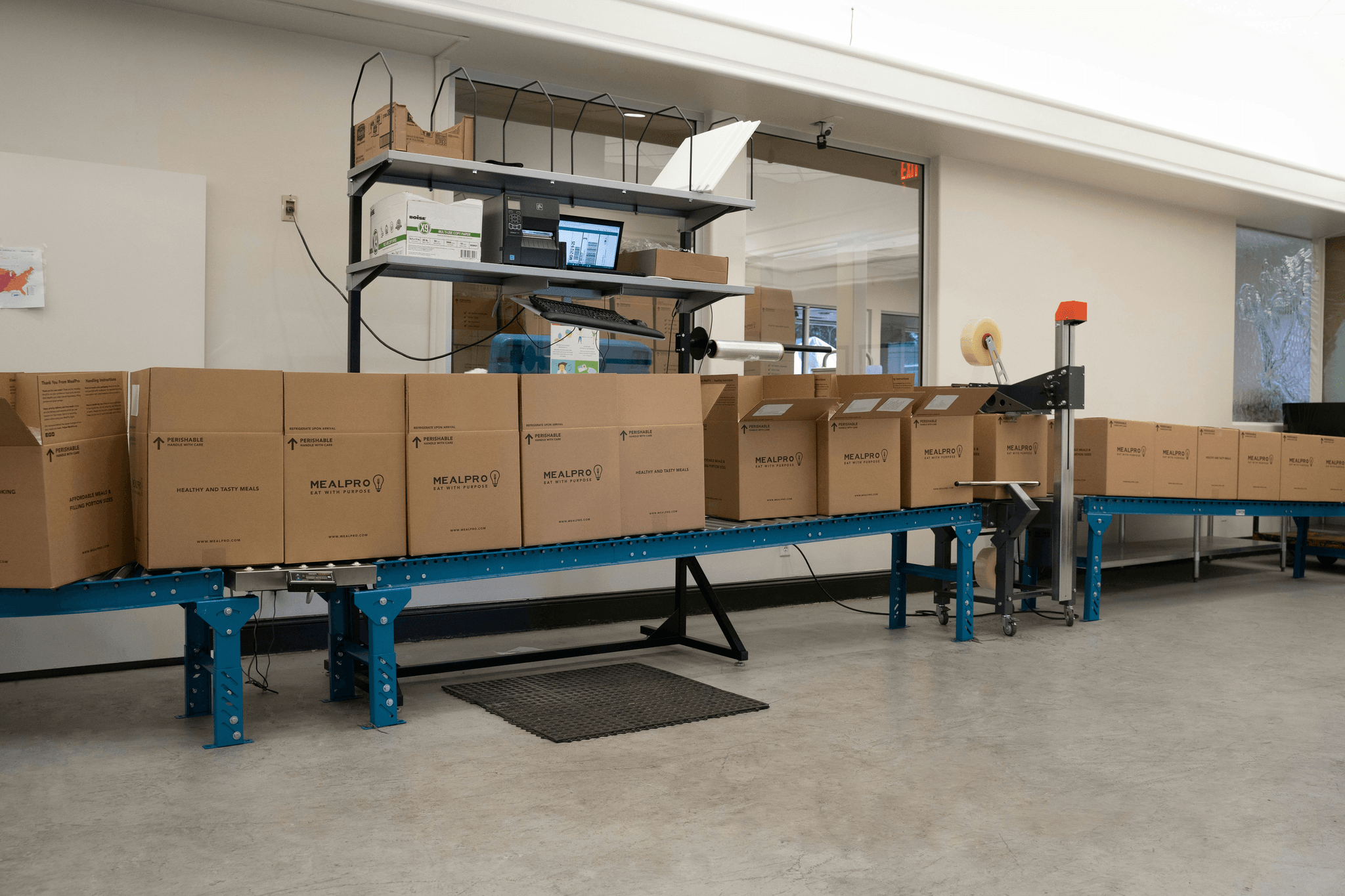
In the intricate world of supply chains, the significance of inspections cannot be overstated. The inspection of goods for quality and quantity upon arrival is part of ordering cost, ensuring that businesses receive what they’ve paid for and minimizing costly discrepancies. By understanding the importance of these inspections, companies can better navigate their operational challenges and enhance their overall efficiency.
Understanding the Importance of Inspections
Inspections serve as a critical checkpoint in the supply chain process, allowing businesses to verify that products meet specified standards before they reach consumers. The role of supplier audit services becomes paramount here; regular audits can catch potential issues early on, saving companies from future headaches and financial losses. Ultimately, thorough inspections not only protect a company’s reputation but also bolster customer satisfaction by delivering consistent quality.
The Role of Ordering Cost in Supply Chain
Ordering costs encompass all expenses associated with acquiring goods, including shipping fees and inspection costs. When companies factor in the inspection of goods for quality and quantity upon arrival is part of ordering cost, they gain a clearer picture of their overall expenditure. Understanding how these costs interplay with supplier relationships helps businesses make informed decisions about where to invest their resources.
Why Quality and Quantity Matter
In today’s competitive market, maintaining high standards for both quality and quantity is essential for success. Poor quality can lead to increased returns, damaged reputations, and ultimately lost revenue; this makes effective quality assurance consulting indispensable for proactive businesses seeking to avoid pitfalls. Moreover, ensuring that the right quantities are delivered on time allows companies to maintain inventory levels without incurring unnecessary holding costs or stockouts.
The Basics of Inspection

In the world of supply chains, inspections play a pivotal role in ensuring that products meet required standards before they reach consumers. The inspection of goods for quality and quantity upon arrival is part of ordering cost, which directly impacts overall efficiency and profitability. This section will explore the various types of inspections, the costs associated with poor quality, and how effective inspection practices can mitigate risks.
Types of Inspections in Supply Chains
There are several types of inspections that organizations employ to ensure product integrity throughout the supply chain. Visual inspections typically assess the physical condition and packaging of goods, while functional tests evaluate whether products perform as intended. Additionally, third-party inspection companies in China offer specialized services such as pre-shipment inspections and container loading checks to verify compliance with specifications before shipment.
Supplier audit services often accompany these inspections to evaluate a supplier’s processes and capabilities comprehensively. Quality assurance consulting can also enhance inspection protocols by providing expert insights into best practices tailored to specific industries or products. By understanding these various types, businesses can better implement strategies that align with their quality assurance goals.
The Impact of Poor Quality on Costs
Poor quality can have a ripple effect throughout the supply chain, leading to increased costs and lost revenue opportunities. When defects go unnoticed during initial inspections, they may result in returns, refunds, or even legal liabilities down the line—costs that could easily exceed initial savings from choosing cheaper suppliers. In fact, studies show that addressing issues early through rigorous inspection processes significantly reduces overall expenditures related to product failures.
Moreover, poor quality affects customer satisfaction and brand reputation; unhappy customers are less likely to return or recommend your business. This is where leveraging third-party inspection becomes crucial—companies can avoid costly mistakes by investing in robust quality checks before goods leave suppliers’ facilities. Ultimately, integrating thorough inspection measures not only preserves financial resources but also enhances long-term viability.
How Inspection of Goods Reduces Risk
Implementing effective inspection protocols significantly reduces risk at various stages within the supply chain process. Firstly, consistent inspections help identify potential issues before they escalate into larger problems that could disrupt operations or lead to financial loss. By utilizing third-party inspection agencies specializing in areas like China third party inspection services ensures an unbiased evaluation that aligns with international standards.
Quality assurance consulting further supports this risk mitigation by advising on best practices for monitoring supplier performance over time through regular audits and assessments. As businesses build stronger relationships with suppliers based on trust established through transparency during inspections, they create a more resilient supply chain capable of adapting to challenges swiftly and effectively.
Supplier Audit Services: A Deep Dive
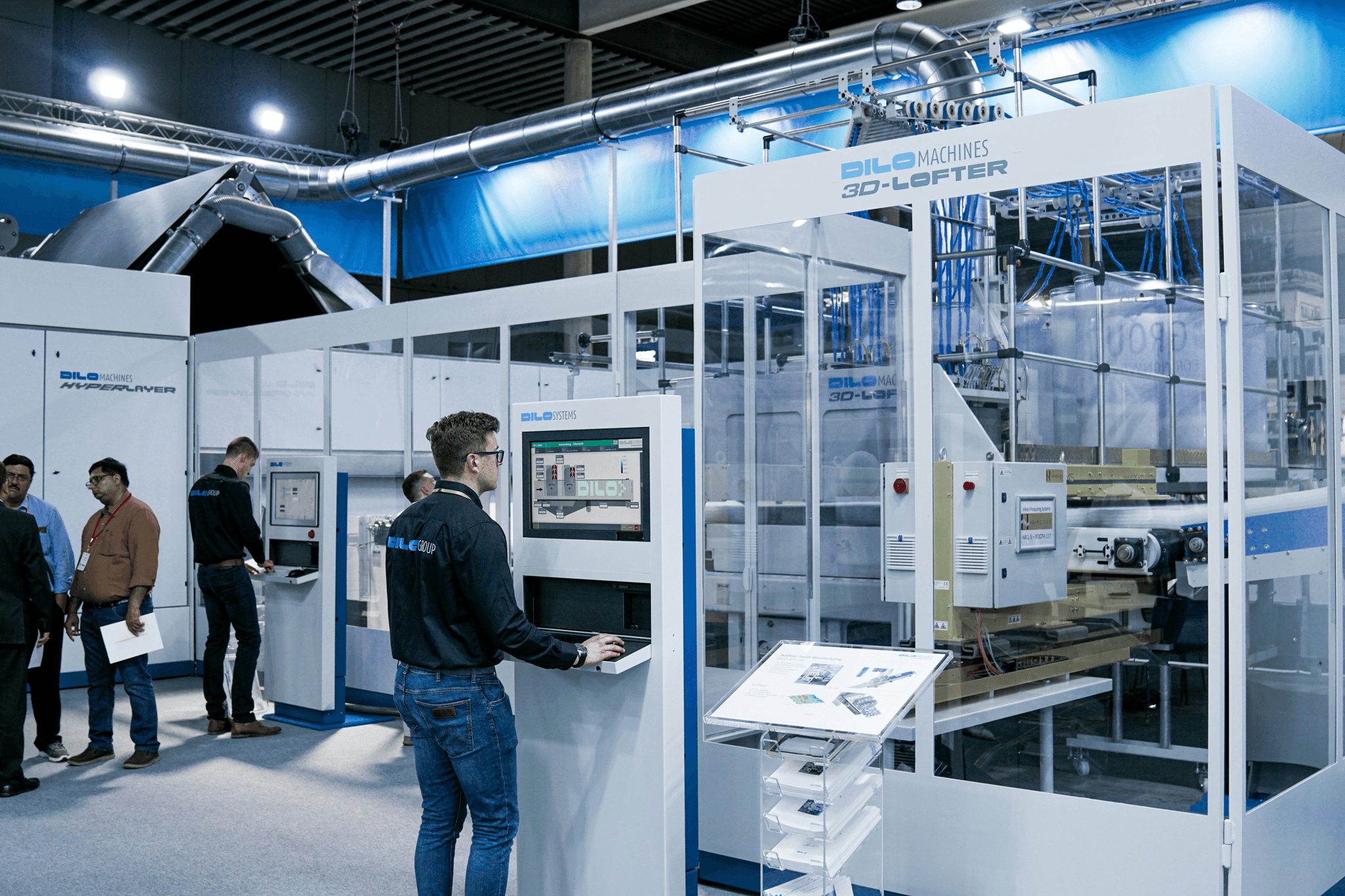
Supplier audit services play a crucial role in ensuring that the products you receive meet your expectations for quality and quantity. These audits involve a thorough examination of suppliers' processes, capabilities, and compliance with industry standards. By investing in supplier audits, businesses can mitigate risks associated with poor-quality goods and enhance their overall supply chain efficiency.
What is Supplier Audit?
A supplier audit is a systematic evaluation of a supplier's operations to assess their ability to consistently deliver quality products. This process often includes reviewing documentation, inspecting facilities, and evaluating production methods to ensure compliance with specified standards. When considering the inspection of goods for quality and quantity upon arrival as part of ordering cost, these audits help establish whether suppliers can meet your requirements before you place an order.
Benefits of Regular Audits
Conducting regular audits provides numerous benefits that extend beyond just ensuring product quality. First, they help identify potential issues before they escalate into costly problems, ultimately saving money on returns or rework due to defective products. Additionally, by employing quality assurance consulting alongside these audits, businesses can strengthen their relationships with suppliers while fostering continuous improvement in product delivery.
Regular audits also promote transparency between buyers and suppliers, which is essential for maintaining trust in any business relationship. With third-party inspection companies in China often utilized for this purpose, companies can gain unbiased insights into their suppliers' performance metrics. Ultimately, these benefits contribute to a more resilient supply chain that can withstand market fluctuations and challenges.
How to Choose the Right Service
Selecting the right supplier audit service requires careful consideration of several factors to ensure optimal outcomes for your business. Start by evaluating the provider's experience with third-party inspections specific to your industry; expertise matters when it comes to understanding unique challenges related to quality assurance consulting. Look for agencies that have a proven track record in conducting thorough inspections and have positive client testimonials regarding their services.
Next, consider the geographical focus of the agency—especially if you're dealing with suppliers from regions like China where third-party inspection plays a significant role in maintaining product integrity. The right inspection agencies should have local knowledge combined with international standards so that they fully understand both cultural nuances and regulatory requirements affecting product delivery. Lastly, assess pricing structures carefully; while cost-effectiveness is important when utilizing third-party inspection services, it’s critical not to compromise on quality just for savings.
Quality Assurance Consulting: Making a Difference

Quality assurance consulting plays a pivotal role in enhancing the effectiveness of quality management systems within organizations. These consultants bring expertise that helps businesses streamline their processes, ensuring that the inspection of goods for quality and quantity upon arrival is part of ordering cost considerations. By identifying gaps and implementing best practices, quality assurance consultants can significantly reduce risks associated with poor product quality.
The Role of Consultants in Quality Management
Consultants in quality management serve as invaluable allies for businesses looking to elevate their standards. They provide insights into supplier audit services, helping companies assess their suppliers’ capabilities and compliance with industry standards. Additionally, these experts often facilitate communication between organizations and third-party inspection companies in China, ensuring that products meet the desired specifications before reaching consumers.
By leveraging their experience, consultants can tailor strategies that address specific challenges within the supply chain. This includes advising on how to incorporate effective inspection protocols, such as those related to third-party inspections, which can mitigate risks associated with product defects or non-compliance. Ultimately, the role of these professionals is to empower businesses to achieve higher levels of quality assurance while optimizing costs.
Key Strategies for Effective QA
Implementing effective quality assurance (QA) strategies is crucial for any organization aiming to maintain high standards throughout its supply chain. One key strategy involves integrating supplier audit services into regular operations; this ensures ongoing evaluation of suppliers’ adherence to established guidelines and practices. Additionally, organizations should prioritize training internal teams on best practices related to inspections—particularly focusing on how inspection agencies operate.
Another vital strategy is fostering collaboration between internal teams and external partners like third-party inspection companies in China. This partnership allows businesses to benefit from specialized knowledge regarding local regulations and market expectations while reinforcing the importance of thorough inspections upon arrival at warehouses or distribution centers. By adopting these strategies, companies can enhance their overall QA efforts and minimize potential losses stemming from poor-quality products.
Case Studies: Success Stories from Quality Assurance
Several companies have successfully transformed their operations through strategic engagement with quality assurance consulting services. For instance, one manufacturing firm faced significant challenges with defective products due to inadequate supplier oversight; by employing a dedicated consultant who specialized in supplier audit services, they were able to identify problematic suppliers swiftly and implement corrective measures effectively. As a result, they saw a marked decrease in returns and an increase in customer satisfaction.
In another example involving third-party inspection agencies in China, a retail company improved its product launch timelines by adopting rigorous pre-shipment inspections facilitated by expert consultants. By ensuring that all goods were inspected for quality and quantity upon arrival as part of ordering cost considerations before shipping out internationally, they minimized delays caused by unexpected issues at customs or during distribution phases.
These case studies illustrate not only the tangible benefits derived from investing in quality assurance consulting but also highlight how proactive measures can safeguard against costly mistakes—ultimately leading to enhanced market success.
Navigating Third Party Inspection Companies in China
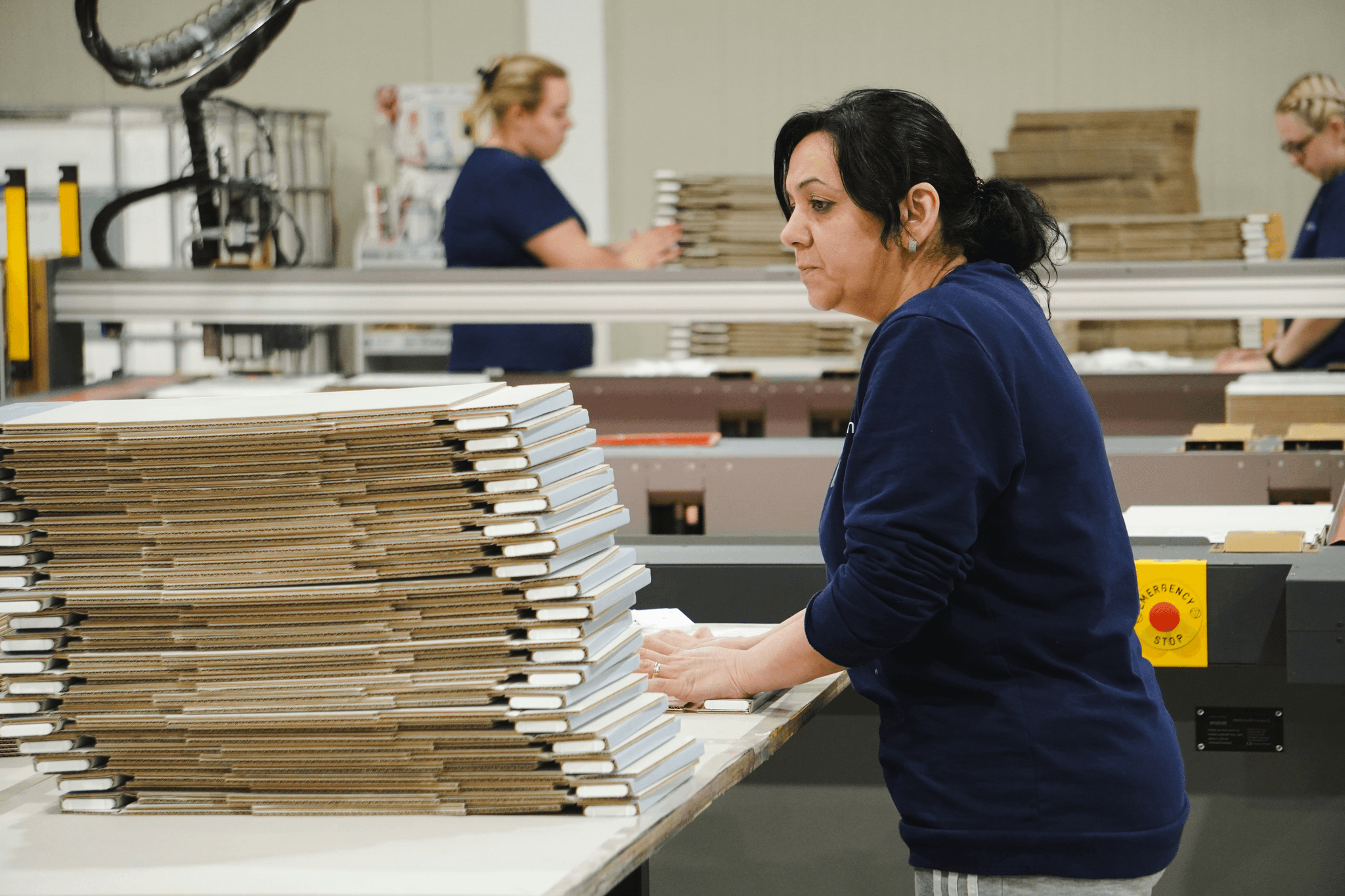
In the global marketplace, ensuring that your products meet quality standards is crucial, especially when sourcing from overseas. Third-party inspection companies in China play an essential role in this process by providing unbiased assessments of goods before they reach your doorstep. By incorporating third-party inspections, businesses can significantly reduce the risk associated with poor-quality shipments and enhance overall supply chain efficiency.
Why Use Third Party Inspections?
Using third-party inspections is a smart strategy for any business looking to maintain high standards of quality and quantity upon arrival. These inspections help mitigate the risks associated with ordering costs by ensuring that products meet specified requirements before shipping. Furthermore, relying on reputable inspection agencies allows companies to focus on their core operations while experts handle the critical task of verifying product quality.
When you engage third-party inspection companies in China, you gain access to professionals who understand local manufacturing processes and standards. This expertise ensures that potential issues are identified early, reducing costly returns or rework later on. Ultimately, the inspection of goods for quality and quantity upon arrival is part of ordering cost management that directly impacts your bottom line.
How to Select the Right Partner
Choosing the right partner among various third-party inspection agencies can be daunting but is vital for successful outcomes. Start by evaluating their experience in your industry; a company that specializes in your product type will have a better understanding of specific quality requirements and potential pitfalls. Additionally, consider their reputation—look for reviews or testimonials from previous clients to gauge reliability and effectiveness.
Another key factor is communication; ensure that your chosen agency has clear channels for reporting findings and addressing concerns promptly. Transparency in processes will help build trust between you and the inspection agency, making it easier to collaborate effectively throughout your supply chain journey. Remember, selecting an experienced partner can be as important as implementing quality assurance consulting strategies within your organization.
The Process of Quality Control in China
The process of quality control when working with third-party inspection companies involves several critical steps designed to ensure compliance with international standards. Initially, inspectors will review product specifications provided by clients before conducting a thorough examination during production or pre-shipment stages. This includes checking for defects, verifying quantities against purchase orders, and assessing packaging integrity—all essential aspects impacting ordering costs.
Once inspections are complete, detailed reports are generated outlining findings alongside recommendations for addressing any discrepancies identified during the evaluation process. These reports serve not only as documentation but also as valuable tools for businesses looking to improve supplier relationships through constructive feedback derived from supplier audit services insights. By following this structured approach through reputable agencies specializing in China third party inspection services, companies can streamline their operations while safeguarding their investments.
Leveraging Inspection Agencies for Better Outcomes
In today's global marketplace, leveraging inspection agencies is crucial for ensuring the quality and quantity of goods upon arrival. These agencies serve as a bridge between suppliers and buyers, helping to mitigate risks associated with poor quality. By utilizing third-party inspection services, businesses can enhance their operational efficiency while keeping costs in check.
How Inspection Agencies Operate
Inspection agencies operate by conducting thorough evaluations of products before they reach the buyer's hands. They employ trained inspectors who assess goods based on predefined quality standards and specifications, ensuring that the inspection of goods for quality and quantity upon arrival is part of ordering cost management. These agencies typically provide detailed reports highlighting any discrepancies or issues, enabling companies to make informed decisions about their purchases.
The process often involves various stages, including pre-shipment inspections and random sampling during production runs. This proactive approach helps identify potential problems early on, reducing the likelihood of costly returns or disputes later in the supply chain. Furthermore, many third-party inspection companies in China offer tailored services that align with specific industry requirements, allowing businesses to maintain high-quality standards across diverse product categories.
The Cost-Effectiveness of Using Agencies
Engaging inspection agencies can be a cost-effective strategy for businesses looking to optimize their supply chain operations. While there may be an upfront investment in supplier audit services or quality assurance consulting, the long-term savings from avoiding defects and returns far outweigh these costs. By ensuring that products meet required standards before they leave the factory floor, companies can significantly reduce their overall ordering cost.
Moreover, using third-party inspection not only minimizes financial losses but also enhances brand reputation by delivering consistently high-quality products to customers. This reliability fosters trust between suppliers and buyers while opening doors to new business opportunities in competitive markets like China. Ultimately, investing in reputable inspection agencies translates into better market positioning and improved profit margins.
Real-World Examples of Agency Success
Numerous companies have successfully leveraged inspection agencies to achieve remarkable outcomes in product quality and operational efficiency. For instance, a mid-sized electronics manufacturer engaged a China third-party inspection service that identified critical flaws during production runs—flaws that could have led to significant financial losses if left unchecked. By addressing these issues early through effective quality assurance consulting provided by the agency, they were able to enhance product reliability and customer satisfaction dramatically.
Another compelling case involved a fashion retailer that utilized supplier audit services to ensure compliance with ethical sourcing standards while maintaining high-quality benchmarks for their clothing lines. The insights gained from regular inspections allowed them not only to improve their supply chain transparency but also to strengthen relationships with suppliers who valued adherence to these standards. Such success stories underscore how effectively leveraging inspection agencies can lead organizations toward sustainable growth and market success.
Conclusion
In the intricate world of supply chains, inspections play a pivotal role in safeguarding your investments and ensuring product quality. The inspection of goods for quality and quantity upon arrival is part of ordering cost, which directly affects your bottom line. By prioritizing inspections, businesses can mitigate risks associated with poor-quality products and enhance overall operational efficiency.
How Inspections Impact Your Bottom Line
Effective inspections can lead to significant cost savings by identifying defects before they escalate into larger issues. When you incorporate supplier audit services and quality assurance consulting into your procurement strategy, you create a buffer against unexpected expenses related to returns or replacements. Ultimately, the inspection of goods for quality and quantity upon arrival is part of ordering cost that ensures you're not just spending wisely but also investing in long-term profitability.
Building Stronger Supplier Relationships
Regular inspections foster transparency between buyers and suppliers, enhancing trust and collaboration. By utilizing third-party inspection companies in China or local agencies, businesses demonstrate their commitment to maintaining high standards while supporting suppliers in improving their processes. This proactive approach not only strengthens supplier relationships but also positions companies as reliable partners in the marketplace.
Ensuring Compliance and Market Success
Compliance with industry standards is non-negotiable for success in today's competitive landscape. Engaging with inspection agencies helps ensure that products meet regulatory requirements while aligning with customer expectations for quality. As more companies turn to third-party inspection services—especially from reputable China third party inspection firms—they find themselves better equipped to navigate challenges and achieve market success.