
Introduction
Facial tissue manufacturing is truly a blend of art and science, where every step from raw material sourcing to final packaging plays a crucial role in delivering a soft, durable product. The process involves meticulous attention to detail, especially during the mixing process of the raw materials, ensuring consistency that forms the foundation for quality tissues. An often overlooked but vital part of this journey is Facial Tissue Inspection, which helps catch imperfections early and guarantees that only the best reaches consumers.
The drying process of the facial tissue is a critical stage that impacts softness and strength—key qualities consumers love. Proper inspection during this drying process ensures uniform moisture levels and prevents issues like uneven texture or weak spots. When combined with a precise forming and packaging process, Facial Tissue Inspection acts as the gatekeeper for quality control, making sure each sheet meets strict standards before hitting store shelves.
The lotion application process adds an extra touch of comfort but also introduces variables that require careful inspection to ensure even spread and consistent feel. Effective Facial Tissue Inspection during this stage helps identify any uneven lotion distribution or defects that could compromise consumer satisfaction. Ultimately, rigorous inspection practices across all stages—from mixing to packaging—are what elevate facial tissue quality and keep customers coming back for more.
Raw Material Mixing and Preparation

Getting the raw materials right is the foundation of top-notch facial tissues, and that’s where the mixing process of the raw materials truly shines. High-quality pulp and fibers are carefully sourced to ensure softness, strength, and overall quality, which are critical during facial tissue inspection. When these raw materials are mixed properly, it sets a solid stage for subsequent processes like forming and packaging process to proceed smoothly.
The mixing process of the raw materials isn’t just about tossing everything together; it requires precision to maintain consistency across every batch. Proper blending ensures that each sheet of facial tissue maintains uniform thickness and texture, reducing defects that could be caught during facial tissue inspection. This meticulous step directly influences how well the drying process of the facial tissue will go—since uneven moisture levels or inconsistent fiber distribution can lead to issues down the line.
Ensuring proper blending in facial tissue quality isn’t just a technical detail; it’s a game-changer for consumer satisfaction. When raw materials are mixed with care, it minimizes problems during lotion application process—like uneven moisturizing—and helps maintain high standards during inspection stages. Ultimately, a well-executed mixing process of the raw materials paves the way for flawless forming and packaging process, making sure customers get soft, durable tissues every time.
The Drying Process of the Facial Tissue
The drying process of facial tissue is a critical step that significantly impacts the final product’s softness, strength, and overall quality. During this stage, manufacturers carefully control the environment to prevent over-drying or under-drying, which could compromise the tissue’s integrity. Facial Tissue Inspection at this point ensures that each sheet meets strict moisture standards, maintaining consumer satisfaction and product consistency.
Techniques Used in Drying Facial Tissues
Various techniques are employed to dry facial tissues efficiently while preserving their delicate qualities. Hot air drying, for instance, is a common method where controlled airflow removes excess moisture without damaging the fibers. Infrared drying is also gaining popularity for its precision and energy efficiency, helping to optimize the drying process of facial tissues while ensuring they remain soft to touch.
Ensuring Uniform Moisture Levels for Softness and Strength
Uniform moisture levels across each facial tissue sheet are vital for achieving optimal softness and strength. To accomplish this, manufacturers monitor the mixing process of raw materials closely before forming and packaging process begins; any inconsistency here can lead to uneven drying results later on. Regular facial tissue inspection throughout the drying process helps detect areas with excess or insufficient moisture, allowing adjustments that uphold high standards in lotion application process and overall product quality.
Key Factors Influencing the Drying Process
Several key factors influence how effectively facial tissues dry, including temperature control, humidity levels, and airflow speed within drying chambers. Properly managing these variables during the forming and packaging process ensures consistent results across batches—critical for maintaining high-quality standards during facial tissue inspection routines. A well-executed drying process not only preserves softness but also enhances durability during packaging process stages before final shipm
Formation of Facial Tissue Sheets
The journey from raw pulp to a sleek, soft facial tissue sheet is a meticulous process that hinges on precision at every step. During the forming stage, the pulp is carefully spread onto a conveyor, where the formation of each sheet begins with an exact balance of moisture and fiber distribution. Properly controlling this phase ensures that Facial Tissue Inspection can later verify uniformity and quality, making sure each sheet meets consumer expectations.
The role of precision in forming and shaping cannot be overstated; it directly influences the thickness, softness, and strength of the final product. When the forming process aligns perfectly with the drying process of the facial tissue, it results in sheets that are both durable and gentle—key qualities scrutinized during Facial Tissue Inspection. Any inconsistency here could lead to issues like tearing or uneven softness, which are flagged during quality checks before packaging.
How forming affects overall product quality is profound because it sets the foundation for subsequent processes such as lotion application and packaging. A well-formed sheet ensures even lotion distribution during the lotion application process, enhancing consumer comfort and satisfaction. Moreover, precise formation minimizes waste during packaging, streamlining production while maintaining high standards through rigorous Facial Tissue Inspection practices.
Lotion Application Process
Once the facial tissue sheets have gone through the forming process, they enter the lotion application stage, where a gentle touch transforms them into soft, consumer-ready products. This step is crucial because uneven lotion distribution can compromise both comfort and visual appeal, making Facial Tissue Inspection vital to catch any inconsistencies early. The quality of this process directly impacts customer satisfaction and brand reputation, highlighting the importance of meticulous control during lotion application.
Adding the Moisturizing Touch
The lotion application process begins with precise dosing to ensure each facial tissue receives just the right amount of moisturizer. This step requires advanced equipment that maintains consistency in the mixing process of raw materials used for lotions, ensuring uniformity across batches. During this phase, Facial Tissue Inspection teams monitor for any signs of uneven coverage or excess moisture that could lead to product defects or customer complaints later on.
Ensuring Even Spread for Consumer Comfort
Achieving an even spread of lotion across each sheet is no small feat; it demands careful calibration of spray nozzles and rollers involved in the lotion application process. Properly dried tissues from earlier stages—particularly after the drying process of facial tissue—must be handled delicately to prevent tearing or uneven absorption. Regular Facial Tissue Inspection points help verify that every sheet feels luxurious and smooth without sticky patches or dry spots, which could undermine consumer comfort.
Quality Checks During Lotion Application
Throughout this critical stage, rigorous quality checks are implemented to uphold standards established by facial tissue inspection protocols. Inspectors look for consistent lotion thickness, proper adhesion without pooling or runoff, and overall visual appeal—all indicators that the forming and packaging process has been executed flawlessly so far. These inspections serve as a safeguard ensuring that only tissues meeting strict quality standards proceed to packaging, ultimately delivering a premium product to consumers.
Facial Tissue Inspection Standards and Practices
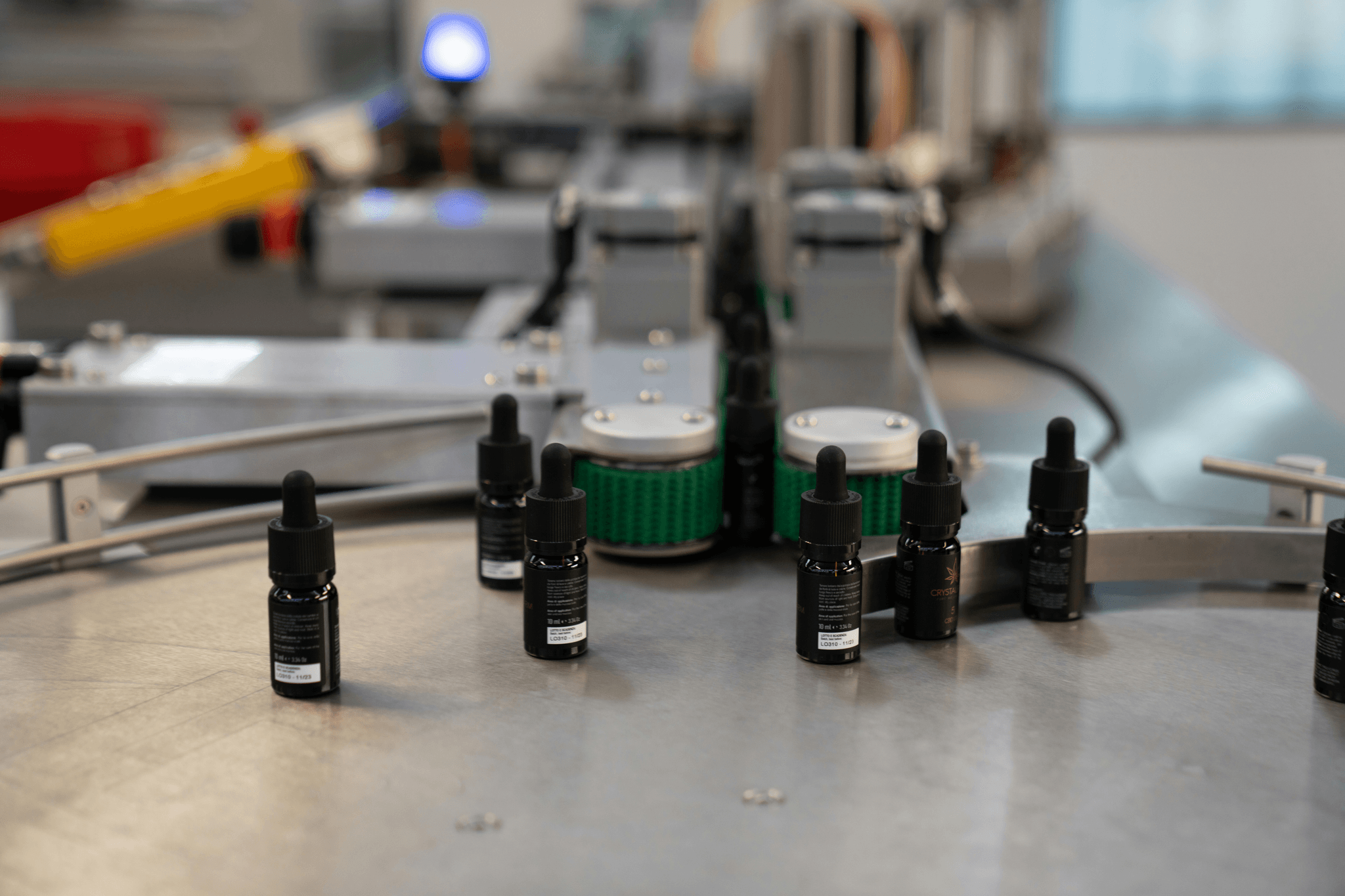
Ensuring top-notch facial tissue quality requires a meticulous approach to inspection at every stage of production. From the initial mixing process of the raw materials to the final packaging, each step demands rigorous facial tissue inspection to catch any inconsistencies or defects. Proper inspection practices not only uphold industry standards but also guarantee that consumers receive soft, durable tissues that meet their expectations.
Critical Inspection Points in Facial Tissue Production
During the forming and packaging process, several critical points demand close facial tissue inspection. The drying process of the facial tissue must be carefully monitored to prevent uneven moisture levels, which can compromise softness and strength. Additionally, the lotion application process needs precise inspection to ensure even distribution, avoiding patches that could irritate sensitive skin or diminish product appeal.
Inspectors pay particular attention during the mixing process of the raw materials, verifying uniformity before moving forward. Any variation here could cascade into issues later in forming or packaging processes, affecting overall product quality. Regular facial tissue inspection at these critical points helps identify potential problems early, saving time and reducing waste.
Role of China Inspection Pro in Quality Assurance
China Inspection Pro plays a pivotal role in maintaining high standards throughout the entire manufacturing chain for facial tissues. Their expertise ensures thorough facial tissue inspection during each phase—from raw material mixing to final packaging—making sure every sheet meets strict quality benchmarks. Their team uses advanced techniques to assess softness, strength, and consistency, especially after key steps like drying and lotion application.
By integrating comprehensive inspection practices into the drying process of the facial tissue and monitoring how well lotions are applied during manufacturing, China Inspection Pro guarantees that only products passing their rigorous standards reach consumers. This proactive approach minimizes defects related to improper forming or inadequate packing while boosting consumer confidence in brand reliability.
Techniques and Tools for Effective Facial Tissue Inspection
Effective facial tissue inspection relies on a combination of modern tools and keen human oversight. Visual inspections are essential during each stage—checking for tears or irregularities after forming and ensuring uniform lotion spread during application—especially post-drying when tissues should be perfectly soft yet resilient.
Advanced tools like automated defect detectors help identify subtle imperfections missed by the naked eye during production stages such as forming and packaging processes. These devices can detect inconsistencies in thickness or moisture content resulting from issues in the drying process of the facial tissue or uneven mixing of raw materials earlier on—saving time while improving accuracy.
Packaging Process and Final Checks
Once the facial tissues have gone through the meticulous formation and packaging process, it's time for the final quality assurance steps. This stage is crucial to ensure that every tissue piece meets industry standards and customer expectations. Facial Tissue Inspection becomes the hero here, catching any last-minute issues before products hit store shelves or customers' homes.
During this phase, the focus on protecting facial tissues during transit is paramount. Packaging must not only be attractive but also durable enough to withstand handling and transportation stresses. Proper sealing, sturdy cartons, and protective layers prevent damage, ensuring that the integrity of the facial tissue remains intact from factory to consumer.
Before dispatching, a comprehensive final quality inspection is conducted. This includes checking for proper sealing, correct labeling, and verifying that each package adheres to safety standards. Facial Tissue Inspection tools are employed to identify any packaging flaws or contamination risks, guaranteeing only top-quality products reach consumers.
Ensuring Packaging Meets Industry Standards
The first step in this process involves verifying that packaging materials align with industry regulations for hygiene and safety. The mixing process of raw materials influences how well tissues can be protected during packaging; inferior materials can compromise product integrity. Facial Tissue Inspection ensures that packaging components are free from defects such as tears or improper seals that could jeopardize tissue quality during transit.
Additionally, ensuring packaging meets industry standards involves inspecting for proper labeling—information about ingredients, manufacturing date, and safety warnings must be clear and accurate. The drying process of the facial tissue prior to packing impacts how well tissues maintain their softness after being sealed within protective layers; improper drying can lead to moisture retention issues affecting packaging integrity.
Finally, inspecting the finished packages with advanced tools guarantees compliance with both national and international standards. Facial Tissue Inspection plays a vital role here by catching anomalies like misaligned labels or damaged cartons before they leave the facility.
Protecting Facial Tissues During Transit
Protecting facial tissues during transit requires robust packaging solutions designed through precision forming processes that prevent crushing or tearing of delicate sheets. The forming and packaging process must incorporate shock-absorbing materials aligned with insights gained from facial tissue inspection practices—any weak point can lead to product damage en route.
Effective protection also depends on sealing techniques established during lotion application processes—ensuring no moisture or contaminants infiltrate during shipping—that are verified through rigorous inspection routines. Drying processes influence how resilient tissues are once packed; inadequately dried tissues tend to be more fragile and susceptible to damage when subjected to rough handling.
To further safeguard against transit hazards, quality checks involve simulated shipping conditions where facial tissue inspection tools assess whether packages withstand vibration and compression forces without compromising product quality. These measures help maintain softness, strength, and overall consumer satisfaction upon arrival.
Final Quality Inspection Before Shipping
The final step before shipping involves a thorough facial tissue inspection of each batch—checking for uniformity in size, texture consistency after lotion application, and absence of defects introduced during formation or drying processes. This comprehensive review ensures every sheet maintains its intended softness while meeting strict industry standards.
Specialized inspection equipment evaluates whether packaging aligns perfectly with specifications established during initial stages—any misalignments detected here could compromise consumer experience post-purchase. The role of facial tissue inspection at this juncture cannot be overstated; it acts as a gatekeeper preventing subpar products from leaving production lines.
Ultimately, these final inspections uphold brand reputation by guaranteeing only high-quality facial tissues reach customers' hands—products whose excellence stems from rigorous scrutiny at every stage including formation, drying process of the facial tissue, lotion application process,and meticulous packing procedures.
Conclusion
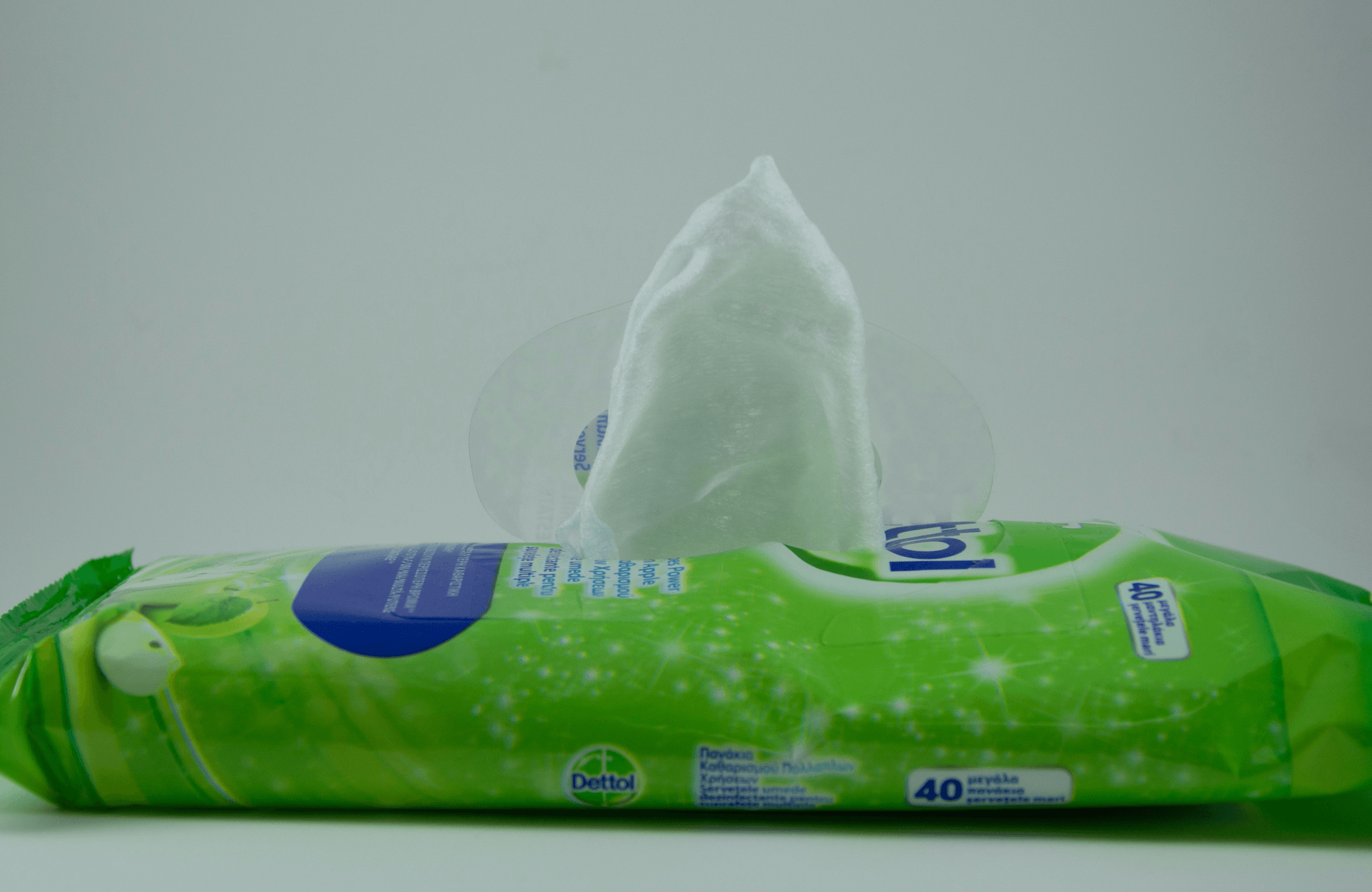
In the world of facial tissue manufacturing, maintaining top-notch quality is no accident—it’s the result of meticulous processes and rigorous inspection. From the initial mixing process of the raw materials to the delicate drying process of the facial tissue, every step plays a vital role in delivering softness, strength, and consumer satisfaction. Facial Tissue Inspection acts as the gatekeeper, catching imperfections early and ensuring only the best products reach shoppers’ hands.
The drying process of the facial tissue is particularly critical; uniform moisture levels achieved during this stage directly influence softness and durability. When quality assurance teams perform detailed facial tissue inspection during and after drying, they prevent issues like uneven texture or weak spots that could compromise customer experience. Combining precise control over the forming and packaging process guarantees that each sheet meets strict standards before final delivery.
Innovation continues to push boundaries in facial tissue manufacturing—new drying techniques and smarter inspection tools make it easier to spot flaws early on. The lotion application process adds an extra layer of comfort but also demands careful inspection to ensure even coverage without clumping or missed spots. Partnering with experts in facial tissue inspection ensures these advancements are implemented effectively, elevating product quality from start to finish.
In conclusion, elevating facial tissue quality requires a comprehensive approach rooted in rigorous inspection practices at every stage—from mixing raw materials to packaging final products. Embracing technological innovations alongside seasoned expertise helps manufacturers stay ahead in delivering premium tissues that consumers trust. When companies prioritize thorough facial tissue inspection throughout their processes, they not only improve product consistency but also build brand loyalty grounded in excellence.