
Introduction
In the world of construction and energy efficiency, the significance of Fiberglass Insulation Inspection cannot be overstated. Proper inspection ensures that insulation materials perform effectively, providing comfort and reducing energy costs for homeowners and businesses alike. With the right quality control measures in place, including ASTM Quality Control Tests, we can guarantee that fiberglass insulation meets industry standards and functions as intended.
Importance of Fiberglass Insulation Inspection
Fiberglass insulation serves as a critical barrier against heat loss and gain, making its inspection paramount in any building project. Regular inspections help identify potential issues before they escalate into costly repairs or energy inefficiencies. By prioritizing Fiberglass Insulation Inspection, property owners can ensure their investments are protected while enjoying optimal indoor climates year-round.
Common Issues in Fiberglass Insulation
Despite its popularity, fiberglass insulation is not immune to problems that can compromise its effectiveness. Common issues include moisture accumulation, improper installation, and physical damage from pests or environmental factors. Identifying these defects through thorough inspections is essential to maintain the integrity of the insulation and uphold energy efficiency standards.
Overview of Quality Control Tests
Quality control tests play a pivotal role in verifying that fiberglass insulation meets required specifications and performance criteria. ASTM Quality Control Tests are designed to assess various properties such as thermal resistance, moisture absorption, and sound control capabilities like STC Sound Control Tests. By adhering to these rigorous testing standards, manufacturers ensure that their products deliver reliable performance over time.
Understanding Fiberglass Insulation
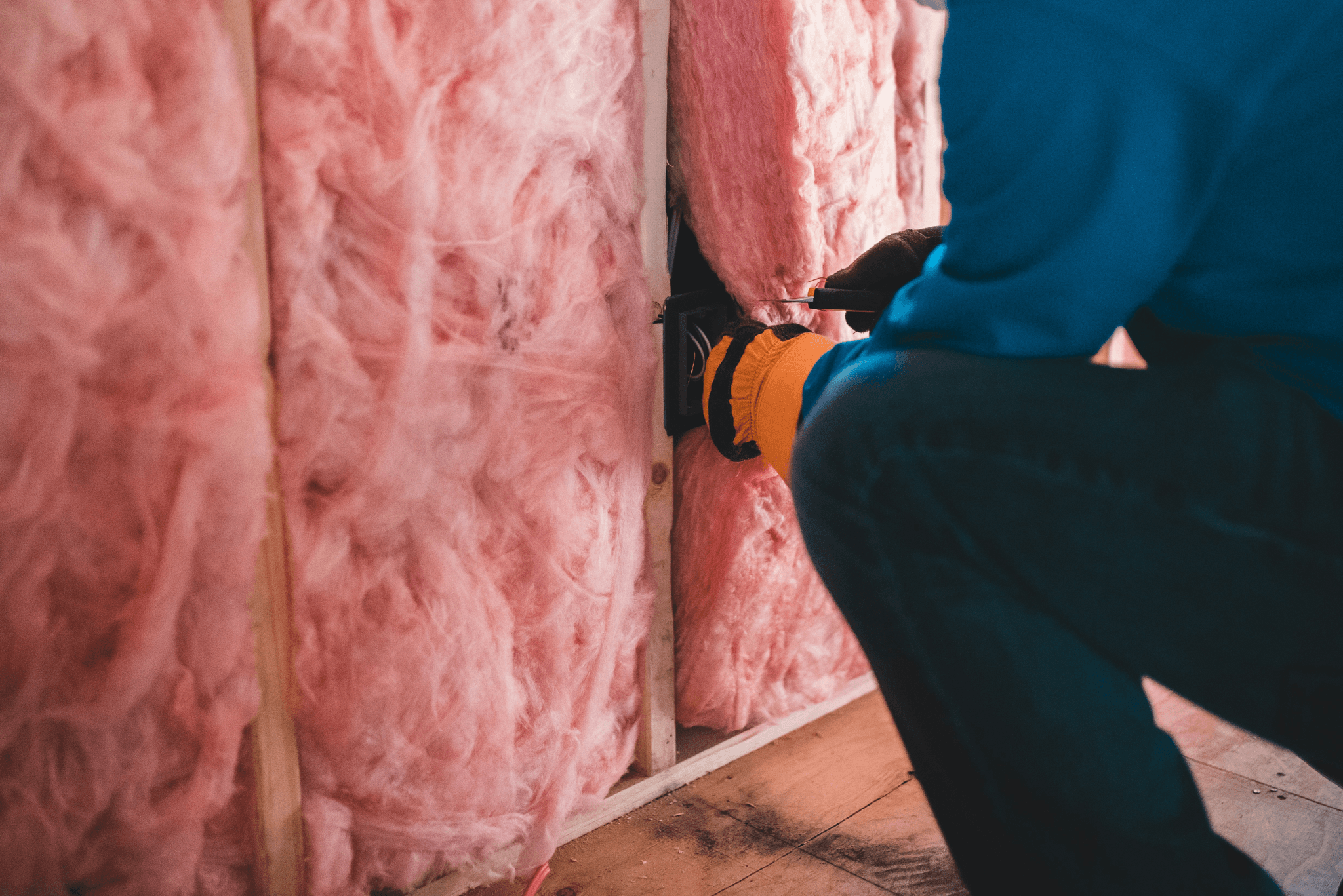
Fiberglass insulation is a staple in modern construction, known for its efficiency and effectiveness. This section will delve into what fiberglass insulation is, its numerous benefits, and how it plays a significant role in energy efficiency. Understanding these elements is crucial for anyone involved in Fiberglass Insulation Inspection or quality control.
What is Fiberglass Insulation?
Fiberglass insulation consists of tiny glass fibers that are woven together to create a material that effectively traps air, providing an excellent barrier against heat transfer. This type of insulation can be found in various forms, including batts, rolls, and loose-fill options, making it versatile for different applications. When conducting a Fiberglass Insulation Inspection, it's essential to recognize that the quality of this material can significantly influence overall building performance.
Benefits of Using Fiberglass
One of the standout benefits of fiberglass insulation is its cost-effectiveness; it often provides one of the best returns on investment when it comes to energy savings. Additionally, fiberglass does not absorb moisture like some other materials do, which helps prevent mold growth and maintains indoor air quality. These advantages make fiberglass insulation a popular choice among builders and homeowners alike—especially when considering ASTM Quality Control Tests that ensure compliance with safety standards.
How It Contributes to Energy Efficiency
Fiberglass insulation plays a pivotal role in enhancing energy efficiency by minimizing heat loss during winter months and keeping homes cool during summer months. By acting as an effective thermal barrier, it reduces the need for excessive heating or cooling systems—ultimately lowering utility bills over time. Moreover, thorough inspections are crucial; they ensure that installations meet required standards such as STC Sound Control Tests to provide additional benefits like noise reduction.
The Role of ASTM Quality Control Tests
These tests are designed to evaluate various properties of insulation materials, helping manufacturers and consumers alike make informed decisions about their products. By adhering to established standards, stakeholders can maintain confidence in the reliability and effectiveness of fiberglass insulation.
Key ASTM Standards for Insulation
Several key ASTM standards are integral to the evaluation of fiberglass insulation. Among these, ASTM C518 measures thermal conductivity, which is crucial for understanding energy efficiency. Additionally, ASTM E84 assesses surface burning characteristics, ensuring that the material meets safety requirements for building applications.
These standards not only provide a benchmark for performance but also help identify potential issues during Fiberglass Insulation Inspection. Compliance with these standards means that manufacturers are committed to producing high-quality products that can withstand real-world conditions. By focusing on these key tests, stakeholders can ensure they choose insulation that meets both safety and efficiency criteria.
Importance of Compliance in Quality Control
Compliance with ASTM standards is not just a box-ticking exercise; it's essential for maintaining product integrity in fiberglass insulation. When companies adhere to these guidelines, they demonstrate their commitment to quality control and consumer safety. Non-compliance can lead to severe consequences such as product recalls or legal liabilities due to subpar performance.
Moreover, compliance ensures consistency across batches of fiberglass insulation products, which is vital for contractors and builders relying on uniformity in their projects. Regular Fiberglass Insulation Inspection against these standards helps catch any deviations early on, preventing costly mistakes down the line. In essence, compliance fosters trust between manufacturers and consumers while enhancing overall market reputation.
How Tests Ensure Product Reliability
The rigorous nature of ASTM Quality Control Tests guarantees that only reliable fiberglass insulation makes it into the hands of consumers and builders alike. These tests assess various attributes such as durability, fire resistance, and thermal performance—each critical for effective insulation solutions in homes and commercial buildings. By validating these characteristics through standardized testing methods like STC Sound Control Tests alongside thermal evaluations, manufacturers can confidently promote their products.
Furthermore, reliable testing processes reduce the likelihood of unexpected failures or inefficiencies once the insulation is installed. This proactive approach not only saves money over time but also contributes significantly to energy savings through improved thermal management within structures. Ultimately, thorough testing ensures that when you choose fiberglass insulation backed by quality control measures like those from ASTM standards, you’re making a sound investment in your property’s longevity and comfort.
Conducting Effective Fiberglass Insulation Inspection
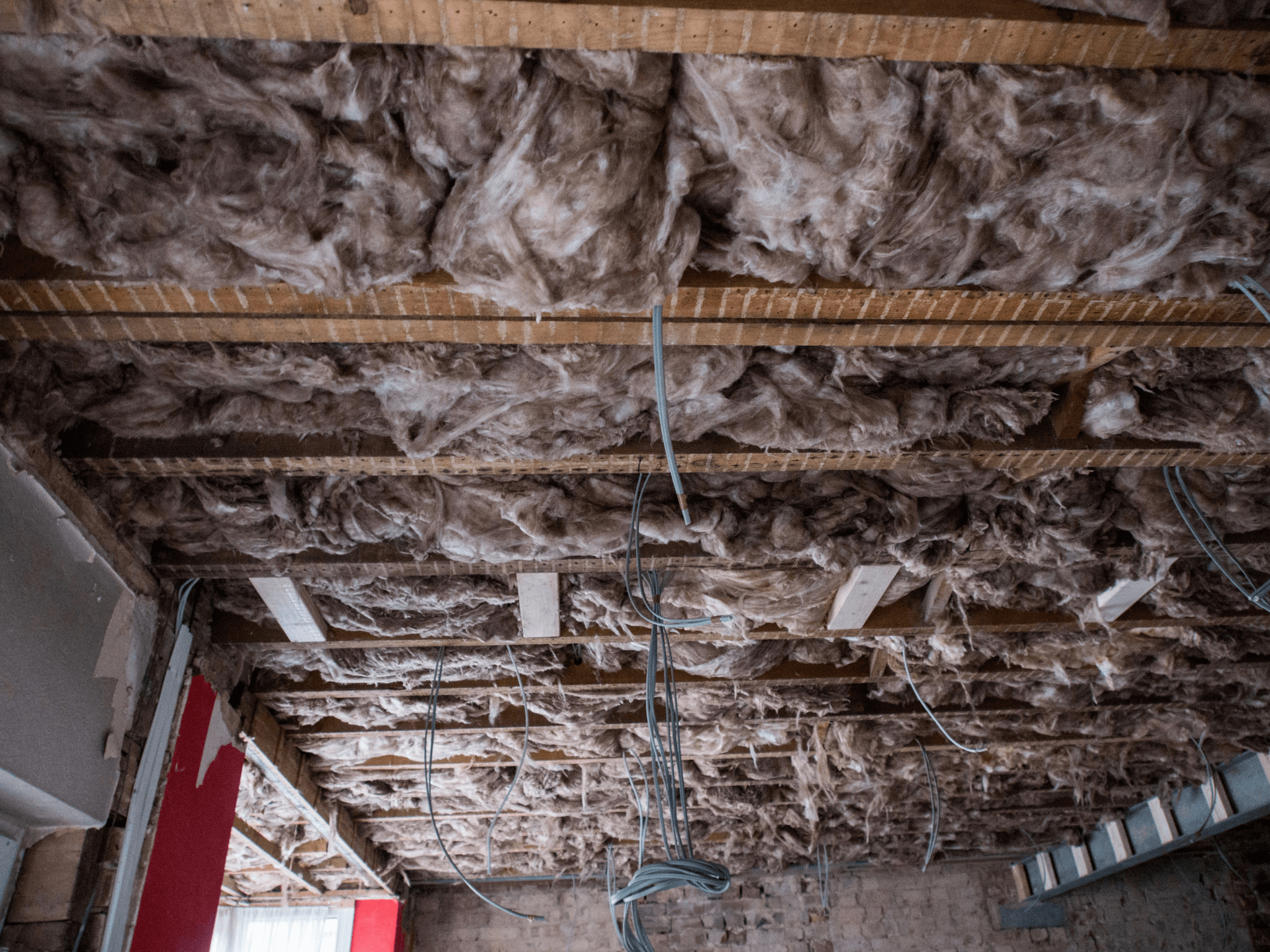
This process not only identifies potential issues but also guarantees compliance with ASTM Quality Control Tests, which are fundamental for maintaining high standards in insulation products. By implementing effective inspection techniques, you can ensure that your fiberglass insulation meets safety and efficiency requirements.
Visual Inspection Techniques
Visual inspection is the first line of defense in any Fiberglass Insulation Inspection process. Inspectors should look for signs of moisture damage, improper installation, or physical wear that could compromise the insulation's effectiveness. Techniques such as checking for gaps, misalignment, or compression can help identify areas where the insulation may not perform as expected.
In addition to visual cues, inspectors should also consider the overall condition of surrounding materials and structures. Any signs of mold growth or deterioration around the fiberglass can indicate deeper issues that may affect energy efficiency and indoor air quality. By combining keen observational skills with a checklist based on ASTM Quality Control Tests, inspectors can systematically evaluate each area.
Lastly, documenting findings during visual inspections is crucial for future reference and accountability. Notes on specific defects or irregularities not only aid in immediate remediation but also serve as valuable data points for ongoing quality assessments in subsequent inspections.
Tools and Technology for Inspection
Modern technology has revolutionized how we conduct Fiberglass Insulation Inspections by introducing sophisticated tools that enhance accuracy and efficiency. Thermal imaging cameras are particularly useful; they detect temperature variations that may indicate air leaks or inadequate insulation coverage—issues that traditional methods might miss entirely. These tools provide a visual representation of heat loss areas, making it easier to pinpoint problems.
Moisture meters are another essential tool in an inspector's arsenal; they help identify hidden moisture issues within fiberglass insulation that could lead to mold growth if left unchecked. Using these devices allows inspectors to assess the integrity of the material without invasive procedures—preserving both the installation and surrounding structures during inspection processes.
Additionally, drones equipped with high-resolution cameras can survey hard-to-reach areas quickly and efficiently during a Fiberglass Insulation Inspection. This technology enables comprehensive assessments without putting workers at risk while ensuring compliance with ASTM Quality Control Tests through accurate documentation of findings.
Common Defects to Look For
During a thorough Fiberglass Insulation Inspection, several common defects warrant attention due to their potential impact on performance and safety. First among these is compression; when fiberglass batts are compressed due to poor installation practices or settling over time, their insulating properties diminish significantly—compromising energy efficiency goals.
Another critical defect involves moisture intrusion; any signs of water damage can lead to serious problems like mold growth or structural decay over time if not addressed promptly. Inspectors should be vigilant about identifying damp spots around windows, roofs, or plumbing lines where water might penetrate the building envelope.
Lastly, improper sealing at joints can create gaps that allow air leakage—defeating the purpose of installing fiberglass insulation in the first place! Ensuring all seams are adequately sealed helps maintain optimal thermal performance while aligning with ASTM Quality Control Tests designed to uphold industry standards.
STC Sound Control Tests Explained

When it comes to ensuring the quality of fiberglass insulation, understanding STC (Sound Transmission Class) sound control tests is crucial. These tests measure how well a building material can block sound, which is particularly important in residential and commercial spaces where noise reduction is desired. By incorporating STC sound control tests into fiberglass insulation inspection, manufacturers can provide assurance that their products meet specific acoustic performance standards.
What are STC Sound Control Tests?
STC sound control tests evaluate the effectiveness of materials in reducing airborne sound transmission between spaces. The higher the STC rating, the better the material is at blocking noise; for instance, an STC rating of 50 indicates substantial noise reduction capabilities. ASTM quality control tests often include these evaluations to ensure that fiberglass insulation meets industry standards for both thermal and acoustic performance.
Importance of Sound Control in Insulation
Sound control plays a pivotal role in creating comfortable living and working environments. Inadequate acoustic insulation can lead to disturbances from external noise or within a building itself, negatively impacting productivity and comfort levels. Therefore, integrating effective sound control measures through rigorous STC sound control tests during fiberglass insulation inspection is essential for achieving optimal indoor acoustics.
Linking STC Results to Quality Performance
The results from STC sound control tests provide valuable insights into the overall quality performance of fiberglass insulation products. A strong correlation exists between high STC ratings and effective thermal resistance; when materials excel at blocking sound, they often contribute positively to energy efficiency as well. By prioritizing ASTM quality control tests that include STC evaluations, manufacturers can confidently market their fiberglass insulation as reliable and high-performing solutions for diverse applications.
Partnering with China Inspection Pro
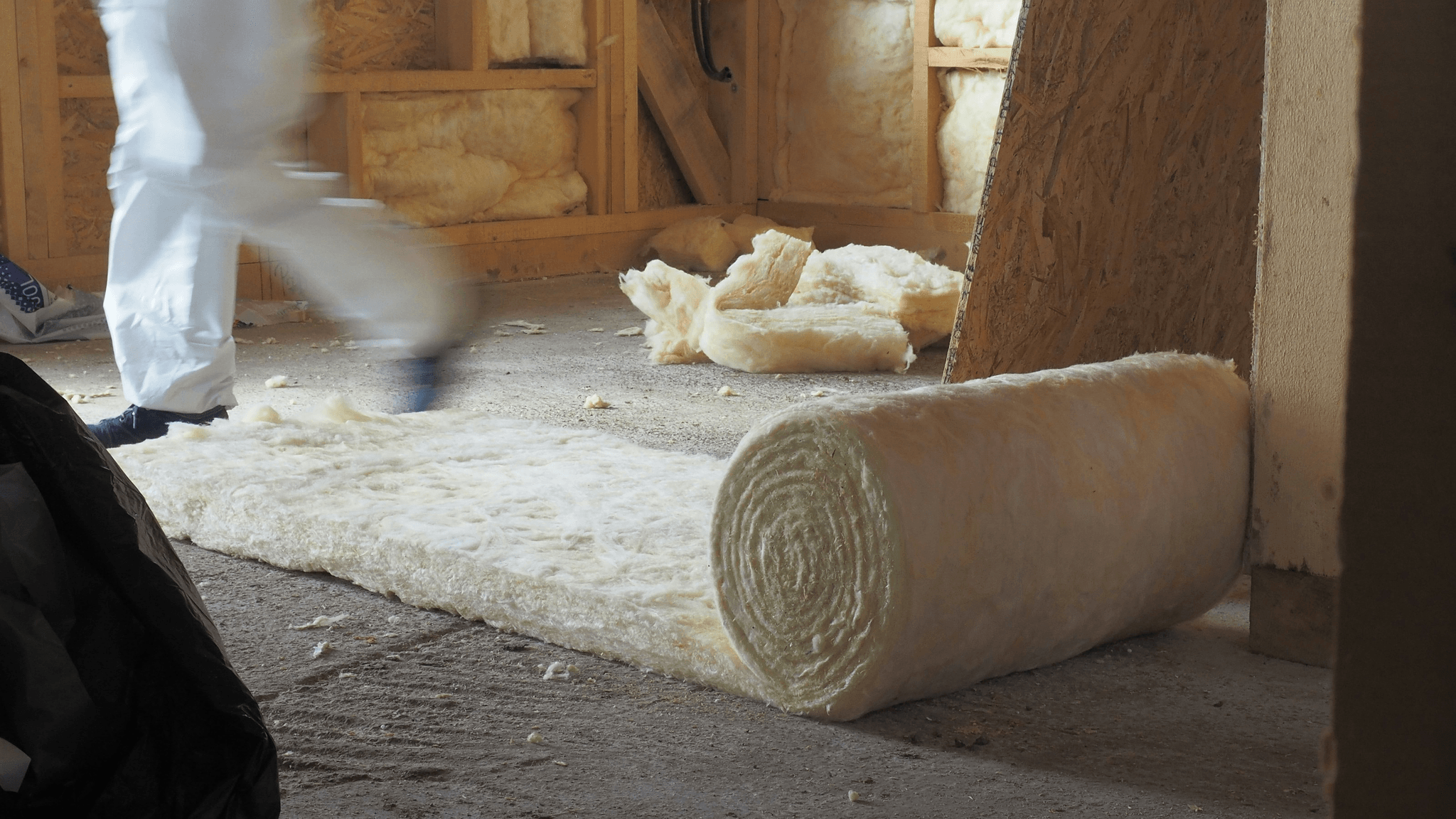
In the world of construction and insulation, ensuring quality is paramount. When it comes to Fiberglass Insulation Inspection, partnering with a reputable service provider like China Inspection Pro can make all the difference. Their expertise in ASTM Quality Control Tests and STC Sound Control Tests equips them to identify potential issues before they become costly problems.
Professional Quality Inspection Services
China Inspection Pro specializes in delivering comprehensive quality inspection services tailored to the needs of fiberglass insulation manufacturers and suppliers. With a team of trained professionals, they utilize advanced techniques and tools, ensuring that every aspect of fiberglass insulation meets stringent industry standards. Their thorough inspections cover everything from material integrity to compliance with ASTM Quality Control Tests.
By focusing on both visual assessments and technical evaluations, they provide a holistic view of product quality. This includes checking for common defects like moisture damage or improper installation that could compromise energy efficiency or sound control performance. Ultimately, their goal is to guarantee that products not only meet but exceed expectations in terms of durability and effectiveness.
Benefits of Choosing China Inspection Pro
Choosing China Inspection Pro for your Fiberglass Insulation Inspection needs comes with numerous advantages. First and foremost, their deep understanding of industry standards ensures compliance with relevant ASTM Quality Control Tests, which is crucial for maintaining product reliability. Clients benefit from reduced risk associated with subpar materials or installation practices.
Moreover, their commitment to customer satisfaction means you receive timely reports detailing inspection findings along with actionable recommendations for improvement. This proactive approach helps prevent future issues related to STC Sound Control Tests or energy inefficiencies by addressing concerns before products reach the market. In essence, partnering with them translates into peace of mind knowing your insulation products are top-notch.
Case Studies of Successful Inspections
Several case studies highlight the effectiveness of partnering with China Inspection Pro in conducting thorough Fiberglass Insulation Inspections across various projects. For instance, one client faced significant challenges due to inconsistent insulation performance linked to poor manufacturing practices; after engaging China Inspection Pro, they identified multiple compliance failures related to ASTM Quality Control Tests.
Following an extensive inspection process, corrective measures were implemented that not only improved product quality but also enhanced overall energy efficiency ratings significantly—demonstrating how critical these inspections can be for long-term success. Another case involved a manufacturer who wanted assurance regarding STC Sound Control Tests; through diligent inspections and subsequent adjustments recommended by China Inspection Pro’s experts, they achieved substantial improvements in sound attenuation performance.
These examples underscore how effective collaboration can lead to successful outcomes in fiberglass insulation projects while reinforcing the importance of rigorous inspection protocols.
Conclusion
In the world of construction and building maintenance, ensuring quality through inspections is paramount. Fiberglass Insulation Inspection plays a critical role in identifying potential issues before they escalate, safeguarding both energy efficiency and occupant comfort. By prioritizing regular inspections, property owners can mitigate risks associated with poor insulation performance and enhance the longevity of their structures.
Ensuring Quality Through Inspections
The process of Fiberglass Insulation Inspection is not merely a formality; it’s an essential step in maintaining high standards in construction. Regular inspections help identify defects such as moisture damage, improper installation, or material degradation that can undermine insulation effectiveness. Moreover, employing ASTM Quality Control Tests during these inspections provides an additional layer of assurance that the insulation meets established performance criteria.
The Necessity of Testing Standards
The ASTM Quality Control Tests establish benchmarks for thermal performance and safety that manufacturers must meet to ensure reliability. These standards are vital for maintaining industry integrity and providing consumers with confidence in their insulation choices; after all, who wants to invest in subpar products?
Making Informed Decisions for Insulation Quality
Informed decision-making regarding insulation quality hinges on understanding the results from inspections and tests like STC Sound Control Tests. These tests not only reveal how well fiberglass insulation performs acoustically but also correlate directly with its overall effectiveness as a barrier against heat loss or gain. By leveraging inspection insights alongside ASTM testing data, builders and homeowners can confidently choose the best fiberglass products tailored to their specific needs.