
Introduction
In the world of manufacturing and quality control, GSM testing stands as a crucial process that ensures products meet specific standards. By measuring the grams per square meter (GSM) of materials, manufacturers can maintain consistency and quality across their offerings. Understanding GSM testing not only helps in evaluating raw materials but also plays a pivotal role in enhancing overall product performance.
Understanding GSM Testing and Its Importance
GSM testing is essential for various industries, from textiles to packaging, as it provides a standardized measure of material weight. This measurement is critical because it directly affects the durability, texture, and usability of the final product. When manufacturers understand the importance of GSM testing, they can make informed decisions that lead to higher quality outputs.
The Role of GSM Cutter and Weighing Scale
Integral to the process of GSM testing are the GSM cutter and weighing scale, which work together to deliver accurate measurements. The GSM cutter allows for precise cutting of material samples while ensuring minimal waste, while an accurate weighing scale quantifies these samples efficiently. Without reliable tools like these, achieving consistent results in GSM testing would be nearly impossible.
Why Material Weight Matters in Quality Control
Determining the material gram per square meter is vital for ensuring that products meet industry standards and customer expectations. Variations in weight can lead to inconsistencies in product performance; thus, maintaining control over material weight is paramount for quality assurance efforts. Ultimately, understanding why material weight matters helps manufacturers uphold their reputation and foster trust with consumers.
What is GSM Testing?
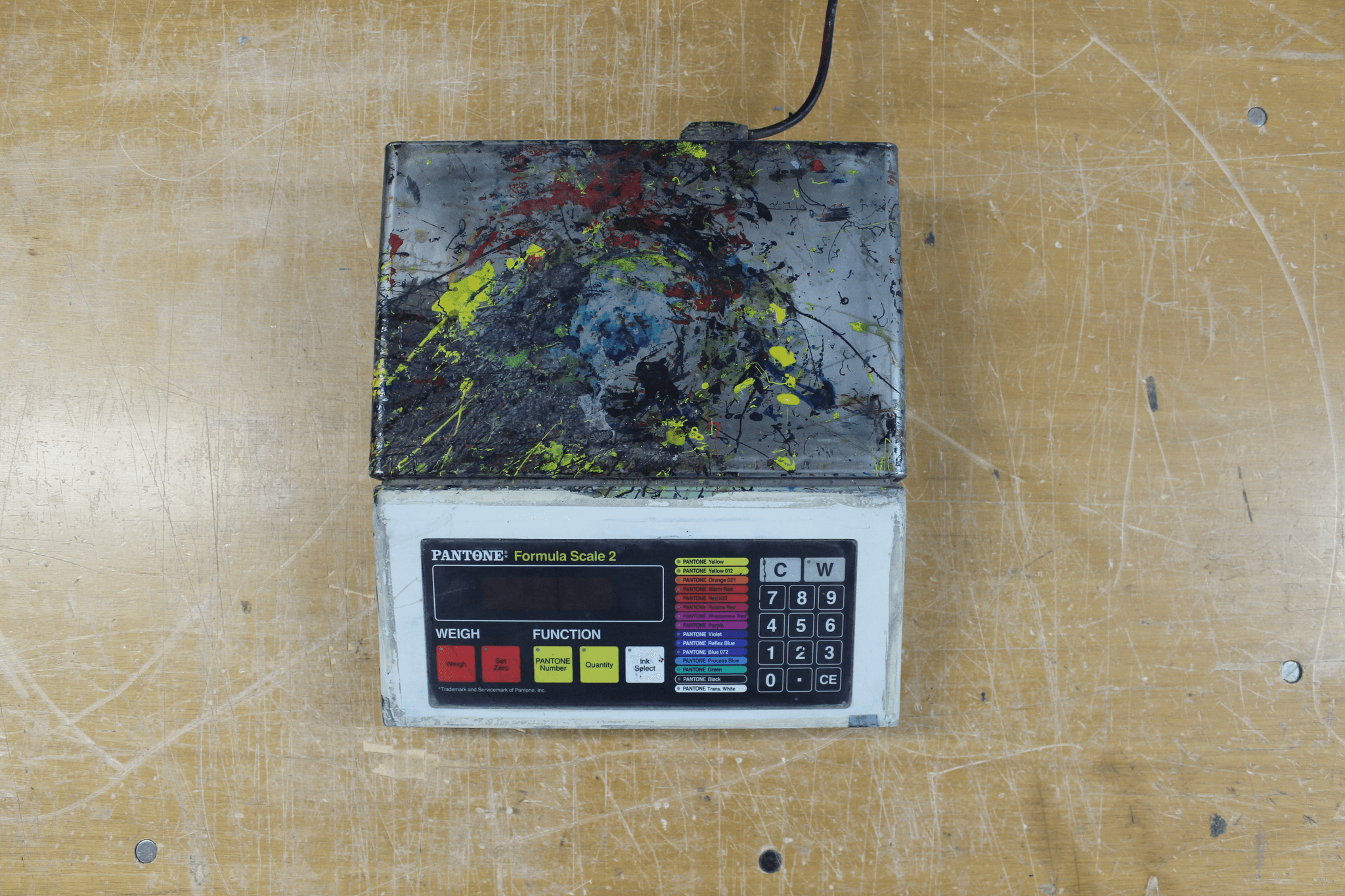
GSM testing, or grams per square meter testing, is a critical measurement technique used to assess the weight and quality of various materials. This method allows manufacturers to ensure that their products meet specific weight standards, which can directly impact performance and customer satisfaction. Understanding GSM testing helps businesses maintain consistency in their offerings while adhering to industry regulations.
Definition and Purpose of GSM Testing
At its core, GSM testing refers to the process of measuring the weight of a material over a defined area, typically expressed in grams per square meter. The primary purpose of this testing is to establish whether materials such as textiles, paper, or packaging meet predetermined specifications for quality and performance. By accurately determining the material gram per square meter, manufacturers can identify potential defects early in production and make necessary adjustments.
Common Applications in Various Industries
GSM testing finds applications across numerous industries including textiles, paper manufacturing, and packaging. In textiles and apparel, it ensures that fabrics have the right weight for durability and comfort; too light or too heavy can lead to issues like wear or poor drape. Similarly, in paper production, accurate GSM measurements help maintain print quality and product usability by ensuring sheets have consistent thicknesses that affect printing processes.
How GSM Testing Ensures Quality Consistency
Quality consistency is paramount in manufacturing; therefore, conducting regular GSM testing becomes essential for maintaining standards across production lines. By utilizing tools like a GSM cutter and weighing scale during this process, companies can achieve precise measurements that inform quality control decisions. Ultimately, determining the material gram per square meter not only aids in compliance with industry standards but also enhances overall product reliability—keeping customers happy and returning for more.
The GSM Cutter and Weighing Scale Explained

In the world of GSM testing, having the right tools is essential for achieving accurate and reliable results. Two of the most critical instruments in this process are the GSM cutter and weighing scale. These devices not only simplify the measurement process but also ensure that manufacturers uphold quality standards by determining material gram per square meter effectively.
Features and Functions of GSM Cutters
GSM cutters are specialized tools designed to create precise samples from fabric or paper for testing purposes. They typically feature a sharp circular blade that ensures clean cuts, which is vital for accurate GSM testing. Many models come equipped with adjustable settings to accommodate different material thicknesses, making them versatile across various industries.
The functionality of a GSM cutter extends beyond mere cutting; it often includes features such as built-in measuring guides and safety mechanisms to protect users. This precision is crucial because even minor discrepancies in sample size can lead to significant errors in weight calculations during GSM testing. Consequently, investing in a high-quality GSM cutter can streamline quality control processes while minimizing waste.
Importance of Accurate Weighing Scales
Once samples are prepared using a GSM cutter, they need to be weighed accurately for effective GSM testing. The importance of accurate weighing scales cannot be overstated; they directly impact the reliability of the gram per square meter measurement. A scale that provides precise readings ensures that manufacturers can maintain consistent product quality across batches.
Moreover, inaccurate scales can lead to miscalculations, resulting in materials being labeled incorrectly or failing quality checks altogether. This not only affects customer satisfaction but also impacts production efficiency and costs in the long run. Therefore, investing in high-precision weighing scales is essential for any manufacturer serious about their quality control processes.
Best Practices for Using GSM Equipment
To maximize efficiency and accuracy when using a GSM cutter and weighing scale, adhering to best practices is vital. First and foremost, ensure that both devices are calibrated regularly; this helps maintain their accuracy over time, particularly important for consistent results in GSM testing. Additionally, always use clean surfaces when cutting samples to avoid contamination or additional weight from debris.
When weighing samples, make sure to tare your scale before each measurement; this eliminates any extra weight from containers or packaging used during the process. Another tip is to take multiple measurements of each sample if possible; this not only confirms consistency but also helps identify any anomalies early on during production runs. By following these best practices, manufacturers can confidently determine material gram per square meter while enhancing overall product quality.
The Science Behind Gram Per Square Meter
Understanding the science behind gram per square meter (GSM) is crucial for ensuring product quality across various industries. GSM testing provides a standardized measurement that helps manufacturers maintain consistency and meet customer expectations. With the right tools, such as a GSM cutter and weighing scale, businesses can accurately assess material weight and enhance their quality control processes.
How to Calculate GSM Accurately
Calculating GSM accurately is essential for achieving reliable results in GSM testing. The formula involves weighing a sample of fabric or material in grams and then dividing it by the area measured in square meters. For example, if you have a 1-meter by 1-meter piece of fabric that weighs 150 grams, the GSM would be 150 g/m²—simple math that reveals so much about your material's properties!
To ensure precision during this process, using a high-quality weighing scale is imperative. Any inaccuracies in measurement can lead to flawed calculations and ultimately affect product performance. Therefore, investing in reliable equipment like a GSM cutter and weighing scale will pay off when it comes to maintaining quality standards.
Impact of GSM on Product Performance
The impact of GSM on product performance cannot be overstated; it plays a significant role in determining how materials behave under various conditions. For instance, higher GSM values typically indicate thicker fabrics that offer better durability and insulation; conversely, lower values suggest lighter materials that may be more breathable but less robust. This balance between weight and functionality makes understanding GSM crucial for manufacturers aiming to deliver products that meet specific requirements.
Moreover, different industries have varying standards for what constitutes an acceptable GSM range depending on application needs. In textiles, for example, designers must consider how fabric weight influences drape and comfort while ensuring it meets market demands for durability or softness. Thus, knowing the precise gsm allows manufacturers to tailor their products effectively.
Why Determining GSM is Essential for Manufacturers
Determining the material gram per square meter is vital for manufacturers seeking to uphold quality assurance protocols throughout production processes. Accurate GSM testing ensures compliance with industry standards while providing insights into raw material selection and final product specifications—essentially guiding businesses toward better decision-making practices!
Additionally, understanding gsm enables manufacturers to optimize costs without sacrificing quality; they can choose materials that deliver desired performance without going over budget or compromising on customer satisfaction levels. In today’s competitive market landscape where consumers are increasingly discerning about product attributes like feel and longevity, having precise gsm measurements becomes an invaluable asset.
In summary, mastering the science behind gram per square meter not only enhances manufacturing efficacy but also drives innovation across industries by ensuring products meet both functional requirements and consumer expectations.
Real-World Applications of GSM Testing
GSM testing is not just a laboratory exercise; it’s a critical process that plays a vital role in various industries. From ensuring the quality of textiles to maintaining standards in packaging, understanding the gram per square meter (GSM) can make or break a product’s success. Let’s dive into how GSM testing is applied across different sectors and why determining the material gram per square meter is so important.
GSM Testing in Textiles and Apparel
In the world of textiles and apparel, GSM testing serves as a benchmark for quality control. Manufacturers rely on accurate measurements obtained from GSM cutters and weighing scales to ensure that fabrics meet industry standards. By determining the material gram per square meter, designers can select appropriate fabrics for specific garments, leading to better performance and customer satisfaction.
Moreover, GSM testing helps in maintaining consistency across production batches, which is crucial for brand reputation. A discrepancy in fabric weight can affect everything from drape to durability, making it essential for textile producers to adhere strictly to GSM standards. Ultimately, effective GSM testing safeguards both manufacturers' interests and consumers' expectations.
Usage in Paper and Packaging Industries
The paper and packaging industries also heavily depend on precise GSM testing to ensure product integrity. Whether it's crafting high-quality paper products or creating robust packaging solutions, knowing the exact weight of materials allows companies to optimize their processes efficiently. Accurate readings from GSM cutters and weighing scales help manufacturers achieve desired thicknesses while minimizing waste.
In this sector, variations in material weight can lead to significant financial losses due to overuse or underutilization of resources. By determining the material gram per square meter accurately, businesses can enhance their sustainability efforts while still delivering top-notch products that meet customer demands. Thus, effective GSM testing becomes an integral part of operational excellence.
Case Studies of Successful GSM Implementation
Several companies have successfully integrated GSM testing into their quality assurance processes with remarkable results. For instance, a textile manufacturer noticed significant improvements in fabric consistency after implementing routine GSM checks using advanced cutting tools and weighing scales. This led not only to increased customer satisfaction but also reduced returns due to discrepancies.
Similarly, a packaging firm utilized precise GSM measurements during production runs which resulted in cost savings by optimizing material usage without compromising strength or quality. These case studies highlight how crucial it is for businesses across various sectors to prioritize accurate gsm testing methods—ultimately translating into enhanced product reliability and market competitiveness.
China Inspection Pro: A Quality Partner
In the realm of quality assurance, partnering with a reliable inspection service can make all the difference, and that's where China Inspection Pro steps in. Specializing in GSM testing, they provide comprehensive solutions that ensure your products meet the highest standards. With their expertise in using GSM cutters and weighing scales, they help manufacturers maintain product consistency and quality.
Overview of China Inspection Pro Services
China Inspection Pro offers a suite of services tailored to meet the diverse needs of manufacturers across various industries. Their GSM testing services are designed to accurately measure material weight per square meter, ensuring compliance with industry standards. With state-of-the-art equipment like advanced GSM cutters and precise weighing scales, they guarantee accurate results that are crucial for maintaining product integrity.
Benefits of Partnering for GSM Testing
When you partner with China Inspection Pro for your GSM testing needs, you gain access to a wealth of expertise and cutting-edge technology. Their experienced team understands why determining the material gram per square meter is important—it's not just about numbers; it's about ensuring quality and performance in every product. By leveraging their services, businesses can significantly reduce waste, enhance customer satisfaction, and ultimately boost profitability through consistent quality control.
How Inspection Services Enhance Product Quality
Inspection services play a pivotal role in elevating product quality by providing critical insights into manufacturing processes. With accurate GSM testing using specialized tools like GSM cutters and weighing scales, manufacturers can identify discrepancies early on, preventing costly errors down the line. Moreover, these inspections establish trust with consumers by guaranteeing that products meet specified weight standards—an essential factor in today’s competitive market.
Conclusion
In summary, GSM testing plays a pivotal role in ensuring product quality across various industries. It provides manufacturers with the necessary insights to maintain consistency, enhance performance, and meet consumer expectations. Ultimately, understanding the importance of GSM testing can lead to better products and satisfied customers.
Key Takeaways on GSM Testing
GSM testing is essential for determining the material's gram per square meter, which directly affects product quality and durability. By utilizing a GSM cutter and weighing scale, businesses can achieve accurate measurements that inform production processes. Remember, consistent GSM testing not only improves quality but also builds trust with consumers who rely on these standards.
The Importance of Reliable GSM Tools
Having reliable tools like a GSM cutter and weighing scale is crucial for effective GSM testing. Accurate measurements help manufacturers avoid costly errors, ensuring that products meet industry standards and customer expectations. Investing in high-quality equipment guarantees that your material's gram per square meter is measured precisely every time.
Elevating Quality Standards in Product Inspection
Determining the material gram per square meter through rigorous GSM testing elevates overall quality standards in product inspection. With precise measurements from reliable tools, manufacturers can confidently deliver top-notch products that stand out in competitive markets. In an era where quality matters more than ever, embracing robust GSM practices is key to success.