
Introduction

In the world of packaging, ensuring that products arrive intact and undamaged is paramount. This is where the Carton Drop Test comes into play, serving as a critical evaluation method for assessing the durability and resilience of packaging materials under real-world conditions. Understanding the importance of these tests not only helps enhance product quality but also protects brand reputation and customer satisfaction.
Understanding the Importance of Carton Drop Tests
Carton Drop Tests are essential for identifying how well packaging can withstand the rigors of transportation and handling. By simulating drops from various heights and angles, businesses can gauge their packaging's performance in protecting contents from impact damage. Ultimately, this proactive approach minimizes losses due to damaged goods, making it a vital process for anyone involved in product distribution.
Identifying Key Stakeholders for Testing
Who needs to conduct a carton drop test? The answer spans a variety of stakeholders in the supply chain, including manufacturers, distributors, retailers, and quality control professionals. Each group plays a crucial role in ensuring that products are adequately protected during transit, making their involvement in testing processes essential for effective risk management.
Overview of Packaging Drop Test Standards
To ensure consistency and reliability in testing outcomes, adherence to established packaging drop test standards is crucial. These standards provide guidelines on how to conduct tests effectively while ensuring that results are comparable across different products and industries. Familiarity with these standards not only aids compliance but also enhances credibility when discussing package drop test procedures with clients or partners.
Who Needs to Conduct a Carton Drop Test

When it comes to ensuring that products reach consumers in perfect condition, the question arises: who needs to conduct a carton drop test? The answer spans various sectors, including manufacturers, distributors, retailers, e-commerce businesses, and quality control professionals. Each of these stakeholders plays a crucial role in maintaining packaging integrity and adhering to packaging drop test standards.
Manufacturers and Distributors
Manufacturers and distributors are at the forefront of the supply chain and bear significant responsibility for product safety. By conducting a carton drop test, they can identify potential weaknesses in their packaging before products hit store shelves or are shipped directly to consumers. This proactive approach not only minimizes returns but also enhances brand reputation by ensuring that products arrive undamaged.
In addition to safeguarding their goods, manufacturers must comply with industry regulations related to packaging drop test standards. Regular testing helps them stay ahead of compliance requirements while optimizing shipping costs by preventing damage during transit. Ultimately, investing time and resources into the package drop test procedure translates into higher customer satisfaction rates.
Retailers and E-commerce Businesses
Retailers and e-commerce businesses have a vested interest in conducting carton drop tests as well. With more consumers shopping online than ever before, the importance of reliable packaging cannot be overstated; damaged goods lead to lost sales and unhappy customers. By implementing rigorous testing protocols, these businesses can ensure that their products withstand the rigors of delivery.
Additionally, understanding how different packages perform during a carton drop test allows retailers to make informed decisions about which suppliers offer the best packaging solutions. This knowledge not only streamlines inventory management but also fosters strong relationships with vendors who prioritize quality materials. In today's competitive market landscape, effective package drop test procedures can set businesses apart from their competition.
Quality Control Professionals
Quality control professionals play an essential role in maintaining product excellence throughout production processes—including during shipping phases—by utilizing carton drop tests as part of their toolkit. These experts analyze data obtained from testing to pinpoint weaknesses in packaging designs or materials that may compromise product integrity during transport or storage conditions. Their insights directly contribute to enhancing overall product quality.
Moreover, quality control teams help establish robust guidelines for conducting package drop tests within organizations while ensuring adherence to industry-specific packaging drop test standards. By fostering a culture of continuous improvement based on empirical data gathered from testing procedures, they empower companies to innovate without sacrificing safety or reliability for customers' needs. Ultimately, these professionals are vital for driving consistent success across industries through meticulous attention paid toward every detail—from design through distribution.
Preparing for the Package Drop Test Procedure
When it comes to executing a successful Package Drop Test procedure, preparation is key. This phase sets the stage for accurate and reliable results, ensuring that your packaging can withstand the rigors of shipping and handling. By focusing on essential equipment, selecting appropriate test parameters, and following guidelines for sample selection, you can conduct effective Carton Drop Tests that meet industry standards.
Essential Equipment and Setup
The first step in preparing for a Carton Drop Test is gathering the essential equipment needed for testing. This typically includes a drop testing machine capable of simulating various drop heights and angles, as well as safety gear to protect personnel during the process. Additionally, you’ll need measuring tools to assess any damage post-test—think calipers or scales—to quantify how well your packaging holds up under stress.
Setting up your testing environment is equally important; ensure that the drop area is clear of obstacles and that there’s ample space to safely conduct multiple tests. The test surface should mimic real-world conditions as closely as possible to provide relevant insights into how your product will fare in transit. With all equipment set up correctly, you're ready to dive into selecting test parameters.
Selecting Test Parameters and Conditions
Choosing the right test parameters is crucial when conducting a Carton Drop Test; this ensures that you simulate realistic scenarios your packaging might encounter during shipping. Start by determining the height from which you'll drop your cartons—this should reflect typical handling conditions based on industry standards or specific customer requirements.
Next, consider factors like the angle of impact: will it be a corner drop or flat? Each scenario can yield different results regarding potential failures in packaging integrity. Finally, take note of environmental conditions such as temperature and humidity during testing; these factors can also influence how well your packaging performs under stress.
Guidelines for Sample Selection
When it comes to sample selection for your Package Drop Test procedure, diversity is key! You want to ensure that you’re testing various carton sizes and types representative of what will actually be shipped out into the world. This means including samples with different weights, shapes, and materials used in their construction.
It’s also wise to include both optimal packages (those designed with durability in mind) and those more prone to failure (think cost-cutting designs). By doing so, you'll gain valuable insights into potential weaknesses across various packaging types—crucial information if you're asking “Who needs to conduct a carton drop test?” The goal here is not just passing but understanding how different designs hold up under pressure.
Executing the Carton Drop Test
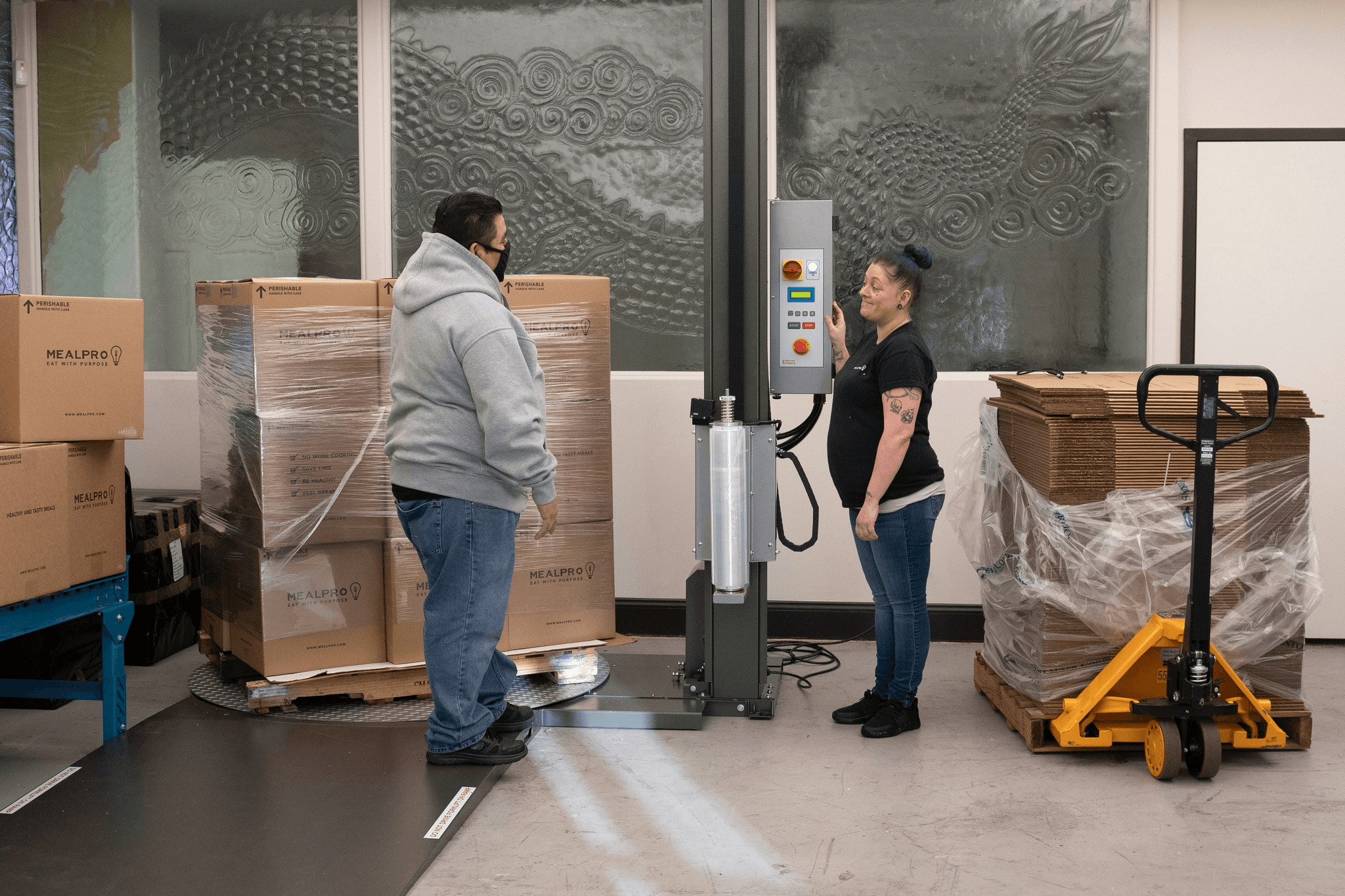
Executing a Carton Drop Test is crucial for ensuring that your packaging can withstand the rigors of transportation and handling. This section will guide you through the essential steps of the Package Drop Test Procedure, ensuring that your testing is thorough and effective. With proper execution, you can confidently assess whether your packaging meets the necessary Packaging Drop Test Standards.
Step-by-Step Testing Process
To begin the Carton Drop Test, start by determining the height from which you'll drop your cartons, based on industry standards or specific requirements for your product. Next, prepare your test samples by ensuring they are packed according to standard shipping methods; this means using consistent packing materials and configurations to ensure reliable results. Once everything is set up, proceed with dropping each carton from the predetermined height onto a suitable surface while documenting each drop's conditions meticulously.
After executing the drops, it’s time to inspect each carton for any signs of damage or failure. This inspection should include checking for dents, tears, or compromised seals that could affect product integrity during transit. By systematically following these steps in your Carton Drop Test, you’ll gather valuable data on how well your packaging performs under stress.
Monitoring and Documentation Techniques
Monitoring during a Carton Drop Test is essential to ensure accurate results and facilitate future improvements in packaging design. Use video recording equipment to capture each drop; this allows for detailed analysis later on and provides visual evidence of how well each carton withstands impact forces. Additionally, maintain a logbook where you record key details such as drop height, surface type, environmental conditions (like temperature), and any observations made during testing.
Documentation should also include photographs of both intact and damaged cartons post-test to create a comprehensive record of performance outcomes. This information will be invaluable when discussing findings with stakeholders who need to understand Who needs to conduct a carton drop test? as it illustrates real-world implications of packaging failures or successes. Thorough documentation not only aids in compliance with Packaging Drop Test Standards but also supports continuous improvement efforts within your organization.
Safety Precautions to Consider
Safety should always be at the forefront when conducting any tests involving physical impacts like those in a Package Drop Test Procedure. Ensure that all personnel involved are wearing appropriate protective gear such as safety glasses and hard hats while observing drops from a safe distance away from impact zones—after all, nobody wants an unexpected cardboard missile!
Additionally, make sure that the area around your testing setup is clear of obstacles or hazards that could lead to injuries during testing operations—think about securing loose items that might get knocked over or tripped on during tests. By prioritizing safety alongside thorough execution of Carton Drop Tests, you're not only protecting individuals but also fostering an environment focused on quality assurance.
Analyzing Test Results and Findings
Once the Package Drop Test Procedure has been executed, it's time to dive into the treasure trove of data collected. Analyzing test results is crucial for understanding how well your packaging holds up under stress and whether it meets Packaging Drop Test Standards. This analysis not only informs stakeholders about product safety but also helps in making strategic decisions for future packaging designs.
Interpreting Data from Drop Tests
Interpreting data from Carton Drop Tests involves looking at various metrics such as impact force, drop height, and damage assessment. Each of these factors plays a pivotal role in determining if your packaging can withstand the rigors of shipping and handling. By evaluating the results against established Packaging Drop Test Standards, you can gain insights into how your product might perform in real-world scenarios.
For instance, if a carton shows significant damage after a drop from a standard height, it may indicate that adjustments are needed—be it in material choice or design modifications. It’s essential to compare these results with industry benchmarks to identify areas where improvements are necessary. Ultimately, proper interpretation of this data allows manufacturers to make informed decisions about their packaging strategies.
Identifying Potential Packaging Failures
Identifying potential packaging failures is like being a detective on the case of Who Needs to Conduct a Carton Drop Test? The findings from your tests will reveal vulnerabilities in your current packaging solutions that could lead to product loss or damage during transit. Common failures may include tears, crushes, or compromised seals that could jeopardize product integrity.
By closely examining the test results, you can pinpoint specific weaknesses—such as inadequate cushioning or insufficient structural support—that need addressing before products hit the market. This proactive approach not only saves costs associated with returns but also enhances customer satisfaction by ensuring products arrive intact and undamaged.
Recommendations for Improvement
Once potential failures have been identified through rigorous testing and analysis, it's time to roll up your sleeves and brainstorm recommendations for improvement. These recommendations should be tailored based on specific issues uncovered during the Carton Drop Tests while aligning with relevant Packaging Drop Test Standards for optimal performance.
Consider options such as upgrading materials for better shock absorption or redesigning carton shapes to distribute weight more evenly during drops. Collaborating with experts in packaging design can also provide fresh perspectives on innovative solutions that enhance durability without sacrificing cost-effectiveness.
In conclusion, analyzing test results is not just about identifying problems; it's an opportunity to improve overall product quality through strategic enhancements based on solid data insights gathered during testing procedures.
Compliance with Packaging Drop Test Standards
In the world of packaging, compliance with established standards is not just a formality; it’s a necessity that ensures products reach consumers in perfect condition. The Carton Drop Test is a critical component of this compliance, as it helps identify potential weaknesses in packaging before products hit the shelves. By adhering to recognized packaging drop test standards, businesses can significantly reduce the risk of product damage and enhance customer satisfaction.
Overview of Industry Standards
Various industry standards govern the execution and evaluation of carton drop tests, ensuring consistency and reliability across different sectors. Organizations such as ASTM International and ISTA provide guidelines that detail acceptable drop heights, angles, and testing environments for effective package drop test procedures. Familiarizing yourself with these standards is essential for any stakeholder wondering who needs to conduct a carton drop test—whether you’re a manufacturer or retailer.
Importance of Regular Testing Practices
Regular testing practices are paramount for maintaining packaging integrity over time, especially as materials and designs evolve. Conducting frequent carton drop tests allows businesses to stay ahead of potential issues that could arise due to changes in supply chain conditions or product specifications. By integrating regular testing into quality control processes, companies can ensure their packaging continuously meets industry standards while avoiding costly recalls or customer complaints.
Partnering with Experts like China Inspection Pro
Navigating the complexities of packaging drop test standards can be daunting for many organizations; that's where partnering with experts like China Inspection Pro becomes invaluable. These professionals offer specialized knowledge on the latest regulations and best practices for executing carton drop tests effectively. By collaborating with experienced partners, companies can streamline their package drop test procedures while gaining insights that lead to improved product quality and compliance.
Conclusion
In the realm of packaging and distribution, the Carton Drop Test stands out as a pivotal measure for ensuring product integrity during transit. This testing procedure not only helps identify weaknesses in packaging but also serves as a benchmark for compliance with established Packaging Drop Test Standards. Ultimately, understanding who needs to conduct a carton drop test is essential for manufacturers, retailers, and quality control professionals alike.
The Crucial Role of Carton Drop Tests
The Carton Drop Test plays an integral role in safeguarding products from potential damage during shipping and handling. By simulating real-world conditions where packages may fall or be dropped, companies can assess the durability of their packaging solutions. This proactive approach not only minimizes losses but also enhances customer satisfaction by ensuring that products arrive intact.
Enhancing Product Quality Through Testing
Conducting a thorough Package Drop Test Procedure is vital for improving overall product quality. When businesses invest in rigorous testing methods, they can pinpoint specific areas for improvement within their packaging designs. By addressing these issues, companies can reduce return rates and strengthen their brand reputation in an increasingly competitive market.
Making Informed Decisions with Test Insights
The insights gained from carton drop tests empower stakeholders to make informed decisions regarding packaging materials and design choices. Understanding the results allows manufacturers and retailers to refine their processes based on empirical data rather than guesswork. In this way, adopting regular testing practices not only aligns with industry standards but also fosters innovation in packaging solutions.