
Introduction
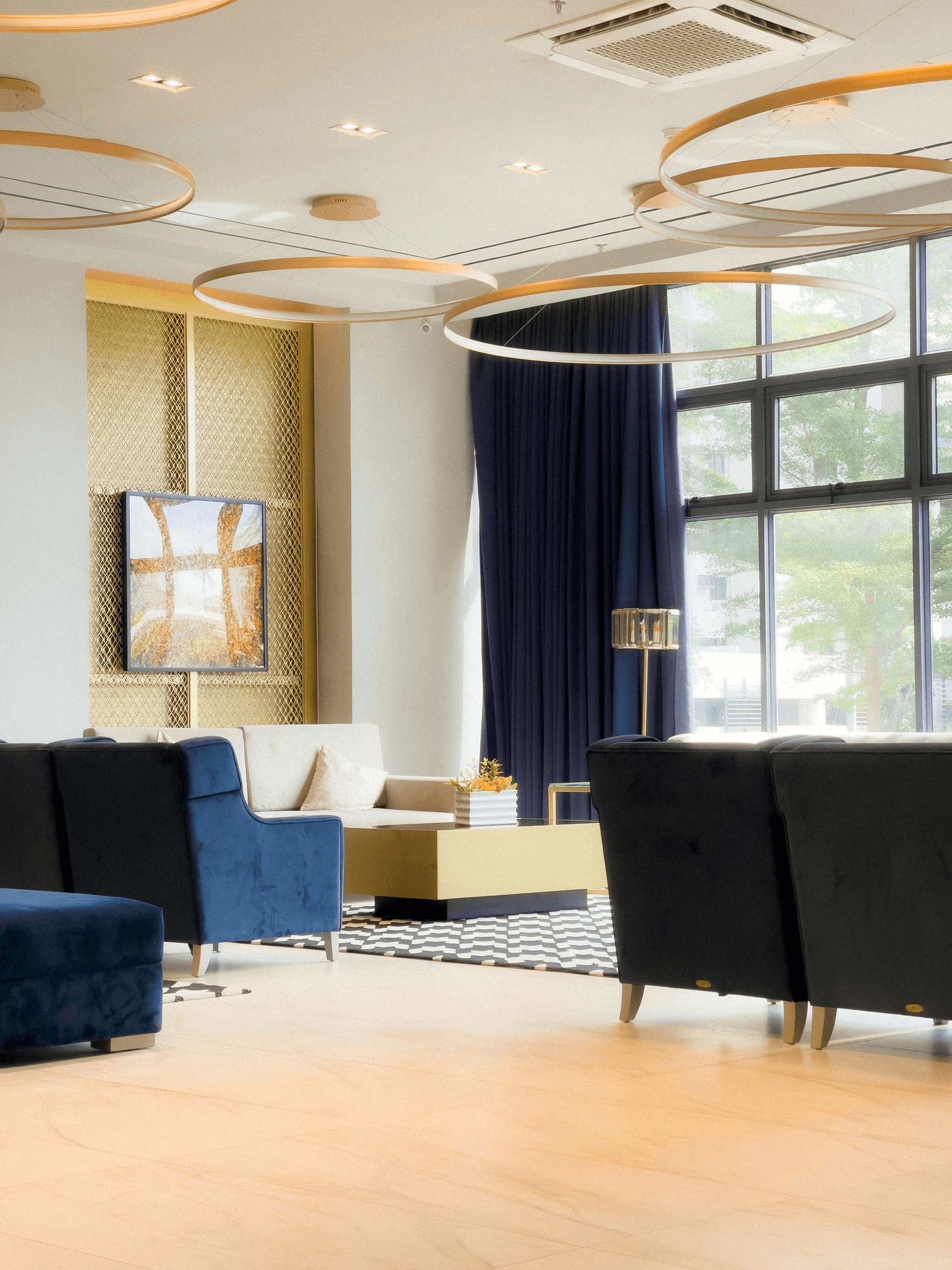
In the bustling world of hospitality, the quality and condition of hotel furniture play a pivotal role in shaping guest experiences. Hotel Furniture Inspection is not just a routine task; it’s a critical process that ensures every piece of furniture meets safety and aesthetic standards. A thorough understanding of this inspection process can significantly enhance guest satisfaction and contribute to the overall success of hotel operations.
Understanding Hotel Furniture Inspection
Hotel Furniture Inspection involves evaluating the condition, functionality, and safety of all furniture within a hotel setting. This includes everything from beds and chairs to tables and cabinetry, ensuring that each item aligns with both brand standards and guest expectations. By grasping the nuances of Hotel Furniture Inspection, hoteliers can proactively address potential issues before they impact the guest experience.
The Importance of Hotel Furniture Inspection
The Importance of Hotel Furniture Inspection cannot be overstated; it directly correlates with guest satisfaction and brand reputation. Regular inspections help identify wear and tear, allowing for timely repairs or replacements that keep guests comfortable during their stay. Moreover, maintaining high-quality furniture helps hotels uphold their image in a competitive market, ultimately leading to increased customer loyalty.
Preparing for Your Inspection
Preparations for Hotel Furniture Inspection are essential for ensuring an effective evaluation process. Selecting qualified inspectors who understand industry standards is crucial to accurately assess furniture conditions. Additionally, creating an inspection checklist tailored to specific hotel needs will streamline the Step-by-Step Hotel Furniture Inspection Process and ensure no detail is overlooked.
What Is Hotel Furniture Inspection
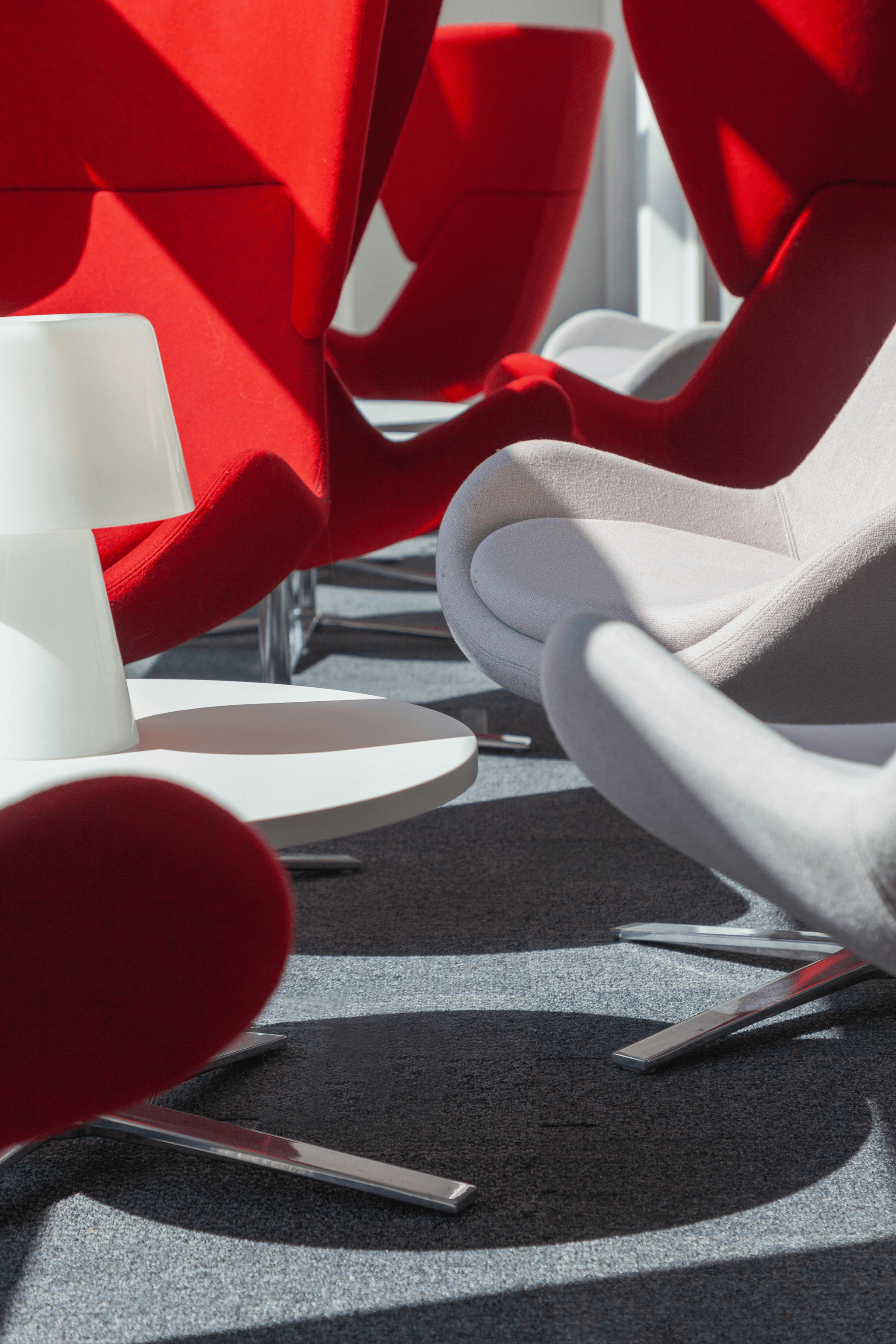
When it comes to maintaining a welcoming and comfortable environment for guests, Hotel Furniture Inspection plays a pivotal role. This process involves a thorough evaluation of all furniture within a hotel property to ensure safety, aesthetics, and functionality. The overall objective is to identify any issues that could affect guest experience or operational efficiency.
Definition and Objectives
Hotel Furniture Inspection is defined as the systematic examination of furniture used in hotels, including beds, chairs, tables, and fixtures. The primary objectives are to assess the condition of these items, ensuring they meet safety standards while also aligning with the hotel's brand image. By conducting regular inspections, hotels can proactively address potential problems before they escalate into costly repairs or negative guest experiences.
Key Elements of Inspection
Several key elements contribute to an effective Hotel Furniture Inspection process. First and foremost is the physical assessment of each piece of furniture for signs of wear and tear—think scratches, stains, or structural instability. Additionally, inspectors should evaluate compliance with safety regulations and industry standards while documenting any findings for future reference.
Benefits of Quality Assurance
The benefits of implementing a robust Hotel Furniture Inspection process extend well beyond just identifying defects; they encompass quality assurance that enhances overall guest satisfaction. By regularly inspecting furniture quality and condition, hotels can maintain their reputation as safe and comfortable havens for travelers. Furthermore, addressing issues promptly not only saves money in the long run but also fosters trust among guests who expect high standards during their stay.
The Importance of Hotel Furniture Inspection
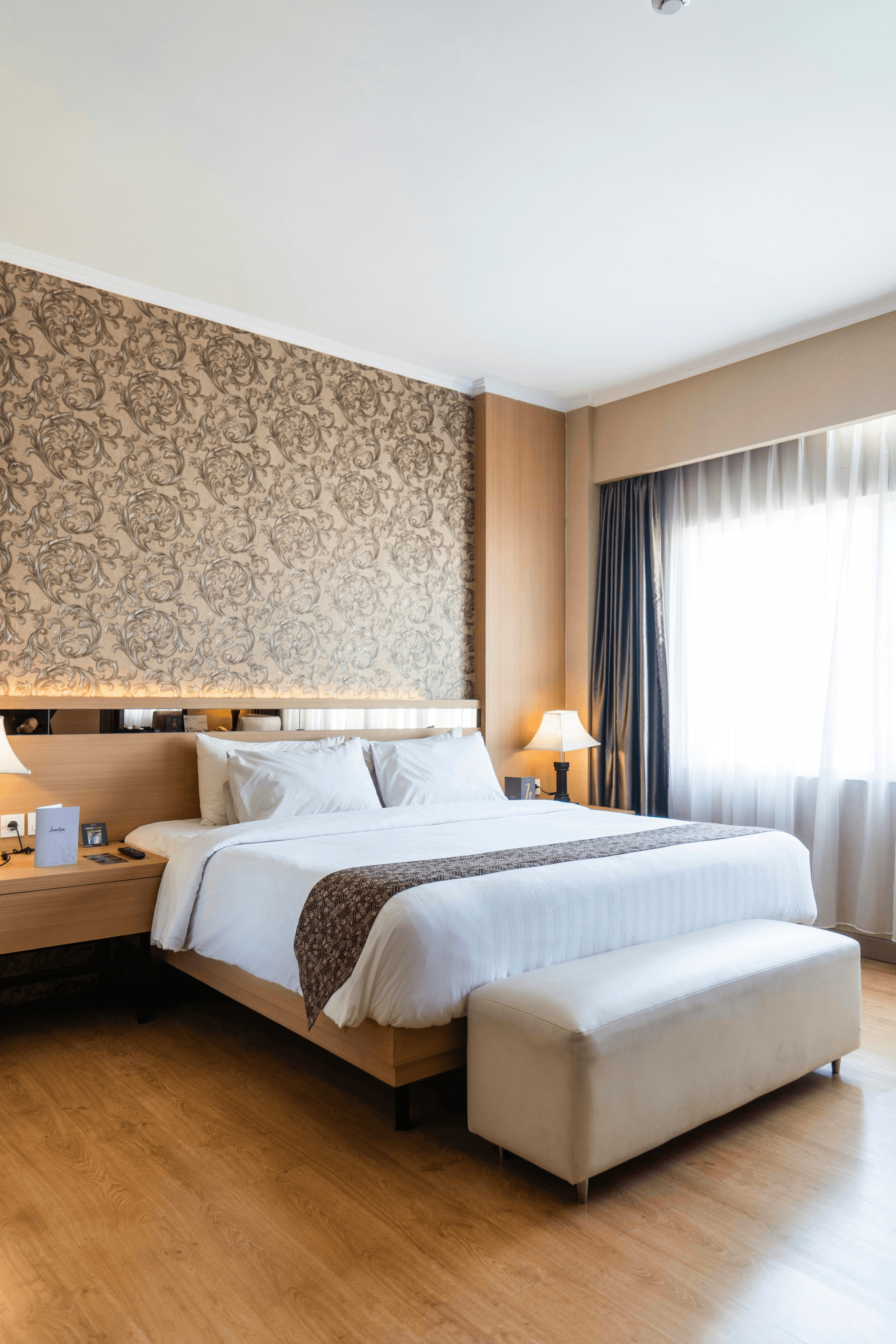
When it comes to the hospitality industry, the importance of hotel furniture inspection cannot be overstated. A thorough inspection not only guarantees that furniture meets safety and quality standards but also enhances the overall guest experience. By prioritizing hotel furniture inspection, hotels can ensure that their guests enjoy a comfortable and aesthetically pleasing environment.
Ensuring Guest Satisfaction
One of the primary goals of hotel furniture inspection is to ensure guest satisfaction. Guests expect their accommodations to be clean, functional, and visually appealing; any defects in the furniture can lead to discomfort or dissatisfaction. By addressing issues such as worn upholstery or unstable tables through regular inspections, hotels can create an inviting atmosphere that keeps guests coming back.
Moreover, guest satisfaction directly impacts online reviews and ratings, which are crucial in today’s digital age. A positive experience encourages guests to leave favorable feedback, while negative experiences can tarnish a hotel's reputation almost instantly. Thus, conducting regular hotel furniture inspections is essential for maintaining high levels of guest satisfaction and loyalty.
Maintaining Brand Reputation
In an industry where brand reputation is everything, hotel furniture inspection plays a vital role in preserving a hotel's image. If guests encounter damaged or poorly maintained furnishings during their stay, it reflects poorly on the brand as a whole. Regular inspections help ensure that all pieces are up to standard and align with the brand's commitment to quality.
Additionally, maintaining high-quality furnishings reinforces a hotel's brand identity and promise to its customers. Guests associate well-maintained environments with reliability and professionalism; therefore, investing time in preparations for hotel furniture inspection becomes an investment in the brand itself. Ultimately, consistent quality assurance through inspections fosters trust between hotels and their clientele.
Reducing Long-Term Costs
While some may view hotel furniture inspection as an added expense, it actually serves as a cost-saving measure over time. Identifying common hotel furniture defects early allows for timely repairs or replacements before they escalate into more significant issues requiring costly interventions later on. Regular inspections help prevent wear-and-tear from becoming detrimental expenses down the road.
Moreover, when hotels prioritize quality assurance through systematic inspections and remediation strategies—like those provided by partners such as China Inspection Pro—they often discover hidden problems that could lead to bigger financial setbacks if left unchecked. This proactive approach not only saves money but also enhances operational efficiency within hotel management practices overall.
By understanding these key factors—the importance of hotel furniture inspection—hotel operators can make informed decisions that will benefit both their bottom line and their guests’ experiences alike.
Preparations for Hotel Furniture Inspection
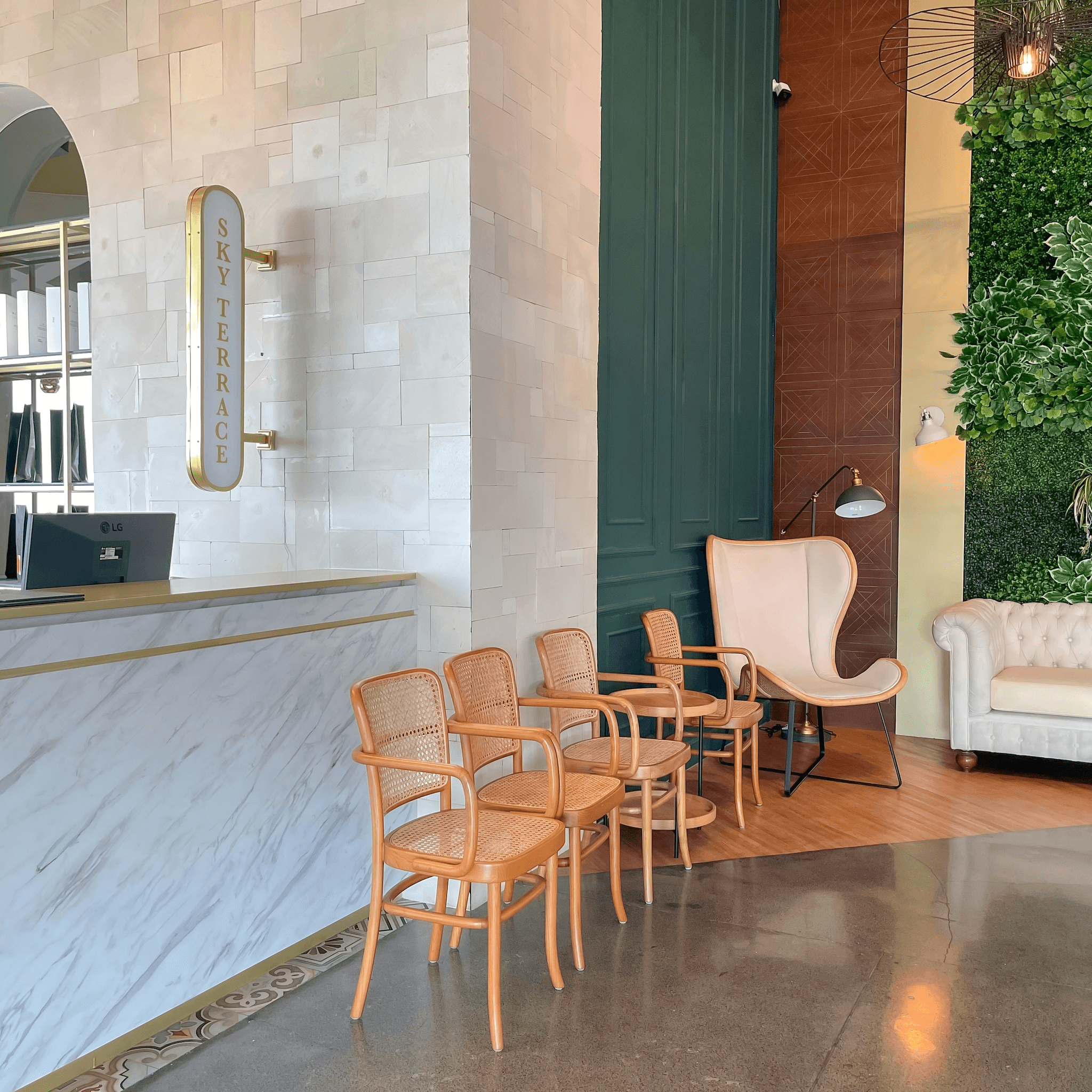
Preparing for a successful Hotel Furniture Inspection is crucial to ensure that every piece of furniture meets quality standards and enhances the guest experience. This preparation phase involves selecting qualified inspectors, creating a thorough checklist, and setting a realistic timeline for the inspection process. By focusing on these elements, hotels can significantly improve their inspection outcomes and address any potential issues before they affect guests.
Selecting Qualified Inspectors
Choosing the right inspectors is paramount in the preparations for your Hotel Furniture Inspection. Look for professionals who have experience in hotel furnishings and understand industry standards; this will ensure that they can spot even the most subtle defects. A qualified inspector not only identifies issues but also offers valuable recommendations based on their expertise, which is essential for maintaining high-quality furniture.
Creating an Inspection Checklist
An effective inspection checklist serves as a roadmap during your Hotel Furniture Inspection, guiding inspectors through each area of focus systematically. The checklist should include criteria such as structural integrity, aesthetic appeal, safety features, and compliance with health regulations. By having a comprehensive checklist in place, you minimize the risk of overlooking critical aspects that could impact guest satisfaction.
Setting a Timeline for Inspection
Establishing a clear timeline is another vital step in your preparations for Hotel Furniture Inspection. Consider factors such as peak occupancy times and maintenance schedules to determine when inspections can be conducted with minimal disruption to operations. A well-defined timeline not only ensures that inspections are thorough but also allows ample time for addressing any common hotel furniture defects identified during the process.
Step-by-Step Hotel Furniture Inspection Process
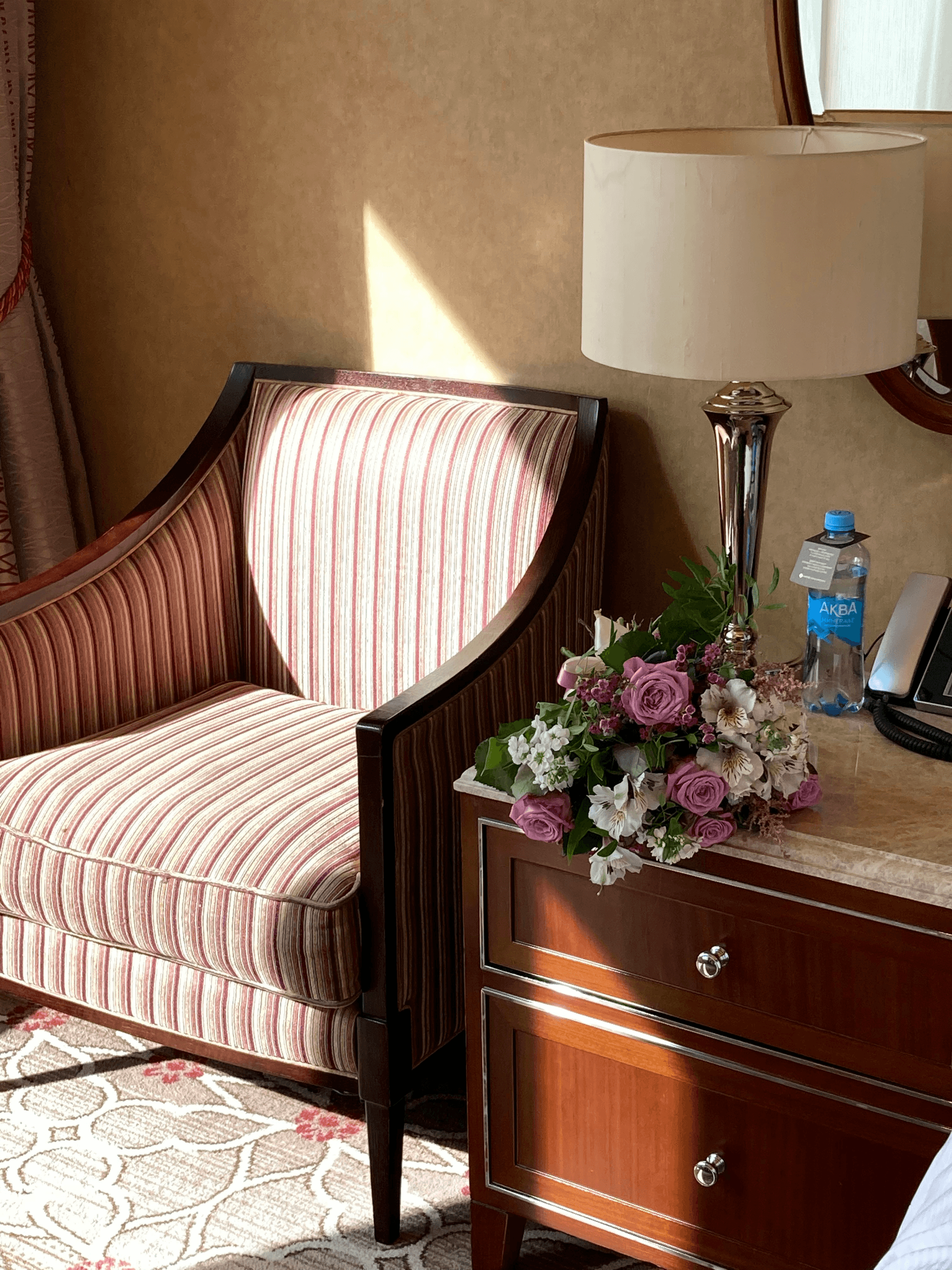
Conducting a thorough Hotel Furniture Inspection is crucial for maintaining the quality and appeal of your hotel. This process involves several key steps that ensure every piece of furniture meets the required standards while also enhancing guest satisfaction. By following a systematic approach, you can identify potential issues early and implement effective solutions, reinforcing The Importance of Hotel Furniture Inspection.
Initial Assessment and Requirements
Before diving into the nitty-gritty of the inspection, it's essential to conduct an initial assessment to establish the scope and requirements of your Hotel Furniture Inspection. This phase includes determining which areas need attention, such as guest rooms, lobbies, or dining areas. Additionally, you should gather any existing reports or feedback from staff and guests to pinpoint specific concerns that may require immediate attention.
Having clear requirements helps streamline the inspection process and ensures that no stone is left unturned during evaluations. It’s also wise to involve team members from different departments in this stage; their insights can provide a well-rounded perspective on furniture usage and wear-and-tear patterns. Ultimately, this preparatory step sets a solid foundation for effective inspections down the line.
Detailed Examination Techniques
Once you've established your initial assessment criteria, it’s time to delve into detailed examination techniques during your Hotel Furniture Inspection. This involves not just visual checks but also tactile assessments where inspectors physically interact with each piece of furniture to gauge its condition—checking for stability, comfort, and overall aesthetics. Use specialized tools where necessary; for example, a level can help assess if tables are even while fabric samples can reveal wear over time.
A comprehensive checklist will guide inspectors through various categories such as upholstery condition, structural integrity, and functionality of movable parts like drawers or recliners. Additionally, taking notes on any defects will be invaluable when discussing Common Hotel Furniture Defects and Solutions later in the process. By employing meticulous examination techniques, you ensure that every detail is accounted for in your inspection report.
Documenting Findings and Recommendations
The final step in your Step-by-Step Hotel Furniture Inspection Process involves documenting findings meticulously along with actionable recommendations based on those observations. Each defect identified should be clearly noted along with its location within the hotel premises—this makes it easier for maintenance teams to address issues promptly after inspections are completed.
Additionally, consider providing visual documentation through photographs or sketches that highlight specific problems; this adds clarity when communicating with stakeholders about necessary repairs or replacements needed due to common defects found during inspections. Finally, summarize your recommendations by prioritizing them based on urgency—this way you can tackle critical issues first while planning for long-term improvements.
Common Hotel Furniture Defects and Solutions

Hotel furniture inspection is crucial for identifying issues that can detract from a guest's experience. By understanding the common defects found in hotel furnishings, property managers can take proactive steps to maintain quality. This section will explore frequent issues, practical solutions, and the importance of partnering with experts like China Inspection Pro.
Identifying Frequent Issues
In the realm of hotel furniture inspection, certain defects tend to pop up more frequently than others. These include scratches on surfaces, loose joints in furniture, upholstery wear and tear, and even structural instability in beds and chairs. Recognizing these common hotel furniture defects early allows for timely interventions that uphold the importance of hotel furniture inspection.
Guests expect a seamless experience when they check into a hotel; thus, it's essential to be vigilant about potential problems. Beyond aesthetic concerns like stains or fading fabrics, safety hazards such as wobbly tables or broken chair legs must also be addressed promptly. Identifying these issues not only enhances guest satisfaction but also protects the brand's reputation.
Practical Solutions and Remediation
Once common defects are identified during the preparations for hotel furniture inspection, it’s time to implement practical solutions. For minor scratches on wooden surfaces or laminate finishes, polishing kits can work wonders; however, deeper damage may require professional refinishing or replacement of affected pieces altogether. Upholstery wear might necessitate cleaning or reupholstering to restore items to their original splendor.
For structural issues like loose joints or wobbling furniture pieces, tightening screws and bolts can often resolve the problem quickly. In cases where repairs are not feasible due to extensive damage or age of the furnishings, investing in new replacements may be more cost-effective over time—especially considering how critical first impressions are for guests during their stay.
Regularly scheduled inspections as part of your step-by-step hotel furniture inspection process can prevent many of these issues from escalating into larger problems down the line.
Partnering with Experts like China Inspection Pro
While internal inspections are vital for maintaining standards within your establishment, partnering with experts such as China Inspection Pro takes quality assurance to another level. Their specialized knowledge in identifying defects during a thorough hotel furniture inspection ensures that no stone is left unturned when evaluating quality and safety standards.
Experts offer tailored recommendations based on industry best practices that help hotels maintain their reputation while ensuring guest satisfaction remains at an all-time high. Moreover, leveraging professional insights aids in reducing long-term costs associated with repairs due to overlooked defects—an essential aspect highlighted during preparations for hotel furniture inspection.
By collaborating with seasoned professionals who understand both local market conditions and international standards, hotels can enhance their operational efficiency while focusing on providing exceptional experiences for every guest.
Conclusion
In the bustling world of hospitality, ensuring quality through thorough Hotel Furniture Inspection is paramount. Guests expect a comfortable and aesthetically pleasing environment, and this can only be achieved through diligent inspections that identify and rectify issues before they become problems. By prioritizing quality, hotels not only enhance guest satisfaction but also foster loyalty and repeat business.
Enhancing Guest Experience Through Quality
The Importance of Hotel Furniture Inspection cannot be overstated; it directly correlates with the overall guest experience. High-quality furniture that is well-maintained creates a welcoming ambiance, allowing guests to relax and enjoy their stay without distractions from defects or discomfort. When hotels invest in regular inspections, they ensure that every piece of furniture contributes positively to the guest experience, leading to rave reviews and higher occupancy rates.
The Role of Regular Inspections
Preparations for Hotel Furniture Inspection play a critical role in maintaining high standards within the hospitality industry. Regular inspections not only help identify wear and tear but also serve as a proactive measure against potential safety hazards. By adhering to a Step-by-Step Hotel Furniture Inspection Process, hotels can systematically assess their furnishings, ensuring every item meets both aesthetic and functional expectations.
Continuous Improvement in Hotel Operations
Finally, embracing the concept of continuous improvement in hotel operations means making regular Hotel Furniture Inspections an integral part of your maintenance strategy. Identifying Common Hotel Furniture Defects and Solutions during these inspections allows for timely interventions that can save costs in the long run while enhancing overall service quality. As hotels adapt to changing guest expectations, ongoing evaluations will ensure they remain competitive and relevant in an ever-evolving marketplace.