
Introduction
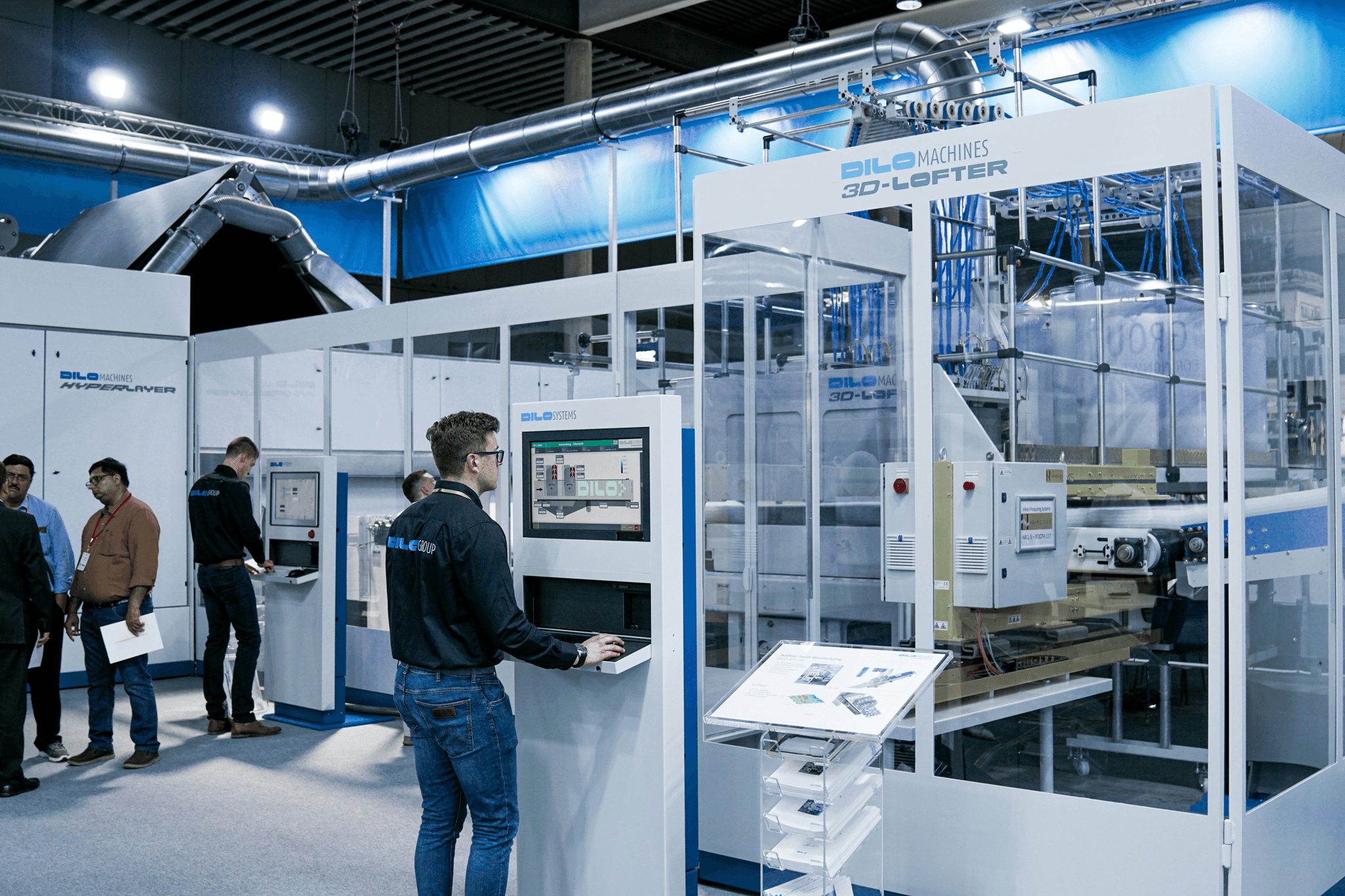
In today's fast-paced manufacturing landscape, the significance of Factory-Provided Product Inspection cannot be overstated. As products move from concept to reality, ensuring their quality through rigorous inspection processes is vital for maintaining customer trust and satisfaction. This is where quality assurance comes into play, acting as the backbone of manufacturing operations by verifying that products meet predefined standards before they reach consumers.
Importance of Factory-Provided Product Inspection
Factory-Provided Product Inspection serves as a critical checkpoint in the production cycle, allowing manufacturers to identify defects early on. By implementing robust quality control measures, companies can prevent costly recalls and damage to their reputation, which could arise from subpar products reaching the market. Ultimately, this proactive approach not only safeguards consumer interests but also enhances overall operational efficiency.
The Role of Quality Assurance in Manufacturing
Quality assurance is integral to manufacturing success; it encompasses all efforts made to ensure that products meet specified requirements consistently. By establishing clear quality control protocols and testing services throughout the production process, manufacturers can significantly reduce variability and improve product reliability. This commitment to quality assurance fosters a culture of excellence within organizations and paves the way for long-term growth.
Why Choose Professional Inspection Services
Opting for professional inspection services elevates a manufacturer's ability to maintain high standards in product quality and control. These specialized services offer expertise in various inspection techniques tailored to specific industry needs, ensuring comprehensive assessments are conducted efficiently. Partnering with professionals not only streamlines the inspection process but also provides valuable insights into potential improvements in quality testing services.
Visual Inspection Tools

Visual inspection tools are the unsung heroes of quality assurance in manufacturing. These tools play a crucial role in factory-provided product inspection, ensuring that products meet stringent quality control standards before they reach consumers. By employing effective visual quality control methods, manufacturers can detect defects early, saving time and resources while enhancing overall product reliability.
The Significance of Visual Quality Control
Visual quality control is paramount in maintaining high standards in manufacturing processes. It allows inspectors to identify visible defects such as scratches, dents, or color discrepancies that might otherwise go unnoticed during production. This proactive approach not only boosts the quality assurance quality but also reinforces customer trust by delivering products that meet their expectations.
In the realm of factory-provided product inspection, visual inspections serve as the first line of defense against potential issues. They help create a culture of quality and control within organizations by encouraging workers to take ownership of their output. Ultimately, this process fosters a commitment to excellence that permeates every level of production.
Top Visual Inspection Devices Used
When it comes to visual inspection devices, there’s a wide array of tools designed for various applications in quality testing services. Commonly used devices include magnifying glasses and borescopes for examining hard-to-reach areas, as well as digital cameras equipped with advanced imaging technology for detailed assessments. Each tool has its unique advantages tailored to specific inspection needs.
One standout device is the video microscope, which provides real-time imaging and magnification capabilities that enhance defect detection during factory-provided product inspections. Another essential tool is the portable digital microscope; its compact design allows for easy transportation and use across different manufacturing sites while still delivering high-resolution imagery crucial for effective quality control.
By utilizing these top visual inspection devices, companies can ensure thorough evaluations that align with their rigorous standards for quality assurance and control.
Benefits of Conducting Visual Inspections
Conducting regular visual inspections offers numerous benefits that extend beyond mere compliance with industry standards. First and foremost, these inspections significantly reduce the risk of defective products reaching consumers by catching issues early in the production process—this ultimately leads to enhanced customer satisfaction and loyalty over time.
Moreover, incorporating visual inspections into your workflow streamlines operations by minimizing costly rework or returns associated with poor-quality items. This proactive approach not only saves money but also reinforces an organization’s reputation as a provider committed to excellence in both products and services offered through professional inspection services.
Lastly, regular visual checks foster an environment where employees are more engaged with their work since they understand how vital their contributions are to overall product integrity—a win-win situation for everyone involved!
Measuring Instruments

Measuring instruments are the backbone of quality assurance in manufacturing, ensuring that products meet specified standards and customer expectations. In the realm of Factory-Provided Product Inspection, these tools play a critical role in maintaining quality control throughout the production process. Without accurate measurements, even the best-designed products can fall short of delivering quality assurance.
Commonly Used Measuring Tools
In any manufacturing environment, several measuring tools are indispensable for effective quality testing services. Tools such as tape measures, rulers, and gauges help assess dimensions and tolerances quickly and efficiently. Additionally, specialized instruments like dial indicators and height gauges provide deeper insights into product specifications, ensuring that every aspect of quality control is meticulously addressed.
Ensuring Precision with Calipers and Micrometers
Calipers and micrometers stand out as champions of precision measurement within the arsenal of inspection services used in factories. These tools allow operators to measure internal and external dimensions with remarkable accuracy—often down to a thousandth of an inch! By employing calipers and micrometers during Factory-Provided Product Inspection processes, manufacturers can significantly enhance their quality assurance measures, ensuring that every piece meets stringent standards.
The Impact of Accurate Measurements on Quality
Accurate measurements are pivotal for maintaining high-quality standards in manufacturing; they directly influence product performance and customer satisfaction. When manufacturers prioritize precision through effective measuring instruments, they demonstrate a commitment to both quality control and continuous improvement. Ultimately, this dedication leads to lower defect rates, reduced waste, and a stronger reputation for delivering top-notch products.
Non-Destructive Testing Methods

Non-destructive testing (NDT) methods are crucial in the realm of quality assurance, particularly within manufacturing environments. These techniques allow for the evaluation of materials and components without causing any damage, ensuring that products meet stringent quality standards. By incorporating NDT into factory-provided product inspection processes, manufacturers can maintain high levels of quality control while minimizing waste and costs.
Understanding Non-Destructive Techniques
Non-destructive techniques encompass a variety of methods designed to assess the integrity and properties of materials without compromising their functionality. Commonly used in various industries, these techniques include ultrasonic testing, radiographic testing, magnetic particle testing, and dye penetrant testing. By utilizing these methods in quality assurance practices, companies can detect flaws early on, enhancing overall product reliability and safety.
Popular NDT Tools in Quality Assurance
Several popular NDT tools have become staples in quality assurance efforts across industries. Ultrasonic thickness gauges measure material thickness using sound waves; radiographic equipment employs X-rays or gamma rays to visualize internal structures; magnetic particle testers reveal surface and near-surface defects in ferromagnetic materials; while dye penetrants highlight surface cracks through color contrast. Each tool plays a vital role in ensuring that factory-provided product inspection is thorough and effective.
How NDT Ensures Product Integrity
NDT ensures product integrity by identifying potential defects that could compromise safety or performance before they result in failure during use. This proactive approach is essential for maintaining high standards of quality control throughout the manufacturing process, as it allows for timely interventions when issues are detected. Ultimately, implementing non-destructive testing as part of comprehensive quality testing services not only enhances customer satisfaction but also reinforces a brand's commitment to excellence.
Electronic Inspection Systems
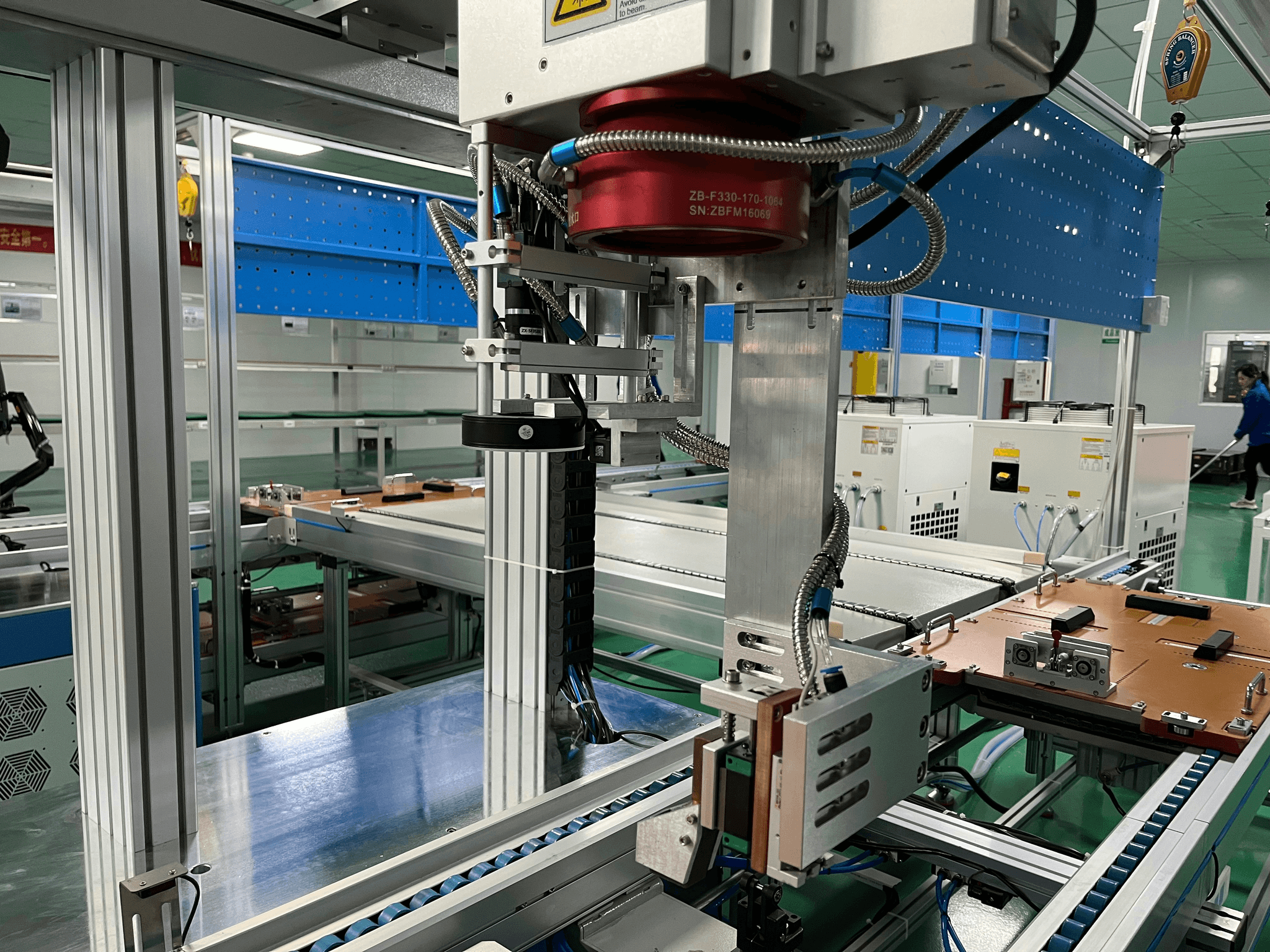
In the ever-evolving landscape of manufacturing, electronic inspection systems have emerged as game-changers in quality assurance. These automated solutions not only streamline processes but also enhance the accuracy and reliability of quality control measures. By integrating advanced technology into Factory-Provided Product Inspection, manufacturers can ensure their products meet stringent quality standards.
Advantages of Automated Inspection Solutions
Automated inspection solutions bring a plethora of advantages to the table, revolutionizing how quality assurance is conducted in factories. First and foremost, they significantly reduce human error, ensuring that quality control remains consistent and precise throughout the production process. Moreover, these systems can operate around the clock, increasing efficiency and allowing for faster turnaround times in quality testing services.
Another key benefit is the ability to gather real-time data during inspections, which provides valuable insights into production trends and potential issues. This data-driven approach empowers manufacturers to make informed decisions that enhance overall product quality while minimizing waste. Ultimately, adopting automated inspection solutions leads to improved productivity and customer satisfaction through reliable quality assurance.
Industry-Leading Electronic Inspection Tools
The market is teeming with industry-leading electronic inspection tools designed to elevate quality control practices across various sectors. Among these tools are advanced vision systems that utilize high-resolution cameras for detailed product analysis, ensuring every component meets specified standards in Factory-Provided Product Inspection. Additionally, laser measurement devices provide unparalleled accuracy by capturing intricate dimensions without physical contact.
Other noteworthy tools include automated X-ray machines that enable comprehensive internal inspections without damaging products—a crucial aspect of maintaining integrity in manufacturing processes. These cutting-edge technologies not only facilitate thorough evaluations but also align with modern demands for efficiency and precision in quality assurance practices. As industries continue to adopt these innovative tools, we can expect significant enhancements in overall product reliability.
The Future of Quality Control Technology
Looking ahead, the future of quality control technology is poised for remarkable advancements driven by artificial intelligence (AI) and machine learning (ML). These technologies will enable even more sophisticated analysis during Factory-Provided Product Inspection processes by predicting potential failures before they occur—truly a proactive approach to maintaining high-quality standards. Furthermore, as IoT (Internet of Things) integration becomes more prevalent, real-time monitoring will become standard practice within manufacturing environments.
This evolution signifies a shift towards smarter factories where data analytics play an integral role in optimizing production lines and enhancing overall efficiency in quality assurance procedures. As manufacturers embrace these innovations, we can anticipate a landscape where every aspect of production—from design to delivery—is meticulously monitored for superior results in both quality control and customer satisfaction.
Documentation and Reporting Tools
In the realm of quality assurance, documentation and reporting tools play a pivotal role in maintaining high standards. Accurate inspection records are not just bureaucratic necessities; they are essential for ensuring that every aspect of Factory-Provided Product Inspection meets rigorous quality control standards. Without these records, manufacturers risk overlooking critical issues that could compromise product integrity.
Importance of Accurate Inspection Records
Accurate inspection records serve as the backbone of quality assurance efforts in manufacturing. They provide a detailed history of each product's journey through various quality testing services, ensuring accountability and traceability. By meticulously documenting findings from inspections, manufacturers can identify trends, address recurring issues, and ultimately enhance overall quality control.
Moreover, these records are invaluable during audits or compliance checks. Regulatory bodies often require proof that products have undergone thorough inspections as part of their quality assurance protocols. In this way, accurate documentation not only supports internal processes but also fortifies relationships with clients by demonstrating commitment to quality and control.
Essential Software for Quality Testing Services
The advent of technology has revolutionized how manufacturers approach documentation in their quality assurance practices. Essential software solutions for quality testing services streamline data collection and analysis, making it easier to maintain accurate inspection records. These tools often come equipped with features such as real-time monitoring, automated reporting, and customizable dashboards to enhance visibility into the inspection process.
Additionally, many software platforms integrate seamlessly with existing manufacturing systems to ensure a cohesive flow of information across departments. This integration is crucial for maintaining consistency in quality control efforts while minimizing human error associated with manual data entry. With the right software at their disposal, companies can elevate their approach to Factory-Provided Product Inspection significantly.
Streamlining Processes through Effective Documentation
Effective documentation is about more than just keeping track; it’s about optimizing processes within the manufacturing workflow. By streamlining how information related to inspections is recorded and reported, companies can reduce bottlenecks that often plague traditional methods of record-keeping. This efficiency translates directly into improved responsiveness when addressing defects or inconsistencies found during inspections.
Furthermore, well-organized documentation facilitates better communication among teams involved in the production process. When everyone has access to accurate inspection records and reports from their quality assurance activities, collaboration improves significantly—leading to faster resolutions and enhanced overall product quality control strategies. Investing time in refining documentation practices pays off by fostering an environment where continuous improvement thrives.
Conclusion
In the ever-evolving landscape of manufacturing, the importance of quality assurance cannot be overstated. Factory-provided product inspection plays an essential role in maintaining high standards and ensuring that products meet the required specifications. By utilizing advanced inspection tools and techniques, manufacturers can enhance quality control, reduce defects, and ultimately improve customer satisfaction.
Enhancing Quality Control with Inspection Tools
The integration of various inspection tools is pivotal for effective quality assurance quality in manufacturing processes. Visual inspections, measuring instruments, non-destructive testing methods, and electronic inspection systems all contribute to a comprehensive approach to quality control. These tools not only identify defects early but also provide valuable data that inform continuous improvement efforts across production lines.
The Benefits of Partnering with Experts
When it comes to implementing effective quality testing services, partnering with experts can make a world of difference. Professional inspection services bring specialized knowledge and experience that can enhance your factory-provided product inspection processes significantly. Collaborating with seasoned professionals ensures that your quality control measures are up-to-date and aligned with industry best practices, ultimately leading to superior product integrity.
Choosing China Inspection Pro for Quality Assurance
For those seeking reliable inspection services tailored to their needs, China Inspection Pro stands out as a top choice for quality assurance solutions. With a commitment to excellence in factory-provided product inspection, they leverage state-of-the-art technology and skilled inspectors to deliver precise results every time. By choosing China Inspection Pro, you gain access to an extensive range of services designed to elevate your quality control efforts while ensuring peace of mind.