
Introduction

In a world where quality can make or break a business, understanding AQL inspection for defect reduction is crucial. AQL, or Acceptable Quality Level, serves as a vital tool in the arsenal of quality assurance practices, helping manufacturers identify and mitigate defects before they reach consumers. By implementing effective AQL sampling methods, businesses can not only enhance their product quality but also improve customer satisfaction and loyalty.
Understanding AQL Inspection for Defect Reduction
AQL inspection is the process of evaluating a random sample of products from a batch to determine if the quality meets predetermined standards. This method allows companies to detect defects early in production and reduce the risk of delivering subpar products to customers. By focusing on defect reduction through rigorous quality assurance inspection processes, businesses can save time and resources while maintaining their reputation in the marketplace.
The Importance of Quality Assurance in Manufacturing
Quality assurance is not just an optional add-on; it's an essential component of successful manufacturing operations. Effective quality control inspection ensures that every product leaving the factory meets high standards of excellence, minimizing returns and enhancing brand reputation. When manufacturers prioritize QA practices, they create a culture of consistency that fosters trust among consumers and stakeholders alike.
How AQL Sampling Can Transform Your Process
Implementing AQL sampling techniques can revolutionize how businesses approach quality management. By systematically analyzing samples from production runs, companies can pinpoint areas needing improvement while ensuring compliance with industry standards. This transformation not only leads to reduced defect rates but also promotes efficiency throughout the manufacturing process by streamlining operations and reducing waste.
Defining AQL Inspection Levels
When it comes to ensuring quality in manufacturing, understanding AQL inspection levels is crucial. These levels serve as a framework for determining acceptable quality limits, which can significantly influence your overall quality assurance strategy. By grasping the nuances of AQL sampling, businesses can enhance their quality control inspection processes and reduce defects effectively.
What Are AQL Inspection Levels?
AQL, or Acceptable Quality Level, refers to the maximum number of defective items considered acceptable during a random sampling of an inspection lot. Essentially, these levels help define what constitutes an acceptable defect rate in a given batch of products. Different industries may utilize varying AQL standards based on their specific requirements and risk tolerance; thus, understanding these levels is key to effective quality assurance inspection.
AQL inspection levels are typically categorized into three main classifications: general inspection (often referred to as normal), tightened inspection, and reduced inspection. Each category has its own set of parameters that guide how many samples should be taken and what defect rates are permissible. By choosing the right level for your needs, you can optimize your quality control inspections while ensuring that your product meets customer expectations.
The Science Behind Acceptable Quality Levels
The science behind acceptable quality levels is rooted in statistical sampling theory and aims to balance risk management with operational efficiency. Statistical methods provide a quantifiable way to assess the likelihood of defects occurring in a production lot based on sampled items during an AQL inspection process. This scientific approach helps manufacturers make informed decisions about product acceptance or rejection while minimizing waste and cost.
Understanding the mathematical principles behind AQL allows businesses to set realistic expectations for their products while maintaining high-quality standards through effective QA quality assurance practices. The calculation of AQL involves factors like lot size and sample size; thus, having accurate data at hand is essential for implementing successful quality control inspections. Ultimately, this scientific foundation empowers organizations to achieve optimal performance without sacrificing product integrity.
Choosing the Right AQL Level for Your Needs
Selecting the appropriate AQL level requires careful consideration of various factors unique to each business environment. First and foremost, consider your industry standards; certain sectors demand stricter compliance due to safety concerns or regulatory requirements that necessitate higher-quality assurance inspections. Additionally, evaluate customer expectations—if clients demand perfection or minimal defects, it might be wise to adopt a stricter AQL level.
Another important aspect is understanding your production capabilities; if you have robust processes that consistently yield high-quality outputs, you may opt for a more lenient acceptance level without jeopardizing overall product integrity during inspections. Conversely, if you're facing challenges related to production variability or supplier reliability issues, tightening your AQL may be warranted until those problems are resolved through improved QA practices or partnerships with reliable quality inspection companies.
In conclusion, choosing the right AQL level isn't just about numbers; it's about aligning those numbers with your company's goals and values while ensuring that every product meets both internal standards and customer satisfaction criteria through effective quality control inspections.
The Role of Quality Inspection Companies
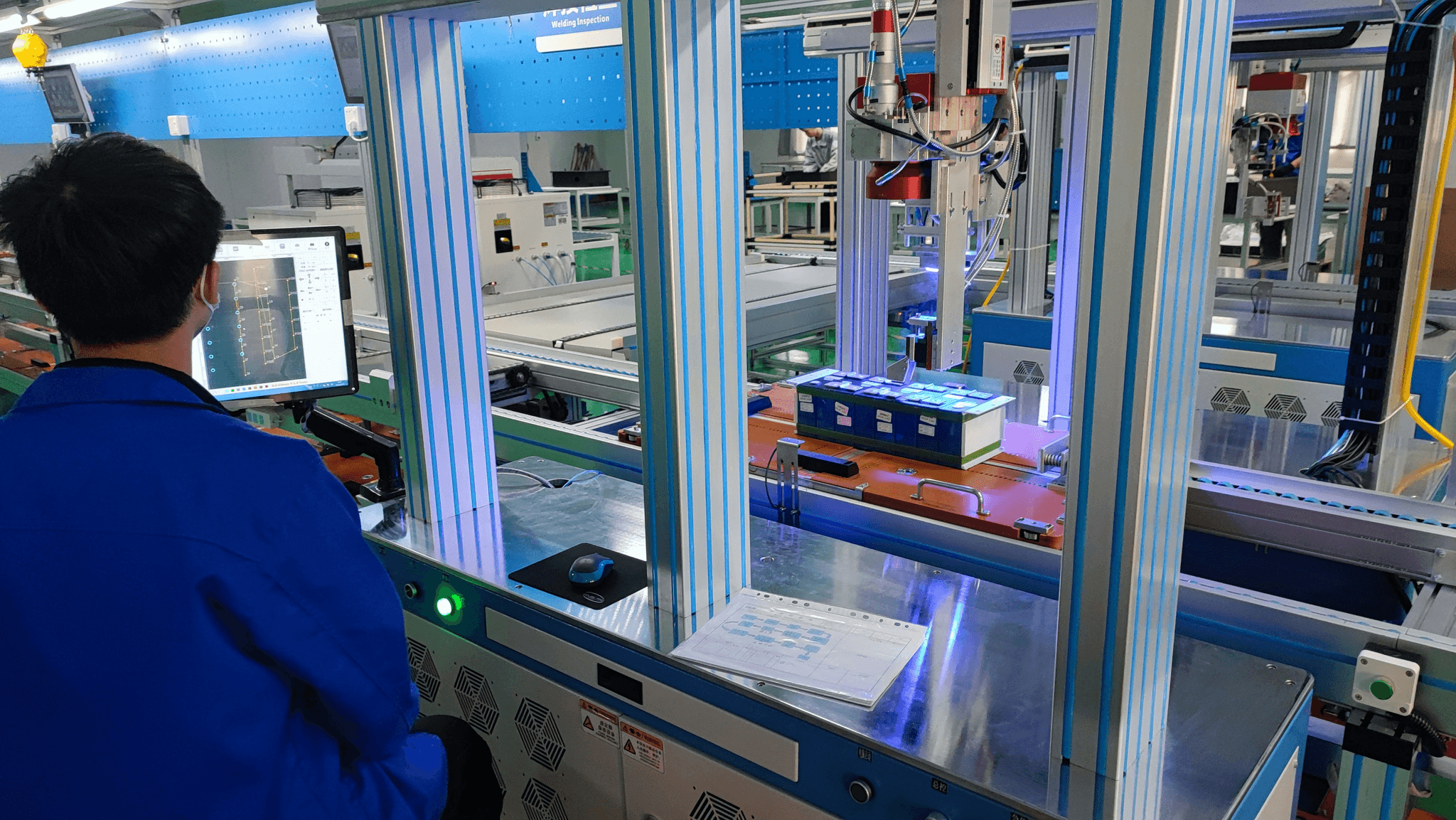
In the world of manufacturing, quality is king, and quality inspection companies are the royal advisors that help maintain that throne. These specialists bring a wealth of knowledge and experience to the table, ensuring that your AQL inspection processes are not just effective but also efficient. By leveraging their expertise, businesses can significantly reduce defect rates and enhance overall product quality.
How Experts Enhance Your AQL Process
Quality inspection companies play a pivotal role in elevating your AQL sampling strategy. Their seasoned professionals utilize advanced methodologies to identify potential defects early in the production process, which is crucial for maintaining high standards of qa quality assurance. With their insights and tailored solutions, these experts can optimize your quality control inspection processes, making them more robust against errors.
Moreover, these companies often employ state-of-the-art quality inspection software that streamlines data collection and analysis. This technology enables real-time monitoring of production lines, allowing for quicker adjustments when deviations occur. By integrating expert knowledge with cutting-edge tools, manufacturers can ensure their products meet or exceed acceptable quality levels.
Key Benefits of Partnering with Quality Inspection Companies
Collaborating with quality inspection companies brings a plethora of benefits to manufacturers aiming for excellence in their products. First and foremost, these partnerships provide access to specialized knowledge that may be lacking internally; this expertise ensures thorough understanding and implementation of effective AQL inspection practices. Additionally, outsourcing inspections allows companies to focus on their core competencies while leaving the intricacies of quality assurance inspections to professionals.
Another significant advantage is cost-effectiveness; engaging with experts can lead to reduced waste and rework costs by catching defects early on through rigorous quality control inspections. Furthermore, these partnerships often result in improved customer satisfaction as consistently high-quality products foster trust and loyalty among consumers. In an increasingly competitive market, having reliable partners dedicated to maintaining product integrity can be a game-changer.
Case Studies of Successful Quality Control Inspections
To illustrate the impact of partnering with quality inspection companies, consider the case study of a mid-sized electronics manufacturer struggling with high defect rates in its production line. After engaging a leading quality control inspection firm specializing in AQL sampling strategies, they implemented tailored training programs for their QA team alongside advanced quality inspection software solutions. Within months, defect rates plummeted by 40%, leading to significant cost savings and enhanced customer satisfaction.
Another compelling example involves a textile company facing challenges with inconsistent fabric qualities across different batches. By collaborating with a dedicated quality assurance company for regular inspections using precise AQL levels tailored to each fabric type, they could achieve remarkable consistency in product output—resulting in fewer returns and complaints from retailers who value reliability above all else.
These case studies highlight how strategic partnerships not only streamline processes but also contribute significantly to long-term success through improved product standards.
Implementing Quality Inspection Software

In today's fast-paced manufacturing environment, leveraging technology is essential for effective quality control inspection. Quality inspection software can streamline AQL sampling processes, enhance data accuracy, and improve overall efficiency in your quality assurance inspection efforts. Choosing the right software can be a game-changer, transforming the way you approach quality assurance and defect reduction.
Choosing the Right Quality Inspection Software
Selecting the appropriate quality inspection software is crucial for optimizing your AQL inspection processes. Start by evaluating your specific needs—do you require mobile capabilities for on-site inspections or advanced reporting features? Additionally, consider how well the software integrates with existing systems; seamless integration ensures that your qa quality assurance protocols remain uninterrupted and efficient.
Another key factor to consider is user-friendliness. The best quality inspection software should have an intuitive interface that allows inspectors to quickly learn and adapt to it without extensive training. Remember, an easy-to-navigate system will not only improve productivity but also enhance overall morale among your QA team.
Features to Look for in Inspection Tools
When searching for top-notch quality inspection tools, there are several features that can significantly impact your AQL sampling outcomes. First and foremost, look for robust data analytics capabilities; this enables you to analyze trends over time and make informed decisions based on real-time insights into defect rates. Additionally, customizable reporting options allow you to tailor information according to different stakeholders’ needs—whether it’s a quick overview for management or detailed reports for production teams.
Integration with mobile devices is another vital feature that enhances flexibility in inspections. Inspectors can capture images and record data directly from the production floor, minimizing errors associated with manual entries later on. Lastly, ensure that the software supports compliance tracking; maintaining adherence to industry standards is essential in any successful quality assurance inspection process.
Streamlining AQL Sampling with Technology
Technology plays a pivotal role in streamlining AQL sampling processes within manufacturing settings. By automating routine tasks such as data entry and report generation, quality inspection software allows QA teams to focus more on critical analysis rather than mundane paperwork. This shift not only accelerates the sampling process but also reduces human error—an essential consideration when aiming for high-quality outputs.
Moreover, implementing cloud-based solutions facilitates collaboration across departments or even geographical locations—perfect for multinational companies relying on consistent standards across various plants. Real-time updates enable teams to react swiftly to any issues detected during inspections, ultimately leading to quicker corrective actions and reduced defect rates.
In summary, embracing technology through effective quality inspection software can revolutionize how organizations approach their AQL inspections while enhancing overall product integrity through diligent qa quality assurance practices.
Training Your QA Team for Success
In the world of manufacturing, the quality assurance (QA) team is the frontline defense against defects. Investing in training your QA personnel is not just beneficial; it’s essential for effective AQL Inspection processes. A well-trained team can significantly enhance the quality control inspection outcomes, leading to fewer defects and higher customer satisfaction.
Essential Skills for Quality Assurance Inspectors
Quality assurance inspectors must possess a unique blend of technical skills and soft skills to excel in their roles. They should be adept at using quality inspection software to analyze data efficiently and interpret results accurately, ensuring that AQL sampling meets industry standards. Additionally, strong communication skills are vital, as inspectors often collaborate with production teams to address issues identified during quality assurance inspections.
Moreover, an understanding of statistical methods is critical for inspectors working with acceptable quality levels (AQL). This knowledge helps them make informed decisions about product acceptance or rejection based on sampled data. Ultimately, these essential skills empower QA teams to effectively carry out their responsibilities and contribute positively to the overall manufacturing process.
Developing Effective Training Programs
Creating a robust training program for your QA team is crucial for maintaining high standards in quality control inspection practices. Start by identifying key areas where knowledge gaps exist; this could range from understanding AQL sampling techniques to familiarizing staff with new quality inspection software tools. Tailoring training sessions that focus on these areas will ensure that inspectors are equipped with the necessary skills.
Incorporating hands-on training exercises can also enhance learning outcomes significantly. Real-world scenarios allow QA team members to practice their skills in a controlled environment, preparing them for actual inspections where they must apply what they've learned effectively. Regularly updating training materials based on industry trends and technological advancements will keep your QA team sharp and responsive to changing demands.
The Impact of Skilled Inspectors on Defect Rates
The correlation between skilled inspectors and reduced defect rates cannot be overstated when it comes to AQL Inspection processes. Well-trained quality assurance personnel can identify potential issues before they escalate into costly problems during production runs or after delivery—saving both time and resources in the long run. Their expertise ensures that products meet established standards consistently, boosting overall product reliability.
Furthermore, skilled inspectors play a pivotal role in fostering a culture of continuous improvement within organizations by providing valuable feedback from quality inspections back into production processes. This feedback loop encourages proactive adjustments rather than reactive fixes after defects have been identified post-production. As a result, companies see not only lower defect rates but also enhanced customer trust and loyalty over time.
Monitoring and Adjusting AQL Levels

In the world of AQL Inspection, monitoring and adjusting acceptable quality levels is crucial for maintaining high standards in production. Continuous improvement is not just a buzzword; it’s a necessity for any organization striving to minimize defects and enhance product quality. By regularly assessing your quality control inspection processes, you can identify areas needing attention and adapt to evolving industry standards.
The Importance of Continuous Improvement
Continuous improvement in quality assurance is vital for staying competitive in today's fast-paced manufacturing landscape. It involves regularly evaluating your AQL sampling methods and making necessary adjustments based on inspection outcomes. This proactive approach not only reduces defect rates but also fosters a culture of excellence within your QA team, ensuring that everyone is aligned with the company's quality objectives.
How to Analyze Inspection Data Effectively
Analyzing inspection data effectively is the backbone of informed decision-making in quality assurance inspections. By leveraging advanced quality inspection software, companies can gather insights from their AQL Inspection results to spot trends or recurring issues that may indicate deeper problems in production processes. Utilizing statistical tools allows organizations to dissect this data, providing clarity on where improvements are needed most, thus ensuring that every step taken enhances overall product integrity.
Making Informed Adjustments to Reduce Defects
Once you've analyzed your inspection data, making informed adjustments becomes paramount for reducing defects. This might involve recalibrating your AQL levels based on historical performance or enhancing training programs for inspectors through collaboration with specialized quality inspection companies. By implementing these changes systematically, manufacturers can create a feedback loop that continuously refines their processes, leading to sustained improvements in product quality and customer satisfaction.
Conclusion
In wrapping up our journey through the world of AQL Inspection, it’s clear that a well-structured approach to quality assurance is not just beneficial; it’s essential. From understanding AQL sampling levels to leveraging quality inspection software, every element contributes to reducing defects and enhancing overall product quality. By adopting these strategies, manufacturers can ensure their products meet customer expectations and regulatory standards.
Key Takeaways for Effective AQL Inspection
First and foremost, grasping the fundamentals of AQL Inspection is vital for any manufacturing process aiming for excellence in quality control inspection. Remember that selecting the right AQL level directly impacts defect rates; too lenient a standard may lead to undetected flaws, while too strict may hinder production efficiency. Additionally, employing quality inspection companies can provide the expertise needed to navigate complex quality assurance challenges effectively.
The Long-Term Benefits of Quality Assurance Practices
Investing in robust qa quality assurance practices pays dividends over time by fostering customer trust and loyalty through consistent product reliability. Companies that prioritize quality assurance inspection often experience reduced costs associated with returns and repairs, ultimately improving their bottom line. Moreover, a culture centered on continuous improvement can inspire innovation within teams as they strive for greater efficiency in their processes.
Next Steps for Implementing AQL Strategies
To kickstart your journey toward effective AQL strategies, begin by assessing your current processes and identifying areas ripe for improvement through targeted training programs for your QA team. Explore various quality inspection software options that align with your specific needs—these tools can streamline your operations significantly when used effectively. Finally, don't hesitate to reach out to reputable quality inspection companies that can offer valuable insights and support tailored to enhance your overall quality control efforts.