
Introduction
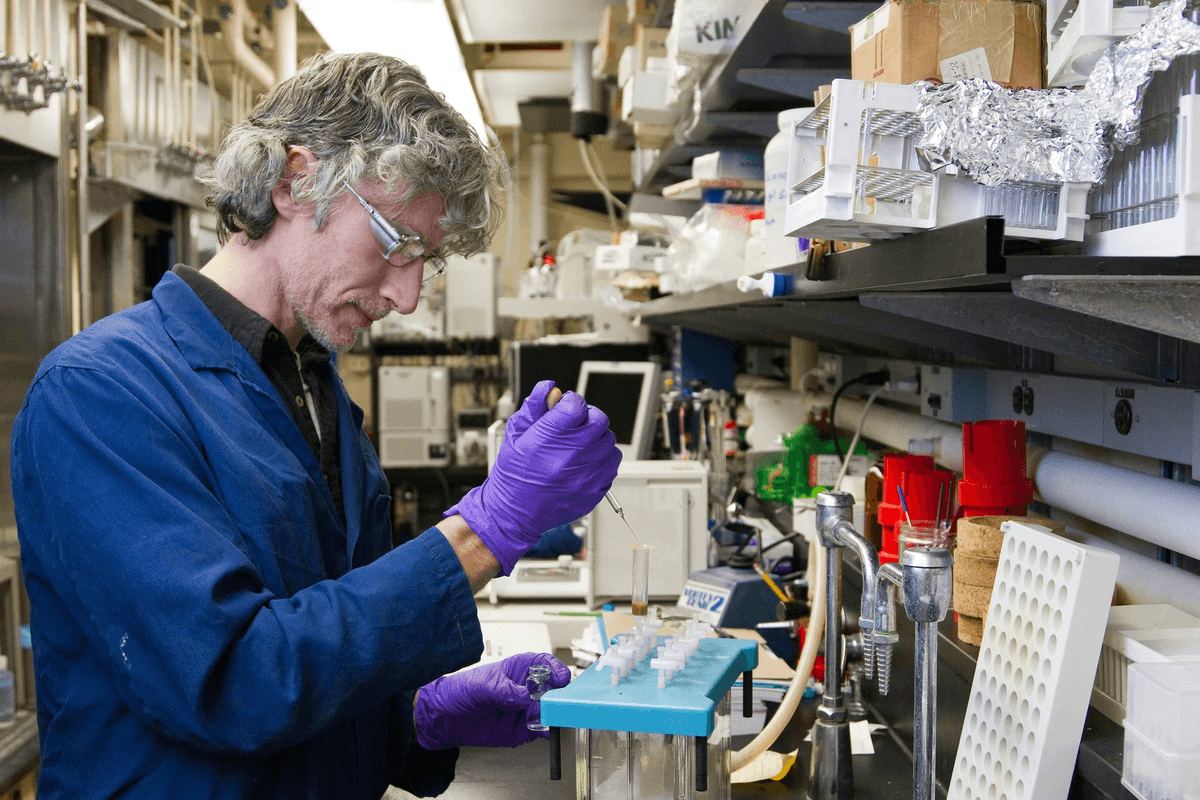
In a world where quality reigns supreme, understanding raw material testing is crucial for industries that rely on the integrity of their inputs. Raw materials serve as the foundation for countless products, making their testing not just a procedural formality but a vital step in ensuring excellence. But what is raw materials testing? It encompasses various methods and practices designed to evaluate the properties and performance of materials before they enter production.
Understanding Raw Material Testing
Raw material testing involves analyzing and verifying the qualities of substances used in manufacturing processes. This includes assessing their physical, chemical, and mechanical properties to ensure they meet specified standards. By asking what are the 5 types of material testing, we can delve deeper into how these evaluations are categorized, which ultimately informs decisions about material selection and usage.
Importance of Quality in Raw Materials
The importance of quality in raw materials cannot be overstated; subpar inputs can lead to defective products that fail to meet consumer expectations or safety regulations. Industries such as pharmaceuticals heavily depend on high-quality raw materials—what is RM in pharma industry? It refers specifically to the essential components that contribute to drug formulation and efficacy, highlighting why rigorous testing is indispensable.
Key Techniques for Effective Testing
To ensure reliable results, various key techniques for effective testing must be employed across different industries. From physical assessments like tensile strength tests to chemical analyses that determine composition, each method plays a pivotal role in validating material quality. Moreover, understanding what are 5 examples of raw materials helps contextualize these techniques within real-world applications, enhancing our grasp of their significance.
What is Raw Materials Testing?
Raw materials testing is a critical process that ensures the quality and suitability of materials used in manufacturing and production. This testing involves evaluating the physical, chemical, and mechanical properties of raw materials to confirm they meet specified standards. Understanding what raw materials testing entails is essential for industries aiming to deliver high-quality products consistently.
Definition and Purpose
Raw material testing refers to the systematic evaluation of various materials before they are incorporated into production processes. The primary purpose of this testing is to verify that the raw materials meet industry standards and specifications, ensuring they will perform as expected in end products. By implementing effective raw material testing protocols, companies can minimize risks associated with material failure, enhance product reliability, and maintain customer satisfaction.
Industry Standards and Protocols
In the realm of raw material testing, adherence to industry standards and protocols is paramount. Various organizations provide guidelines that dictate how raw materials should be tested for quality assurance; these include ASTM International, ISO standards, and specific industry regulations like those in pharmaceuticals. Following these established protocols not only helps ensure compliance but also fosters trust among consumers regarding product safety and efficacy.
Impact on Product Quality
The impact of raw material testing on product quality cannot be overstated; it serves as a foundational element in manufacturing excellence. When businesses invest in thorough testing processes for their raw materials, they significantly reduce the likelihood of defects or failures in finished products. Ultimately, effective raw material testing translates into higher customer satisfaction rates, improved brand reputation, and enhanced market competitiveness—key factors for success across various industries.
What are the 5 Types of Material Testing?
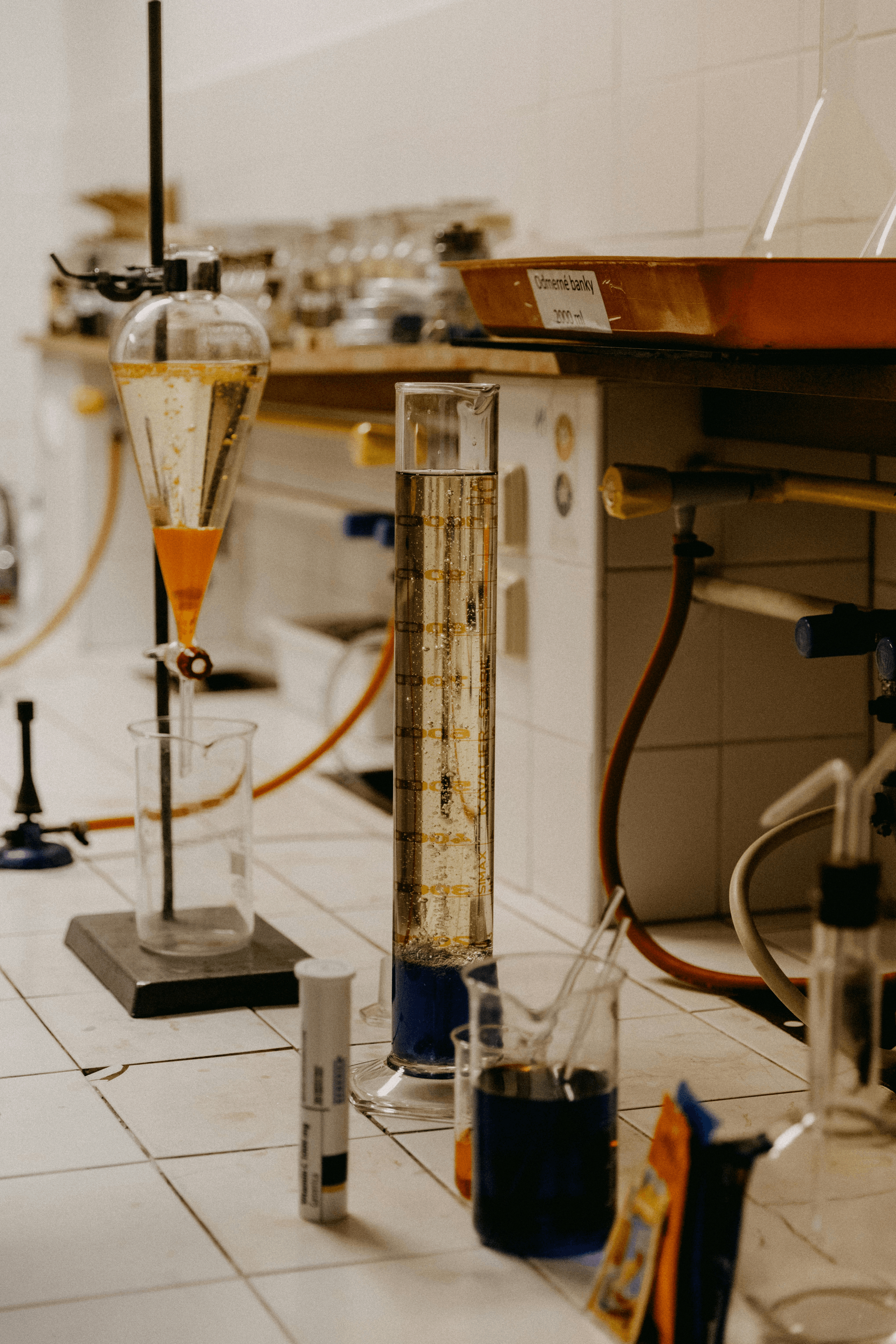
When it comes to raw material testing, understanding the various types of testing methods is crucial. Each method serves a specific purpose and helps ensure that materials meet the necessary standards for quality and safety. In this section, we will explore the five primary types of material testing: physical, chemical, mechanical, performance, and environmental testing.
Physical Testing Methods
Physical testing methods assess the fundamental characteristics of materials without altering their chemical composition. These tests often include evaluations of size, shape, density, and thermal properties. By employing techniques such as microscopy or spectrometry in raw material testing, industries can identify defects or irregularities that may impact product performance.
In addition to identifying defects, physical tests help determine how materials behave under various conditions. For instance, measuring a material's thermal conductivity can inform manufacturers about its suitability for heat-sensitive applications. Understanding these physical properties is essential for ensuring compliance with industry standards.
Chemical Testing Approaches
Chemical testing approaches delve into the composition and reactivity of raw materials to ensure they meet specified requirements. This type of raw material testing includes techniques like chromatography and spectroscopy to analyze elements and compounds present in a sample. By identifying impurities or unwanted substances through chemical analysis, manufacturers can avoid costly production errors.
Moreover, chemical tests play a vital role in regulatory compliance across various industries—especially in pharmaceuticals where stringent quality control measures are mandatory. The insights gained from these tests help maintain product integrity while safeguarding consumer health by ensuring that harmful substances are absent from raw materials.
Mechanical Testing Procedures
Mechanical testing procedures evaluate how materials respond to external forces or loads—essential for assessing durability and strength in real-world applications. Common mechanical tests include tensile strength measurements and hardness assessments that gauge a material's ability to withstand deformation or failure under stress during use.
For instance, understanding a metal's tensile strength is critical when determining its suitability for construction projects where structural integrity is paramount. These mechanical evaluations not only contribute to product safety but also enhance overall performance by providing insights into potential weaknesses during manufacturing processes.
Performance Testing Techniques
Performance testing techniques focus on evaluating how well materials perform under specific conditions relevant to their intended applications. This type of raw material testing assesses factors like wear resistance, fatigue life, and thermal stability—helping manufacturers predict how products will behave over time.
For example, if you're developing automotive components using polymers or metals as raw materials, performance tests can reveal how these materials handle extreme temperatures or corrosive environments over their lifespan. Such insights are invaluable for ensuring reliability and longevity in consumer products while minimizing risks associated with premature failures.
Environmental Testing Practices
Environmental testing practices examine how raw materials react under varying environmental conditions such as temperature fluctuations or exposure to moisture—an essential aspect of quality assurance in many industries today. These tests help predict long-term behavior regarding degradation rates due to external factors like UV radiation or humidity levels.
By conducting environmental assessments during raw material testing phases early on in product development processes (especially important for what is RM in pharma industry), manufacturers can proactively address potential issues before they arise post-production stages—leading not only to enhanced product longevity but also increased customer satisfaction through reliable performance outcomes over time.
What are 5 Examples of Raw Materials?

When discussing raw materials, it's essential to recognize the diversity that exists within this category. From metals to polymers, each type of raw material plays a crucial role in various industries. Understanding these examples can help clarify what is raw materials testing and how it applies across different sectors.
Metals and Alloys
Metals and alloys are foundational raw materials used extensively in construction, manufacturing, and engineering. These materials undergo rigorous raw material testing to ensure they meet industry standards for strength, durability, and resistance to corrosion. Not only do they provide structural integrity, but their performance also significantly impacts the overall quality of final products.
Polymers and Plastics
Polymers and plastics represent another vital category of raw materials that are ubiquitous in everyday products—from packaging to automotive components. The versatility of these materials necessitates specific testing methods; thus, knowing what are the 5 types of material testing becomes critical when evaluating their properties like tensile strength or thermal stability. Effective raw material testing ensures that these polymers can withstand various environmental conditions while maintaining functionality.
Ceramics and Glass
Ceramics and glass are often overlooked yet play a significant role in both industrial applications and consumer goods. These materials require unique approaches during the testing phase due to their brittle nature; understanding what is RM in pharma industry highlights how ceramics can be used for drug delivery systems as well as medical devices. Rigorous quality control measures through effective raw material testing help ensure that these products perform reliably under stress.
Natural Fibers
Natural fibers such as cotton, wool, or hemp have gained popularity due to their sustainability credentials and versatility in textiles. Raw material testing for natural fibers often focuses on aspects like moisture absorption, tensile strength, and biodegradability—essential factors that influence product quality in fashion or home goods industries. As consumers increasingly demand eco-friendly options, understanding what are 5 examples of raw materials broadens our appreciation for the role natural fibers play.
Chemical Compounds
Chemical compounds serve as the backbone for numerous industries including pharmaceuticals, agriculture, and cosmetics. In the context of what is RM in pharma industry, chemical compounds like active pharmaceutical ingredients (APIs) undergo stringent quality checks to ensure efficacy and safety before reaching consumers' hands. The importance of effective raw material testing cannot be overstated here; it directly influences product reliability while adhering to regulatory compliance.
What is RM in Pharma Industry?

In the pharmaceutical industry, raw materials (RM) are the essential building blocks for drug formulation and production. They encompass a wide range of substances, from active pharmaceutical ingredients (APIs) to excipients that aid in drug delivery. Understanding the role of these materials is crucial for ensuring product efficacy and safety.
Role of Raw Materials in Pharmaceuticals
Raw materials play a pivotal role in pharmaceuticals, as they directly influence the quality and effectiveness of the final product. The selection of high-quality raw materials is vital since any impurities or inconsistencies can lead to adverse effects on patients or compromise therapeutic outcomes. Moreover, raw material testing helps identify suitable suppliers and ensures that these materials meet stringent industry standards.
Quality Control Measures
Quality control measures are integral to managing raw material testing within the pharma sector. These measures involve rigorous testing protocols to verify that each batch of raw materials meets predefined specifications before use in manufacturing processes. By implementing robust quality control practices, companies can mitigate risks associated with substandard materials and enhance overall product reliability.
Regulatory Compliance and Testing
Regulatory compliance is non-negotiable in the pharmaceutical industry, particularly concerning raw material testing. Various regulatory bodies set forth guidelines that dictate how raw materials should be tested for purity, potency, and safety before they can be utilized in drug development. Adhering to these regulations not only ensures patient safety but also helps companies maintain their market standing by avoiding costly recalls or legal issues.
Best Practices for Raw Material Testing
When it comes to raw material testing, following best practices can significantly enhance the quality and reliability of your results. Effective testing not only ensures compliance with industry standards but also safeguards the integrity of your final products. By implementing a structured approach, you can optimize your processes and minimize risks associated with subpar materials.
Choosing the Right Testing Methods
Selecting appropriate testing methods is crucial in raw material testing. Different materials require different approaches; understanding What are the 5 types of material testing? helps in making informed decisions. For instance, physical tests assess dimensions and surface properties, while chemical tests analyze composition—both vital for ensuring that materials meet specifications.
Moreover, employing the right techniques can directly impact product quality by identifying potential issues early in production. It’s essential to align your chosen methods with industry standards and protocols to ensure compliance and reliability. This strategic selection process not only streamlines operations but also enhances overall efficiency in raw material testing.
Importance of Documentation
Documentation plays a pivotal role in raw material testing, serving as a backbone for quality assurance processes. Accurate records help track test results and provide evidence that materials meet necessary standards—essential when addressing What is RM in pharma industry? regulations or audits. Moreover, thorough documentation fosters transparency and accountability within organizations.
In addition, maintaining meticulous records allows for easier identification of trends or recurring issues related to specific materials or suppliers. This proactive approach enables companies to make data-driven decisions regarding their sourcing strategies and improve supplier relationships over time. Ultimately, proper documentation reinforces trust with stakeholders by demonstrating commitment to quality throughout the raw material testing process.
Collaborating with Experts like China Inspection Pro
Partnering with experts such as China Inspection Pro can elevate your raw material testing efforts significantly. Their specialized knowledge ensures that you adhere to best practices while navigating complex compliance requirements across various industries—including pharmaceuticals where understanding What is RM in pharma industry? is critical for success.
Collaboration with seasoned professionals means gaining access to advanced technologies and methodologies tailored specifically for diverse materials such as metals, polymers, ceramics, natural fibers, and chemical compounds—essentially answering What are 5 examples of raw materials? efficiently during assessments. Leveraging external expertise not only enhances credibility but also optimizes resource allocation within your organization.
Conclusion

In summary, raw material testing is a crucial component in ensuring the quality and safety of products across various industries. By understanding what raw materials testing entails, companies can better appreciate its significance in maintaining high standards and meeting customer expectations. The insights gained from effective raw material testing not only enhance product reliability but also contribute to overall business success.
Recap of Raw Material Testing Importance
Raw material testing serves as the foundational step in any manufacturing process, ensuring that the inputs meet specific quality criteria before production begins. This process helps identify potential issues early on, which can save time and resources while preventing costly recalls or safety hazards down the line. Ultimately, when companies prioritize raw material testing, they enhance their reputation and foster trust among consumers.
Highlighting Industry Standards and Compliance
Adhering to industry standards and regulatory compliance is essential for any business involved in raw materials testing. Organizations must familiarize themselves with relevant protocols to ensure that they not only meet legal requirements but also uphold best practices within their sector. By aligning with these standards, companies can significantly reduce risks associated with poor-quality materials while improving overall operational efficiency.
Future Trends in Material Testing Techniques
Looking ahead, advancements in technology are likely to revolutionize how we approach raw material testing in the coming years. Innovations such as artificial intelligence and machine learning are poised to streamline processes, making them more efficient and accurate than ever before. As industries evolve, staying abreast of these trends will be essential for businesses aiming to maintain a competitive edge through effective raw material testing.